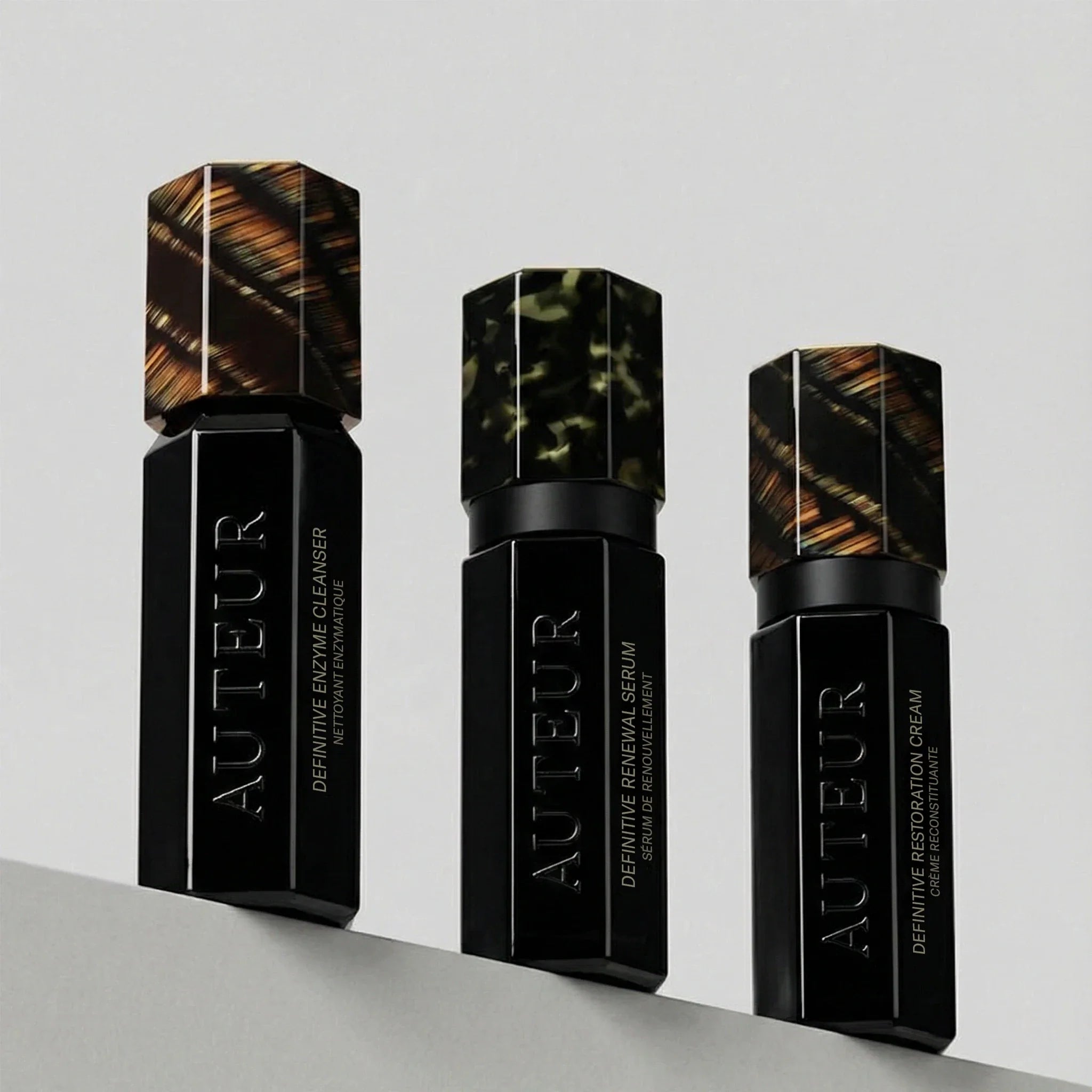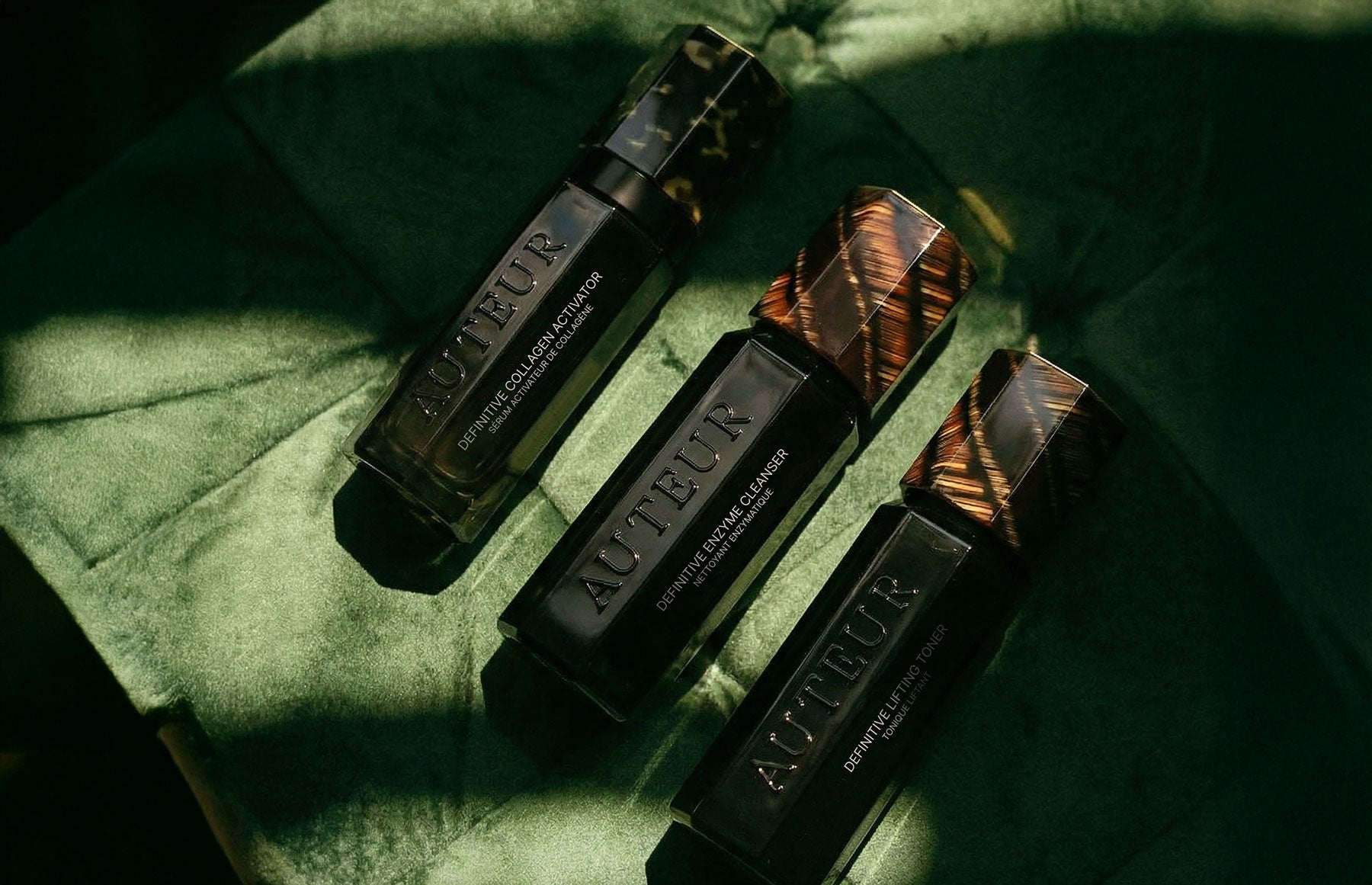



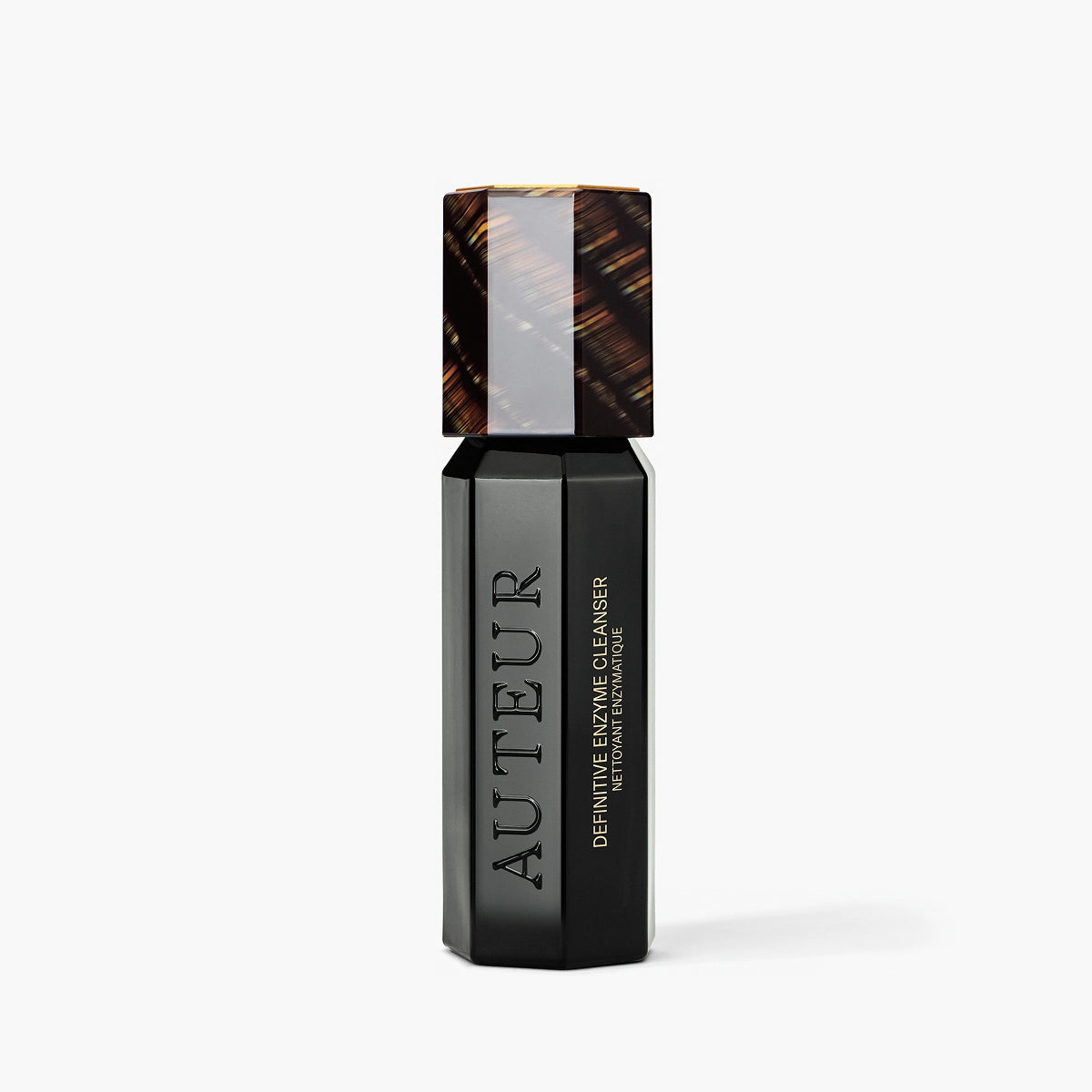


How to Layer Skincare Properly.
Skincare Guide
How to Layer Skincare Properly:
Order, Timing & Frequency for Best Results
Let's be honest: starting a new skincare routine from the overwhelming advice online can feel intimidating. One routine suggests a complicated 10-step routine, while another swears by doing less. Somewhere between the two philosophies is the expert guidance on what actually works.
The Foundation
The Core Principle of Skincare Layering
A simple rule you've probably heard before (because it's true):
But texture isn't the only factor. Active ingredients, skin sensitivity, and barrier health matter just as much — especially when using high-performance formulations.
The Routine
Step-by-Step Skincare Order (That Actually Works)
Always start with a clean canvas. A gentle, pH-balanced cleanser removes impurities without stripping the barrier. For oily or congested skin, consider a double cleanse — oil-based first, then water-based.
Rebalances pH, primes the skin for absorption, and delivers lightweight actives like Vitamin C, probiotics, or hydrating saccharides. Pat onto damp skin for maximum penetration.
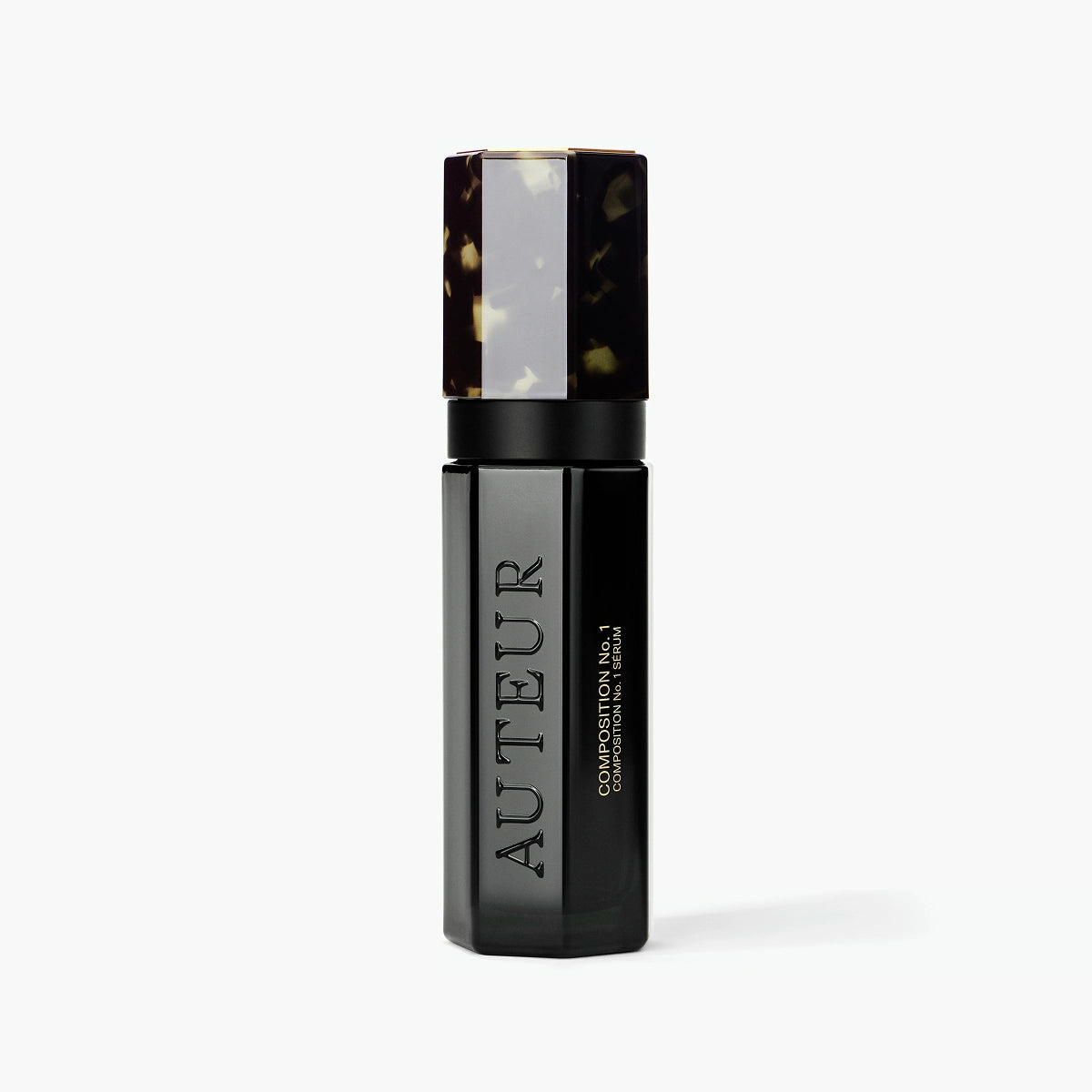
The treatment step. Serums carry the highest concentration of active ingredients — peptides, hyaluronic acid, retinol, niacinamide. Apply to face and neck, allowing full absorption before the next step.
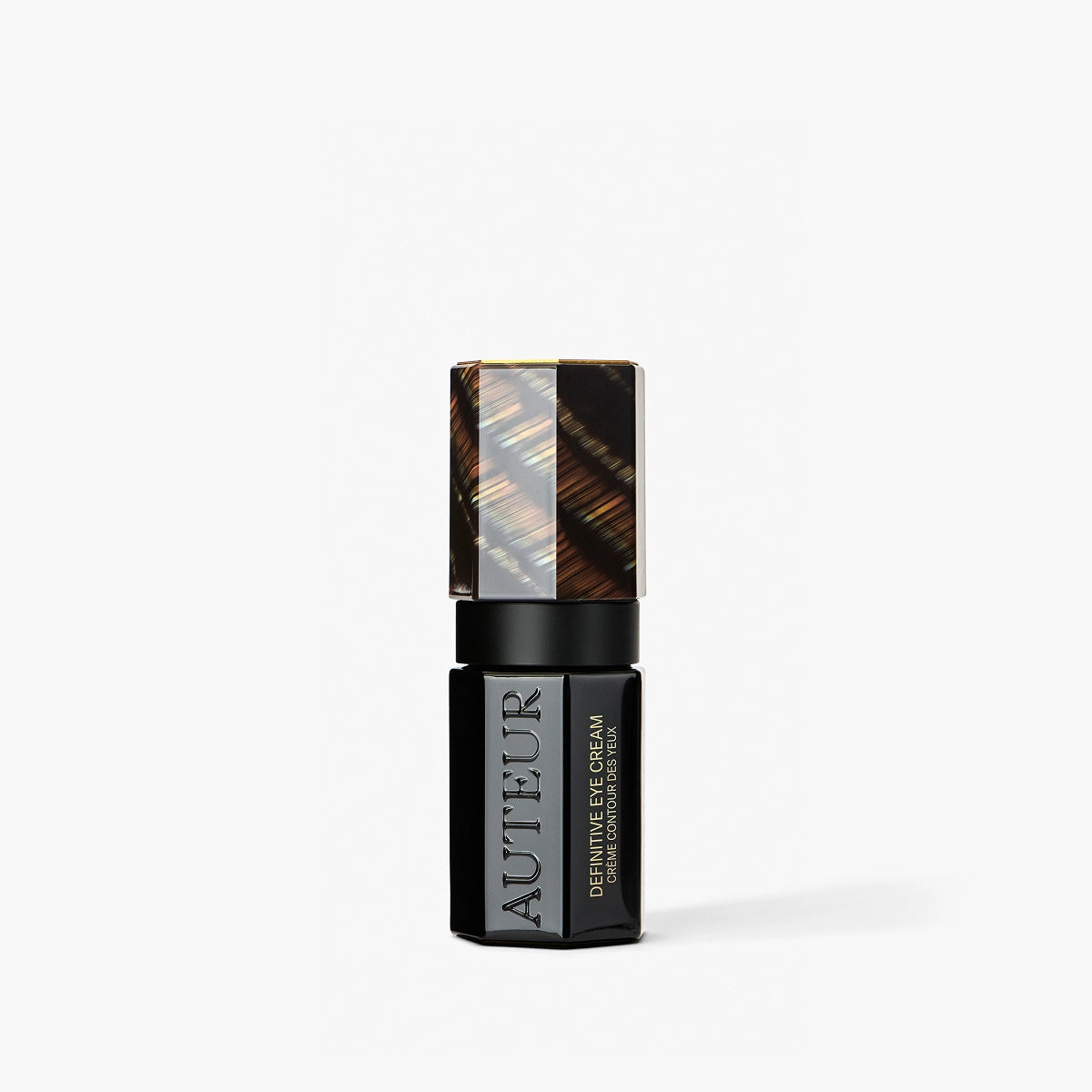
The skin around the eyes is thinner and more delicate. Apply a targeted eye formula before moisturiser — lightest first, heaviest last.
Seals in everything beneath. A quality moisturiser reinforces the barrier, locks in hydration, and provides a protective base layer. Choose lightweight, non-comedogenic formulas for oily skin.
Non-negotiable. Broad-spectrum SPF 30+ is the final step every morning — after moisturiser, before makeup. Sun damage is the primary cause of premature ageing.
Optional additions
When to Add These
AHA or enzyme-based masks unclog pores, refine texture, and boost absorption of subsequent products. Use after cleansing, before toner. Avoid over-exfoliation — it damages the barrier.
Apply after moisturiser as the final occlusive layer. Oils don't replace moisturisers — they seal everything in. Lightweight options like squalane won't clog pores.
Lips lack sebaceous glands and cannot self-hydrate. A dedicated lip treatment with peptides and hyaluronic acid should be applied after moisturiser, as often as needed throughout the day.
The neck has thinner skin and fewer oil glands than the face. A targeted neck cream with firming peptides should be applied after face moisturiser, massaged in an upward motion.
Timing
How Long to Wait Between Layers
One of the most common questions — and one of the most important. Applying products too quickly can dilute actives, cause pilling, or reduce absorption. Too slowly, and you lose the benefit of layering on damp skin.
The Timing Guide
Immediately. Apply toner while skin is still slightly damp to enhance absorption and lock in moisture.
30–60 seconds. Allow the toner to absorb but don't let skin fully dry — a slightly tacky surface helps the serum adhere and penetrate.
60–90 seconds. Serums carry concentrated actives that need time to settle into the skin before being sealed by a heavier formula.
2–3 minutes. This is the most important wait. SPF must form a uniform protective film — applying it over wet moisturiser compromises coverage.
5–10 minutes. Vitamin C operates at a lower pH. Allowing it to fully absorb preserves its efficacy and prevents pH interference with subsequent actives.
Day & Night
Morning vs Evening: What Changes
Your skin has different needs at different times. Morning is about protection and prep. Evening is about repair and renewal.
Morning Routine
Gentle cleanse to remove overnight sebum and prep the skin for actives.
Antioxidant protection against UV and environmental damage. Brightens and evens tone.
Hyaluronic acid or peptide-based. Delivers deep hydration beneath your moisturiser.
Targets puffiness, dark circles, and fine lines before moisturiser seals the area.
Lightweight, barrier-reinforcing. Locks in actives and preps skin for SPF.
Always the final step. Broad-spectrum, non-comedogenic. Non-negotiable.
Evening Routine
Oil-based cleanser removes sunscreen and makeup. Water-based cleanser removes sweat and grime.
Rebalances pH post-cleansing. Primes skin for treatment actives.
Retinol, peptides, or targeted actives. Evening is the time for potent treatments — skin repairs while you sleep.
Same as morning. Consistency is key for the delicate eye area.
Richer formula than morning. Supports overnight repair, barrier recovery, and deep hydration.
Targeted formulas for areas that need dedicated care. Apply as final steps.
Frequency
How Often Should You Use Each Product?
Not every product belongs in every routine. Overuse of actives is one of the most common causes of irritation, barrier damage, and paradoxical breakouts. Here's the frequency that works.
Product Frequency Guide
Every day, AM and PM (SPF morning only). These are non-negotiables — the foundation of every routine.
Every day, AM and PM. Hydration and collagen support are safe for daily use across all skin types.
Every morning. Best used in the AM for antioxidant protection throughout the day. Allow 5–10 minutes before layering peptides.
2–3 evenings per week (building to nightly). Start slow. Encapsulated retinol formulations reduce irritation and allow more frequent use. Always follow with moisturiser.
2–3 times per week. Overuse compromises the barrier. Alternate with hydrating or calming masks for balance.
Every day, AM and PM. The eye area ages faster than anywhere else on the face. Consistency is everything.
AM, PM, and throughout the day as needed. Lips cannot self-hydrate — frequent application is essential.
Every day, AM and/or PM. The neck shows ageing faster than the face due to thinner skin and constant movement.
Mistakes
Common Layering Mistakes to Avoid
Even with the right products, poor layering habits can undermine your entire routine.
What to Watch For
SPF should always be the last step in your morning skincare. Layering moisturiser over SPF breaks the protective film and reduces UV coverage.
Both are exfoliating. Using them together can cause over-exfoliation, redness, and barrier damage. Alternate nights instead.
Oily skin is often dehydrated skin. Skipping moisturiser triggers the skin to produce more oil to compensate. Use a lightweight, non-comedogenic formula.
Vitamin C requires a low pH to function. Applying peptides immediately after can neutralise it. Wait 5–10 minutes.
More is not better. Layering multiple strong actives in a single routine overwhelms the skin and compromises the barrier. Invest in fewer products with more active ingredients working in synergy.
Eye cream is lighter than moisturiser. Apply it first — lighter formulas cannot penetrate through heavier ones.
Synergy
Which Ingredients Work Together — and Which Don't
Ingredient pairing can amplify results or cancel them out entirely. Understanding synergy is the difference between a routine that works and one that wastes potential.
Pairs That Amplify
Vitamin C boosts the protective effects of sunscreen while neutralising free radicals that SPF alone can't address.
Ceramides repair the barrier disruption that retinol can cause, allowing more frequent use with less irritation.
HA delivers hydration at multiple depths. Peptides signal collagen production. Together, they plump and firm simultaneously.
Niacinamide regulates oil, reduces pore size, and strengthens the barrier — all enhanced when sealed by a quality moisturiser.
Pairs to Separate
Both exfoliate. Together in one routine they over-sensitise. Use on alternate evenings.
Different pH requirements. Use Vitamin C in the morning, retinol in the evening for optimal efficacy.
Acidic exfoliants can degrade peptide bonds, reducing their effectiveness. Use on separate nights.
The Essentials
The Golden Rules of Skincare Layering
The Golden Rules
Water-based formulas first, oil-based last. Lighter textures cannot penetrate through heavier ones.
30–90 seconds between most steps. 2–3 minutes before SPF. 5–10 minutes after Vitamin C.
Nothing goes on top of sunscreen except makeup. This is the single most important product in your routine.
Fewer high-performance products in synergy outperform a drawer full of low-concentration formulas.
Eyes, lips, and neck have thinner skin with fewer oil glands. They need dedicated products, not just whatever's left on your hands.
A simple, well-layered routine used daily will always outperform an aggressive routine used sporadically.
Wait 1–2 weeks between adding new actives so you can identify what works and what doesn't.
Common Queries
It's best to separate them. Vitamin C works optimally at a low pH in the morning, while retinol performs best at night. Using both in the same routine can reduce efficacy and increase irritation.
Yes. Toners rebalance pH after cleansing and prime the skin to absorb serum more effectively. They also deliver lightweight actives — like stabilised Vitamin C and probiotics — that complement heavier serum formulations.
Generally, one to two serums per routine is sufficient. More than that risks overwhelming the skin and reducing absorption. If you want to use multiple serums, alternate them between morning and evening.
Toner and hyaluronic acid-based products work best on slightly damp skin — this enhances hydration and absorption. Retinol and active treatments are generally better applied to dry skin to avoid irritation.
Most active ingredients require 4–6 weeks of consistent use to show visible results. Skin cell turnover takes approximately 28 days, so patience and consistency are essential.
The order remains the same — lightest to richest. The difference is in the formulations you choose. Oily skin benefits from lightweight, non-comedogenic textures and oil-free serums, while dry skin may need richer moisturisers and additional hydrating layers.
Weiterlesen
Explore the clinical facts about peptide performance in skincare - direct from the experts.

INTELLIGENT PEPTIDE TECHNOLOGY Why Next Generation Delivery Systems Are Redefining What Skin Can Do Most peptides never reach the cells where renewal begins. Gold Pro Collagen Peptide change...
Our collections
A curated approach to skincare, structured by function and formulation.