


The skin microbiome is not a wellness concept. It is an established field of skin biology with a substantial and growing evidence base. The human skin hosts approximately one trillion microorganisms across 1.8 square metres, forming diverse communities that vary by anatomical site, age, hormone status, and environmental exposure. These communities are not passive passengers. They actively modulate immune signalling, barrier function, pH regulation, and the inflammatory pathways that accelerate structural skin ageing.
Understanding the skin microbiome's relationship to skincare requires distinguishing between what the evidence currently supports and what remains speculative. This article does that: it covers the established science, the plausible mechanisms with emerging evidence, and the practical implications for how to evaluate microbiome-related skincare claims.
What the Skin Microbiome Is
The skin microbiome is the collective community of microorganisms, bacteria, fungi, viruses, and archaea, that inhabit the skin's surface and the superficial layers of the stratum corneum. The bacterial component is the most studied and includes genera such as Staphylococcus (including the commensal S. epidermidis and the pathobiont S. aureus), Cutibacterium (formerly Propionibacterium), Corynebacterium, and Micrococcus among others. The fungal component is dominated by Malassezia species. These communities are not randomly distributed: the sebaceous regions of the face and scalp are dominated by lipophilic organisms like Cutibacterium; the moist regions (flexures) support diverse bacterial populations; dry sites such as the volar forearm have lower overall microbial density.
Microbiome composition is highly individual, influenced by genetics, sex, age, diet, geographic location, and exposure history. The concept of a single "ideal" skin microbiome is not supported by current evidence; diversity and stability appear to be more relevant markers of skin microbiome health than any specific species profile.
The Microbiome and Skin Barrier Function
The relationship between the skin microbiome and barrier function is bidirectional and well-documented. The skin's slightly acidic pH (4.5 to 5.5) is maintained partly by the metabolic activity of commensal bacteria, which produce short-chain fatty acids and other acidic metabolites as byproducts of their normal metabolism. This acidic environment selectively favours commensal bacteria over pathogenic species and is critical for the proper processing and activation of serine proteases involved in cornified envelope formation and corneocyte shedding.
When the skin microbiome is disrupted (a state called dysbiosis), several barrier-relevant consequences follow. The pH can shift toward alkaline, impairing the processing of barrier lipids. Commensal Staphylococcus epidermidis, which in healthy skin actively inhibits colonisation by S. aureus through bacteriocin production and competitive exclusion, may be displaced by pathobionts. S. aureus produces proteases and toxins that directly damage tight junctions and disrupt the epidermal permeability barrier, explaining in part the strong association between S. aureus dominance and atopic dermatitis, a condition characterised by severe barrier impairment and inflammation.
Qualitative research evidence weight. Not a quantitative measure of individual effect size.
The Microbiome and Skin Ageing
The connection between skin microbiome changes and skin ageing is an active area of research with emerging but not yet definitive evidence. Several mechanisms have been proposed and partially supported in the literature.
Chronic low-grade skin inflammation driven by microbiome dysbiosis is the most plausible ageing-acceleration mechanism. Dysbiotic skin, characterised by reduced microbial diversity and pathobiont expansion, shows elevated expression of pro-inflammatory cytokines including IL-1 and TNF-alpha. These inflammatory signals activate matrix metalloproteinases (MMPs) via the same AP-1 transcription factor pathway that UV radiation uses to trigger collagen degradation. Chronic activation of this pathway by dysbiosis-driven inflammation would be expected to produce the same cumulative collagen degradation as photoageing, albeit at a slower rate.
Age-related changes in skin microbiome composition have been documented. Older skin shows reduced microbial diversity, lower Cutibacterium abundance, and changes in the fungal microbiome. Whether these changes are causes or consequences of ageing remains incompletely resolved; likely they are both, in a feedback loop where structural changes in ageing skin alter the microbial habitat while altered microbial communities accelerate structural changes.
What Disrupts Skin Microbiome Health
High-pH cleansers are the most well-evidenced disruption. Alkaline cleansers (soap, pH 9 to 10) significantly raise skin surface pH, inhibit the formation of the acid mantle, and shift the bacterial community away from commensal acid-tolerant species. The effects of a single alkaline cleansing event normalise within hours, but cumulative disruption with twice-daily use over years produces measurable changes in microbiome composition and barrier function.
Over-cleansing and excessive exfoliation physically remove the biofilm within which commensal bacteria reside and disrupt the lipid matrix that supports their survival. More frequent cleansing beyond twice daily, and more aggressive exfoliation schedules than the skin's natural turnover supports, are associated with microbiome diversity loss and increased skin sensitivity.
Certain preservative systems have shown antimicrobial activity against commensal species in in vitro studies. The clinical significance of this is debated; preservative concentrations in finished products are typically far below minimum inhibitory concentrations. Nonetheless, formulations that rely on minimal effective preservative concentrations are preferable from a microbiome preservation standpoint, and this is one of several reasons why fragrance-free formulations with targeted preservative systems are preferred in clinical-grade skincare.
Evidence-Supported Approaches to Microbiome Support
The most evidence-supported approach to skin microbiome preservation is barrier-centric skincare: maintaining the physical and chemical substrate in which commensal bacteria thrive. This means gentle, pH-balanced cleansers (pH 4.5 to 5.5), moisturisers with ceramides and fatty acids that support the lipid matrix, and avoiding unnecessary ingredients that are not required for product function or safety.
Prebiotic ingredients, which provide substrates that commensal bacteria can metabolise, have plausible mechanistic support and some clinical evidence behind them. Fermented ingredients, inulin, and certain polysaccharides have been studied in formulations with positive outcomes in microbiome diversity preservation. This area of research is growing, and the evidence base is building, but is not yet at the level of rigour that supports strong clinical claims.
The most practical microbiome-protective consideration for skincare formulation is restraint: fewer harsh surfactants, lower fragrance burden, pH-appropriate formulation, and targeted preservative systems. These are not microbiome-specific decisions but the same formulation choices that characterise high-quality clinical skincare for other reasons. A well-formulated clinical serum is, by construction, more microbiome-compatible than a poorly formulated one.

The Hydrating Exploration Set
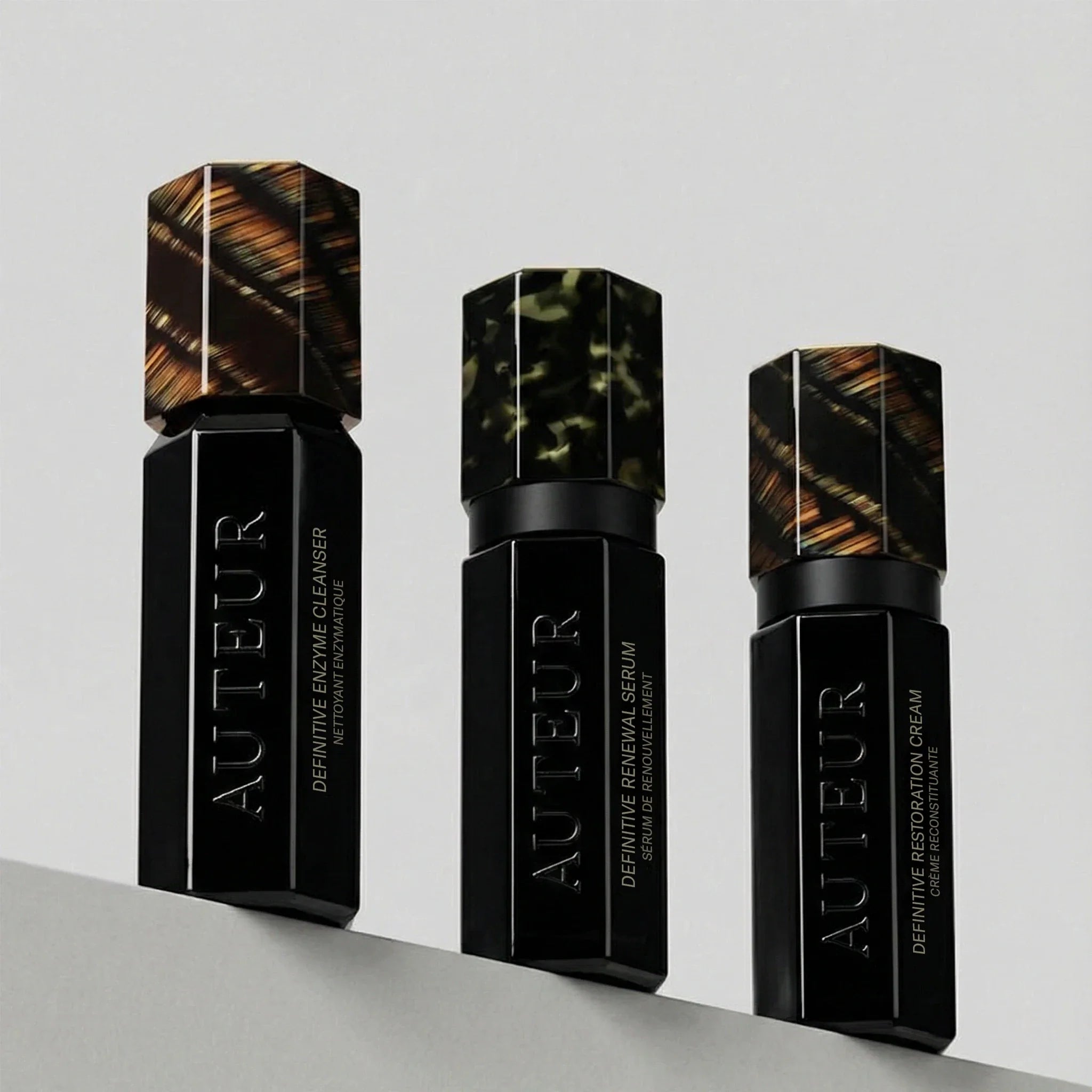
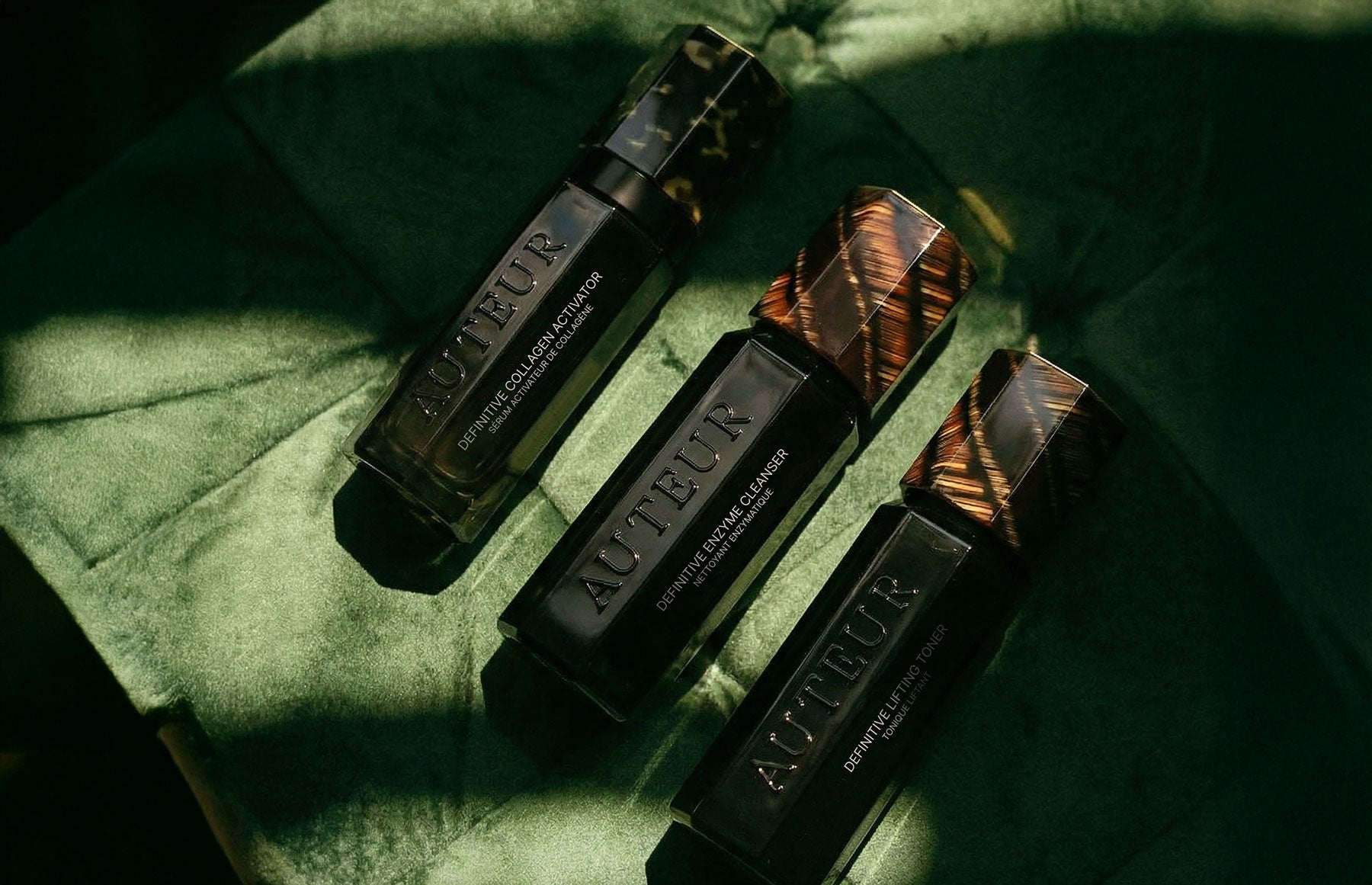
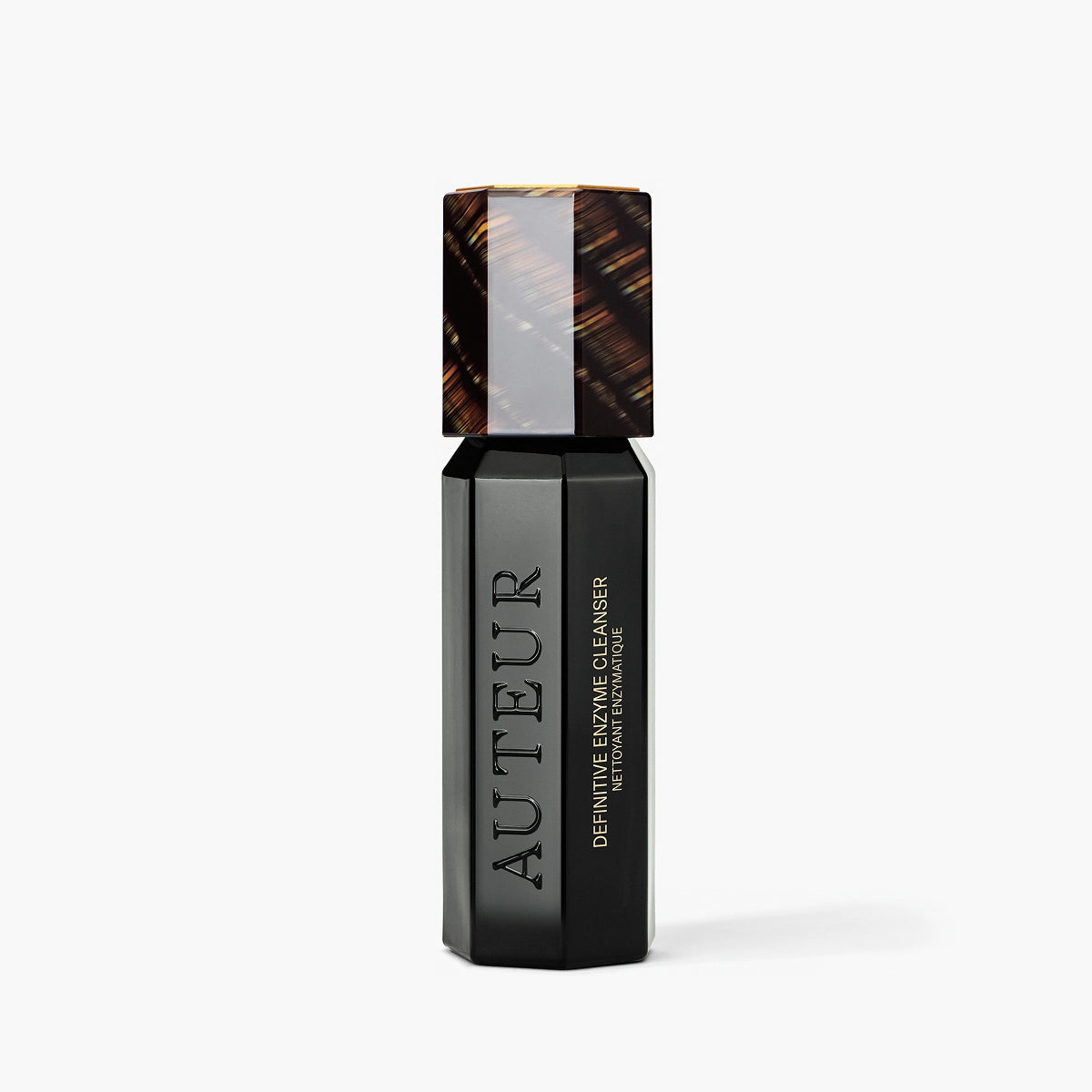
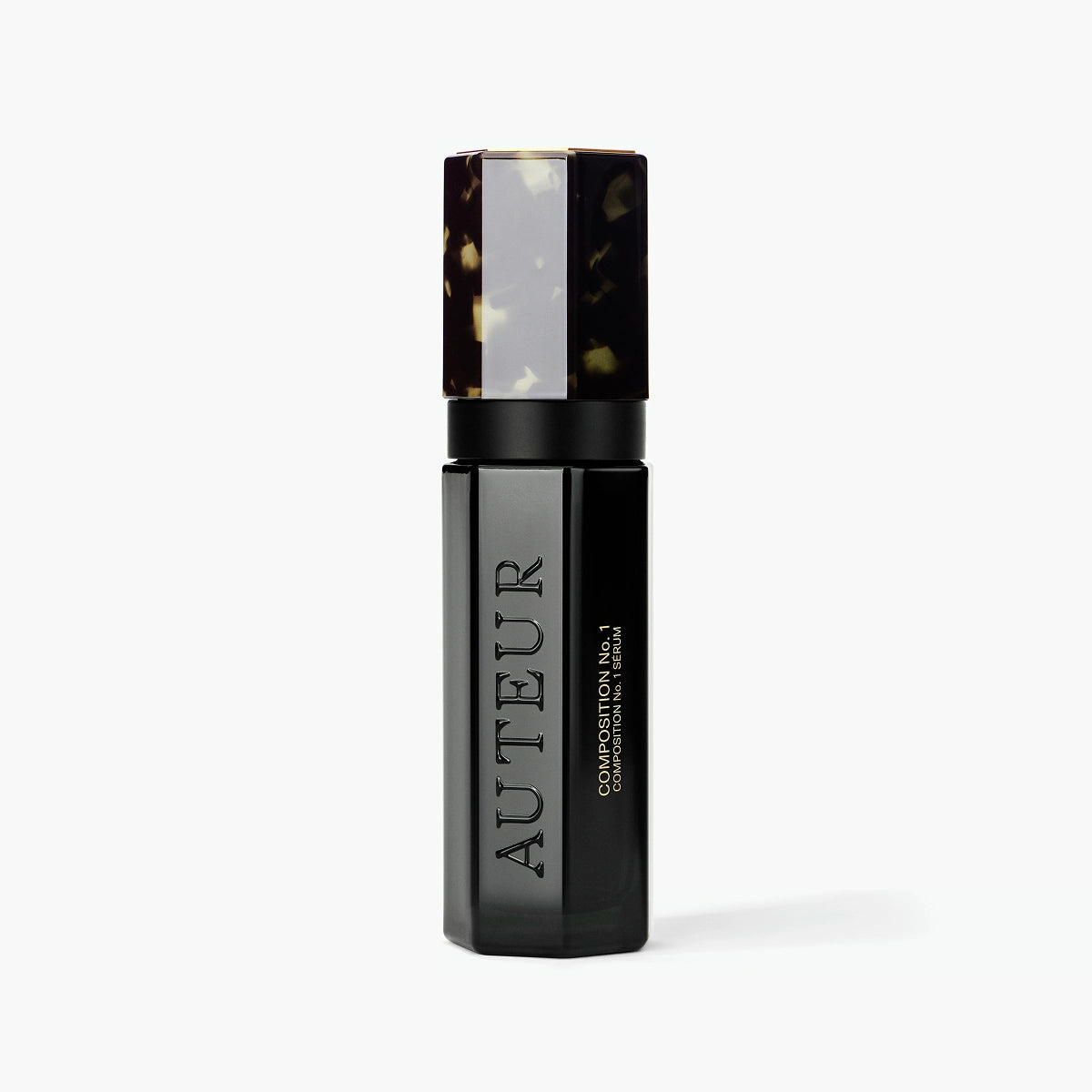
AUTEUR formulates without synthetic fragrance and uses targeted preservative systems at minimum effective concentrations. The Hydrating Exploration Set pairs a pH-balanced cleanser and ceramide-rich moisturiser designed to support barrier function and the microbiome habitat with a multi-active serum containing prebiotic-compatible actives. Formulated and manufactured in Germany under pharmaceutical-grade controls.
Explore the Hydrating SetReferences
1. Byrd, A. L., Belkaid, Y., & Segre, J. A. (2018). The human skin microbiome. Nature Reviews Microbiology, 16(3), 143-155.
2. Nakatsuji, T., et al. (2017). Antimicrobials from human skin commensal bacteria protect against Staphylococcus aureus and are deficient in atopic dermatitis. Science Translational Medicine, 9(378).
3. Grice, E. A., & Segre, J. A. (2011). The skin microbiome. Nature Reviews Microbiology, 9(4), 244-253.
4. Elias, P. M. (2012). Skin barrier function. Current Allergy and Asthma Reports, 8(4), 299-305.
5. Dréno, B., et al. (2016). Microbiome in healthy skin, update for dermatologists. Journal of the European Academy of Dermatology and Venereology, 30(12), 2038-2047.
The Microbiome-Supportive Protocol
Hydrating Set Cleanser
pH-balanced, low-surfactant formula. Preserves the acid mantle that commensal bacteria require. Use lukewarm water. One pass is sufficient.
Allow Skin pH to Stabilise
After rinsing, allow 30 seconds before applying serums. The skin surface pH stabilises to its natural range.
Hydrating Set Serum
Fragrance-free, prebiotic-compatible actives. Apply to slightly damp skin to maintain the surface moisture film that commensal bacteria require.
Hydrating Set Ceramide Moisturiser
Ceramide-rich formulation that replenishes the lipid matrix commensal bacteria depend on. Fragrance-free.
Definitive Sun Drops SPF 50
UV exposure creates conditions hostile to commensal bacteria. Morning SPF addresses one of the primary microbiome stressors.
Definitive Optimising Mask
Exfoliation disrupts the biofilm layer commensal bacteria inhabit. Maximum once per week; avoid during any period of skin reactivity.