
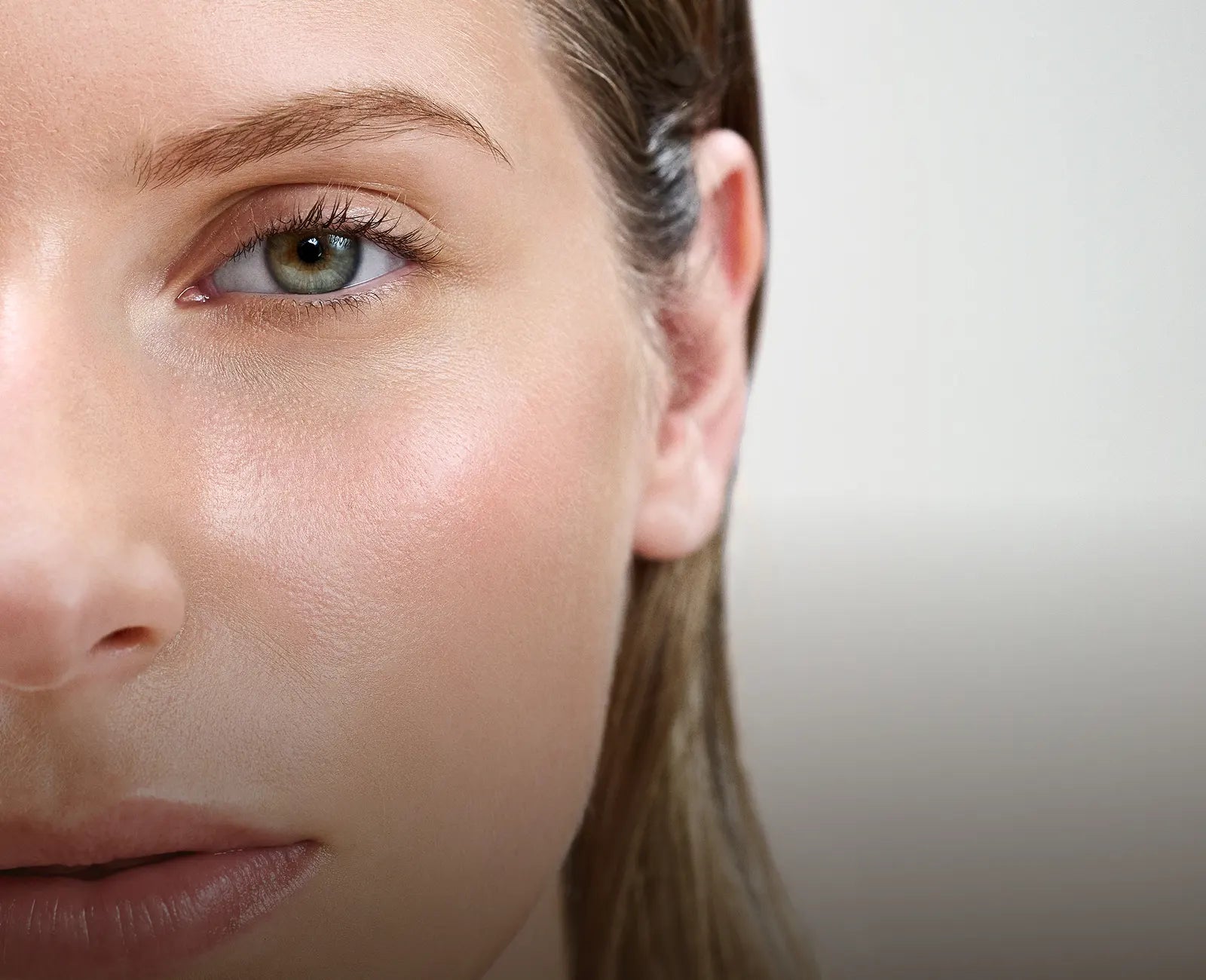


The skin on your cheekbone is roughly 2 mm thick. The skin under your eye is closer to 0.5 mm. That is not a marketing detail. It is the entire reason eye cream exists as a category, and the reason most face moisturisers, no matter how expensive, are the wrong tool for the job once you start asking the eye area to do anything more than survive.
The argument for an eye cream has been muddied by a decade of products that did not deserve the price. Most were face cream in a smaller jar. The legitimate case is structural: the orbital skin is anatomically distinct, mechanically overworked, and the first place collagen loss becomes visible. A formulation built for it does work that nothing else in your routine can do.
Why the Eye Area Is a Different Tissue
The periorbital region is the thinnest skin on the human body. Histological studies place the epidermis and dermis combined at around 0.5 mm under the lower lid, compared with an average of 2 mm across the rest of the face (1). The barrier here is genuinely thinner, the layers genuinely fewer. That is a useful piece of information, but it is not the whole picture.
The eye area also lacks the architecture that supports the rest of the face. Sebaceous glands are almost absent, so the skin cannot self-condition with oil. The fat pads beneath are thin and start to migrate or atrophy with age. The capillary network is dense and runs close to the surface, which is why the area shows fatigue, allergies, and circulatory changes before anywhere else does.
Layer onto this the mechanical load. The average person blinks roughly 14,000 times a day, and every blink folds and releases the skin around the eye. Smiling, squinting, and reading do the same on a slower cycle. Therefore the eye area is performing more mechanical work, on thinner tissue, with less structural reserve, than any other part of the face. The damage compounds earlier and shows earlier.
The Four Problems That Show Up First
Because the tissue is built the way it is, four issues tend to appear in the eye area before they appear anywhere else. Recognising them as separate problems matters, because they each require a different mechanism to address.
1. Crepe and Fine Lines
The first sign of collagen and elastin loss. Thin skin loses density quickly, and the texture takes on a crinkled, paper-like quality that face cream cannot smooth because the issue is structural, not surface.
2. Morning Puffiness
Lymphatic drainage slows overnight. Fluid pools in the loose tissue around the eye, especially in horizontal sleepers and after sodium-heavy meals. This is mechanical, not aesthetic, and it responds to specific actives, not generic hydration.
3. Dark Circles
Three different causes, often layered. Pigmentation from sun and inflammation. Vascular shadowing from blood vessels visible through thin skin. Structural shadowing from volume loss in the tear trough. The first two are addressable topically. The third often is not.
4. The Outer Corner Drop
Loss of firmness at the lateral canthus. The corner of the eye softens, the orbicularis muscle loosens, and the visual upward lift of the eye begins to flatten. Peptides that support contractile and structural proteins delay this far more effectively than emollients.
Why Face Cream Cannot Address Them
Face moisturisers are formulated for the average skin across the rest of the face. The active concentrations, the emollient load, and the fragrance levels are calibrated for tissue that is two to four times thicker than the orbital area. Apply the same formula at the same dose to skin half a millimetre thick and the consequences predictable: irritation, milia, and pigmentation flares from ingredients that the rest of the face tolerates without issue.
There is also the question of what the formula is solving for. A face cream is built around hydration, barrier support, and a general antioxidant load. It is not built around lymphatic stimulation, vascular constriction, or the specific peptide mechanisms that address the orbital muscle and the tear trough. Even if you tolerated the texture, the formula is not pointed at the problems the eye area actually has.
What Earns a Place at the Mirror
A defensible eye cream is built around four mechanisms working together. Anything missing one of them is doing partial work.
Multi-Peptide Architecture
Signal peptides such as Matrixyl 3000 and palmitoyl tripeptide-1 instruct fibroblasts to rebuild collagen and elastin in the dermis. This is the structural answer to crepe, fine lines, and the outer corner drop. Single-peptide formulations underdeliver here, because the eye area has multiple structural deficits at once.
Targeted Vascular Support
Caffeine, applied topically, constricts surface capillaries. That visibly reduces morning puffiness and softens the vascular component of dark circles within hours, not weeks. It is one of the few ingredients in cosmetic chemistry that produces a same-day effect with clinical backing (2).
Measured Brightening
Niacinamide at 4 to 5 percent reduces melanin transfer to keratinocytes and addresses the pigmentation component of dark circles over 8 to 12 weeks (3). Higher concentrations may flare reactive skin in the orbital area, which is why the formulation level matters as much as the inclusion.
Architectural Hydration
Hyaluronic acid in multiple molecular weights, paired with squalane or another non-occlusive lipid, restores hydration without sitting heavily under makeup. The eye area cannot carry the kind of emollient load a cheek can. The formula has to deliver moisture without compromising the texture.
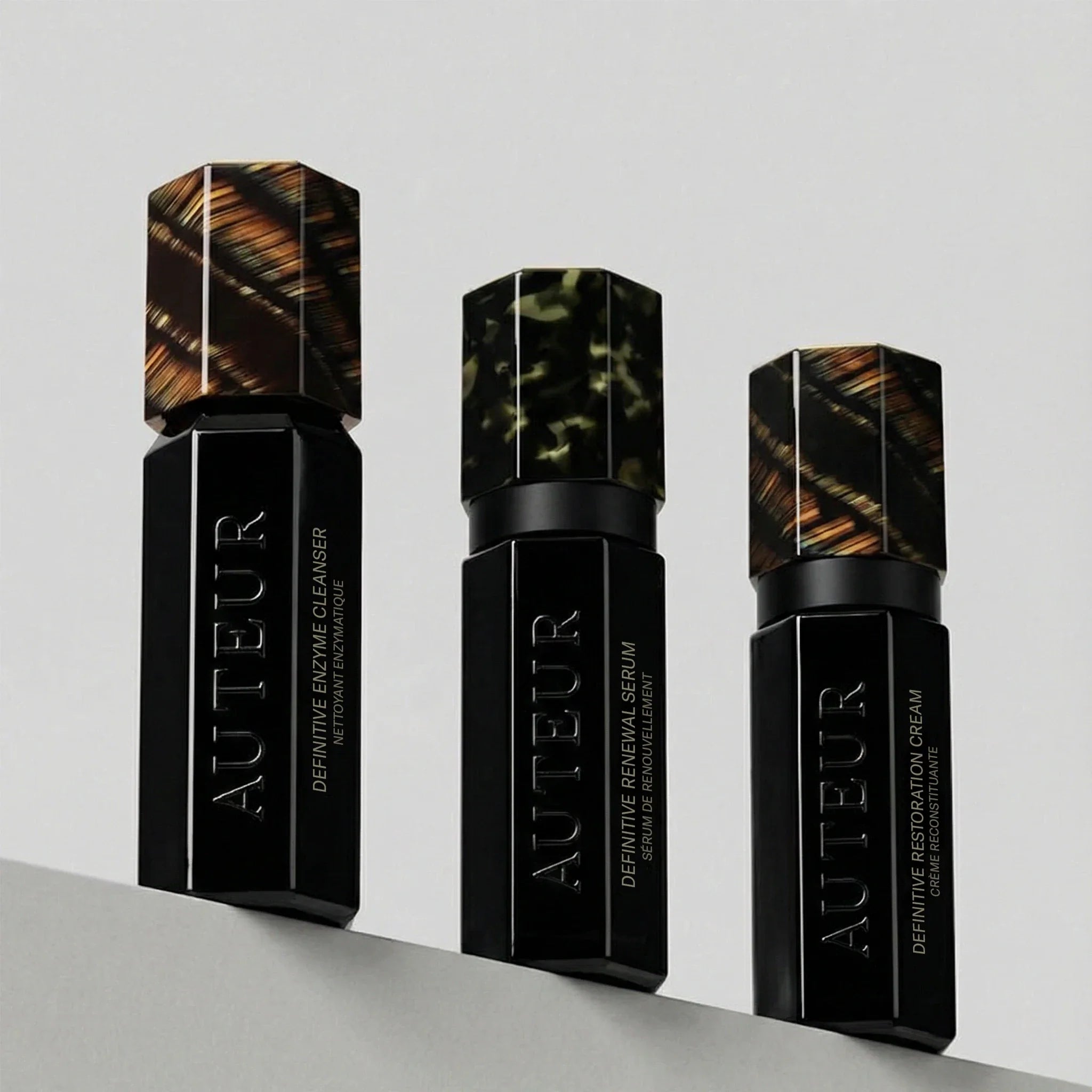
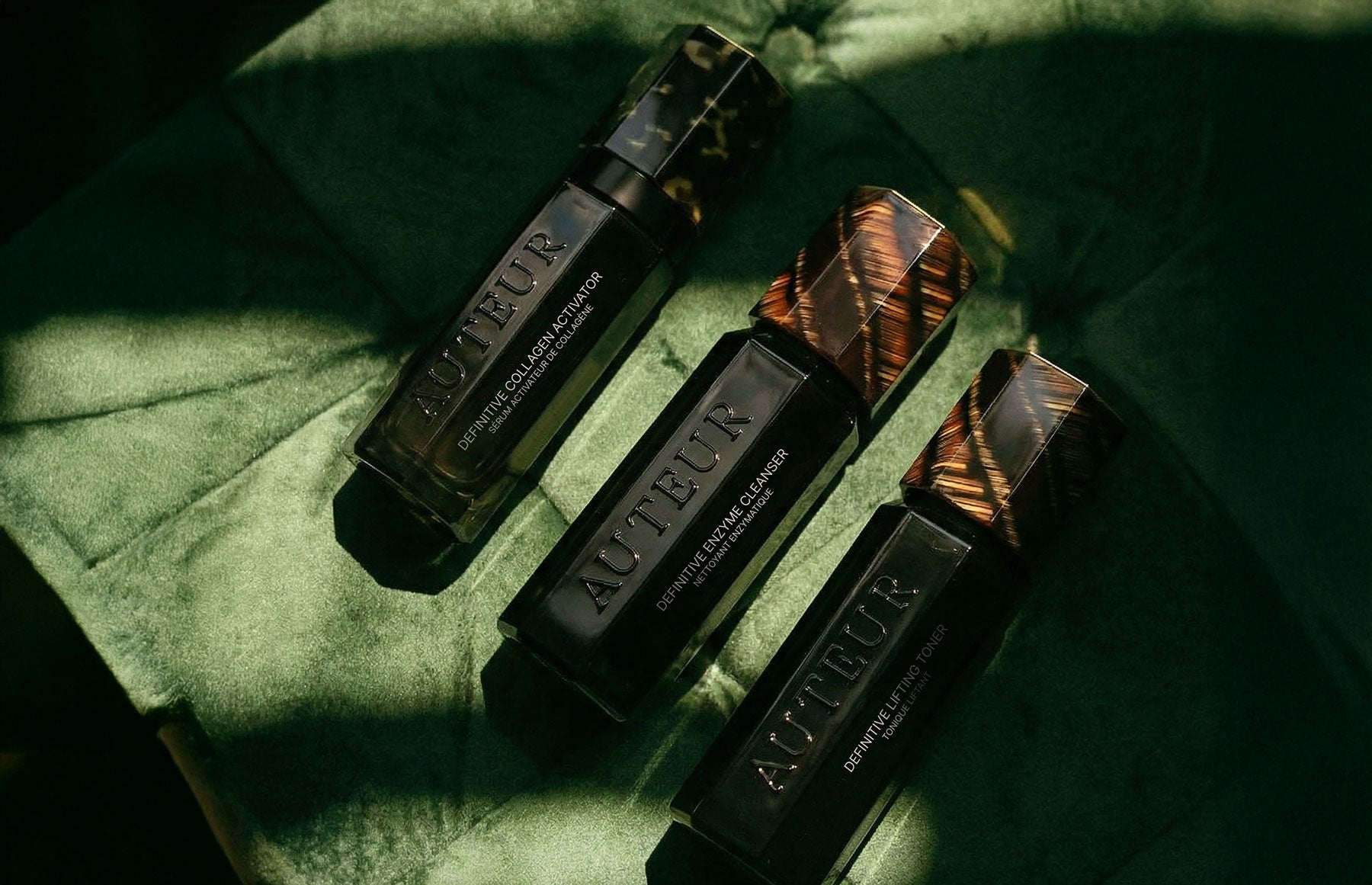
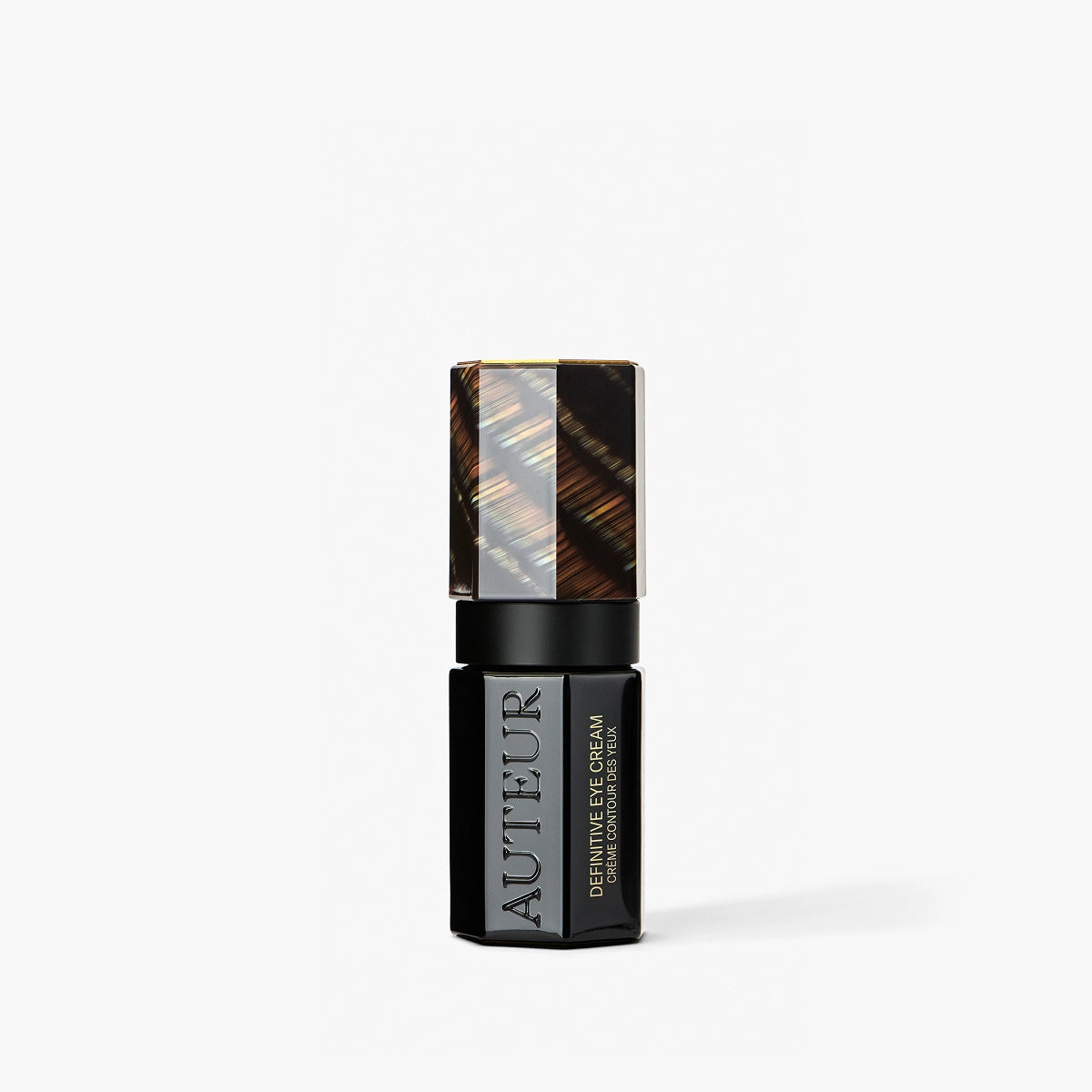
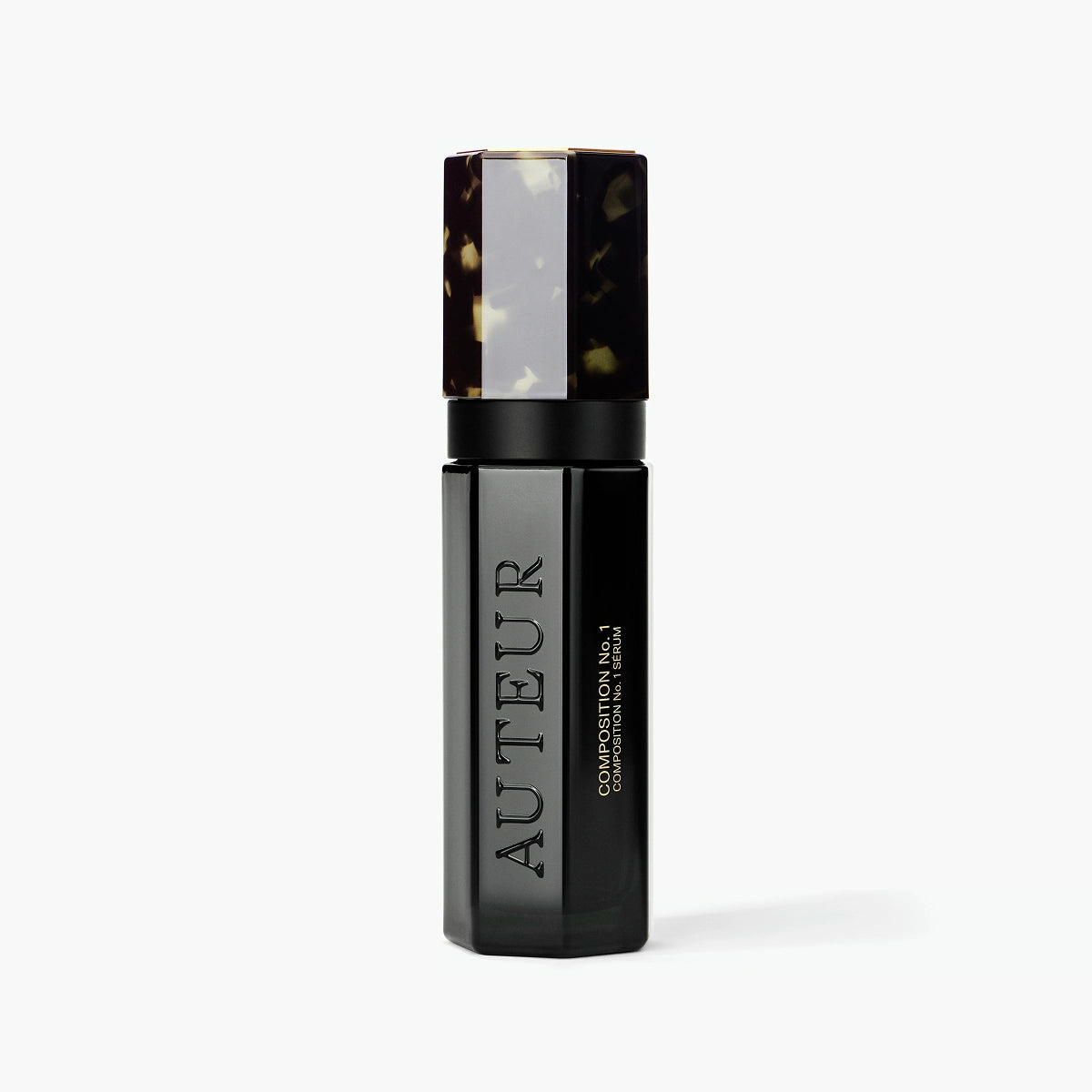
AUTEUR Definitive Eye Cream
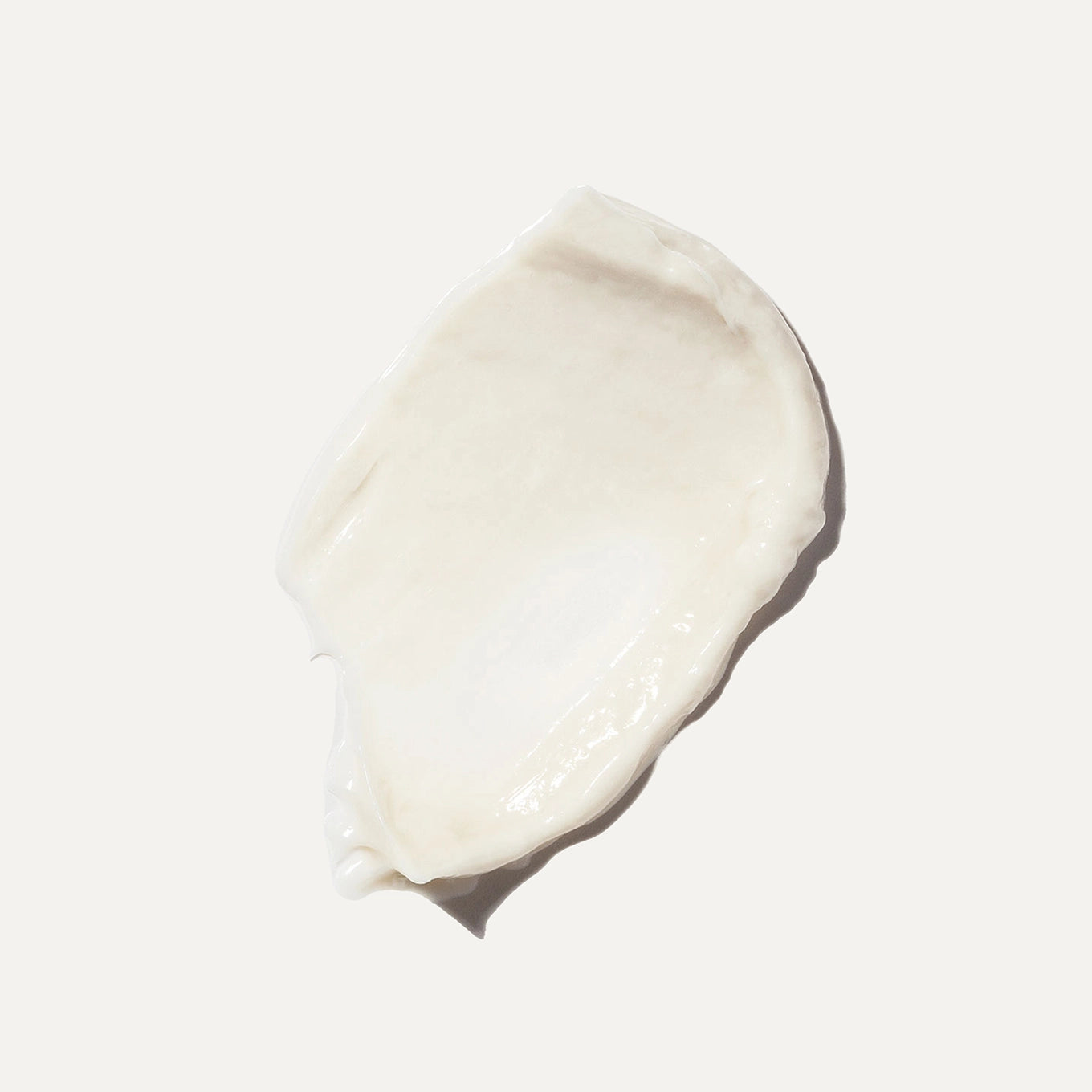
A multi-peptide formulation built around the four mechanisms above: signal peptides for structural support, caffeine for vascular constriction, niacinamide at a measured concentration for pigmentation, and a layered hydration system that wears under makeup. Calibrated for orbital tissue, not scaled down from a face cream.
Explore Definitive Eye CreamApplying It Correctly
Most of the value in an eye cream is lost in application. A pea-sized amount is too much; a grain of rice between both eyes is the working dose. Tap, do not rub, with the ring finger from the outer corner inward along the orbital bone. The product does not need to be pushed into the lid. Capillary action and warmth carry it where it needs to go.
Use it twice daily. The morning application addresses puffiness and primes the skin under concealer. The evening application is where the peptide work happens, because fibroblast activity peaks during sleep and the formula has uninterrupted hours to perform.
A Realistic Timeline
An honest expectation for an eye cream looks like this. Within the first two weeks, hydration improves and the texture under concealer changes; the surface looks smoother and makeup wears better. By week four, puffiness has reduced noticeably and the vascular shadowing has softened. Between weeks eight and twelve, the structural work begins to show: fine lines look shallower, the outer corner holds firmer, and pigmentation flattens.
Beyond that, the gains are cumulative. Eye creams reward consistency more than any other category in skincare, because the tissue is so thin that small daily inputs compound into visible change. The reverse is also true. Stop using one and the eye area is usually the first place a routine starts to slip.
So the question of whether an eye cream is worth it has a structural answer. If the formulation is calibrated for the tissue, applied correctly, and given twelve weeks, it does work nothing else in the routine can do. That is the case, and it has not changed.
References
1. Hwang, K., Kim, D. J., & Hwang, S. H. (2006). Thickness of the Skin at the Periorbital Region. Annals of Plastic Surgery, 57(4), 444-447.
2. Herman, A., & Herman, A. P. (2013). Caffeine's Mechanisms of Action and Its Cosmetic Use. Skin Pharmacology and Physiology, 26(1), 8-14.
3. Hakozaki, T., et al. (2002). The effect of niacinamide on reducing cutaneous pigmentation and suppression of melanosome transfer. British Journal of Dermatology, 147(1), 20-31.
4. Lintner, K., & Peschard, O. (2000). Biologically active peptides: from a laboratory bench curiosity to a functional skin care product. International Journal of Cosmetic Science, 22(3), 207-218.
5. Goldberg, D. J., & Robinson, D. M. (2017). Periorbital Aging: A Review of the Anatomy and Treatment. Journal of Drugs in Dermatology, 16(8), 768-774.