

Hyaluronic acid has become shorthand for hydration. Most serums promise it. Few specify what they actually contain. The difference between a serum that hydrates briefly and one that holds is rarely the percentage on the label; it is the molecular weight of the hyaluronic acid inside.
Skin filters topical molecules by size. The stratum corneum, the outermost barrier, lets some compounds pass and turns others away. Hyaluronic acid (HA) is no exception. A high molecular weight chain rests on the surface. A low molecular weight fragment penetrates deeper. A formulation that contains only one weight is, by definition, working in only one layer.
What molecular weight means in a hyaluronic acid serum
Hyaluronic acid is a glycosaminoglycan, a long unbranched chain of repeating sugar units that the dermis produces naturally. In healthy young skin, native HA can reach molecular weights of several million Daltons. With age, oxidative stress, and ultraviolet exposure, that native chain is fragmented into shorter pieces, and overall HA content in the dermis declines.
When HA appears on a skincare label, it can refer to chains anywhere from a few thousand Daltons to over two million. That range is not a technicality. It is the entire reason two serums labelled "hyaluronic acid" can perform very differently on the same skin.
The three weight classes and what each one does
Formulators generally divide hyaluronic acid into three functional classes, each behaving differently on application.
High
Above 1,000 kDa
Sits on the stratum corneum. Forms a hydrating, occlusive film that softens the look of fine lines and reduces transepidermal water loss within minutes of application.
Medium
100 to 1,000 kDa
Acts within the upper epidermis. Holds moisture between corneocytes and supports the suppleness of the stratum granulosum, the layer where the skin organises its lipid scaffolding.
Low
Below 100 kDa
Small enough to traverse the upper barrier and reach deeper viable layers. Supports hydration in the cells where structural proteins are produced and where dehydration shows as dullness and fine crepe.
Each class addresses a different part of the hydration question. None of them, on its own, addresses all of it. A high molecular weight serum delivers an immediate surface plump, but the skin beneath it can remain dehydrated. A low molecular weight serum penetrates well, but without a high weight partner above it, water is more easily lost to the air.
Penetration depth: what the research actually shows
The penetration question is not philosophical. It has been studied directly. Using Raman spectroscopy, researchers have mapped where hyaluronic acid of varying molecular weights actually ends up after topical application. Smaller HA fragments, in the range of 20 to 50 kDa, are detected within the viable epidermis. Larger chains remain in the stratum corneum or above it.3
This is consistent with broader skin penetration science. The corneocyte lattice and intercellular lipid matrix together act as a sieve. Compounds above approximately 500 Da face increasing resistance; chains in the millions of Daltons cannot pass intact. That is not a flaw of the molecule; it is biology working as intended. The barrier exists to keep large foreign substances out.
The clinical implication is that a serum aiming to hydrate every layer must contain HA across the size spectrum. A single weight, no matter how generously dosed, can only operate where its size allows.
Approximate penetration depth by molecular weight class
Depth shown is illustrative of relative penetration profiles described in published Raman spectroscopy studies. Actual depth depends on formulation, vehicle, and skin condition.
Why single-weight HA leaves the deeper layers thirsty
Skin dehydration is not a single event. It is a cascade. Surface water loss accelerates barrier disruption. Barrier disruption increases inflammatory signalling. Inflammatory signalling, sustained over time, contributes to the breakdown of dermal collagen and elastin.2 The visible result is well known: dullness, papery texture, fine lines that appear more pronounced by mid-afternoon than they did at breakfast.
A serum loaded only with high molecular weight HA addresses the top of that cascade and nothing below it. The immediate plump is real, but it is also short. As the surface film evaporates or is wiped off through the day, the lower layers remain in the same dehydrated state they were before application.
Multi-weight formulations interrupt the cascade in more than one place. The high weight fraction reduces transepidermal water loss at the surface. The medium and low weight fractions hydrate the layers below it, where corneocyte cohesion and lipid organisation determine how the skin reflects light. The combined effect is the difference between a temporary cosmetic correction and a sustained physiological one.1, 4
The actives that make hyaluronic acid hold
Hyaluronic acid binds water beautifully, but it cannot guard the perimeter on its own. In a dry environment, HA will pull moisture from wherever it can find it; if the formulation is not paired with humectants and barrier supporters, that includes the deeper layers of the skin itself.
This is why thoughtful HA formulations almost never feature hyaluronic acid alone. Three companion ingredients earn their place repeatedly in the literature.
Allantoin
A naturally occurring compound that calms sensitised tissue and supports cellular renewal. Allantoin is particularly useful in HA serums because it stabilises the formulation on reactive or barrier-compromised skin, the population most likely to need deep hydration in the first place.
Botanical humectants such as Thai Ginger Leaf Extract
Plant humectants extend HA's effect by optimising water retention within the corneocyte layers and reinforcing the lipid barrier above them. Their role is to make sure the moisture HA attracts stays where it is delivered rather than evaporating into the air.
Peptides and amino acids
Hydration is the conditional layer beneath every other repair process. Fibroblasts cannot synthesise collagen efficiently in dehydrated tissue. Adding signal peptides and amino acids to a multi-weight HA matrix means the same serum that hydrates is also activating the cells that benefit most from being hydrated.5
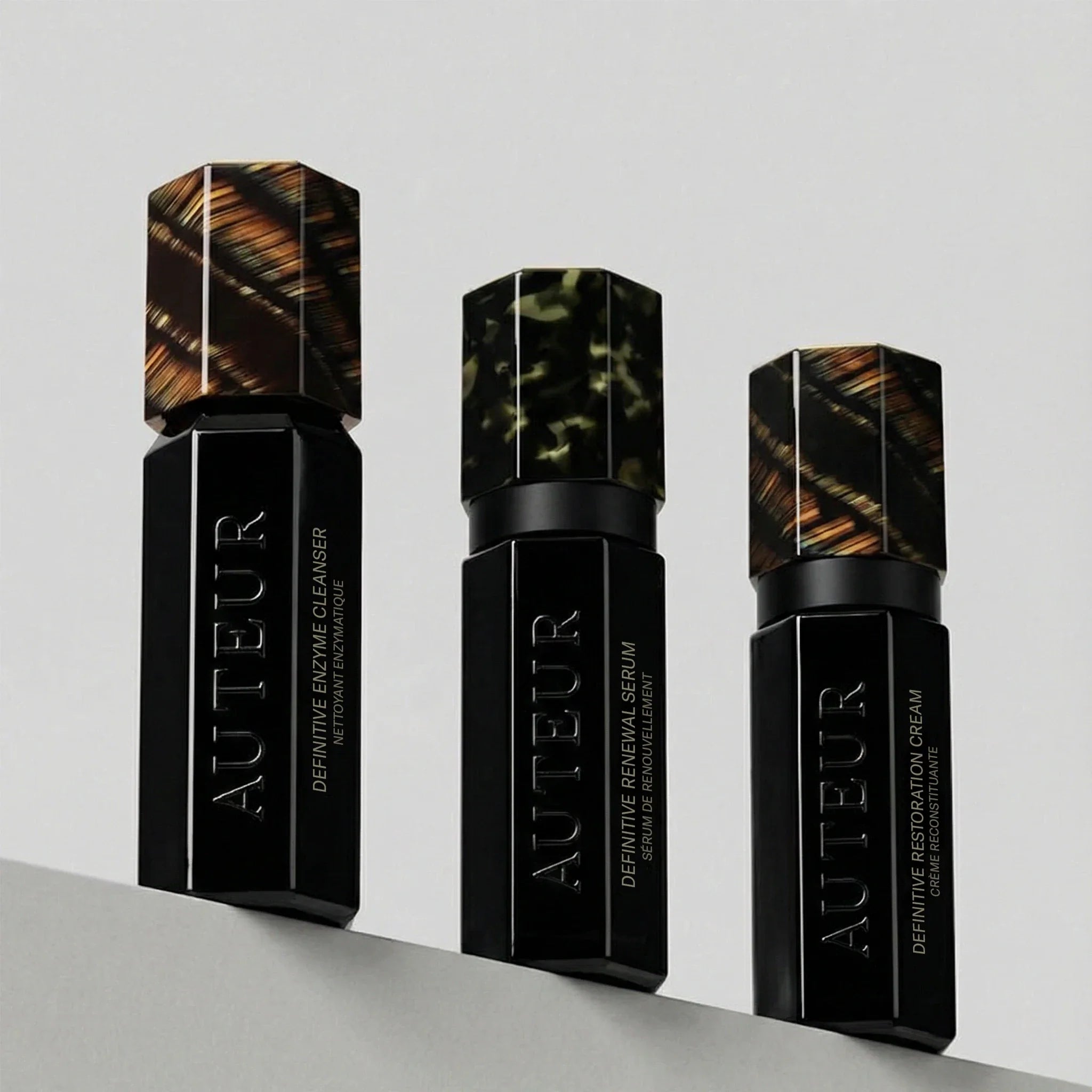
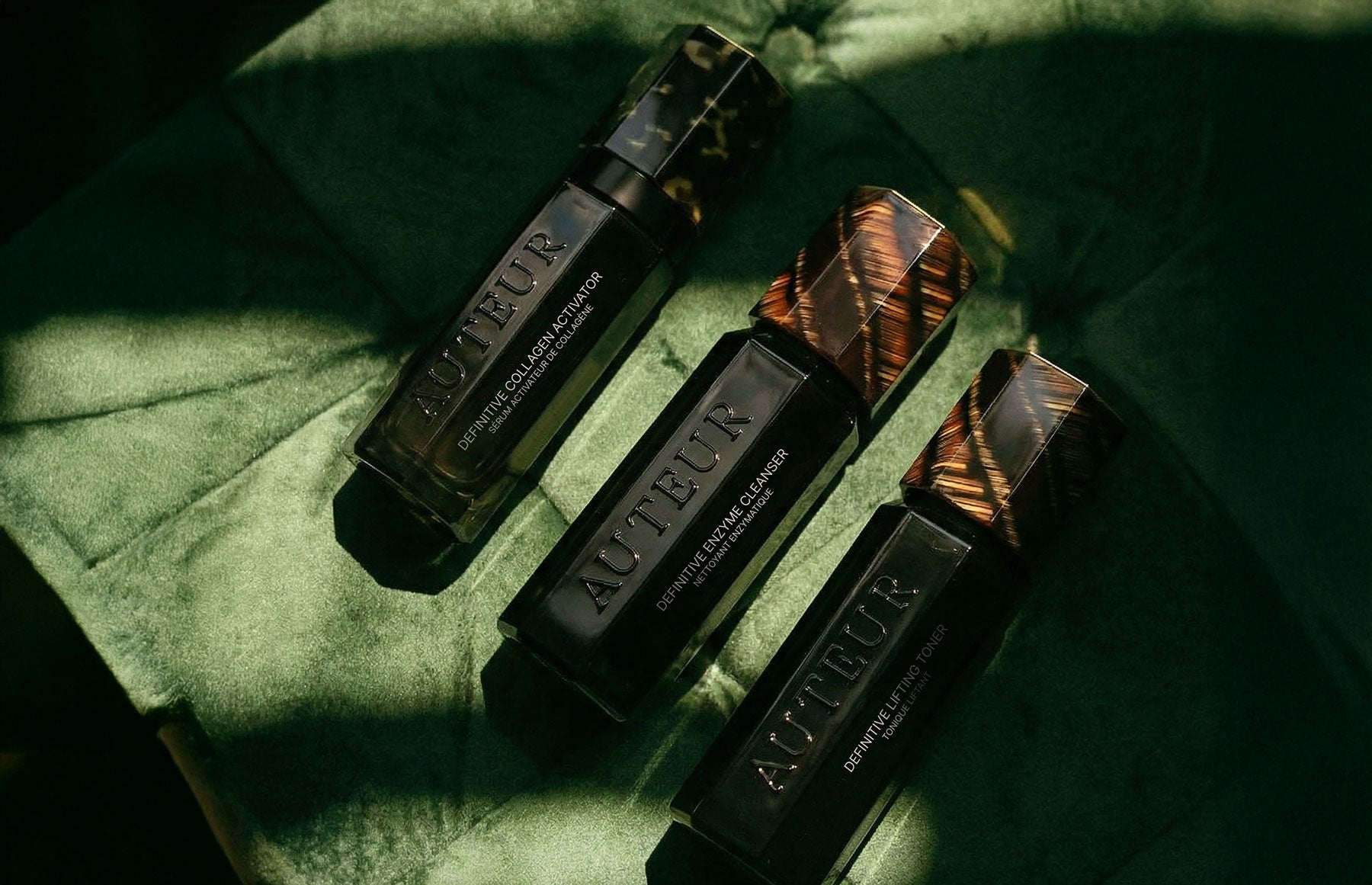
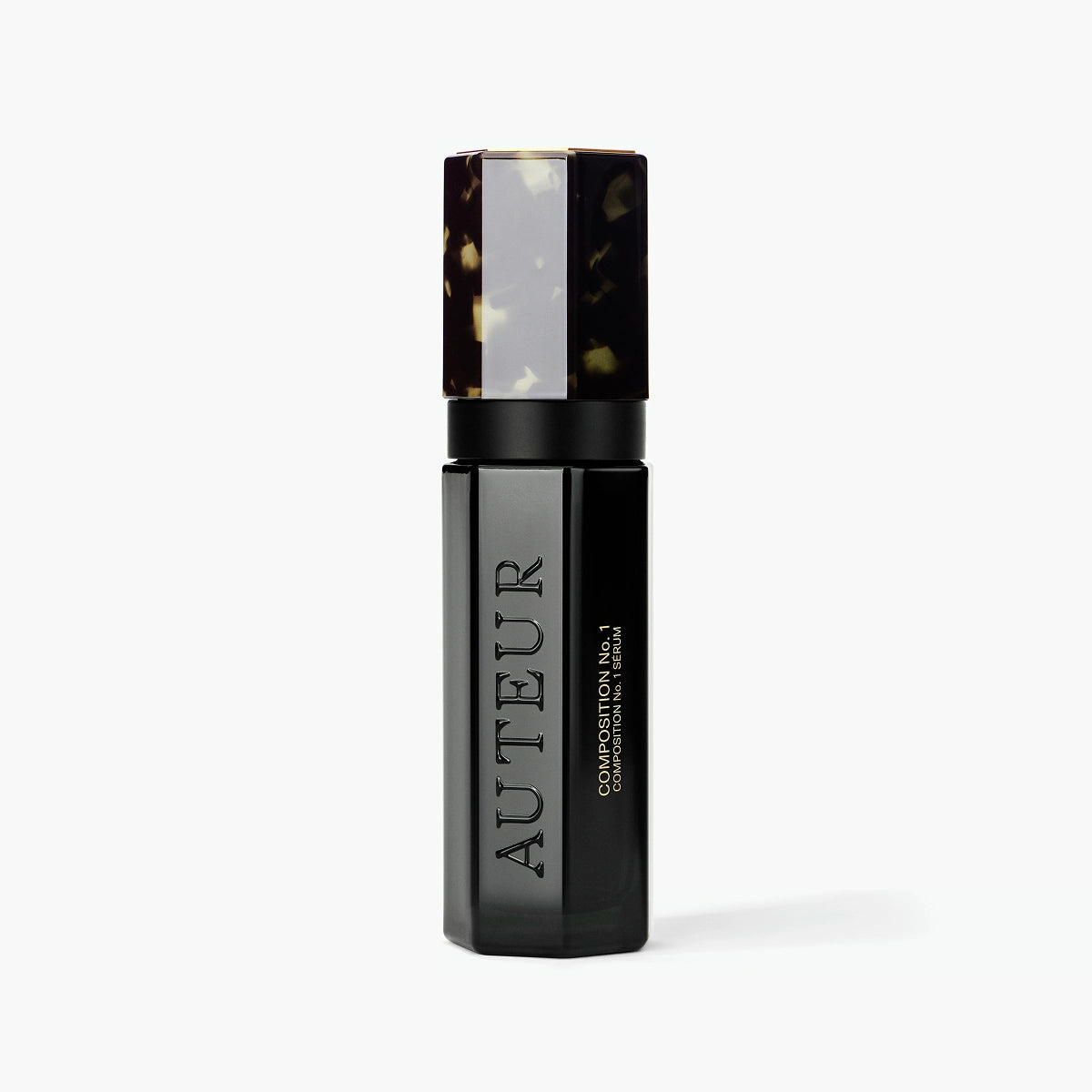
AUTEUR Definitive Hyaluron Activator Serum
An Epidermal Growth Factor serum that pairs multi-weight hyaluronic hydration with allantoin, Thai ginger leaf extract, and a peptide and amino acid complex. Hyaluronic acid binds moisture across surface and deeper layers; the supporting actives stabilise that hydration and engage collagen-producing fibroblasts in the same application. Formulated for dry, dehydrated, and sensitive skin.
Explore the FormulationHow to evaluate a hyaluronic acid serum
A serum's name is no longer enough information. Several questions, asked of any HA product, separate clinical formulations from their cosmetic counterparts.
Does the brand specify molecular weight or weight classes. A formulation built deliberately will say so. Vague language about "hyaluronic acid" with no further qualification usually indicates a single weight class, almost always at the high end, which limits the serum's reach to the surface.
Are humectant and barrier co-actives present. Look for ingredients that stabilise water retention (botanical humectants, polyglutamic acid, glycerin) and that support the lipid barrier above the layer HA is hydrating. Without them, evaporation undermines the formulation's intent.
Does the supporting cast extend the benefit. The most efficient serums use HA's hydrating effect as the foundation for additional work, typically peptides, amino acids, or growth factors that perform best in well-hydrated tissue.
Is the formulation appropriate for compromised skin. Sensitive and barrier-disrupted skin benefits most from multi-weight HA, but only when the rest of the formulation is calibrated to be tolerable. Soothing co-actives such as allantoin, panthenol, or Centella extract signal that the formulator considered tolerance alongside efficacy.
The promise of hyaluronic acid was never the molecule itself. It was what HA could do for skin that has lost the ability to retain its own water. That promise depends on reaching every layer that thirsts. A multi-weight formulation is how a serum keeps it.
References
1. Pavicic, T., Gauglitz, G. G., Lersch, P., Schwach-Abdellaoui, K., Malle, B., Korting, H. C., & Farwick, M. (2011). Efficacy of cream-based novel formulations of hyaluronic acid of different molecular weights in anti-wrinkle treatment. Journal of Drugs in Dermatology, 10(9), 990 to 1000.
2. Papakonstantinou, E., Roth, M., & Karakiulakis, G. (2012). Hyaluronic acid: A key molecule in skin aging. Dermato-Endocrinology, 4(3), 253 to 258.
3. Essendoubi, M., Gobinet, C., Reynaud, R., Angiboust, J. F., Manfait, M., & Piot, O. (2016). Human skin penetration of hyaluronic acid of different molecular weights as probed by Raman spectroscopy. Skin Research and Technology, 22(1), 55 to 62.
4. Bukhari, S. N. A., Roswandi, N. L., Waqas, M., Habib, H., Hussain, F., Khan, S., Sohail, M., Ramli, N. A., Thu, H. E., & Hussain, Z. (2018). Hyaluronic acid, a promising skin rejuvenating biomedicine: A review of recent updates and pre-clinical and clinical investigations on cosmetic and nutricosmetic effects. International Journal of Biological Macromolecules, 120(Pt B), 1682 to 1695.
5. Stern, R., & Maibach, H. I. (2008). Hyaluronan in skin: aspects of aging and its pharmacologic modulation. Clinics in Dermatology, 26(2), 106 to 122.