

Skincare marketing has long conflated anti-aging with correction. The imagery is typically of someone older, the language implies reversal, and the implicit message is that anti-aging products are for people who already look older than they want to. This framing has obscured the clinical reality: the most effective anti-aging intervention is the one that prevents the damage from occurring, and the evidence for this is unambiguous.
UV-induced collagen degradation is cumulative and irreversible at the tissue level. Barrier function, once significantly compromised, is harder to restore than to maintain. The inflammatory pathways that accelerate ageing, once chronically activated, produce structural changes that require aggressive intervention to address. The biological argument for preventive skincare is not a marketing concept. It is basic physiology.
Prevention Versus Correction: What the Evidence Shows
The distinction between preventive and corrective skincare is not one of product type but of objective and concentration. Both may use retinoids, peptides, and antioxidants. The preventive protocol uses lower concentrations of these actives, applied to skin that still has relatively intact matrix density and barrier function, with the primary goal of slowing the mechanisms that degrade collagen and impair barrier integrity. The corrective protocol uses higher concentrations to drive measurable structural changes in skin that has already undergone significant matrix loss.
The evidence consistently shows that prevention is more cost-effective and produces better long-term outcomes than correction. A landmark study published in the Annals of Internal Medicine tracked a cohort of participants over 20 years and found that those who used daily SPF showed statistically significantly less photoageing than age-matched controls. Critically, the difference was not merely cosmetic: biopsy data showed meaningfully preserved collagen density in the SPF group. No corrective intervention has produced equivalent outcomes in comparable timeframes.
When Does Skin Ageing Actually Begin
Intrinsic ageing, the chronological component that occurs independently of environmental factors, produces measurable changes in skin structure from the mid-20s. Fibroblast activity and collagen production begin their gradual decline around age 25, telomere shortening in skin cells accelerates with each cell division, and the ratio of type I to type III collagen begins to shift in ways that affect skin firmness. These changes are slow, cumulative, and invisible on a day-to-day basis.
Extrinsic ageing, dominated by photoageing and pollution exposure, is neither slow nor invisible at the histological level. UV exposure sufficient to produce a mild tan is sufficient to trigger MMP upregulation and measurable collagen degradation. This occurs from the first sun exposure, at any age. The collagen degradation from a single UV exposure is partially repaired, but not fully; repeated exposures produce cumulative, irreversible matrix loss over time.
By the time most people notice the first visible signs of ageing in their early-to-mid 30s, they are already observing the surface manifestation of 10 to 15 years of cumulative UV-induced matrix degradation. The damage that produces visible ageing at 35 was substantially caused by exposures in the 20s and earlier.
Building a Preventive Protocol by Decade
In Your 20s
The non-negotiables are daily SPF and a morning antioxidant (Vitamin C or a stable antioxidant complex). These two interventions address the two primary mechanisms of preventable ageing: UV-induced collagen degradation and oxidative stress. A gentle cleanser, a hydrating moisturiser, and an evening product containing a low concentration of retinol (0.025% to 0.1%) to begin building tolerance rounds out a complete preventive protocol. No aggressive concentrations are needed; the goal is to slow the mechanisms, not to correct damage that does not yet exist.
In Your 30s
By the early-to-mid 30s, the first visible signs of ageing typically appear: fine lines at expression points, early loss of elasticity, subtle changes in skin texture. The preventive protocol remains the foundation, but the evidence supports introducing peptide actives (signal peptides, GHK-Cu) to begin maintaining collagen density at a period when natural decline has become measurable. Retinol concentration can increase to 0.1% to 0.5% as tolerance has typically been established. Niacinamide, which supports barrier function and has anti-inflammatory properties, is a well-evidenced addition during this decade.
In Your 40s and Beyond
From the 40s onward, hormonal changes (and for many, the perimenopause and menopause transition) significantly accelerate both intrinsic ageing and the structural response to it. The protocol shifts toward a genuinely corrective posture: higher retinoid concentrations, multi-pathway peptide combinations, and targeted barrier support become necessary rather than optional. The person who maintained a preventive protocol through their 30s enters this decade with meaningfully better baseline matrix density and is a better candidate for corrective interventions than one starting from scratch.
The Non-Negotiable Preventive Interventions
Three interventions carry the strongest evidence for preventive anti-aging outcomes and are appropriate at any age from the mid-20s onward.
Daily broad-spectrum SPF 30 or higher. The evidence for this intervention's effectiveness is stronger than any topical active in the anti-aging space. Consistent daily use over decades produces measurably better skin structure than any serum regimen applied to unprotected skin.
Morning antioxidant protection. L-ascorbic acid at 10% to 20% provides antioxidant neutralisation of UV-generated free radicals, has documented anti-inflammatory effects, and supports collagen synthesis as a cofactor for prolyl hydroxylase. Applied beneath SPF, it provides additive photoprotection and preserves the SPF filter's integrity.
Barrier support. Intact skin barrier function is protective against multiple ageing mechanisms: it maintains hydration, limits transepidermal water loss, and reduces inflammatory responses to environmental exposures. Ceramide-containing moisturisers and gentle cleansing practices preserve the barrier and reduce the inflammatory signalling that accelerates structural deterioration.
When to Add Corrective Actives
The transition from a preventive to a corrective-dominant protocol is not a single moment but a gradual shift in emphasis that is guided by what the skin is showing. Corrective actives, higher-concentration retinoids and multi-peptide complexes, are appropriate to introduce when the preventive protocol is established and when visible changes in firmness, texture, or line depth have appeared that cannot be attributed to dehydration or transient factors.
For most people, this transition begins in the mid-to-late 30s. For those who began preventive care early and have maintained it consistently, the corrective protocol may need to be less aggressive than it would otherwise, because the baseline matrix density is better preserved. The preventive years are an investment in the efficacy of every corrective intervention that follows.

The Brightening Exploration Set
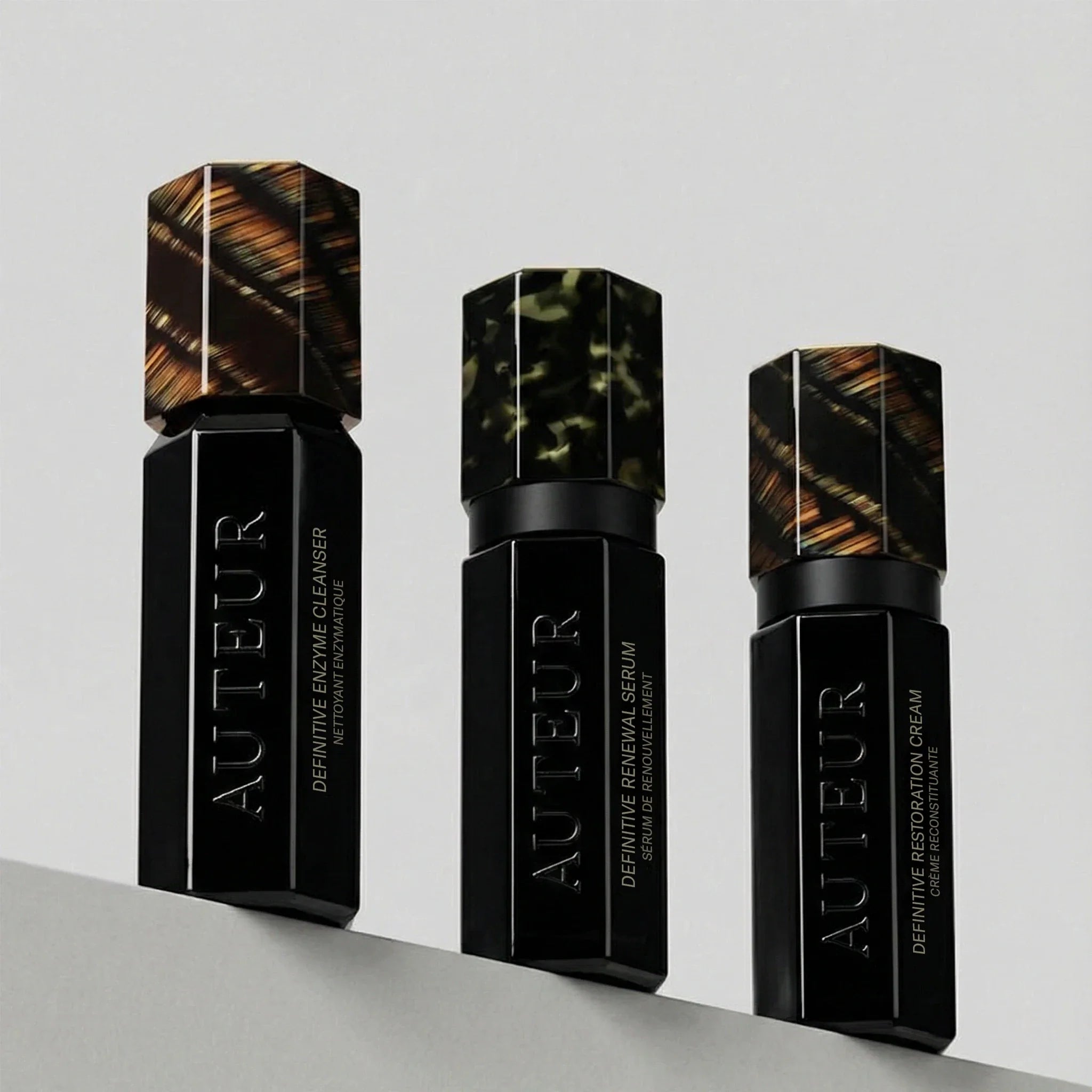
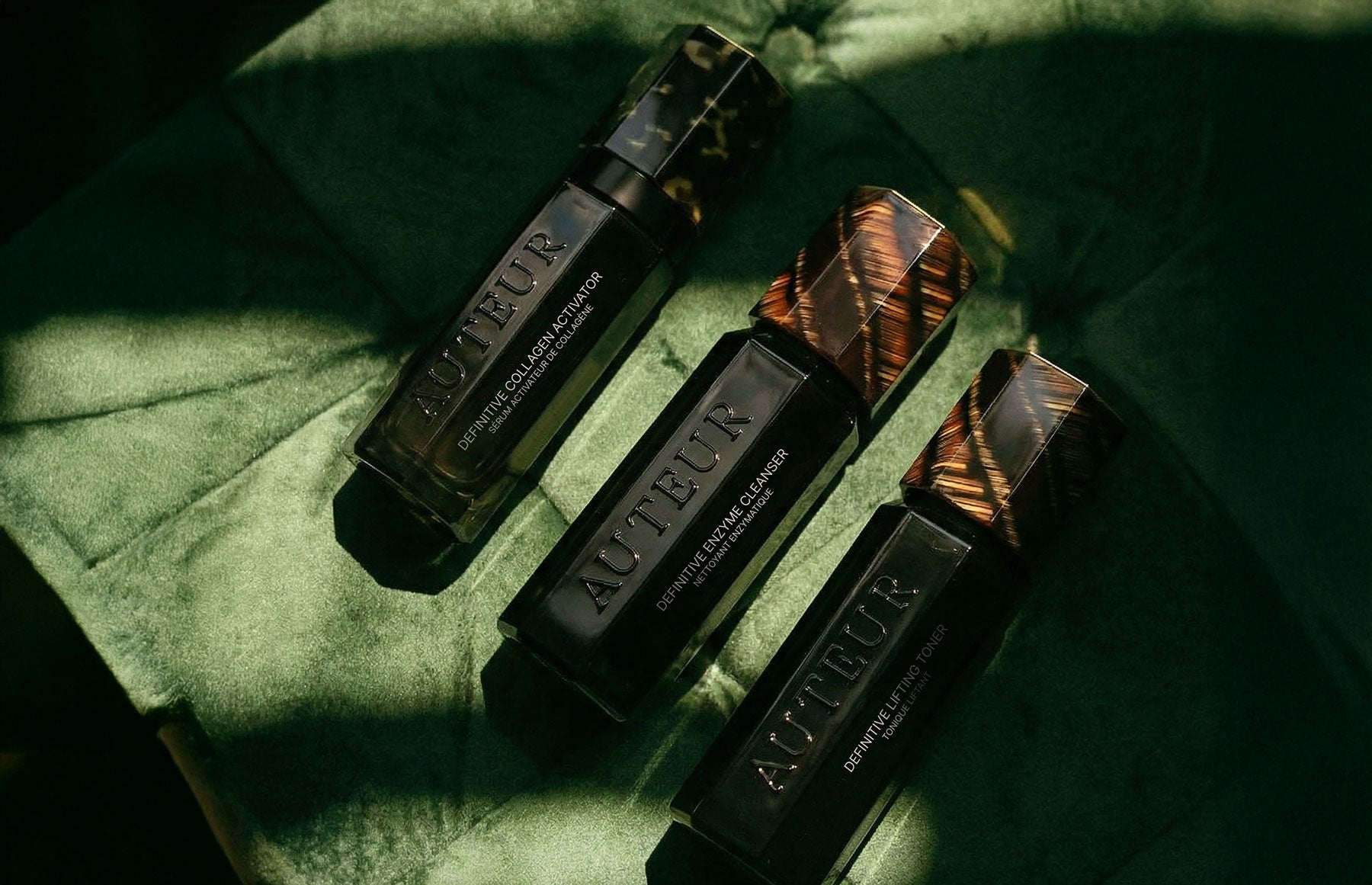
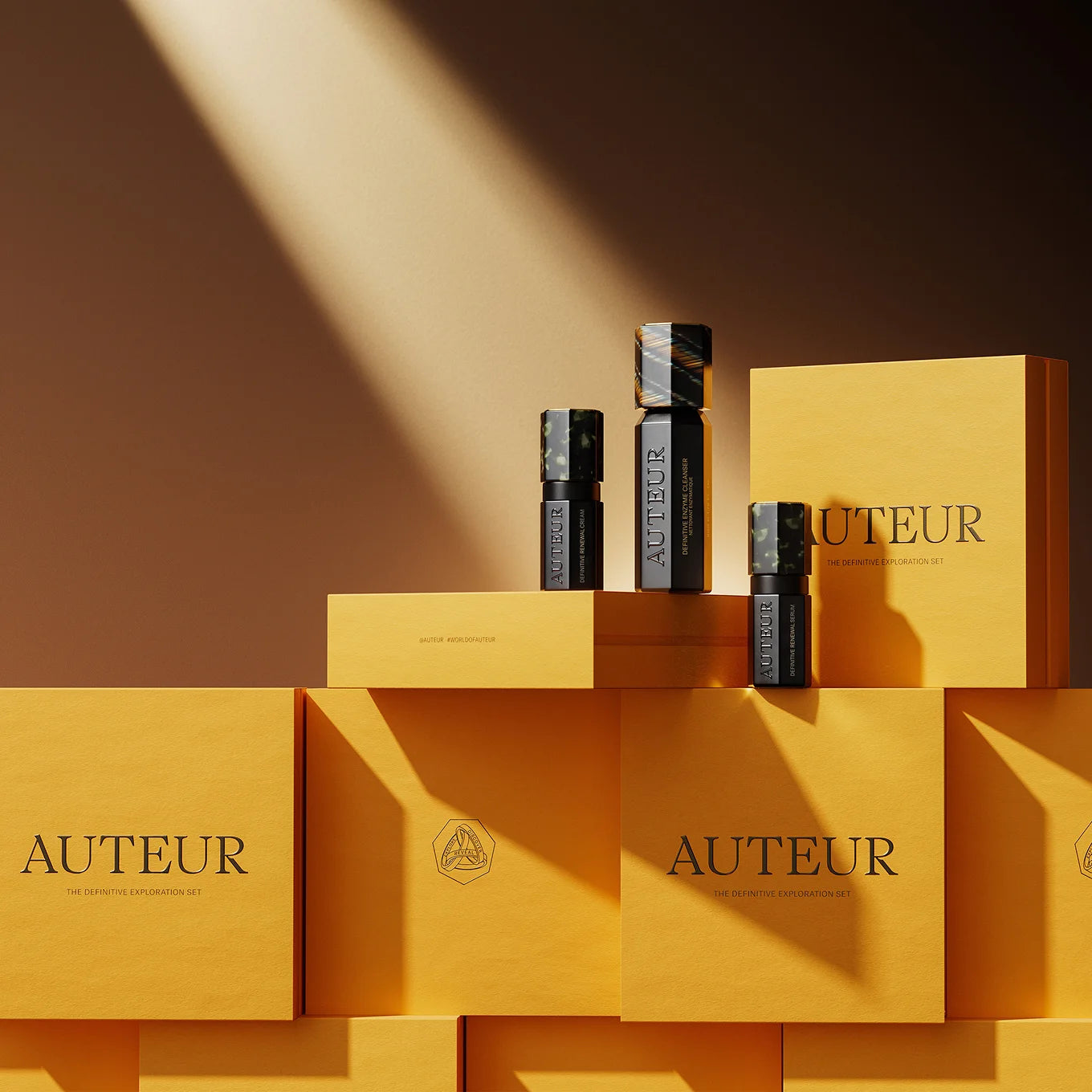
AUTEUR's Brightening Exploration Set is designed for those beginning or refining their anti-aging protocol. The set pairs an antioxidant-rich formulation for morning protection with a multi-active evening serum containing peptide complexes at concentrations appropriate for preventive and early-corrective use. Formulated in Germany under pharmaceutical manufacturing standards, with no fragrance and a barrier-supportive base suitable for daily long-term use.
Explore the Brightening SetReferences
1. Hughes, M. C., et al. (2013). Sunscreen and prevention of skin aging. Annals of Internal Medicine, 158(11), 781-790.
2. Flament, F., et al. (2013). Effect of the sun on visible clinical signs of aging in Caucasian skin. Clinical, Cosmetic and Investigational Dermatology, 6, 221-232.
3. Castelo-Branco, C., et al. (1992). Relationship between skin collagen and bone changes during ageing. Maturitas, 15(3), 199-206.
4. Ganceviciene, R., et al. (2012). Skin anti-aging strategies. Dermato-Endocrinology, 4(3), 308-319.
The Prevention Protocol: Adapted by Decade
Cleanser, Antioxidant Serum, SPF 30+
The two most evidence-backed preventive steps. The Brightening Exploration Set provides a compatible antioxidant and SPF-ready base.
Cleanser, Brightening Set Serum, Barrier Moisturiser
Gentle protocol with a low-concentration retinoid option as tolerance builds. Two to three evenings per week initially.
Cleanser, Peptide Serum, Antioxidant, SPF 30+
Add a signal peptide serum between cleansing and the antioxidant step. The Brightening Set supports this extension.
Cleanser, Peptide Serum, Retinol, Moisturiser
Full preventive protocol: peptides to maintain collagen density, retinoid to drive cell turnover and inhibit MMP activity. Nightly use by the end of this decade.
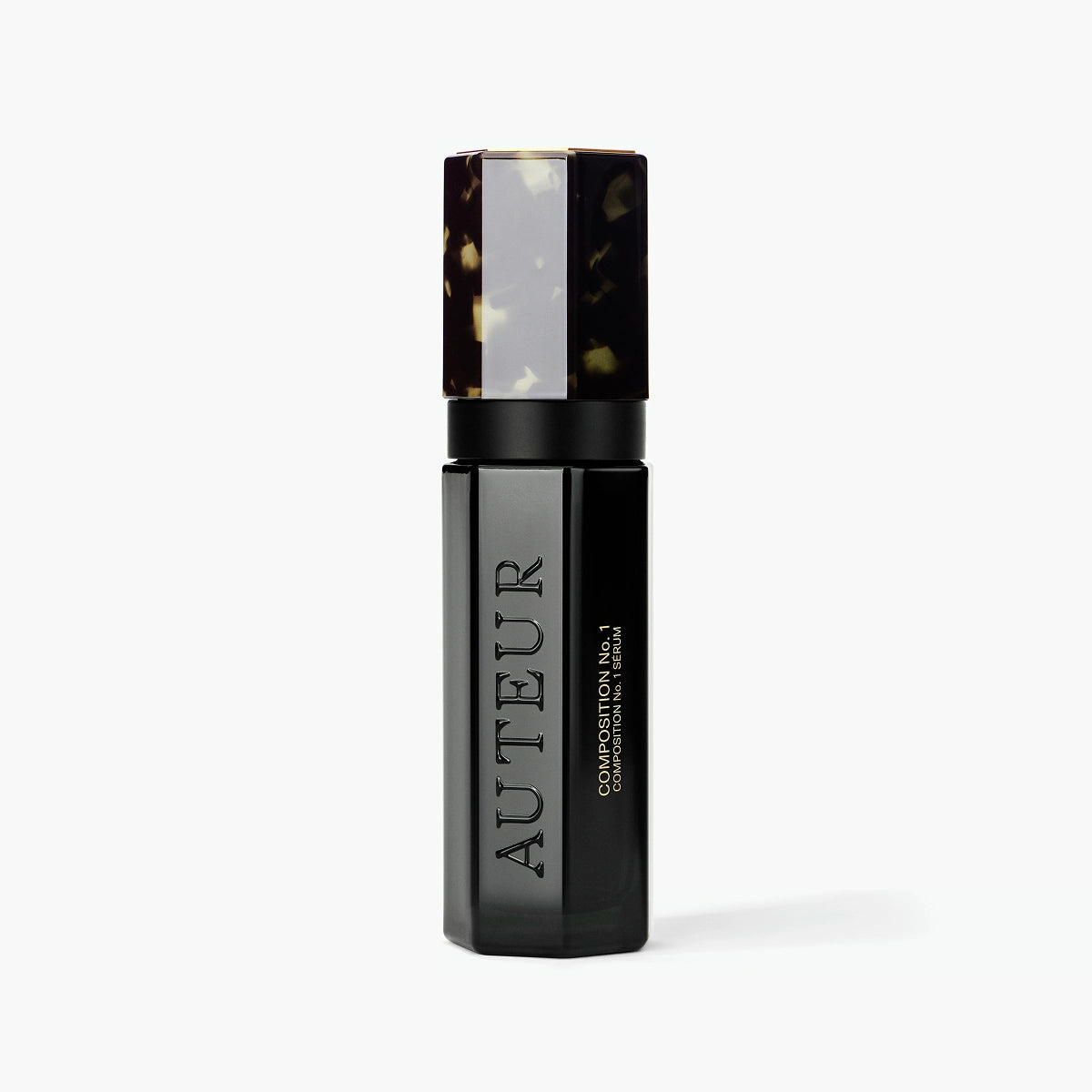
Consider Graduating to Composition No. 1
The transition to a corrective-dominant protocol. Maximum multi-pathway active concentration for the decade where structural changes accelerate simultaneously.