


Peptides are among the most studied molecules in modern skincare. They are also among the most consistently misrepresented. The word appears on everything from budget moisturisers to clinical serums, and in most cases it means very little without knowing which peptides, at what concentration, in what delivery system.
The difference between a serum that genuinely signals your skin to rebuild and one that simply includes peptides for label reasons is significant. Understanding the basics makes it much easier to choose well.
What a Peptide Actually Is
Peptides are short chains of amino acids. Your skin produces them naturally as a byproduct of collagen breakdown. When collagen degrades, it releases small peptide fragments that your skin reads as a signal to produce more. Topical peptides in skincare work on exactly this principle: they are molecules your skin already recognises, repurposed as deliberate instructions.
The mechanism has been studied since the 1980s. What has changed is the sophistication of synthetic peptide design and the ability to target specific skin processes with increasing precision. Signal peptides tell fibroblasts to produce collagen. Carrier peptides transport mineral cofactors that support enzymatic regeneration. Inhibitor peptides limit the micro-contractions that deepen expression lines over time. These are distinct tools, not interchangeable.
The Three Classes That Matter
Signal peptides are the workhorses. Palmitoyl pentapeptide-4 (Matrixyl), palmitoyl tripeptide-1, and their derivatives have accumulated the most clinical evidence for collagen and elastin stimulation. A well-formulated serum contains these at concentrations that actually reach the dermis and trigger a response. A poorly formulated one includes them at trace levels that satisfy label requirements but do nothing measurable.
Carrier peptides do something different. GHK-Cu (glycyl-L-histidyl-L-lysine-copper) is the most studied example. It chelates copper ions and delivers them to the skin, where they support the enzyme systems that produce and stabilise new collagen. The copper component is doing real work. The peptide is the vehicle that makes delivery possible.
Inhibitor peptides, most famously acetyl hexapeptide-3 (Argireline), work by limiting the release of neurotransmitters at muscle junctions. The effect on expression lines is real but modest, and it requires consistent use. These are useful secondary ingredients, not the reason to choose a formula.
Why Most Peptide Serums Underperform
Three things go wrong most often. The first is concentration: effective peptides are expensive to formulate with, so the path of least resistance is to include them at cosmetically legal but therapeutically insufficient levels. The second is molecule selection: blending several peptides at low concentrations looks impressive on a label and performs worse than one peptide at a meaningful dose. The third is delivery: peptides need to penetrate to the dermis to stimulate fibroblasts. Without a delivery mechanism (liposomal encapsulation, appropriate pH, penetration enhancers), they sit in the stratum corneum and accomplish nothing.
A high-pH, fragrance-loaded serum also actively destabilises certain peptides before they reach your skin. The formulation context matters as much as the ingredient list.
What to Look For on the Label
Named peptides appearing in the first half of an ingredients list indicate meaningful concentration. Products that list only generic terms like "peptide complex" or "multi-peptide blend" without identifying the specific molecules are signalling that the specifics are not worth disclosing. Fragrance-free formulations at a slightly acidic pH (around 5.5) provide the best environment for peptide stability and skin absorption. And if a product claims to do everything, be sceptical. A targeted peptide serum with three well-dosed molecules will consistently outperform one with twelve at trace levels.

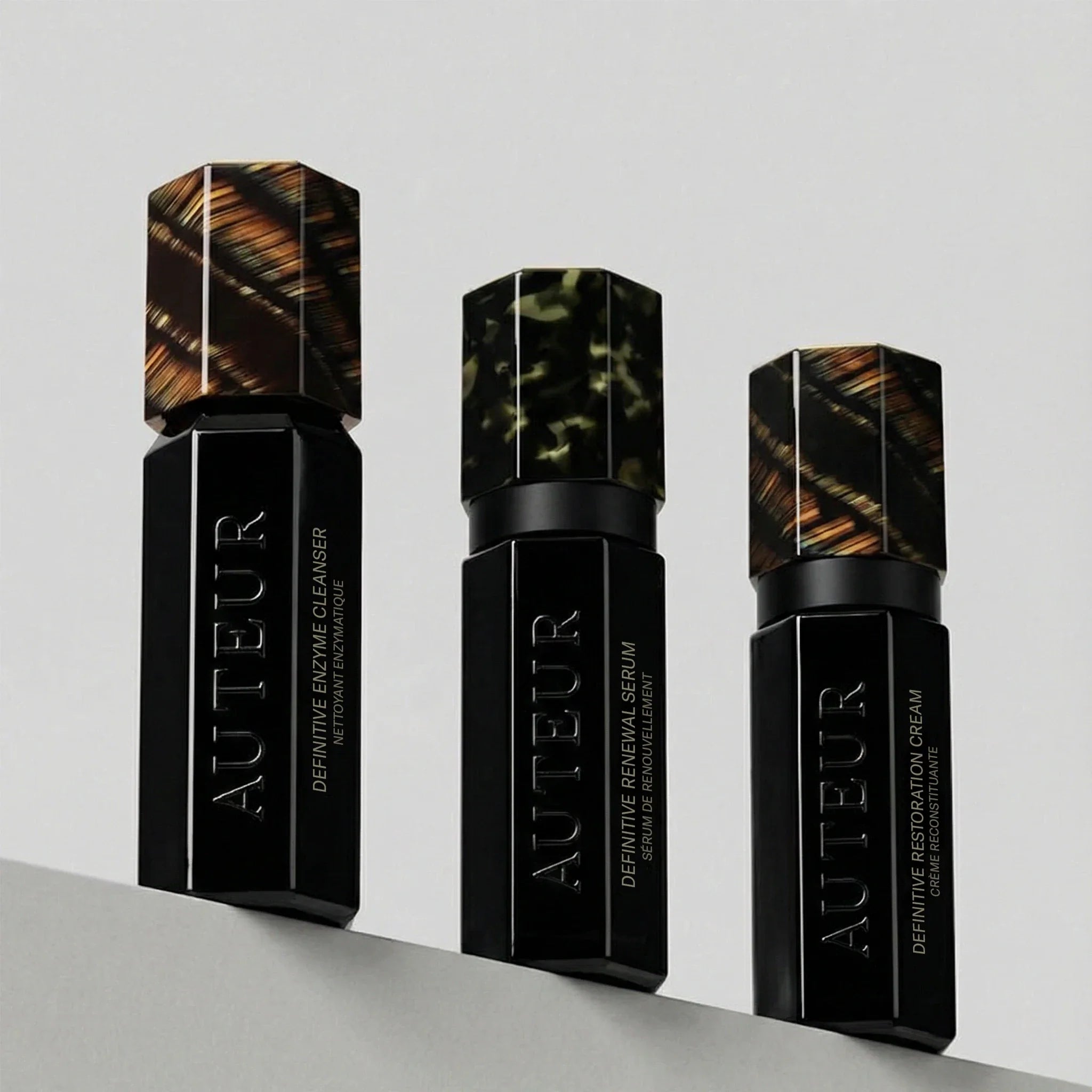
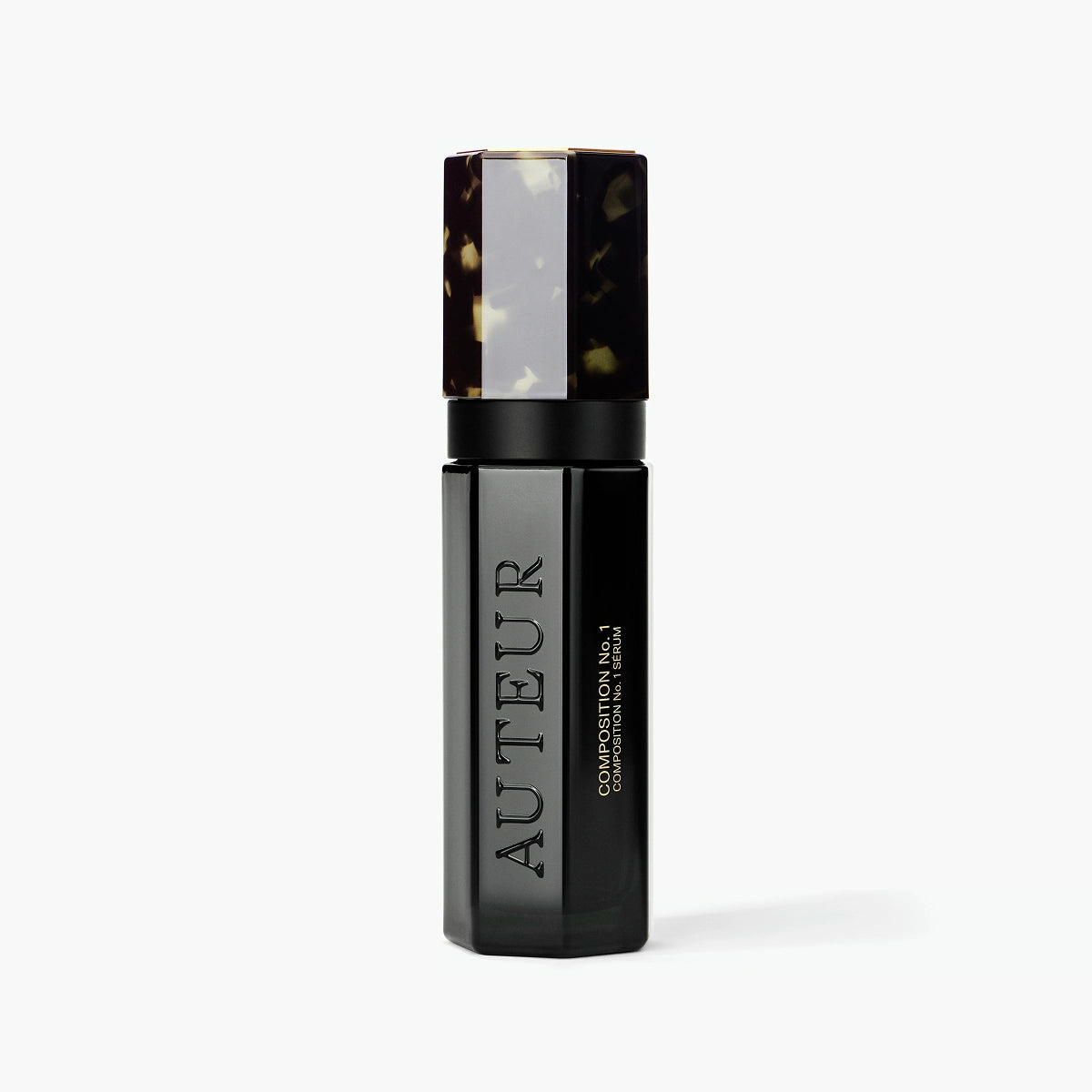
Definitive Line Serum
Formulated with a targeted concentration of three clinically studied signal peptides at pH 5.4, in a fragrance-free base with liposomal delivery. Made in Germany under pharmaceutical-grade manufacturing controls. The serum your skin actually responds to.
Explore the Line SerumThe Peptide Routine
pH-Balanced Cleanser
Start at the right pH. An alkaline cleanser disrupts the acid mantle and reduces peptide absorption in the steps that follow.
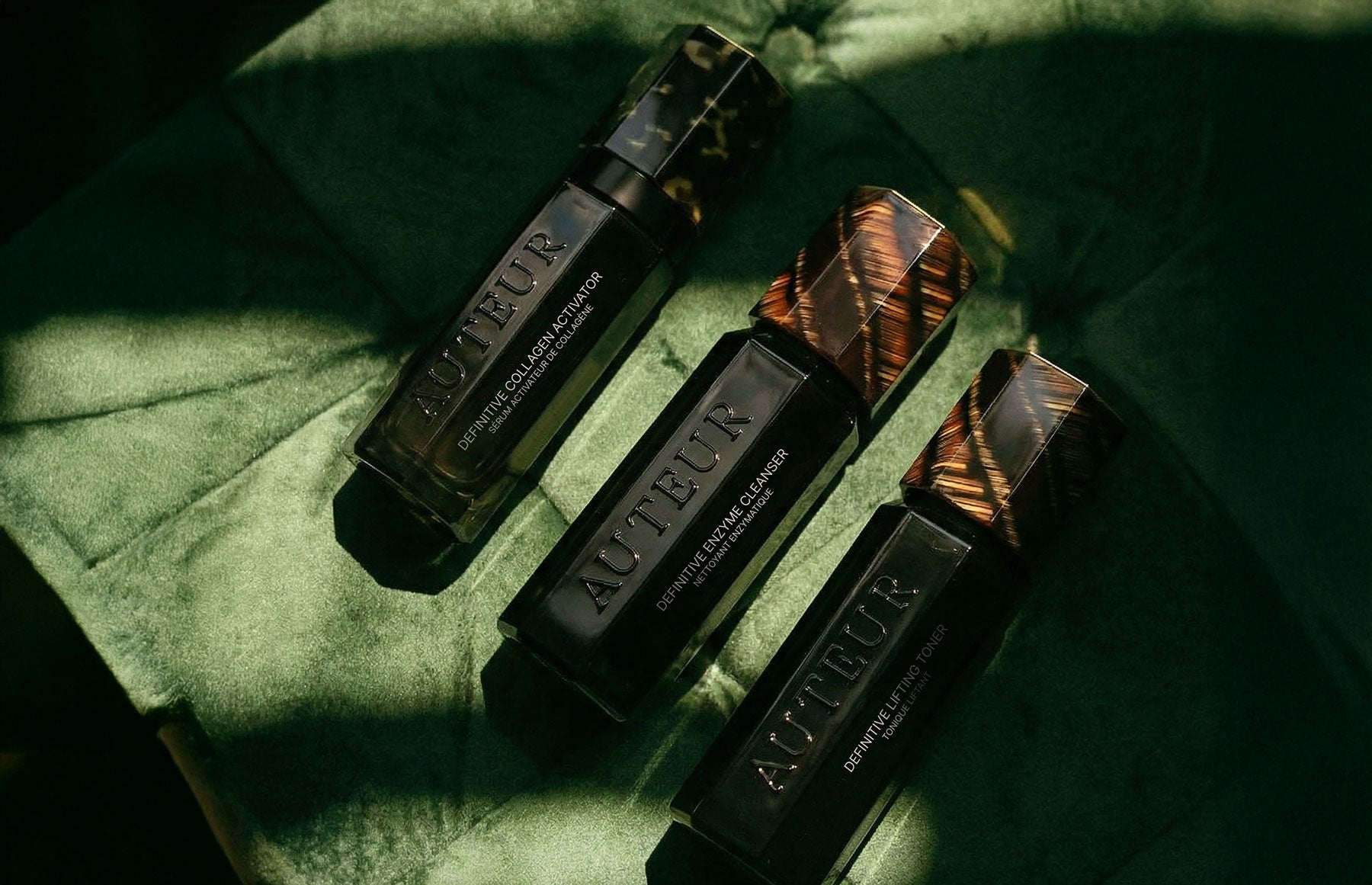
Definitive Lifting Toner
Primes skin surface pH and provides an initial peptide dose before the serum layer. Apply to damp skin.
Definitive Line Serum
The peptide-active step. Apply 3 to 4 drops to face and neck. Press in rather than rubbing. Allow 60 seconds to absorb before moisturiser.
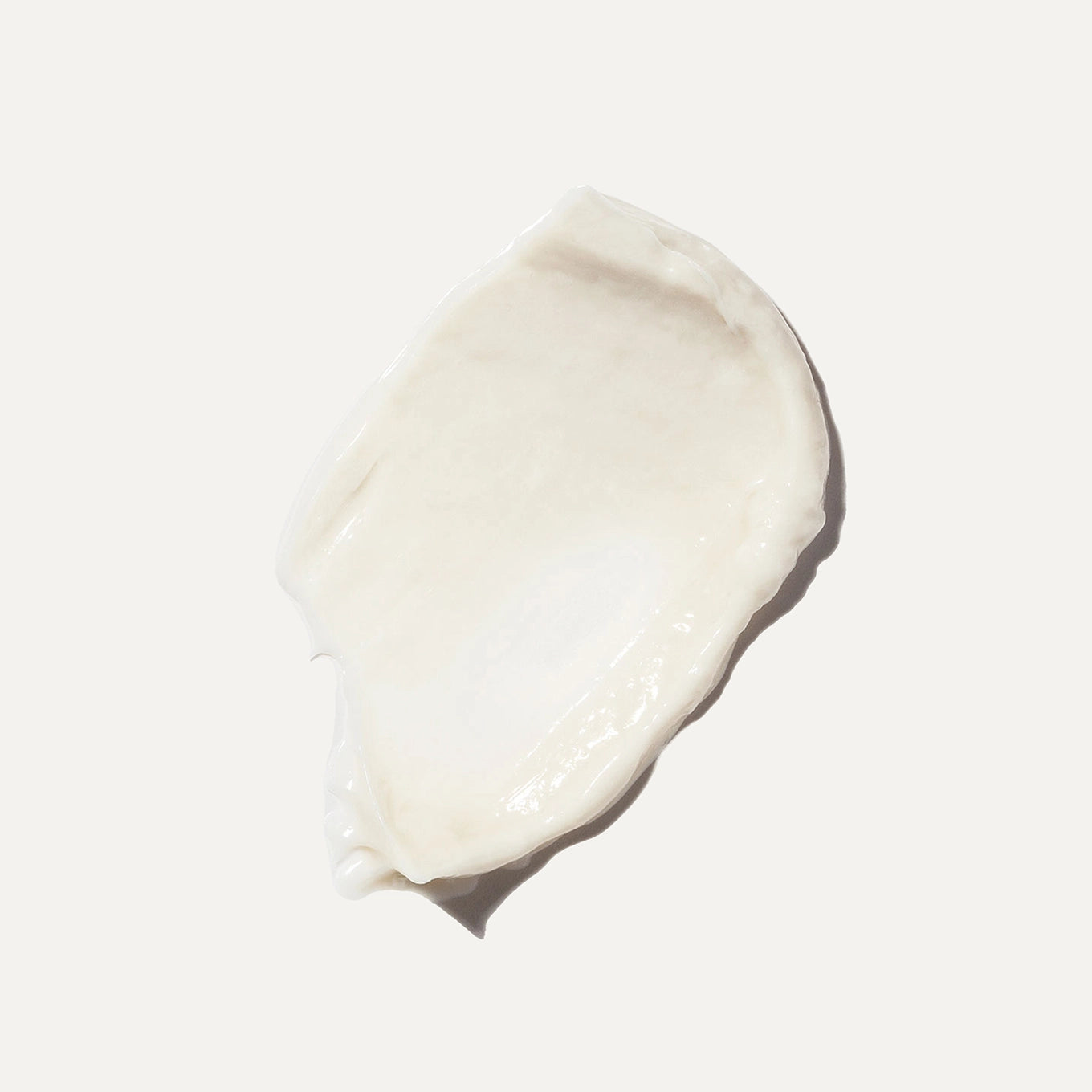
Definitive Density Cream
Seals the serum layer and provides additional peptide and ceramide support. The occlusive layer improves peptide residence time.
SPF 50
UV exposure is the single largest driver of collagen degradation. No peptide routine is complete without morning SPF.