

The order in which skincare products are applied is not a marketing construct. It reflects the physical and chemical properties of each formulation and the sequence in which the skin can absorb, process, and respond to each active. Applied in the wrong order, products can physically prevent each other from being absorbed, chemically deactivate each other, or create barrier conditions that interfere with active delivery.
This article presents a morning routine built on clinical evidence: the rationale for each step, the formulation science behind the sequencing, and the ingredient compatibility considerations that most product-layer guides do not address.
Why the Morning Routine Exists
The morning and evening skincare routines serve fundamentally different purposes. The evening routine is primarily repair-oriented: retinoids, which are photosensitive and increase UV sensitivity, are applied at night, as are exfoliating acids. The evening is when the skin's natural repair cycle is most active, and when the heaviest, most occlusive formulations are appropriate.
The morning routine is primarily protective. Its core objectives are to provide antioxidant defence against the free radical damage generated by UV radiation, pollution, and metabolic activity; to support barrier function so the skin enters the day in an optimal hydration state; and to prime the skin with the actives that work best in daytime conditions (Vitamin C being the principal example, since its antioxidant function is most relevant during daylight hours).
The Clinical Sequence: Step by Step
-
01
Gentle Cleanser
Morning cleansing removes the sebum, sweat, and remnants of overnight products that have accumulated on the skin's surface. A gentle, pH-balanced cleanser (around pH 5.5 to match the skin's acid mantle) prevents the barrier disruption associated with alkaline cleansers. For most skin types, a brief cleanse with cool or lukewarm water is sufficient. Avoid cleansers with high concentrations of surfactants like sodium lauryl sulphate, which disrupt the skin barrier and impair the absorption of subsequent actives.
-
02
Antioxidant Serum (Vitamin C or Multi-Antioxidant Complex)
Applied to slightly damp skin for improved penetration, the antioxidant serum is the pharmacological core of the morning routine. L-ascorbic acid at 10% to 20% provides antioxidant protection, collagen co-factor support, and has documented anti-inflammatory effects. Allow 60 to 90 seconds for the serum to absorb before applying the next layer. This is not a vanity step: studies have shown that a topical Vitamin C formulation beneath SPF provides additive photoprotection beyond what SPF alone provides.
-
03
Peptide Serum (Optional — AM-Compatible Only)
If your peptide serum does not contain GHK-Cu (which should not be layered directly on L-ascorbic acid), it can be applied after the antioxidant serum and before moisturiser. Signal peptides and matrikine peptides are stable across the day and benefit from being sealed in by the subsequent moisturiser layer. If your serum contains copper peptides, either move Vitamin C to the evening or separate it from the copper peptide application by applying them at different times of day.
-
04
Moisturiser
The moisturiser serves as an occlusive seal over the actives beneath it, preventing transepidermal water loss and creating the hydrated environment in which actives continue to work after absorption has occurred. For morning use, a lightweight moisturiser that does not interfere with SPF adhesion is preferable to heavy creams. Ceramide-containing moisturisers are particularly relevant for barrier repair and support.
-
05
SPF 30 or Higher (Always Last)
SPF must always be the final step, applied after all other products have been absorbed. Mixing SPF into other formulations, or applying anything over SPF, disrupts the film-forming properties of the UV filters and reduces effective protection. Allow 2 to 3 minutes after moisturiser before applying SPF, and use the correct amount: approximately 1/4 teaspoon for the face and neck. Reapply every 2 hours if outdoors.
Ingredient Compatibility Rules
Not all actives are compatible when applied in sequence. The three most important compatibility considerations for anti-aging morning routines:
L-ascorbic acid and GHK-Cu. Pure L-ascorbic acid (Vitamin C) oxidises in the presence of copper ions. Copper peptides can catalyse this oxidation, rendering the Vitamin C inactive before it is absorbed. If using both, apply them at different times of day: Vitamin C in the morning, copper peptides in the evening.
Niacinamide and L-ascorbic acid. The historically stated concern that niacinamide converts ascorbic acid to niacin and produces flushing has been largely reassessed in the literature; the conversion is minimal at physiological temperatures and the flushing concern appears to have been overstated. However, some formulators remain cautious. Layering is generally considered acceptable; direct mixing in the same formulation is more problematic.
AHAs and SPF. Chemical exfoliants in the morning routine increase UV sensitivity and should be used with particular care. If AHAs are in your morning routine, ensure SPF is applied correctly and consistently, and consider moving exfoliation to the evening routine where UV sensitivity is not a factor.
Common Sequencing Mistakes
Several sequencing errors are common enough to address specifically. Applying SPF before moisturiser: this is one of the most frequent mistakes and directly reduces the efficacy of both products. SPF must go last.
Applying serum to dry skin immediately after cleansing: allowing 30 to 60 seconds after cleansing for the skin to return to its natural pH and retain a slight damp quality improves absorption of water-based actives including Vitamin C and hyaluronic acid.
Applying occlusive oils before water-based serums: oils and oil-rich formulations create a physical barrier that prevents water-based actives from penetrating to the dermis. Always apply water-based products before oil-based ones.
The Non-Negotiable: SPF
Studies consistently attribute 80 to 90% of visible facial ageing to photoageing rather than intrinsic chronological ageing. No combination of topical actives will produce meaningful anti-aging results if daily broad-spectrum SPF is absent, because UV-induced MMP activity (the enzyme cascade that degrades collagen) will continue to outpace whatever synthesis is stimulated by serums and treatments.
SPF 30 blocks approximately 97% of UVB. SPF 50 blocks approximately 98%. The practical difference is modest; consistent daily application of SPF 30 is more protective than inconsistent use of SPF 50. Broad-spectrum (UVA and UVB) protection is essential, as UVA is the primary driver of photoageing and penetrates window glass and clouds.

The Definitive Collection
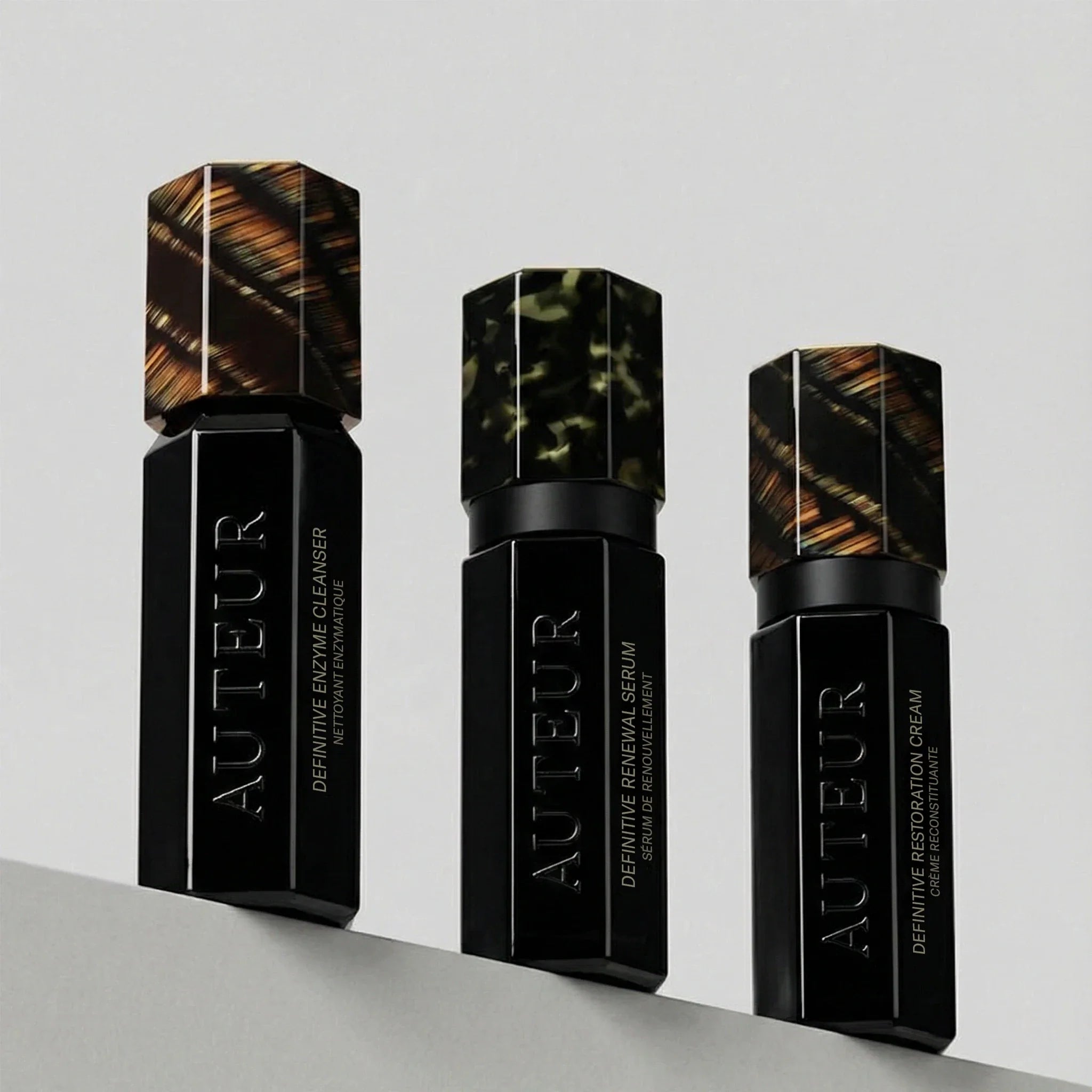
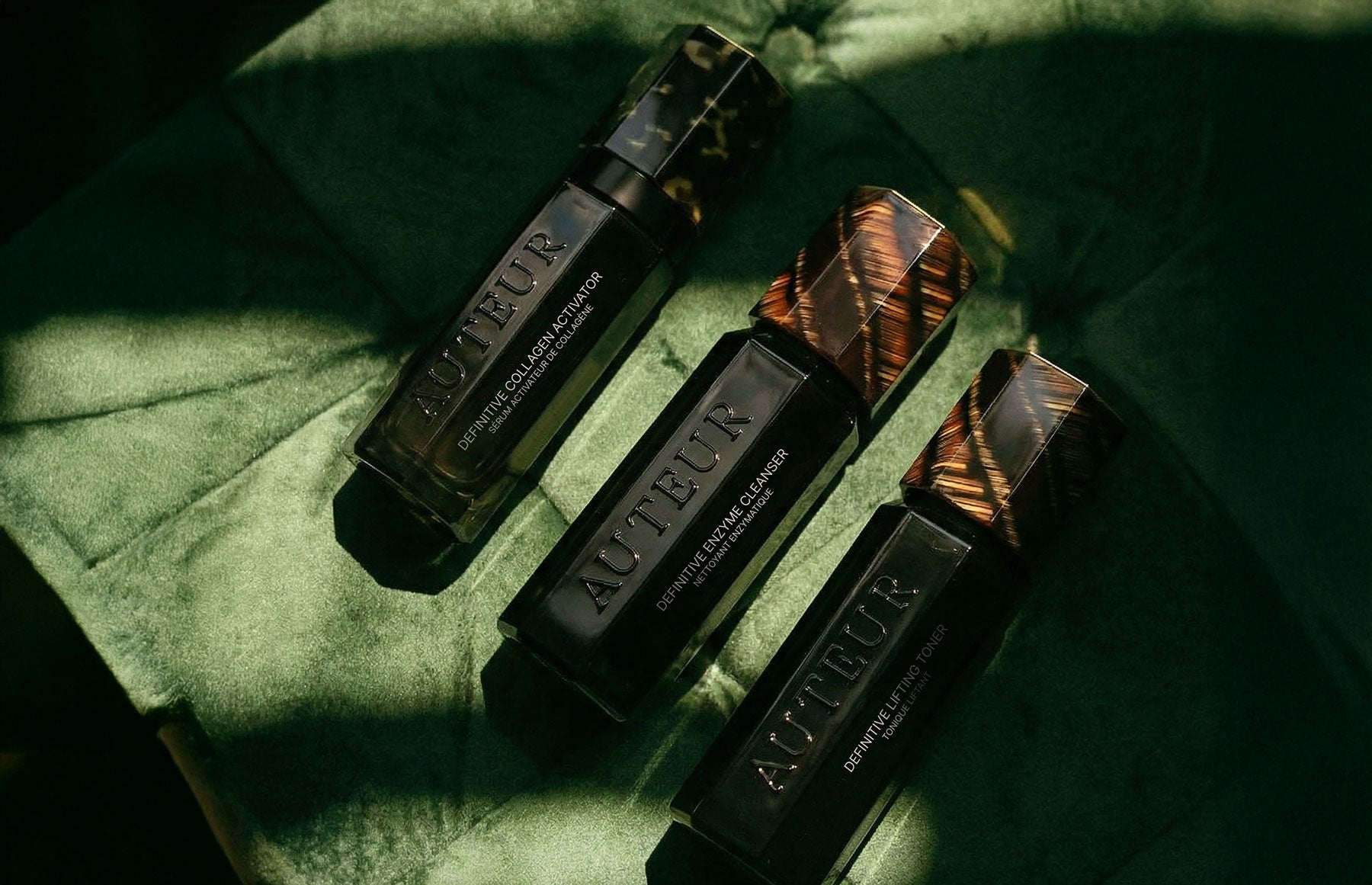
AUTEUR's Definitive Collection is formulated around the morning-evening protocol described above. The collection pairs a multi-antioxidant serum for morning protection with a comprehensive peptide-and-retinoid complex for evening repair, formulated in Germany under pharmaceutical manufacturing standards to ensure active concentrations are clinically relevant and stable throughout each product's shelf life.
Explore the Definitive CollectionReferences
1. Pinnell, S. R., et al. (2001). Topical L-ascorbic acid: percutaneous absorption studies. Dermatologic Surgery, 27(2), 137-142.
2. Draelos, Z. D. (2012). Cosmeceuticals: what is known and unknown. Journal of Cosmetic Dermatology, 11(4), 1-4.
3. Flament, F., et al. (2013). Effect of the sun on visible clinical signs of aging in Caucasian skin. Clinical, Cosmetic and Investigational Dermatology, 6, 221-232.
4. Kraft, J. N., & Lynde, C. W. (2005). Moisturizers: what they are and a practical approach to product selection. Skin Therapy Letter, 10(5), 1-8.
Completing the Protocol: The Clinical Evening Routine
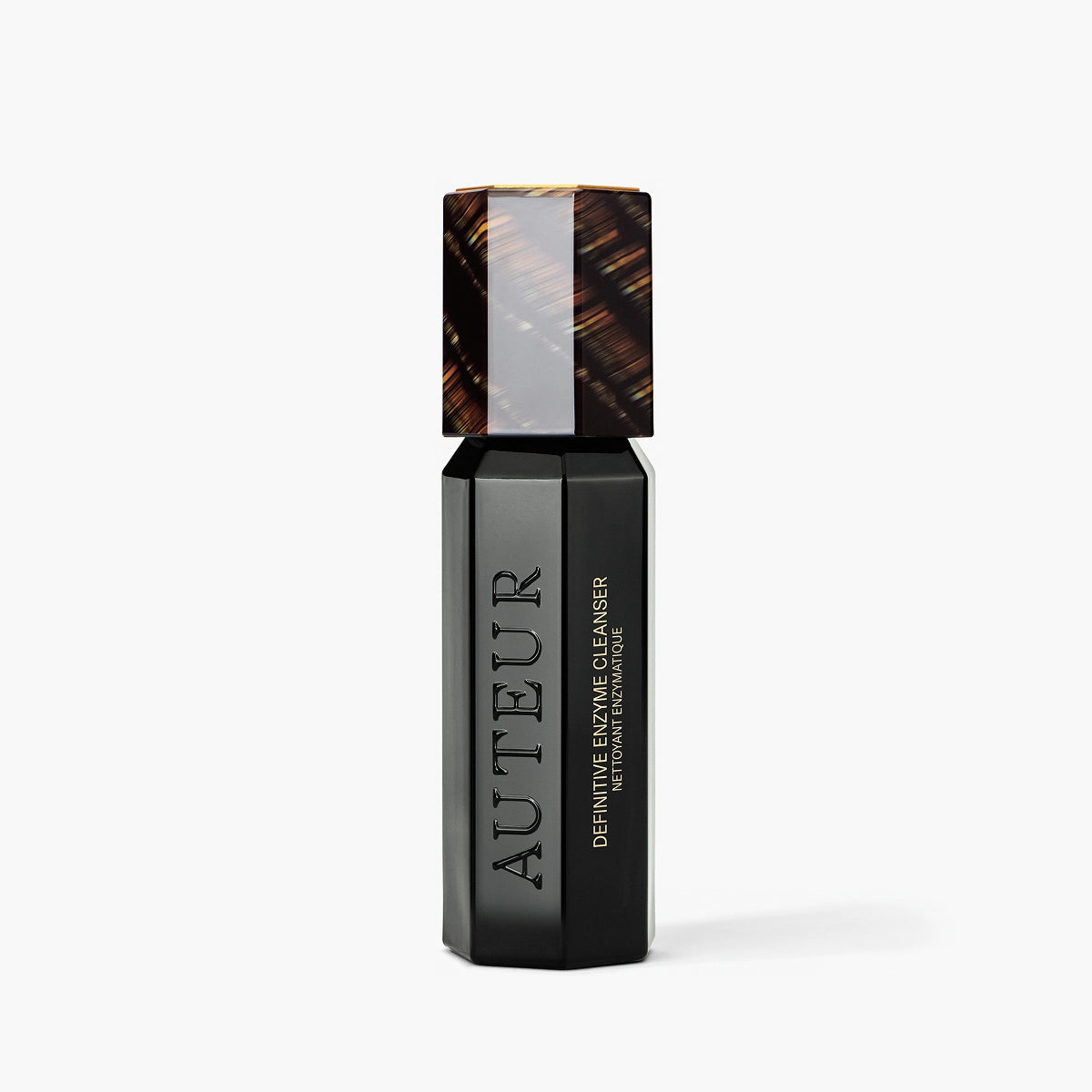
Definitive Enzyme Cleanser
Remove the accumulation of SPF, sebum, and environmental particulates. A thorough evening cleanse is more critical than the morning one.
Vitamin C and Retinoids Are Compatible When Split
If Vitamin C was applied in the morning, the evening retinoid presents no compatibility issue. Antioxidant protection in the morning, retinoid repair at night.
Definitive Lifting Toner
Surface pH reset. Apply to slightly damp skin after cleansing. Allow 30 seconds before the next step.
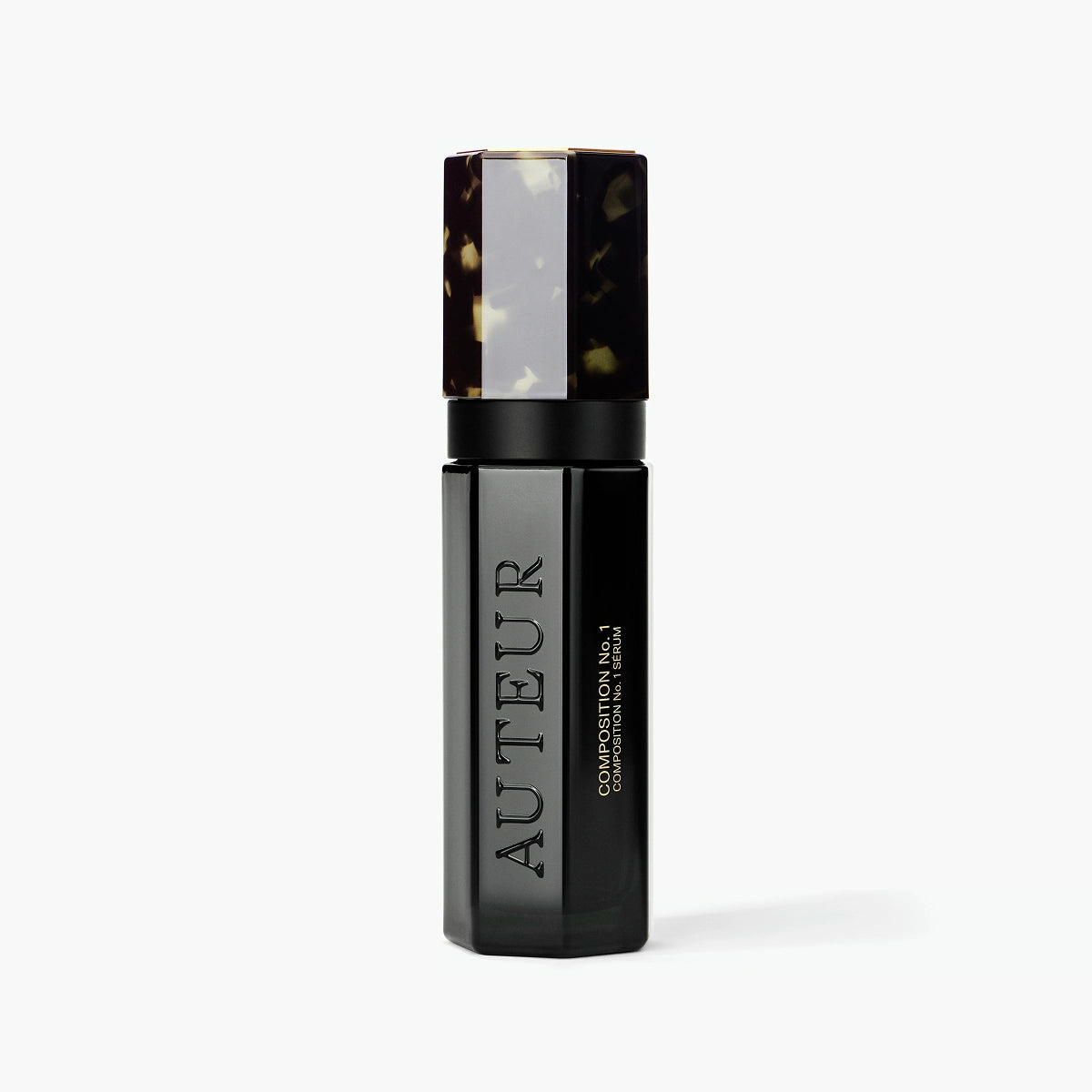
Composition No. 1 Serum
Apply 4 to 5 drops and allow 2 full minutes to absorb. Stimulating synthesis and cell turnover overnight, rather than neutralising existing damage.
Definitive Density or Restoration Cream
Seal the actives. The occlusive film reduces TEWL and maintains the hydrated environment in which retinoids and peptides act through the night.