


The double cleansing benefits most often quoted are vague: cleaner skin, better absorption, fewer breakouts. The method itself is simple. An oil-based first cleanse dissolves the lipophilic film that builds during the day, and a water-based second cleanse removes the emulsified residue and anything water-soluble. Whether the second step earns its place depends on what is sitting on the surface by evening, and on what each cleanser can and cannot remove.
The chemistry supports double cleansing on specific days and makes it redundant on others. This article sets out the composition of the surface film, the solubility rules that govern removal, the published evidence on surfactant damage to the stratum corneum, and a rule for deciding each evening whether one cleanse or two is the correct dose.
Sunscreen, makeup and sebum are oil based. One water based cleanse leaves part of that film behind, and scrubbing harder strips the barrier.
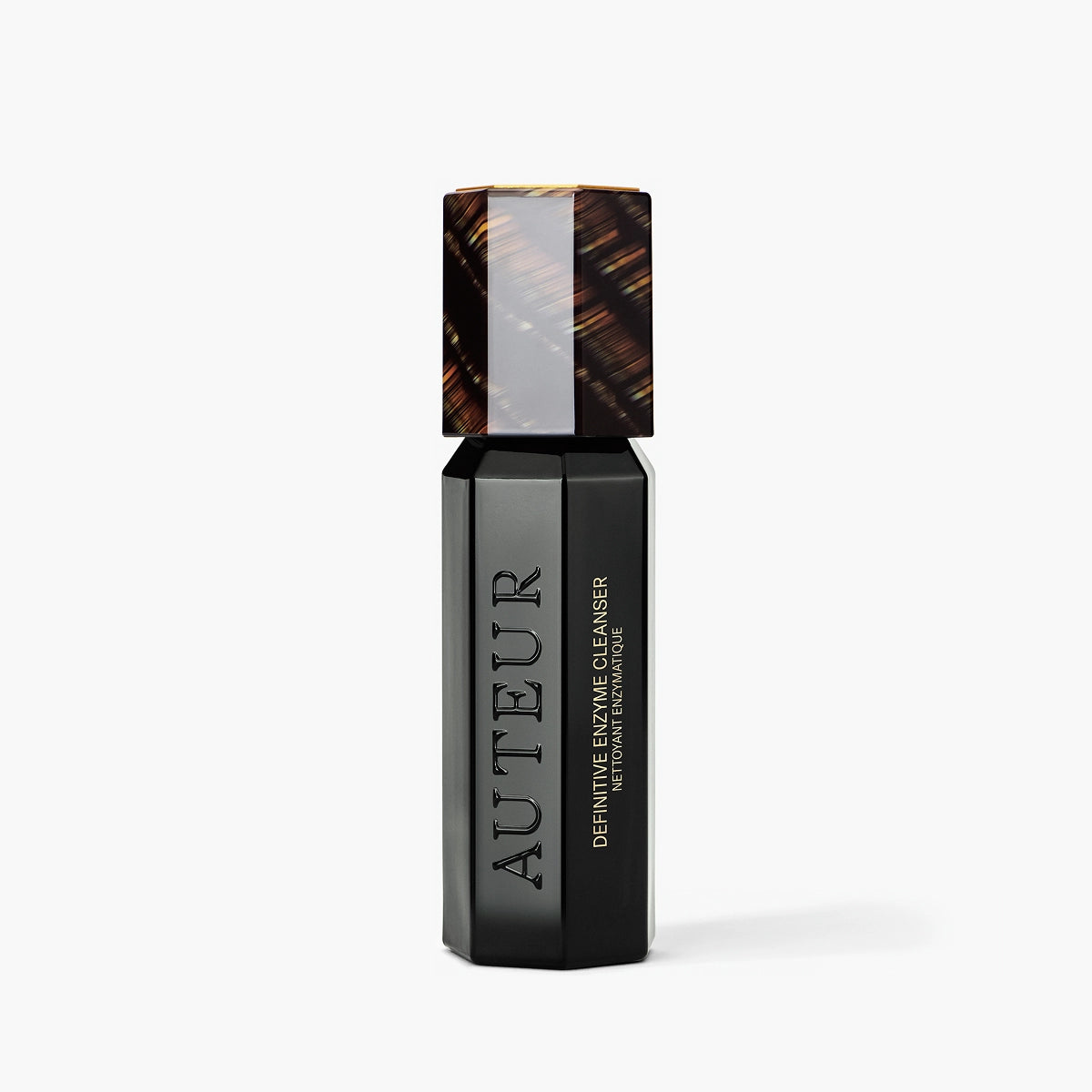
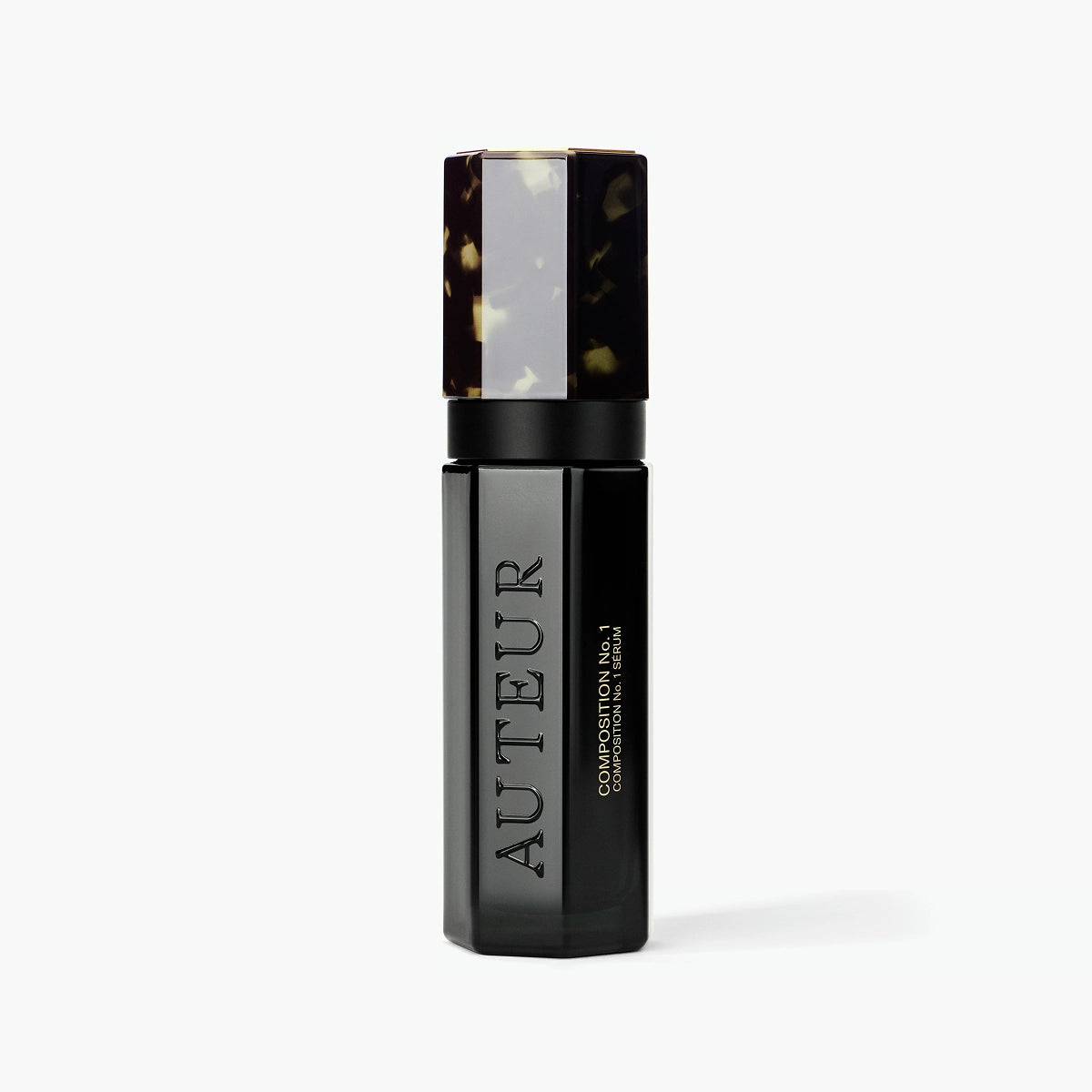
Definitive Cleansing Complex is the mild second cleanse. An amino acid surfactant complex lifts residue without extracting the skin's own lipids.
What sits on the skin by evening
Facial skin carries the highest density of sebaceous glands on the body, and their lipid is the base layer of everything that accumulates during the day. Picardo and colleagues (2009) summarised the composition of human sebum: glycerides and unesterified fatty acids together make up about 57.5% of total lipid, wax esters about 26%, squalene about 12%, and cholesterol with its esters about 4.5%. Squalene and wax esters are highly lipophilic, and neither appears in the lipid of the stratum corneum itself. Squalene oxidises readily under ultraviolet light and ozone.
On top of the sebum sits whatever was applied in the morning. Organic sunscreen filters are oil-soluble by design so they stay in the film and resist sweat. Long-wear makeup uses silicone resins and waxes for the same reason. Vierkötter and colleagues (2010) studied 400 German women aged 70 to 80 and found that higher exposure to soot and traffic-related particles was associated with 20% more pigment spots on the forehead and cheeks. That is an observational association, not proof that a cleanser prevents it, but it is a reason not to leave particulate residue on overnight.
Therefore by evening the surface is a layered film: a lipid base, a lipophilic sunscreen and makeup layer, and particulates bound into both. The question is which cleanser chemistry can take it off.
Like dissolves like: the solubility rule
Non-polar substances dissolve in non-polar solvents, and polar in polar. Sebum, oil-phase sunscreen filters, silicone makeup binders and the lipid-bound fraction of pollution are all non-polar. Sweat, salts, water-soluble product residue and dead corneocytes loosened by the day are polar or carried in water. A foaming cleanser surrounds oil droplets with surfactant micelles, which is efficient for a thin layer of sebum but slow against a thick, waxy, sunscreen-bound film. An oil cleanser dissolves that film directly, because the film is itself oil.
| Residue | Best removed by |
|---|---|
| Sebum (wax esters, squalene, glycerides) | Oil or balm first cleanse |
| Organic sunscreen filters in an oil phase | Oil or balm first cleanse |
| Long-wear makeup (silicone resins, waxes) | Oil or balm first cleanse |
| Particulate pollution bound in sebum | Oil or balm first cleanse |
| Oxidised squalene | Oil or balm first cleanse |
| Residue | Best removed by |
|---|---|
| Sweat, salts and urea | Water-based second cleanse |
| Water-soluble product residue | Water-based second cleanse |
| Emulsified oil left after the first cleanse | Water-based second cleanse |
| Loosened corneocytes | Water-based second cleanse |
| Mineral sunscreen particles once the binder is dissolved | Water-based second cleanse |
Two consequences follow. A foaming cleanser used on a day of sunscreen and makeup has to be worked longer or at a higher concentration to reach the same end point, and both increase surfactant uptake. An oil cleanser alone leaves a thin emulsified layer and anything water-soluble, which is why a second cleanse exists.

How an oil cleanse rinses off
A plain oil does not rinse. It dissolves the surface film, but water cannot carry it away. A rinse-off oil or balm therefore contains an emulsifier, a molecule with a water-loving head and an oil-loving tail, inactive while the product is anhydrous. When water is added, the emulsifier orients at the new oil-water interface and breaks the oil into droplets small enough to rinse. The product turns from clear oil to milk.
Balms start the same chemistry from a solid: an oil phase structured with waxes or fatty alcohols. On the fingertips it melts to oil, on the face it dissolves the film, and with water it emulsifies to milk. The solid start controls the dose. The Superlative Cleansing Balm arrives on 8 December with a sweet almond oil base and a sucrose laurate emulsifier, a sugar-derived ester chosen for mildness; it is detailed on the Superlative line page. Until then any rinse-off oil cleanser that turns milky with water serves the method.
But the emulsifier is still a surfactant, and so is everything in the second cleanse. Therefore the question of damage has to be answered before the method is recommended.
The cost of over-cleansing
Surfactants do not only lift dirt. Walters and colleagues (2012) reviewed the mechanism in Dermatology Research and Practice: surfactants extract skin components and remain in the stratum corneum after rinsing. With sodium dodecyl sulphate as the model, the surfactant concentrated in the stratum corneum at roughly 1,000 mmol per litre from a 40 mmol per litre donor solution. Inside the stratum corneum it inserts into the ordered intercellular lipid lamellae and disorders them, lowering the fraction of lipid in the tightly packed orthorhombic phase. The skin registers this as tightness, dryness and, over repeated washes, redness.
Ananthapadmanabhan and colleagues (2004) described two routes of damage in Dermatologic Therapy: surfactant binding to stratum corneum proteins, which swells and denatures them, and extraction of lipids and natural moisturising factors. Anionic surfactants with small, highly charged head groups are the most damaging; amphoteric and non-ionic surfactants, or anionics in larger mixed micelles, bind less protein and extract less lipid. Draelos (2018) summarised the outcome in Journal of Cosmetic Dermatology: synthetic detergent cleansers cause less irritation and dryness than alkaline soaps because they denature less protein, and the difference tracks the charge density of the surfactant aggregates.
Three variables control exposure: surfactant type, concentration and contact time. This is the argument for double cleansing stated correctly. It is not that more cleansing is better. It is that two short, targeted steps reach a cleaner end point with less total surfactant stress than one long wash that has to do everything at once. The barrier repair guide covers what to do when that stress has already been applied.
Double cleansing is a dose control method. An oil first cleanse removes the lipophilic film with almost no surfactant; a mild second cleanse removes the rest in 30 seconds. Together they expose the stratum corneum to less surfactant than one foaming wash long enough to strip sunscreen alone.
The second cleanse should be the mild one
The common error is to treat the second cleanse as the thorough one, reaching for a high-foam gel because the face still feels slippery after the oil. The slip is emulsified oil and needs almost nothing to remove. The second cleanse has one requirement: remove the emulsified residue and the water-soluble layer without extracting lipid from a stratum corneum that is already wet and more permeable. That calls for an amino acid or glucoside surfactant system at a low concentration, a pH close to the skin's own 4.5 to 5.5, and a contact time of 20 to 30 seconds.
Amino acid surfactants such as sodium cocoyl glutamate are anionic, but their large head groups lower charge density, the property Draelos (2018) identified as the driver of protein denaturation. Glycerin in the cleanser further reduces surfactant uptake, a strategy Walters and colleagues (2012) list alongside amphoteric blends and polymer binding. Enzyme cleansers belong in a different slot: a papain and bromelain cleanser is an exfoliating step for two or three evenings a week, not a daily second cleanse, as set out in the enzyme cleanser guide.
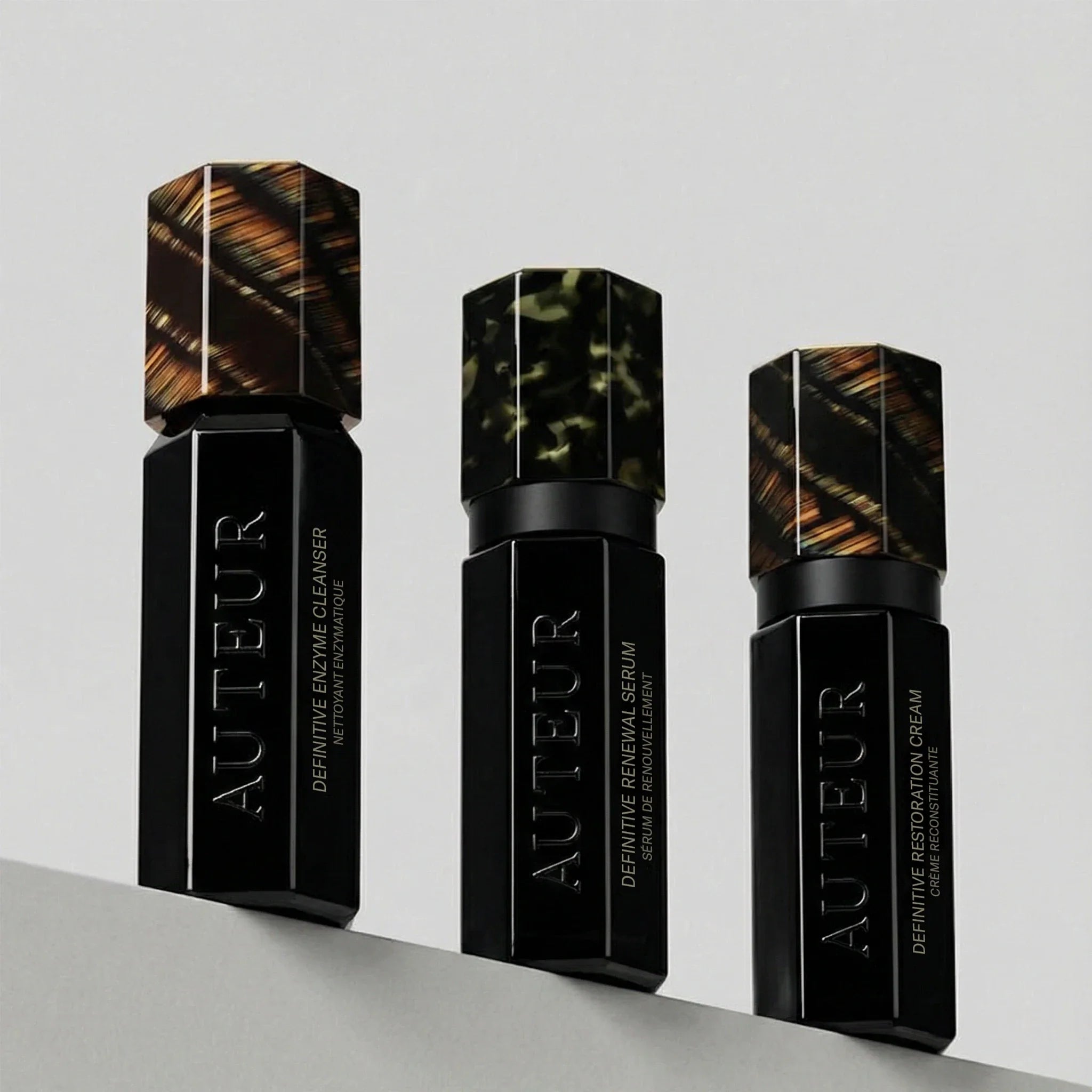
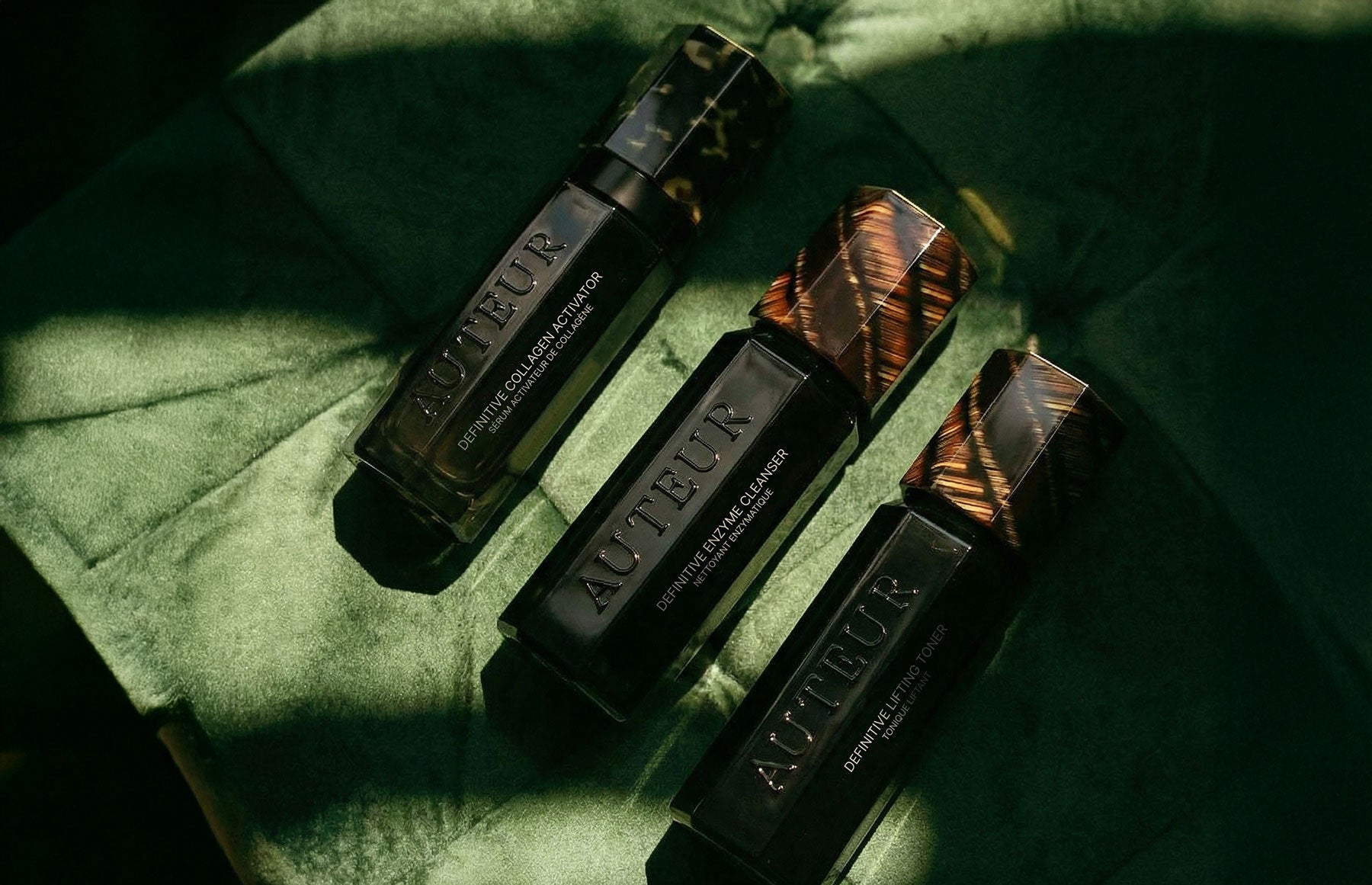
AUTEUR Definitive Cleansing Complex
$85 · 50ml
A barrier-preserving daily cleanser built on an amino acid surfactant complex, formulated to remove emulsified residue and water-soluble debris without extracting stratum corneum lipids. It is the second cleanse after an oil or balm, and the only cleanse in the morning: 30 seconds on damp skin, then rinse. The Superlative Cleansing Balm, the first cleanse in this method, arrives on 8 December on the Superlative line page.
Explore the FormulationWhen to double cleanse and when not to
Double cleanse in the evening on any day when the surface carries an oil-phase film: sunscreen, makeup, a day outdoors in traffic, or sport where sweat has mixed with sunscreen. Single cleanse in the evening when none of those apply, for example a day indoors with no makeup. Never double cleanse in the morning. Overnight the skin accumulates sebum, a little sweat and the residue of evening products, and one mild cleanse removes that. Very dry or barrier-compromised skin can use water alone in the morning.
Method. Dry hands, dry face. Warm a measured amount of oil or balm between the fingertips and massage for about one minute, with attention to the hairline, the sides of the nose and the jaw, where sunscreen collects. Add a little water, continue for 20 to 30 seconds until the product turns milky, then rinse. Follow with the amino acid cleanser on damp skin for 20 to 30 seconds and rinse. Pat dry and apply the next step while the skin is still damp; the layering guide covers what follows.
Signs of over-application: tightness in the first minute after drying, shine that returns faster than before, or stinging from products previously tolerated. The correction is not a richer cream but a shorter, milder second cleanse, or on some evenings, none.
Frequently Asked Questions
What are the benefits of double cleansing?
An oil-based first cleanse dissolves the lipophilic surface film: sebum, which is roughly 26% wax esters and 12% squalene, oil-phase sunscreen filters, and the oil-bound fraction of makeup and pollution. A water-based second cleanse removes the emulsified residue and water-soluble sweat and salts. Total surfactant exposure can be lower than one long aggressive wash.
Is oil cleansing good for oily skin?
Yes, provided the oil cleanser contains an emulsifier so it rinses off completely. Sebum is lipid, and lipids dissolve in oil more readily than in water. A rinse-off oil or balm removes oxidised sebum and sunscreen without stripping the stratum corneum, the response that often drives rebound oiliness after harsh foaming cleansers.
Should you double cleanse in the morning?
No. Overnight the skin accumulates only sebum, sweat and the residue of evening products, and a single mild cleanse, or water alone for very dry skin, is sufficient. Double cleansing is an evening method for days when sunscreen, makeup or outdoor exposure have built a lipophilic film.
Does double cleansing damage the skin barrier?
Not when the second cleanse is mild. Surfactants that remain in the stratum corneum after rinsing disorder the lipid lamellae and extract natural moisturising factors, the mechanism behind post-wash tightness. An oil first cleanse carries a very low surfactant load, and a 30 second amino acid second cleanse keeps total exposure small.
How long should each cleanse take?
About one minute for the oil phase on dry skin, then 20 to 30 seconds after adding water to emulsify. The second cleanse needs 20 to 30 seconds on damp skin. Longer contact increases surfactant uptake without improving removal.
References
1. Picardo, M., Ottaviani, M., Camera, E., Mastrofrancesco, A. (2009). Sebaceous gland lipids. Dermato-Endocrinology, 1(2), 68 to 71.
2. Vierkötter, A., Schikowski, T., Ranft, U., Sugiri, D., Matsui, M., Krämer, U., Krutmann, J. (2010). Airborne particle exposure and extrinsic skin aging. Journal of Investigative Dermatology, 130(12), 2719 to 2726.
3. Walters, R.M., Mao, G., Gunn, E.T., Hornby, S. (2012). Cleansing formulations that respect skin barrier integrity. Dermatology Research and Practice, 2012, 495917.
4. Ananthapadmanabhan, K.P., Moore, D.J., Subramanyan, K., Misra, M., Meyer, F. (2004). Cleansing without compromise: the impact of cleansers on the skin barrier and the technology of mild cleansing. Dermatologic Therapy, 17(Suppl 1), 16 to 25.
5. Draelos, Z.D. (2018). The science behind skin care: Cleansers. Journal of Cosmetic Dermatology, 17(1), 8 to 14.