

Collagen accounts for approximately 80% of the dry weight of the dermis and is the primary structural protein responsible for skin firmness, elasticity, and resistance to mechanical deformation. From the age of 25, the body produces roughly 1% less collagen per year. By the age of 40, this cumulative loss is clinically visible as a reduction in skin thickness, decreased firmness, and the formation of fine lines where the dermal matrix has lost structural integrity.
The question of how to reverse or slow this process has generated a significant body of peer-reviewed research. This article summarises what that research shows, which ingredients have the strongest evidence, and what distinguishes effective formulations from those that contain the right ingredients at the wrong concentration or in an unstable form.
How Collagen Synthesis Works in the Dermis
Collagen synthesis is primarily the work of fibroblasts, specialised cells in the dermis responsible for producing and maintaining the extracellular matrix. Fibroblasts synthesise procollagen, which is then processed and assembled into tropocollagen molecules that self-assemble into the collagen fibrils visible in histological cross-sections of healthy skin. This process requires ascorbic acid (Vitamin C) as a cofactor for the hydroxylation of proline and lysine residues, making Vitamin C deficiency a direct cause of structural collagen weakness.
Photoaged skin shows a characteristic pattern of collagen degradation driven by ultraviolet radiation. UV exposure activates matrix metalloproteinases (MMPs), enzymes that break down existing collagen fibres, and simultaneously inhibits new collagen synthesis by interfering with TGF-beta signalling, the primary pathway through which fibroblasts receive the signal to produce collagen. Topical interventions that can either inhibit MMP activity, stimulate TGF-beta signalling, or directly activate fibroblast collagen gene expression represent three distinct but complementary approaches to the problem.
The Rate of Collagen Loss and What Accelerates It
The baseline decline of approximately 1% per year is significantly accelerated by several factors. UV exposure is the most studied: photoaged skin samples consistently show MMP-1 and MMP-3 upregulation following UV exposure, with collagen degradation measurable within 24 hours of a single significant sun exposure. Cumulative photoageing accounts for up to 80% of visible facial ageing by most estimates.
Hormonal decline is the second major accelerant. Oestrogen stimulates fibroblast activity and collagen synthesis directly, which is why the 30% decline in dermal collagen documented in the five years following menopause is significantly steeper than the 1% annual baseline would predict. Smoking, sustained high blood sugar (glycation crosslinks collagen fibres, reducing their mechanical integrity), and sleep deprivation (which impairs the nocturnal repair cycles during which fibroblast activity peaks) all contribute to accelerated loss.
Ingredients with Clinical Evidence
Three classes of topical ingredients have peer-reviewed evidence for stimulating collagen synthesis or inhibiting collagen degradation.
Retinoids
Retinoids are the best-studied topical ingredients for collagen synthesis. Tretinoin (retinoic acid) has the most extensive evidence base: multiple randomised controlled trials have demonstrated statistically significant increases in procollagen I production and new collagen fibre formation at the dermis-epidermis junction following 12 to 52 weeks of use. Retinol, the OTC precursor that is converted to retinoic acid in the skin, has good evidence at concentrations of 0.1% and above, with histological changes documented in studies of 12 to 24 weeks duration.
Copper Peptides and Signal Peptides
GHK-Cu (copper tripeptide-1) has demonstrated fibroblast stimulation in vitro and in vivo, with documented effects on collagen I, collagen III, and elastin gene expression. Signal peptides including palmitoyl pentapeptide-4 (Matrixyl) have shown procollagen I stimulation in clinical studies, with one split-face trial showing a 68% reduction in wrinkle depth at 12 weeks. The mechanism is distinct from retinoids: peptides act as messenger molecules that directly signal fibroblasts to upregulate collagen production.
Ascorbic Acid (Vitamin C)
Ascorbic acid is essential as a cofactor for collagen hydroxylation, but also stimulates collagen gene expression directly at concentrations above 10%. Formulation is the critical variable: L-ascorbic acid is highly unstable and degrades rapidly on exposure to air, heat, and light. Effective Vitamin C formulations require pH below 3.5 for stability and optimal absorption, and concentrations of 10% to 20% for clinical efficacy. Derivative forms (ascorbyl glucoside, sodium ascorbyl phosphate) are more stable but have lower intrinsic potency.
| Ingredient Class | Mechanism | Evidence Level | Onset Timeline | Key Limitation |
|---|---|---|---|---|
| Retinoids | RAR receptor activation; TGF-beta upregulation | Strong (multiple RCTs) | 8 to 12 weeks visible; 16 to 52 weeks structural | Tolerance required; photosensitivity |
| Copper Peptides (GHK-Cu) | Direct fibroblast signalling; MMP inhibition | Moderate to strong | 8 to 16 weeks | Interaction with Vitamin C formulations |
| Signal Peptides (Matrixyl) | Pro-collagen signalling via TGF-beta mimicry | Moderate (split-face trials) | 12 to 24 weeks | Concentration-dependent; often underdosed |
| Ascorbic Acid | Collagen hydroxylation cofactor; gene expression | Strong | 8 to 12 weeks | Extreme formulation instability |
Why Formulation Determines Efficacy
The gap between a clinically effective ingredient and a product that produces a clinical result is largely a formulation problem. Consider the three most common failure modes:
Sub-effective concentration. Retinol produces measurable histological changes at 0.1% to 1%. Many products contain it at 0.01% to 0.025%, which is insufficient to produce significant fibroblast stimulation. Signal peptides like Matrixyl are effective at specific concentrations; diluted beyond clinical threshold, they provide no measurable collagen benefit. There is no regulatory requirement for brands to disclose ingredient concentrations, and no penalty for including actives at ineffective levels.
Instability. Ascorbic acid that has oxidised is biologically inert, but not detectably different to the consumer from stable product. Peptides can be degraded by incompatible preservative systems or by pH environments outside their stability range. The distinction between a pharmaceutical-grade formulation that maintains active concentration across its shelf life and a cosmetics-grade equivalent that does not is functionally significant for collagen outcomes.
A Protocol Based on the Evidence
The combination of retinoid and peptide actives is supported by distinct but complementary mechanisms: retinoids work primarily through receptor-mediated gene expression, while peptides signal fibroblasts through different receptor pathways. Using both simultaneously does not create competition; it addresses collagen synthesis through multiple simultaneous mechanisms.
A protocol built on this evidence would include: a stabilised Vitamin C formulation in the morning (antioxidant protection and collagen co-factor support), a peptide-rich serum that can be used morning or evening (signal peptides and GHK-Cu for direct fibroblast stimulation), and a retinoid in the evening (starting at lower concentrations to build tolerance, increasing over time as tolerance develops). SPF 30 or higher daily is not optional in any collagen-preservation protocol, as UV-induced MMP activity will counteract whatever topical stimulation is occurring.

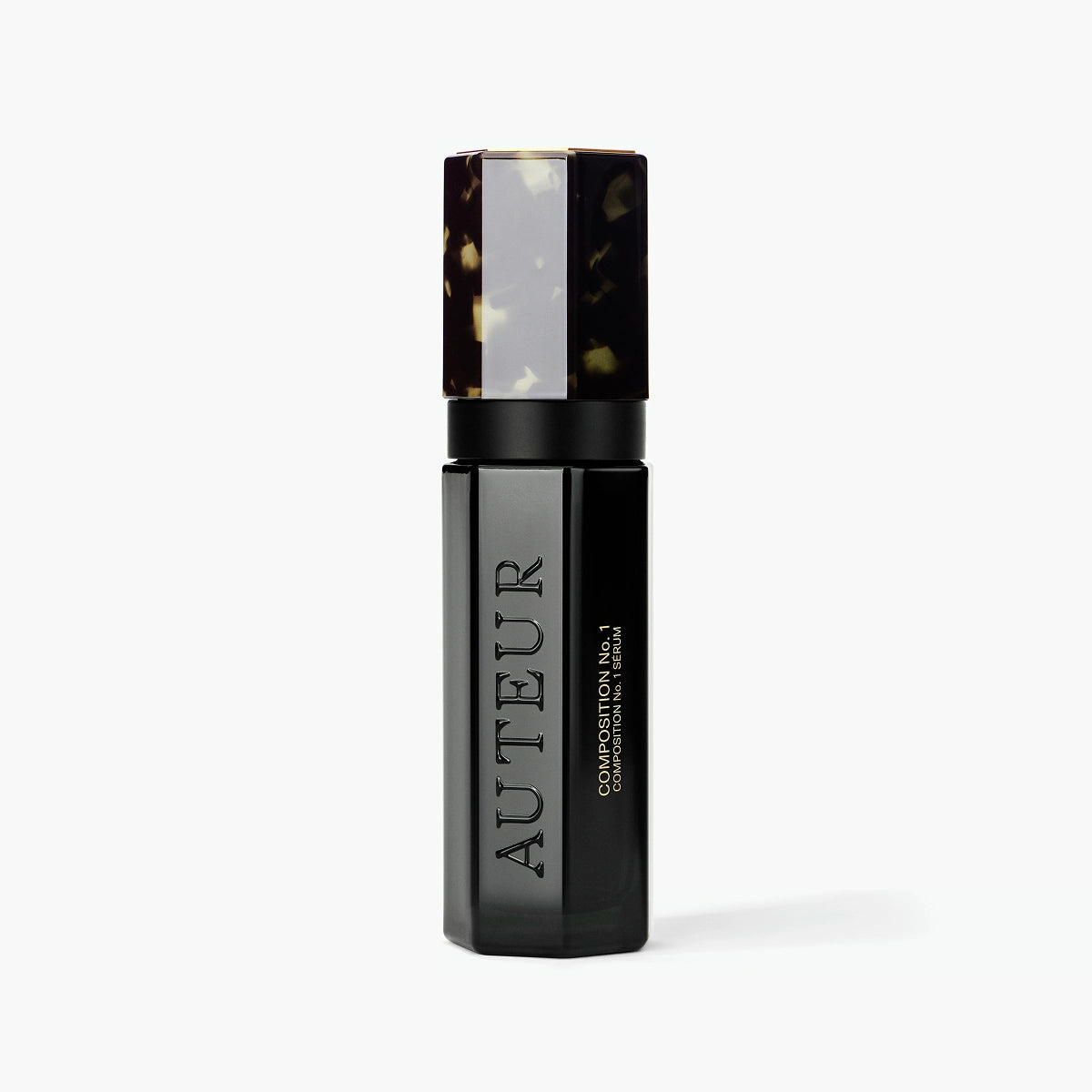
Composition No. 1
AUTEUR's Composition No. 1 Serum combines over 30 active ingredients including GHK-Cu, multiple signal peptide complexes, and stabilised retinoid derivatives in a pharmaceutical-grade formulation developed to address collagen synthesis through simultaneous receptor pathways. Active concentrations are validated to remain within clinical specification across the product's full shelf life.
Explore Composition No. 1References
1. Fisher, G. J., et al. (1996). Molecular basis of sun-induced premature skin ageing and retinoid antagonism. Nature, 379, 335-339.
2. Pinnell, S. R., et al. (2001). Topical L-ascorbic acid: percutaneous absorption studies. Dermatologic Surgery, 27(2), 137-142.
3. Pickart, L., & Margolina, A. (2018). Regenerative and protective actions of the GHK-Cu peptide in the light of the new gene data. International Journal of Molecular Sciences, 19(7), 1987.
4. Castelo-Branco, C., et al. (1992). Relationship between skin collagen and bone changes during ageing. Maturitas, 15(3), 199-206.
5. Chung, J. H., et al. (2001). Modulation of skin collagen metabolism in aged and photoaged human skin in vivo. Journal of Investigative Dermatology, 117(5), 1218-1224.
The Collagen Protocol: Supporting Synthesis From Multiple Pathways
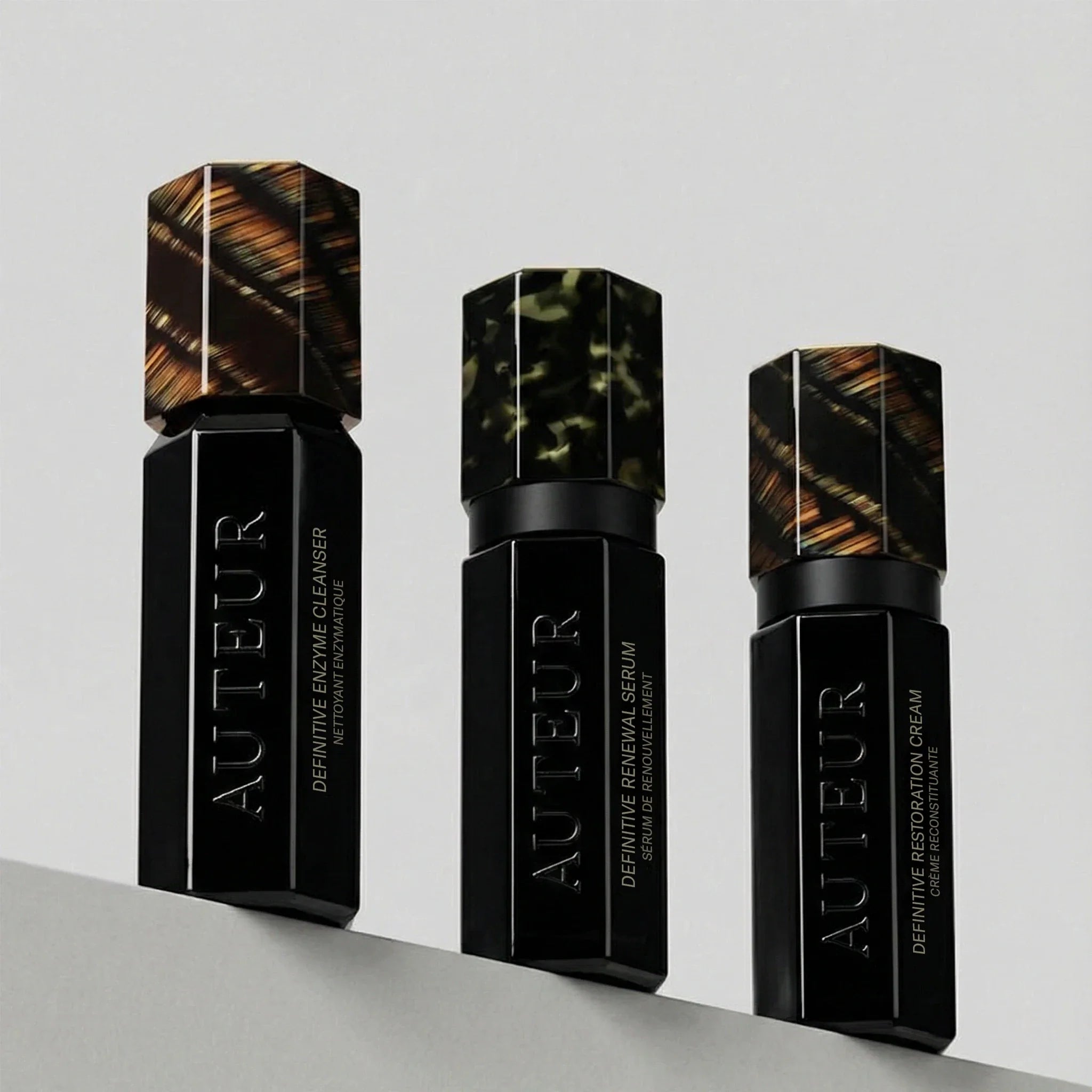
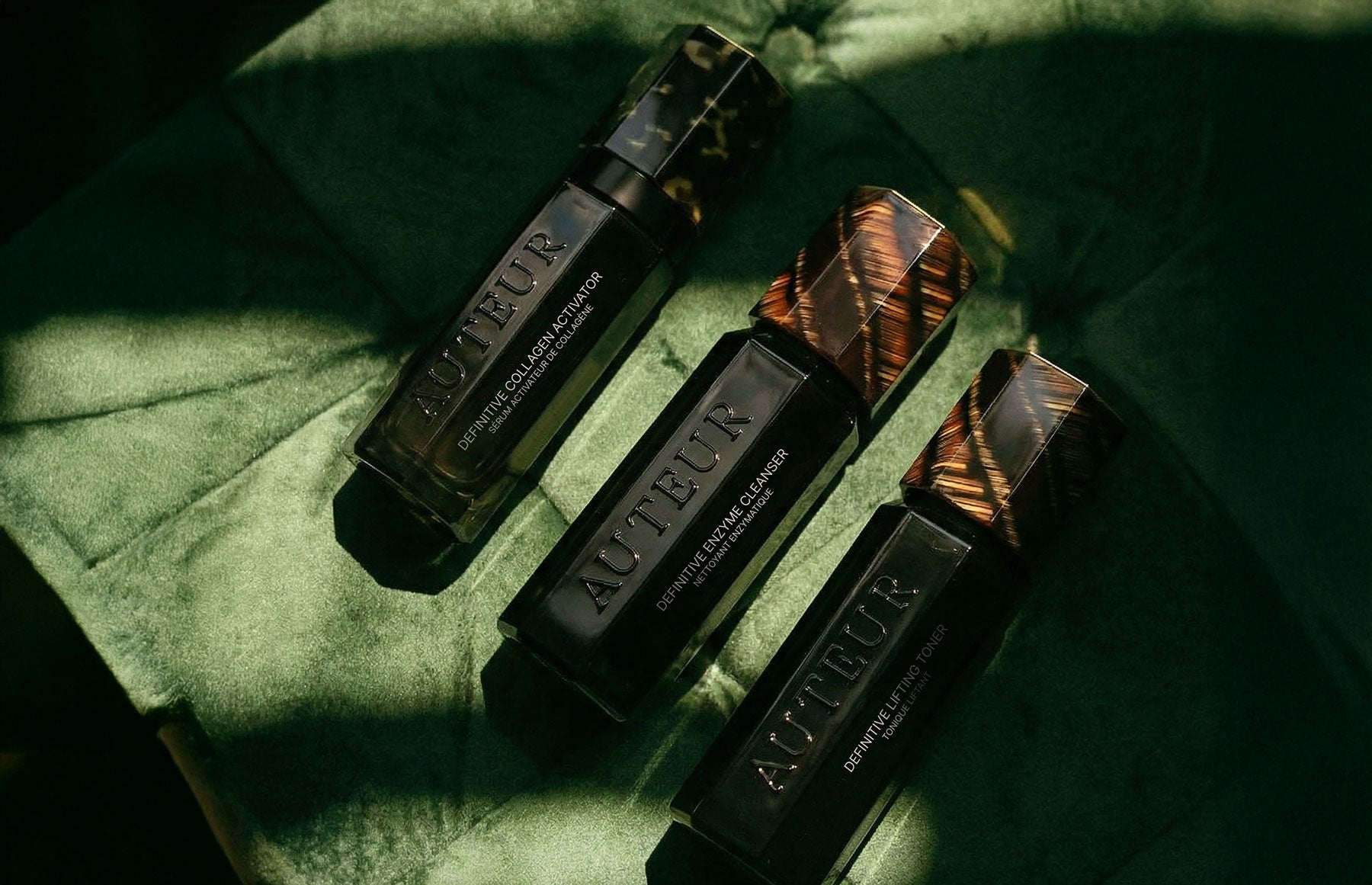
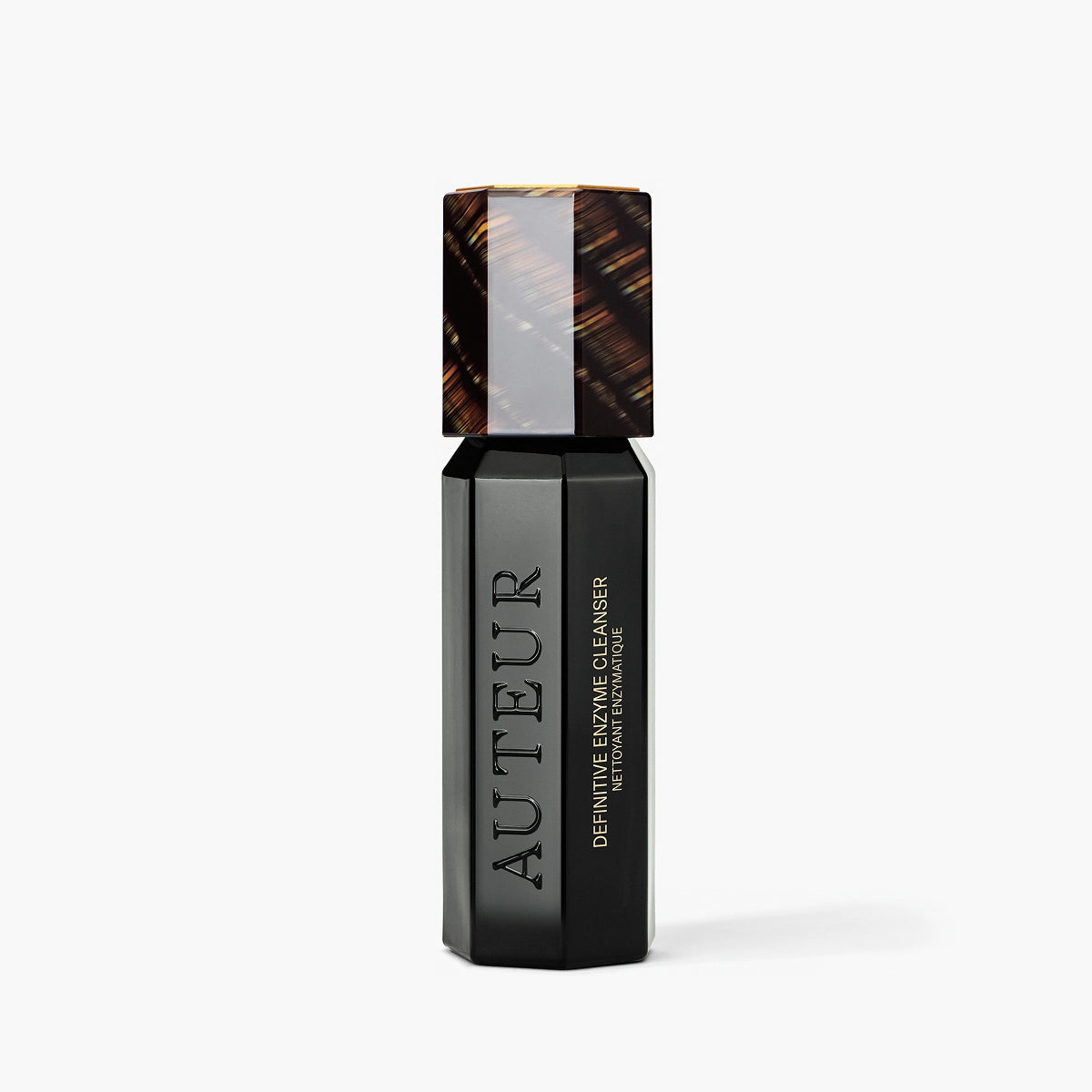
Definitive Enzyme Cleanser
Begin with clean skin to maximise absorption of the morning antioxidant step.
Stabilised Vitamin C Serum
L-ascorbic acid is a required cofactor for the enzymes that build triple-helical collagen structure. Morning application beneath SPF provides the greatest benefit.
Definitive Sun Drops SPF 50
UV exposure breaks down newly synthesised collagen. SPF is collagen protection, not just photoageing prevention.
Definitive Enzyme Cleanser
Cleanse thoroughly. Encapsulated retinoids require an unobstructed path to the epidermis.
Composition No. 1 Serum
Encapsulated retinoids activate collagen gene transcription. GHK-Cu provides direct fibroblast stimulation. Signal peptides contribute via growth factor pathway activation.
Definitive Density Cream
Its peptide matrix complements Composition No. 1 by providing sustained fibroblast stimulation as the retinoids continue releasing overnight.