


Most people notice it on a photograph before they notice it in the mirror. A horizontal crease across the neck. A crepey texture on the chest that was not there a year ago. The face, protected by a decade of serums and SPF, looks a full generation younger than the skin directly beneath it.
This disconnect is so common that dermatologists have a term for it: cervical ageing discordance. And it is not a failure of willpower or vanity. It is a failure of biology. The neck and décolleté are structurally different from the face in ways that make them more vulnerable to both UV damage and gravitational decline. Treating them with the same products, the same routine and the same assumptions is the reason so many people see results on their face and stagnation everywhere else.
The Anatomy of a Vulnerable Area
Facial skin gets most of the research funding, the clinical attention and the product development. The neck is treated as an afterthought, an area you extend your moisturiser to if you remember. That neglect would matter less if the two areas were biologically equivalent. They are not.
The epidermis of the neck is measurably thinner than facial skin (1). Fewer sebaceous glands means lower baseline hydration and a weaker lipid barrier. The dermis contains less collagen per unit area, which translates to reduced structural resilience from the outset. And the platysma muscle, a broad sheet of muscle running from the jawline to the upper chest, exerts constant mechanical stress on the overlying skin with every head turn, every downward glance, every night spent sleeping on the wrong pillow.
The décolleté faces its own set of challenges. Chest skin is among the thinnest on the body and sits at an angle that catches direct sunlight for most of the day. Unlike the face, which benefits from the structural support of underlying bone, the décolleté has only soft tissue beneath it. There is nothing to resist the gravitational pull that, over decades, stretches and thins the already fragile dermal matrix.
Photoaging Hits the Neck and Chest Harder
Ultraviolet radiation activates matrix metalloproteinases (MMPs) in both keratinocytes and fibroblasts (2). These enzymes break down collagen in the extracellular matrix while simultaneously suppressing new collagen synthesis. The result is a net loss: the body destroys more structural protein than it rebuilds.
On the face, sebaceous oil, higher melanocyte density and a thicker dermal layer provide a partial buffer against this process. The neck has none of these advantages. Therefore, the same amount of sun exposure produces a steeper rate of collagen loss in cervical skin than in facial skin. Clinical observation confirms this: wrinkles and textural changes on the neck often precede equivalent changes on the face, even in patients who spend no time outdoors without sunscreen (3).
The décolleté compounds the problem further. Solar elastosis, the characteristic leathery texture of chronically sun-damaged skin, presents earlier and more aggressively on the chest than almost anywhere else on the body. This is because the decolletage sits at a perpendicular angle to the sun for most of the day, receiving cumulative UV radiation that exceeds what the face receives, particularly in warmer climates where clothing leaves the chest exposed.
The Imperfect Repair Cycle
Collagen breakdown from UV exposure is followed by a repair process, but the repair is never complete (2). Each cycle of damage and rebuilding leaves behind what researchers describe as a "solar scar": a small deficit in structural integrity that accumulates over years. On thicker facial skin, these micro-deficits take longer to become visible. On the neck and chest, they surface sooner because there is less collagen to lose before the decline becomes apparent.
Relative values normalised to facial skin baseline. Derived from histological assessments in published dermatological literature (1, 3).
The Collagen Timeline: When Decline Becomes Visible
Collagen production declines at roughly 1% per year after the age of 25 (4). On the face, this gradual loss is partially offset by the dermis's initial reserves: facial skin starts with a thicker collagen matrix, which means it takes longer for the decline to cross the threshold of visibility.
The neck crosses that threshold sooner. With a thinner starting point and less natural protection against the accelerants of ageing (UV, mechanical stress, low hydration), the neck's collagen deficit becomes clinically visible approximately 5 to 10 years earlier than the face in individuals who do not treat the area proactively. This is the origin of the discordance that so many people notice in photographs: the face has aged at one rate, the neck at another.
Decline After 25
Glands vs Face
From Targeted Care
The good news: the same biological sensitivity that makes the neck vulnerable to damage also makes it responsive to treatment. Thinner skin absorbs topical actives more readily. A targeted routine does not need to work harder than a facial routine; it needs to work differently.
The Actives That Work Below the Jawline
Not every ingredient that performs well on the face translates directly to the neck. The lower sebaceous activity, thinner epidermis and increased sensitivity of cervical skin require a more considered formulation approach. Three categories of actives have the strongest clinical evidence for this area.
Peptides: Collagen Signalling Without Irritation
Peptides function as signalling molecules that instruct fibroblasts to produce collagen (5). Unlike retinoids, which can provoke irritation on sensitive skin, peptides deliver their collagen-stimulating effect without disrupting the barrier. For the neck, where the barrier is already compromised by low sebaceous output, this matters. Signal peptides such as palmitoyl tripeptide-1 and copper peptides have demonstrated measurable increases in collagen synthesis in clinical settings (5). Neuropeptides like Syn-Ake reduce the micro-contractions of the platysma that contribute to horizontal neck lines.
Hydroxypinacolone Retinoate: The Retinoid the Neck Can Tolerate
Standard retinol requires three enzymatic conversion steps before it becomes retinoic acid, the form that actually binds to skin receptors and stimulates collagen production. Each conversion step generates free radicals and inflammation. On facial skin, this irritation is manageable. On the neck, it frequently causes redness, peeling and barrier compromise that negates the collagen benefits.
Hydroxypinacolone retinoate (HPR) bypasses those conversion steps entirely (6). It binds directly to retinoid receptors, delivering the full collagen-stimulating effect of a retinoid without the inflammatory cascade. For the neck and décolleté, HPR represents a meaningful advance: it makes retinoid therapy viable in an area where standard retinol often fails.
Ceramides and Hyaluronic Acid: Barrier Reinforcement
Collagen stimulation is only half the equation. If the barrier remains compromised, transepidermal water loss accelerates, active ingredients penetrate unevenly, and the skin's repair mechanisms operate at a deficit. Ceramides restore the lipid matrix that the neck's low sebaceous output cannot maintain on its own. Hyaluronic acid draws moisture into the dermis, plumping the tissue from within and temporarily reducing the visibility of fine lines while longer-term actives do their structural work.
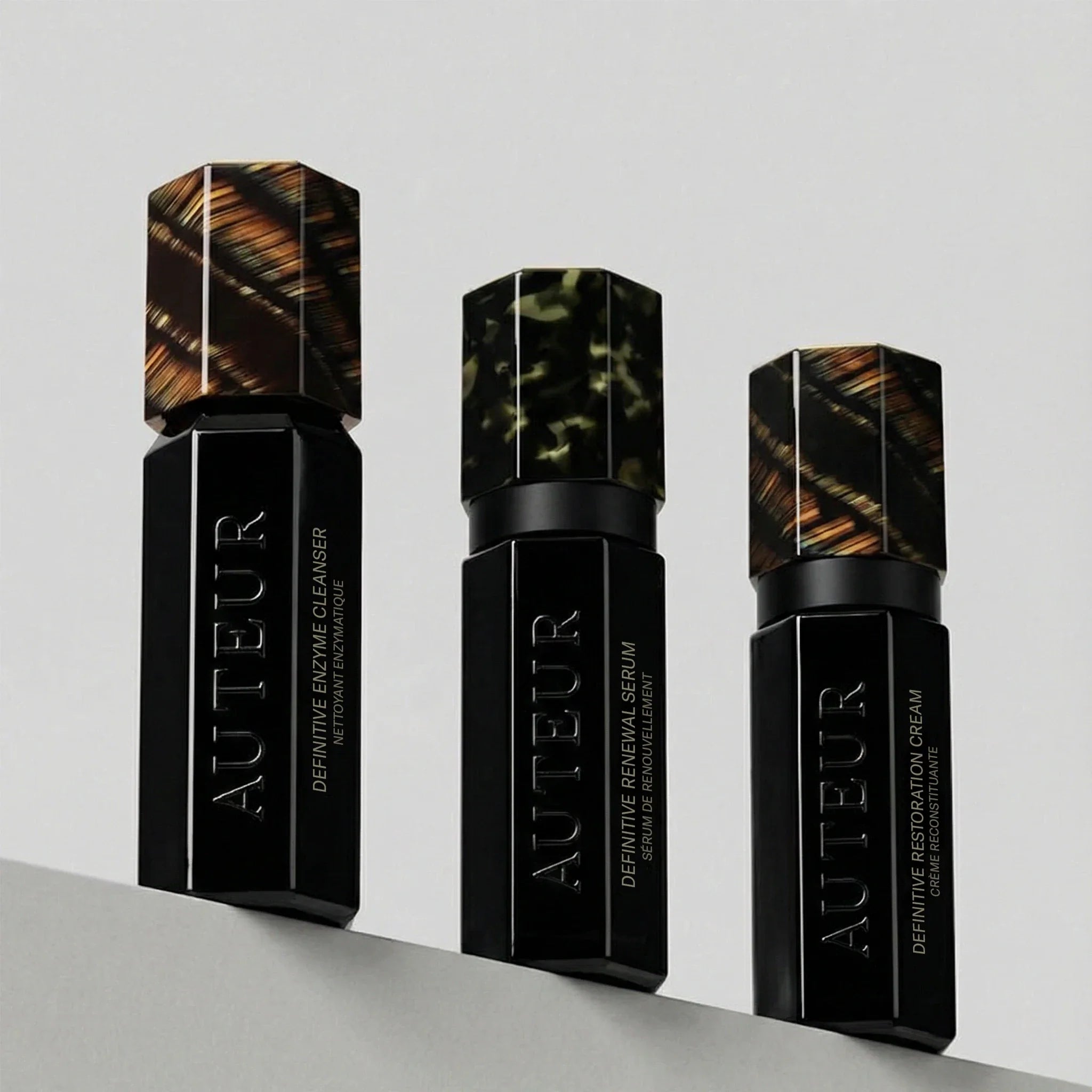
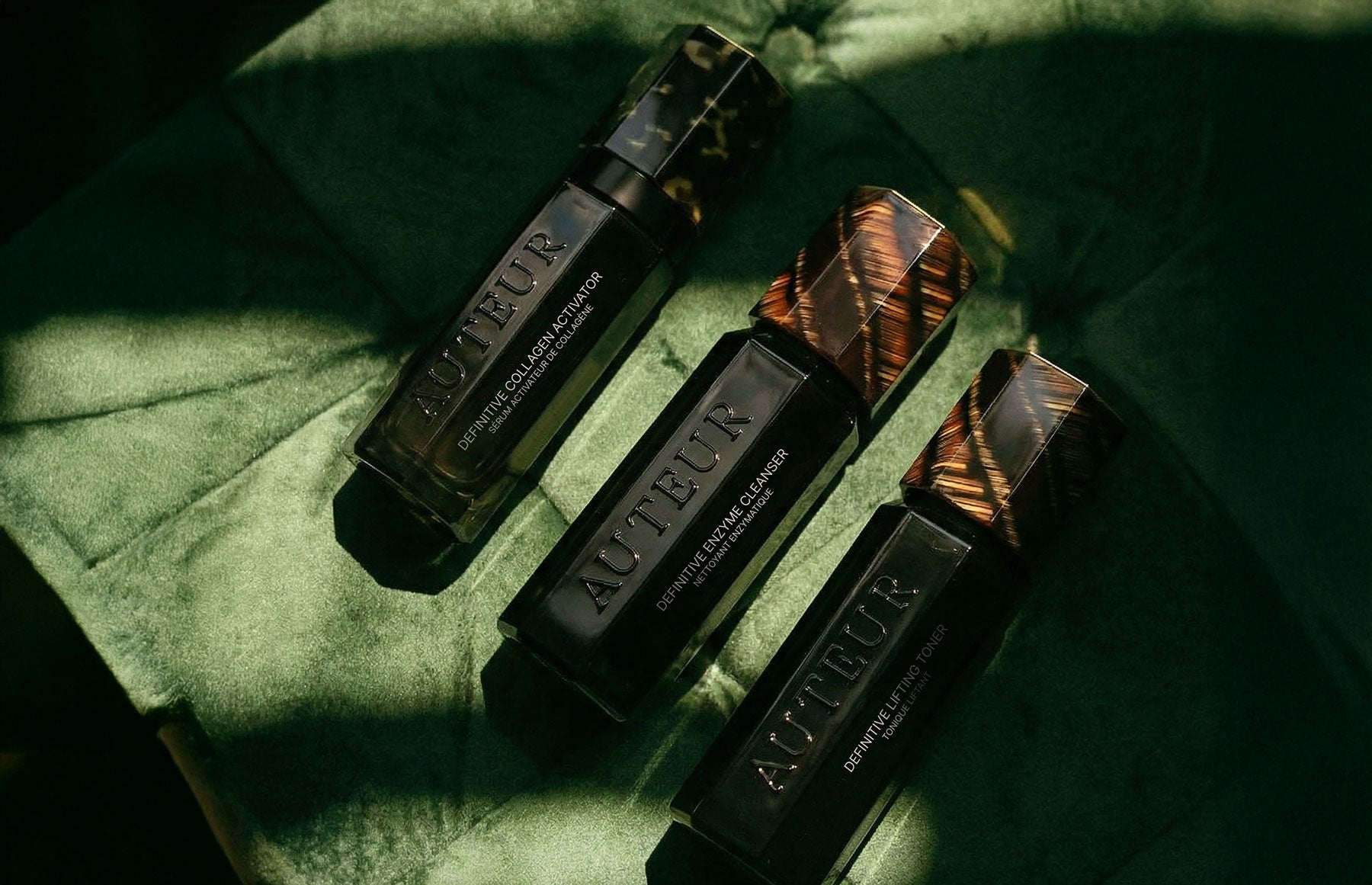
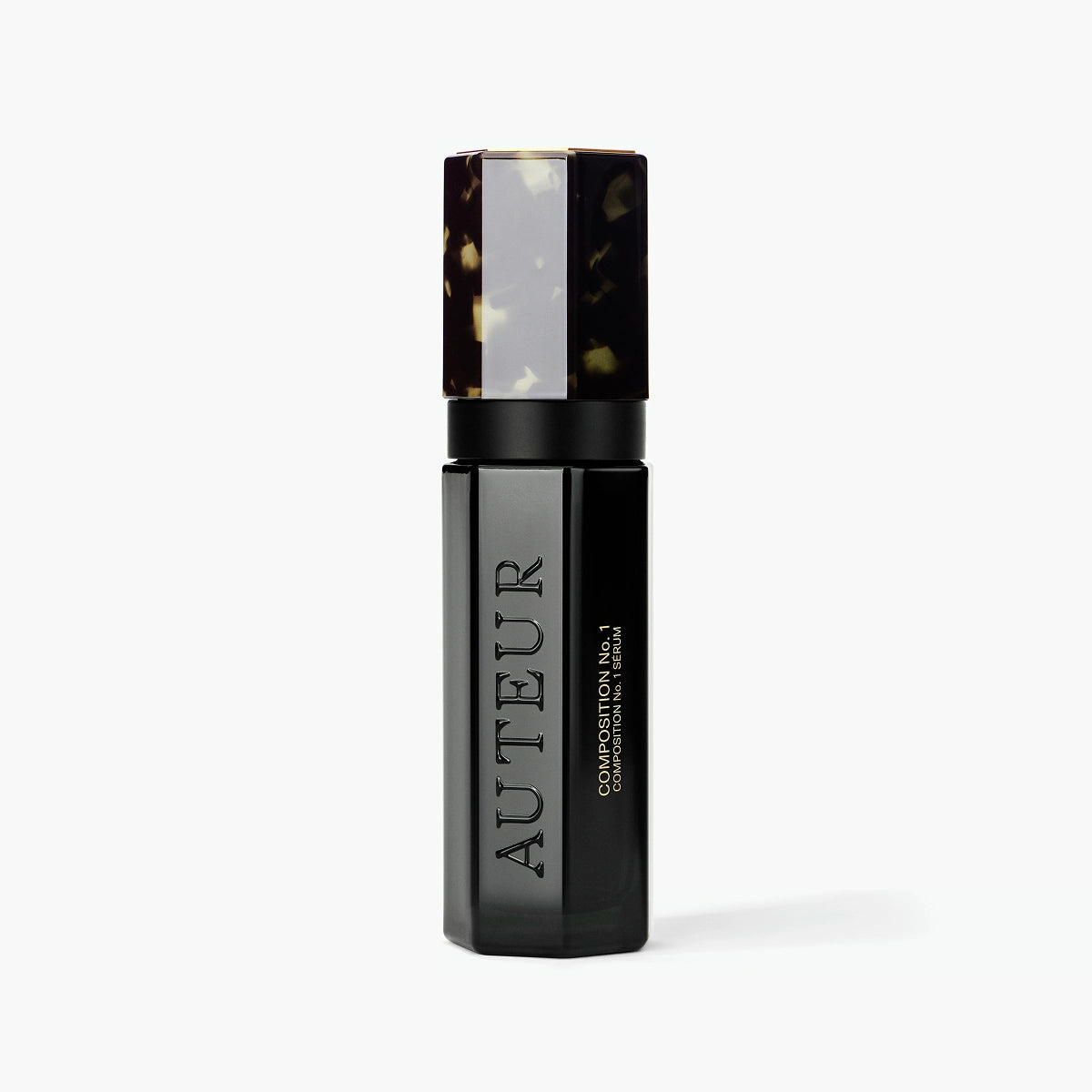
AUTEUR Definitive Neck and Décolleté Cream
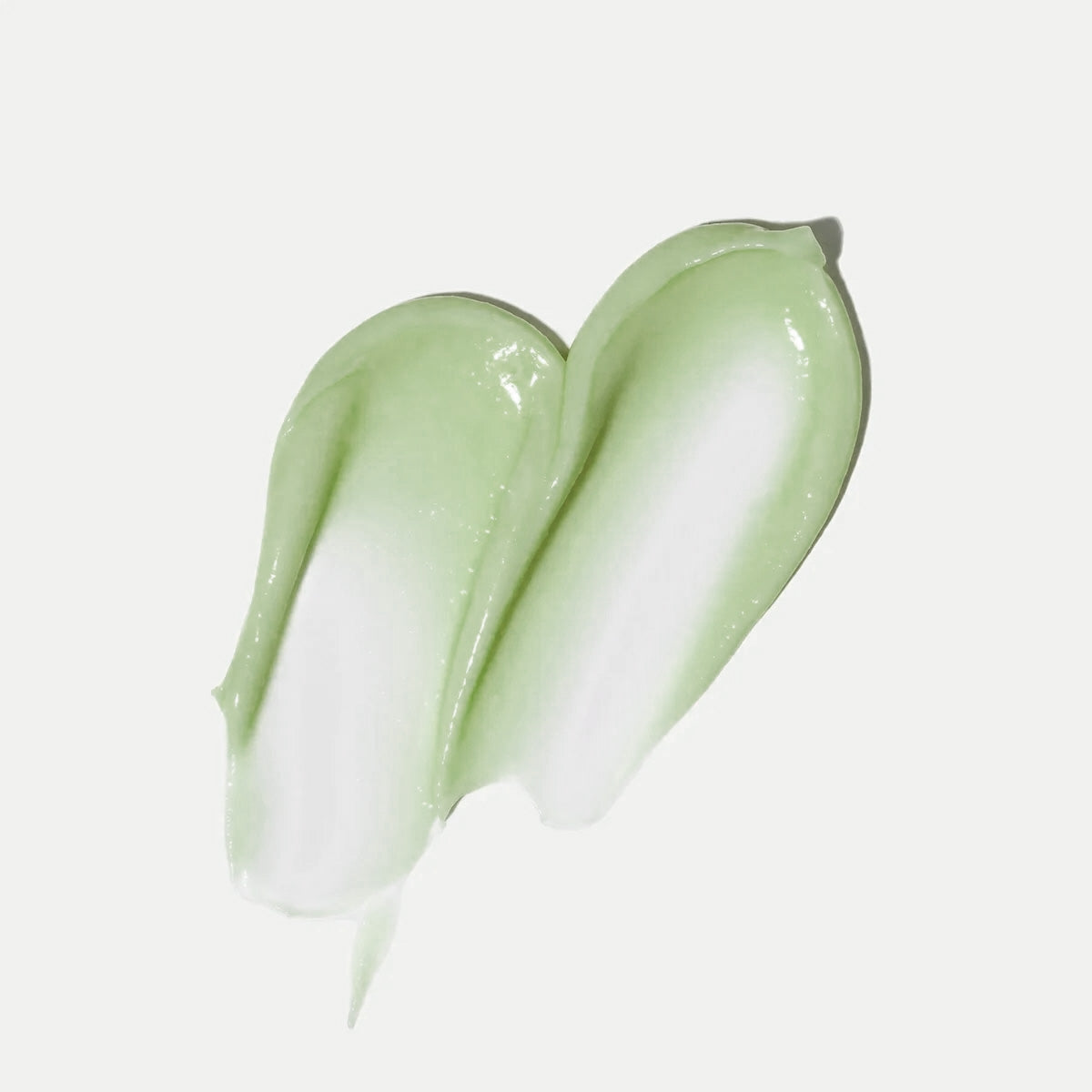
Formulated specifically for the thinner, more vulnerable skin below the jawline, this cream pairs hydroxypinacolone retinoate with ceramides, signal peptides and Liquid Oxygen to drive collagen synthesis while reinforcing the compromised barrier. Abyssinian Oil provides omega-rich anti-inflammatory support, addressing the dual challenge of structural decline and chronic low hydration that defines cervical skin ageing.
Explore the FormulationBuilding a Neck and Décolleté Routine
The protocol that works for the neck is not simply your facial routine applied lower. The order of operations, the concentrations and the emphasis shift to accommodate the area's specific biology.
Morning Protocol
Cleanse the neck and chest with the same gentle cleanser you use on your face. Apply a vitamin C serum from the jawline to the upper chest; this provides antioxidant defence against the UV exposure the area will receive throughout the day (2). Follow with a hydrating moisturiser that contains ceramides or hyaluronic acid to offset the neck's low natural hydration. Finish with broad-spectrum SPF 30 or higher, applied generously and reapplied throughout the day. Sunscreen on the neck and chest is not optional. It is the single intervention that slows cervical photoaging more than any active ingredient.
Evening Protocol
After cleansing, apply a peptide-rich treatment or a formulation containing HPR. If using an HPR product, apply it before your heavier moisturiser so it can penetrate effectively. Layer a barrier-reinforcing cream over the top, one that combines ceramides with hyaluronic acid to lock in the active treatment and restore overnight hydration. The neck loses moisture faster during sleep than the face does, particularly if you sleep in a heated or air-conditioned room, so this final layer is more important here than it is on the face.
Weekly Addition
Once per week, apply a gentle enzyme or AHA exfoliant to the neck and décolleté. The slower cell turnover in this area means dead skin accumulates more readily, reducing the penetration of your daily actives. A mild exfoliation restores that penetration without the mechanical irritation of scrubs, which are too aggressive for cervical skin.
The Mistakes That Accelerate Cervical Ageing
Knowing what to apply matters, but so does knowing what to avoid. Several common habits accelerate neck and décolleté ageing in ways that are entirely preventable.
The first is neglecting sunscreen below the jawline. A 2022 review in Dermatological Reviews found that inconsistent SPF application to the neck was the single strongest predictor of cervical ageing discordance (3). Patients who applied sunscreen to their face but not their neck showed accelerated photoaging in the cervical area that no amount of retinoid therapy could fully reverse.
The second is using facial-strength retinol on the neck without titration. The neck's thinner barrier absorbs retinol more rapidly, which increases both efficacy and irritation. Starting with the same concentration you tolerate on your face often triggers a reactive cycle of inflammation, barrier damage and repair that disrupts collagen synthesis rather than supporting it. Begin with a lower concentration, or use HPR from the outset.
The third is sleeping posture. Side sleeping compresses the décolleté skin into deep folds for hours each night. Over years, these compression lines become permanent creases. Sleeping on your back, or using a contoured pillow that reduces chest compression, is a mechanical intervention that costs nothing and prevents structural damage that no topical product can undo once it has set in.
The fourth, and perhaps the most consequential, is waiting. The neck's thinner collagen reserves mean that by the time ageing is visible, the structural deficit is already significant. Starting a targeted routine in your late twenties or early thirties, before the decline crosses the visibility threshold, produces dramatically better long-term outcomes than starting in your forties and trying to reverse a decade of accumulated loss.
References
1. Varani, J. et al. (2006). Decreased Collagen Production in Chronologically Aged Skin: Roles of Age-Dependent Alteration in Fibroblast Function and Defective Mechanical Stimulation. The American Journal of Pathology, 168(6), 1861-1868.
2. Rittie, L. & Fisher, G.J. (2002). UV-light-induced signal cascades and skin aging. Ageing Research Reviews, 1(4), 705-720.
3. Roberts, A. et al. (2024). Neck Aging and Rejuvenation: A Balanced Approach to Assessment and Treatment. Dermatological Reviews, 5(1), e238.
4. Shuster, S. et al. (1975). The influence of age and sex on skin thickness, skin collagen and density. British Journal of Dermatology, 93(6), 639-643.
5. Schagen, S.K. (2017). Topical Peptide Treatments with Effective Anti-Aging Results. Cosmetics, 4(2), 16.
6. Sorg, O. et al. (2020). Proposed Mechanisms of Action for Retinoid Derivatives in the Treatment of Skin Aging. Journal of Cosmetic Dermatology, 19(12), 3218-3225.