
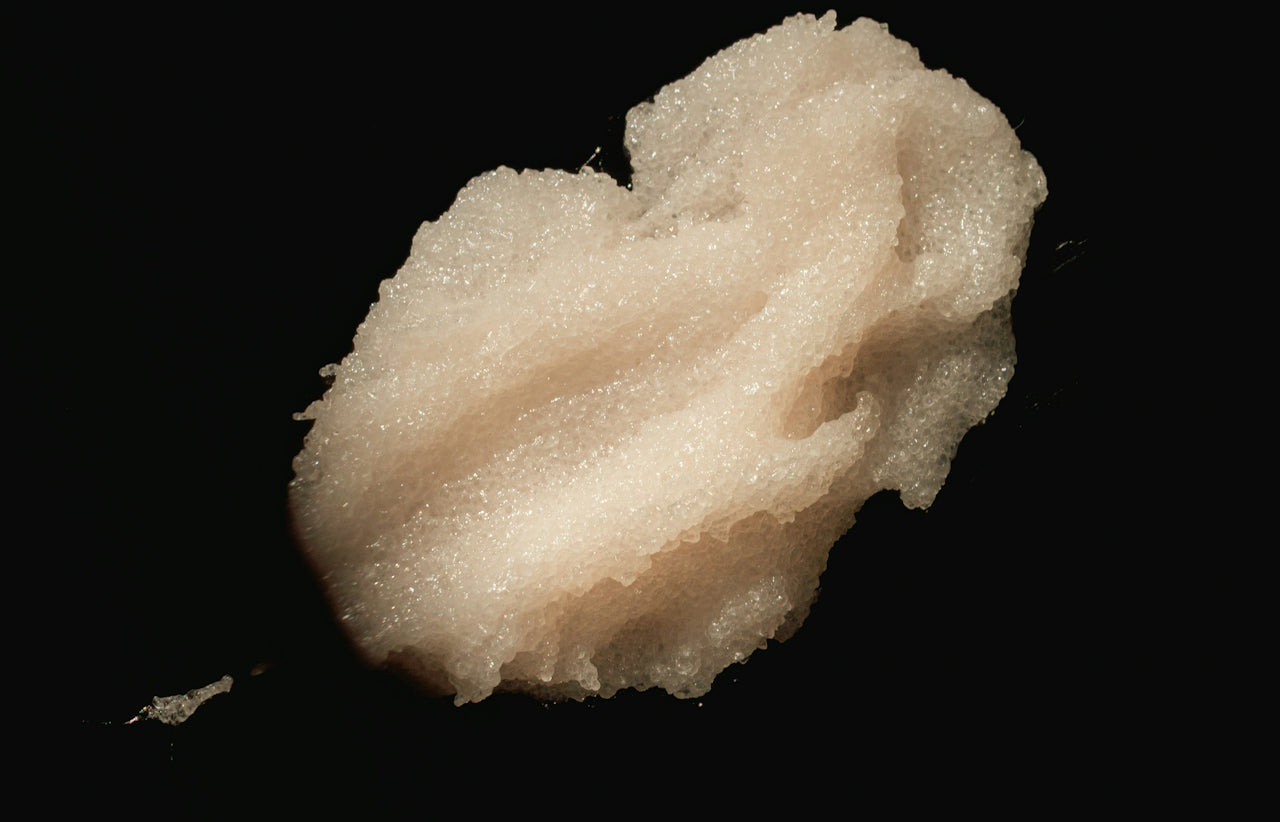
Most people exfoliate by grinding something against their face. Physical scrubs, textured pads, rotating brushes: the approach has barely changed in decades, even as the dermatological evidence against mechanical abrasion has mounted steadily. The alternative is not to stop exfoliating. It is to exfoliate through biochemistry rather than friction.
Enzyme cleansers represent that shift. They use proteolytic enzymes to digest dead keratin protein on the skin's surface, achieving the same visual result (smoother texture, improved luminosity, refined pores) through a mechanism that leaves the underlying tissue entirely intact. The distinction matters more than it sounds. It is the difference between clearing a path by cutting down trees and clearing a path by dissolving only the fallen ones.
How Enzyme Cleansers Work
The outermost layer of skin, the stratum corneum, is composed primarily of dead keratinocytes held together by lipid bonds and protein structures. In healthy skin, this layer sheds naturally through a process called desquamation. When that process slows (due to ageing, sun damage, dehydration, or hormonal shifts), dead cells accumulate. The skin looks dull. Texture becomes uneven. Products applied on top of that buildup cannot penetrate effectively.
Proteolytic enzymes solve this at the molecular level. Enzymes like papain (derived from papaya) and bromelain (derived from pineapple) are proteases: they catalyse the hydrolysis of peptide bonds in keratin protein. A 2022 review published in the Journal of Cosmetic Dermatology confirmed that these proteolytic enzymes selectively target the protein structures of dead corneocytes without disrupting the viable cells beneath.1
This selectivity is the critical distinction. The enzymes require a substrate (dead keratin) to act upon. Once that substrate is processed, the enzymatic activity is self-limiting. There is no risk of over-exfoliation in the way that a physical scrub or a high-concentration acid peel can compromise the barrier if left too long or applied too aggressively.
Enzyme vs. Chemical vs. Physical Exfoliation
The three primary exfoliation mechanisms each work through a different pathway, and the differences have real consequences for skin health over time.
Physical exfoliation removes dead cells through abrasion. Particles in a scrub or bristles on a brush mechanically dislodge surface debris. The problem, documented extensively in dermatological literature, is that this abrasion does not discriminate. It creates micro-tears in the stratum corneum, disrupts the lipid matrix, and can trigger inflammatory responses that worsen the very texture issues the user is trying to resolve.
Chemical exfoliation (AHAs like glycolic acid, BHAs like salicylic acid) dissolves the intercellular lipid bonds that hold corneocytes together. This is more targeted than physical abrasion, but it operates on a concentration and pH curve. Too high a concentration or too low a pH overwhelms the skin's buffering capacity. The exfoliation is effective, but the margin for irritation is narrower than most consumers realise.
Enzymatic exfoliation works on the protein structure of the dead cells themselves, not the bonds between them. It is a parallel mechanism to chemical exfoliation rather than a gentler version of it. This is why the most sophisticated formulations combine both: enzymes dissolve the cellular protein while AHAs loosen the intercellular bonds, achieving comprehensive exfoliation through two complementary pathways.
The AHA and Enzyme Combination
Using enzymes and AHAs together is not redundancy. It is dual-mechanism exfoliation: two distinct pathways operating simultaneously on two different structural components of the dead cell layer.
Alpha hydroxy acids (most commonly glycolic and lactic acid) work by disrupting the desmosomes and intercellular lipids that bind corneocytes to one another. They effectively loosen the mortar between bricks. A study by Kostarelos et al. (2000) in the Journal of the European Academy of Dermatology and Venereology demonstrated that AHAs produce measurable improvements in cell turnover and surface texture when applied at appropriate concentrations.2
Proteolytic enzymes, by contrast, break down the bricks themselves. They hydrolyse the keratin protein that makes up the body of the dead cell. When both mechanisms operate together, the result is more thorough surface renewal than either approach alone: the bonds are loosened and the dead cells are simultaneously digested.
The practical benefit is that each active can be used at a lower concentration than it would need in isolation. Lower concentrations mean less irritation potential, which is precisely why this combination works for skin types that cannot tolerate high-strength acid peels or aggressive physical exfoliation.
(enzymatic + acid)
(niacinamide, ectoin, vitamin C)
in one cleansing step
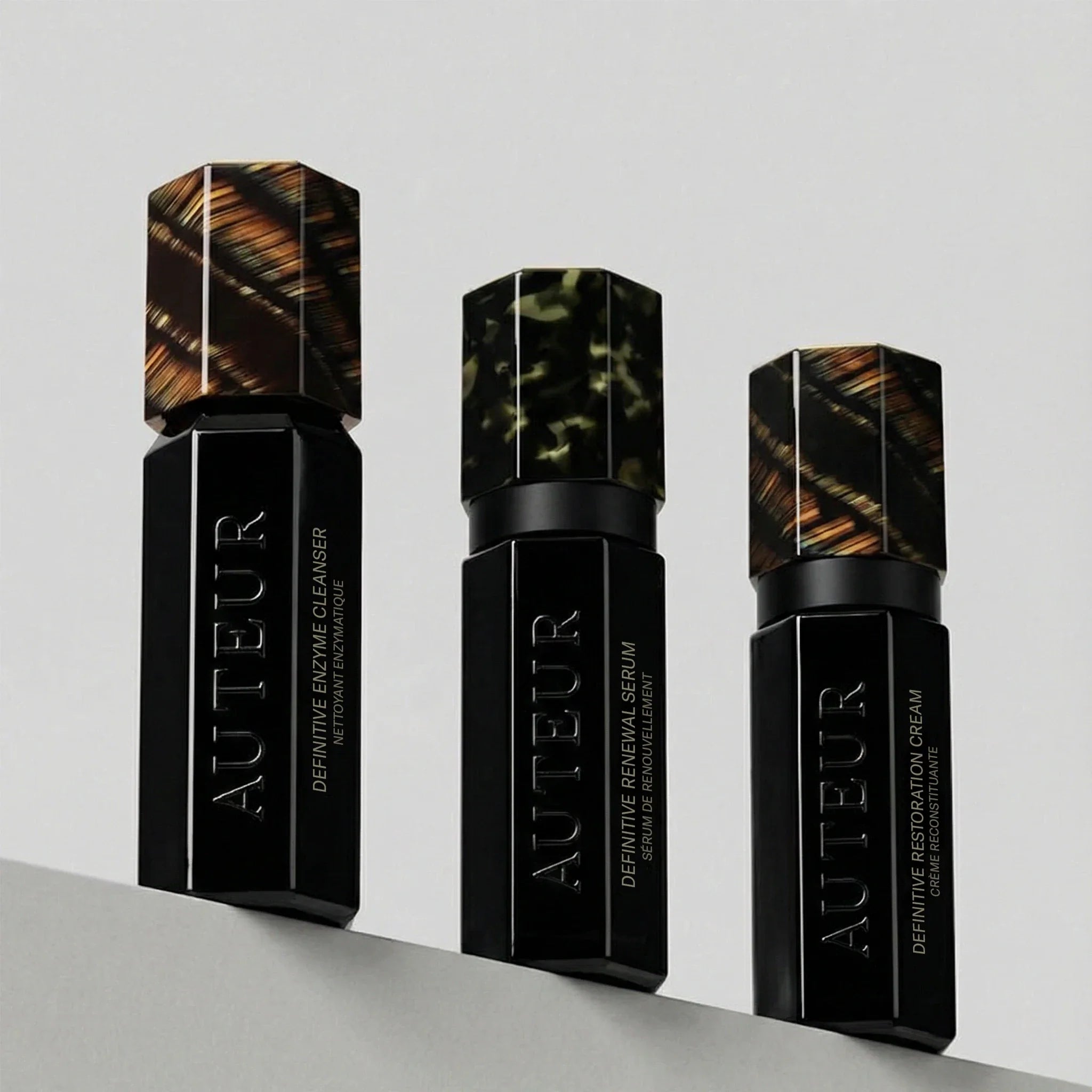
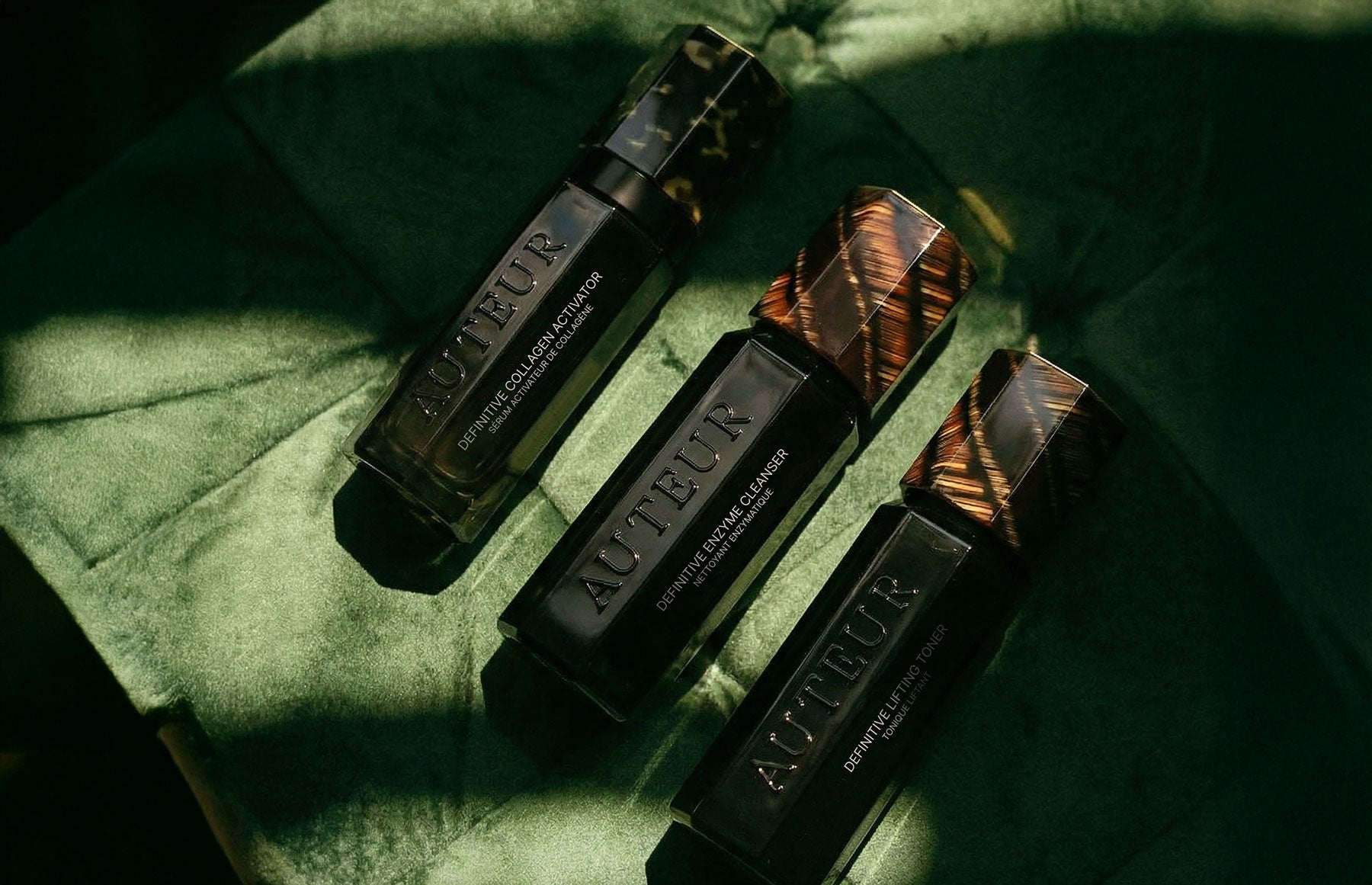
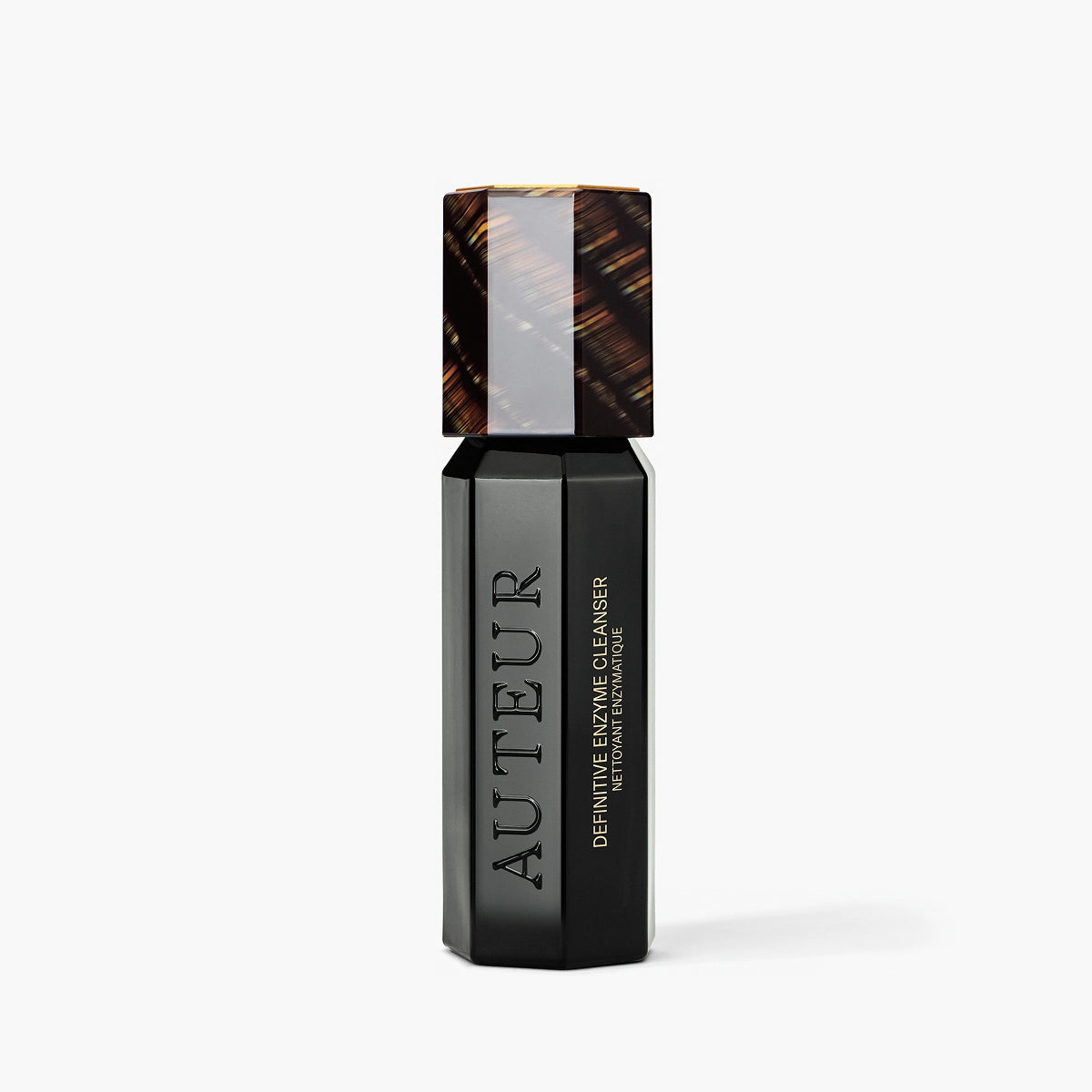
AUTEUR Definitive Enzyme Cleanser
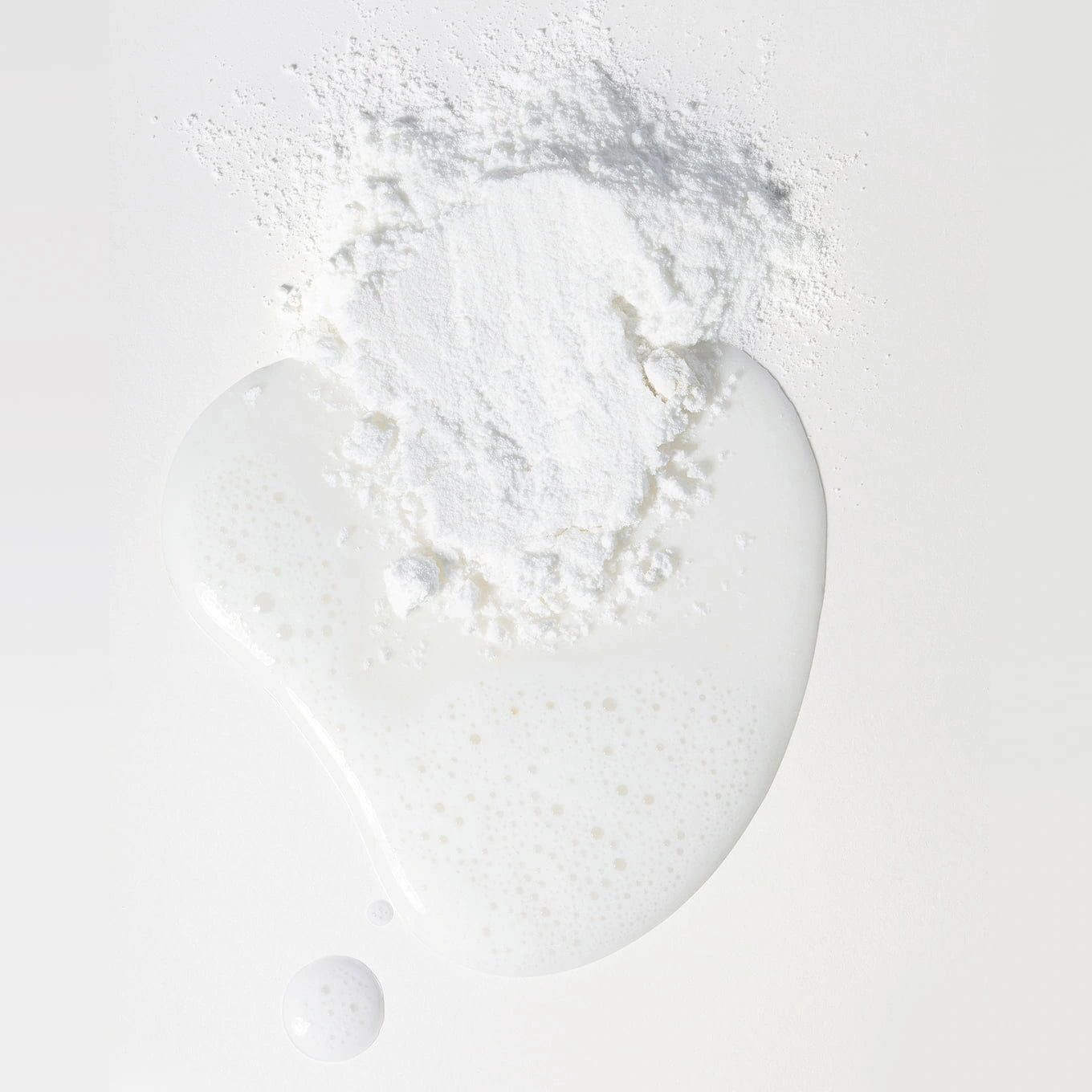
A powder-to-foam enzymatic treatment that activates on contact with water. The formulation combines keratin-dissolving proteolytic enzymes with an AHA complex for dual-mechanism exfoliation, supported by niacinamide, vitamin C, and ectoin. The powder format preserves full enzymatic potency until the moment of use. Intensity is adjustable: more powder for a concentrated treatment, less for daily maintenance.
Explore the FormulationBarrier Protection During Exfoliation
The paradox of exfoliation is that the process of removing dead cells can compromise the very barrier those cells help maintain. This is where formulation intelligence separates a clinical product from a commodity one.
Niacinamide (vitamin B3) is one of the most studied barrier-supportive actives in dermatology. Gehring (2004) published a comprehensive review in the Journal of Cosmetic Dermatology documenting niacinamide's role in stimulating ceramide synthesis, the lipid molecules that form the structural foundation of the skin barrier.3 Draelos et al. (2005) further demonstrated in a clinical trial published in Cutis that niacinamide-containing formulations measurably improve barrier function, even in compromised skin conditions like rosacea.4
Including niacinamide in an enzyme cleanser is therefore not a marketing addition. It is a formulation strategy: the enzymes and AHAs clear the dead layer, and the niacinamide simultaneously supports the barrier's lipid architecture so the skin can tolerate the exfoliation without the reactive cycle of irritation, sensitivity, and compensatory oil production that inferior exfoliants trigger.
Ectoin adds a second layer of protection. This extremolyte (a compound produced by microorganisms to survive extreme environmental stress) has been shown to stabilise cell membranes and reduce inflammation. Graf et al. (2008) published findings in Clinical Dermatology confirming that ectoin's protective properties transfer effectively to human skin cells, shielding them from UV damage and environmental stressors.5 In the context of an enzyme cleanser, ectoin acts as a safeguard: it protects the newly revealed skin beneath the exfoliated layer from the environmental exposure it was previously shielded from.
Why the Powder Format Matters
Enzyme stability is a formulation challenge that most consumers never consider, but it is the reason powder cleansers outperform liquid enzyme products in clinical settings.
Proteolytic enzymes are proteins. In aqueous solution, they begin to denature. Their three-dimensional structure, which is precisely what enables them to catalyse the hydrolysis of keratin, gradually unfolds over time. A liquid enzyme cleanser sitting on a shelf for months will have significantly reduced enzymatic activity compared to the day it was manufactured.
Anhydrous powder formats solve this. The enzymes remain dormant in their dry state, preserving their tertiary structure until the moment of activation. When water is added, the enzyme rehydrates and assumes its active conformation. The catalytic activity is at its peak because the enzyme has not spent months degrading in solution.
Trevisol et al. (2022) demonstrated in an International Journal of Cosmetic Science study that papain's proteolytic activity against skin protein substrates is directly correlated with the enzyme's structural integrity at the point of application.6 The implication for consumers is straightforward: format is not a cosmetic choice. It is a delivery mechanism that determines whether the active ingredients in the formula actually function as intended when they reach the skin.
Who Benefits Most from Enzyme Cleansing
Enzyme cleansers suit a broader range of skin types than most exfoliation methods, precisely because their mechanism is self-limiting. But certain skin profiles see disproportionate benefit.
Sensitised or Reactive Skin
People whose skin flares from retinoids, acid toners, or physical scrubs often assume they cannot exfoliate at all. Enzymatic exfoliation offers a way forward. The proteolytic action is gentler by nature (it operates at a near-neutral pH and stops when the substrate is consumed), and formulations that include ectoin and niacinamide actively reduce inflammation while the exfoliation occurs. For sensitised skin, this is not a compromise. It is a more intelligent approach.
Ageing Skin with Slowed Turnover
Cell turnover slows measurably with age. In the twenties, the full epidermal renewal cycle takes roughly 28 days. By the fifties, it can extend to 45 to 60 days. That slower cycle means more dead cell accumulation, which dulls the complexion and reduces the efficacy of every product applied on top. Daily enzymatic exfoliation addresses this directly: it compensates for the body's declining natural desquamation without the irritation risk of aggressive chemical peels.
Congestion-Prone Skin
Keratin buildup at the follicle level is a primary driver of congestion and non-inflammatory acne. Proteolytic enzymes specifically target this keratin, clearing follicular debris that would otherwise compact into comedones. This mechanism is distinct from salicylic acid (which works within the pore by dissolving sebum) and complementary to it.
Building Enzyme Cleansing into a Protocol
An enzyme cleanser is the first step in a protocol, not a standalone treatment. Its value compounds when the subsequent products in the routine can actually reach the skin they are designed for.
Consider the sequence: an enzyme cleanser removes the dead cell barrier. A hydrating serum (such as a hyaluronic acid complex) can now penetrate more effectively because the surface it is applied to is clear, smooth, and absorbent rather than occluded by compacted keratin. A retinol serum applied after enzymatic exfoliation will be more bioavailable at the dermal level, which means it can be used at a lower concentration to achieve the same result. This reduces the irritation threshold that makes retinol intolerable for many users.
The Definitive Cleansing Complex serves as the daily gentle cleanser (morning and evening), while the Enzyme Cleanser functions as the active treatment step: once daily, or several times per week for those building tolerance. The two are not interchangeable. The Cleansing Complex purifies and hydrates. The Enzyme Cleanser exfoliates and renews.
AUTEUR Definitive Hyaluron Activator Serum
What follows the enzyme step matters as much as the step itself. The freshly exfoliated skin is primed for deep hydration. The Hyaluron Activator uses a multi-molecular weight hyaluronic acid complex to lock in moisture at the newly accessible deeper layers, while a cationic charge ensures the active binds directly to the skin's surface for sustained delivery even after rinsing.
Explore the FormulationAUTEUR Definitive Retinol Serum
A retinol serum applied to enzymatically exfoliated skin is more bioavailable at the dermal level. The surface obstruction that typically limits retinol penetration has been cleared, which means it can work at a lower concentration to achieve the same result. For those who find retinol irritating, enzyme cleansing before application is one of the most effective strategies to improve tolerability without reducing efficacy.
Explore the FormulationReferences
1. Trevisol, T.C., Henriques, R.O., Souza, A.J.A., & Furigo, A. Jr. (2022). An overview of the use of proteolytic enzymes as exfoliating agents. Journal of Cosmetic Dermatology, 21(8), 3300-3307.
2. Kostarelos, K., Teknetzis, A., Lefaki, I., Ioannides, D., & Minas, A. (2000). Double-blind clinical study reveals synergistic action between alpha-hydroxy acid and betamethasone lotions. Journal of the European Academy of Dermatology and Venereology, 14(1), 5-9.
3. Gehring, W. (2004). Nicotinic acid/niacinamide and the skin. Journal of Cosmetic Dermatology, 3(2), 88-93.
4. Draelos, Z.D., Ertel, K., & Berge, C. (2005). Niacinamide-containing facial moisturizer improves skin barrier and benefits subjects with rosacea. Cutis, 76(2), 135-141.
5. Graf, R., Anzali, S., Buenger, J., Pfluecker, F., & Driller, H. (2008). The multifunctional role of ectoine as a natural cell protectant. Clinical Dermatology, 26(4), 326-333.
6. Trevisol, T.C., Henriques, R.O., Cesca, K., Souza, A.J.A., & Furigo, A. Jr. (2022). In vitro effect on the proteolytic activity of papain with proteins of the skin as substrate. International Journal of Cosmetic Science, 44(5), 539-548.