

Most people approach their skincare shelf as a sequence of habits: cleanse, then serum, then moisturiser. That framing is intuitive. It is also incomplete. What sits on your skin at any given moment is not a collection of products applied in a convenient order. It is a delivery system. And like any delivery system, the order of operations determines the outcome.
Dermatologists and formulation scientists do not speak about routines. They speak about protocols: sequenced systems in which each step is placed in a specific position because that position affects how deeply an active penetrates, at what pH it functions, and whether the ingredient that follows can even reach viable skin layers at all. The distinction is not semantic. It is pharmacological. And it explains why two people can use identical products and get entirely different results.
The Language of Protocols
The word "routine" implies repetition without mechanism: something done consistently, not necessarily intelligently. A protocol implies the opposite. It implies that each step was designed with an outcome in mind, that the design was informed by evidence, and that the sequence is causally linked to the result rather than arranged by convenience.
This distinction matters most when multiple clinical actives are in use simultaneously. A basic regimen, a gentle cleanser followed by a single moisturiser with SPF, carries minimal sequencing risk. But the moment vitamin C, signal peptides, retinoids, and a barrier-supporting occlusive enter the same regimen, you are managing a set of competing pH requirements, molecular weights, and delivery vehicles. Get the order right and each active amplifies the conditions the next one needs. Get it wrong and some actives are neutralised before they begin.
The med spa adjacent audience already understands layering instinctively. Patients receiving injectable neuromodulators and dermal fillers know that their practitioner's sequencing decisions matter: topical anaesthetic is applied before the needle, not after. The same logic applies to topical actives, but it is rarely communicated in those terms. The question is never simply which ingredients to use. It is which ingredients, in what order, and why.
Why Delivery Order Is Pharmacology
Three mechanisms determine whether a topically applied active reaches its intended target: pH, molecular weight, and the presence of film-forming agents already on the skin surface. Understanding each of these is the foundation of intelligent sequencing.
pH and the Activation Window
Alpha hydroxy acids require an acidic environment, typically pH 3.0 to 4.5, to effectively cleave the bonds holding dead corneocytes to the skin surface. The skin's natural pH sits between 4.5 and 5.5, which is functional but not optimal for AHA activity. Therefore, AHA formulations are calibrated below that range to drive exfoliation. But apply a niacinamide product formulated toward neutrality beforehand, and the AHA is now working in a suboptimal environment. Research by Gehring on niacinamide's pH behaviour confirms that certain formulations can buffer the local skin surface sufficiently to blunt acid-dependent mechanisms. The exfoliation was not cancelled; it was diluted, invisibly, by poor sequencing.
There is a secondary function that is frequently overlooked: a well-formulated AHA treatment does not merely remove surface cells. It increases the skin's receptivity to every active applied after it. The Definitive Optimising Mask deploys sophisticated AHAs alongside the X50® Skin Barrier Peptide for exactly this reason. The AHA layer refines the surface and clears the path; the barrier peptide simultaneously reinforces structural integrity so that the skin is not depleted by exfoliation but prepared for what follows. Applied on non-retinoid evenings, it functions as the sequencing foundation for Superlative Serum Phi and the rest of the treatment protocol.
Vitamin C presents an equally pH-sensitive condition. L-ascorbic acid destabilises above pH 3.5 and oxidises in contact with alkaline ingredients. Applied after a pH-neutral moisturiser, its potency degrades before absorption is complete. Applied to clean, dry skin as the first active in a morning protocol, it functions as intended. Research by Farris published in Dermatologic Surgery confirms that topical ascorbic acid stimulates collagen synthesis only when delivered at appropriate concentration and pH. The formulation quality is only half the equation. The delivery context is the other.
Molecular Weight and Penetration
The stratum corneum functions as a selectively permeable barrier. Research by Bouwstra and Ponec confirms that molecules with a molecular weight below approximately 500 daltons penetrate most readily into viable skin layers. Larger molecules, such as high-molecular-weight hyaluronic acid, remain primarily on the surface and provide a humectant film rather than deep hydration. That surface action is valuable. But it has a sequencing implication.
Low-molecular-weight actives, the signal peptides and retinoids that must reach keratinocytes and fibroblasts to produce any biological effect, must be applied before film-forming agents. A silicone-containing primer or a ceramide-dense cream applied before a peptide serum physically impedes penetration. The peptide is present on the skin. But it is not in the skin. And if it is not in the skin, it is not working.
Emulsions and the Film They Leave Behind
Rich moisturisers and creams contain emulsifiers and film-forming polymers that deposit a residual layer on the skin surface. That layer is beneficial when actives have already been delivered: it extends contact time and supports the barrier environment. Applied before actives, the film is a physical barrier to everything that follows. The cleanest protocol, therefore, moves from most water-based to most film-forming, reserving occlusive products for the final step in every sequence.
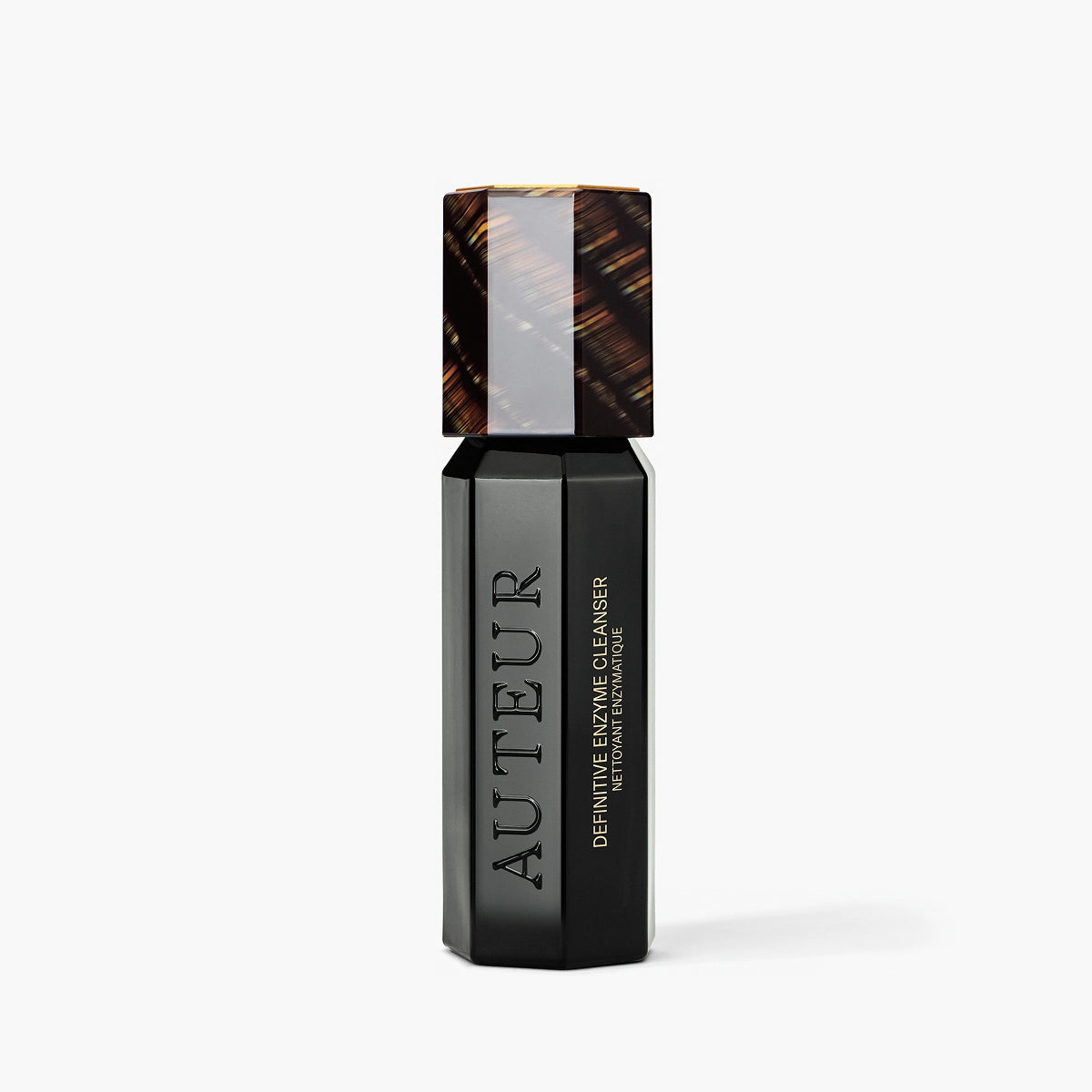
This principle governs the cleansing phase itself. The Definitive Cleansing Complex is formulated to dissolve SPF, sebum, and environmental residue without depositing a residual film, preserving the acid mantle and ensuring a clean delivery surface before the first active is introduced. The cleansing step is the foundation of the entire delivery system. A formula that cleanses and leaves a film has already compromised the sequence before the first active is applied.
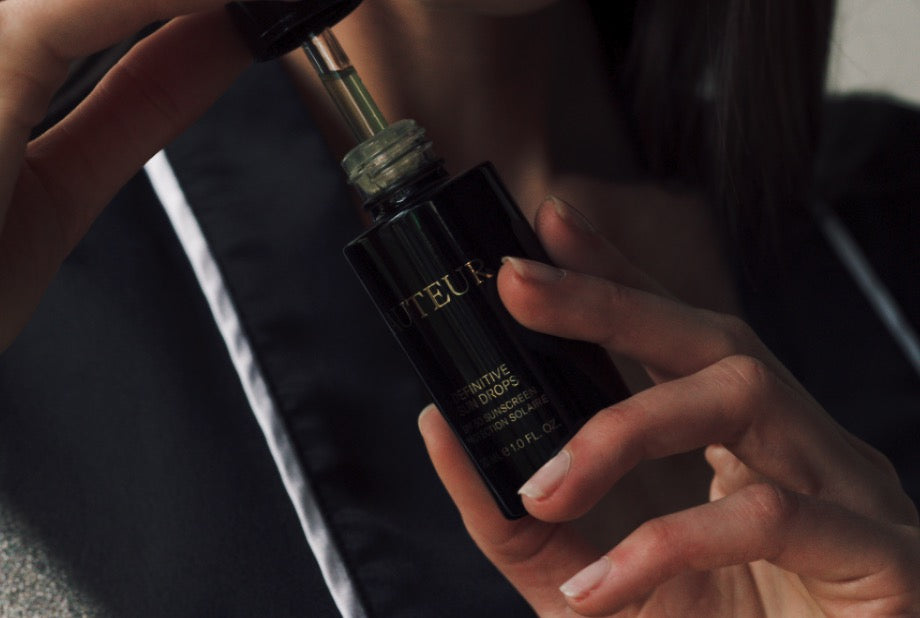
There is a second consideration that precedes even the first treatment serum. Immediately after cleansing, the skin enters a temporary state of physiological imbalance: water moves freely through the epidermis, barrier recovery mechanisms are not yet stabilised, and the cellular signalling processes responsible for hydration regulation are suppressed. Applying treatment actives into this depleted state reduces their receptor-binding efficacy. The Definitive Hyaluron Activator Serum, combining multiple molecular weights of hyaluronic acid with epidermal growth factors (EGF), is engineered to restore this equilibrium before treatment serums are introduced. The multi-molecular HA complex addresses immediate surface hydration while EGF supports the cellular signalling processes required for active reception, ensuring skin is biologically prepared to respond to actives, not simply absorb them.
The Peptide and Retinoid Sequence
Of all the sequencing decisions in a clinical anti-ageing protocol, none carries more consequence than the relationship between peptides and retinoids. These are the twin engines of contemporary anti-ageing science. Understanding why one must precede the other requires a brief account of how each functions at the receptor level.
Signal peptides, such as palmitoyl tripeptide-1, work by mimicking fragments of collagen degradation products. They bind to specific receptors on dermal fibroblasts and signal upregulation of collagen and elastin synthesis. Robinson et al. (2005) demonstrated significant improvement in photoaged facial skin with twice-daily topical palmitoyl pentapeptide. This receptor-binding mechanism is pH-sensitive. Signal peptides function most effectively within a near-neutral range of approximately 4.5 to 6.5. This is the window in which receptor conformation is optimal and binding affinity is highest.
For a deeper examination of how signal, carrier, and neurotransmitter-inhibiting peptides operate at the molecular level, the AUTEUR peptides guide covers the clinical evidence in full.
Retinoids work through a different pathway entirely. Retinol and its derivatives bind to nuclear receptors inside keratinocytes, specifically retinoic acid receptors (RARs) and retinoid X receptors (RXRs), to regulate gene expression governing cellular turnover and collagen synthesis. Kafi et al. (2007) confirmed in a controlled trial that retinol at 0.4% significantly improved naturally aged skin, with histological evidence of increased epidermal thickness and new collagen deposition. But retinoids do not require specific surface pH conditions for their nuclear receptor activation. What they do require is access. As retinol begins metabolising on the skin surface toward retinoic acid, it shifts the local biochemical environment in ways that can interfere with the receptor-binding affinity of simultaneously applied peptides.
Therefore: peptides first, retinoid second, with a five-to-ten minute interval between them. This window is not long. But it is sufficient to allow signal peptides to reach fibroblast receptor targets before the conditions around them shift. Collapse that interval and both actives are present on the skin simultaneously. The retinoid will eventually work; its nuclear receptor pathway is robust. The peptide's surface receptor binding, operating in a more chemically sensitive environment, is the component at risk.
The question of which retinoid form best suits a given skin type, and how bakuchiol compares in terms of receptor pathway and tolerability, is addressed in the retinol versus bakuchiol comparison.
Superlative Serum Phi
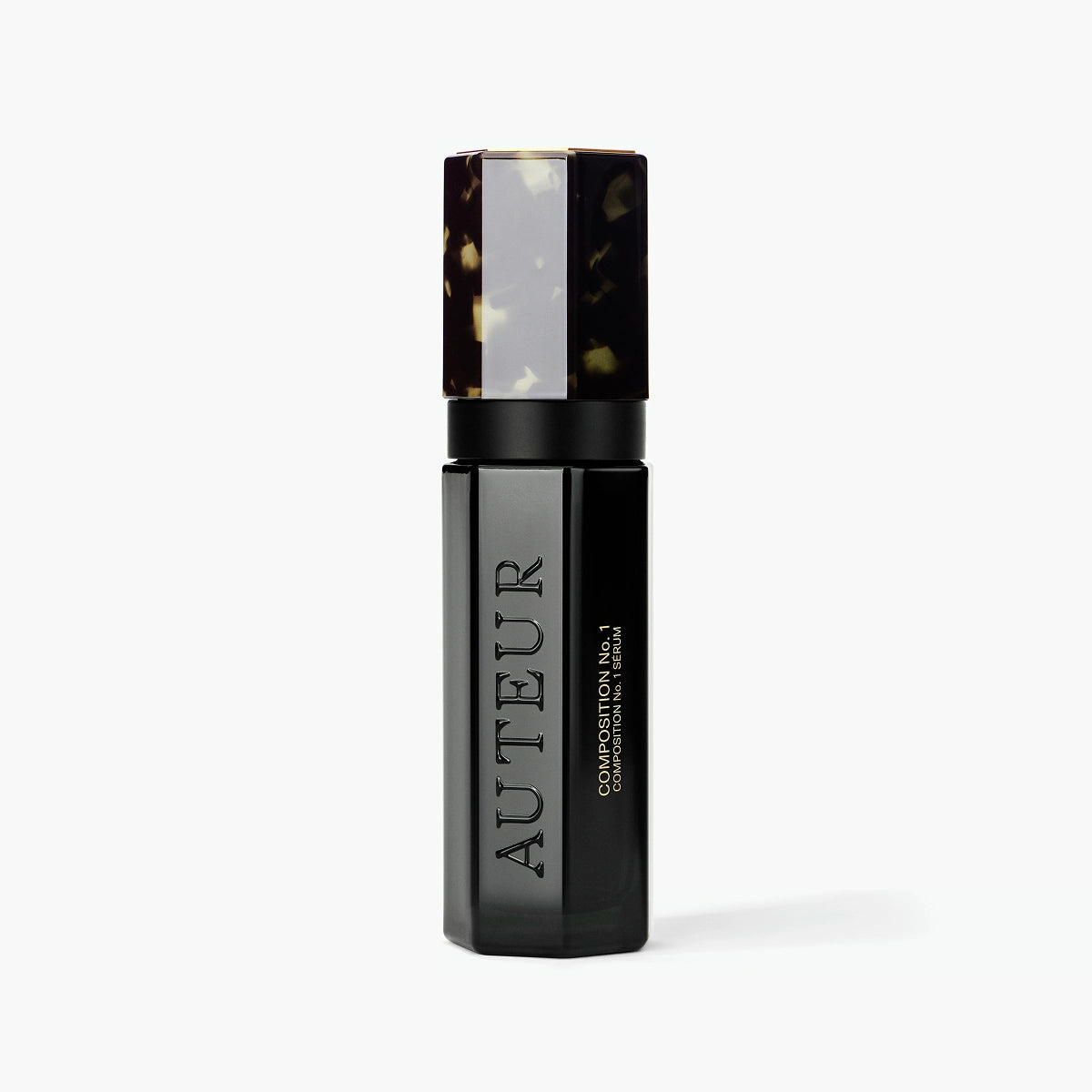
The Superlative Serum Phi occupies the critical peptide position in the AUTEUR evening protocol. Formulated with a neuropeptide complex that targets the neurotransmitter pathway governing repetitive micro-contraction, it addresses a primary driver of expression line formation at its source while simultaneously supporting dermal matrix signalling for collagen organisation and structural repair.
Applied after the Definitive Hyaluron Activator Serum and before the Definitive Retinol Serum, it fills the exact sequencing window the receptor-binding science above defines: the five-to-ten minute interval in which peptides reach their fibroblast receptor targets before retinoid metabolism shifts the local biochemical environment.
Explore Superlative Serum PhiThe Occlusion Principle
Occlusion is one of the most consequential and most misunderstood mechanisms in topical skincare science. Its misuse is responsible for a significant amount of wasted active product, and correcting it requires no new ingredients. It requires only a change in sequence.
An occlusive agent creates a semi-permeable physical film over the skin surface that reduces transepidermal water loss (TEWL). In doing so, it maintains a hydrated environment in the upper stratum corneum, which supports barrier repair and extends the contact time of actives already present in the skin. That final phrase carries the entire logic of where an occlusive belongs in a protocol: "already present in the skin."
Occlusives seal what is there at the time of application. Applied as the final step in an evening protocol, they lock in the peptides and retinoid applied in the preceding steps, extending the window during which those actives remain in contact with their target tissues. This is clinically meaningful. Research on occlusion in wound healing demonstrates that a moist, occluded environment significantly accelerates repair processes compared to an open, drying environment. The same principle applies to the controlled cellular stimulation of anti-ageing actives.
But the mechanism becomes actively counterproductive when the sequence is reversed. Apply an occlusive before a peptide serum and you have constructed a physical barrier between the active and its target. The serum is deposited on top of the film. Its molecules, regardless of their molecular weight, face an additional impediment. Penetration is reduced. Efficacy is reduced. The occlusive that was intended to amplify the protocol has instead blocked it.
There is one additional consideration specific to retinoids: absorption acceleration under occlusion. A retinoid applied immediately before a heavy occlusive will penetrate more rapidly than standard conditions because the film drives absorption. For patients with established tolerance, this can enhance efficacy. For those new to retinoids, it increases the risk of irritation without proportionate benefit. The clinical standard is an interval of twenty to thirty minutes between retinoid application and any occlusive. This interval is not precautionary softness. It is formulation management.
A Clinical Protocol, Built
The sequencing logic above resolves into a clear framework. The morning protocol manages pH-sensitive actives and ensures SPF integrity. The evening protocol sequences peptides before retinoids and reserves occlusion for last. The two protocols share a structural principle: each step creates the conditions for the step that follows.
This framework scales. Someone new to retinoids begins with a lower concentration two nights per week and builds tolerance before increasing frequency. The peptide and occlusive framework remains constant throughout; only the retinoid introduction is graduated. That graduation is the clinical approach, adapted for home use.
Clinical Protocol Sequencing Reference
Step order, rationale, and absorption intervals for a complete morning and evening protocol.
Morning Protocol
Evening Protocol
Several points on the framework above deserve emphasis. First, the Definitive Optimising Mask and the Definitive Retinol Serum are not used on the same evening. Both drive skin renewal through distinct mechanisms, and combining them on a single night does not produce additive results. It produces additive barrier stress, and the physiological response is inflammation rather than regeneration. Second, the SPF in the morning protocol is always a separate final step and is never mixed into a moisturiser: dilution compromises the distribution of UV filters across the skin surface and undermines the published SPF rating. Third, retinoids sensitise the skin to UV radiation; broad-spectrum protection the following morning is not optional.
The longer strategic case for why collagen synthesis becomes a compounding investment when begun in the late thirties and forties, and why protocol consistency over time produces results that single-ingredient approaches cannot, is made in the collagen banking guide. For protocol adaptations specific to the skin changes that occur after forty, including barrier thinning, sebum decline, and retinoid receptor sensitivity shifts, the anti-ageing routine for the forties and fifties addresses each in clinical detail.
Relative Penetration Efficacy by Application Sequence
Indicative comparison based on known pH, molecular weight, and film-barrier effects. Efficacy represents the estimated proportion of active ingredient reaching target tissue relative to optimal sequencing conditions.
Vitamin C (Encapsulated Derivative)
Peptide Serum (Neuropeptide Complex)
Retinoid
* Immediate occlusion accelerates retinoid absorption but increases irritation risk in tolerance-building phases. Not recommended without established tolerance.
The Protocol, In Product Form
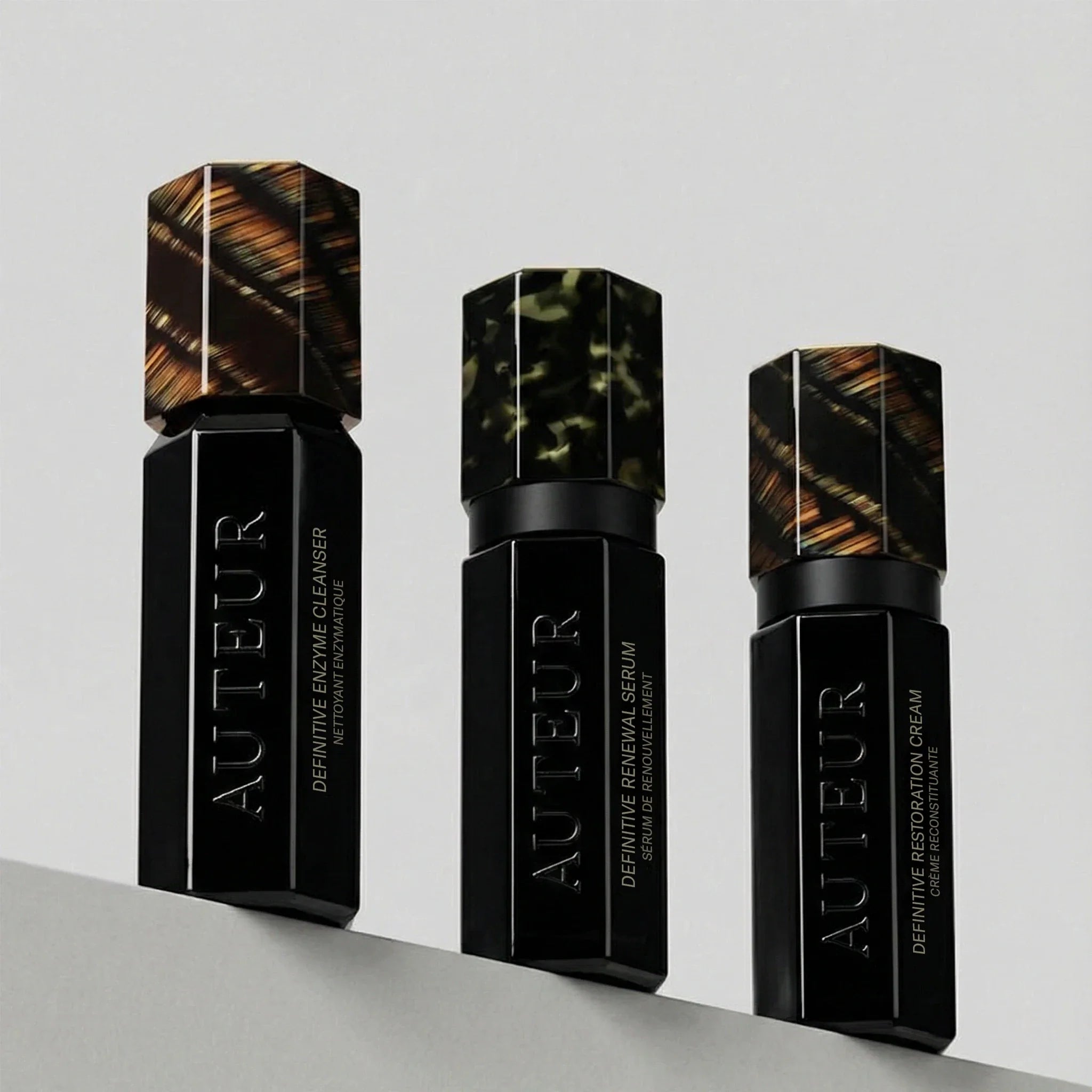
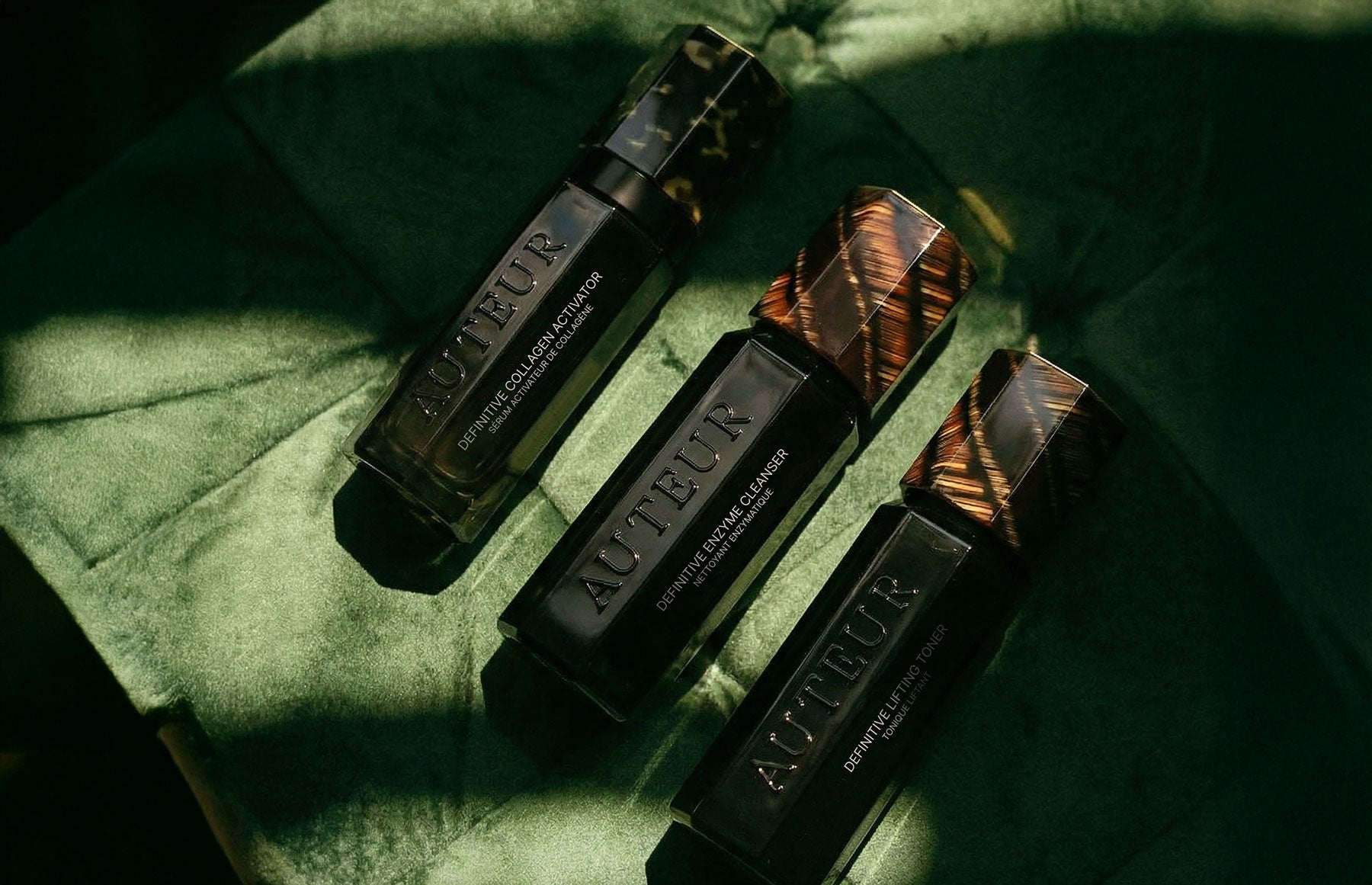
The AUTEUR Definitive and Superlative formulations are sequenced for each other. The Definitive Cleansing Complex prepares the delivery surface without residual film. The Definitive Lifting Toner delivers encapsulated vitamin C at the pH-critical first active position. The Definitive Hyaluron Activator Serum restores post-cleanse equilibrium with multi-molecular hyaluronic acid and EGF before treatment serums are introduced.
In the evening, Superlative Serum Phi delivers neuropeptide signalling in the precise window before the Definitive Retinol Serum, sealed overnight by Superlative Cream Voyage. Each formulation is engineered for its specific position in the sequence. Delivery vehicle, pH profile, and molecular weight are considered as a system.
Explore the CollectionA clinical protocol is not a more effortful version of a routine. It is a different orientation entirely: toward mechanism rather than habit, toward sequence rather than volume, toward bioavailability rather than ingredient lists. The ingredients you choose matter. But what determines whether those ingredients produce clinical change is the system in which they are placed, and the pharmacological logic with which that system is maintained. Dermatologists understand this. It is time their patients did too.
References
1. Robinson LR, et al. (2005). Topical palmitoyl pentapeptide provides improvement in photoaged human facial skin. International Journal of Cosmetic Science, 27(3), 185-195.
2. Kafi R, et al. (2007). Improvement of naturally aged skin with vitamin A (retinol). Archives of Dermatology, 143(5), 606-612.
3. Farris PK. (2005). Topical vitamin C: a useful agent for treating photoaging and other dermatologic conditions. Dermatologic Surgery, 31(7), 814-817.
4. Bouwstra JA, Ponec M. (2006). The skin barrier in healthy and diseased state. Biochimica et Biophysica Acta, 1758(12), 2080-2095.
5. Mukherjee S, et al. (2006). Retinoids in the treatment of skin aging: an overview of clinical efficacy and safety. Clinical Interventions in Aging, 1(4), 327-348.
6. Gehring W. (2004). Nicotinic acid/niacinamide and the skin. Journal of Cosmetic Dermatology, 3(2), 88-93.
7. Fluhr JW, et al. (2008). Glycerol and the skin: holistic approach to its origin and functions. British Journal of Dermatology, 159(1), 23-34.