

An anti-aging skincare routine for your 40s and 50s is not simply a more aggressive version of what worked in your 30s. The biological conditions of skin at this stage are categorically different: collagen synthesis has slowed, cellular turnover has lengthened, the skin barrier has become more reactive, and — for many — the oestrogen decline of perimenopause has accelerated all three. The result is skin that looks simultaneously dry, dull, and structurally thinner. The cause is not one problem but four converging ones, which is precisely why a single serum never fully addresses it.
This guide builds an anti-aging routine from the biology outward. Understanding what has changed, and why, determines what actives are warranted — and in what sequence they should work.
What Changes in Skin After 40
Skin ageing is not a uniform process. It is the cumulative result of several distinct mechanisms running concurrently — and after 40, those mechanisms begin compounding in ways that are measurable at the dermal level.
Collagen decline accelerates. Fibroblast activity — the cellular process by which collagen is synthesised in the dermis — slows by approximately 1 to 1.5 percent per year from the mid-20s. By the mid-40s, this represents a meaningful reduction in skin density and structural integrity. The acceleration is especially pronounced around menopause: research indicates that approximately 30 percent of dermal collagen is lost within the first five years post-menopause, a rate that does not slow naturally without intervention.
Cell turnover lengthens considerably. In the early 20s, the skin's natural renewal cycle completes in approximately 28 days. By the late 40s, that cycle extends to 45 to 60 days. Dead corneocytes accumulate on the surface for longer, creating the characteristic dullness and uneven texture of skin at this stage. Active exfoliation is therefore not optional — it is a prerequisite for all other actives to penetrate effectively.
The moisture barrier weakens. Sebaceous activity declines through the 40s and 50s, reducing the skin's natural lipid production. The consequences are two-fold: surface dehydration becomes more persistent, and the barrier's ability to protect against environmental stressors is compromised. This means the skin is simultaneously more vulnerable to irritants and less capable of retaining the moisture that active ingredients require to function.
The Actives That Work: An Evidence Summary
The skincare market has no shortage of anti-aging claims. The evidence base is considerably narrower. The following actives have the strongest clinical literature behind them for skin at this stage, and together they address the four biological shifts described above.
Retinoids: Cell Turnover and Collagen Synthesis
Retinoids (including retinol, retinal, and prescription tretinoin) remain the most thoroughly studied topical anti-aging category. Their mechanism is well understood: they bind to nuclear retinoic acid receptors, upregulating genes involved in collagen synthesis while simultaneously accelerating epidermal turnover. A 1993 clinical trial by Griffiths et al. demonstrated measurable restoration of collagen in photodamaged skin after 10 to 12 months of tretinoin use. Over-the-counter retinol produces comparable outcomes over a longer timeline, typically 24 to 36 weeks at effective concentrations.
Peptides: Targeted Signalling Without Irritation
Peptides are short amino acid chains that communicate with dermal fibroblasts, signalling for increased collagen and elastin production. Unlike retinoids, they produce no adaptation period, no peeling, and no barrier disruption — a meaningful advantage for skin that has become reactive at this stage. Matrixyl 3000 (palmitoyl tripeptide-1 and palmitoyl tetrapeptide-7) has clinical data supporting improvement in fine lines and skin density at concentrations above 5 percent. Argireline, an acetyl hexapeptide, targets expression lines through a mechanism analogous to botulinum toxin at the topical level, without neurological effect.
Vitamin C: Antioxidant Defence and Collagen Co-Factor
L-ascorbic acid serves two functions in an anti-aging routine. First, it neutralises free radicals generated by UV exposure and environmental pollution — the primary external drivers of accelerated collagen breakdown. Second, it functions as an essential co-factor in the enzymatic synthesis of collagen; without adequate vitamin C, fibroblasts cannot complete the hydroxylation steps required to form stable collagen fibrils. Formulation stability is critical: L-ascorbic acid is highly oxidation-prone and should be used in formulations buffered to a pH of 2.5 to 3.5 at concentrations of 10 to 20 percent.
AHAs: Barrier Priming and Surface Renewal
Alpha hydroxy acids — glycolic acid and lactic acid being the most clinically studied — dissolve the desmosomes holding dead corneocytes to the surface, accelerating the turnover that has slowed at this stage. At concentrations of 5 to 10 percent used consistently, AHAs measurably improve texture, surface hydration, and the penetration of actives applied afterward. At this stage in particular, AHAs function less as a luxury step and more as a prerequisite: they prime the surface so that retinoids, peptides, and hydrating actives can reach the stratum spinosum rather than sitting above a layer of accumulated dead cells.
SPF: The Only True Anti-Aging Intervention
No active in a skincare routine produces results that compound faster than UVA exposure can degrade them. UVA radiation penetrates to the dermis, generating reactive oxygen species that degrade collagen and activate metalloproteinase enzymes that break down the extracellular matrix. Daily broad-spectrum SPF 30 to 50 is not supportive of an anti-aging routine — it is foundational to it. Studies consistently show that habitual sunscreen users have measurably slower rates of photoageing than non-users of the same chronological age.
Building Your Morning Routine
The morning routine is built around two objectives: protecting the skin from the oxidative and UV stressors of the day, and priming cellular hydration before SPF creates a barrier. It is not the primary site of active treatment — that work belongs to the evening.
| Step | Active / Ingredient to Look For | Purpose | |
|---|---|---|---|
| 01 |
Gentle Cleanser Cream or gel, pH 5.0 to 5.5
|
Amino acid surfactants; no sulphates | Remove overnight actives and sebum without disrupting barrier |
| 02 |
Vitamin C Serum Apply to dry skin, allow 60 seconds to absorb
|
L-ascorbic acid 10 to 20%; or ascorbyl glucoside for sensitive skin | Antioxidant defence; collagen co-factor; mild brightening |
| 03 |
Peptide Serum or Moisturiser Layered under SPF
|
Matrixyl 3000; palmitoyl tripeptide-1; hyaluronic acid | Collagen signalling; surface hydration; barrier support |
| 04 |
Eye Treatment Patted gently with ring finger
|
Caffeine; peptides; niacinamide | Reduce puffiness; address fine lines around orbital area |
| 05 |
Broad-Spectrum SPF 30 to 50 Final step, applied generously
|
Zinc oxide or titanium dioxide (mineral); or chemical filters (avobenzone, tinosorb) | UV protection; prevents collagen degradation from photoageing |
Building Your Evening Routine
The evening routine is where structural work happens. Cell mitosis peaks between midnight and 4 a.m., making the hours of sleep the primary window during which skin repairs itself. Applying actives that support synthesis and turnover before sleep aligns their action with the skin's own biological rhythms.
| Step | Active / Ingredient to Look For | Purpose | |
|---|---|---|---|
| 01 |
Double Cleanse Oil cleanser first, then gentle foam or gel
|
Squalane or jojoba-based oil cleanse; amino acid second cleanse | Remove SPF, pollution, and oxidative debris fully before actives |
| 02 |
Exfoliating Acid (3 to 4x weekly) Not every night; rotate with retinoid
|
Glycolic acid 5 to 8%; or lactic acid 5 to 10% for sensitive skin | Accelerate turnover; remove surface accumulation; improve penetration of subsequent actives |
| 03 |
Retinoid or Peptide Serum On nights without AHA; never layer both
|
Retinol 0.025 to 0.3%; retinal; or peptide complex if retinoid-intolerant | Collagen synthesis; cell turnover acceleration; reduction of fine lines |
| 04 |
Hydrating Serum Over retinoid or peptide layer
|
Multi-weight hyaluronic acid; ceramides; beta-glucan | Replenish moisture barrier; reduce retinoid-related dryness; overnight repair |
| 05 |
Nourishing Night Moisturiser Occlusive seal over all active layers
|
Ceramides; niacinamide; squalane; shea butter | Seal in actives; support lipid barrier; reduce transepidermal water loss overnight |
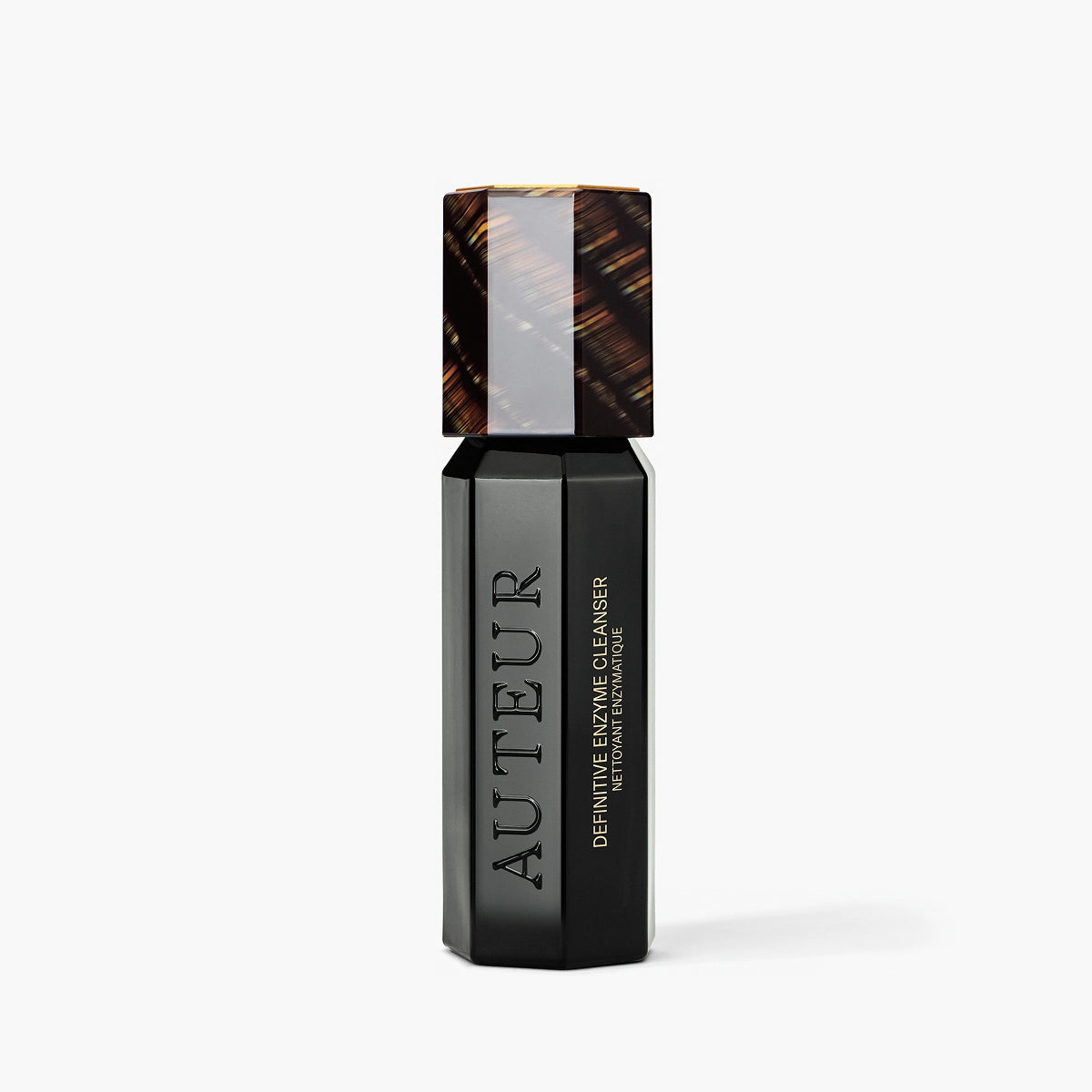
The AUTEUR Anti-Aging Power Trio
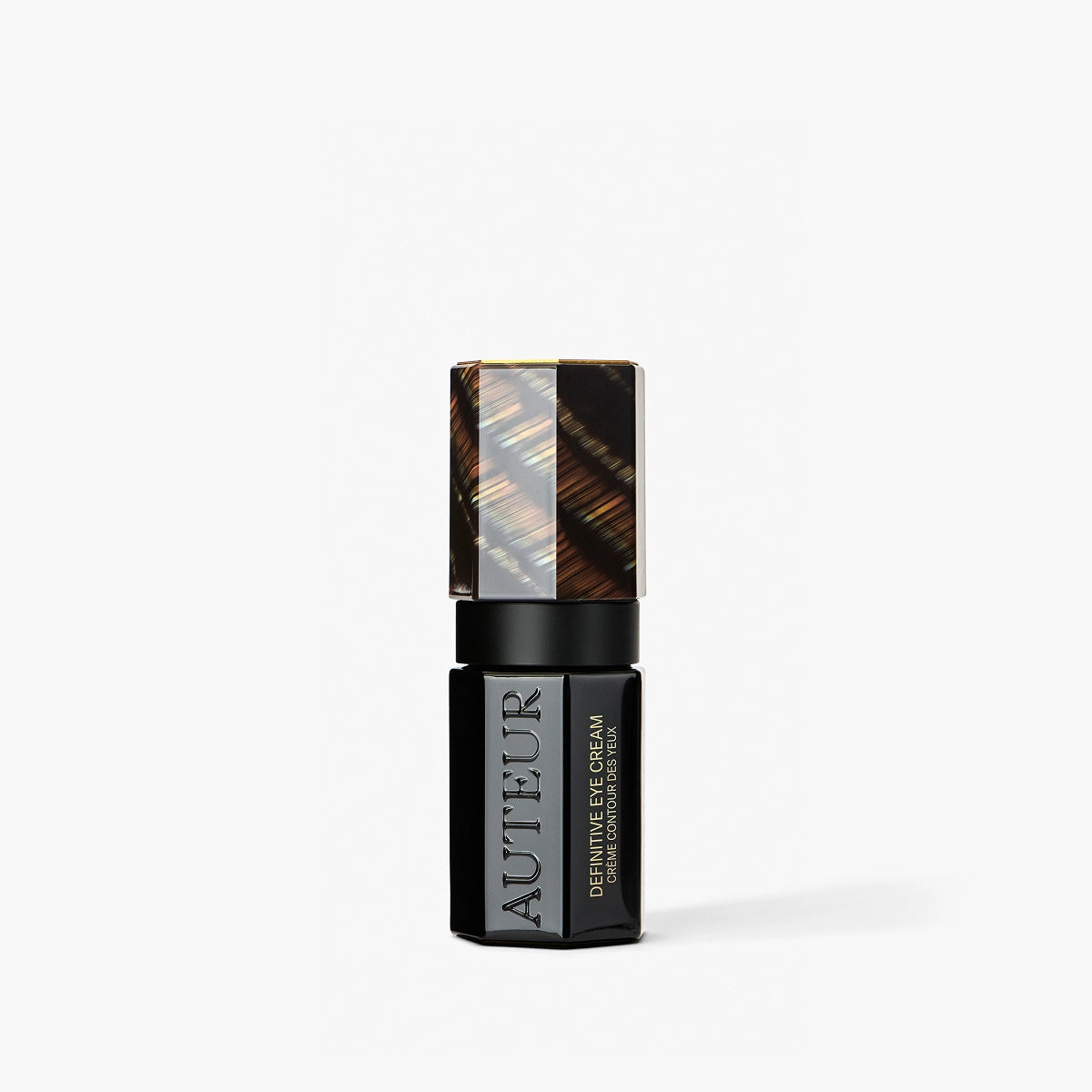
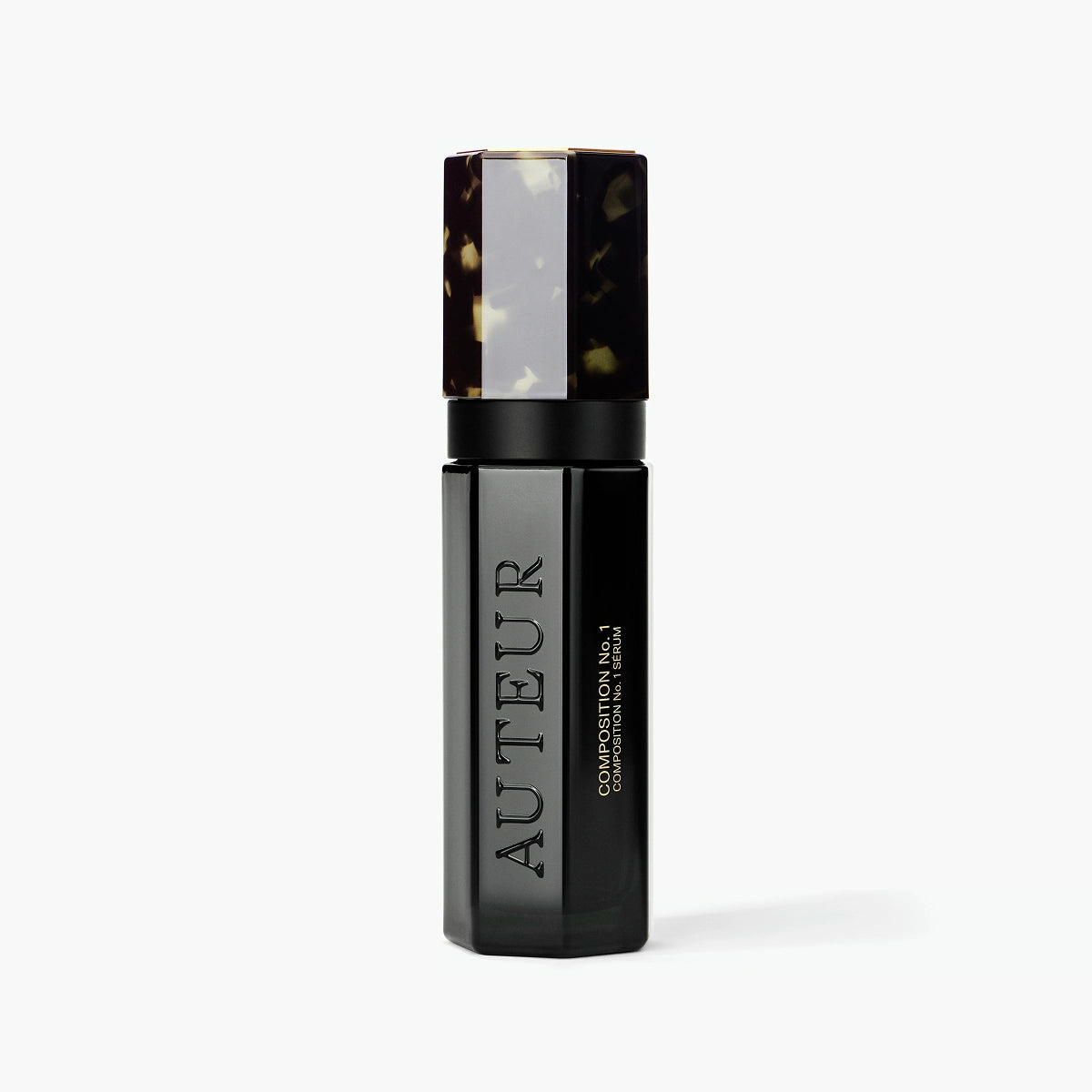
The Anti-Aging Power Trio brings together three formulations designed to address the core mechanisms described above: collagen synthesis, cellular renewal, and barrier strengthening. Each formulation works independently; together they form a compounding protocol that addresses what no single product can cover. Formulated for results over 12 to 24 weeks of consistent use.
Explore the Anti-Aging Power TrioThe Layering Sequence
The sequence in which products are applied is not an aesthetic preference — it is a formulation science question. Active ingredients have optimal pH ranges. Some actives deactivate others at conflicting pH levels. Some penetrate only through an already-moistened stratum corneum; others require a dry skin surface.
A second rule governs texture and molecular weight. Thinner, water-based serums carry small molecules and penetrate first. Heavier, lipid-based moisturisers form an occlusive layer over them. Applying a rich moisturiser before a serum creates a physical barrier that prevents the active molecules from reaching their target layers — the reverse of the intended effect.
The practical rule is consistent: water-based serums first, oil-based formulations second, occlusives last. When two serums are both water-based, apply the more acidic one (vitamin C, AHA) first to allow pH adjustment, then follow with the treatment serum (peptides, HA).
Common Mistakes That Undermine Results
Many anti-aging routines are structurally sound in their ingredient selection and still produce disappointing results. The issue is usually not what has been included but how it is being used.
- Using retinoids every night from day one. The most common cause of retinoid failure is abandonment due to irritation, which is almost always self-inflicted. Begin three nights per week for the first month, increasing to five after eight weeks once tolerance is established. The buffering method (applying retinoid over a thin layer of moisturiser) meaningfully reduces irritation with minimal impact on efficacy.
- Layering AHAs and retinoids on the same night. Both are effective; together on the same evening they create unnecessary irritation without meaningful added benefit. Alternate nights: AHAs on exfoliation nights, retinoids on treatment nights. The skin benefits more from consistent, non-irritating use of both than from aggressive simultaneous application.
- Switching products before results are possible. Retinoids require a minimum of 12 weeks for measurable clinical outcomes. Peptide serums require 8 to 12 weeks. Assessing a routine at four weeks and concluding it is not working reflects an incomplete assessment timeline, not a failed formulation.
- Neglecting the neck and décolletage. Photoageing and collagen loss affect the neck at the same rate as the face. Skin in this area is thinner and often receives less SPF protection and fewer active treatments. Extending the routine below the jaw is not optional for a consistent outcome.
- Applying SPF as the second-to-last step rather than the last. Any product applied over SPF dilutes its film integrity and UV protection factor. SPF is always the final morning step, applied generously to all exposed skin.
Frequently Asked Questions
What is the most important ingredient in an anti-aging skincare routine for your 40s and 50s?
Retinoids remain the most extensively studied anti-aging ingredient available without a prescription. Clinical trials have demonstrated they increase collagen synthesis, accelerate cell turnover, and reduce the appearance of fine lines over 12 to 24 weeks of consistent use. Peptide complexes are the strongest evidence-based alternative for those who cannot tolerate retinoids, particularly during perimenopause when the skin barrier is more reactive.
How does skin change in your 40s and 50s, and why does your routine need to change?
After the age of 40, collagen production declines by approximately 1 to 1.5 percent per year. Cellular turnover slows from a 28-day cycle to 45 to 60 days, meaning dead skin accumulates more rapidly on the surface. In the perimenopausal and menopausal transition, declining oestrogen accelerates these losses. A routine built for this stage must address synthesis, turnover, and the barrier simultaneously rather than focusing on surface hydration alone.
Can you use retinol in your 40s if you have sensitive or reactive skin?
Yes, though the approach requires adjustment. Begin with a low-concentration retinoid (0.025 to 0.05 percent) applied every third night, increasing frequency over 8 to 12 weeks as tolerance builds. The buffering method significantly reduces initial irritation. Bakuchiol has demonstrated comparable improvements in fine lines and pigmentation in a 12-week comparative study, making it a clinically supported alternative for those who cannot tolerate conventional retinoids.
What order should you apply skincare products in an anti-aging routine?
The correct sequence runs from thinnest to thickest consistency: cleanser, exfoliating acid or toner, treatment serums (vitamin C in the morning; retinoid or peptide complex at night), eye treatment, moisturiser, and SPF as the final morning step. Retinoids should never be layered under vitamin C in the same session — apply them in separate routines to avoid pH-related deactivation and unnecessary sensitisation.
How long does it take to see results from an anti-aging skincare routine?
Surface-level improvements in texture, hydration, and radiance are typically visible within 4 to 6 weeks of consistent use. Structural changes — measurable improvements in firmness and reduction in deeper lines — require 12 to 24 weeks for most actives to produce clinically observable outcomes. Stopping a routine resets these gains, which is why consistency over six months is a more meaningful commitment than any individual product selection.
References
1. Varani J, Dame MK, Rittie L, et al. (2006). Decreased collagen production in chronologically aged skin: roles of age-dependent alteration in fibroblast function and defective mechanical stimulation. American Journal of Pathology, 168(6), 1861–1868.
2. Griffiths CE, Russman AN, Majmudar G, et al. (1993). Restoration of collagen formation in photodamaged human skin by tretinoin (retinoic acid). New England Journal of Medicine, 329(8), 530–535.
3. Farage MA, Miller KW, Elsner P, Maibach HI. (2008). Intrinsic and extrinsic factors in skin ageing: a review. International Journal of Cosmetic Science, 30(2), 87–95.
4. Chaudhuri RK, Bojanowski K. (2014). Bakuchiol: a retinol-like functional compound revealed by gene expression profiling and clinically proven to have anti-aging effects. International Journal of Cosmetic Science, 36(3), 221–230.
5. Lupo MP, Cole AL. (2007). Cosmeceutical peptides. Dermatologic Therapy, 20(5), 343–349.
6. Schagen SK. (2017). Topical peptide treatments with effective anti-aging results. Cosmetics, 4(2), 16.