


The skin barrier in autumn responds to one variable above all others: the water content of the air. Skin barrier function, dry skin and the seasonal skin changes people report from October onward are not a matter of perception. Stratum corneum hydration, transepidermal water loss, lipid content and the unbound amino acids that bind water have all been measured across seasons and across controlled humidity chambers, and they move in the same direction every time the air dries.
This article sets out what those measurements show, the mechanism behind them, and the three routine adjustments that follow from the mechanism. The short version: your skin loses water-binding material and lipid at the same time, so the correction has two parts.
When humidity drops and the heating comes on, the barrier loses water and lipids faster than it replaces them.
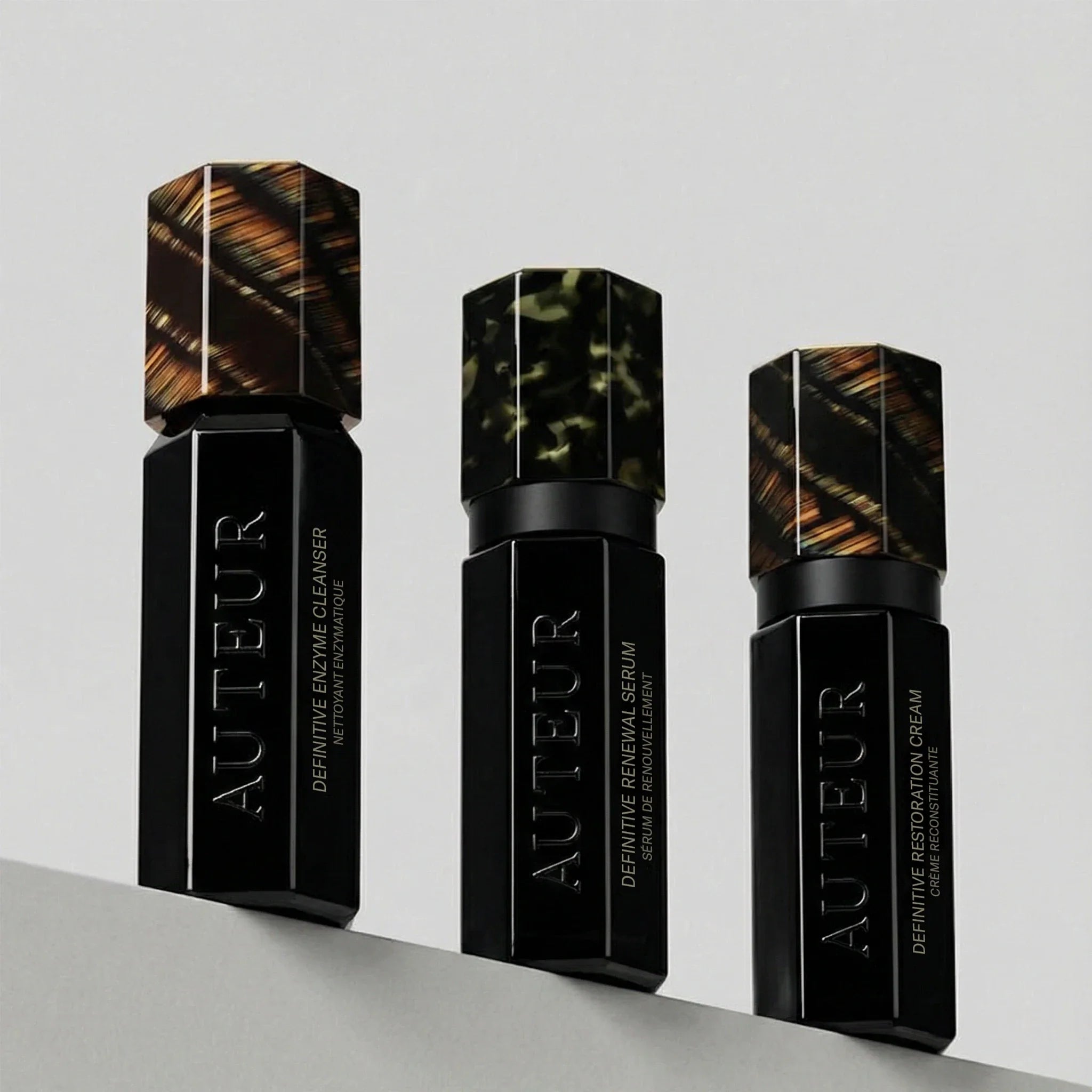
Definitive Restoration Cream supplies ceramides, cholesterol, fatty acids and shea butter as the last step at night.
What the seasonal data shows
The clearest lipid data comes from a Unilever study that collected stratum corneum from the face, hand and leg of Caucasian women across age groups and across seasons, then quantified ceramides, cholesterol and fatty acids by thin-layer chromatography. The authors reported that lipid levels at every site were, in their words, dramatically depleted in winter compared with spring and summer, and that the ceramide 1 linoleate fraction fell in winter while ceramide 1 oleate rose. The same pattern appeared with increasing age (Rogers et al., 1996). Ceramide 1 linoleate anchors the lamellar sheets between corneocytes, so that shift is structural.
Hydration and water loss follow the lipids. A cross-sectional study of 178 healthy women in Guangzhou measured forehead skin in all four seasons under controlled laboratory conditions and found transepidermal water loss and pH higher in autumn and winter, and skin hydration and sebum higher in spring and summer. Hydration correlated with average temperature and humidity (Wan et al., 2015). Guangzhou is subtropical; the signal is larger in a heated flat in London or Berlin.
A 2016 review in the Journal of the European Academy of Dermatology and Venereology pulled the humidity and temperature literature together and concluded that low humidity and low temperatures produce a general decrease in barrier function, increased susceptibility to mechanical stress, release of pro-inflammatory cytokines and cortisol from keratinocytes, and a rise in dermal mast cell numbers. The skin therefore becomes more reactive to irritants and allergens at exactly the time of year it is least hydrated (Engebretsen et al., 2016).
How fast dry air acts on healthy skin
Egawa and colleagues at Shiseido placed healthy volunteers in a low-humidity room and measured the forearm and cheek before and after three and six hours. Stratum corneum water content, measured by conductance and capacitance, fell significantly at both sites by three hours. Transepidermal water loss rose significantly by six hours. Surface replicas also showed increased roughness, which the authors linked to fine line formation (Egawa et al., 2002). Six hours is one working day in a heated office.
A second human study varied the humidity directly. Sixteen healthy men sat for two hours at 10%, 30% and 50% relative humidity at 25°C. Facial hydration measured by Corneometer fell from 30 minutes onward at both 10% and 30%, then stabilised; transepidermal water loss rose on the same schedule at 10% and 30%; nothing changed at 50%, the same humidity as the pre-room. The authors concluded that relative humidity needs to stay above 30% to avoid dryness of skin and eyes (Sunwoo et al., 2006).
Therefore the barrier does not weaken over a season. It weakens within an afternoon, recovers overnight if the bedroom is humid enough, and weakens again the next day. What accumulates is the lipid and NMF deficit described below, because those are rebuilt more slowly than water is lost.

The mechanism: NMF, filaggrin and lipids
Stratum corneum hydration depends on three things: the intercellular lipid lamellae that slow water passing out, the tortuous path water has to take between stacked corneocytes, and the natural moisturising factor (NMF) inside each corneocyte that binds water in place. NMF is a mixture of unbound amino acids, pyrrolidone carboxylic acid, urocanic acid, lactate and urea, produced when the protein filaggrin is broken down inside the corneocyte. Rawlings and Harding's review makes the point that every step of this maturation, including filaggrin processing and lipid processing, is itself regulated by the hydration level of the stratum corneum (Rawlings and Harding, 2004). Dry conditions therefore slow the processes that would compensate for dry conditions.
The filaggrin link was tested directly in hairless mice. Katagiri and colleagues moved animals from humid or normal humidity into a dry environment and measured conductance, unbound amino acids and filaggrin immunoreactivity. Unbound amino acid content in the stratum corneum fell significantly within 24 hours of a normal-to-dry transfer and recovered within three days; animals moved from humid to dry were still significantly depleted after seven days. Filaggrin staining in the epidermis became faint after either transfer (Katagiri et al., 2003). Less filaggrin means less NMF, which means less water bound, independent of how much water is evaporating.
The lipid side was shown by the same group in San Francisco. Mice moved from a humid environment to a dry one showed a six to seven fold increase in transepidermal water loss within two days, with electron microscopy showing fewer lamellar bodies in the upper granular layer, less lamellar body content deposited at the granular-to-corneum interface, and fewer intercellular lamellae in the stratum corneum. Barrier function returned to normal within seven days (Sato et al., 2002). An earlier paper from the group showed that 48 hours of low humidity alone increased epidermal DNA synthesis, caused mast cell degranulation and amplified the response to barrier disruption; petrolatum, an occlusive membrane or a humectant each prevented it (Denda et al., 1998).
The animal data should be read as mechanism, not as a timetable for human skin. But the human chamber studies and the seasonal surveys point the same way, and the sequence is consistent: water leaves first, NMF generation falls within a day, lipid delivery falls within two, and the epidermis responds with proliferation and inflammation. The clinical approach to barrier repair covers what the corrected lipid ratio looks like.
Indoor heating is the larger problem
Outdoor autumn air is rarely the issue on its own. Cold air holds little water, and when it is drawn indoors and heated to 21°C without adding moisture, its relative humidity falls sharply. The Engebretsen review separates absolute humidity, relative humidity and dew point for exactly this reason: the water in the air stays the same when you heat it, but the skin responds to relative humidity, which collapses. A room at 30% relative humidity in November is ordinary in a centrally heated building, and the Sunwoo data place that figure at the threshold where facial hydration falls within half an hour.
But the exposure is not uniform across the day: a fall during the hours indoors, partial recovery overnight. This is why the first weeks after the heating goes on are the worst. The stratum corneum has lost NMF and lipid faster than it can replace them, and the mouse data suggest the larger the humidity drop, the longer the recovery.
What to change in October
Therefore the correction has to address both halves of the deficit: water-binding and lipid. A heavier cream alone addresses evaporation. A hydrating serum alone addresses binding. Three changes follow.
First, add a humectant layer and apply it to damp skin. NMF is a humectant system. Replacing it topically with glycerin, amino acids, PCA, lactate and urea applied to skin that is still damp from cleansing raises stratum corneum water content directly, and the Denda study showed that a non-occlusive humectant was enough to prevent the proliferative and mast cell response to dry air in the animal model. The Superlative Essence is built for this position: an NMF-matrix essence applied after cleansing and before serum, morning and evening. The essence article explains why the step sits where it does.
Second, follow it with a cream that carries the three barrier lipids. Ceramides, cholesterol and fatty acids are the components of the lamellae that dry air depletes. A cream that contains them, with an emollient fraction such as shea to slow evaporation, replaces what has been lost and reduces the rate at which the next day's loss occurs. This is the step most people skip in favour of a summer lotion.
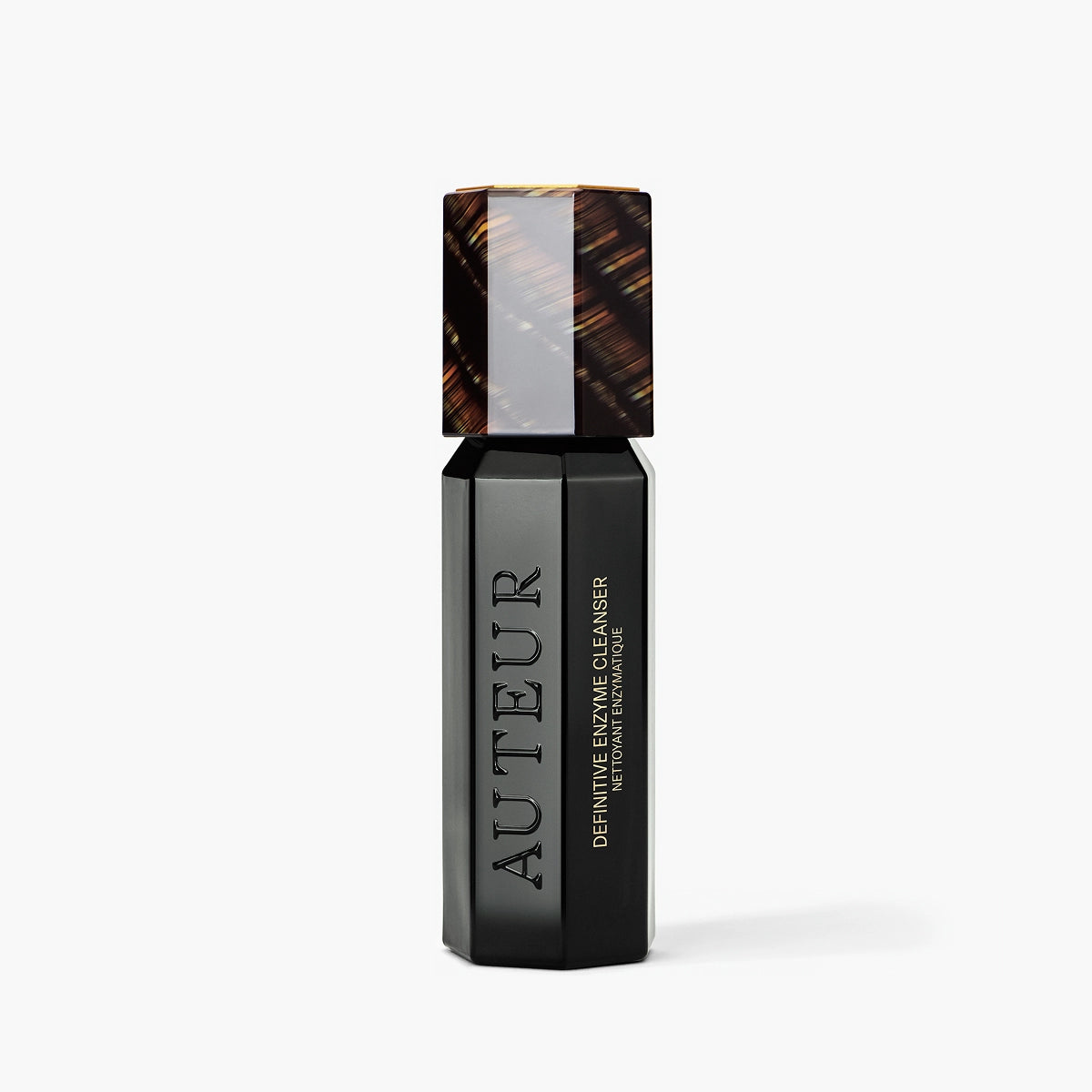
Third, reduce exfoliation frequency. The Denda data show that low humidity amplifies the epidermal response to barrier disruption. An acid mask or an enzyme cleanser is a controlled barrier disruption. In a dry season the same dose produces a larger reaction, so an AHA step that was twice a week in August belongs once a week in October. Stinging on application means wait another week.
Dry air removes two things from the stratum corneum at different speeds: water-binding NMF within a day, and lamellar lipids within two. A routine change that addresses only one of them leaves the barrier half corrected. Humectant on damp skin, then a ceramide cream, is the two-part answer the mechanism dictates.
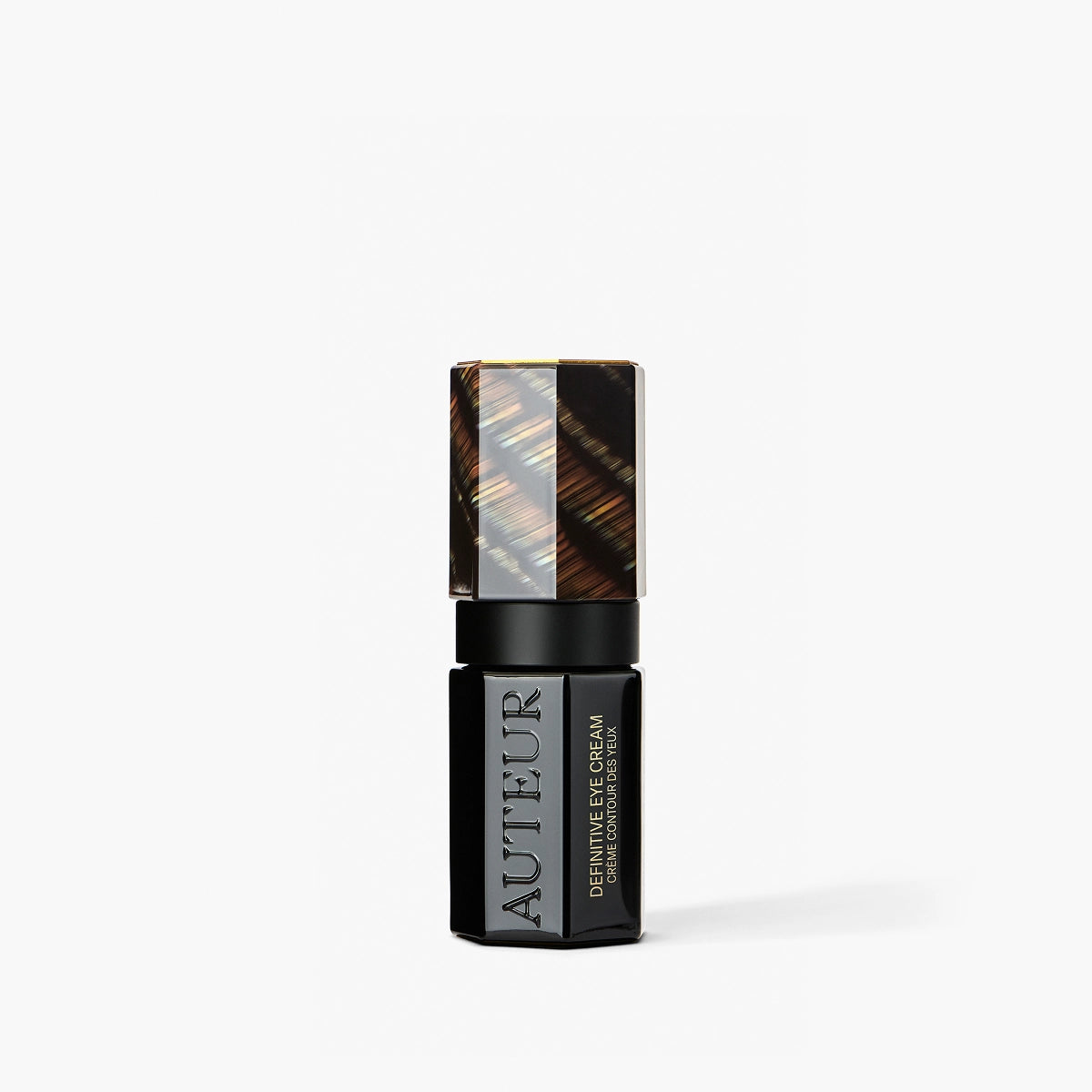
AUTEUR Definitive Restoration Cream
$250 · 30ml, $385 · 50ml
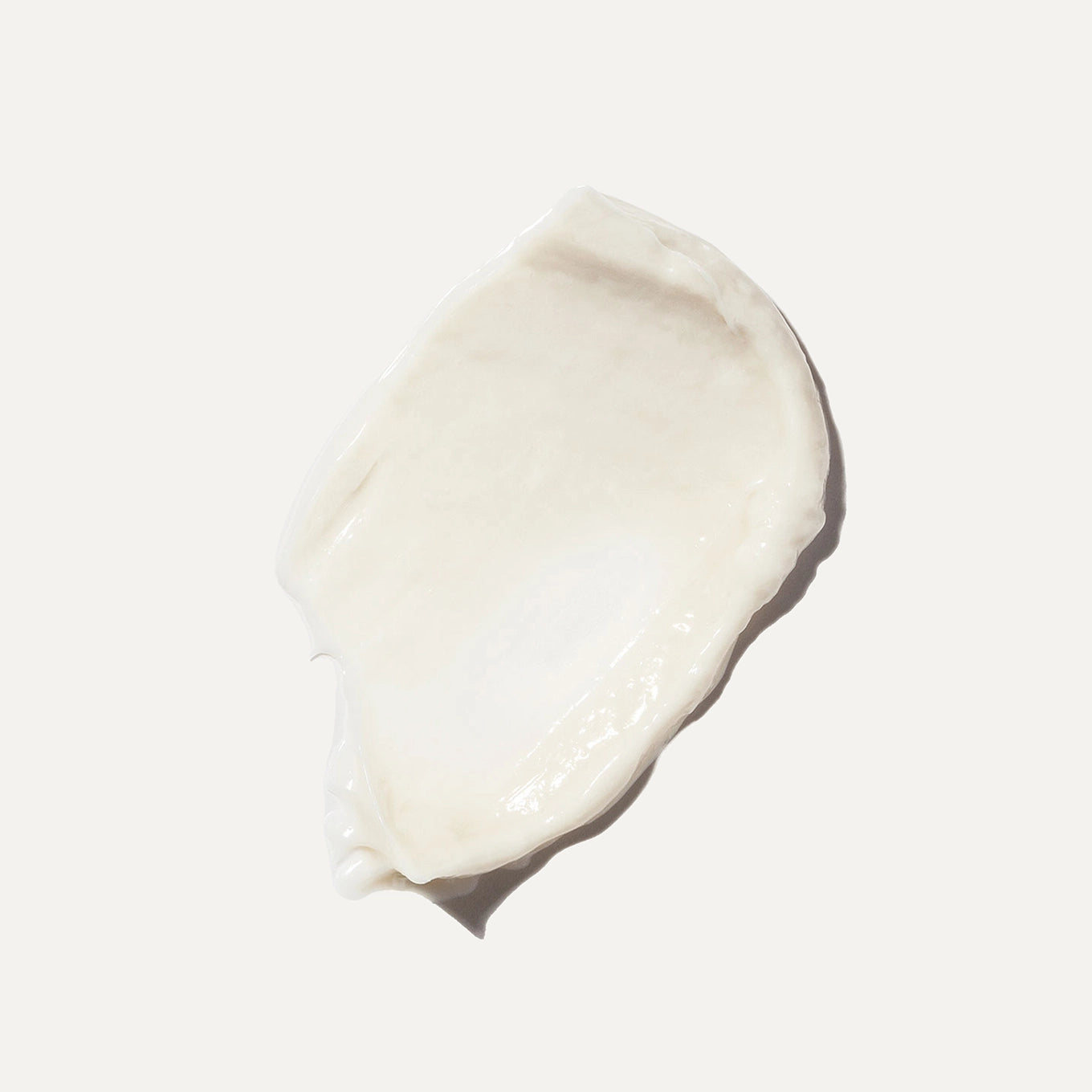
A rich barrier cream formulated around ceramides and shea butter, with the cholesterol and fatty acid fractions that complete the lamellar lipid set described in the literature on winter stratum corneum. Applied as the final evening step over serum, or over the Superlative Essence on mornings when the room is heated. Made in Germany.
Explore the FormulationWhat not to change
The retinoid stays. Retinoids have the strongest topical evidence for photoageing of any ingredient class, and five months of continued use outweighs the comfort of stopping. What changes is the method: apply on fully dry skin, which slows penetration; reduce to alternate nights if the skin stings; and layer the ceramide cream over it. The Definitive Retinol Serum is encapsulated, which already moderates the release rate, and the encapsulated retinol article explains the mechanism. If the skin is visibly flaking, pause the retinoid for a week, rebuild with the humectant and cream, and restart.
Sunscreen also stays. Autumn UV is lower but the UVA fraction that drives photoageing is present year round and passes through window glass. The Sun Drops SPF 50 sit last in the morning routine, over the cream, and the morning routine guide covers the order.
Cleansing stays mild. A foaming cleanser that felt fine in July strips more lipid than the barrier can spare in November. The Definitive Cleansing Complex is an amino acid cleanser designed to leave the intercellular lipid in place; in autumn it is the only morning cleanser needed.
But the single most effective change is outside the routine. A humidifier in the bedroom that holds relative humidity at 40 to 50% removes the overnight exposure entirely, and the Sunwoo data show that at 50% relative humidity facial hydration and water loss did not move over two hours. The skin recovers overnight, which is when the lipid and NMF synthesis the stratum corneum needs actually takes place.
Frequently Asked Questions
Why does my skin get dry in autumn?
Cooler outdoor air holds less water, and indoor heating lowers relative humidity further. In a controlled chamber, healthy skin lost measurable stratum corneum water within three hours at low humidity, and stratum corneum lipid levels, in particular ceramides, are substantially lower in winter than in spring and summer. The barrier therefore holds less water and loses it faster at the same time.
What humidity level is bad for skin?
In a study of sixteen healthy men exposed to 10%, 30% and 50% relative humidity, facial hydration fell and transepidermal water loss rose at 10% and 30% but not at 50%. The authors concluded that relative humidity should be kept above 30% to avoid dryness of the skin and eyes. Heated rooms in autumn and winter frequently sit below that line.
Should I stop using retinol in autumn?
No. Retinoids are the best documented topical for photoageing and stopping them for five months costs more than it saves. Keep the retinoid, reduce frequency if the skin stings, apply it to dry skin, and layer a ceramide-containing cream over it. Reduce acid exfoliation to once a week instead.
Do I need a heavier moisturiser in autumn?
Most people need a different balance rather than simply more. The published mechanism is a loss of water-binding NMF and a loss of intercellular lipids. Therefore the correction is a humectant layer applied to damp skin, followed by a cream that supplies ceramides, cholesterol and fatty acids and slows evaporation. A heavy occlusive on its own addresses evaporation but not the lipid or NMF deficit.
How long does it take the barrier to adapt to dry air?
In mice moved from a normal to a dry environment, unbound amino acid content in the stratum corneum dropped within 24 hours and recovered within three days. Animals moved from a humid to a dry environment were still depleted after seven days, and barrier function took about a week to normalise. The larger the humidity drop, the longer the adaptation, which is why the first weeks of heating season are the worst.
References
1. Rogers, J., Harding, C., Mayo, A., Banks, J., Rawlings, A. (1996). Stratum corneum lipids: the effect of ageing and the seasons. Archives of Dermatological Research, 288(12), 765 to 770.
2. Engebretsen, K.A., Johansen, J.D., Kezic, S., Linneberg, A., Thyssen, J.P. (2016). The effect of environmental humidity and temperature on skin barrier function and dermatitis. Journal of the European Academy of Dermatology and Venereology, 30(2), 223 to 249.
3. Egawa, M., Oguri, M., Kuwahara, T., Takahashi, M. (2002). Effect of exposure of human skin to a dry environment. Skin Research and Technology, 8(4), 212 to 218.
4. Sunwoo, Y., Chou, C., Takeshita, J., Murakami, M., Tochihara, Y. (2006). Physiological and subjective responses to low relative humidity. Journal of Physiological Anthropology, 25(1), 7 to 14.
5. Wan, M.J., et al. (2015). Seasonal variability in the biophysical properties of forehead skin in women in Guangzhou City, China. International Journal of Dermatology, 54(11), 1319 to 1324.
6. Katagiri, C., Sato, J., Nomura, J., Denda, M. (2003). Changes in environmental humidity affect the water-holding property of the stratum corneum and its free amino acid content, and the expression of filaggrin in the epidermis of hairless mice. Journal of Dermatological Science, 31(1), 29 to 35.
7. Sato, J., Denda, M., Chang, S., Elias, P.M., Feingold, K.R. (2002). Abrupt decreases in environmental humidity induce abnormalities in permeability barrier homeostasis. Journal of Investigative Dermatology, 119(4), 900 to 904.
8. Denda, M., Sato, J., Tsuchiya, T., Elias, P.M., Feingold, K.R. (1998). Low humidity stimulates epidermal DNA synthesis and amplifies the hyperproliferative response to barrier disruption: implication for seasonal exacerbations of inflammatory dermatoses. Journal of Investigative Dermatology, 111(5), 873 to 878.
9. Rawlings, A.V., Harding, C.R. (2004). Moisturization and skin barrier function. Dermatologic Therapy, 17(Suppl 1), 43 to 48.