
Retinol is the most well-evidenced over-the-counter anti-aging ingredient in dermatology. It is also the ingredient most frequently abandoned by consumers due to irritation. This combination of exceptional clinical evidence and poor tolerability in standard formulations created the precise problem that encapsulated delivery technology was developed to solve.
Understanding how encapsulation works, and what distinguishes a meaningful delivery system from a marketing claim, requires a brief examination of retinol's two core problems: stability and tolerance. Both are directly addressed by encapsulation technology, and both explain why the same ingredient at the same stated concentration produces radically different outcomes depending on how it is formulated.
The Two Problems with Standard Retinol
Retinol (vitamin A alcohol) is unstable. It degrades rapidly on exposure to oxygen, UV radiation, and heat. A retinol serum stored on a bathroom shelf, opened daily, and exposed to ambient light loses a significant proportion of its active concentration over a period of weeks. By the time the product is finished, a consumer who believed they were using 0.5% retinol may have been applying a fraction of that concentration for most of the product's life. This instability problem means that many retinol products are far less potent in practice than their labels suggest.
The tolerability problem is related but distinct. When retinol is applied to the skin, it is converted to retinaldehyde and then to retinoic acid (the biologically active form) by enzymes within the skin. This conversion happens rapidly with standard formulations, producing a peak concentration of retinoic acid at the skin surface and within the epidermis that triggers the inflammatory response responsible for the dryness, flaking, and burning sensation known as retinisation. This side effect is not dangerous, but it is significant enough that studies consistently document high discontinuation rates among first-time retinol users.
How Encapsulation Solves Them
Encapsulation protects retinol molecules by surrounding them with a protective shell that is impermeable to air, light, and moisture during storage. The retinol inside remains stable because it is isolated from the environmental factors that cause degradation. When the product is applied to the skin, the mechanical action of application and the biochemical environment of the stratum corneum gradually disrupt the capsule shell, releasing the retinol across a longer period than an unencapsulated formulation would.
This time-release mechanism directly addresses the tolerance problem. Instead of converting a large concentration of retinol to retinoic acid in a short period, the skin receives retinol in smaller quantities over a longer period. The peak retinoic acid concentration is lower, and the inflammatory stimulus that drives retinisation is reduced. Studies comparing encapsulated and non-encapsulated retinol at matched concentrations consistently show better tolerability profiles for encapsulated formulations, with equivalent or superior clinical efficacy due to the higher effective concentration maintained across the product's shelf life.
Types of Encapsulation Technology
Technology
Characteristics
Liposomes
Phospholipid bilayer vesicles. Highly biocompatible; disrupt within the stratum corneum. Good penetration but moderate stability.
Moderate stability; well-studied delivery mechanism; widely used in clinical-grade formulations.
Cyclodextrin Inclusion Complexes
Cyclic oligosaccharide molecules that encapsulate retinol within their hydrophobic interior. Excellent stability improvement.
Strong stability advantage; pharmaceutical-grade technology borrowed from drug delivery. Slower release rate than liposomes.
Polymer Microspheres
Biodegradable polymer shells (PLGA, polylactic acid). Release retinol as the polymer degrades within the skin environment.
Highly controlled release rate; very stable during storage; more expensive to produce. Used in clinical-grade formulations.
Squalane or Oil Suspension
Retinol dissolved in squalane or similar carrier. Not true encapsulation but provides partial stabilisation.
Common in many consumer products. Provides stability improvement over water-based formulations but not equivalent to true encapsulation.
How to Evaluate a Delivery System
Several questions distinguish a clinically meaningful encapsulation system from a marketing claim. First: is the encapsulation technology specifically described? A brand that has invested in true microencapsulation technology will typically name it (liposomal retinol, cyclodextrin complex, polymer microsphere delivery) rather than using generic language like "advanced delivery" or "time-release formula." Generic delivery language without technical specificity is a signal that the formulation may not contain true encapsulation.
Second: what is the stated concentration, and has the brand validated that this concentration is maintained across the product's shelf life? This is where pharmaceutical manufacturing standards matter. A brand formulating under GMP conditions will have stability data showing active concentration at 6, 12, and 24 months. Consumer cosmetics brands are not required to publish this data, but clinical-grade brands will typically make claims about active stability that can be interrogated.
Third: is the packaging appropriate? Even an encapsulated retinol formulation benefits from opaque, airless packaging that minimises secondary exposure to the factors that were degrading it before encapsulation was introduced. Retinol in a clear jar is a formulation problem regardless of the delivery system.
Clinical Outcomes and Timeline
Clinical studies comparing encapsulated and non-encapsulated retinol at matched concentrations generally show equivalent or superior outcomes for encapsulated formulations over 12 to 24 weeks. The mechanisms are the same: both work through RAR (retinoic acid receptor) activation, which drives collagen synthesis, accelerates cell turnover, and inhibits matrix metalloproteinase activity. The encapsulated advantage is that the effective concentration delivered to the dermis is more consistently maintained across the product's shelf life, producing more reliable results over the full course of use.
Surface improvements in skin texture and radiance are typically visible from 8 to 12 weeks of consistent nightly use. Measurable changes in dermal collagen density, as documented by histological analysis and confocal microscopy in clinical studies, appear at 12 to 24 weeks. The full extent of the structural benefit becomes apparent over 6 to 12 months of consistent use.

Composition No. 1
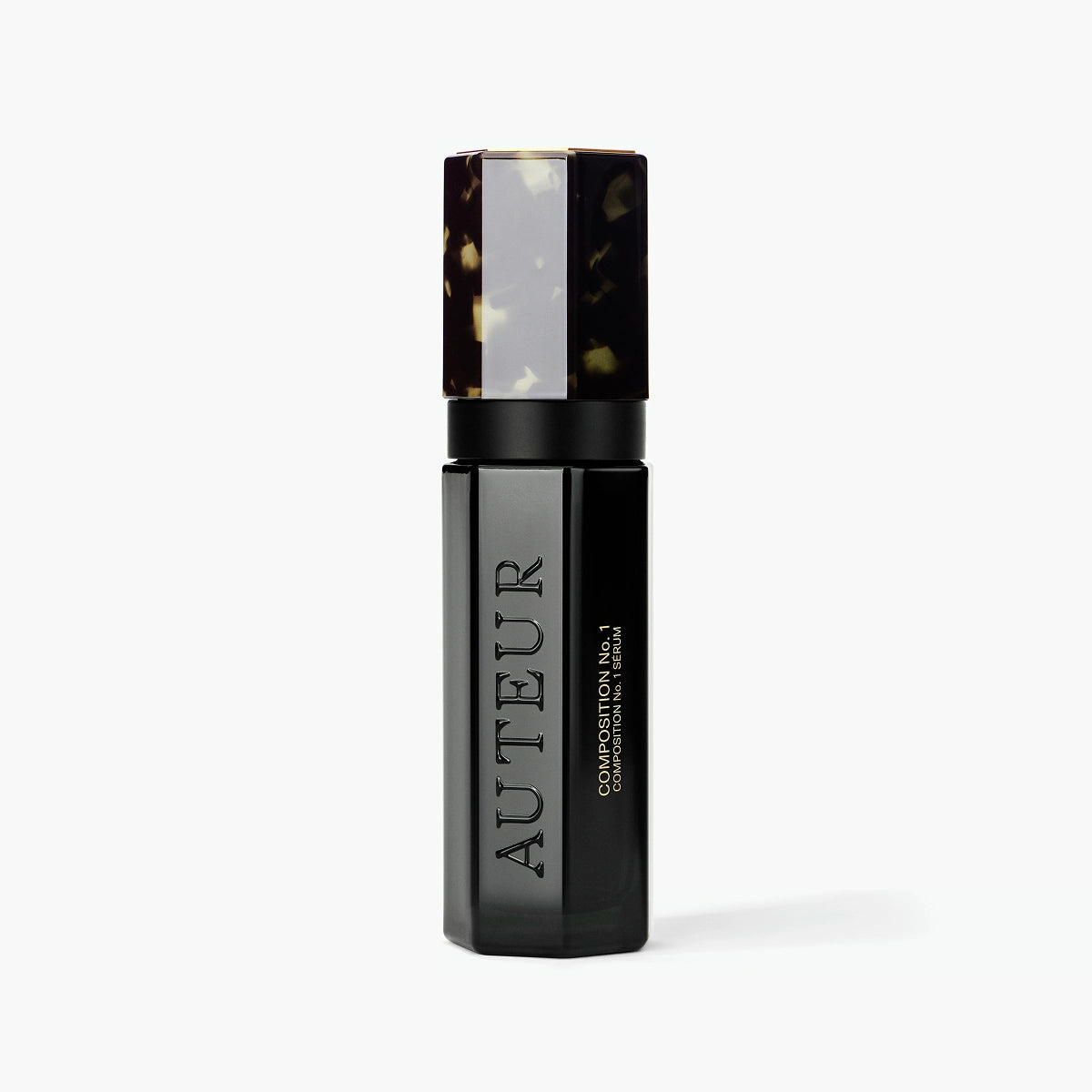
AUTEUR's Composition No. 1 Serum incorporates encapsulated retinoid derivatives formulated under pharmaceutical manufacturing standards, combined with GHK-Cu, multiple signal peptide complexes, and over 30 additional actives. The encapsulated delivery system is validated to maintain clinically relevant retinoid concentrations throughout the product's shelf life, with a tolerability profile suited to nightly use without a conventional retinisation period.
Learn More About Composition No. 1References
1. Zasada, M., & Budzisz, E. (2019). Retinoids: active molecules influencing skin structure formation in cosmetic and dermatological treatments. Advances in Dermatology and Allergology, 36(4), 392-397.
2. Duester, G. (2008). Retinoic acid synthesis and signaling during early organogenesis. Cell, 134(6), 921-931.
3. Mukherjee, S., et al. (2006). Retinoids in the treatment of skin aging: an overview of clinical efficacy and safety. Clinical Interventions in Aging, 1(4), 327-348.
4. Morganti, P., et al. (1992). Effect of gelatin-cystine and Serenoa repens extract on free radicals level and hair growth. Journal of Applied Cosmetology, 10, 115-123.
Introducing Composition No. 1: A Retinoid Introduction Schedule
Composition No. 1 Serum
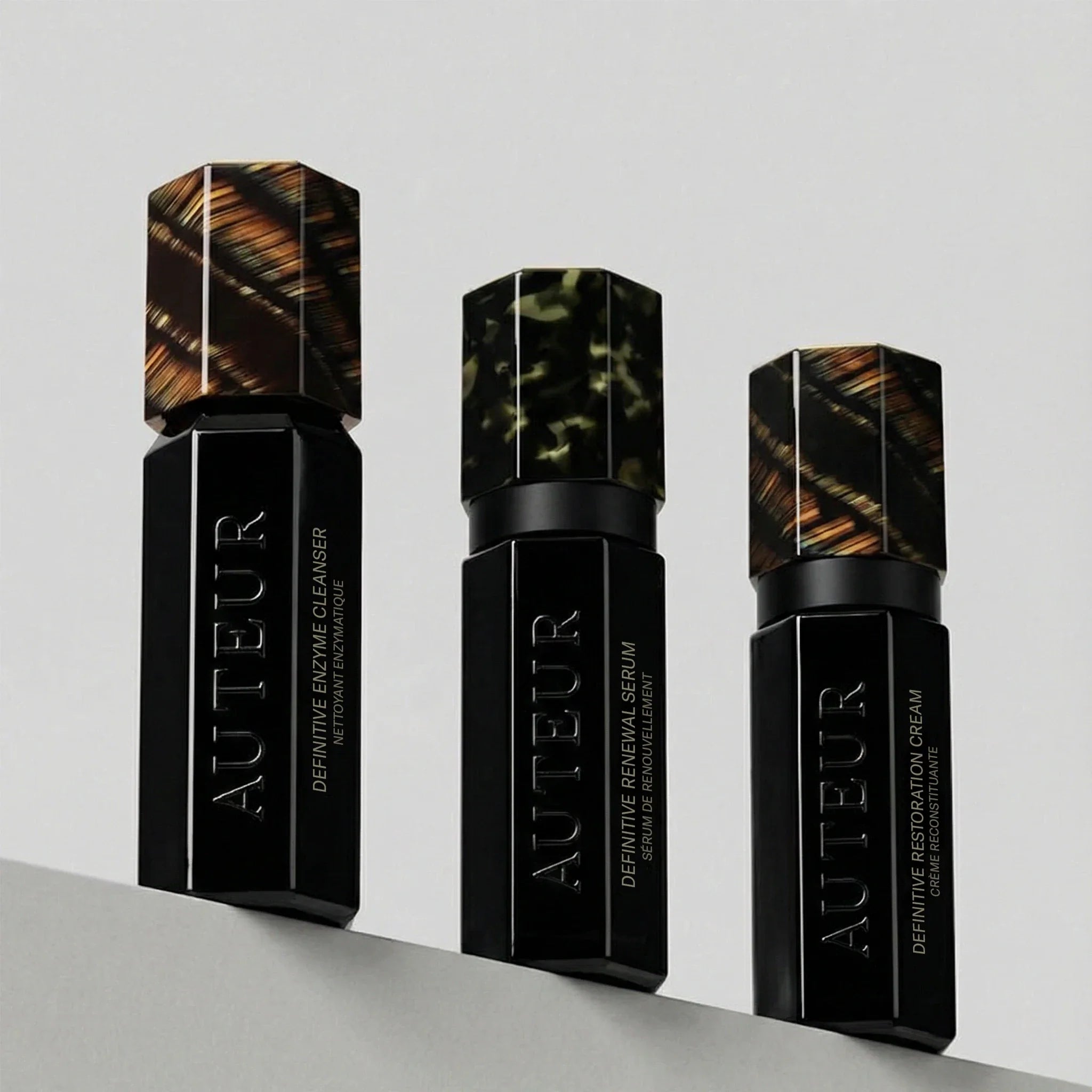
Apply 3 to 4 drops to clean, dry skin on alternate evenings. Follow immediately with Definitive Restoration Cream to slow the encapsulated release and reduce initial sensitivity.
Composition No. 1 Serum
Increase frequency as tolerance establishes. Continue applying the moisturiser immediately after during this phase.
Full Protocol: Cleanse, Toner, Composition No. 1, Cream
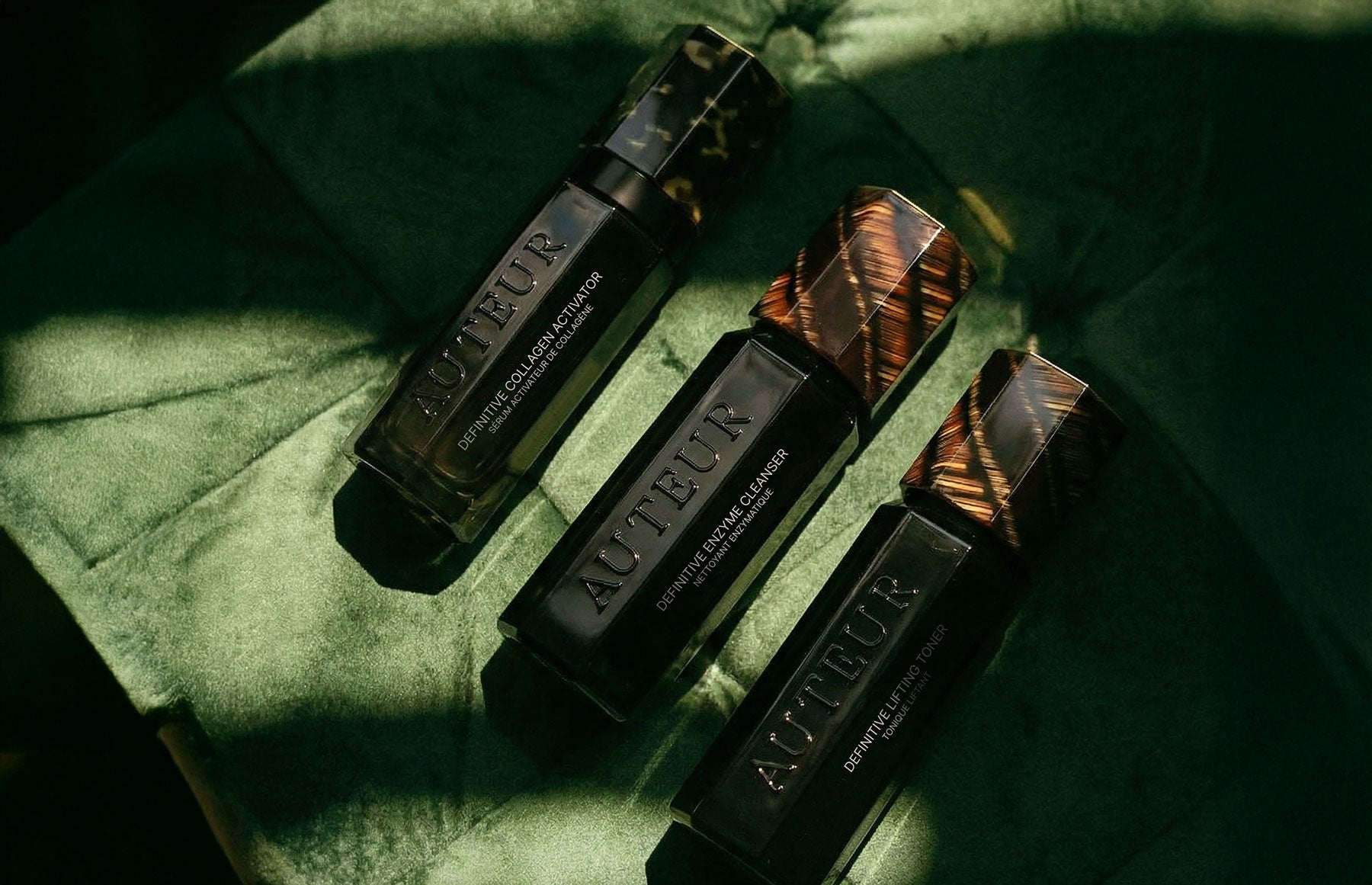
Once nightly tolerance is established: Definitive Enzyme Cleanser, Definitive Lifting Toner, Composition No. 1, Definitive Density or Restoration Cream.
Definitive Sun Drops SPF 50
Non-negotiable during retinoid use. Retinoids increase UV sensitivity by accelerating cell turnover. Morning SPF is not optional.
AHAs and Physical Exfoliants in the Same Evening
Do not layer additional exfoliating actives on the same evening as Composition No. 1 during the introduction period.