

Most skincare ingredients get popular before the evidence arrives. GHK-Cu is the exception. It was first identified in human plasma in 1973 by biochemist Loren Pickart, who noticed that older liver tissue exposed to a protein fraction from young blood began behaving like young tissue. The active compound turned out to be a copper-binding tripeptide. Fifty years of subsequent research confirmed what that observation suggested: this molecule triggers genuine skin regeneration.
That kind of evidence base is genuinely rare. In an ingredient category full of extracts making speculative claims, copper peptides have the receipts.
What GHK-Cu Is
GHK-Cu stands for glycyl-L-histidyl-L-lysine-copper. It is a tripeptide, three amino acids long, bound to a copper ion. Your body makes it naturally: it is present in plasma, saliva, and urine, and is released during tissue injury as part of the wound healing cascade. Concentrations are highest in young skin and decline with age. By seventy, plasma GHK-Cu levels are roughly a third of what they were at twenty.
This decline is not incidental. GHK-Cu appears to function as part of the skin's repair signalling system. When tissue is damaged, its presence tells the body to activate fibroblasts, lay down new collagen and elastin, recruit antioxidant defences, and dampen inflammation. Applied topically, at the right concentration, it replicates that signal.
What It Actually Does
Collagen synthesis is the most studied effect. GHK-Cu activates the enzymes that produce both collagen and elastin, and simultaneously inhibits the matrix metalloproteinases (MMPs) that break them down. The result is a net positive on structural protein density over time. This is different from most moisturising ingredients, which work to retain existing hydration and slow transepidermal water loss. GHK-Cu is asking the skin to rebuild something it has lost.
Beyond collagen, the research documents antioxidant activity through upregulation of superoxide dismutase, anti-inflammatory effects via suppression of NF-kB signalling, and skin-tightening effects associated with glycosaminoglycan synthesis. Multiple mechanisms, all converging on the same outcome: skin that functions more like younger skin.
The Concentration Question
This is where most copper peptide products fail. Clinical studies showing significant effects on collagen density used concentrations between 0.5% and 2%. Most commercial serums do not disclose their GHK-Cu percentage, which is generally because the number is not worth disclosing. A product can legally carry the GHK-Cu claim at a concentration that would not show up meaningfully in a clinical study.
If a copper peptide product is not forthcoming about concentration, the most useful proxy is price and formulation complexity. A serious dose of GHK-Cu in a stable, fragrance-free, pharmaceutical-grade base is not cheap to produce. Products priced to suggest otherwise are unlikely to be delivering the evidence-backed dose.
How to Use It
GHK-Cu is best used in the evening. It is not photosensitising, but its regenerative activity aligns well with the skin's natural repair cycle during sleep. It can be layered with retinol but should generally be used on alternating nights when introducing both, to allow skin to adjust. Avoid combining it in the same step with high-strength vitamin C (ascorbic acid), which competes for copper ions. A peptide toner or essence beforehand will prime absorption. A richer cream afterwards will seal in the actives overnight.
Expect results in weeks, not days. Collagen synthesis is a slow process and its effects accumulate. Users who stay consistent for eight to twelve weeks report visible improvements in skin density and firmness. Those who stop after two weeks and declare it ineffective have not given the mechanism time to work.

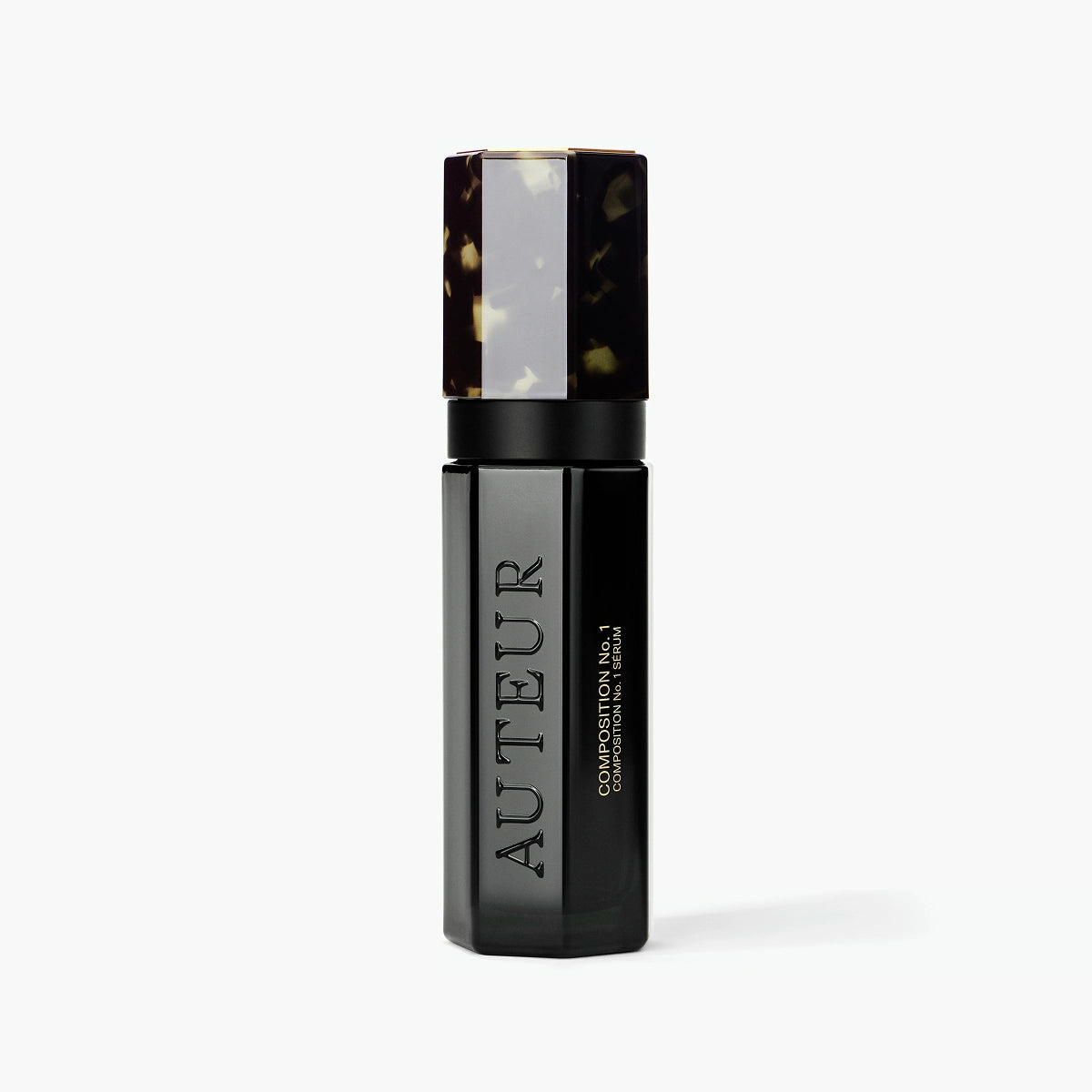
Composition No. 1 Serum
AUTEUR's overnight regenerative treatment formulated with GHK-Cu at a meaningful clinical concentration, stabilised in a perfluorocarbon oxygen-delivery base. Fragrance-free. Manufactured in Germany. Designed to do the structural work your skin needs while you sleep.
Explore Composition No. 1The Copper Peptide Night Routine
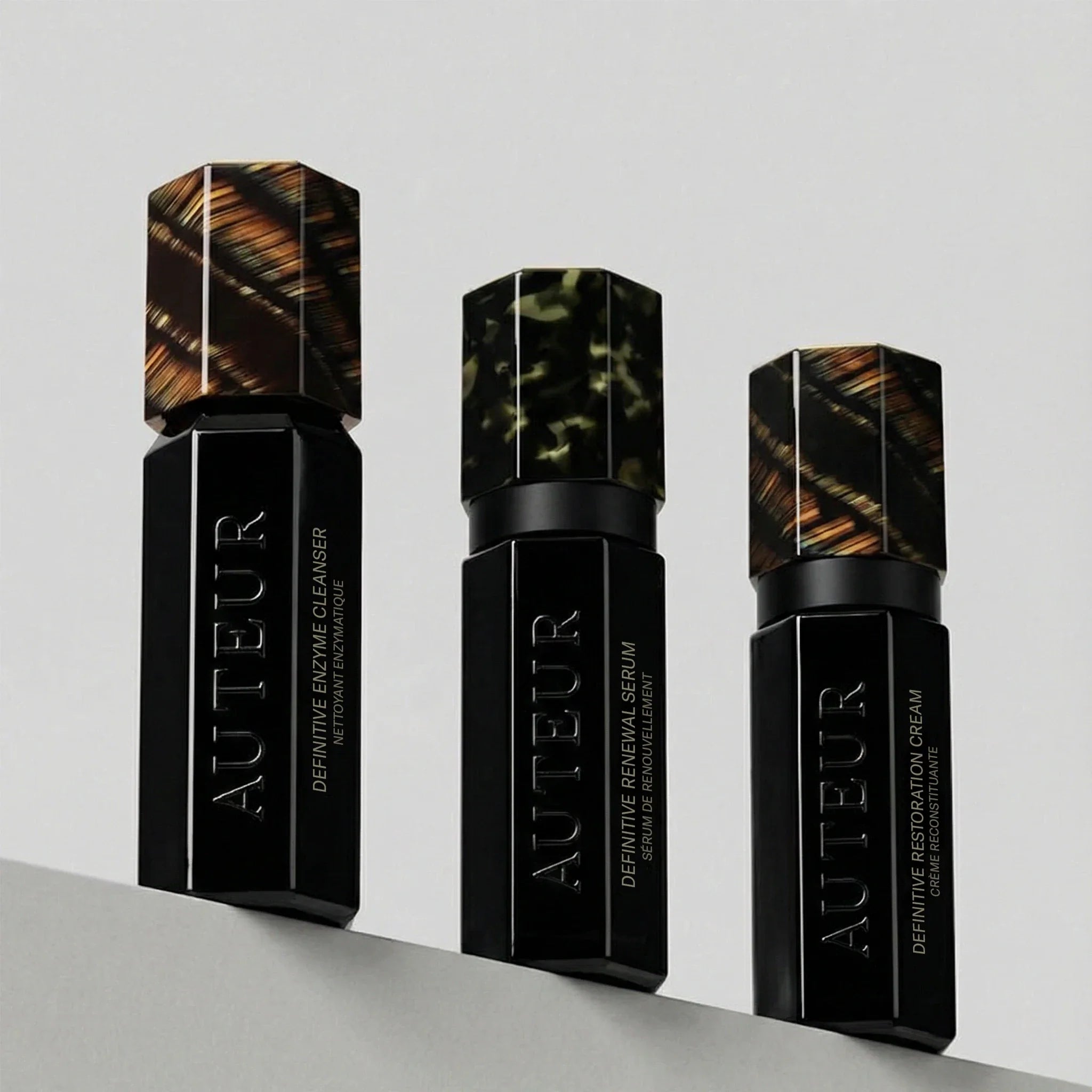
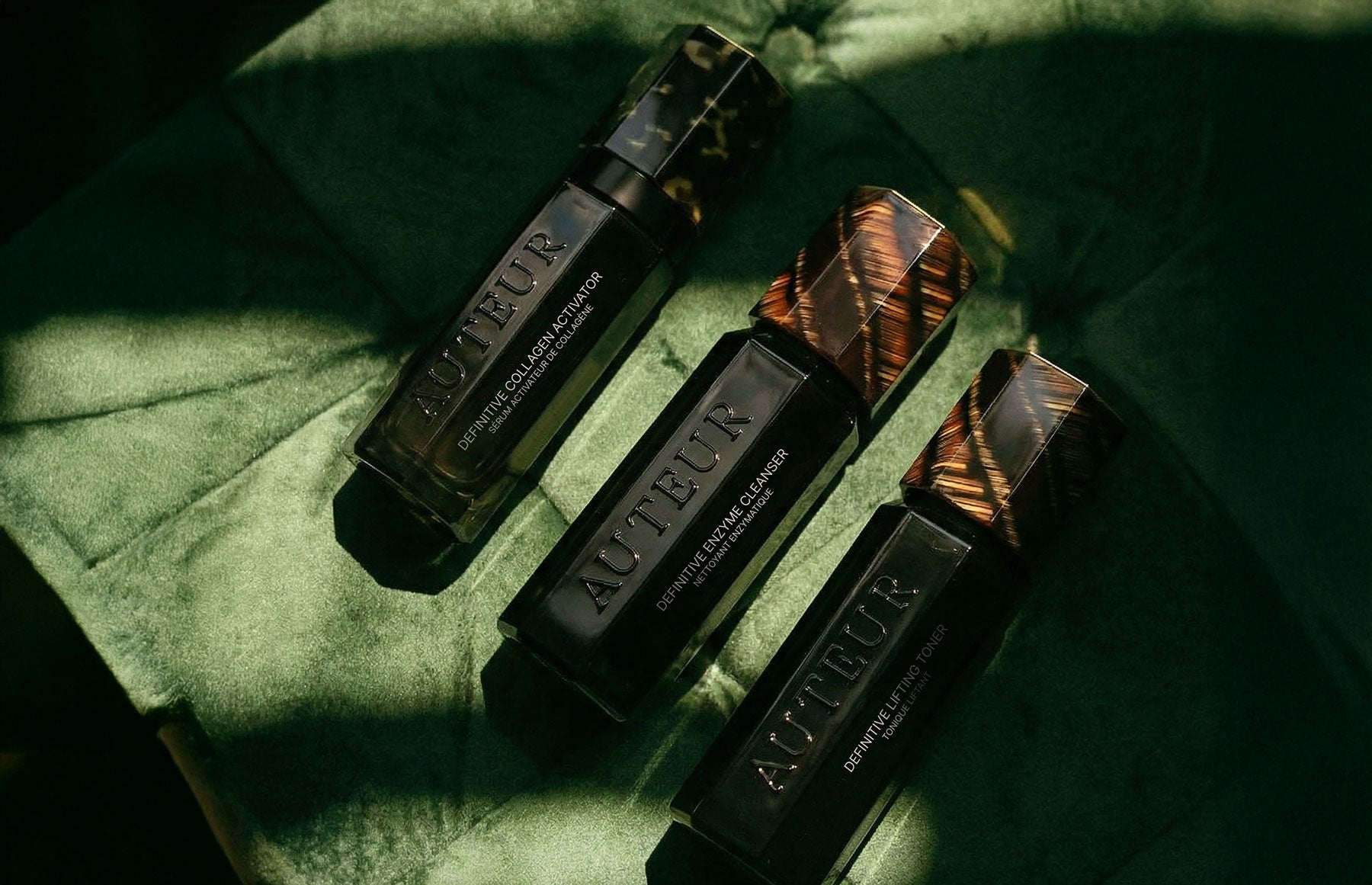
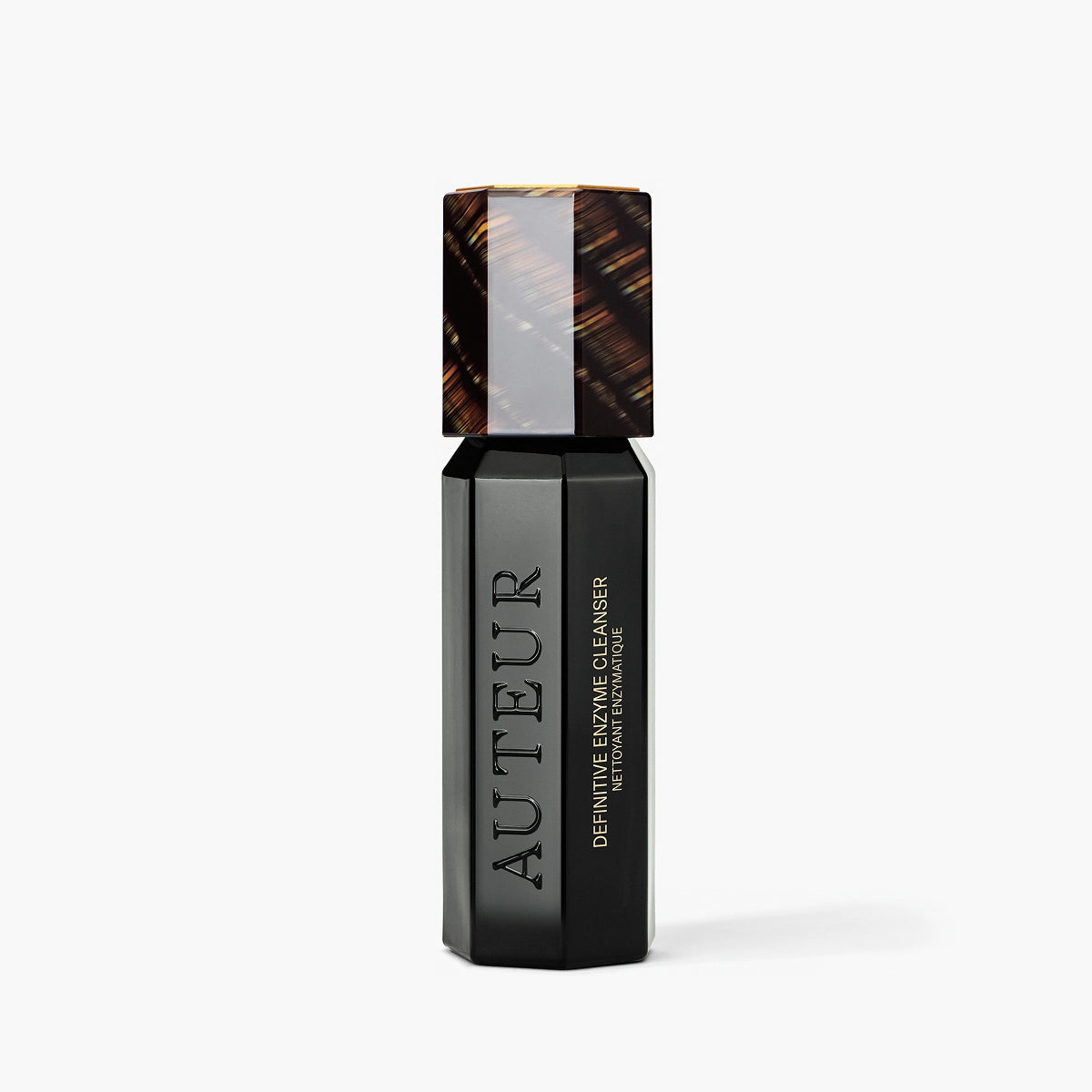
Enzyme Cleanser
Remove the day without stripping. An enzyme-based cleanser respects the barrier that copper peptides are about to work on.
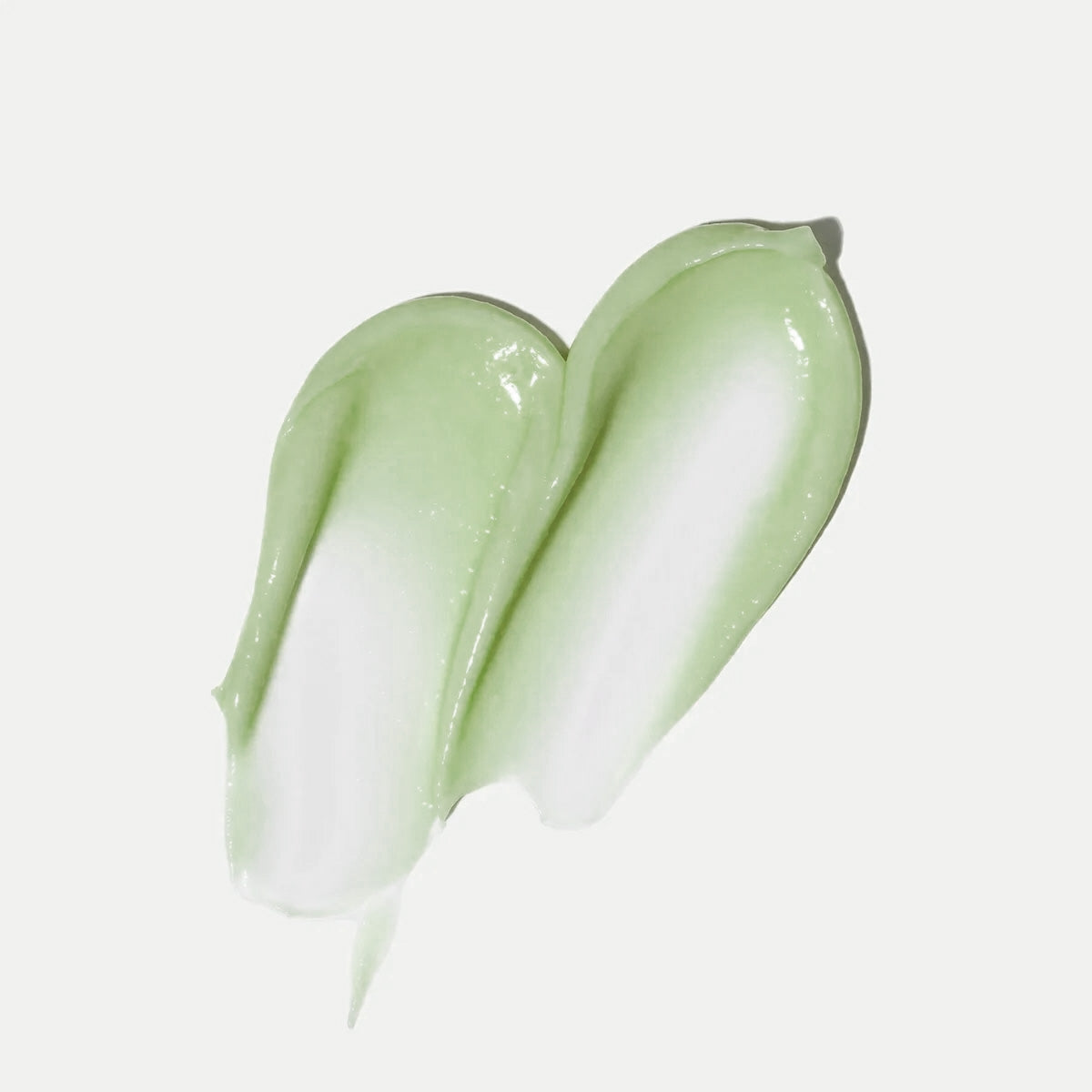
Lifting Toner
Primes skin pH and provides initial peptide activation before the serum layer.
Composition No. 1 Serum
The GHK-Cu step. 3 to 4 drops, pressed into skin. Allow 60 to 90 seconds before the next layer.
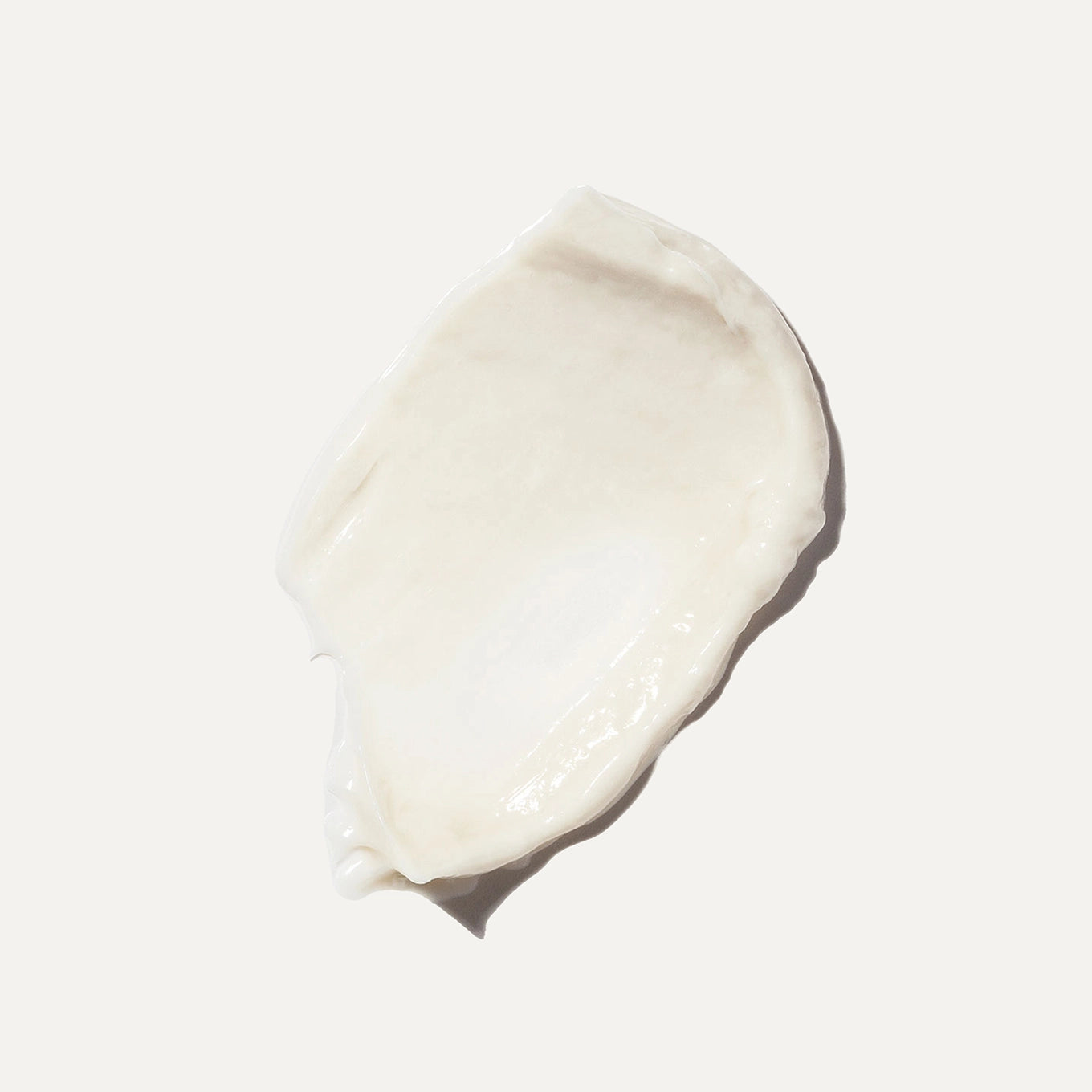
Restoration Cream
An occlusive-leaning moisturiser extends peptide residence time and supports barrier recovery overnight.
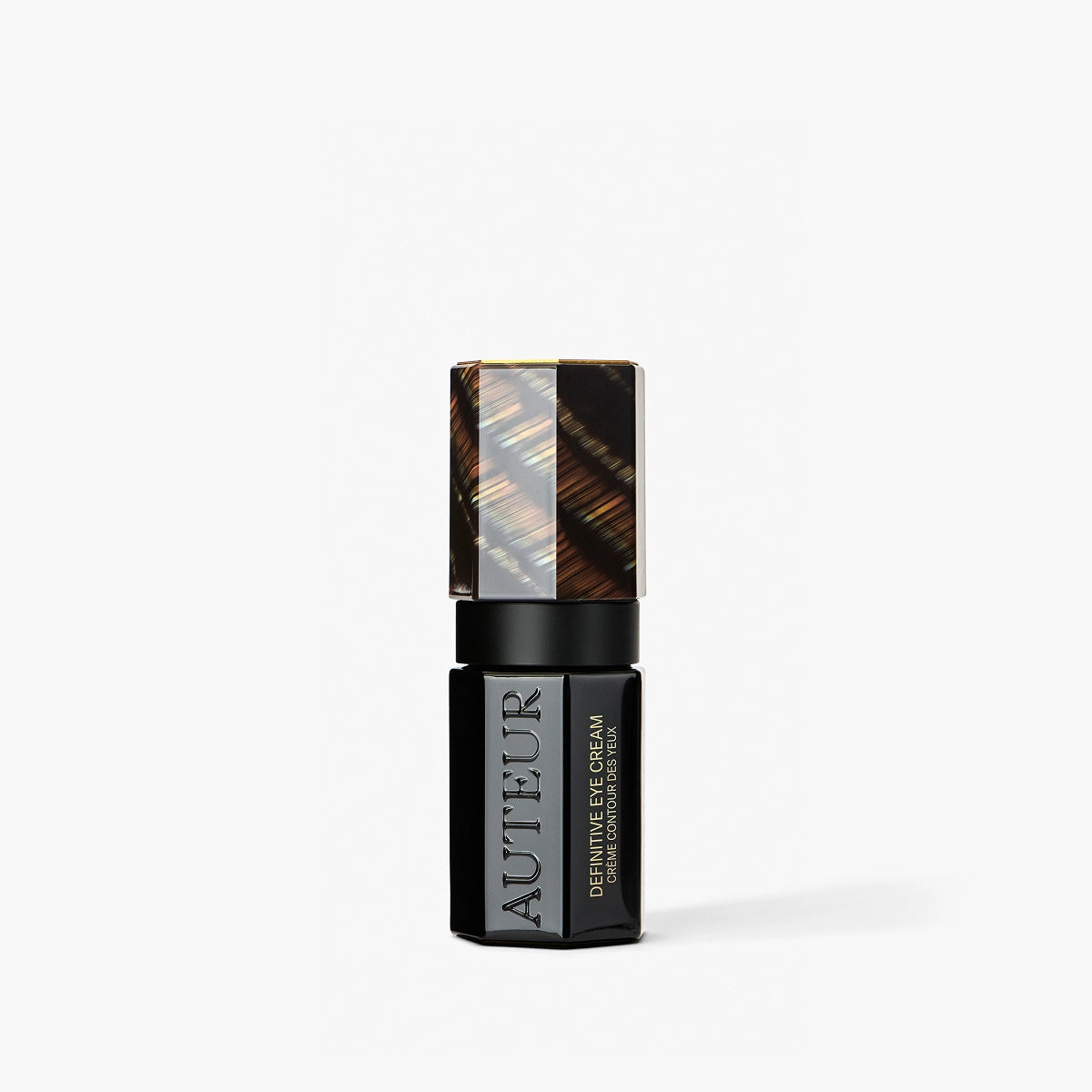
Definitive Eye Cream
The periorbital area shows collagen loss early. Address it in the same routine.