

Peptides or retinol is the wrong question. It assumes the two are competing for the same mechanism, and they are not. Retinol accelerates cell turnover and triggers collagen synthesis through retinoic acid receptor activation. Peptides signal fibroblasts to produce new structural proteins through an entirely different pathway. Both work. Both have decades of clinical evidence. The useful question is how to sequence them so they complement each other rather than compete.
How Retinol Works
Retinol is a vitamin A derivative that converts in the skin to retinoic acid. Retinoic acid binds to retinoid receptors in keratinocytes and fibroblasts, triggering a cascade that speeds cell turnover, increases collagen production, inhibits collagen-degrading enzymes, and reduces the appearance of pigmentation. The clinical evidence spans forty years and multiple large-scale trials. It works. The challenges are not efficacy but tolerance: retinol causes irritation in many skin types, especially during the initial weeks of use, and the conversion pathway is inefficient with standard retinol.
Retinol is best used at night. It is photosensitising in its unconverted form, and UV exposure breaks down the molecule before it can do its work. Expect a period of adjustment when starting: mild flaking, dryness, and sensitivity are normal. These resolve as skin adapts. If sensitivity persists past four to six weeks, the concentration or formulation is wrong for your skin.
How Peptides Work
Peptides approach collagen from a different angle. Rather than activating receptor pathways that broadly accelerate skin cell behaviour, signal peptides deliver targeted instructions: produce collagen here, synthesise elastin, repair this structural matrix. The mechanism is more surgical and generally less irritating, because it is not asking the skin to behave differently across the board. It is asking specific cells to do a specific task.
The trade-off is that peptides work more slowly. You will not see the same rapid surface renewal that retinol produces. What you will see, over months of consistent use, is a progressive improvement in skin density, firmness, and the depth of established lines. Peptides are building material. Retinol is the construction crew that also does demolition.
Why They Work Better Together
Retinol's accelerated cell turnover creates an environment where new structural proteins need to be produced quickly. Peptides, particularly signal peptides at clinical concentrations, ensure those proteins are actually being synthesised rather than the skin just cycling through faster without meaningful regeneration. The combination produces a net result that neither achieves as efficiently alone.
There is also a practical tolerability argument. Retinol irritation is partly a barrier disruption issue. Barrier-supportive peptide moisturisers used alongside retinol help maintain the integrity of the skin during the adjustment period, reducing the likelihood that irritation causes discontinuation before results emerge.
How to Sequence Them
The simplest approach: peptide serum in the morning, retinol at night. This avoids any potential interaction and aligns retinol with its ideal conditions. Morning use of a signal peptide serum provides a daily collagen synthesis signal and primes skin for daily UV exposure with a barrier-supportive layer beneath SPF.
If you use both at night, apply the peptide serum first, allow it to absorb fully, then apply retinol. Do not mix them in the same layer. When beginning retinol, introduce it two to three nights per week and build frequency gradually. Combining it with a barrier-supportive moisturiser significantly reduces the adjustment period.

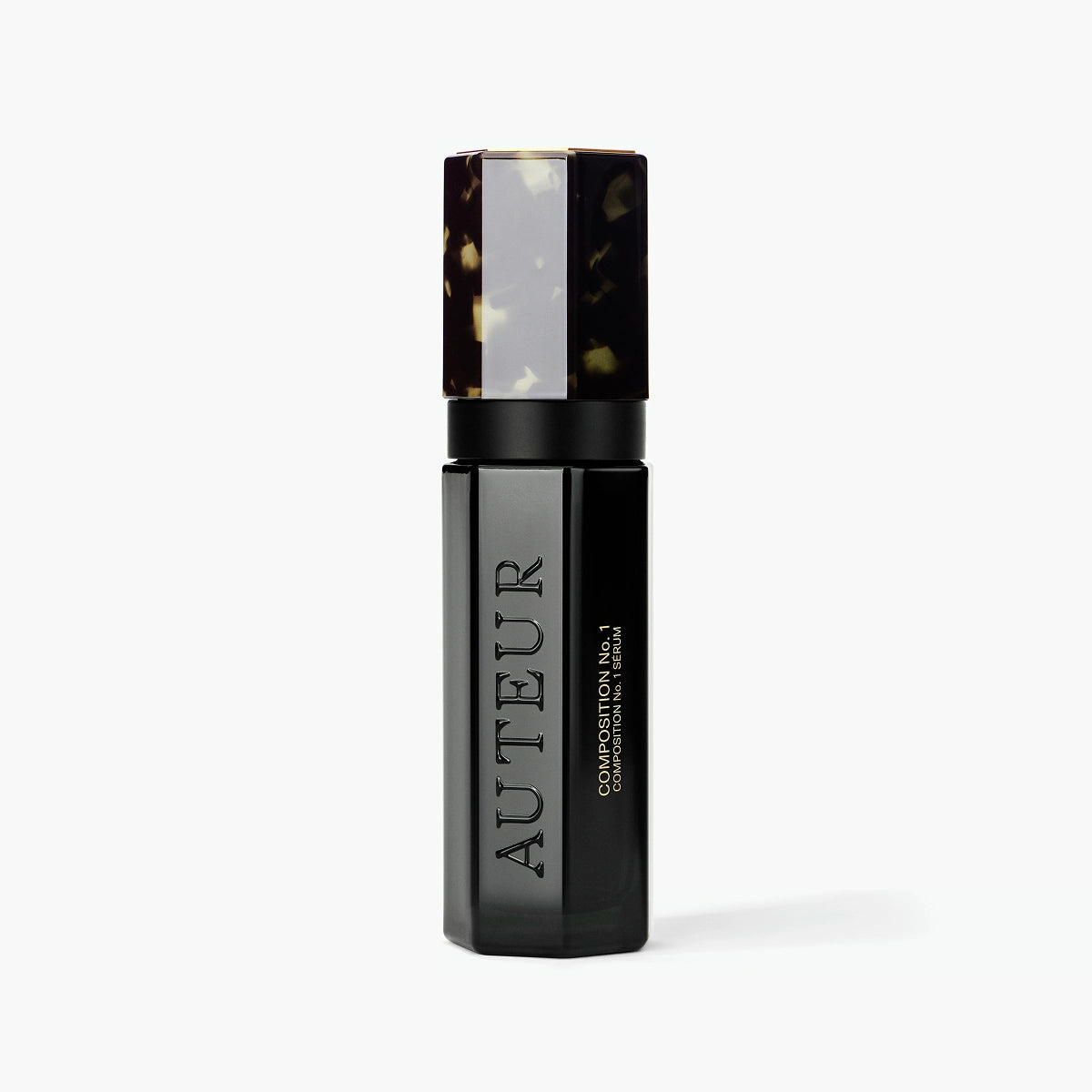
Definitive Retinol Serum
Encapsulated retinol with bakuchiol in a fragrance-free base. Encapsulation provides time-release delivery that significantly reduces the irritation profile of standard retinol while maintaining clinical efficacy. Formulated in Germany. Designed to integrate cleanly with a peptide-forward morning routine.
Explore the Retinol SerumThe Peptides and Retinol Dual Routine
Definitive Line Serum (Peptides)
Signal peptide dose in the AM. Collagen synthesis signal delivered before the day begins. Follow with SPF.
SPF 50
Non-negotiable when using retinol. UV exposure undoes retinol's work and compounds the photosensitivity.
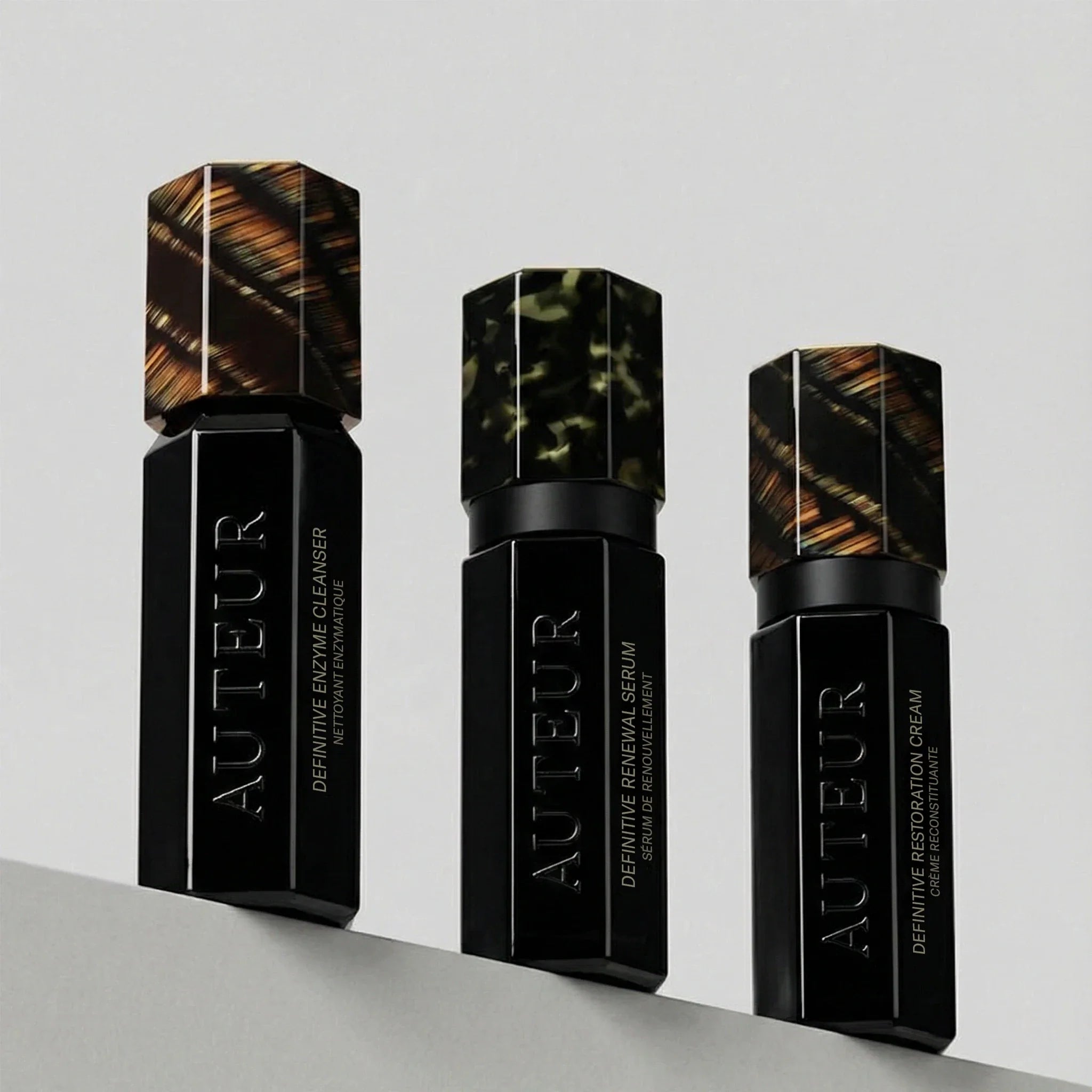
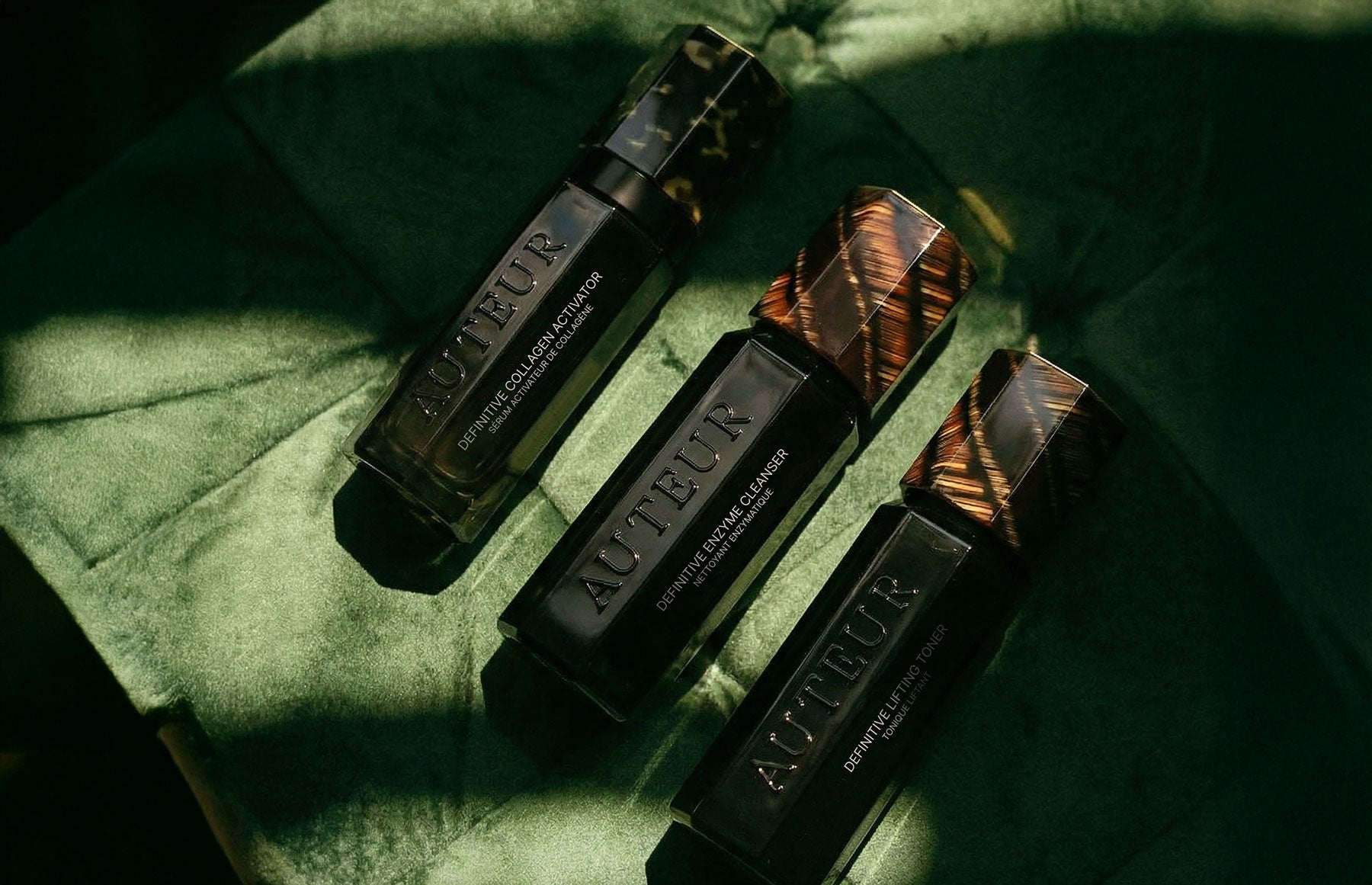
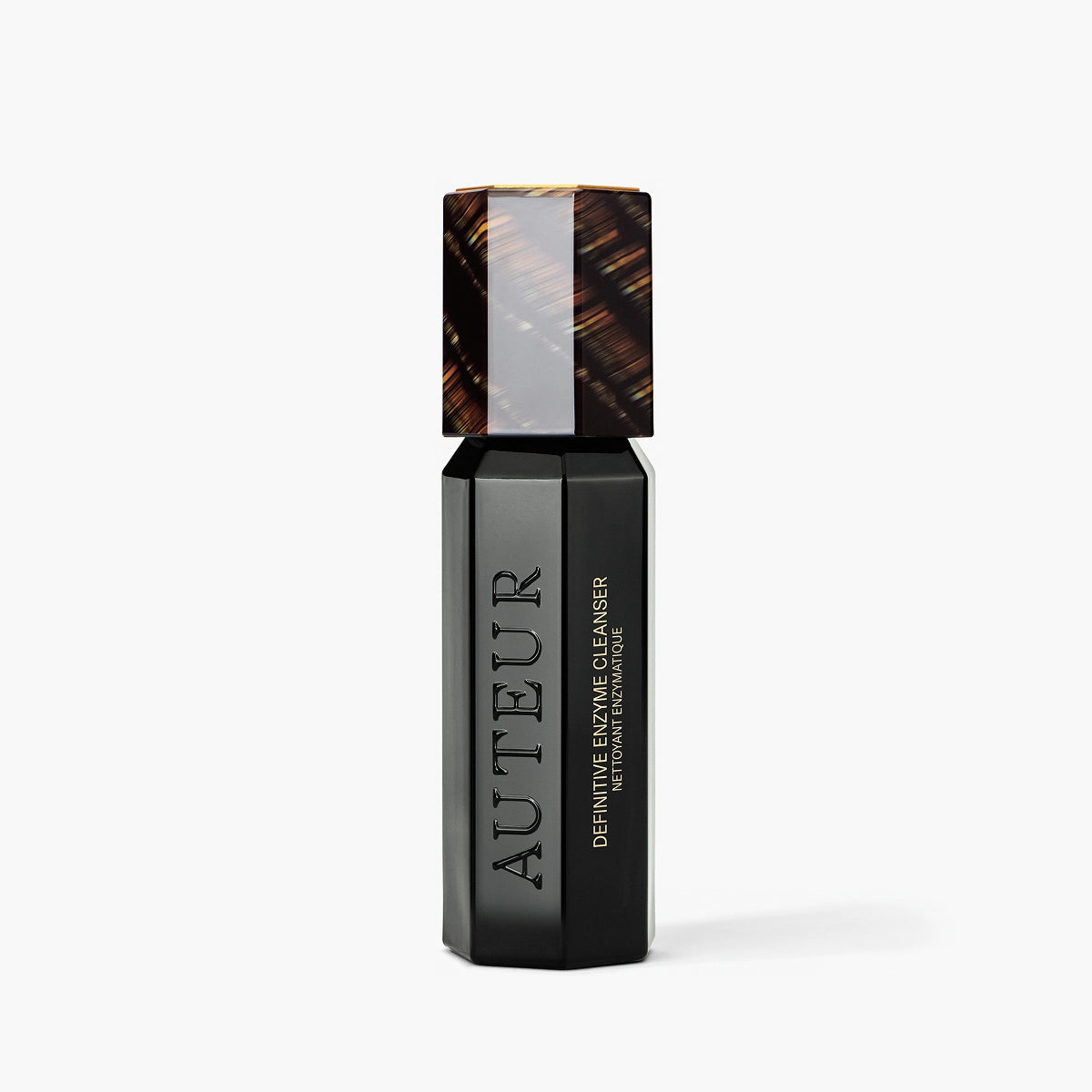
Enzyme Cleanser
Remove SPF and environmental residue without disrupting the pH balance the evening actives need.
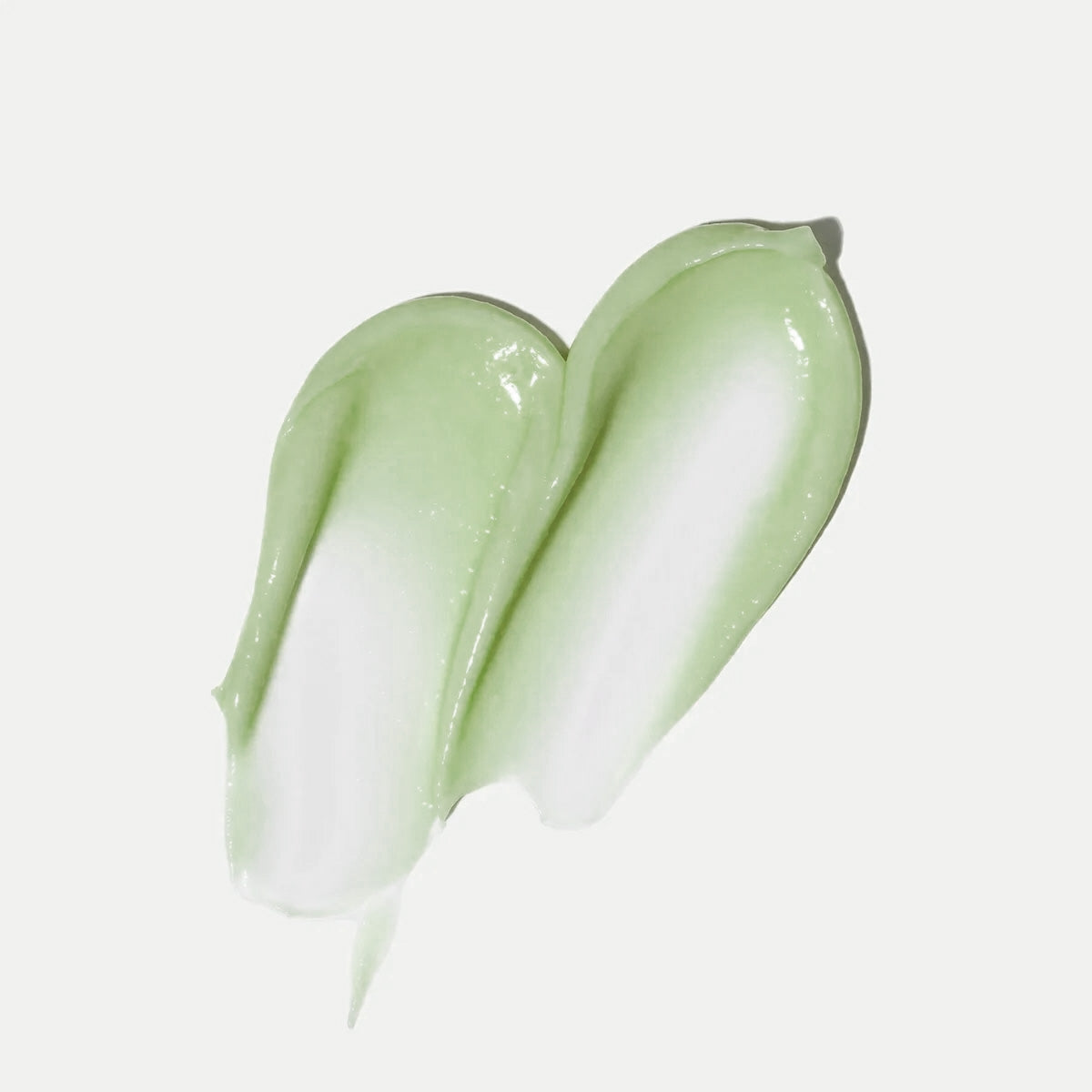
Definitive Retinol Serum
3 to 4 drops, 20 minutes before moisturiser. Begin at 2 to 3 nights per week and build over 4 weeks.
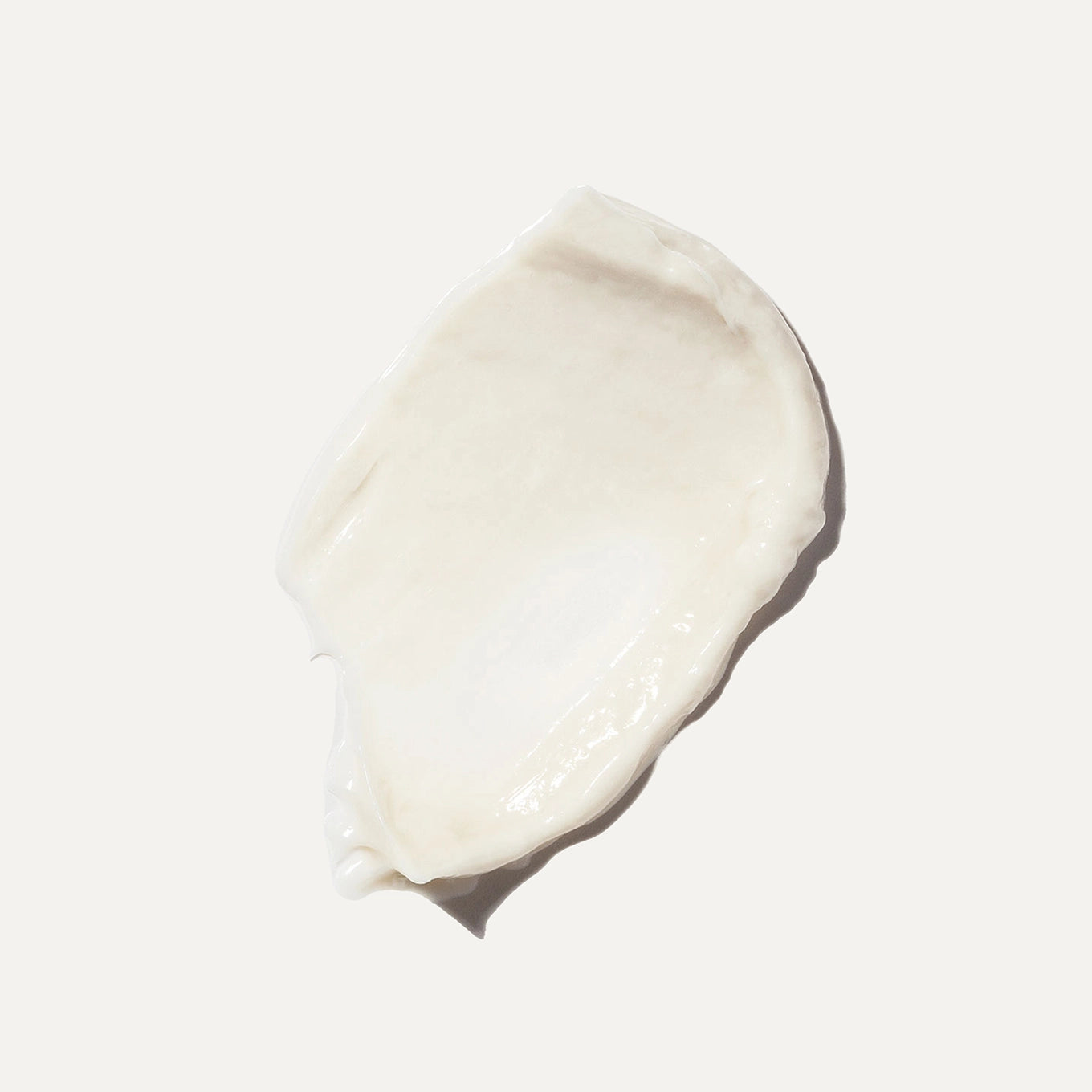
Restoration Cream
Ceramide-rich moisturiser seals the retinol layer and supports barrier recovery through the night.