


Plant-derived exosomes in skincare are now sold alongside human-derived ones, and the two are not interchangeable. An exosome serum built on vesicles from a human stem cell line, a platelet concentrate, a ginger root or a cultured microalga carries different cargo, different regulatory status, different sourcing questions and a different depth of evidence. The word exosome on a label tells you almost none of this.
This article sets out what an extracellular vesicle is, what each source is known to contain, what the regulators have said, and how much of the published evidence is in cells, in animals or in people. The honest position is that topical exosome research is early for every source, and that the case for a plant or microalgae origin rests on safety, consistency and ethics rather than on a proven superiority of effect.
Human-derived exosomes raise sourcing and regulatory questions the category has not settled.
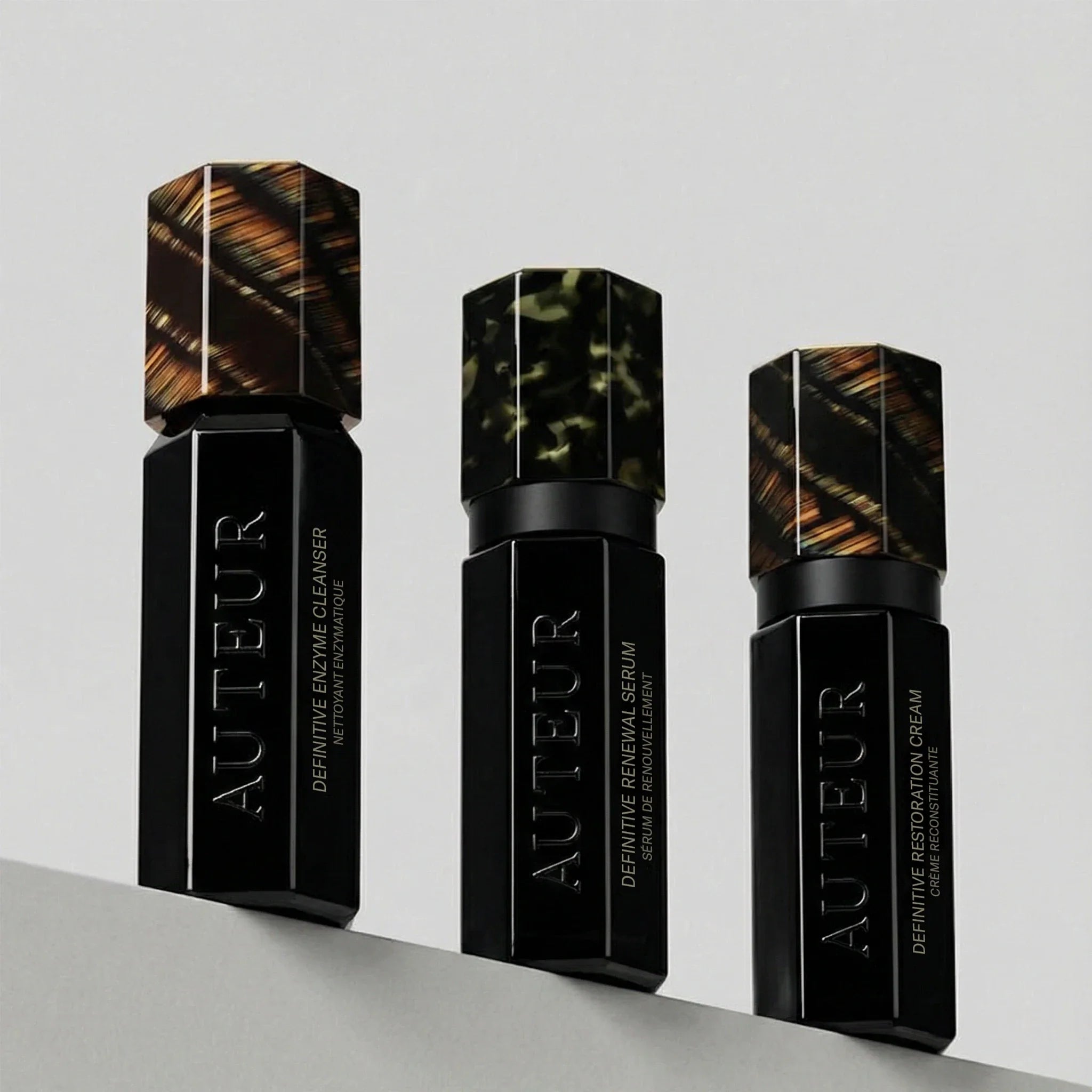
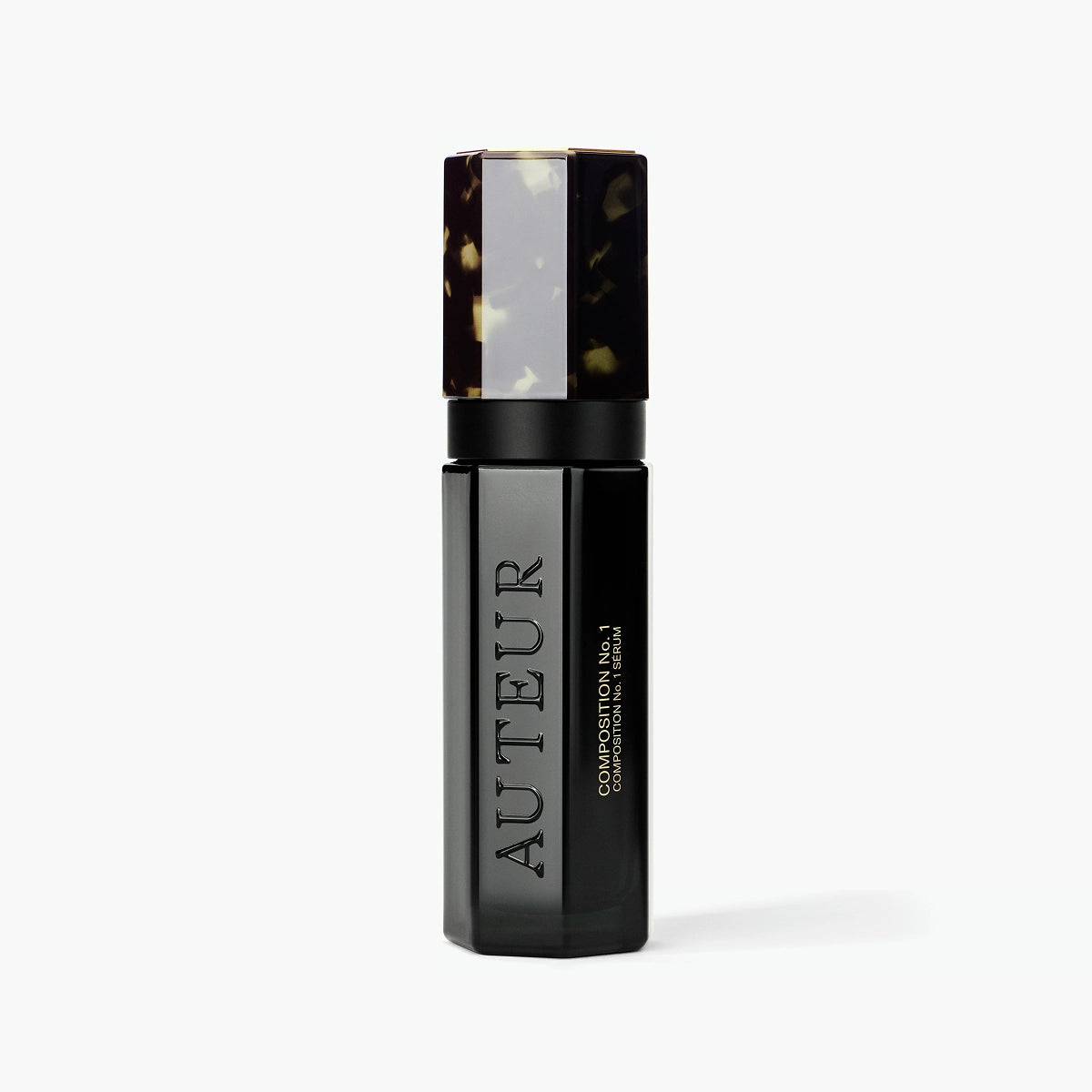
Superlative Exosome Serum uses vegan biomimetic exosomes derived from microalgae, in a non-retinoid base. It launches on 11 November.
What an extracellular vesicle is
Every living cell releases small membrane-bound particles into its surroundings. The field calls them extracellular vesicles, and the review by van Niel, D'Angelo and Raposo in Nature Reviews Molecular Cell Biology sets out the biology: exosomes in the strict sense are formed inside the cell in multivesicular bodies and released when those fuse with the surface, whereas microvesicles bud directly from the plasma membrane. Both carry a selected cargo of proteins, lipids and nucleic acids, including microRNAs, from the parent cell to a recipient cell, which takes them up and changes its behaviour in response (van Niel et al., 2018). This is cell-to-cell signalling by parcel rather than by dissolved molecule.
The size range usually quoted for exosomes is 30 to 150 nanometres (Haykal et al., 2025), which places them below the resolution of a light microscope and about a thousand times smaller than a skin cell. Because origin is hard to prove once a vesicle has left its cell, the International Society for Extracellular Vesicles recommends the generic term extracellular vesicle unless the biogenesis pathway has been demonstrated, and its MISEV2018 position statement sets minimum standards for how a preparation should be characterised: particle concentration, size distribution, protein markers and purity (Théry et al., 2018). Very few cosmetic ingredients are described to that standard, which is the first thing to know when reading a label.
The introductory article on exosomes covers the signalling biology in more depth. Therefore the question here is narrower: given that a vesicle is a parcel, who packed it, and what does the evidence say about the contents.
The growth of the field, by publication count
The research interest is real and recent. A PubMed search for papers mentioning exosomes or extracellular vesicles together with skin or dermatology returns a single paper for 2010, nine for 2014, 150 for 2020 and 501 for 2025. The curve is steep, but it is worth reading it correctly: most of those papers are mechanistic studies in cells or mice, reviews, or work on diagnostic markers, and only a small fraction are controlled trials of a topical product on human skin.

Human-derived exosomes and the regulators
The first generation of exosome products in aesthetics came from human sources: mesenchymal stem cells grown in culture, adipose-derived cells, umbilical cord cells and platelet concentrates. The logic is direct. A vesicle released by a human fibroblast or stem cell carries human signals, including growth factors and microRNAs, that a human skin cell is equipped to read. The dermatology reviews published in 2025 note that the market is dominated by formulations derived from human stem cells and that clinical studies have reported effects on skin ageing, scarring, hair and melasma, largely in combination with procedures such as microneedling (Nahm et al., 2025).
But the regulatory position is unambiguous. On 6 December 2019 the US Food and Drug Administration issued a public safety notification on exosome products, stating that there are no FDA-approved exosome products and citing multiple reports of serious adverse events in patients in Nebraska who had been treated with unapproved preparations (US FDA, 2019). The 2025 review by Haykal and colleagues in the Journal of Drugs in Dermatology restates that there are currently no FDA-approved exosomes and lists the unresolved problems: inconsistent isolation methods, source variability, and the absence of long-term safety and efficacy trials (Haykal et al., 2025).
Sourcing raises its own questions. A human-derived vesicle preparation depends on a donor, a cell line, a culture medium and a purification process, and the cargo changes with all four. Batch consistency has to be demonstrated rather than assumed. There are also ethical and disclosure questions about tissue origin that a buyer is entitled to have answered, and which a cosmetic label does not address. Therefore a human-derived exosome in a topical product is an unapproved biologic ingredient of variable composition, sold on the strength of a mechanism rather than a regulated standard.
Plant and microalgae-derived vesicles
Plants release vesicles too, and the research on them started with food. Ju and colleagues at the University of Louisville showed in 2013 that grape-derived exosome-like nanoparticles are taken up by intestinal stem cells in mice, induce them to proliferate and protect against chemically induced colitis, with the vesicle lipids playing a role in the effect (Ju et al., 2013). Ginger, grapefruit, lemon and broccoli vesicles followed. Kim and colleagues' 2022 review summarises their fundamental features: they are minimally cytotoxic to healthy tissue, highly biocompatible, and taken up by mammalian cells through endocytosis, which makes them candidates both as active ingredients and as carriers for other molecules (Kim et al., 2022).
Microalgae are the newest source and in some respects the most interesting for a formulator. A group at the Italian National Research Council in Palermo has isolated vesicles, which they call nanoalgosomes, from the edible green microalga Tetraselmis chuii, and in 2026 reported that these vesicles protected cultured human skin cells from ultraviolet B damage, reducing oxidative stress and the senescence-associated phenotype, and reduced melanin content in UVB-stimulated melanocytes by downregulating tyrosinase (Gargano et al., 2026). The same group has published a scalable tangential flow filtration protocol for producing them. A closed photobioreactor is a more controllable source than a tissue donor: the organism, the medium, the light and the harvest are fixed, which is the precondition for batch consistency that human-derived vesicles struggle to meet.
Stability is the other practical argument. Human-derived vesicle preparations are commonly supplied lyophilised and reconstituted at the point of use, because vesicles degrade in an aqueous base over time. Plant and algal vesicles are not immune to this, but their membranes are built from plant lipids and the research literature treats them as comparatively robust carriers that stabilise their cargo, including microRNAs and hydrophobic molecules, which is one of the four properties the 2026 dermatology review singles out (Burshtein et al., 2026). A formulator still has to prove that the vesicles survive in the finished serum, and should be asked to.
How much of the evidence is in people
This is the section the category most often skips. For human-derived exosomes, the 2025 reviews report clinical studies on skin ageing, scarring, hair and melasma, but these are predominantly small, often uncontrolled, and frequently combine the exosome with a procedure that has its own effect, so the exosome's contribution cannot be isolated (Nahm et al., 2025; Haykal et al., 2025). For plant-derived vesicles, the 2026 review is explicit in its limitations: the evidence is constrained by a predominance of preclinical data, by variability in isolation and characterisation methods across studies, and clinical data remains limited, consisting mainly of case studies with rose stem cell vesicles in atopic dermatitis, psoriasis and wound healing (Burshtein et al., 2026). For microalgae, the published skin data are in cultured cells.
But early is not the same as empty. Four things are reasonably established across sources: vesicles are taken up by skin cells; their cargo alters recipient cell behaviour in culture; plant and algal vesicles show low cytotoxicity in the models used; and the signalling involved, including suppression of inflammatory cytokines and support for matrix production, is the kind that would be relevant to ageing skin if it occurs at the applied dose in vivo. What is not established is the size of the effect on a human face over months, and any product that states one is ahead of its evidence.
The choice between plant-derived and human-derived exosomes is not yet a choice between proven and unproven effects; both are early. It is a choice about regulatory status, batch consistency, sourcing ethics and stability, and on each of those a microalgae vesicle grown in a closed system has the clearer answer.
What a buyer should ask
Therefore the useful questions are about the supplier's evidence rather than the category's promise. Ask what organism or tissue the vesicles come from and whether that source is fixed. Ask whether the preparation has been characterised to the MISEV2018 standard, meaning a particle concentration, a size distribution and marker proteins, rather than described only as an extract. Ask whether the vesicles have been shown to survive in the finished formulation for its shelf life. Ask what the supporting data actually consist of, and whether any of it is in human skin. And ask what else is in the serum, because a vesicle complex on its own is a signal without a structure to act on.
AUTEUR's answer to the last question is the Superlative Exosome Serum, which launches on 11 November 2026 with early access from 9 November. It is built on vegan biomimetic exosomes derived from microalgae, with a goji stem cell signalling activator, the neuropeptide Acetyl Hexapeptide-30, centella asiatica and layered hydration, in a non-retinoid base used as the treatment serum step morning and evening after the Superlative Essence. The peptide primer explains the neuropeptide class the hexapeptide belongs to. No in-vivo trial has been run on the finished serum, and the ingredient literature above is the evidence on which it rests. Until it arrives, Superlative Serum Phi is the regenerative step in the line.
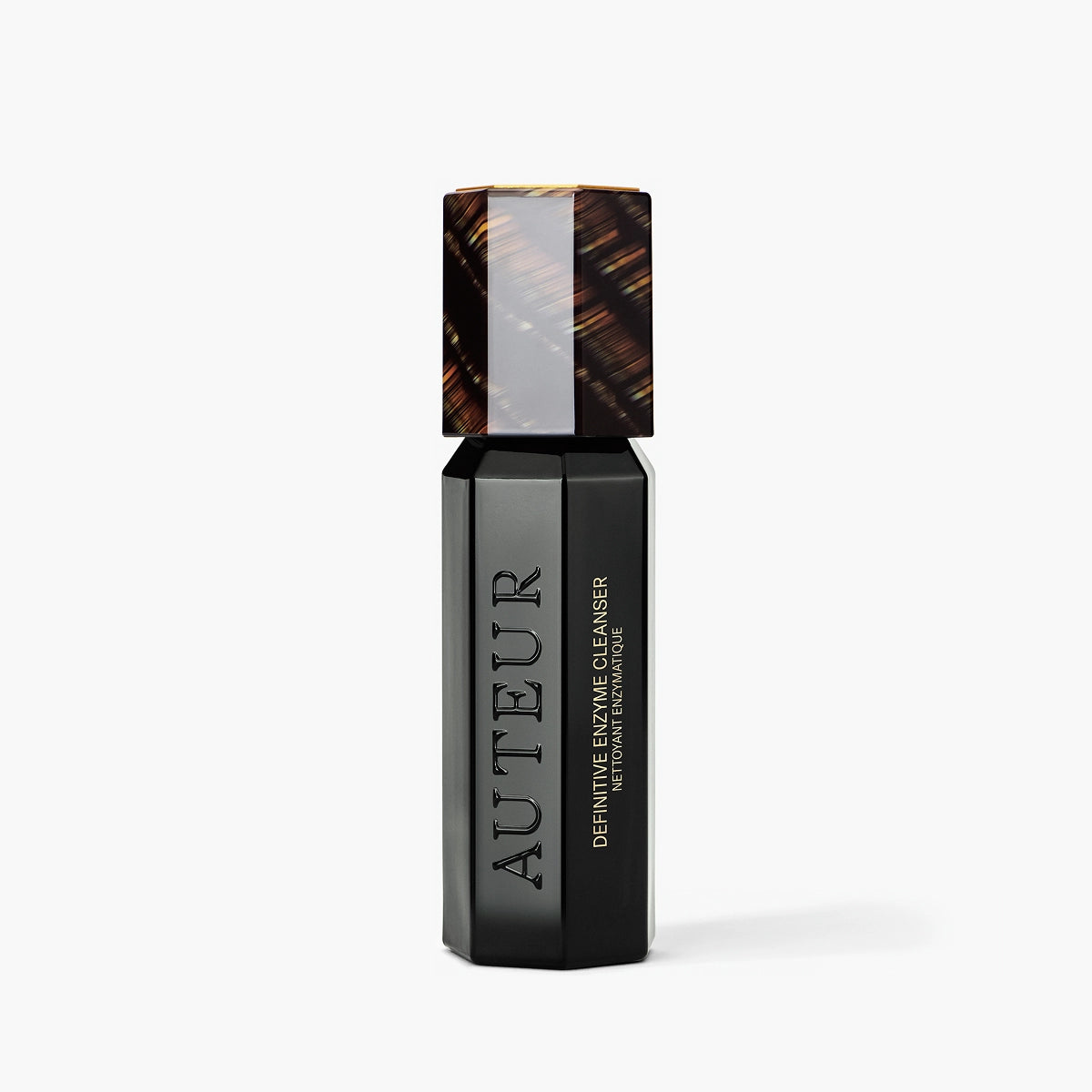
AUTEUR Superlative Exosome Serum
$740 · 30ml · Launches 11 November 2026
Vegan biomimetic exosomes derived from microalgae, a goji stem cell signalling activator, Acetyl Hexapeptide-30, centella asiatica and layered hydration in a non-retinoid base. Used as the treatment serum step morning and evening after the Superlative Essence, before Cream Voyage. Early access opens 9 November. Superlative Serum Phi is the current regenerative step in the line.
Explore the Superlative LineFrequently Asked Questions
What are plant-derived exosomes in skincare?
They are extracellular vesicles, typically 30 to 150 nanometres across, released by plant or algal cells and enclosed in a lipid membrane that carries proteins, lipids and small RNAs. The research literature calls them plant-derived exosome-like nanoparticles or plant-derived extracellular vesicles, because the term exosome strictly refers to vesicles of a specific cellular origin. In skincare they are used as a signalling and delivery ingredient in non-retinoid serums.
Are human-derived exosomes FDA approved?
No. The US Food and Drug Administration issued a public safety notification on 6 December 2019 stating that there are no FDA-approved exosome products, after reports of serious adverse events in patients treated with unapproved exosome preparations in Nebraska. Reviews published in 2025 confirm that this remains the position. Human-derived exosomes sold for topical cosmetic use are not approved biologics.
Do plant exosomes work on skin?
The evidence is early. Most published data on plant and microalgae vesicles comes from cell culture and animal models, with a small number of clinical case series. A 2026 review in the Journal of Clinical and Aesthetic Dermatology concluded that clinical data on plant-derived vesicles remains limited and called for controlled trials. The ingredient is plausible and well tolerated in the data so far, but no one can honestly promise a result from it yet.
Are plant exosomes vegan?
Yes. Vesicles isolated from plants or from cultured microalgae involve no animal or human tissue. Microalgae such as Tetraselmis chuii can be grown in closed photobioreactors, which gives a consistent, scalable and traceable source. Human-derived exosomes require donor cells, and platelet-derived exosomes require blood products.
When does the AUTEUR Superlative Exosome Serum launch?
The Superlative Exosome Serum launches on 11 November 2026 at $740 for 30ml, with early access for registered clients from 9 November. It is built on vegan biomimetic exosomes derived from microalgae with a goji stem cell signalling activator, Acetyl Hexapeptide-30 and centella asiatica, and is used as the treatment serum step after the Superlative Essence. Until then, Superlative Serum Phi is the regenerative step in the line.
References
1. van Niel, G., D'Angelo, G., Raposo, G. (2018). Shedding light on the cell biology of extracellular vesicles. Nature Reviews Molecular Cell Biology, 19(4), 213 to 228.
2. Théry, C., Witwer, K.W., Aikawa, E., et al. (2018). Minimal information for studies of extracellular vesicles 2018 (MISEV2018): a position statement of the International Society for Extracellular Vesicles and update of the MISEV2014 guidelines. Journal of Extracellular Vesicles, 7(1), 1535750.
3. Haykal, D., Wyles, S., Garibyan, L., Cartier, H., Gold, M. (2025). Exosomes in cosmetic dermatology: a review of benefits and challenges. Journal of Drugs in Dermatology, 24(1), 12 to 18.
4. Nahm, W.J., Nikas, C., Goldust, M., et al. (2025). Exosomes in dermatology: a comprehensive review of current applications, clinical evidence, and future directions. International Journal of Dermatology, 64(11), 1995 to 2010.
5. US Food and Drug Administration (2019). Public Safety Notification on Exosome Products. 6 December 2019. US Food and Drug Administration, fda.gov, Vaccines, Blood and Biologics safety notifications.
6. Ju, S., Mu, J., Dokland, T., et al. (2013). Grape exosome-like nanoparticles induce intestinal stem cells and protect mice from DSS-induced colitis. Molecular Therapy, 21(7), 1345 to 1357.
7. Kim, J., Li, S., Zhang, S., Wang, J. (2022). Plant-derived exosome-like nanoparticles and their therapeutic activities. Asian Journal of Pharmaceutical Sciences, 17(1), 53 to 69.
8. Burshtein, J., Wei, J., Majewska, L., Schlesinger, T. (2026). Plant-derived extracellular vesicles in dermatology: a review of emerging therapeutic applications. Journal of Clinical and Aesthetic Dermatology, 19(2), 15 to 21.
9. Gargano, P., Picciotto, S., Paterna, A., et al. (2026). Extracellular vesicles from microalgae as natural bioactive agents for UVB protection, anti-aging, and skin depigmentation. Biomedicine and Pharmacotherapy, 194, 118961.