
The benefits of skincare that is fragrance-free, as opposed to merely unscented, are easy to state and surprisingly well measured. Fragrance ingredients are one of the most frequent causes of allergic contact dermatitis in every large patch-test series published in Europe and North America, and the frequency rises with age. For a product applied to the face every day for years, that is a cost with no corresponding function.
This article sets out the data: what proportion of people react, which molecules are responsible, what the European Union requires on a label, and why the terms unscented and fragrance-free, which are used interchangeably, do not mean the same thing. It then explains why skin past forty has the most to gain from removing fragrance, and how AUTEUR has applied that reasoning to its own formulations.
Fragrance is a leading cause of contact allergy to cosmetics, and it does nothing for the skin.
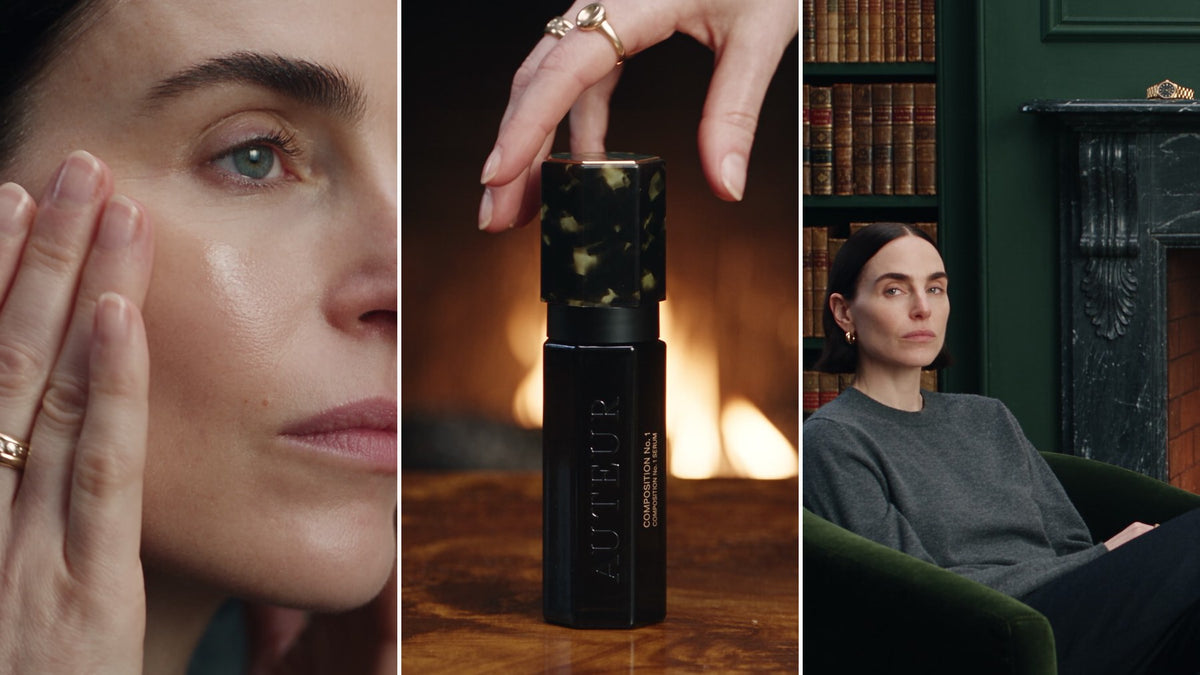
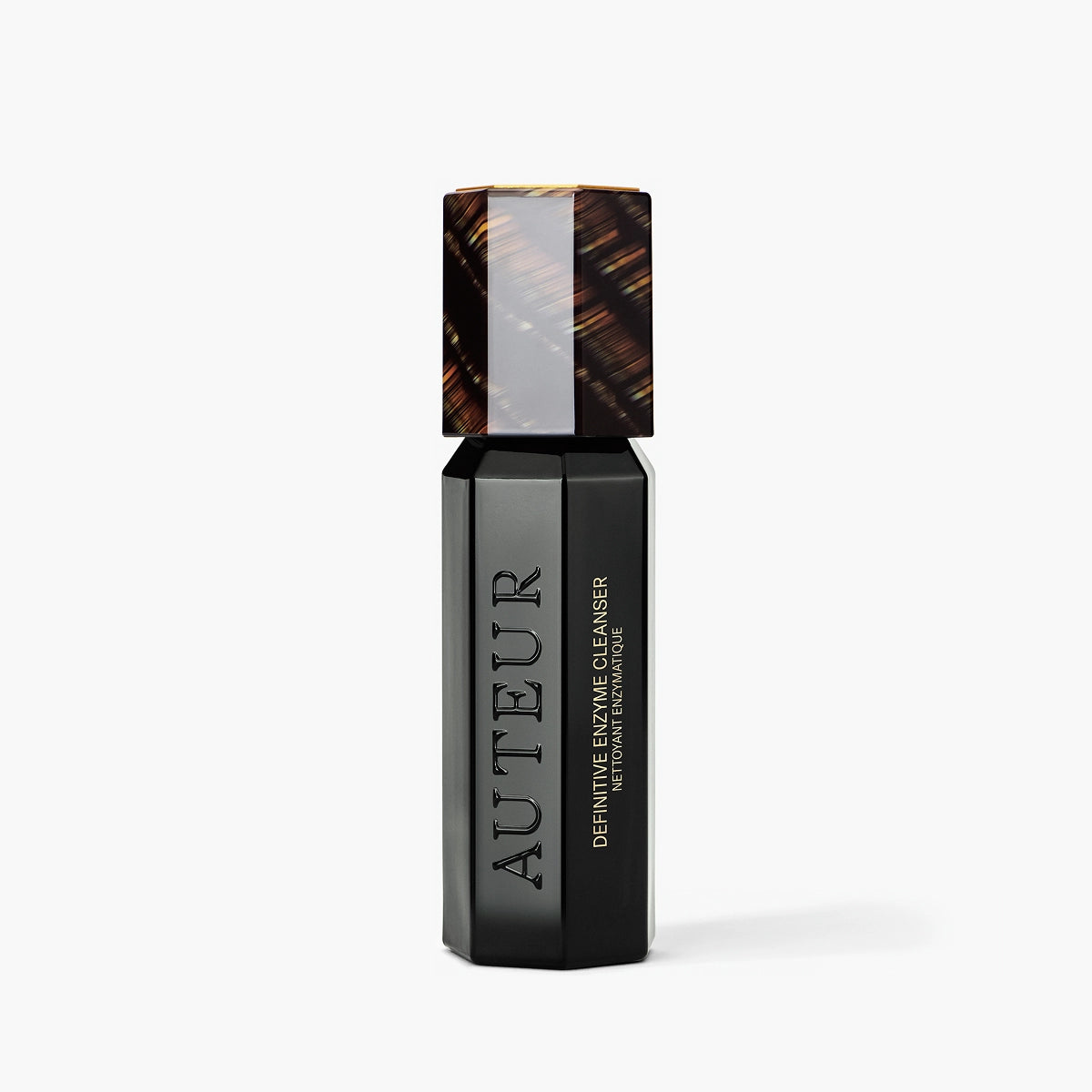
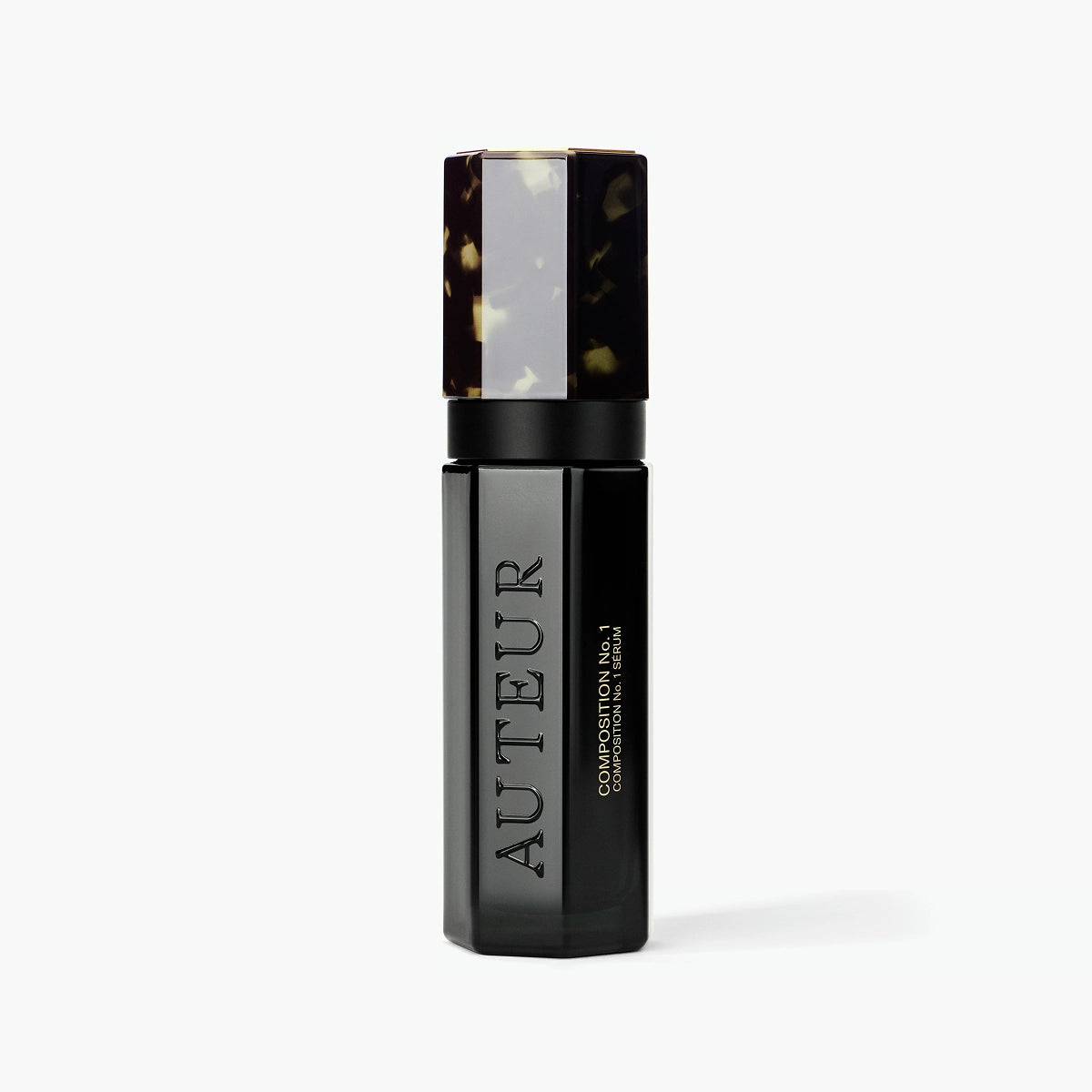
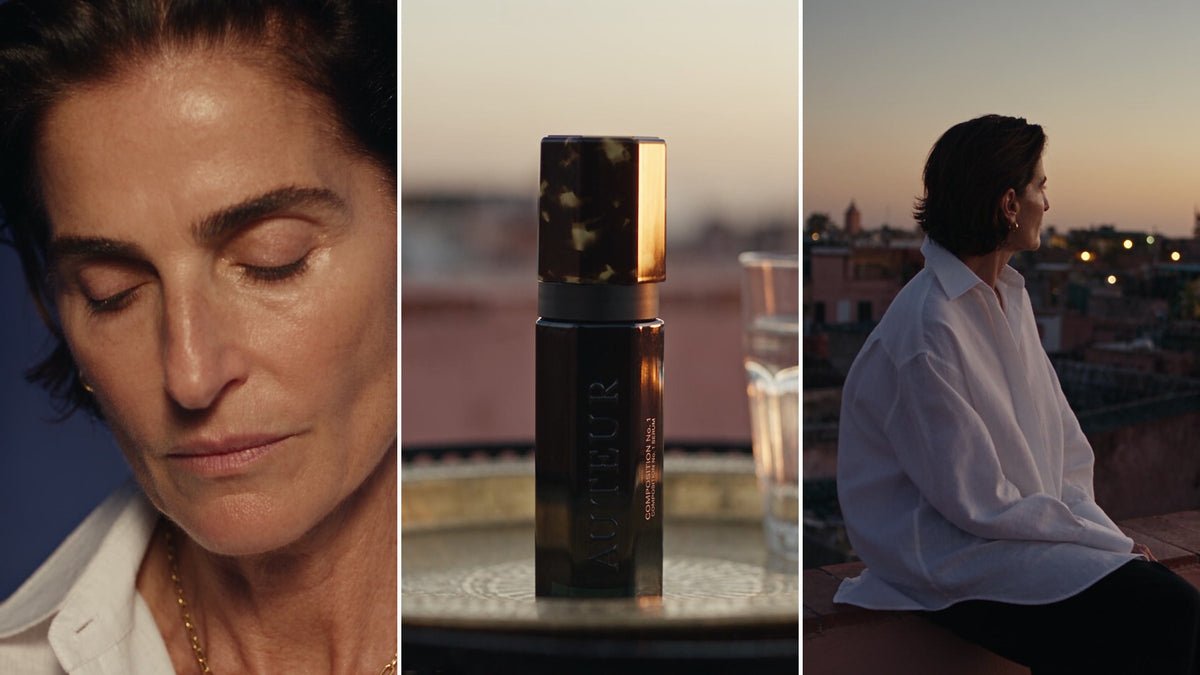
Composition No. 1 contains no fragrance, no parfum and none of the 26 labelled allergens. One treatment step in the evening.
How many people react to fragrance
The diagnostic tool is the patch test, in which a standard mixture of fragrance ingredients, the fragrance mix, is applied under occlusion to the back for 48 hours and read at day two and day four. Johansen's 2003 review in the American Journal of Clinical Dermatology summarised the position at the time: the fragrance mix gives a positive reaction in about 10% of patch-tested patients with eczema, and the best estimates placed sensitisation at 1.7 to 4.1% of the general population. The review also counted around 2,500 fragrance ingredients in use, of which at least 100 are known contact allergens, and found well-known allergens from the mix present in 15 to 100% of cosmetic products analysed (Johansen, 2003).
The population figure has since been measured directly. The European Dermato-Epidemiology Network sampled 12,377 adults aged 18 to 74 across Sweden, the Netherlands, Germany, Italy and Portugal, patch-tested a random 3,119 of them, and found 27.0% with at least one positive reaction to the European baseline series. Fragrance mix II was positive in 1.9% and fragrance mix I in 1.8% of the general population, with hydroxyisohexyl 3-cyclohexene carboxaldehyde, a single fragrance molecule, at 1.4% (Diepgen et al., 2016). These are people who had not sought a dermatologist, which makes the number conservative.
Among people who do present with dermatitis the figures are higher. The North American Contact Dermatitis Group tested 4,121 patients across 13 centres in 2019 and 2020 against 80 allergens. Fragrance mix I was positive in 12.8%, hydroperoxides of linalool in 11.1% and hydroperoxides of limonene in 3.5%, and the group reported that fragrance mix I and linalool hydroperoxide positivity had both increased statistically against the previous two-year period (DeKoven et al., 2023). In Copenhagen, 6,004 consecutive dermatitis patients tested against all 26 labelled fragrance allergens gave a sensitisation rate of 15.7% (Bennike et al., 2017).
Therefore the right reading of these numbers is not that fragrance harms everyone. It is that among people with skin problems severe enough to reach a clinic, roughly one in seven is sensitised to a fragrance ingredient, and among people with no complaint at all, roughly one in fifty is. Both groups are buying skincare.
The 26 labelled allergens
The European Union cosmetics regulation requires 26 fragrance substances to be named individually on the ingredient list when they exceed 0.001% in a leave-on product or 0.01% in a rinse-off product. The list includes every constituent of fragrance mix I and II: cinnamal, cinnamyl alcohol, eugenol, isoeugenol, geraniol, hydroxycitronellal, amyl cinnamal, oak moss and tree moss extracts, citral, coumarin, farnesol, lyral and others, as well as limonene and linalool (Bennike et al., 2017). If you see those names at the end of an ingredient list, the product contains fragrance regardless of what the front of the pack says.
But the Copenhagen study made a second point that matters more for a formulator. When all 26 were tested individually, the most frequent single sensitisers were not the classic mix constituents. They were hydroperoxides of linalool at 3.9%, Evernia furfuracea (tree moss) at 3.0% and hydroperoxides of limonene at 2.5%. A substantial share of patients who reacted to individual fragrances were negative to the mixes used in routine screening, which means standard patch testing underestimates fragrance allergy (Bennike et al., 2017). The practical consequence: a person who has been told they are not allergic to fragrance may still be reacting to it.

Limonene, linalool and the oxidation problem
Limonene and linalool are the two most widely used fragrance terpenes, present in citrus, lavender, bergamot, tea tree and most floral accords. In their pure form they are weak sensitisers. On contact with air they autoxidise into hydroperoxides, and the hydroperoxides are potent sensitisers. This matters because a bottle of serum or cream is opened daily, and each opening admits oxygen.
The UK audit by Audrain and colleagues quantified it. Across 13 dermatology departments, 4,731 consecutive patients were tested with limonene hydroperoxides at 0.3% and linalool hydroperoxides at 1.0%, alongside the stabilised, unoxidised terpenes at 10%. Positive reactions were seen in 5.0% to oxidised limonene and 5.9% to oxidised linalool. Only 0.2% reacted to the stabilised terpenes alone. A further 7.3% showed irritant reactions to one or both oxidised forms (Audrain et al., 2014). Thirty times the concentration of the unoxidised molecule produced one twenty-fifth of the reactions: the allergen is the oxidation product, not the fragrance as bottled.
Therefore the exposure a consumer actually receives from a scented product is not the exposure the formulator intended. It changes over the life of the bottle, and it changes fastest in a wide-mouthed jar used in a warm bathroom. No stability test on a fresh sample captures this.
Fragrance-free, unscented and essential oils: three different things
The labelling terms are not regulated to a common definition, and they are used inconsistently. The seg panels below set out the operational meaning of each, drawn from the Johansen review and the Copenhagen allergen data.
| Dimension | Labelled fragrance-free |
|---|---|
| Intended meaning | No fragrance ingredients added for scent |
| What can still be present | Fragrance chemicals used as preservatives, masking agents or botanical extracts; Johansen documents products so labelled that contained them |
| How to verify | Read the ingredient list for the 26 named allergens, and for parfum or aroma |
| Oxidation risk | None if the list is clean |
| Dimension | Labelled unscented |
|---|---|
| Intended meaning | No perceptible smell |
| What can still be present | A masking fragrance added to cover the base odour, which is itself a fragrance exposure |
| How to verify | Parfum or aroma on the list means a fragrance is present |
| Oxidation risk | Same as any scented product |
| Dimension | Natural or essential oils |
|---|---|
| Intended meaning | Scent from plant extracts rather than synthetic molecules |
| What is present | Concentrated limonene, linalool, geraniol, citral and eugenol, the same molecules named among the 26 allergens |
| How to verify | Lavandula, citrus, melaleuca and similar botanical names, usually followed by limonene and linalool |
| Oxidation risk | High: terpene-rich oils autoxidise to hydroperoxides on air exposure |
Essential oils deserve a plain statement because they are the exception most people assume. A lavender oil is not an alternative to linalool; it is a concentrated source of it. The hydroperoxide chemistry is identical whether the terpene was synthesised or distilled, and a natural oil usually arrives with a broader mixture of allergens than a single synthetic accord. De Groot and Frosch's clinical review in Contact Dermatitis lists botanical fragrance sources among the documented causes of cosmetic contact allergy alongside synthetic ones (de Groot and Frosch, 1997).
Why ageing skin has the most to gain
Three lines of evidence converge on skin past forty. The first is epidemiological. Buckley and colleagues at St John's Institute analysed 23,846 patients patch-tested between 1984 and 1998 and plotted fragrance mix allergy by decade of life. It was low in the first two decades, rose steadily, and peaked at 14.4% of women tested in their sixties and 13.7% of men in their seventies before declining slightly in the eighties. The authors concluded that fragrance allergy results from repeated environmental exposure combined with age-related susceptibility (Buckley et al., 2003). Sensitisation is cumulative. Every scented product applied in your thirties is a contribution to the probability in your sixties.
The second is the barrier. Stratum corneum lipid levels, and ceramides in particular, fall significantly with age, as the Unilever seasonal study documented across face, hand and leg (Rogers et al., 1996). A thinner lipid barrier admits more of whatever is applied to it, allergen included, and the autumn barrier article shows how dry air lowers that threshold further for five months of the year.
The third is what ageing skin is being treated with. A routine built around a retinoid, which is the best documented approach to photoageing, deliberately increases epidermal turnover and transiently reduces barrier function in the first weeks. Applying a sensitiser at the same time, in the same layer, on skin that is being asked to tolerate a retinoid, is a formulation choice that works against the active. Therefore the older the skin and the more serious the routine, the stronger the case for leaving fragrance out.
Fragrance allergy is cumulative and peaks in the sixties; the lipid barrier thins with age; and the actives that work on ageing skin lower its tolerance further. Each of the three on its own argues for removing fragrance from a long-term treatment product. Together they make it a formulation requirement rather than a preference.
What AUTEUR removed, and why
The clearest example in the line is Composition No. 1. The 1.1 formulation released in September 2026 removed the light fragrance of the previous version entirely. In a serum carrying encapsulated retinol, four ceramides and six peptides for nightly use over years, fragrance contributed scent and nothing else, and the data above describe what it risked. The reformulation notes set out the other changes made at the same time.
The same reasoning governs where the Superlative Essence sits. It is applied morning and evening to damp skin immediately after cleansing, which is the moment of highest permeability in the routine and therefore the worst moment to introduce a sensitiser of any kind. An essence built around a natural moisturising factor matrix and a growth factor complex is judged on what it delivers to the stratum corneum at that moment, and a terpene has no part in that job. Read the ingredient list of any post-cleanse product against the 26 names above before it goes on damp skin.
But the decision has a cost to acknowledge. A formula without fragrance smells of its ingredients. A retinoid serum has a faint, slightly waxy note; a peptide essence smells of very little. Masking those with a perfume is pleasant at the counter and irrelevant on the skin. AUTEUR has chosen the ingredient over the impression. The German formulation standards article explains how the same principle applies to preservation and packaging.
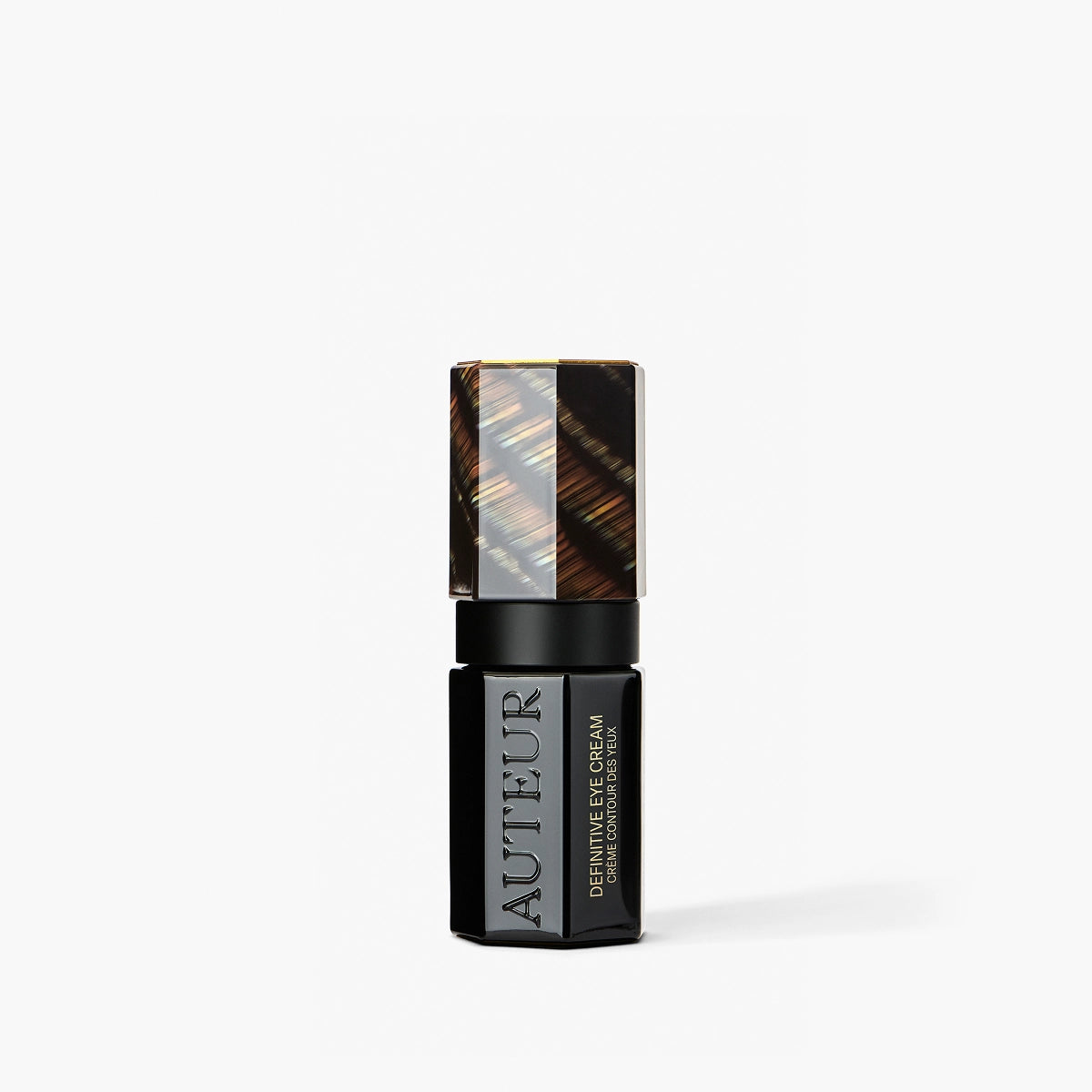
AUTEUR Composition No. 1 Serum
$1,190 · 50ml · Refill $1,150
The 1.1 formulation carries encapsulated retinol, four ceramides with their lipid partners, six peptides across signal, carrier and neuropeptide classes, a perfluorocarbon carrier phase and a humectant base, and contains no fragrance, no parfum and none of the 26 labelled allergens. Applied in the evening as the single treatment step, one to two pumps on dry skin before cream. Made in Germany.
Explore the FormulationFrequently Asked Questions
Is fragrance in skincare bad for your skin?
Fragrance is one of the most frequent causes of allergic contact dermatitis. In the 2019 to 2020 North American Contact Dermatitis Group series, fragrance mix I was positive in 12.8% of 4,121 patch-tested patients and hydroperoxides of linalool in 11.1%. In the European general population, fragrance mix I and II were each positive in about 1.8 to 1.9% of randomly sampled adults. Most people tolerate fragrance, but the risk is not zero and it rises with repeated exposure.
What is the difference between unscented and fragrance-free?
Unscented means the product has no perceptible smell, which is often achieved by adding a masking fragrance. A label reading fragrance-free, taken at its word, means no fragrance ingredients at all, but Johansen's review documents products so labelled that still contained fragrance chemicals as preservatives, masking agents or botanical extracts. The only reliable check is the ingredient list and the absence of the 26 named allergens.
Are essential oils safer than synthetic fragrance?
No. Essential oils are concentrated mixtures of the same terpenes found in synthetic fragrance, including limonene and linalool, which oxidise on contact with air into hydroperoxides that are potent sensitisers. In a UK audit of 4,731 patients, 5.0% reacted to limonene hydroperoxides and 5.9% to linalool hydroperoxides. Lavender, citrus, tea tree and bergamot oils all carry these terpenes.
Does fragrance allergy get worse with age?
The frequency of fragrance allergy among patch-tested patients rises with age. In a London series of 23,846 patients, fragrance mix allergy was low in the first two decades and peaked at 14.4% of women tested in their sixties, with men peaking at 13.7% in their seventies. The authors attributed this to cumulative exposure combined with age-related susceptibility.
Which AUTEUR product had its fragrance removed?
Composition No. 1 had its fragrance removed in the 1.1 formulation released in September 2026. It is a treatment serum designed for nightly use on the face over years alongside a retinoid, which is the use pattern where fragrance exposure accumulates fastest and the barrier is least able to exclude it. The reformulation notes on the journal set out the other changes made at the same time.
References
1. Johansen, J.D. (2003). Fragrance contact allergy: a clinical review. American Journal of Clinical Dermatology, 4(11), 789 to 798.
2. Diepgen, T.L., Ofenloch, R.F., Bruze, M., et al. (2016). Prevalence of contact allergy in the general population in different European regions. British Journal of Dermatology, 174(2), 319 to 329.
3. DeKoven, J.G., Warshaw, E.M., Reeder, M.J., et al. (2023). North American Contact Dermatitis Group patch test results: 2019 to 2020. Dermatitis, 34(2), 90 to 104.
4. Bennike, N.H., Zachariae, C., Johansen, J.D. (2017). Non-mix fragrances are top sensitizers in consecutive dermatitis patients: a cross-sectional study of the 26 EU-labelled fragrance allergens. Contact Dermatitis, 77(5), 270 to 279.
5. Audrain, H., Kenward, C., Lovell, C.R., et al. (2014). Allergy to oxidized limonene and linalool is frequent in the U.K. British Journal of Dermatology, 171(2), 292 to 297.
6. Buckley, D.A., Rycroft, R.J., White, I.R., McFadden, J.P. (2003). The frequency of fragrance allergy in patch-tested patients increases with their age. British Journal of Dermatology, 149(5), 986 to 989.
7. de Groot, A.C., Frosch, P.J. (1997). Adverse reactions to fragrances. A clinical review. Contact Dermatitis, 36(2), 57 to 86.
8. Rogers, J., Harding, C., Mayo, A., Banks, J., Rawlings, A. (1996). Stratum corneum lipids: the effect of ageing and the seasons. Archives of Dermatological Research, 288(12), 765 to 770.