

Heat does not just sit on the skin. It changes how the skin behaves. By July, the same face can read oilier in some places and drier in others, all at once. It is a confusing signal, and it is the reason so many summer routines overcorrect. Here is what is actually happening beneath the surface, and the calm way to answer it.
The instinct in warm weather is to strip: a stronger cleanser, more frequent washing, anything to cut the shine. That instinct is understandable, and it is precisely the wrong move. To see why, it helps to separate two things that summer tends to blur together, oil and water.
Oil and water are two different systems
Skin feeling greasy and skin feeling tight seem like opposites, so it is natural to assume they cannot happen together. They can, because they are produced by two separate mechanisms. Surface oil comes from the sebaceous glands. Hydration is a matter of water held within the stratum corneum, the outermost layer of the skin, and the barrier lipids that keep that water from escaping.
These systems do not move in step. You can have a great deal of oil sitting on skin that is, in its deeper layers, genuinely short on water. In summer, that gap widens. Understanding why requires looking at each system in turn.
Why heat raises sebum
Sebaceous glands are temperature sensitive. As skin temperature climbs, sebum output tends to rise with it. Research on facial sebum has documented both regional differences across the face and seasonal increases in warmer conditions, with the oiliest zones (the forehead, nose, and chin) responding most (Youn et al., 2005). The often cited rule of thumb, that sebum excretion increases meaningfully with each degree of skin surface temperature, reflects this same relationship.
More sebum reads as shine, and it can also read as congestion. When oil output rises and mixes with sweat, sunscreen, and the day's environment, pores can feel more visible and the complexion less clear. So far, this looks like a simple oil problem with a simple oil solution. But the second system complicates the picture.
Why water loss rises at the same time
Heat also accelerates the movement of water out of the skin. Transepidermal water loss, or TEWL, is the rate at which water evaporates through the barrier, and it is a standard measure of barrier function. Warmer skin temperatures and higher sweat rates are associated with increased water loss, and barrier performance itself varies with environmental conditions (Machado et al., 2010).
The barrier, in other words, is working harder in summer to hold onto what the heat keeps pulling out. When it cannot fully keep pace, the deeper layers of the stratum corneum lose water even as the surface glistens with oil. This is the mechanism behind the contradiction: sebum up, hydration down, and both at once.
The stripping trap
Here is where most summer routines go wrong. Faced with shine, the reflex is to strip it back with a stronger, more astringent cleanser. The problem is that harsh surfactants do not remove only surface oil. They also lift the barrier lipids that hold water in the skin.
Strip those lipids and TEWL rises further, so the skin becomes more dehydrated underneath, not less oily on top. In some cases the skin responds to the loss of surface oil by producing more of it. The stripping approach therefore tends to deepen the exact imbalance it set out to fix. The barrier breaks further, not less.
The overhead factor: UV
There is a third pressure that sits above all of this. July brings the year's highest ultraviolet load, and UV is itself a barrier stressor. It generates oxidative stress, degrades collagen over time, and compounds the water loss and inflammation the heat has already set in motion (Krutmann et al., 2017). A stripped or dehydrated barrier is also a less resilient one, so unprotected summer skin loses on two fronts at once.
Daily broad spectrum protection is therefore not a separate concern from the oil and water balance; it is the ceiling that holds the whole system steady. Without it, every other step works against a rising tide.
The answer: balance, not force
Summer skin is not a problem to solve. It is a balance to keep. That reframing changes every decision that follows. Instead of removing as much as possible, the aim is to remove what does not belong while protecting what does, then to restore the water that heat has drawn out.
This is where oil and hydration finally get treated as the separate things they are. You cleanse gently, so the barrier lipids stay intact. You hydrate at depth, so the deeper layers are not left short of water while the surface shines. And you refine with sophistication rather than aggression, so texture and radiance improve without provoking the barrier. Three steps, each answering one part of the summer picture.
A four step summer routine
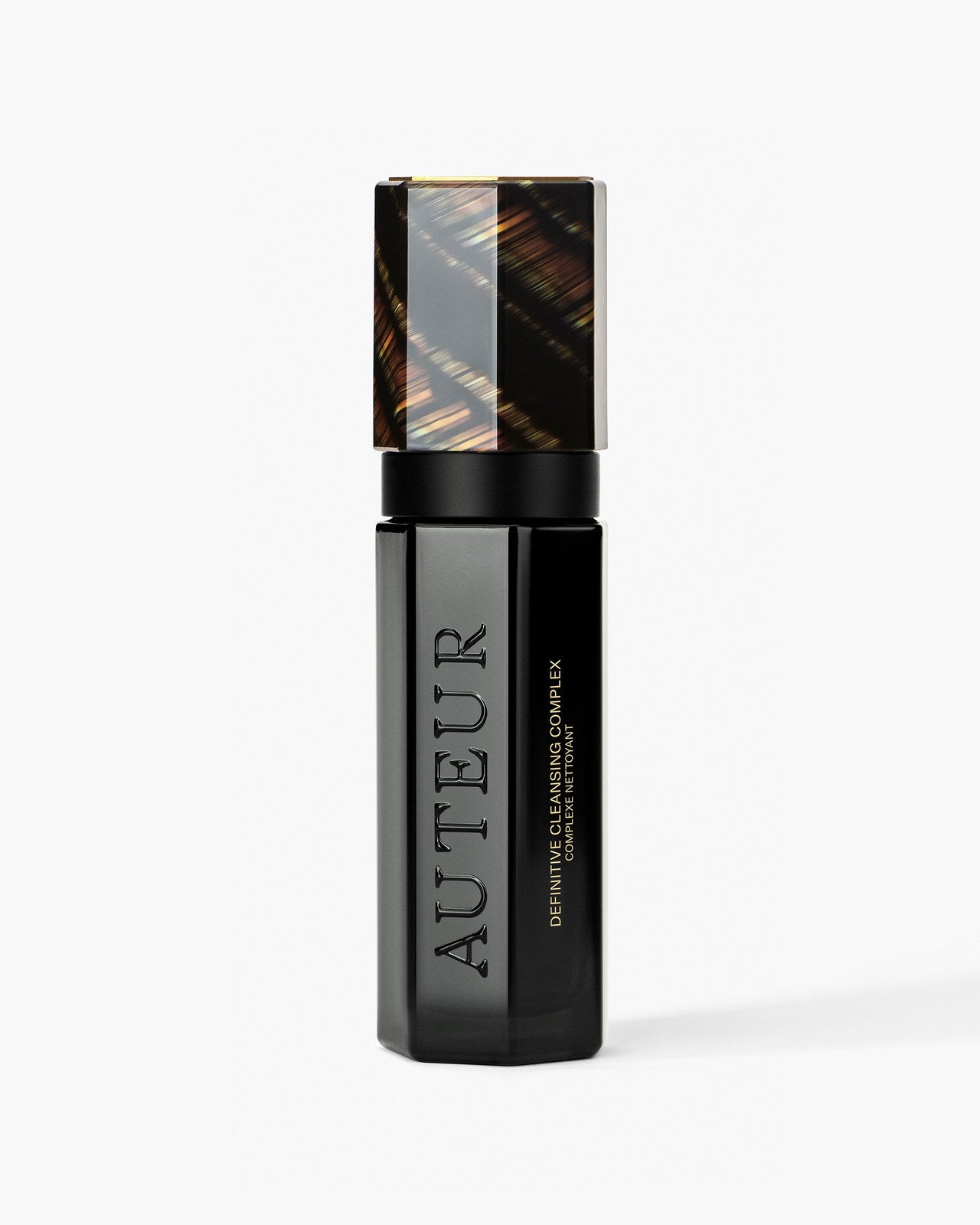
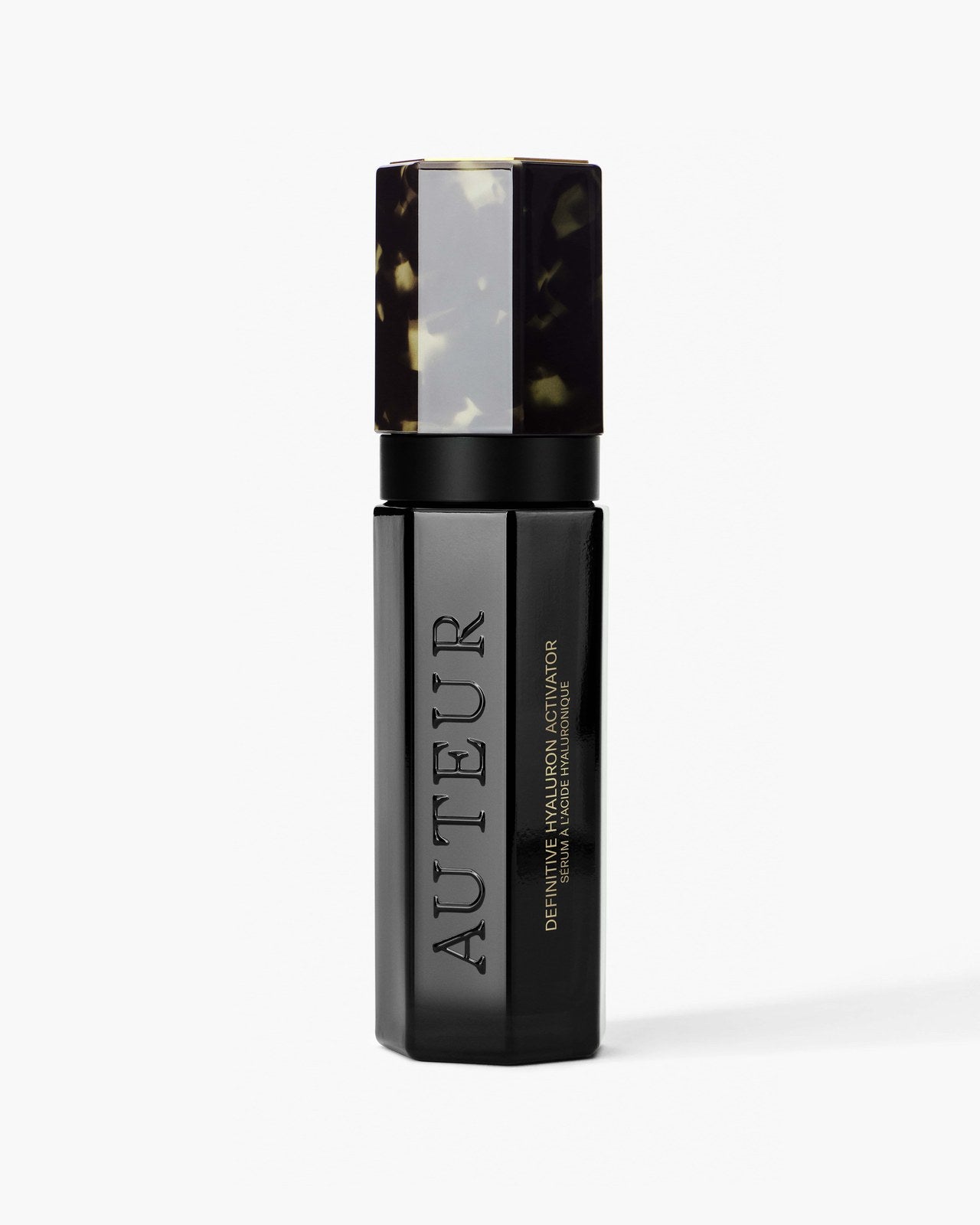

The Summer Essentials
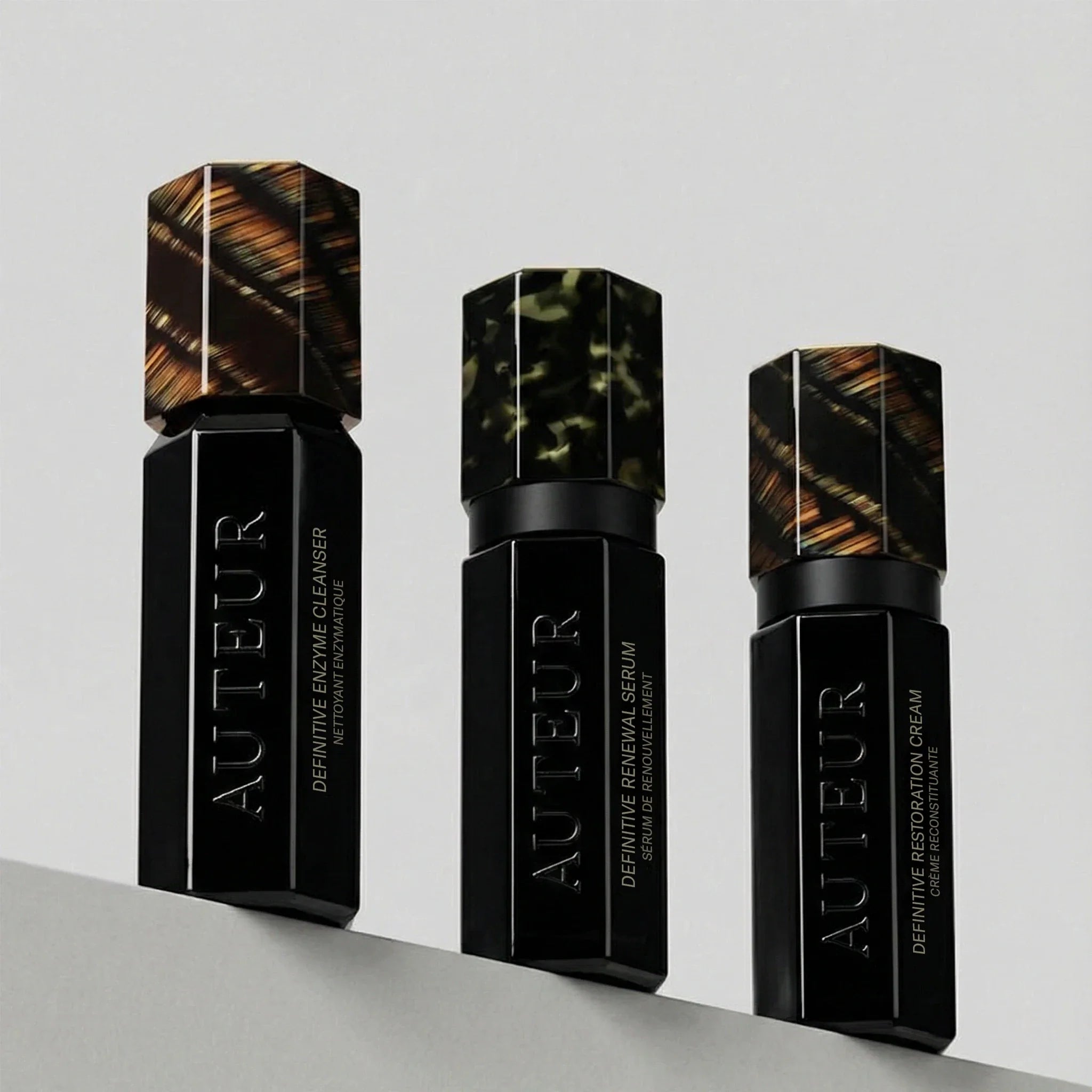
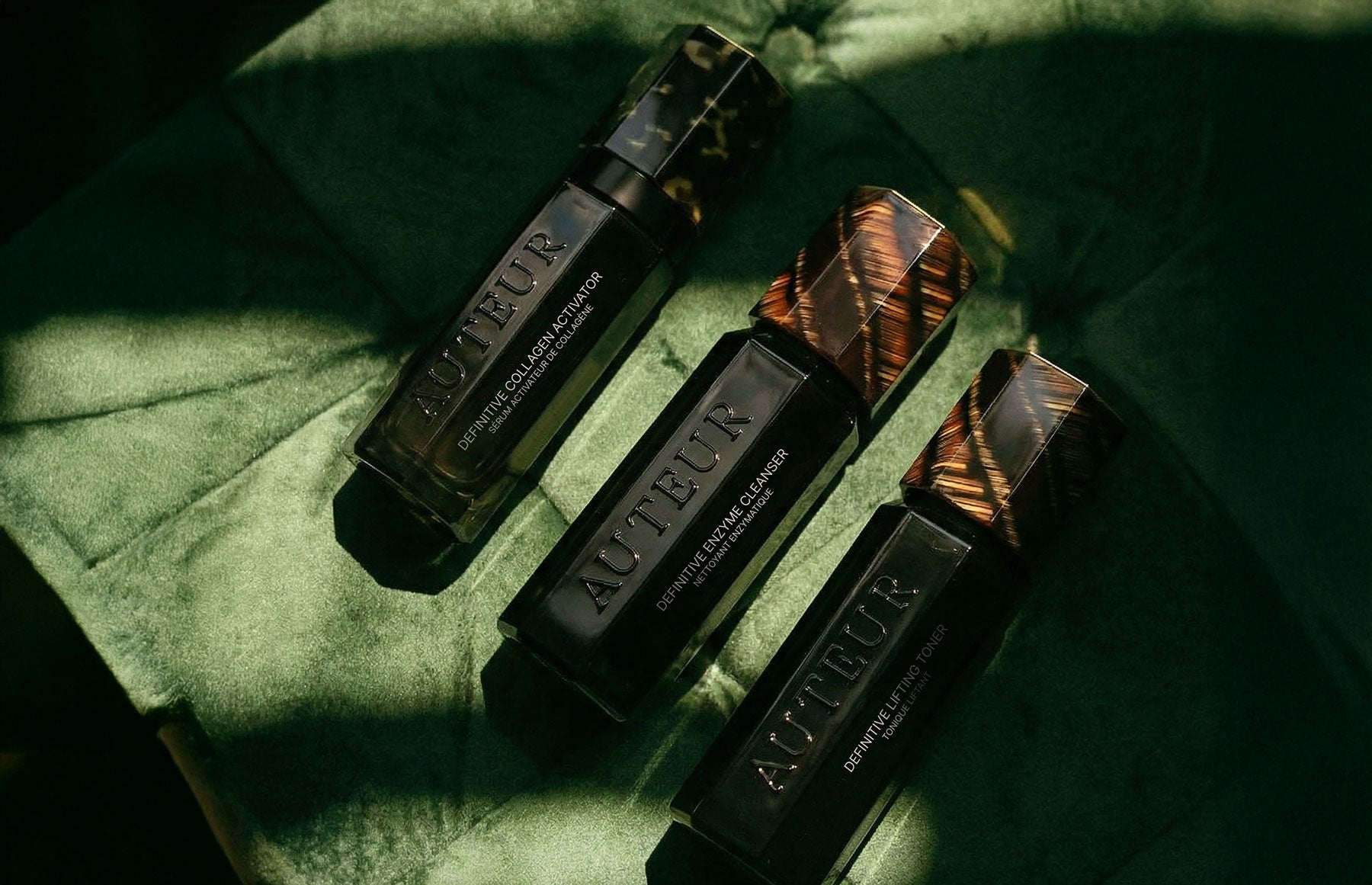
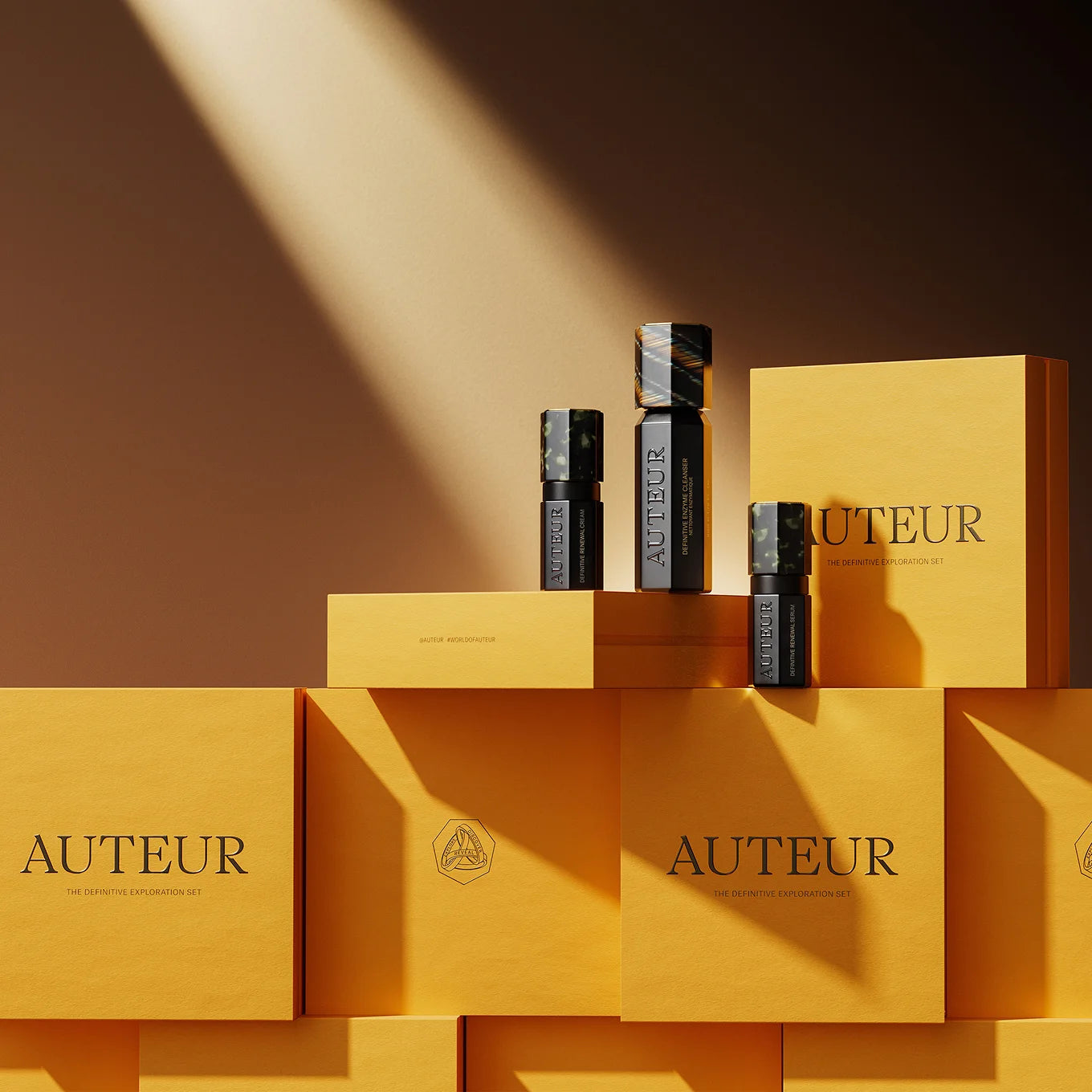
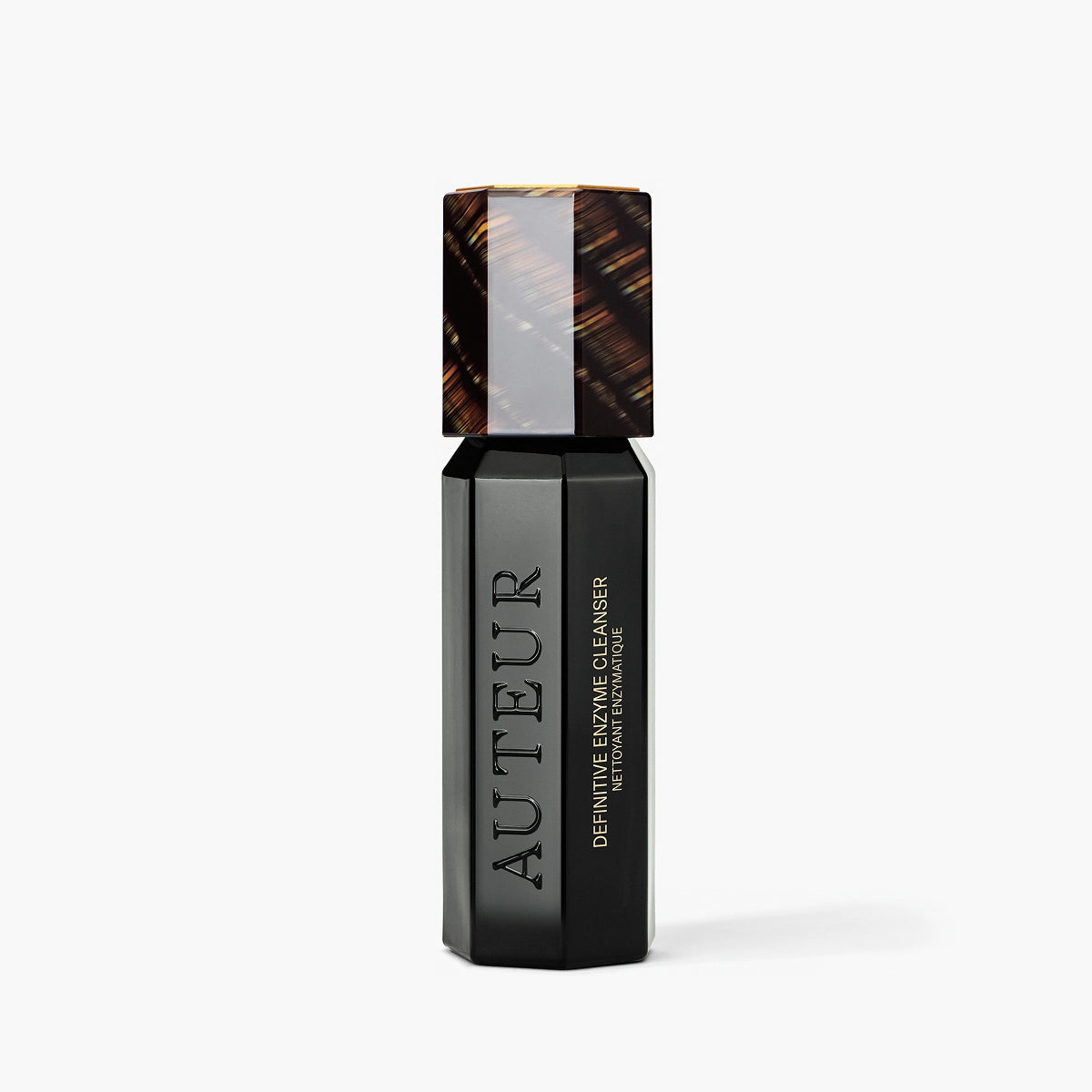
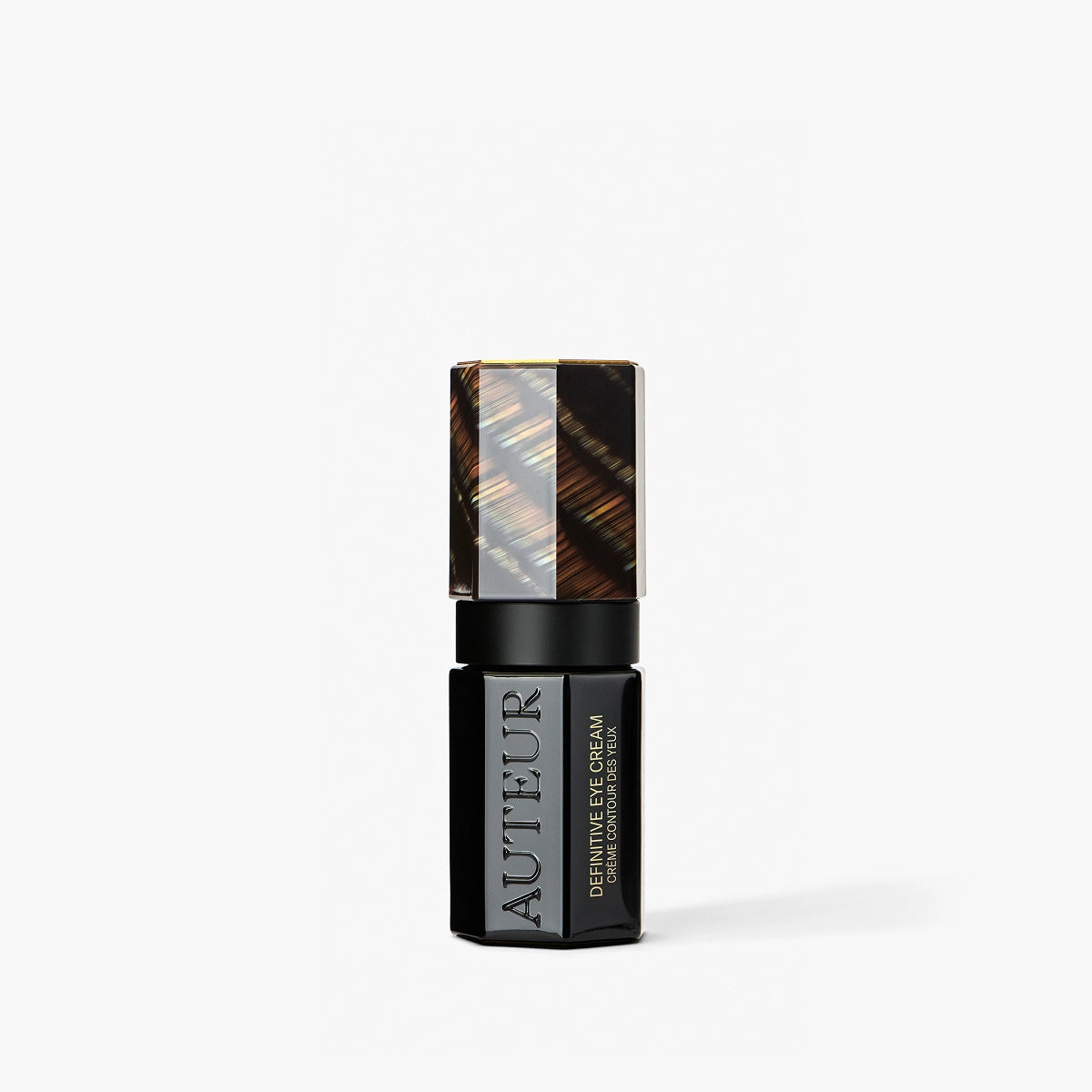
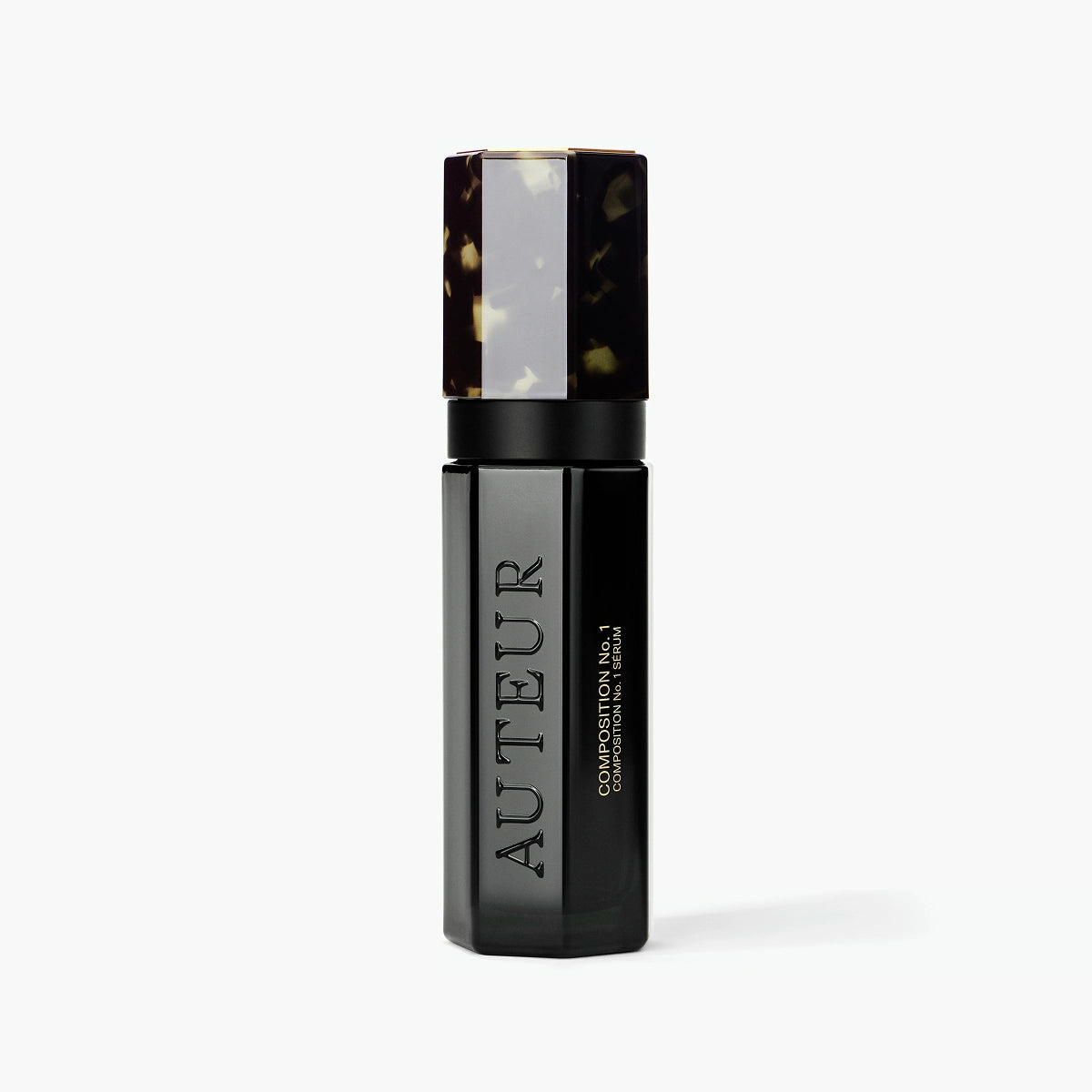
AUTEUR's Cleansing Complex removes impurities without the trade off of moisture or barrier. The Hyaluron Activator holds hydration at every depth through the heat. The Optimising Mask pairs sophisticated AHAs with peptide technology for an instant refine. Sun Drops SPF 50 protects broad spectrum while it hydrates. Together they answer summer skin as a balance, not a battle.
Shop the CollectionThe confusion of July, then, is not a flaw in your skin. It is two ordinary systems responding to heat in opposite directions. Read the signal correctly and the response is calm: cleanse gently, hydrate at depth, refine with care. Balance, kept.
References
1. Youn SW, Na JI, Choi SY, Huh CH, Park KC. (2005). Regional and seasonal variations in facial sebum secretions: a proposal for the definition of combination skin type. Skin Research and Technology, 11(3), 189-195.
2. Machado M, Hadgraft J, Lane ME. (2010). Assessment of the variation of skin barrier function with anatomic site, age, gender and ethnicity. International Journal of Cosmetic Science, 32(6), 397-409.
3. Rogers J, Harding C, Mayo A, Banks J, Rawlings A. (1996). Stratum corneum lipids: the effect of ageing and the seasons. Archives of Dermatological Research, 288(12), 765-770.
4. Cunliffe WJ, Burton JL, Shuster S. (1970). The effect of local temperature variations on the sebum excretion rate. British Journal of Dermatology, 83(6), 650-654.
5. Kligman AM. (2006). Corneobiology and corneotherapy: a final chapter. International Journal of Cosmetic Science, 28(6), 405-408.
6. Krutmann J, Bouloc A, Sore G, Bernard BA, Passeron T. (2017). The skin aging exposome. Journal of Dermatological Science, 85(3), 152-161.