


A woman standing at her bathroom shelf, holding two bottles, is confronting a question that has become oddly contentious in skincare: does the eye area need its own eye cream, or will the serum already doing the rest of her face do the job. Eye cream vs serum has hardened into two camps, one insisting that periorbital skin is too delicate for anything but a purpose built formula, the other arguing that eye cream is a serum in a smaller, costlier bottle.
Both positions contain a partial truth. Therefore, the more useful question is not brand allegiance, but what specifically differs about the periorbital area at the level of tissue structure, and whether that difference is large enough to change how an active ingredient behaves once it reaches it. That is a formulation question, and it has a defensible answer grounded in measurable anatomy rather than counter marketing.
How Periorbital Skin Actually Differs
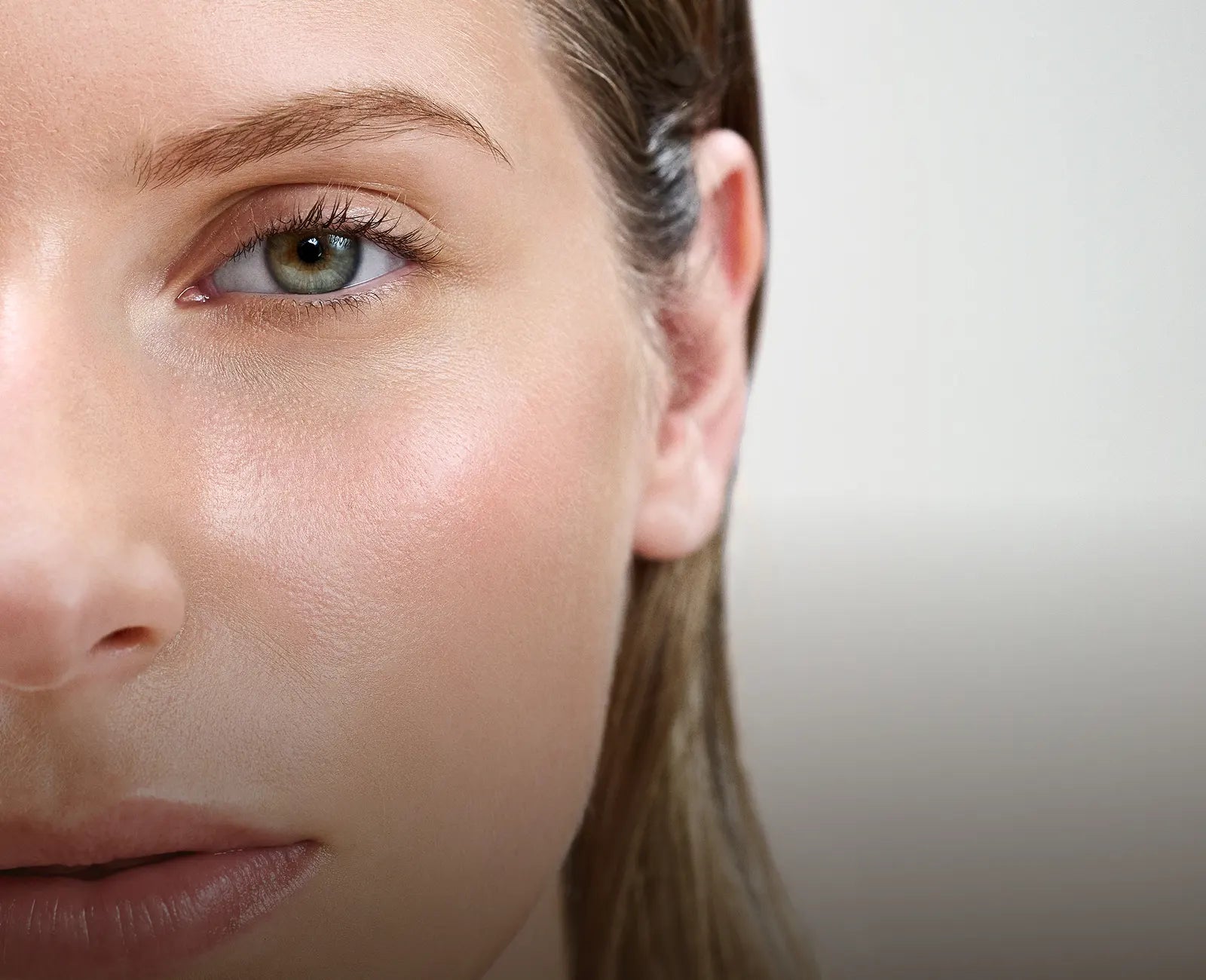
The skin around the eyes is not simply a smaller, more fragile version of the skin on the cheek. It is structurally distinct. The periorbital area carries a thinner stratum corneum and epidermis overall, fewer sebaceous glands, minimal subcutaneous fat, and a dermis laced with visible superficial vasculature sitting close to the bony orbital rim beneath it. Each of those properties independently affects how a topical formulation behaves once it is applied, and together they explain most of what people describe, imprecisely, as the eye area being sensitive.
The clearest evidence comes from a 2025 high frequency ultrasound study that mapped total skin thickness across 38 facial sites in 45 women aged 22 to 73. It found the upper eyelid to be the thinnest skin measured anywhere on the face, at a median of 573.5 micrometres, compared with 1,907 micrometres at the nasal apex, the thickest site in the same cohort. That is a threefold difference in tissue depth between two regions of the same face, measured with the same instrument, in the same subjects.
Regional variation in skin thickness is not unique to the face. Histological work has long shown that epidermal and stratum corneum thickness differ substantially by body site, independent of a person's age or general skin type, which establishes the broader biological principle that where skin sits on the body materially changes its barrier properties. But the periorbital area is a more extreme case of that variation than most sites, and it sits directly adjacent to the ocular mucosa, which raises the practical stakes of getting a formulation wrong there.
Therefore, the anatomical starting point is settled: periorbital skin is measurably thinner, less oil producing, and more exposed than the rest of the face. What remains open is what that difference should mean for the products placed on it.
What a Facial Serum Is Actually Built For
A facial serum is not formulated in the abstract. Its active concentrations, whether retinol, vitamin C, or an exfoliating acid, are calibrated against the absorption behaviour of the skin it is expected to sit on for most of its use, which for a general facial serum means the cheek, forehead, and jawline. Those zones have a thicker stratum corneum and more sebaceous output, both of which slow the rate at which an active ingredient reaches living tissue and buffer the concentration that arrives there.
Formulators lean on that buffering when they set a serum's percentage. A 2020 clinical comparison of 0.3 percent and 0.5 percent retinol serums in 37 participants found both concentrations produced comparable improvements in hyperpigmentation and hydration over 12 weeks, but the 0.5 percent side of the face showed significantly more peeling, irritation, and itching than the 0.3 percent side. The study's authors recommended that the higher concentration be introduced every second or third day to allow tolerance to build.
That finding matters because it demonstrates something obvious in retrospect: concentration and irritation move together even on standard facial skin, before the periorbital area is considered at all. Therefore, a serum's stated percentage already represents a considered trade off for the skin it was designed to sit on, and that trade off was not calculated with a barrier a third of that thickness in mind.
Why Concentration Becomes the Problem
A thinner stratum corneum offers less of a diffusion barrier, so the same applied concentration of an active ingredient penetrates further and faster relative to the volume of tissue available to absorb and buffer it. This is not a claim specific to any product; it is a function of percutaneous absorption, and it is the mechanism that turns a well tolerated cheek serum into an irritant near the eye.
Retinoid tolerance research illustrates the dose relationship starkly. A clinical comparison of retinol, retinaldehyde, and retinoic acid under maximised testing conditions found retinoic acid, the most potent and least buffered of the three, produced erythema in 44 percent of subjects, scaling in 35 percent, and burning or itching in 29 percent within four weeks. Retinol and retinaldehyde, by contrast, showed a consistently low irritation profile across the same testing window, and retinaldehyde in particular showed significantly fewer adverse effects than retinoic acid over 44 weeks of continued use in a larger cohort.
But a complication is worth naming honestly. A 2024 review of popular eye cream ingredients found that the clinical trial base specific to periorbital formulations remains thin, with wide variation in methodology, sample size, and tested concentration across the available studies, and the authors called explicitly for larger, purpose built trials. That gap does not undermine the barrier logic set out above; it means the industry has been slower to formally validate eye specific formulations than it has been to validate the general facial actives from which many of them are adapted.
What Eye Specific Formulation Actually Changes
Therefore, when a formulation is built specifically for the periorbital area rather than adapted from a facial serum, several concrete choices tend to follow, not from tradition but from the anatomy already described. A 2015 review of cosmeceutical ingredients for periorbital rejuvenation traced these choices across retinoids, peptides, and growth factor technologies, and the pattern is consistent.
Lower, Titrated Active Concentrations
Rather than the 0.3 to 1 percent retinol ranges common in facial serums, eye specific formulations typically sit at the conservative end of that range or rely on gentler derivatives, calibrated against a barrier a third the thickness of the site the original percentage was set for.
A Different Ratio of Emollient to Active
Eye formulations generally carry a higher proportion of emollient and occlusive ingredients relative to active load, prioritising immediate comfort and barrier support over aggressive resurfacing, given the area's lower natural oil output.
Rheology Suited to Proximity
A thicker, more controlled texture reduces the likelihood of a product migrating toward the eye itself during application or over the course of a day, which a thin, fast spreading serum consistency does not account for.
Tolerance Testing Near a Mucosal Surface
Ophthalmic tolerance testing, when it is genuinely conducted, evaluates a formulation's behaviour close to the eye specifically, a step that standard facial serum testing protocols are not required to include.
The Decision, in Practice
None of this means every serum is unsafe near the eyes, and it does not mean every eye cream on a shelf is meaningfully different from what is already in a person's regimen. The honest framework is narrower and more useful than either extreme.
If a facial serum is built around low concentration humectants, such as hyaluronic acid or niacinamide under about 5 percent, the case for keeping it off the orbital area entirely is weak. Those formulations were not engineered to push an active ingredient hard through the barrier, so the periorbital area's thinner tissue is less consequential to the outcome.
But if the serum in question is a higher concentration retinoid, a strong vitamin C formulation, or an exfoliating acid built for the absorption rate of cheek skin, the same concentration applied to skin a third as thick is where the anatomical case for a dedicated formulation stops being theoretical. This is not a delicacy argument. It is a concentration and diffusion argument, and it holds regardless of how a given brand chooses to market it.
Where a Dedicated Formulation Earns Its Place
Once the decision is reframed this way, around concentration and barrier depth rather than around blanket claims of fragility, the value of a properly formulated eye product becomes a question of what it is actually built to do, not what it is called.
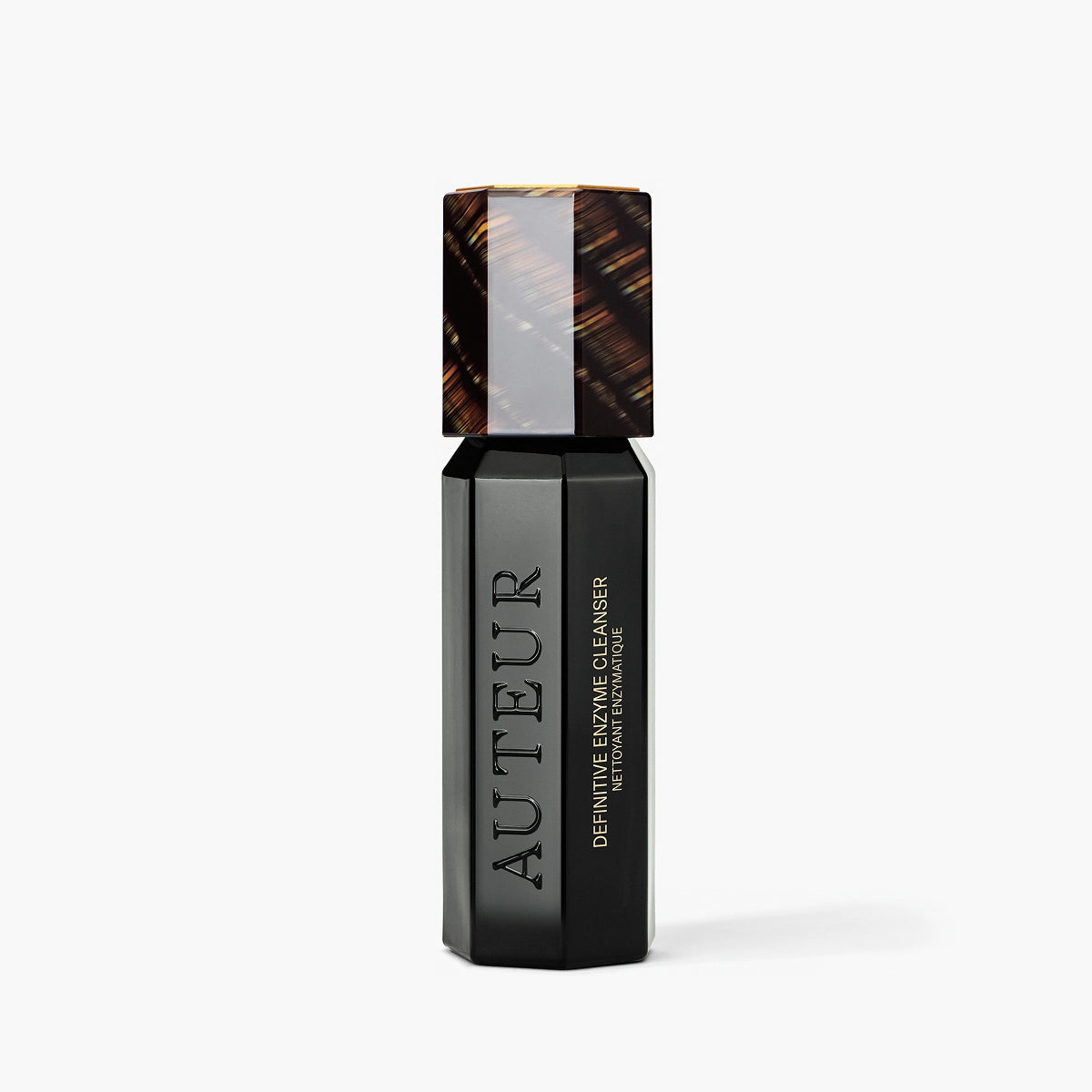
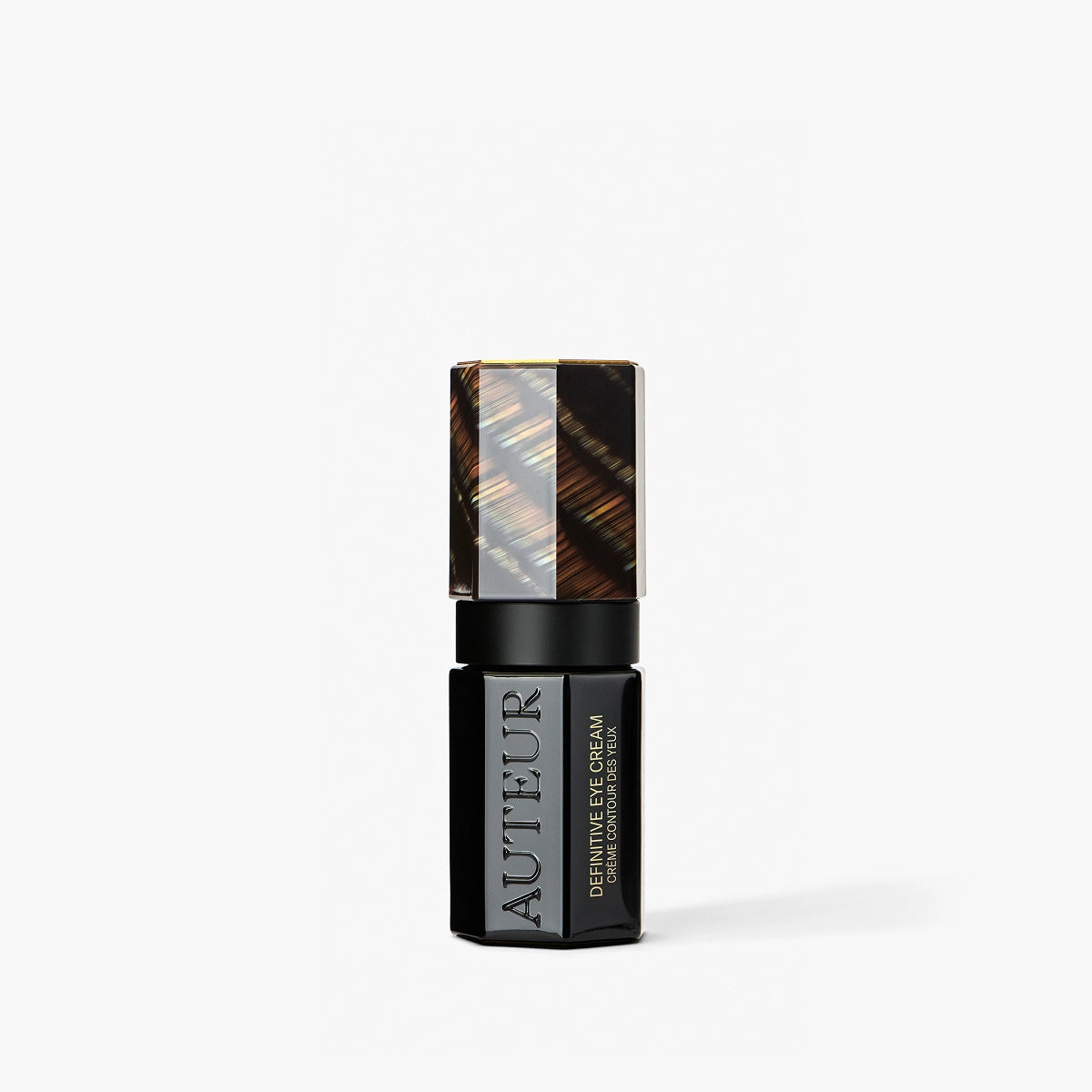
AUTEUR Definitive Eye Cream
$420 · 15ml
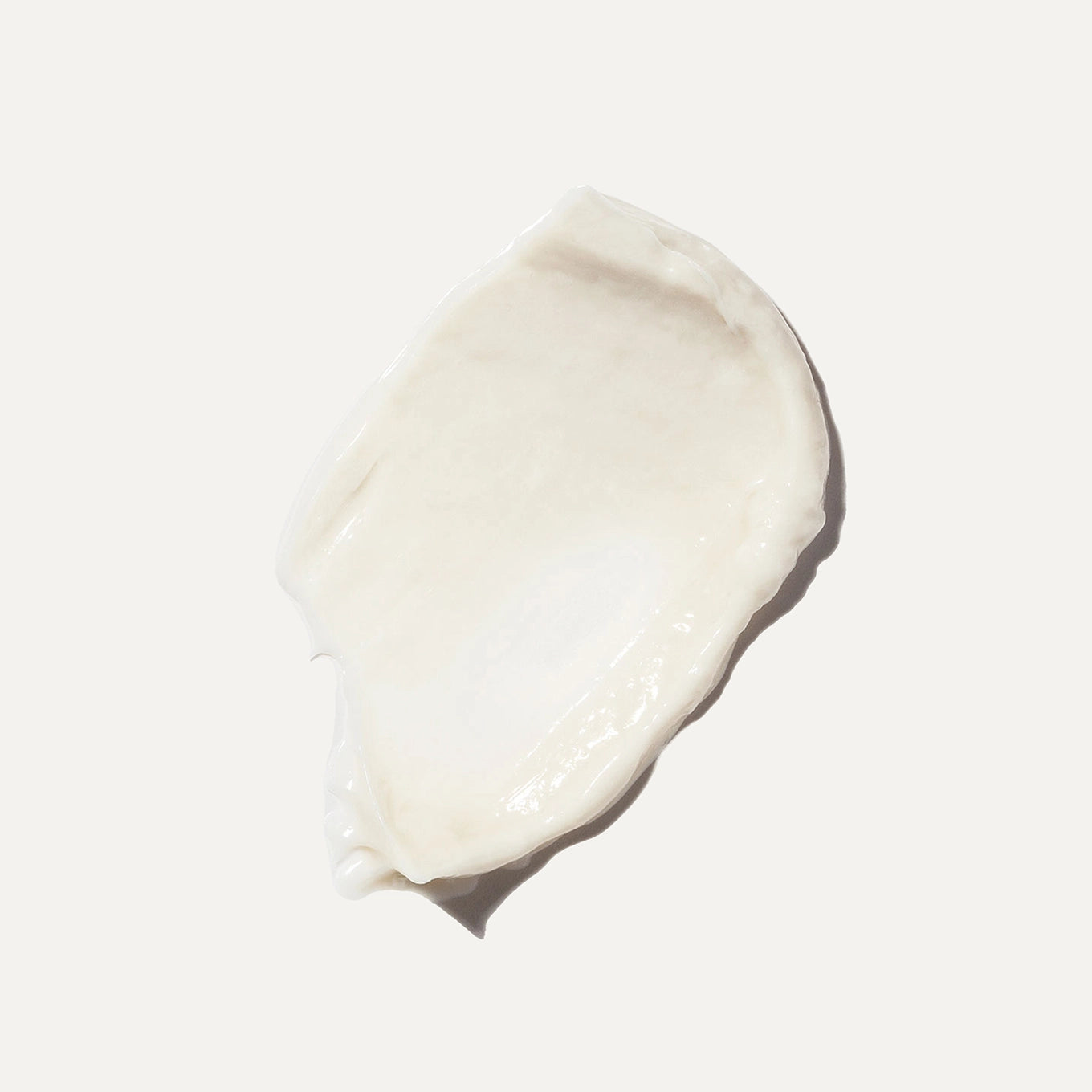
Formulated specifically for the periorbital area rather than adapted from a facial serum, Definitive Eye Cream is built around intense hydration, lifting and firming support, and preventative care, at active concentrations calibrated to a barrier measurably thinner than the rest of the face. It is positioned for the exact decision this article addresses: what changes when a formulation is designed for the eye area from the outset, rather than borrowed from elsewhere in a regimen.
Explore the FormulationTherefore, the question a shopper should be asking is not eye cream or serum as a categorical choice, but whether the product she already owns was calibrated for a barrier this thin, and if it was not, whether the specific active she wants near her eyes, a retinoid, a strong antioxidant, an acid, is one where that calibration actually matters. For low concentration hydrators, it rarely does. For anything formulated to work hard on thicker skin, it does.
Frequently Asked Questions
Do I need a separate eye cream if I already use a facial serum?
It depends on what is in the serum. Low active, humectant led formulas such as plain hyaluronic acid or low percentage niacinamide are generally mild enough to extend to the orbital area. Serums built around higher concentration retinoids, vitamin C, or exfoliating acids are formulated for the absorption rate of cheek and forehead skin, and that same concentration behaves differently on the thinner periorbital barrier, which is where a dedicated eye formulation earns its place.
Why is the skin around the eyes considered more sensitive?
High frequency ultrasound mapping of 38 facial sites found the upper eyelid to be the thinnest skin on the face, measuring roughly a third of the thickness of the nasal apex, the thickest site recorded in the same study. Thinner tissue offers less of a diffusion barrier, so a given concentration of an active ingredient penetrates further and faster relative to the amount of tissue available to buffer it.
Can I use my retinol serum around my eyes?
Clinical tolerance data on retinoids shows a clear dose relationship with irritation, with higher concentrations producing significantly more erythema, scaling, and stinging than lower ones. A serum formulated at a concentration intended for the cheek can exceed the periorbital area's tolerance threshold, so most dermatology literature recommends either a markedly reduced frequency near the eyes or a formulation built at a lower, eye appropriate concentration from the outset.
What actually makes an eye cream formulation different from a serum?
A properly formulated eye cream is not a diluted afterthought. It typically carries a lower or more conservative concentration of active ingredients, a higher proportion of emollient and occlusive agents for immediate comfort, a thicker rheology that resists migration toward the eye itself, and ophthalmic tolerance testing that a standard facial serum is not required to undergo.
Is eye cream just marketing, or is there a real formulation reason for it?
Both things are true at once. Some eye creams on the market are repackaged serums with a premium attached, and the published research base specific to eye creams remains smaller than the research base for facial actives generally. That said, the anatomical case for a distinct formulation, thinner stratum corneum, reduced sebaceous output, and closer proximity to a delicate mucosal surface, is well established and independent of any single brand's marketing claims.
References
1. Przystańska, A., et al. (2025). Quantitative Analysis of the Human Face Skin Thickness: A High-Frequency Ultrasound Study. Journal of Clinical Medicine, 14(23), 8401.
2. Ha, R.Y., Nojima, K., Adams, W.P., and Brown, S.A. (2005). Analysis of Facial Skin Thickness: Defining the Relative Thickness Index. Plastic and Reconstructive Surgery, 115(6), 1769 to 1773.
3. Hamie, H., Yassine, R., et al. (2024). A Review of the Efficacy of Popular Eye Cream Ingredients. International Journal of Women's Dermatology, 10(2), e156.
4. Pilkington, S.J., Belden, S., and Miller, R.A. (2015). The Tricky Tear Trough: A Review of Topical Cosmeceuticals for Periorbital Skin Rejuvenation. The Journal of Clinical and Aesthetic Dermatology, 8(9), 39 to 47.
5. Fluhr, J.W., Vienne, M.P., Lauze, C., Dupuy, P., Gehring, W., and Gloor, M. (1999). Tolerance Profile of Retinol, Retinaldehyde and Retinoic Acid Under Maximized and Long-Term Clinical Conditions. Dermatology, 199(Suppl. 1), 57 to 60.
6. Zasada, M., Budzisz, E., and Erkiert-Polguj, A. (2020). A Clinical Anti-Ageing Comparative Study of 0.3% and 0.5% Retinol Serums. Skin Pharmacology and Physiology, 33(2), 102 to 116.