
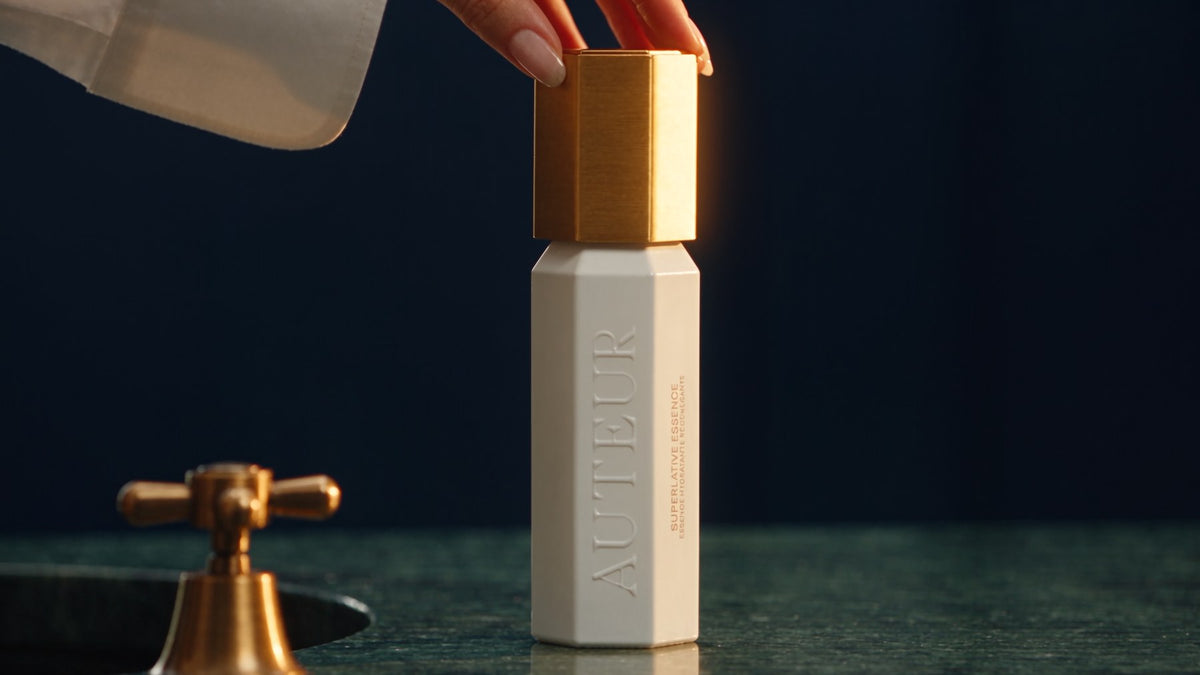
A skincare essence is a liquid treatment applied to freshly cleansed skin, before serum, whose job is to raise the water content of the stratum corneum and condition its surface so that the products applied afterwards spread and penetrate evenly. The term is often confused with toner, and the essence vs toner question is the first thing to settle, because the two products do different work and only one of them is a hydration step.
This article defines the essence by function, explains the published science on why a hydrated stratum corneum behaves differently from a dry one, and places the essence in a morning and evening routine with amounts and timing. It closes with the two-phase milky format, which carries lipids and signalling actives that a clear watery essence cannot.
Serum applied to dry skin spreads unevenly and meets a surface that resists it.
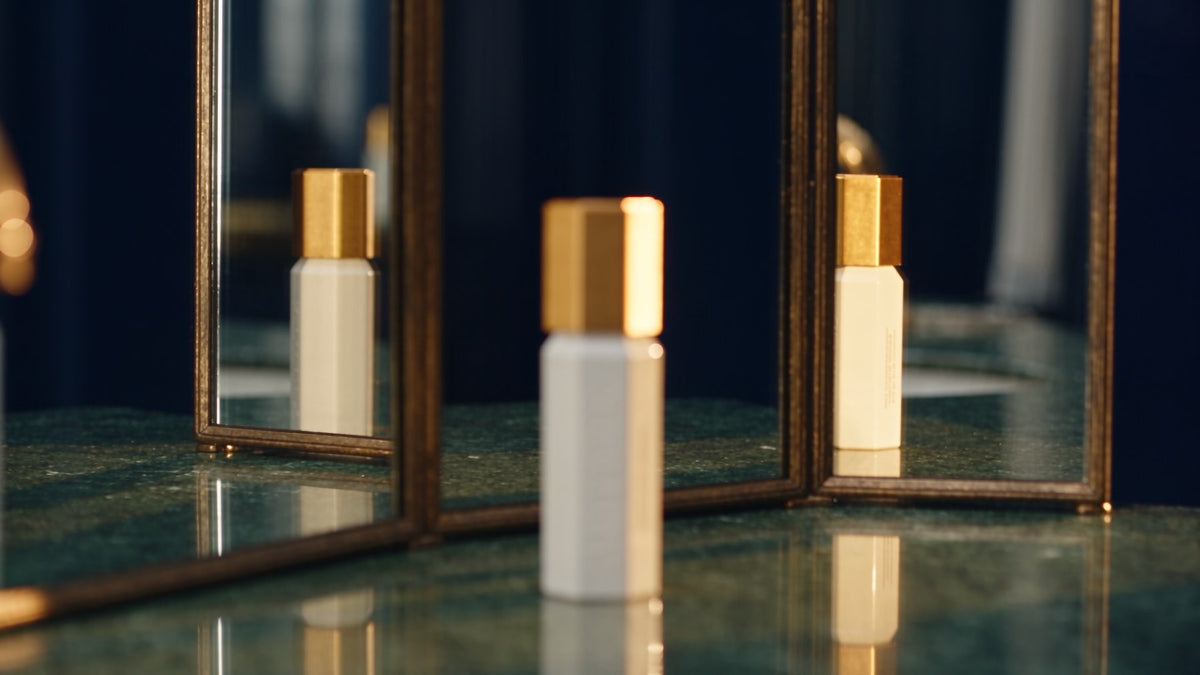
Superlative Essence hydrates the skin first, with a moisturising factor matrix, barrier lipids and a bioengineered growth factor complex. Two to three pumps on damp skin, then serum.
Essence, toner and serum, defined by function
A toner is a thin, water-based liquid, historically alcohol-based, designed to remove the residue of a soap cleanser and return the skin surface to a mildly acidic pH. Modern mild cleansers leave little residue, so the toner's original task has largely disappeared. Some toners now carry exfoliating acids, which makes them a treatment product under a different name.
A serum is a concentrated delivery vehicle for actives: retinoids, peptides, vitamin C, growth factor complexes. It is applied in small volumes and formulated for penetration into the viable epidermis. Its work begins below the stratum corneum.
An essence is the layer between those two. Its concentration of actives is lower than a serum's, its volume is higher, and its primary ingredients are humectants: glycerin, and the amino acids, pyrrolidone carboxylic acid, urea and lactate that make up the skin's own natural moisturising factor. The essence's job is to hydrate the stratum corneum itself and leave the surface in a uniform, pliable state. Therefore the essence vs toner question has a short answer: a toner prepares the surface by removing something, an essence conditions it by adding something.
How the stratum corneum holds water
The stratum corneum is a layer of flattened, protein-filled corneocytes embedded in a continuous matrix of intercellular lipids, roughly 15 to 20 cell layers thick on the face. Rawlings and Harding (2004) describe three mechanisms that hold water in this layer: the orthorhombic packing of the intercellular lipids, which resists water passing through; the tortuous path water must take around and between stacked cells; and natural moisturising factor (NMF), a mixture of small, water-soluble, hygroscopic compounds formed inside corneocytes by the breakdown of the protein filaggrin (1).
Verdier-Sévrain and Bonté (2007) add two further elements: glycerol, which they describe as a naturally occurring endogenous humectant found in the stratum corneum, and the water-transport protein aquaporin-3 in the viable epidermis, which moves water and glycerol towards the surface (2).
Water is not distributed evenly through this layer. Warner, Myers and Taylor (1988) measured the water concentration profile across rapidly frozen human epidermis and found it decreased approximately linearly across the stratum corneum from the inside outward, with a sharp discontinuity at the junction with the granular layer below (3). The outermost cells, the ones a serum meets first, are the driest.
The stratum corneum on the face is also thin. Egawa, Hirao and Takahashi (2007) used confocal Raman spectroscopy to estimate the apparent thickness of the stratum corneum at four body sites in healthy volunteers and found the cheek thinnest of all, at 16.8 micrometres (4).
The same study found that hydrating the skin for 90 minutes increased the apparent thickness of the stratum corneum by up to two-fold (4). A thin layer, dry at the surface, that swells measurably when given water: that is the surface an essence is designed for.

What humectants do on damp skin
Humectants are hygroscopic molecules: they bind water and hold it in place. The question is how much they raise stratum corneum water content and what that changes.
Lodén and Wessman (2001) compared a cream containing 20% glycerin against its vehicle in a bilateral, double-blind study on 17 healthy volunteers. Ten days of treatment significantly increased corneometer values, meaning higher stratum corneum hydration, while transepidermal water loss did not change (5). That is the humectant signature: more water held in the tissue without altering the lipid barrier through which water escapes.
Bouwstra and colleagues (2003) studied where that water goes. Using cryo-scanning electron microscopy on human stratum corneum hydrated to different levels, they found water domains mainly inside the corneocytes rather than between them, and corneocyte thickness increased linearly with hydration level between 17% and 300% by weight (6). Hydration swells the cells themselves, and the cell envelope accommodates the change.
The consequence that matters for a routine is permeability. Zhai and Maibach (2001) reviewed the literature on skin occlusion, which works by trapping water and raising stratum corneum hydration, and concluded that occlusion increases the percutaneous absorption of many, though not all, compounds (7). Hydrated corneocytes and a softened lipid matrix present less resistance to what comes next.
But there is a condition attached to all of this. Humectants hold water; they do not create it. Glycerin applied to a dry surface in a dry room has little to bind. Applied to skin that is still damp from cleansing, it has a surface film of water to capture and hold. Therefore the timing of the essence step is part of the mechanism, not a stylistic preference.
An essence is a hydration step, not a cleansing step. Its humectants raise stratum corneum water content, which swells corneocytes and lowers resistance to penetration, but only if there is water on the skin to hold. Apply it within a minute of rinsing.
Where the essence sits in a routine
Cleanse, then essence on damp skin, then serum, then cream, then sunscreen in the morning. The essence is the thinnest treatment layer and goes on first; everything after it is thicker and more occlusive, the rule set out in the clinical guide to layering products correctly.
Two details matter. First, the pause after the essence: 30 to 60 seconds lets the surface lose its sheen, because a serum applied onto a wet film spreads unevenly. Second, in the evening the essence goes on before a retinoid. A hydrated stratum corneum increases penetration (7), so a user new to retinol may prefer to wait two full minutes after the essence until tolerance is established.
If the barrier is compromised, with stinging or flaking, the essence stays and the retinoid pauses; see the clinical approach to barrier repair.
Milky two-phase essences and shake-to-activate
Not every essence is the same. The clear, watery essence is a humectant solution: glycerin, NMF components, perhaps a low molecular weight hyaluronic acid, in water. A milky essence is a different formulation class.
A milky two-phase essence holds two components that would not normally sit together: a water phase carrying humectants, and a lighter phase carrying lipids and lipid-compatible actives. Keeping these in one bottle usually requires an emulsifier system, the surfactant-like molecules that hold oil droplets suspended in water. At the levels needed for a stable permanent emulsion, emulsifiers add weight to the texture and sit uneasily on some freshly cleansed skins.
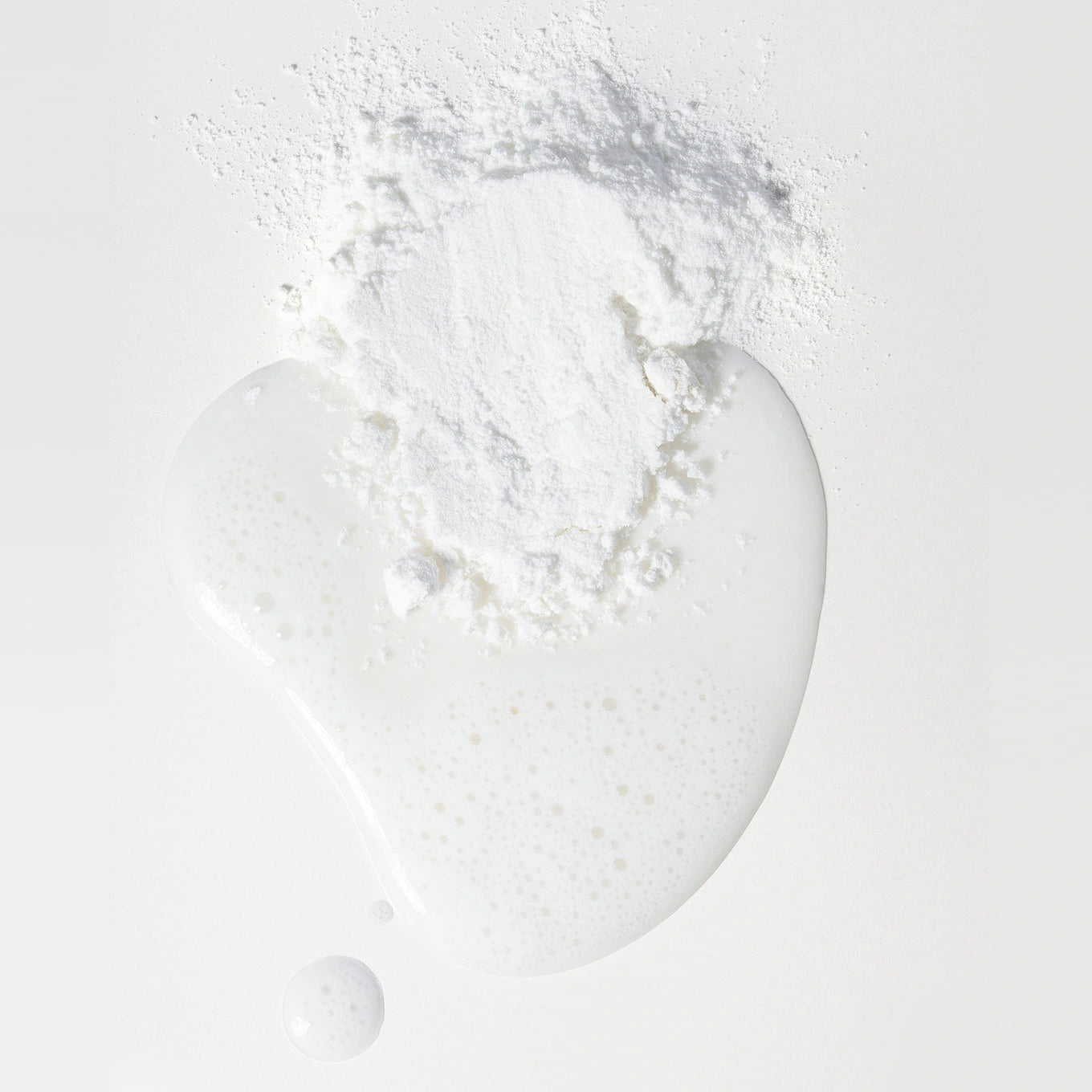
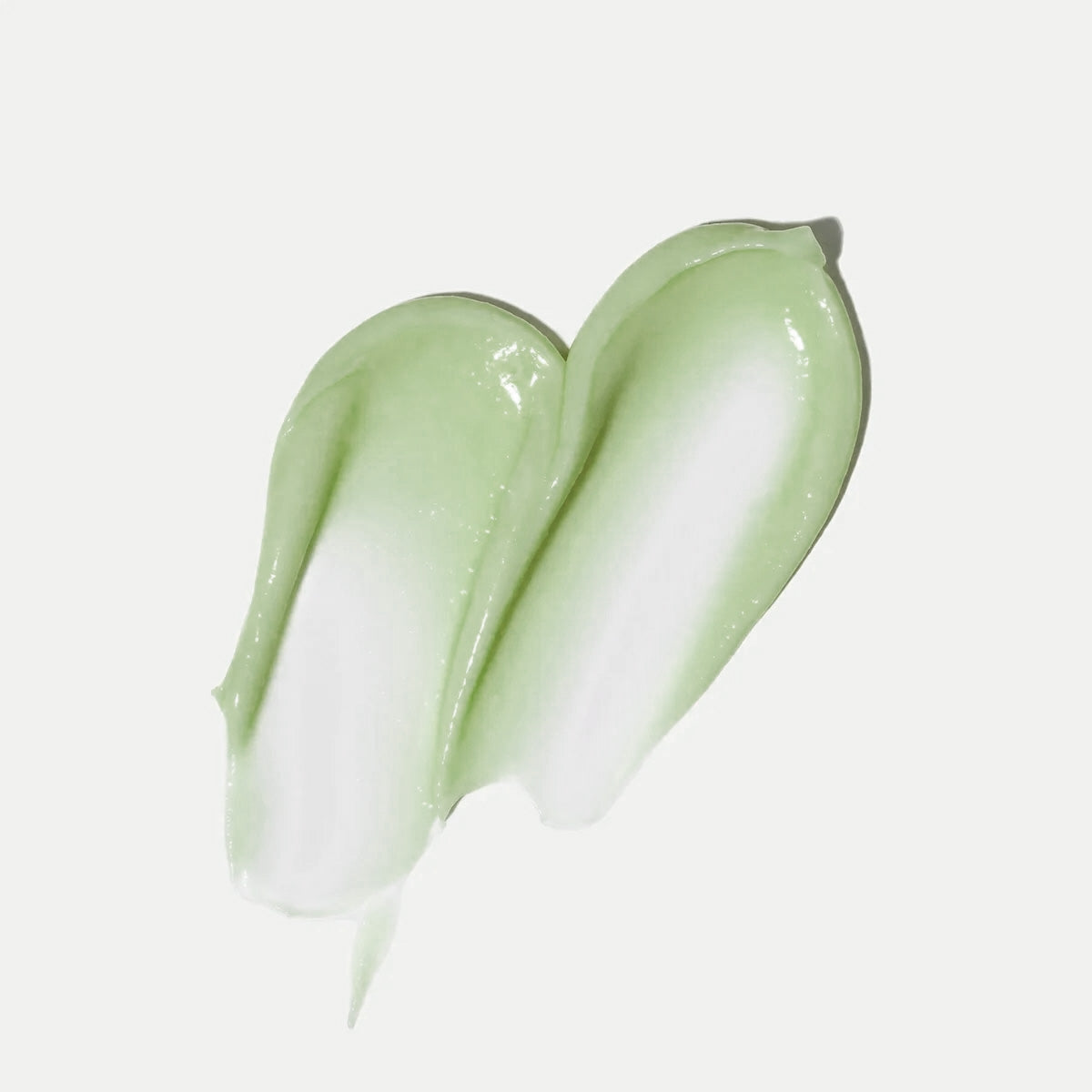
The two-phase, shake-to-activate design is one route around this. The phases are allowed to separate on standing, which keeps the emulsifier load low, and a few seconds of shaking disperses one phase through the other for the time it takes to apply. The result is a milky texture that carries lipids into the hydration step with less emulsifier than a conventional lotion of similar composition. Separation in the bottle between uses is the design working as intended.
Therefore the milky format can carry what a clear essence cannot: a bioengineered growth factor complex, barrier lipids, and the full NMF matrix of amino acids, PCA and lactate rather than a single humectant. The essence step then does two jobs at once. It hydrates the stratum corneum, and it delivers a first dose of signalling and barrier ingredients onto the most receptive surface the routine will see, before the serum concentrates the treatment.
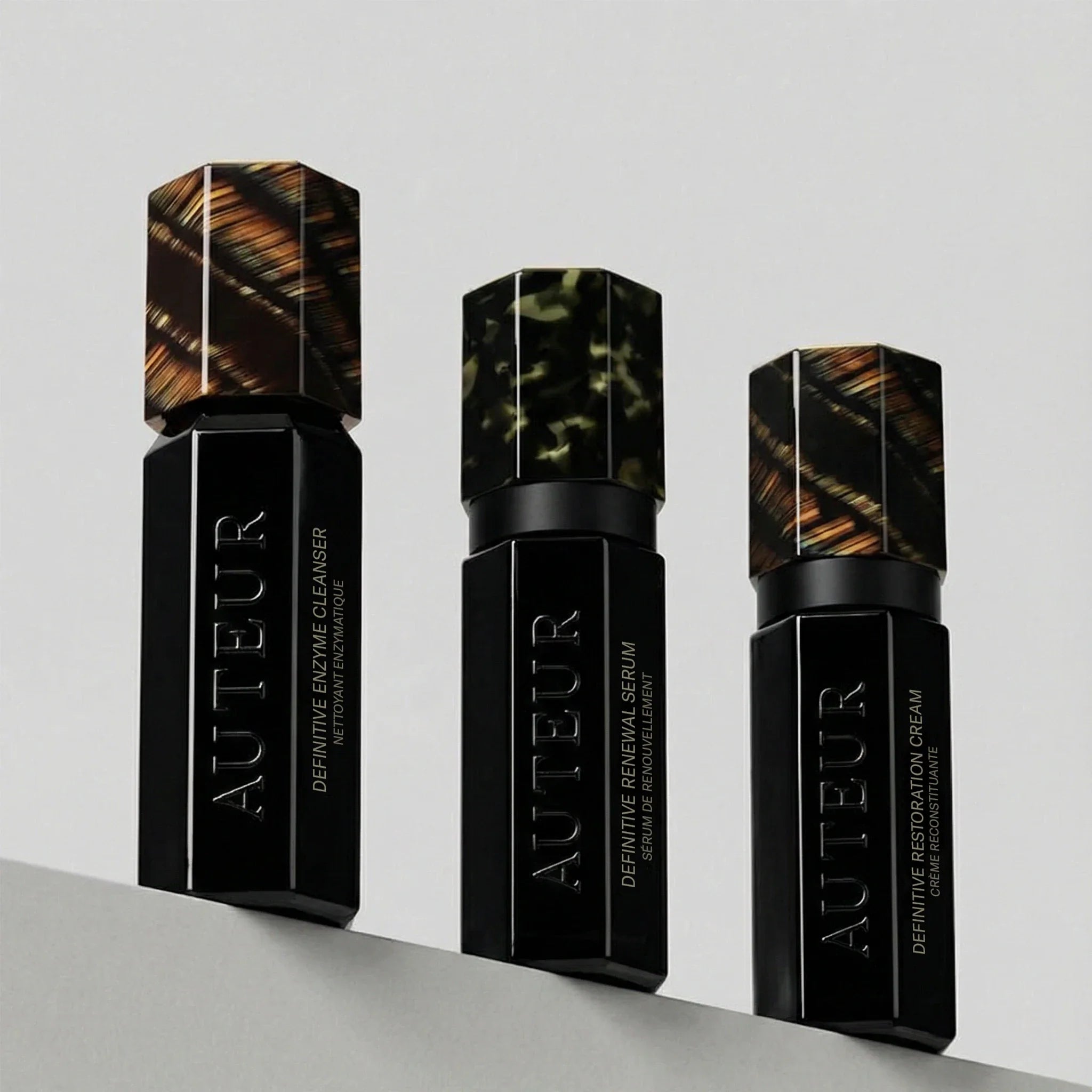
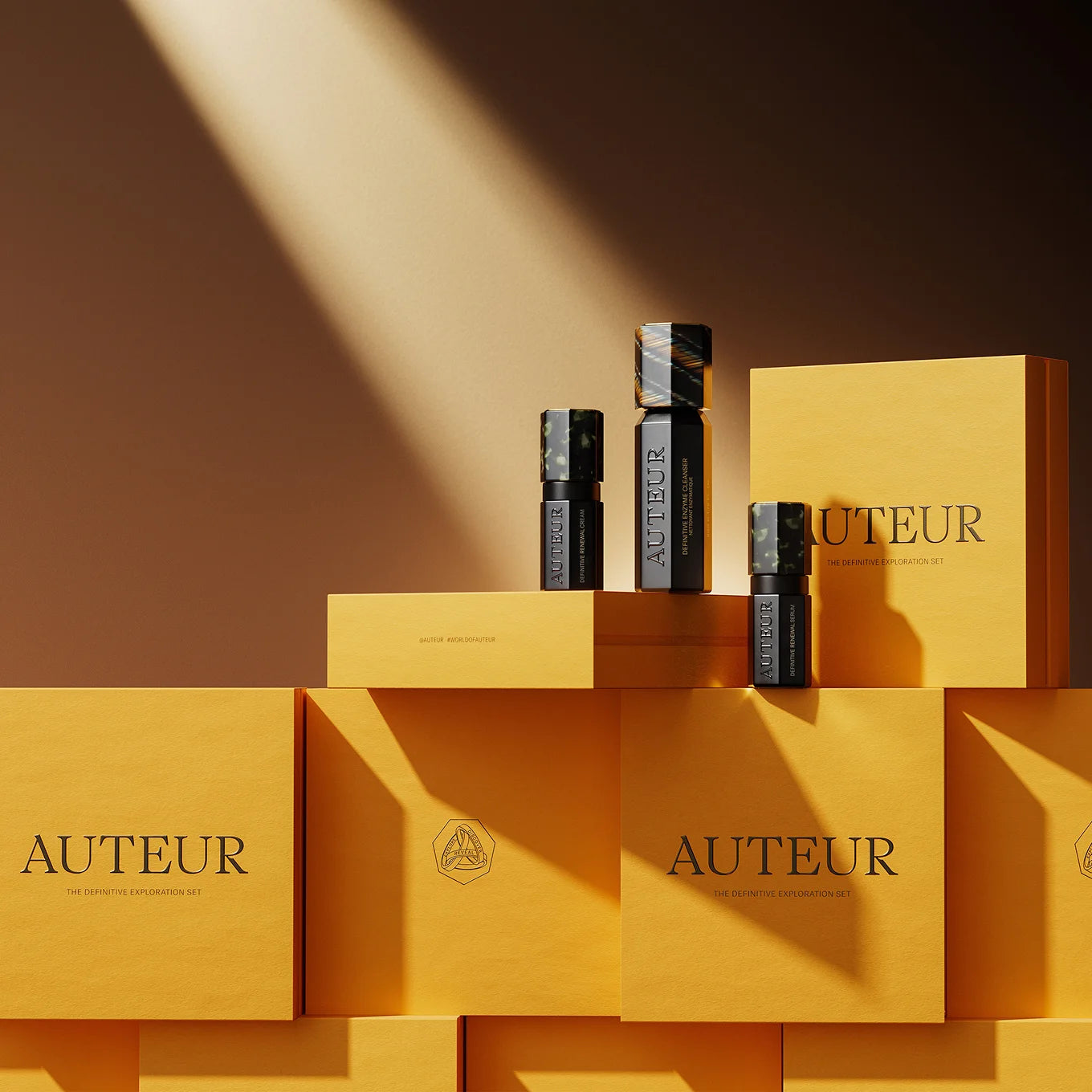
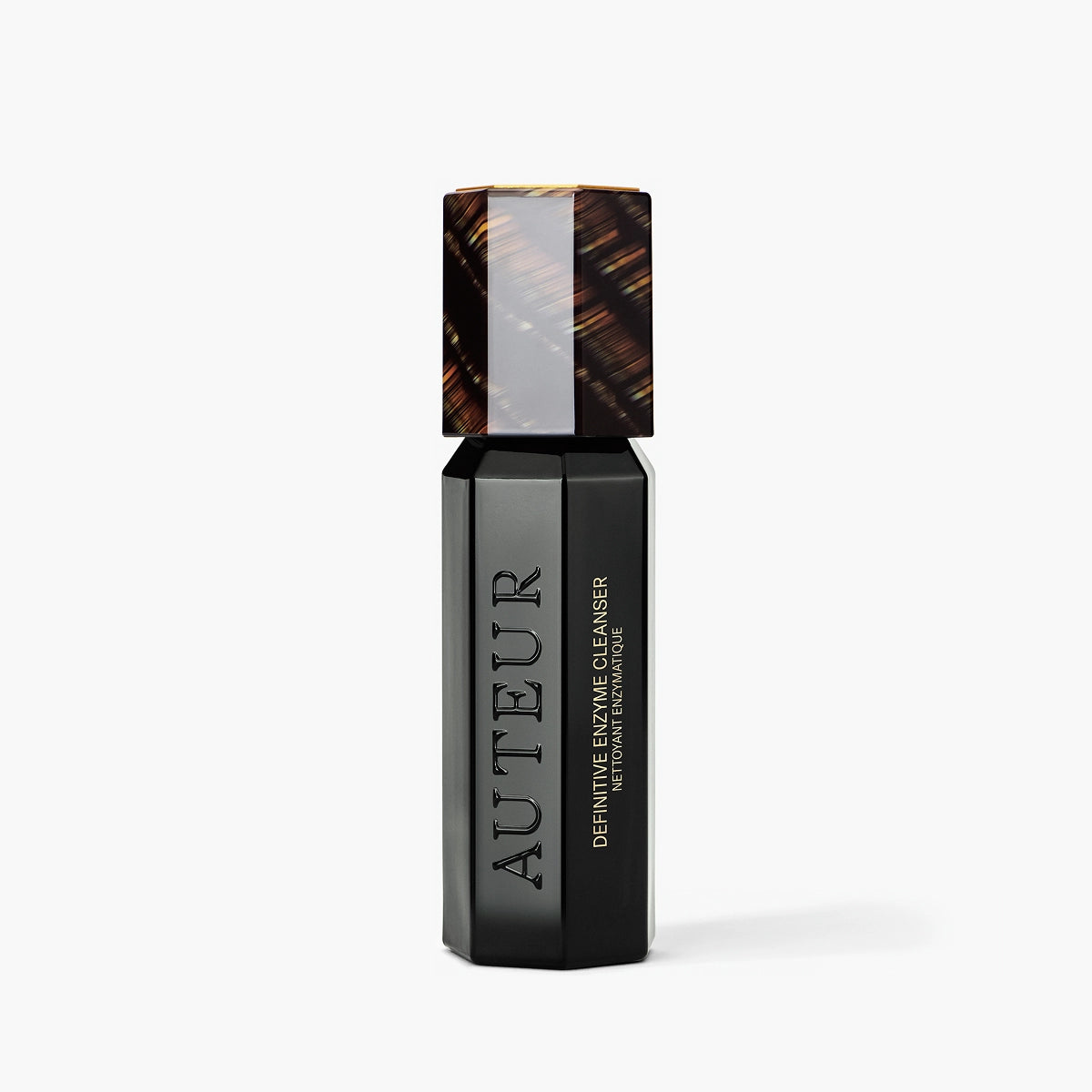
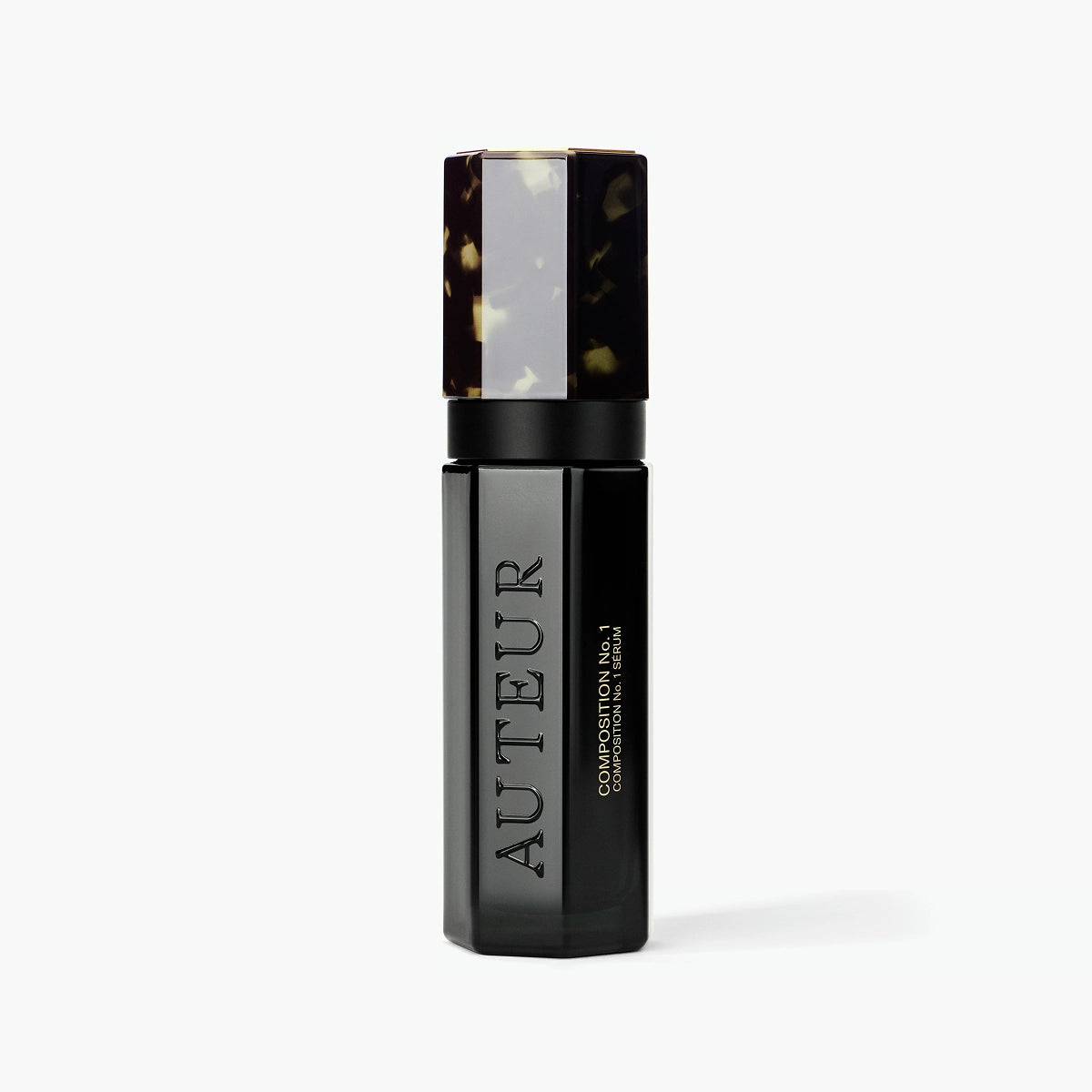
AUTEUR Superlative Essence
$225 · 100ml
A milky, shake-to-activate post-cleanse essence formulated around three components: a bioengineered growth factor complex, a natural moisturising factor matrix of amino acids, PCA and lactate modelled on the stratum corneum's own humectant system, and a barrier recovery network of lipids. Shake until uniform, press two to three pumps into damp skin after cleansing, morning and evening, then follow with serum.
Explore the FormulationHow to apply an essence
Cleanse, rinse with lukewarm water, and blot once so that the skin is damp rather than wet. Within a minute, shake the bottle if the essence is two-phase, dispense two to three pumps into the palm, and press onto the cheeks, forehead, chin and neck. Pressing rather than rubbing keeps the water film in place. Leave the essence for 30 to 60 seconds before the serum.
Volume matters less than timing. Three pumps on dry skin hold less water than two pumps on damp skin, because the humectants bind water already present on the surface. Lodén and Wessman's glycerin result was measured after ten days of daily use (5); use an essence twice a day and allow the same ten days before judging the change in how the skin feels.
Frequently Asked Questions
What is the difference between an essence and a toner?
A toner removes cleanser residue and returns the surface to a mildly acidic pH. An essence is a hydrating treatment layer that carries humectants into the stratum corneum, and in milky formats lipids and signalling actives as well. Toner prepares the surface; essence conditions it.
Do you need both a toner and an essence?
Not usually. A mild amino acid or enzyme cleanser rinses clean, so a hydrating essence covers the conditioning step on its own.
How much essence should you use?
Two to three pumps on skin still damp from cleansing. The humectants bind water already on the surface, so timing matters more than volume.
Can you skip the essence step?
You can, but the serum that follows then meets a drier, less uniform surface. Hydration swells corneocytes and increases penetration of many compounds; the essence sets that condition before actives go on.
Why does a milky essence need to be shaken?
A two-phase essence holds a water phase and a lipid phase in one bottle without a heavy emulsifier load. Shaking disperses one through the other for the seconds it takes to apply; separation on standing is expected.
References
1. Rawlings, A.V., Harding, C.R. (2004). Moisturization and skin barrier function. Dermatologic Therapy, 17(Suppl 1), 43-48.
2. Verdier-Sévrain, S., Bonté, F. (2007). Skin hydration: a review on its molecular mechanisms. Journal of Cosmetic Dermatology, 6(2), 75-82.
3. Warner, R.R., Myers, M.C., Taylor, D.A. (1988). Electron probe analysis of human skin: determination of the water concentration profile. Journal of Investigative Dermatology, 90(2), 218-224.
4. Egawa, M., Hirao, T., Takahashi, M. (2007). In vivo estimation of stratum corneum thickness from water concentration profiles obtained with Raman spectroscopy. Acta Dermato-Venereologica, 87(1), 4-8.
5. Lodén, M., Wessman, W. (2001). The influence of a cream containing 20% glycerin and its vehicle on skin barrier properties. International Journal of Cosmetic Science, 23(2), 115-119.
6. Bouwstra, J.A., de Graaff, A., Gooris, G.S., Nijsse, J., Wiechers, J.W., van Aelst, A.C. (2003). Water distribution and related morphology in human stratum corneum at different hydration levels. Journal of Investigative Dermatology, 120(4), 750-758.
7. Zhai, H., Maibach, H.I. (2001). Effects of skin occlusion on percutaneous absorption: an overview. Skin Pharmacology and Applied Skin Physiology, 14(1), 1-10.