


Growth factors in skincare are a class of signalling proteins borrowed from wound-healing biology, where they direct the cells that rebuild damaged tissue. The question for a topical product is whether growth factors in skincare can send the same instructions to intact, ageing skin from the outside, given that they are large proteins and the stratum corneum is built to keep large molecules out.
This article sets out what growth factors are and what each family signals, the decline in fibroblast output with age, the published trials on topical mixtures, the molecular size problem, and the sourcing and safety questions a buyer should ask. The evidence is real but limited in scale, and the article says so where it applies.
Growth factors are large proteins. Applied over a cream, or onto dry skin, very little reaches a cell that can respond.
Superlative Essence places a bioengineered growth factor complex on damp skin straight after cleansing, when the surface is most permeable. No human-derived material.
What growth factors are
A growth factor is a protein that binds a specific receptor on a cell and changes what that cell does: divide, migrate, make collagen, build blood vessels. Their best-mapped role is wound healing. Barrientos and colleagues (2008) describe healing as a coordinated effort of keratinocytes, fibroblasts, endothelial cells, macrophages and platelets, executed by a signalling network in which the epidermal growth factor family, the transforming growth factor beta family, the fibroblast growth factor family, vascular endothelial growth factor and platelet-derived growth factor are of particular importance (1).
The same review notes how few have crossed into medicine: patients were treated with three growth factors, PDGF-BB, basic FGF and GM-CSF, and only PDGF-BB had completed randomised clinical trials in the United States (1). The biology is well established; the therapeutic use is narrow. Cosmetic use sits further out again.
Therefore the right question for a skincare product is not whether growth factors signal, but whether a given protein, applied to intact skin at cosmetic concentrations, reaches a cell that can respond.
What each growth factor signals
The families overlap, but each has a primary job in the wound-healing sequence described by Barrientos (1). The grid gives the instruction each carries and the cell that receives it.
Two features of this map matter for skincare. The signals run in both directions between epidermis and dermis, so a signal received at the surface is not necessarily confined there. And the dermal outcome most relevant to visible ageing, new collagen, sits under TGF-β and FGF, which act on fibroblasts.

The decline with age
The fibroblast is the cell these products are addressed to, and its output falls with age. Varani and colleagues (2006) isolated dermal fibroblasts from the skin of young donors aged 18 to 29 and old donors aged over 80 and measured type I procollagen production in vitro: 82 ng/ml from the young cells against 56 ng/ml from the old, a 32% reduction attributable to fibroblast ageing itself (2). Fibroblasts in old skin also had less of their surface attached to collagen fibres, 58% against 78%, so they receive less mechanical stimulation as well as less chemical signal (2).
Sundaram and colleagues (2009) put the two halves together: intrinsic and extrinsic ageing reduce both the levels of the skin's own growth factors and the number and activity of fibroblasts (3). Supplementing the signal is the rationale for topical use. But a signal needs a receiver, and the Varani data show the receiver is also diminished, one reason results in older skin take time.
What the clinical trials found
The published evidence comes from a small number of studies, most sponsored by the manufacturers of the products tested. That does not make them wrong, but it should be said.
Fitzpatrick and Rostan (2003) ran a pilot study in 14 patients who applied a gel of eight human growth factors to photodamaged facial skin twice daily for 60 days. Eleven of 14 showed clinical improvement in at least one facial area; the periorbital region improved significantly. Punch biopsies showed new collagen in the Grenz zone, a 37% increase in its thickness, and 27% thickening of the epidermis (4).
Gold, Goldman and Biron (2007) tested a cream containing growth factors and cytokines from cultured human fetal skin cells. After 60 days of twice-daily use, 83% of subjects showed an improved average wrinkle score in the eye area and 50% in the mouth area. The authors wrote that a randomised, placebo-controlled study was needed to exclude a placebo effect (5).
Mehta and colleagues (2008) supplied that design. Sixty subjects with mild to severe photodamage were randomised, double-blind, to an active gel of over 110 growth factors, cytokines and matrix proteins released by human dermal fibroblasts, or its vehicle, twice daily for six months with a cleanser and sunscreen. At three months the active gel produced greater reduction in fine lines and wrinkles than vehicle by profilometry, photography and clinical assessment, with results either statistically significant or trending towards significance (6).
Therefore the pattern: measurable change in one to three months, histological evidence of new collagen in the one study that took biopsies, and an evidence base that would be judged preliminary by the standards applied to a drug. The collagen production article covers the other routes.
The size problem
But the trials raise an obvious objection. Growth factors are proteins. Bos and Meinardi (2000) set out the 500 Dalton rule: molecules above about 500 Da do not easily cross the stratum corneum, which is why the common contact allergens and most topical drugs sit below that threshold (7). EGF, a polypeptide of about 6 kDa, is roughly twelve times that limit, and most growth factors are larger still. On the rule, almost none of what is applied should reach a viable cell.
The literature's answer has two parts. The first is that the rule describes passive diffusion through intact stratum corneum, and that hair follicles, sweat ducts and a hydrated, compromised or thinned stratum corneum provide other routes. The second is the hypothesis stated by Sundaram and colleagues: that a small fraction of topically applied growth factors reaching the superficial epidermis can elicit a fibroblast-mediated response in the dermis, because keratinocytes that receive a signal relay it downward through their own cytokine output (3). The Fitzpatrick histology, new collagen under skin treated only at the surface, is consistent with that relay without proving it.
Therefore delivery conditions are not a detail. A growth factor complex applied to freshly cleansed, damp skin, before any occlusive layer, meets the stratum corneum in its most permeable state; applied over a cream it is largely wasted. This is the logic behind placing the complex in the essence step rather than the final cream, and why the essence article treats timing after cleansing as part of the mechanism.
Growth factors are too large to diffuse through intact stratum corneum in bulk. The published trials still found new collagen and fewer fine lines, which supports a relay model: a small surface dose, received by keratinocytes, passed down to fibroblasts. That model makes the vehicle and the moment of application as important as the protein.
Source, delivery and safety
Where a growth factor comes from determines its consistency and its ethics. The trials above used human-derived mixtures: conditioned media from cultured human fibroblasts, or cells of fetal origin from a cell bank. These mixtures are complex and, as Sundaram's group argues, contain unidentified substances that may contribute to the effect (3). They are also variable and difficult to standardise.
Bioengineered growth factors take a different route. A recombinant growth factor is a single, defined protein produced to a specification in a bacterial, yeast or plant expression system; a biomimetic version is a shorter sequence designed to engage the same receptor. The result is a known molecule at a known concentration, with no human tissue in the supply chain. What is lost is the undefined remainder of a conditioned medium; what is gained is batch consistency and a clear answer on origin. For how shorter signalling sequences compare, see the peptides article.
On safety, the honest position: growth factors promote proliferation, so the theoretical concern is that they could support the growth of abnormal cells already present. The cosmetic trials monitored adverse events, the six-month double-blind study among them, and reported the products as tolerated (6); the size barrier limits the dose reaching living tissue; and the concentrations are far below those of wound-healing drugs. But no long-term safety trial exists for cosmetic use, and anyone with a history of skin cancer or an active lesion should ask a dermatologist first.
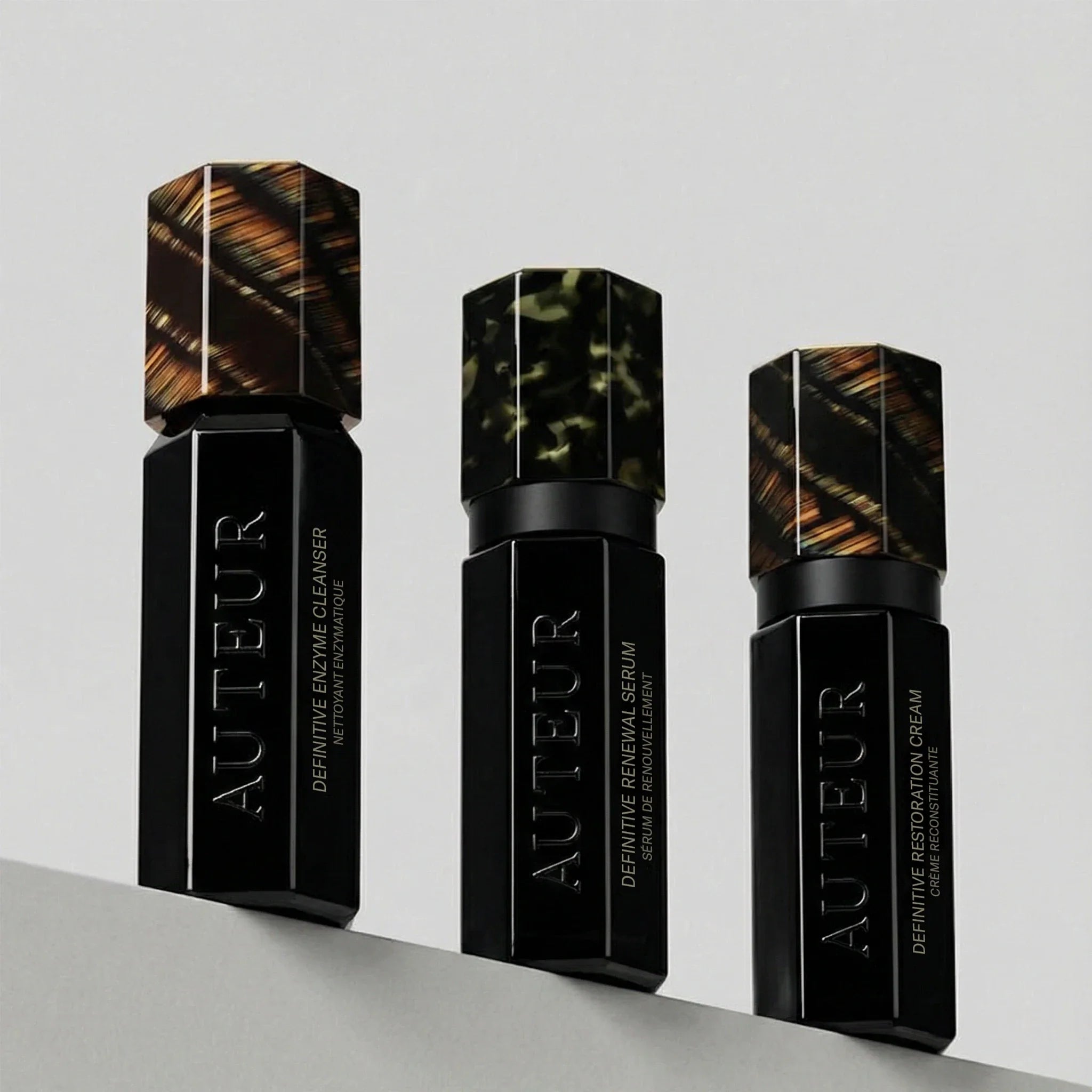
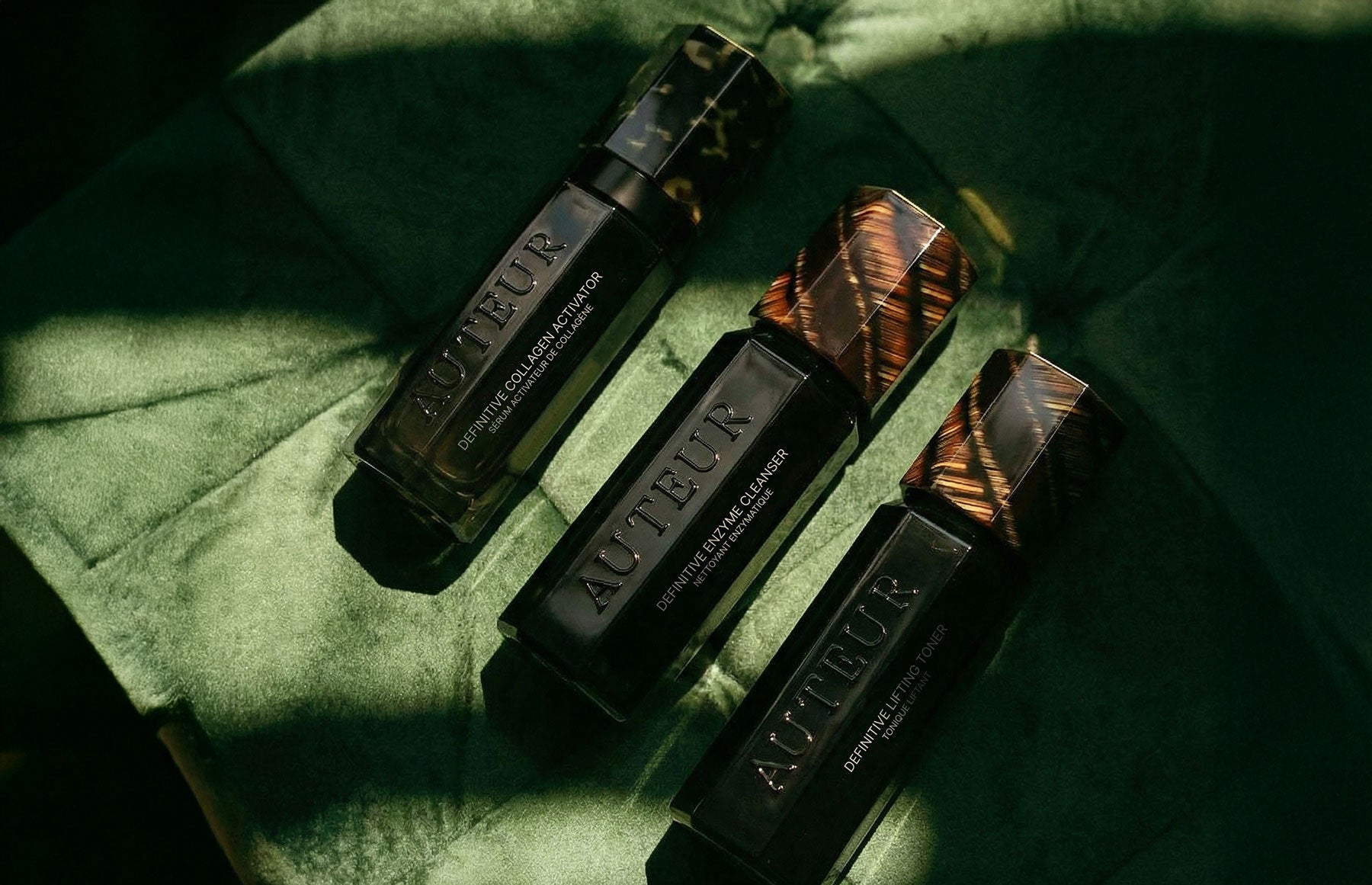
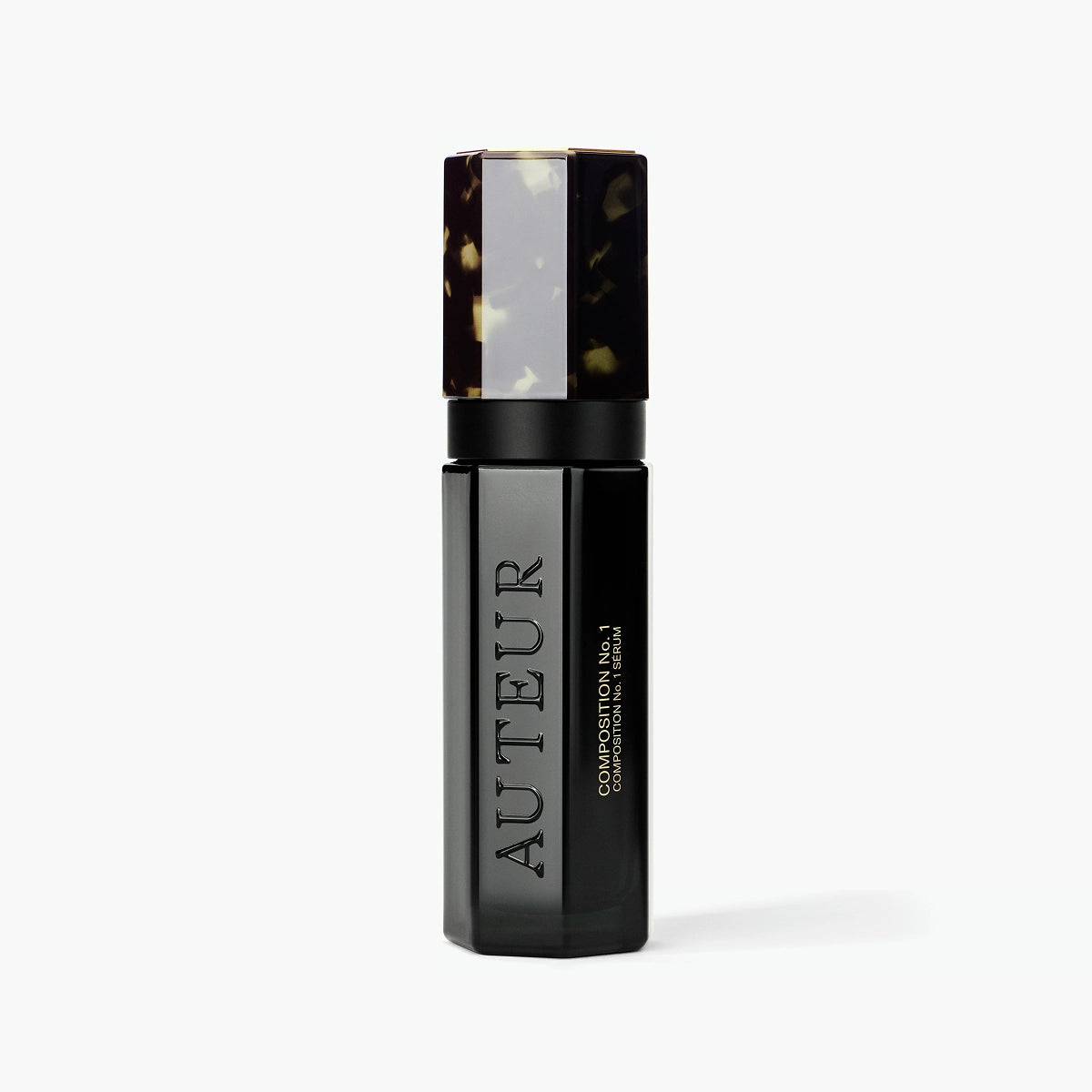
AUTEUR Superlative Essence
$225 · 100ml
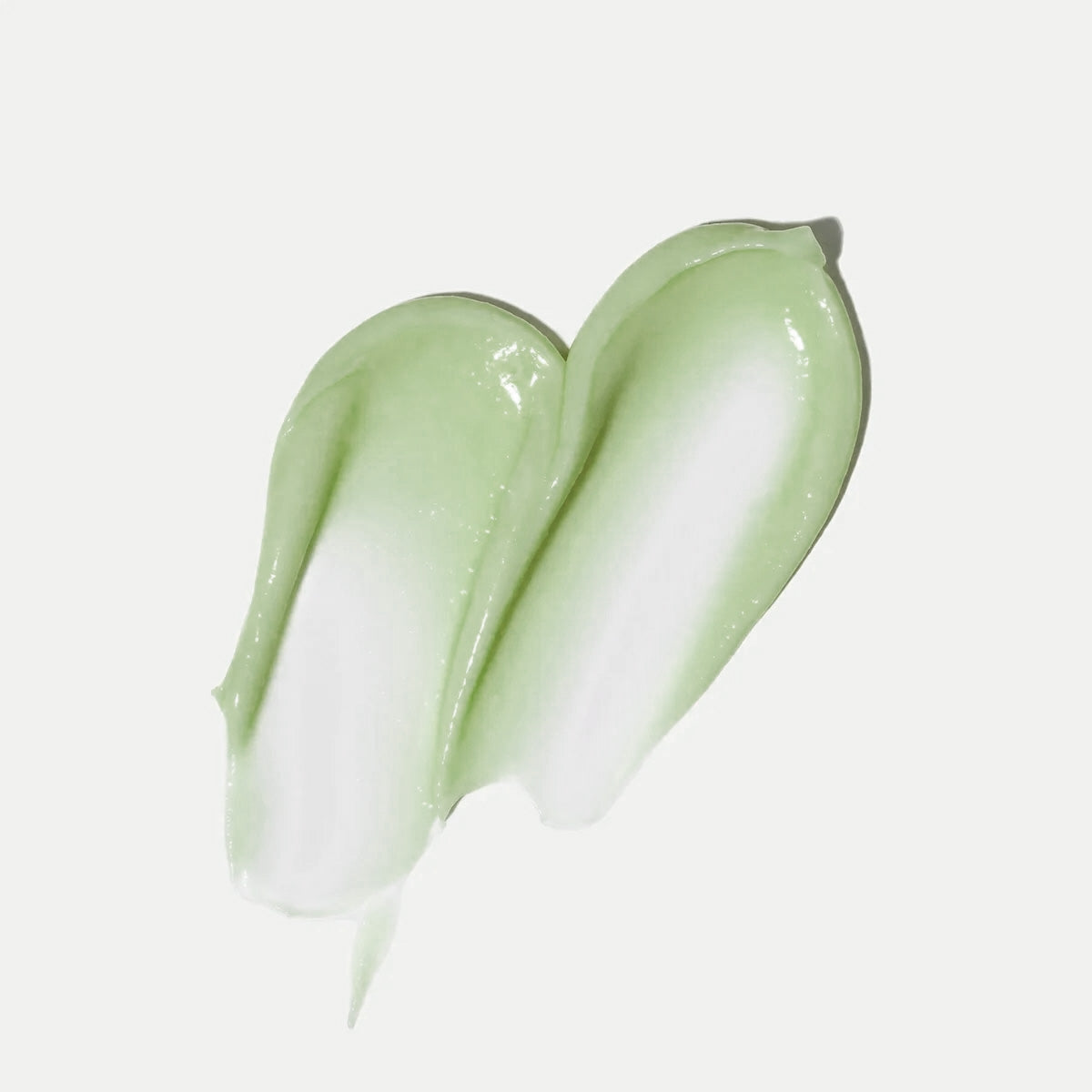
A milky, shake-to-activate essence that places a bioengineered growth factor complex at the first treatment step after cleansing, on damp skin, where the stratum corneum is most permeable. It is formulated with a natural moisturising factor matrix and a barrier recovery network of lipids, and is used morning and evening before serum. The growth factor complex is defined and recombinant, with no human-derived material.
Explore the FormulationThe evidence supports a measured claim: topical growth factor mixtures have produced histological and clinical improvement in small trials over one to six months, through a mechanism that is plausible but not fully demonstrated. Look for a defined source, a vehicle that places the complex on bare, hydrated skin, and allow eight weeks of twice-daily use before judging it.
Frequently Asked Questions
Do growth factors in skincare actually work?
The published trials are small but consistent. A 14-patient pilot found a 37% increase in Grenz zone collagen thickness after 60 days, and a 60-subject double-blind study found greater reduction in fine lines than vehicle at three months. Larger trials are still needed.
Can growth factors penetrate the skin?
Only partly. Growth factors are proteins far above the 500 Dalton threshold for easy passage through the stratum corneum. The working hypothesis is that a small fraction reaching the superficial epidermis triggers a relay to dermal fibroblasts, so the vehicle and the state of the skin at application matter.
Are topical growth factors safe?
The cosmetic trials, including a six-month double-blind study, monitored adverse events and reported the products as tolerated. Because growth factors promote proliferation, anyone with a history of skin cancer should ask a dermatologist first.
What is the difference between human and bioengineered growth factors?
Human-derived growth factors come from cultured human cells and their conditioned media. Bioengineered growth factors are made by recombinant methods or designed as biomimetic sequences: a defined, consistent ingredient with no human tissue involved.
References
1. Barrientos, S., Stojadinovic, O., Golinko, M.S., Brem, H., Tomic-Canic, M. (2008). Growth factors and cytokines in wound healing. Wound Repair and Regeneration, 16(5), 585-601.
2. Varani, J., Dame, M.K., Rittie, L., et al. (2006). Decreased collagen production in chronologically aged skin: roles of age-dependent alteration in fibroblast function and defective mechanical stimulation. American Journal of Pathology, 168(6), 1861-1868.
3. Sundaram, H., Mehta, R.C., Norine, J.A., Kircik, L. (2009). Topically applied physiologically balanced growth factors: a new paradigm of skin rejuvenation. Journal of Drugs in Dermatology, 8(5 Suppl), 4-13.
4. Fitzpatrick, R.E., Rostan, E.F. (2003). Reversal of photodamage with topical growth factors: a pilot study. Journal of Cosmetic and Laser Therapy, 5(1), 25-34.
5. Gold, M.H., Goldman, M.P., Biron, J. (2007). Efficacy of novel skin cream containing mixture of human growth factors and cytokines for skin rejuvenation. Journal of Drugs in Dermatology, 6(2), 197-201.
6. Mehta, R.C., Smith, S.R., Grove, G.L., Ford, R.O. (2008). Reduction in facial photodamage by a topical growth factor product. Journal of Drugs in Dermatology, 7(9), 864-871.
7. Bos, J.D., Meinardi, M.M. (2000). The 500 Dalton rule for the skin penetration of chemical compounds and drugs. Experimental Dermatology, 9(3), 165-169.