
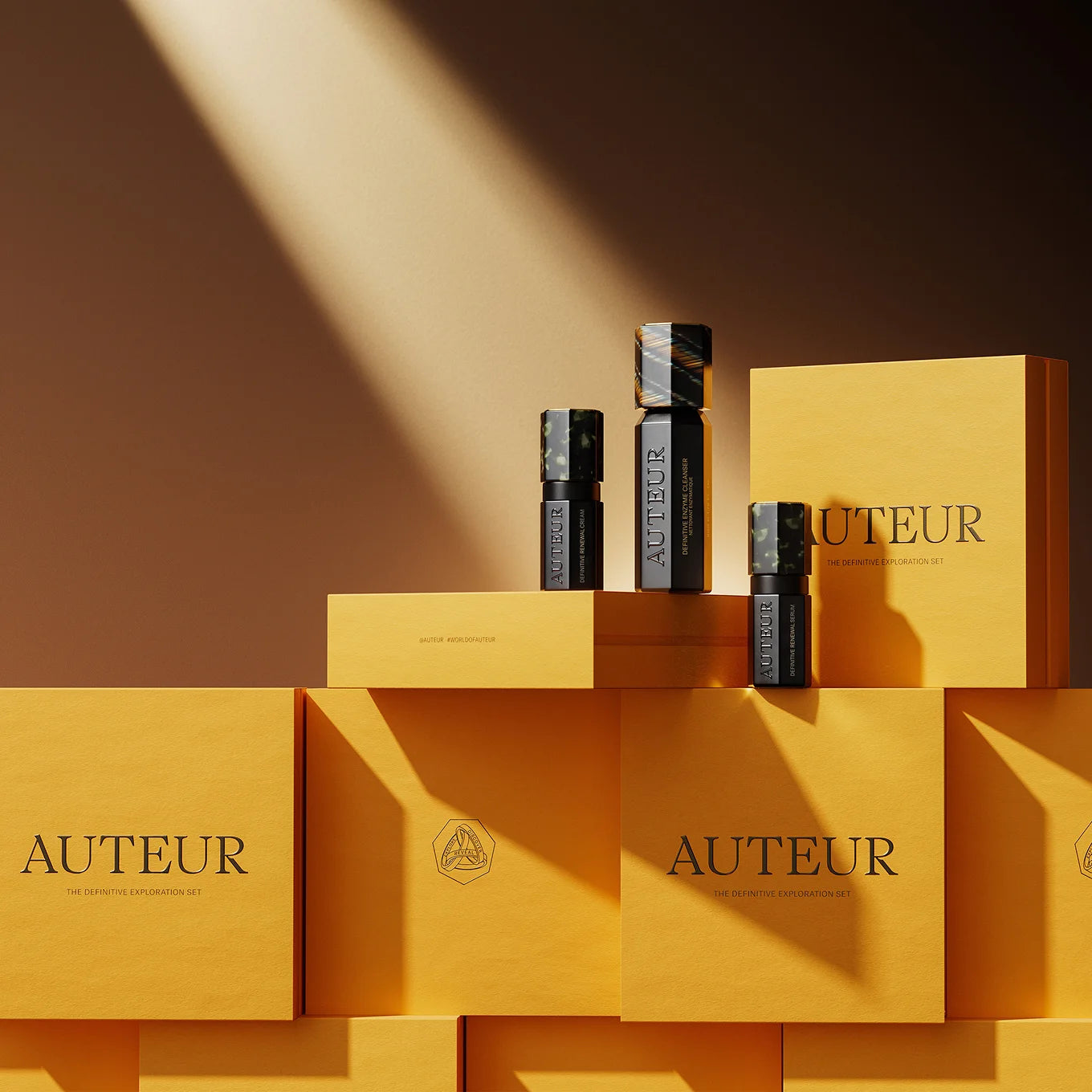
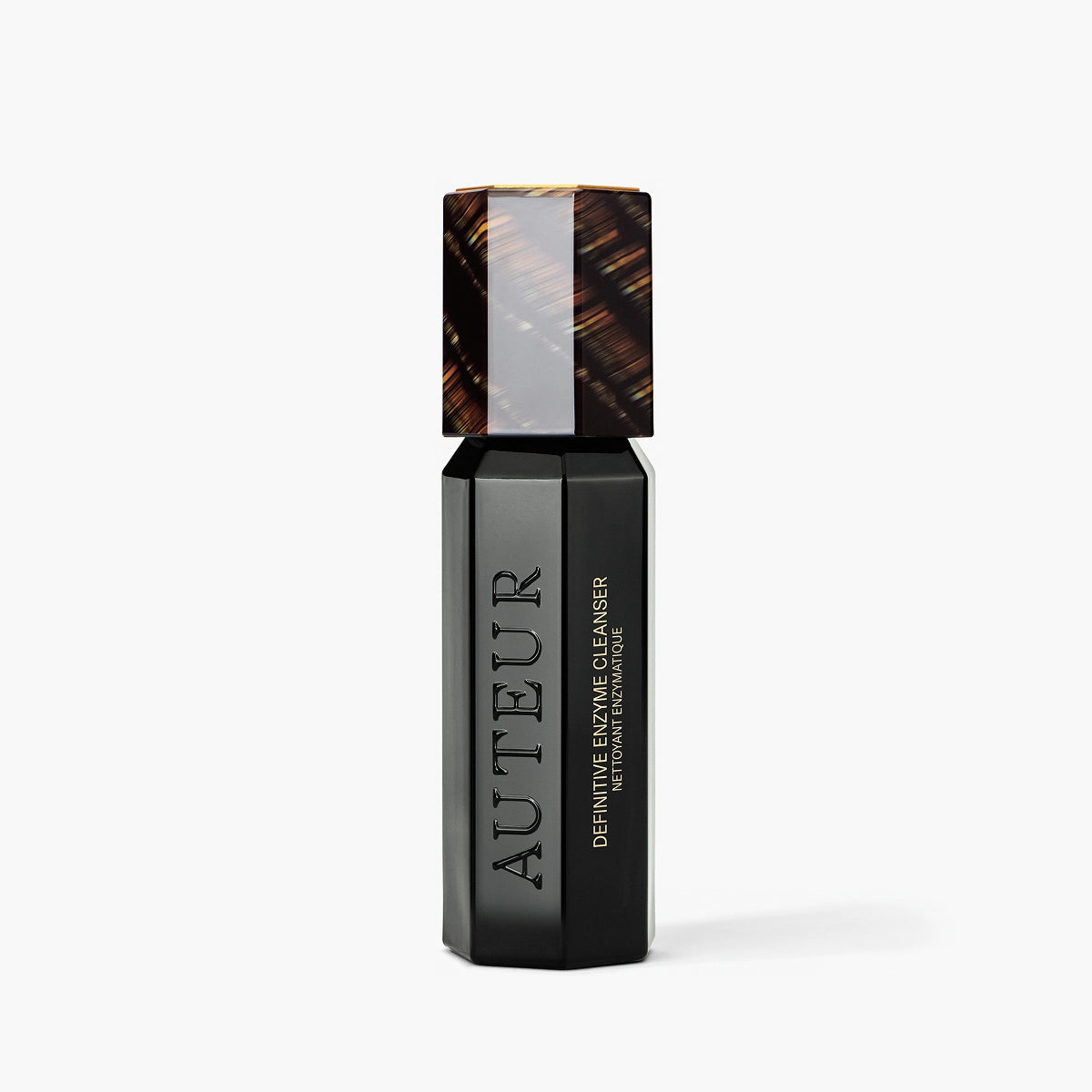
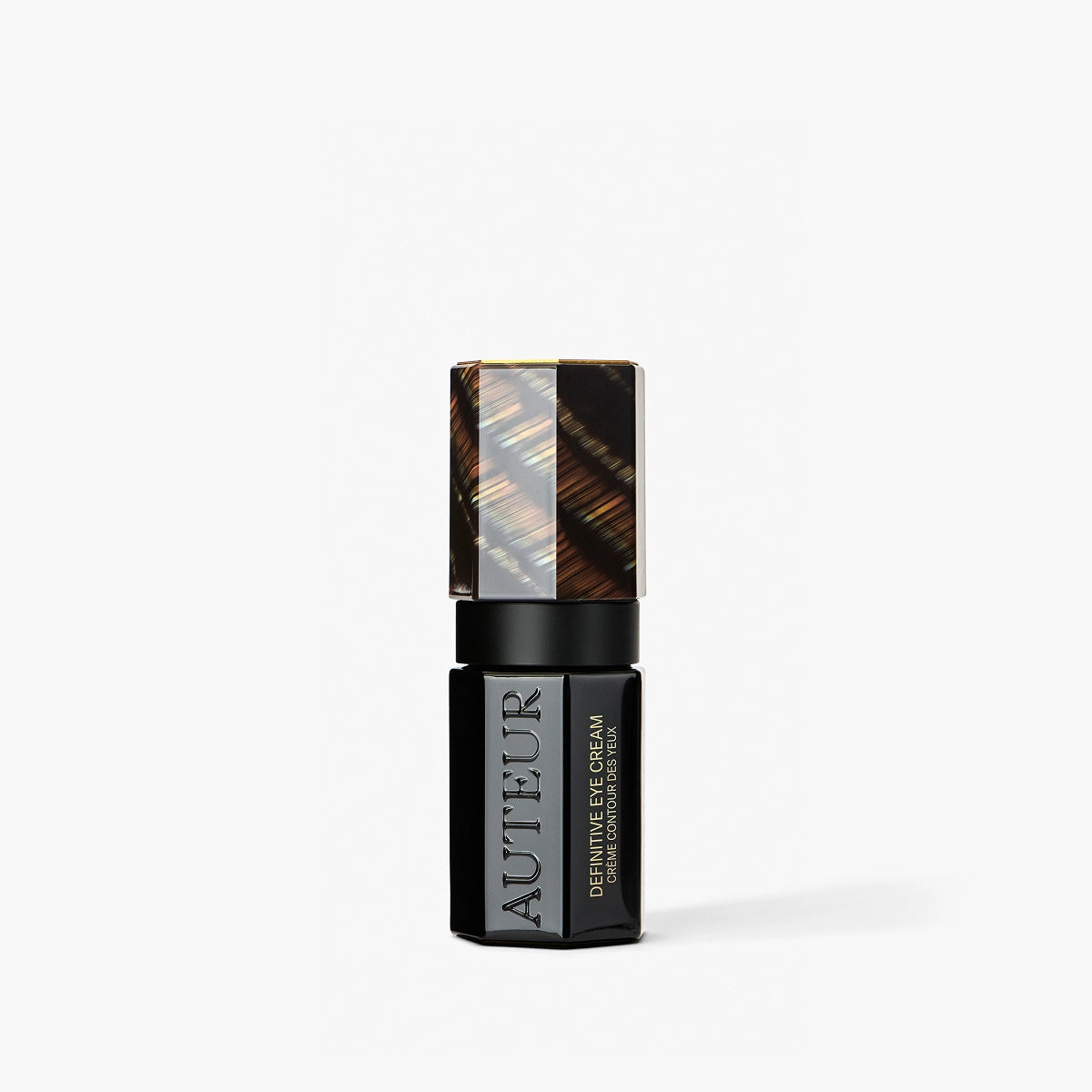
Most peptide routines fail for the same reason most supplementation protocols fail: the ingredients are sound, but the sequence is wrong. A neurotransmitter-inhibiting peptide applied over an occlusive cream never reaches the neuromuscular junction it was designed to target. A collagen-stimulating signal peptide layered beneath a low-pH acid gets denatured before it can bind to fibroblast receptors. The formulation matters. The order matters more.
The Superlative Collection was engineered in Germany around a single premise: that the most advanced peptide complexes in clinical skincare are only as effective as the protocol that delivers them. Three products, each calibrated to a specific depth of the skin's architecture, applied in a precise sequence that allows every active to reach its biological target without interference.
This is how the protocol works, why each step exists, and what the clinical science says about the mechanisms behind it.
Why Sequence Determines Peptide Efficacy
Peptides are short chains of amino acids that function as cellular messengers. When applied topically, they instruct fibroblasts to produce collagen, signal keratinocytes to strengthen the barrier, and modulate neurotransmitter activity at the muscular level to soften expression lines (1). The challenge is not potency. It is penetration.
The stratum corneum, the outermost layer of skin, was designed to keep foreign molecules out. Most topical peptides never get past it. Research published in the International Journal of Pharmaceutics found that encapsulated peptide delivery systems achieve up to 90 times the bioavailability of non-encapsulated formulations (2). But even with advanced delivery, the vehicle matters: a water-based serum penetrates differently than an oil-based cream, and a silicate-based concentrate behaves differently again.
This is the principle behind the Superlative Protocol. Each formulation uses a distinct vehicle and delivery architecture, calibrated to carry its specific peptide complex to a specific depth. Applied in sequence from thinnest to most occlusive, each layer creates the conditions for the next one to work.
Three Depths of Structural Ageing
Skin ages in layers. The visible signs (fine lines, sagging, loss of definition) are surface expressions of structural changes occurring at three distinct depths, each governed by different biological mechanisms.
The Muscular Level
Repeated facial expressions create persistent creases because the muscles beneath the skin remain partially contracted. Neurotransmitter-inhibiting peptides such as Acetyl Hexapeptide-8 work at this level, reducing the intensity of muscular contraction without paralysing the muscle entirely (3). This is the same mechanism targeted by injectable neuromodulators, addressed here through topical peptide signalling.
The Dermal Matrix
Collagen and elastin production declines approximately 1% per year after age 25 (4). By the time visible sagging appears, the dermal matrix has already lost significant structural density. Signal peptides such as Palmitoyl Tripeptide-5 and Palmitoyl Tripeptide-38 communicate directly with fibroblasts to stimulate Type I and Type III collagen synthesis, the two collagen types most responsible for skin firmness and elasticity.
The Barrier and Lipid Layer
Even aggressively stimulated collagen production is undermined if the skin's barrier cannot retain moisture and protect the newly synthesised matrix. Ceramides, essential fatty acids, and occlusive lipid layers seal the repair work happening beneath. Without barrier integrity, transepidermal water loss accelerates and the dermal matrix dehydrates from the top down.
The Superlative Protocol addresses each depth in order: muscular relaxation first, collagen stimulation second, barrier sealing third.
Step One: The Sculpting Concentrate
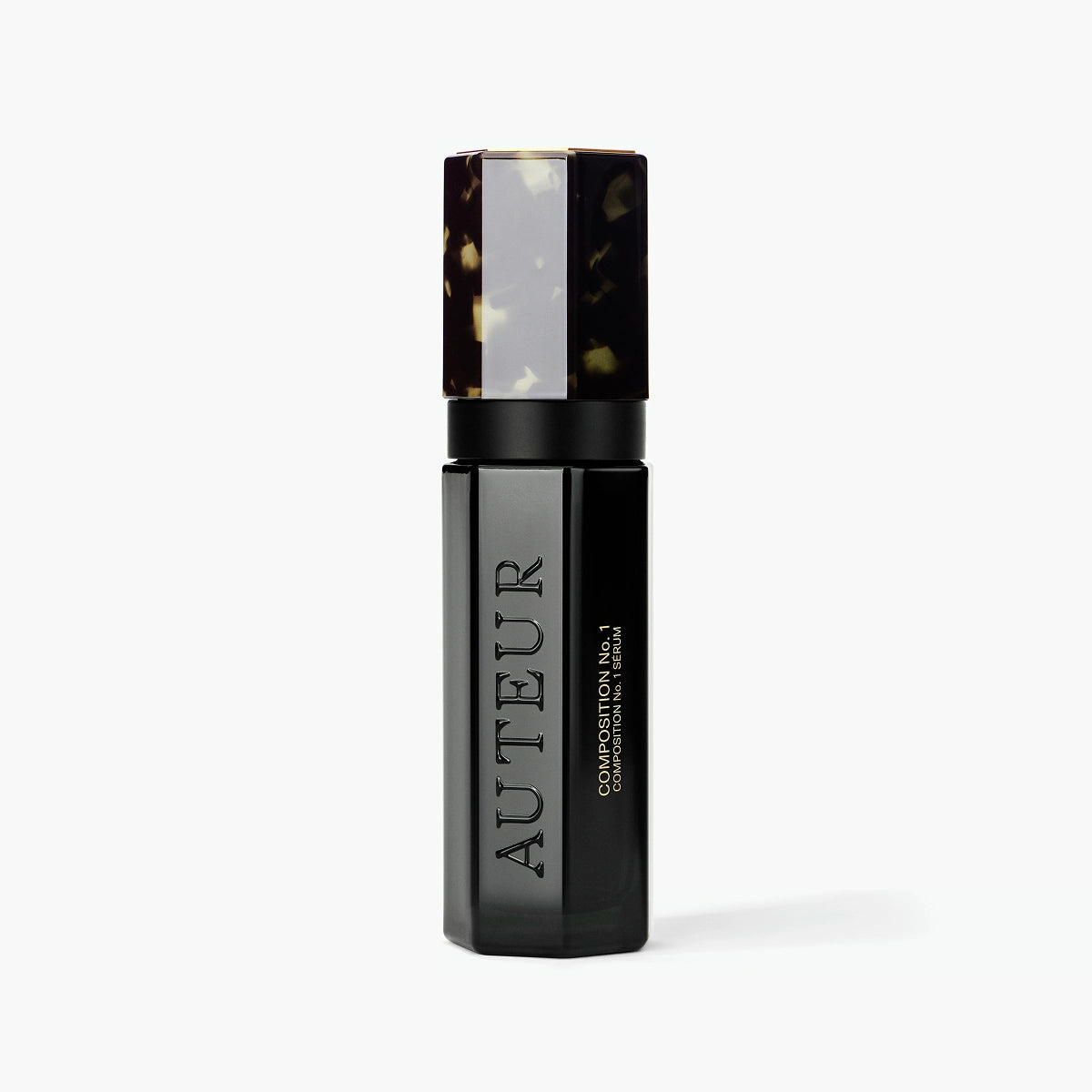
The protocol begins with the Superlative Sculpting Concentrate, a silicate-matrix formulation that goes on clean, dry skin as the very first product. No toner. No essence. Nothing between the concentrate and the stratum corneum.
The reason is molecular weight. The Sculpting Concentrate uses a magnesium aluminium silicate base that creates a micro-tensioning film on the skin's surface while simultaneously delivering Acetyl Hexapeptide-8, a hexapeptide that inhibits SNARE complex formation at the neuromuscular junction (3). In simpler terms: it signals the small muscles beneath expression lines to relax, softening the crease from below while the silicate matrix smooths it from above.
This produces the immediate visible effect. Wrinkles appear softer. Pores look refined. The face takes on a sculpted, lifted quality within minutes of application. But the long-term value is structural: the concentrate also delivers ergothioneine (a powerful cellular antioxidant) and gluconolactone (a polyhydroxy acid that gently accelerates cell turnover without the irritation profile of glycolic acid).
Apply a small amount to face, neck, and décolleté using upward lifting motions. Allow 60 to 90 seconds for full absorption before moving to Step Two.
Step Two: Serum Phi
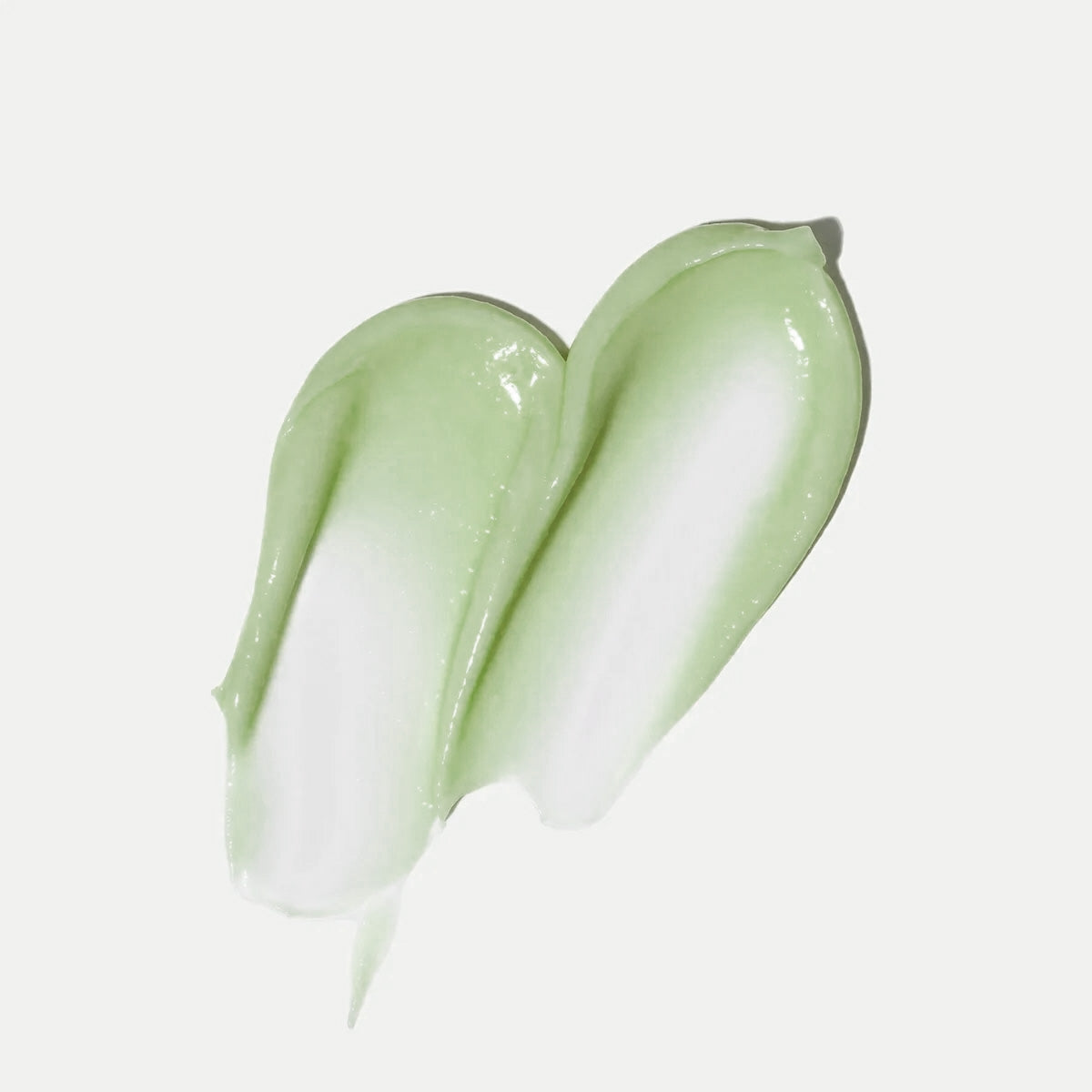
Once the Sculpting Concentrate has addressed the muscular level, Serum Phi targets the dermal matrix. This is the collagen step: a lightweight, water-based serum carrying six distinct peptides, each calibrated to a different collagen-stimulating pathway.
The formulation centres on Palmitoyl Tripeptide-5, which mimics the body's own thrombospondin-1 to activate TGF-beta signalling, one of the primary pathways through which fibroblasts produce new collagen (5). Palmitoyl Tripeptide-38 works alongside it, stimulating synthesis of collagen Types I, III, and IV as well as fibronectin, the glycoprotein scaffolding that gives the dermal matrix its structural integrity.
But the formulation does something else that most multi-peptide serums do not. Tridecapeptide-1, a growth factor mimicking peptide, accelerates the skin's own repair signalling. Saccharomyces lysate extract (a yeast-derived ferment) provides the amino acid building blocks that fibroblasts need to execute on the collagen production orders the peptides are sending.
This is the distinction between telling the skin to produce collagen and giving it the raw materials to actually do it. Most peptide serums do the former. Serum Phi does both.
The visible result: fine lines begin to soften within 15 minutes of the first application. The structural result, measurable density improvement at the dermal level, develops progressively over 8 to 12 weeks as new collagen matures.
Apply to face, neck, and décolleté after the Sculpting Concentrate has fully absorbed. Allow complete absorption before moving to Step Three. Avoid layering oil-based products between Steps One and Two.
Step Three: Cream Voyage
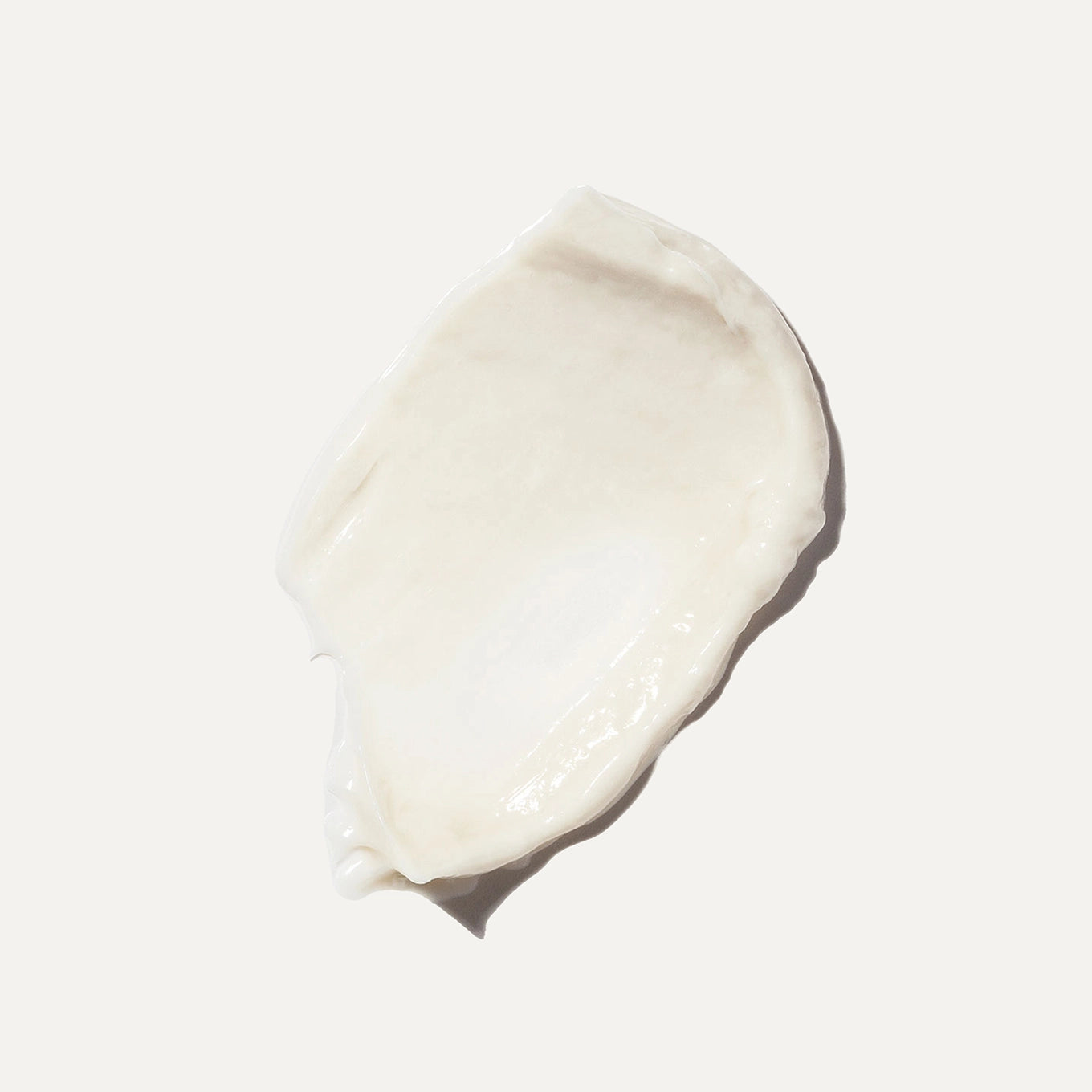
The final step changes the function entirely. Where the Sculpting Concentrate relaxes and the Serum stimulates, Cream Voyage seals and protects. It is intentionally rich. Intentionally occlusive. Designed to lock everything beneath it into the skin while delivering its own targeted peptide complex.
Tripeptide-29 is a biomimetic peptide that replicates the Gly-Pro-Hyp repeat sequence found in native human collagen. Rather than signalling the skin to produce collagen (as the peptides in Step Two do), Tripeptide-29 integrates directly into the existing collagen matrix, reinforcing its structural integrity from within (6). Caprooyl Tetrapeptide-3 supports this by targeting elastin preservation.
The cream also delivers retinol, ascorbic acid, and glutathione within its lipid matrix. These are not token inclusions. The occlusive base ensures these notoriously unstable actives remain protected from oxidation until they penetrate. Gold nanoparticles serve as a carrier system, enhancing dermal delivery of the peptide complex.
For mature, depleted skin, Cream Voyage is the formulation that makes the preceding two steps permanent. It transforms overnight repair from a process the skin attempts into one it completes. Warm between fingertips, press into the skin (do not drag), and apply as the final evening step.
The Full Protocol, Morning and Evening
All three products can be used up to twice daily. For maximum results, the evening application is the most important: skin repair activity peaks during sleep, and the occlusive seal of Cream Voyage ensures the peptide complexes remain active throughout the regeneration window.
Morning use is optional but effective. If using all three steps in the morning, apply sunscreen as a final layer. Peptide efficacy is not UV-dependent, but retinol in Cream Voyage requires photoprotection.
What to Expect: The Results Timeline
Peptide skincare operates on two timelines simultaneously. The immediate timeline is textural: surface smoothing, temporary firming, visible pore refinement. These effects appear within the first application. The structural timeline is slower, governed by the skin's own collagen turnover cycle.
Collagen fibres require approximately 90 days to fully mature after synthesis (4). This means the firmness and density improvements you see at week four are precursors; the full structural result emerges between weeks 8 and 12. This is not a limitation. It is biology operating on its own timeline, accelerated by consistent peptide signalling.
The complication most users encounter is impatience. Weeks two through six can feel like a plateau: the immediate textural improvements have normalised, but the deep structural changes are still forming. This is exactly the period when consistency matters most. Discontinuing the protocol before week eight means exiting before the collagen you stimulated has matured.
Starting the Protocol
The full Superlative Collection represents a considered investment: $435 for the Sculpting Concentrate, $415 for Serum Phi, and $425 for Cream Voyage. For those new to AUTEUR or to advanced peptide protocols, the Superlative Discovery Set provides nine sachets (three of each formulation) for $40.
Nine applications is enough to experience the immediate textural results and to confirm skin compatibility before committing to the full protocol. It is also enough to understand the layering sequence physically: how each product feels, how long absorption takes, and how the three steps interact on your specific skin.
AUTEUR Superlative Discovery Set
Nine sachets containing all three steps of the Superlative Protocol. Enough to experience the immediate effects and confirm your skin's response before investing in the full collection. Engineered in Germany with the same peptide concentrations as the full-size formulations.
Explore the Discovery SetThe Discovery Set is limited to one per client. This is intentional: it exists as an introduction to the protocol, not as a travel-size substitute for it. The structural results described above require 8 to 12 weeks of consistent use with the full-size formulations.
References
1. Schagen, S.K. (2017). Topical Peptide Treatments with Effective Anti-Aging Results. Cosmetics, 4(2), 16.
2. Lopes, L.B. et al. (2010). Overcoming the Cutaneous Barrier with Microemulsions. International Journal of Pharmaceutics, 396(1-2), 179-184.
3. Blanes-Mira, C. et al. (2002). A synthetic hexapeptide (Argireline) with antiwrinkle activity. International Journal of Cosmetic Science, 24(5), 303-310.
4. Varani, J. et al. (2006). Decreased Collagen Production in Chronologically Aged Skin. The American Journal of Pathology, 168(6), 1861-1868.
5. Robinson, L.R. et al. (2005). Topical palmitoyl pentapeptide provides improvement in photoaged human facial skin. International Journal of Cosmetic Science, 27(3), 155-160.
6. Gorouhi, F. & Maibach, H.I. (2009). Role of topical peptides in preventing or treating aged skin. International Journal of Cosmetic Science, 31(5), 327-345.