


The skincare routine order is not a matter of preference. It is a matter of physics. Every active ingredient has a molecular weight, a target depth, and a vehicle that determines how it moves through the stratum corneum. Apply a heavy occlusive cream before a lightweight peptide serum and the peptide never reaches the epidermis. The formulation sits on top of the barrier it was designed to penetrate. The active is present. The effect is absent.
This guide covers the clinical rationale behind product sequencing: why thin-to-thick is not just a rule of thumb but a principle of dermal absorption, how pH affects active stability when products are layered, and which combinations to separate between morning and evening routines. The goal is not to add more steps. It is to ensure the steps you already take are not working against each other.
Why Routine Order Matters: The Science of Penetration
The skin is not a sponge. It is a selective barrier engineered to keep things out. The stratum corneum, the outermost layer, is a lipid-rich matrix of dead corneocytes that resists penetration by most molecules. Getting an active ingredient past this barrier requires the right molecular weight (under 500 Daltons for passive diffusion), the right vehicle (water-based, oil-based, or encapsulated), and the right sequence relative to other products on the skin.1
When products are applied in the wrong order, two things happen. First, heavier formulations create an occlusive film that physically blocks lighter actives from reaching the epidermis. Second, pH conflicts between adjacent products can destabilise sensitive actives like L-ascorbic acid or retinol, reducing their potency before they ever penetrate.2
The clinical principle is straightforward: apply products from lowest to highest viscosity, and separate pH-dependent actives that conflict. Everything that follows is an application of these two rules.
The Morning Routine: Protection and Prevention
The morning routine has a specific clinical objective: protect the skin from UV-induced damage, environmental oxidative stress, and transepidermal water loss throughout the day. Every product in the morning sequence serves this objective. Nothing in a morning routine should increase photosensitivity.
Step 1: Cleanse
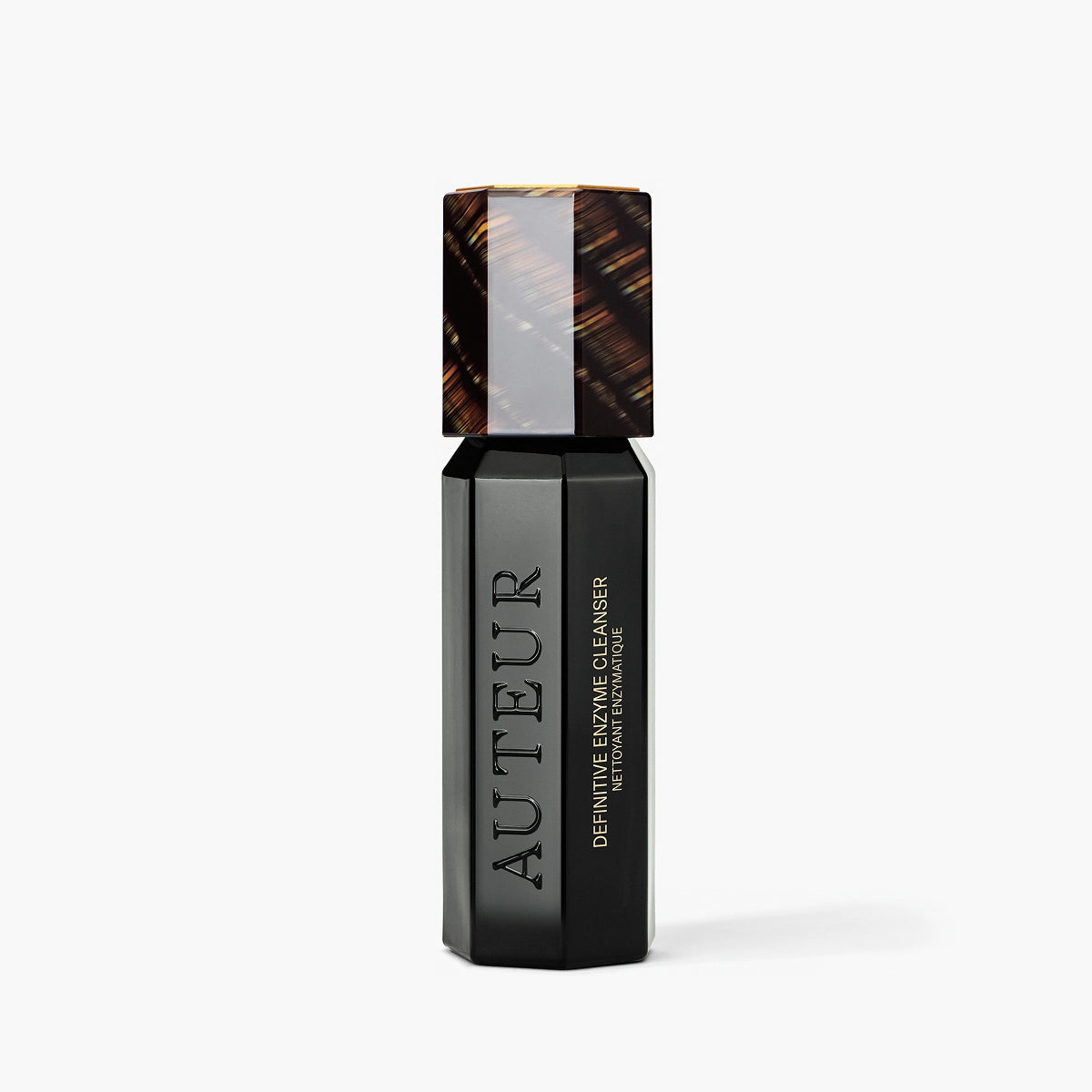
A gentle cleanser removes overnight sebum production and residual treatment products without stripping the lipid barrier. Enzyme-based cleansers offer a precise advantage here: they break down dead protein bonds through proteolytic activity rather than surfactant aggression, preserving the ceramide matrix that retinol or exfoliating acids may have thinned overnight.3
The cleanser is also a pH reset. Skin functions optimally between pH 4.5 and 5.5. A well-formulated cleanser restores this range, creating the right environment for the actives that follow.
Step 2: Hydrating serum (water-based)
Hyaluronic acid and niacinamide serums go on first after cleansing because they are water-based, low-viscosity formulations with small molecular structures. Hyaluronic acid binds up to 1,000 times its weight in water, drawing moisture into the epidermis and creating a hydrated environment that improves the penetration of subsequent actives.4
Niacinamide at this step serves a dual purpose: it provides antioxidant protection for the day ahead and continues its ceramide-synthesis work at the barrier level. Both ingredients are pH-flexible and compatible with virtually every active that follows.
Step 3: Treatment serum (peptides, antioxidants)
Peptide serums and antioxidant treatments layer over the hydrating base. Peptides are signalling molecules; they communicate with fibroblasts and keratinocytes to stimulate collagen production, reduce inflammation, or modulate pigmentation. Their molecular weights vary, but most peptide serums are formulated in lightweight vehicles that absorb before heavier products are applied.
If you use a vitamin C serum (L-ascorbic acid), this is its position in the morning routine. Vitamin C provides photoprotective antioxidant defence that complements sunscreen. It requires a low pH (2.5 to 3.5) to penetrate effectively, so it should be applied to bare or freshly hydrated skin, not over oil-based products.5
Step 4: Moisturise
The moisturiser seals the actives beneath it and provides an occlusive or semi-occlusive layer that reduces transepidermal water loss. This is the step where texture shifts from liquid to cream. The moisturiser does not need to contain high concentrations of actives; its job is to protect the barrier and maintain hydration throughout the day.
Step 5: Sunscreen
Sunscreen is the final step because it must sit on top of the skin surface to function. It works by absorbing or reflecting UV radiation before it reaches the epidermis. Applying anything over sunscreen dilutes its protection. Applying sunscreen too early buries it under subsequent products that compromise its film integrity.
Broad-spectrum SPF 30 or higher, applied as the last skincare step before makeup, is the single most evidence-supported anti-ageing intervention in dermatology.6
The Evening Routine: Repair and Renewal
The evening routine has a different objective: repair accumulated damage and stimulate regenerative processes that occur during sleep. This is when photosensitive actives (retinol, certain peptides, exfoliating acids) do their work without UV interference.
Step 1: Double cleanse (if wearing SPF or makeup)
Sunscreen is formulated to resist water and stay on the skin surface. A single cleanse rarely removes it completely. An oil-based first cleanse dissolves the SPF film; a water-based second cleanse removes residual debris and resets skin pH. Incomplete cleansing leaves a film that blocks overnight actives from penetrating.
Step 2: Hydrating serum
The same hyaluronic acid or peptide serum used in the morning serves a different purpose at night: it creates a hydrated cellular environment that improves retinoid tolerance and supports the skin's overnight repair cycle. Hydrated skin is more permeable to actives and less prone to the irritation that retinoids can produce on compromised barriers.
Step 3: Retinol
Retinol belongs exclusively in the evening routine. It is photolabile: UV exposure degrades it into inactive metabolites, wasting both the active ingredient and the formulation technology designed to stabilise it.7 Apply retinol after hydrating serums have absorbed, on skin that is not damp but not completely dry. The hydrating layer beneath provides a buffer that reduces initial irritation without significantly impeding penetration.
Step 4: Eye cream
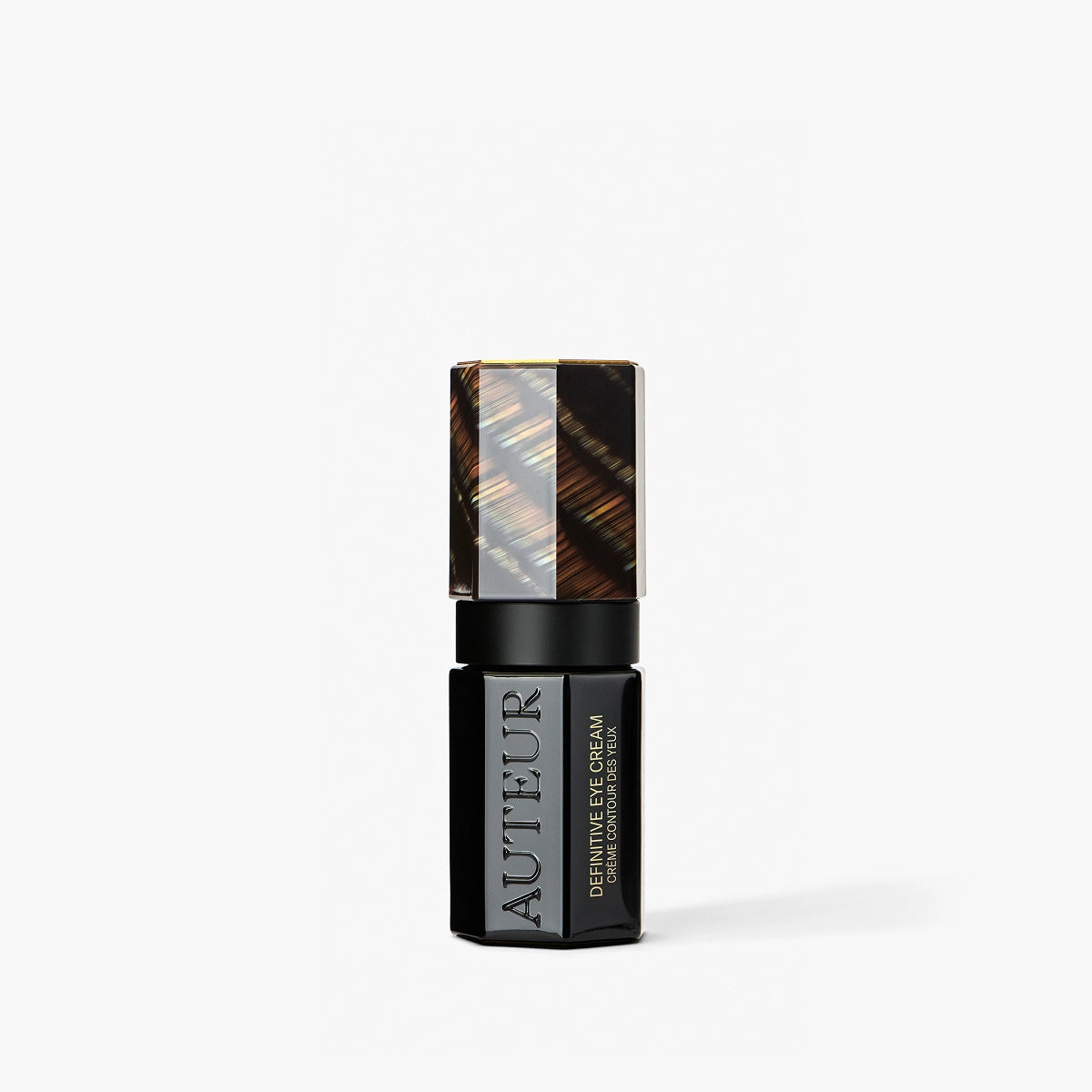
The periorbital skin is thinner, more vascular, and more susceptible to irritation than the rest of the face. A dedicated eye cream delivers targeted actives (typically lower-concentration peptides and caffeine for microcirculation) in a formulation calibrated for this thinner tissue. Apply with the ring finger using light pressure; the orbital bone is the boundary.
Step 5: Moisturise
The evening moisturiser performs the same occlusive function as the morning one, with the added benefit of sealing retinol and peptide actives beneath a protective layer. Richer textures are appropriate at night because there is no need to layer sunscreen or makeup over them.
The Molecular Weight Principle
The 500 Dalton rule is the most cited principle in topical dermatology: molecules above 500 Da cannot passively penetrate the stratum corneum.1 This has direct implications for routine order.
Hyaluronic acid, for instance, varies dramatically by molecular weight. High-molecular-weight HA (over 1,000 kDa) sits on the skin surface and provides humectant hydration. Low-molecular-weight HA (under 50 kDa) penetrates deeper into the epidermis. Multi-weight formulations do both simultaneously, which is why they are applied early in the routine: they hydrate at multiple depths without creating an occlusive barrier that would block subsequent actives.
Peptides sit in a middle range (300 to 800 Da for most signalling peptides), which is why they penetrate the epidermis but benefit from delivery systems that enhance absorption. Retinol at 286 Da is small enough to penetrate effectively, but its instability means the formulation vehicle matters as much as the molecular weight. Encapsulated retinol formulations protect the molecule until it reaches its target, reducing surface-level irritation and waste.
The practical takeaway: lighter, water-based formulations first. Heavier, oil-based or emulsion formulations second. Occlusives last. This is not a cosmetic convention. It is a penetration hierarchy dictated by the physics of transdermal absorption.
pH Sequencing: When Chemistry Conflicts
Most actives work within a specific pH range. L-ascorbic acid (vitamin C) requires a pH below 3.5 to penetrate the stratum corneum.5 Niacinamide is stable between pH 5 and 7. Retinol performs optimally around pH 5.5 to 6. AHA exfoliants need a pH of 3 to 4.
When two products with conflicting pH requirements are layered in immediate succession, the first product's pH environment is disrupted before it has time to act. The result is reduced efficacy for both. This is not a theoretical concern; it is a measurable reduction in active bioavailability documented in formulation science literature.2
The solution is simple: separate pH-conflicting actives by time or by routine. Vitamin C in the morning, retinol in the evening. AHA exfoliant on alternate nights from retinol. If two low-pH actives must be used in sequence, allow 15 to 20 minutes between applications for the skin's acid mantle to re-equilibrate.
What Not to Layer Together
Most skincare actives are compatible. The exceptions are specific and well-documented.
Retinol and AHAs/BHAs in the same application. Both accelerate cell turnover through different mechanisms. Layering them simultaneously overwhelms the skin barrier, producing irritation, dryness, and potential sensitisation that exceeds what either active would cause alone. Use them on alternate nights, or AHA in the morning and retinol at night.9
Retinol and benzoyl peroxide. Benzoyl peroxide oxidises retinol on contact, rendering it inactive. This is not a tolerance issue; it is a chemical incompatibility. If both are part of your protocol, apply them at different times of day.
Multiple exfoliating acids simultaneously. Glycolic acid, salicylic acid, and lactic acid all lower skin pH and increase cell turnover. Stacking them amplifies irritation without proportionally increasing benefit. Choose the exfoliant suited to your concern and use it alone.
Fewer Steps, Better Formulations
The ten-step routine was never supported by clinical evidence. It was a marketing construct that conflated product count with efficacy. The dermatology literature consistently supports a simpler principle: the right actives, at the right concentration, in the right vehicle, applied in the right order.
Multi-active formulations have shifted the equation further. A single serum containing peptides, niacinamide, and hyaluronic acid in a well-designed delivery system can replace three separate products while improving compliance. Fewer application steps means fewer opportunities for pH conflicts, less barrier disruption from repeated product application, and a routine that people actually maintain long enough to see results.
The question is not how many products your routine contains. It is whether each product reaches the tissue it was formulated to act upon. A five-step routine with correctly sequenced, well-formulated products will outperform a twelve-step routine where half the actives never penetrate past the surface layer.
AUTEUR Definitive Collection
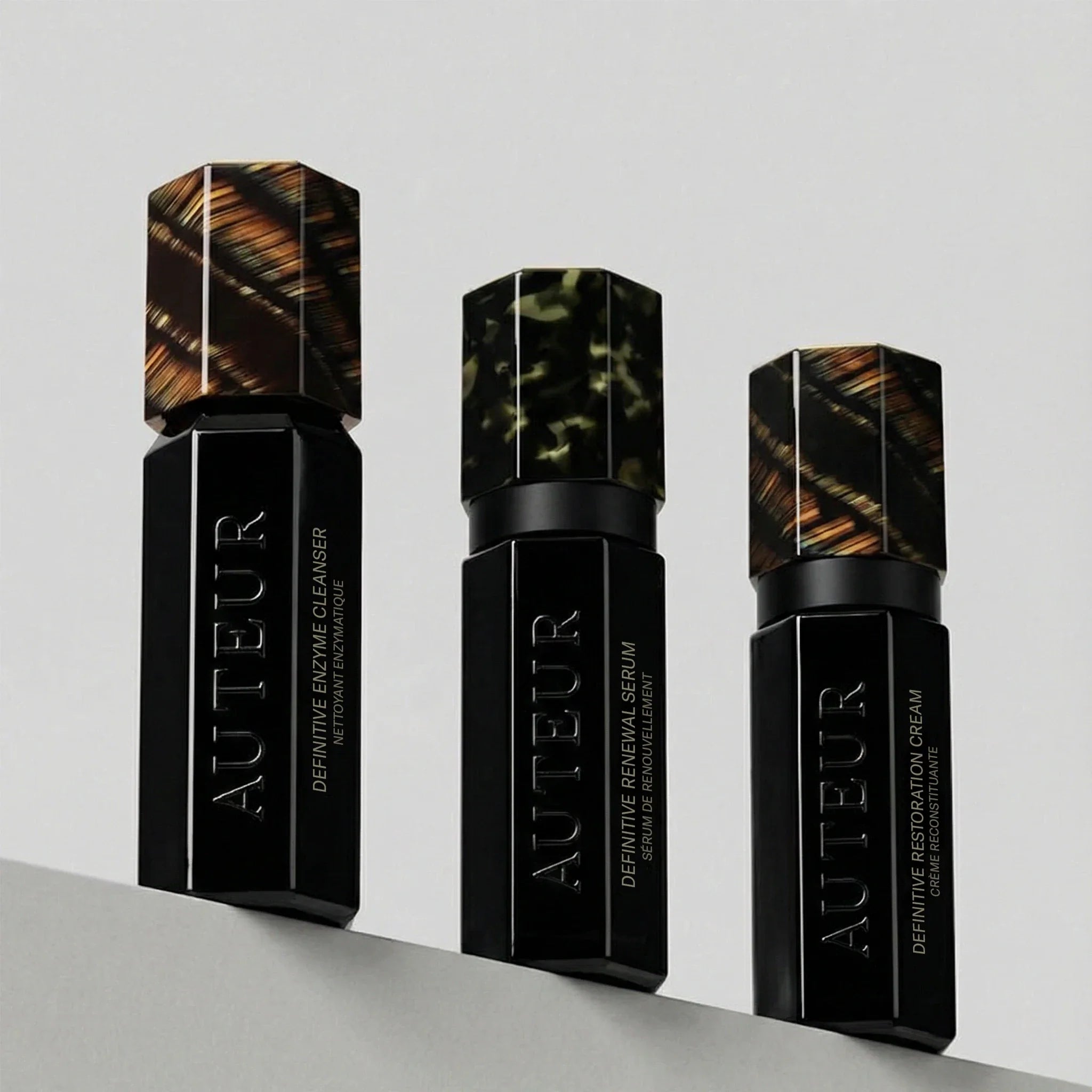
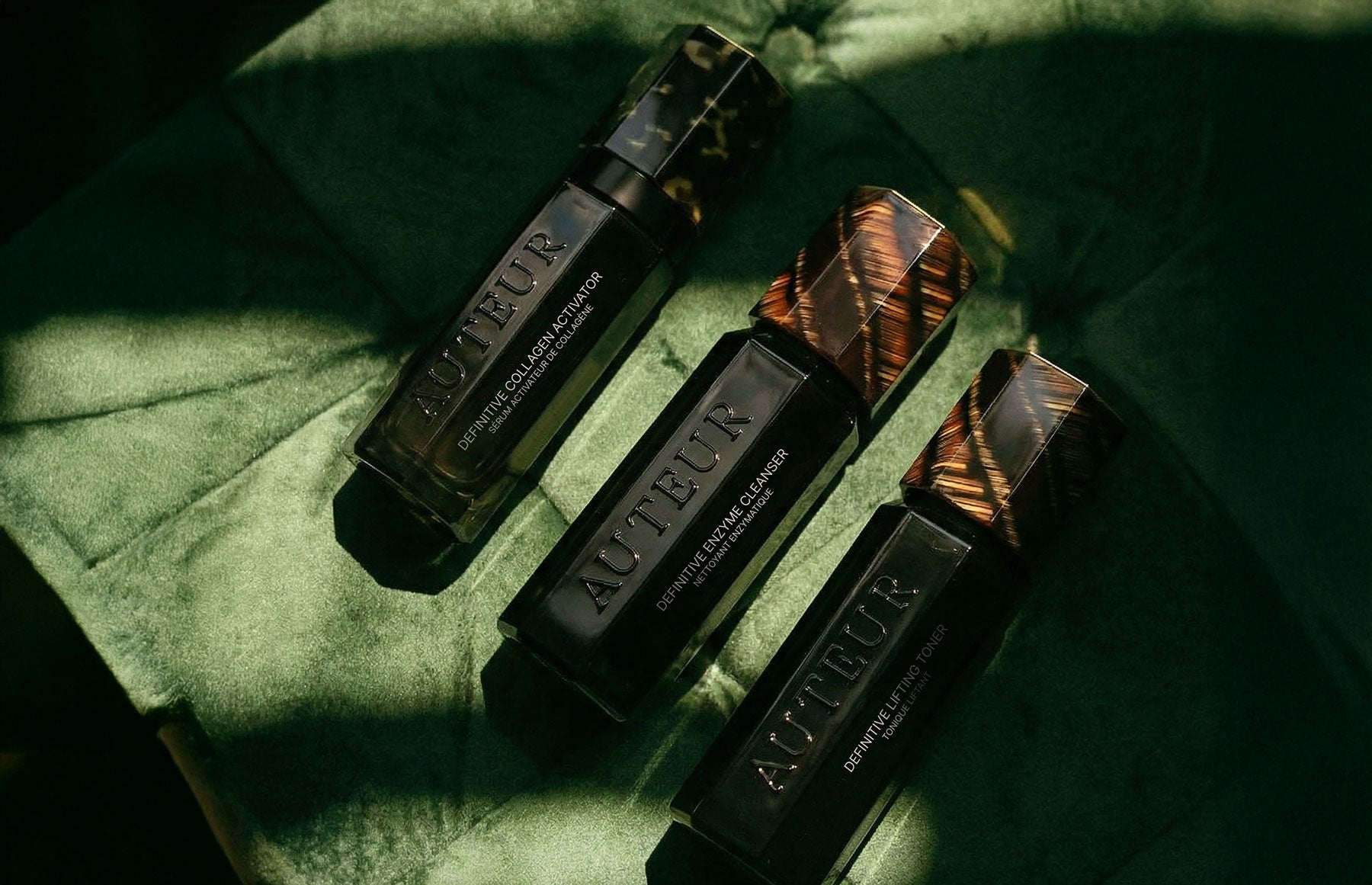
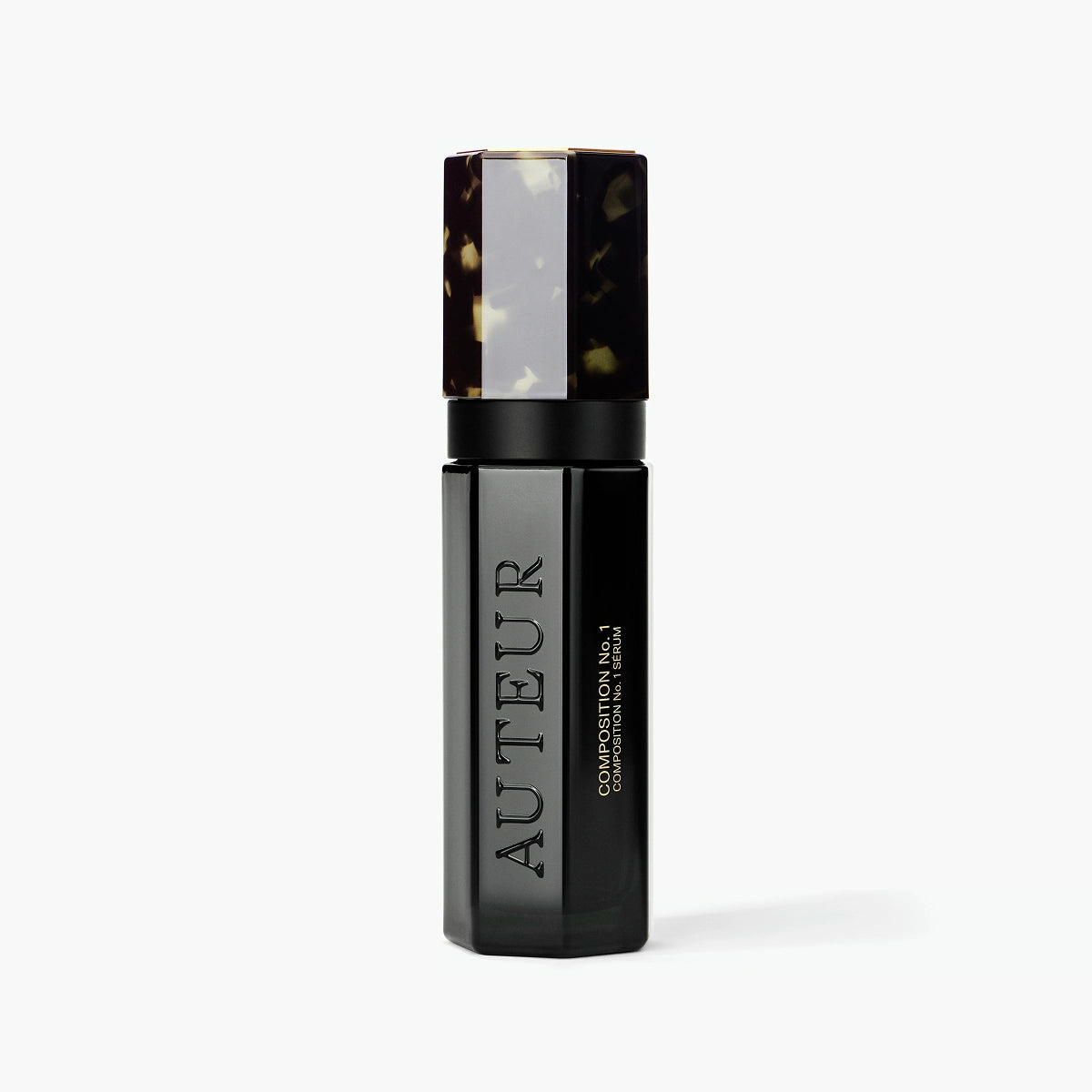
The Definitive line is designed as a complete clinical protocol: each formulation is sequenced to work within the layering principles outlined in this guide. The Enzyme Cleanser resets pH. The Hyaluron Activator primes penetration. The Renewal Serum delivers peptides and niacinamide. The Retinol Serum provides targeted evening renewal. Fewer products, formulated to work together.


Formulation sophistication determines whether an active ingredient produces a clinical outcome or merely appears on an ingredient list. The routine order determines whether that formulation reaches its target. Both matter. Neither alone is sufficient.
References
1. Bos, J.D. and Meinardi, M.M. (2000). The 500 Dalton rule for the skin penetration of chemical compounds and drugs. Experimental Dermatology, 9(3), 165-169.
2. Surber, C. and Smith, E.W. (2005). The mystical effects of dermatological vehicles. Dermatology, 210(2), 157-168.
3. Draelos, Z.D. (2018). The science behind skin care: Cleansers. Journal of Cosmetic Dermatology, 17(1), 8-14.
4. Papakonstantinou, E. et al. (2012). Hyaluronic acid: A key molecule in skin aging. Dermato-Endocrinology, 4(3), 253-258.
5. Pullar, J.M. et al. (2017). The Roles of Vitamin C in Skin Health. Nutrients, 9(8), 866.
6. Hughes, M.C.B. et al. (2013). Sunscreen and Prevention of Skin Aging: A Randomized Trial. Annals of Internal Medicine, 158(11), 781-790.
7. Zasada, M. and Budzisz, E. (2019). Retinoids: active molecules influencing skin structure formation in cosmetic and dermatological treatments. Postepy Dermatologii i Alergologii, 36(4), 392-397.
8. Tanno, O. et al. (2000). Nicotinamide increases biosynthesis of ceramides as well as other stratum corneum lipids to improve the epidermal permeability barrier. British Journal of Dermatology, 143(3), 524-531.
9. Soleymani, T. et al. (2022). A Practical Approach to Chemical Peels. The Journal of Clinical and Aesthetic Dermatology, 15(5), 58-64.
10. Boo, Y.C. (2021). Mechanistic Basis and Clinical Evidence for the Applications of Nicotinamide (Niacinamide) to Control Skin Aging and Pigmentation. Antioxidants, 10(8), 1315.