
You blink roughly 10,000 times a day. Each blink contracts the orbicularis oculi muscle, compressing and stretching the skin around your eyes in a cycle that never pauses, not during conversation, not during sleep, not during the decades between your first fine line and the moment you notice it in a photograph. No other area of the body endures this level of constant mechanical stress on skin this thin.
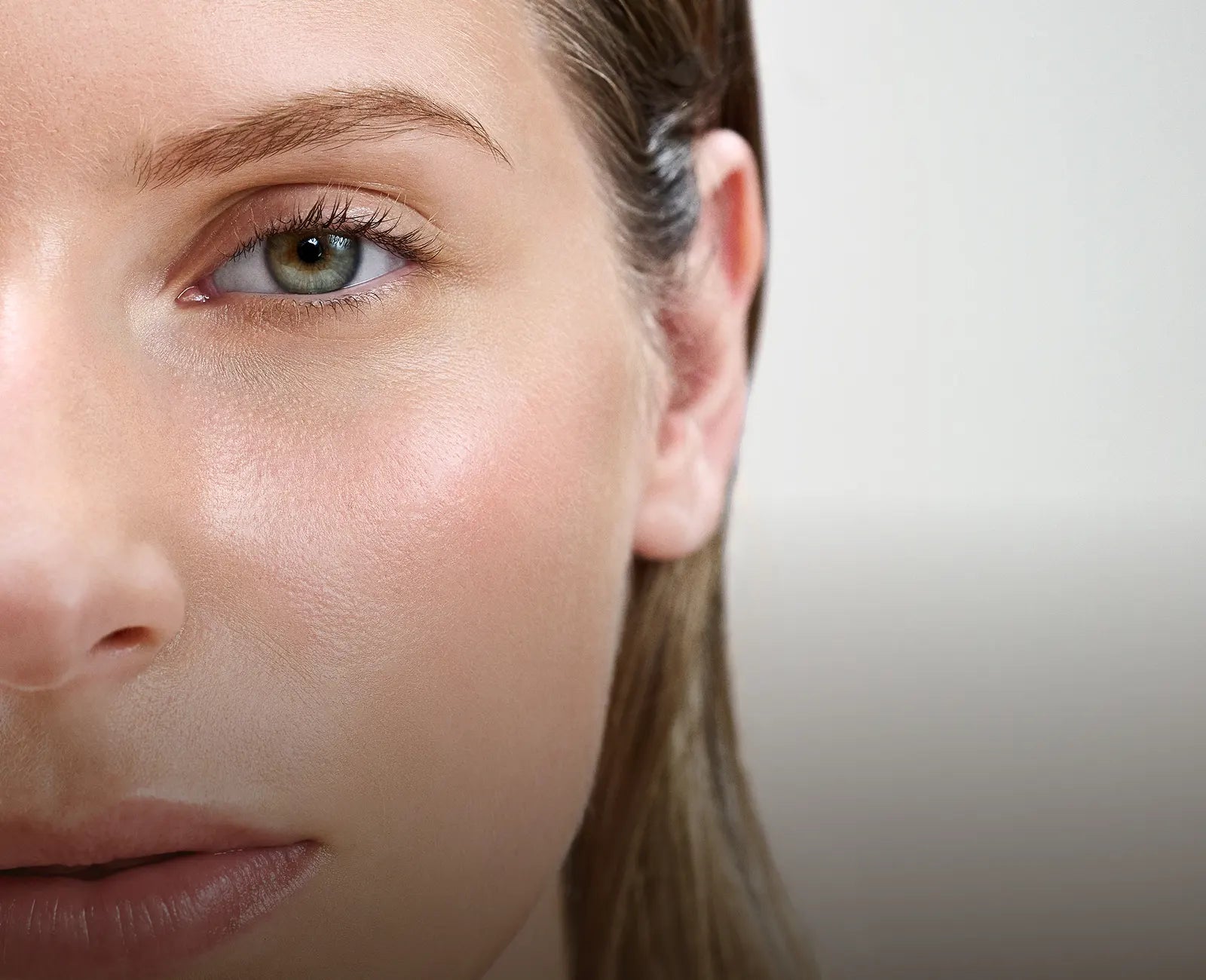
And that thinness is the critical detail. The periorbital area, the ring of skin encircling each eye, measures approximately 0.5mm thick. The skin on your cheeks is roughly four times that. This is not a marginal difference. It means the eye area has a fraction of the collagen reserves, almost no sebaceous glands, and a vascular network so close to the surface that it shows through the tissue like ink beneath tracing paper. Every structural vulnerability that drives visible ageing elsewhere on the face is amplified here. Therefore, the first signs of ageing nearly always appear around the eyes (1). The question is whether the product you reach for in the morning understands why.
Periorbital Anatomy: What Makes This Skin Different
The argument that "your face moisturiser is enough for the eye area" rests on the assumption that periorbital skin behaves like the rest of the face. It does not. The differences are structural, measurable, and consequential for how products perform (1).
Start with thickness. Lower eyelid skin is among the thinnest on the entire body, with minimal subcutaneous tissue separating the epidermis from the orbicularis muscle beneath it (1). This intimate relationship between skin and muscle is why expression lines form here first: every micro-contraction translates directly to the surface because there is almost no cushioning in between.
Then consider hydration. The periorbital area contains significantly fewer sebaceous glands than the rest of the face. Sebaceous glands produce the lipids that form the skin's natural moisture barrier. Fewer glands means a weaker barrier, higher transepidermal water loss, and a baseline state of relative dehydration that makes fine lines more visible even before structural collagen loss begins.
Skin Thickness
Per Day
Cheek Skin
Finally, there is the vascular architecture. The periorbital region has a denser network of blood vessels and capillaries than surrounding facial skin. On thicker skin, this vasculature is invisible. On periorbital skin, it shows through the translucent tissue, contributing to the bluish, purplish, or brownish discolouration that people identify as dark circles. The vasculature also makes the area more reactive to inflammation, fluid retention and temperature changes (2).
These three factors (extreme thinness, low sebaceous activity, dense vasculature) create a dermal environment that is categorically different from the rest of the face. A product formulated for 2mm-thick cheek skin with healthy oil production cannot adequately address the needs of 0.5mm periorbital tissue with minimal natural lubrication and a vascular network pressed against the surface.
The Four Causes of Dark Circles
Dark circles are the single most common periorbital concern, and the reason most eye creams disappoint is that they treat dark circles as one problem. They are four problems that look similar (2).
Most people present with a combination of two or three of these factors. This is precisely why a single "brightening" ingredient rarely resolves dark circles. An eye cream targeting only hyperpigmentation will do nothing for vascular congestion. A product that addresses puffiness will not counteract structural shadowing from volume loss. Effective periorbital care requires a formulation strategy that addresses multiple pathways simultaneously.
Which Ingredients Have Clinical Evidence
A 2024 review published in the International Journal of Women's Dermatology evaluated the clinical evidence behind the most common eye cream ingredients across three periorbital concerns: wrinkles, dark circles and puffiness (3). The results reveal a clear hierarchy, and some widely marketed ingredients performed worse than expected.
Data from controlled clinical evaluation of periorbital treatments. Kim & Tran, 2024 (3).
Retinoids: The Collagen Standard
Retinoids scored highest for both wrinkle reduction (75%) and dark circle improvement (68.75%) (3). They accelerate cell turnover, stimulate collagen synthesis, and reduce melanin clustering. The catch: standard retinol is frequently too irritating for periorbital skin. The area's thin barrier absorbs retinol faster and in higher concentrations than it was designed to tolerate, triggering redness, peeling and the very inflammation that worsens dark circles.
This is why formulation matters more than the ingredient itself. Hydroxypinacolone retinoate (HPR) and encapsulated retinol variants deliver the collagen-stimulating mechanism of retinoids without the multi-step enzymatic conversion that generates irritation (4). For the eye area specifically, these next-generation retinoids are not a luxury; they are a practical necessity.
Peptides: Collagen Without Compromise
Peptides showed 50% efficacy for both wrinkles and dark circles, and 37.5% for puffiness (3). These numbers are lower than retinoids in isolation. Here is where it gets interesting: the combination of retinoids and peptides produced the highest improvement rate in the study at 87.5% for wrinkles (3). Neither ingredient alone achieved that figure. Together, they create a synergistic effect where peptides signal fibroblasts to produce collagen while retinoids accelerate the turnover of damaged surface cells, clearing the path for new collagen to reach the surface.
Specific peptide types matter. Neuropeptides like SYN-AKE reduce micro-contractions of the orbicularis muscle that cause expression lines. Signal peptides like palmitoyl tripeptide-1 directly instruct fibroblasts to increase collagen output. Carrier peptides like copper peptides deliver trace minerals that support enzymatic collagen synthesis (5). An eye cream using generic "peptides" without specifying which types is making a claim without a mechanism.
Caffeine: The Puffiness Specialist
Caffeine was the clear leader for puffiness reduction at 75% (3). Its mechanism is vasoconstriction: it tightens the dilated blood vessels that cause fluid accumulation in the loose periorbital tissue. The effect is rapid, often visible within minutes of application. It also reduces the vascular congestion that contributes to bluish dark circles, making it a dual-purpose ingredient for the eye area.
The limitation is duration. Caffeine's vasoconstrictive effect is temporary. Without consistent daily application, puffiness returns. This is not a failing of the ingredient; it reflects the persistent nature of the underlying vascular dynamics. Caffeine manages the symptom effectively, but it does not resolve the structural causes of fluid retention.
The Combination Effect: Why Single Ingredients Fail
The most significant finding in the clinical data is not about any individual ingredient. It is about what happens when they work together.
An 87.5% improvement rate for wrinkles from retinoid-peptide combinations versus 75% for retinoids alone and 50% for peptides alone (3). That is not a marginal uplift. It suggests that the periorbital area, because of its unique structural constraints, responds better to multi-pathway formulations than to high concentrations of a single active.
Consider the logic. The eye area needs collagen stimulation (peptides, retinoids), but the skin is too thin to tolerate aggressive retinoid concentrations. It needs hydration reinforcement (hyaluronic acid, ceramides), because low sebaceous output cannot maintain the barrier alone. It needs vascular management (caffeine), because the dense capillary network is visible through the translucent tissue. And it needs anti-inflammatory support, because the area's heightened reactivity means that irritation from one ingredient can negate the benefits of another.
No single ingredient addresses all four needs. The formulations that perform best in clinical settings are the ones that layer complementary mechanisms at concentrations calibrated for periorbital tolerance, not facial-grade potency.
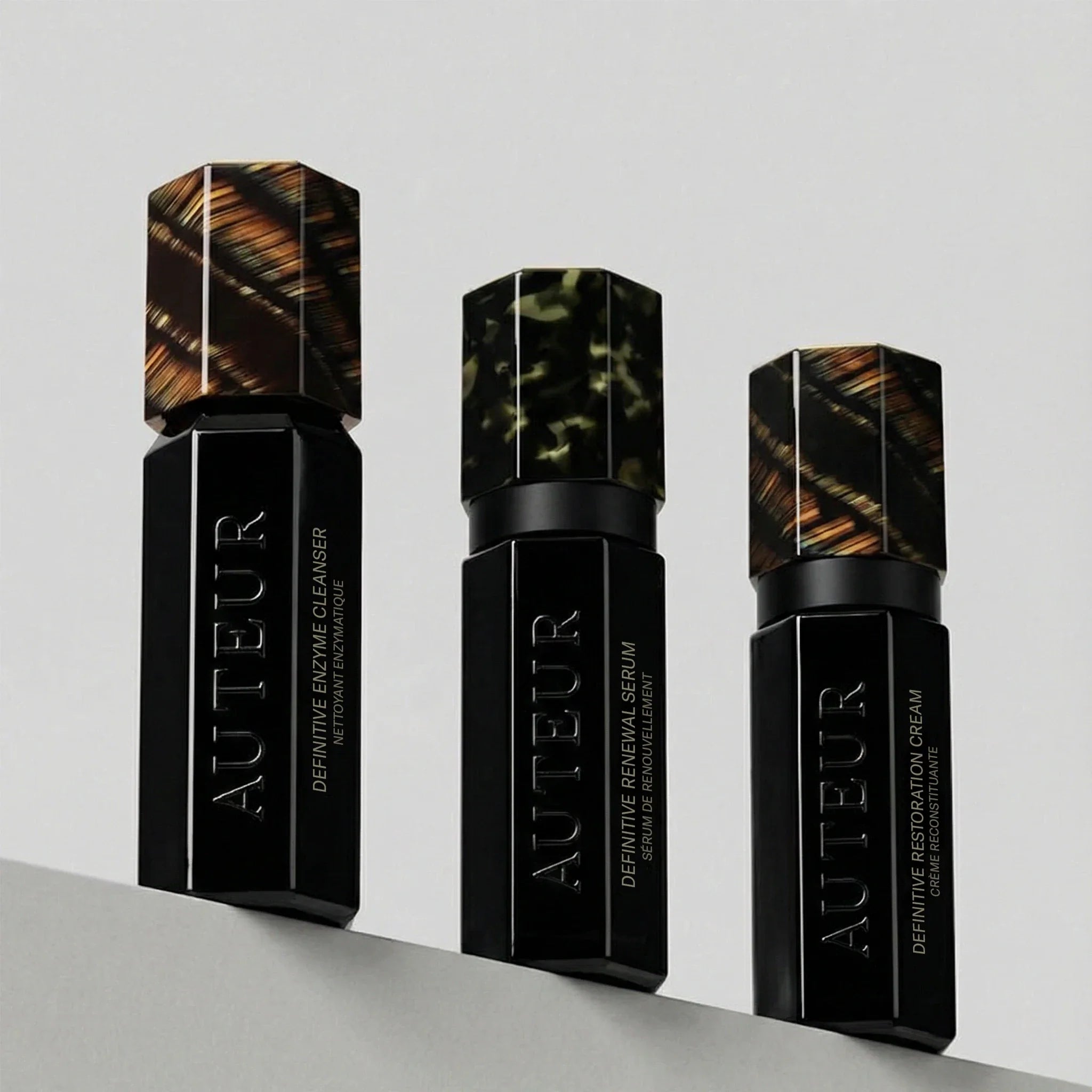
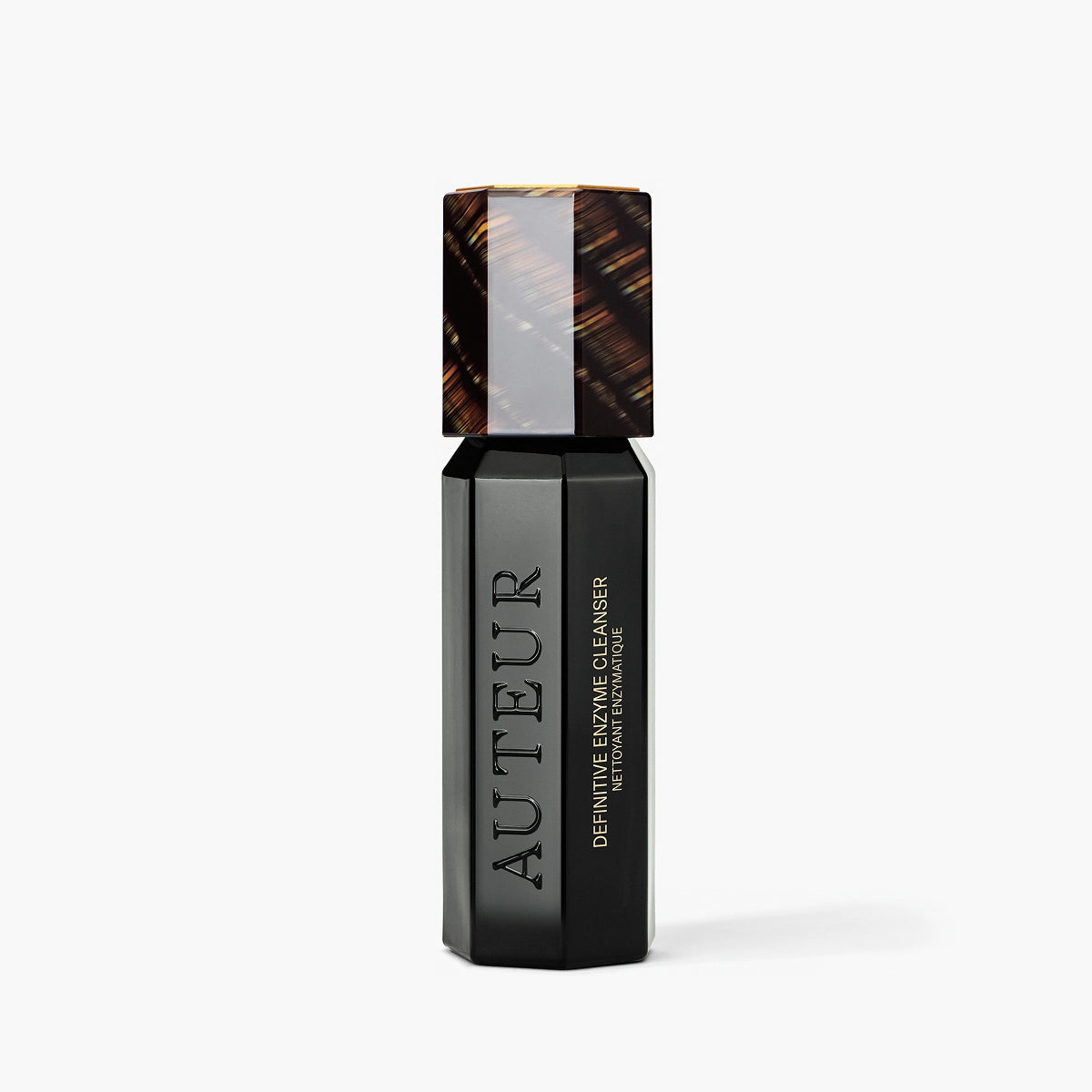
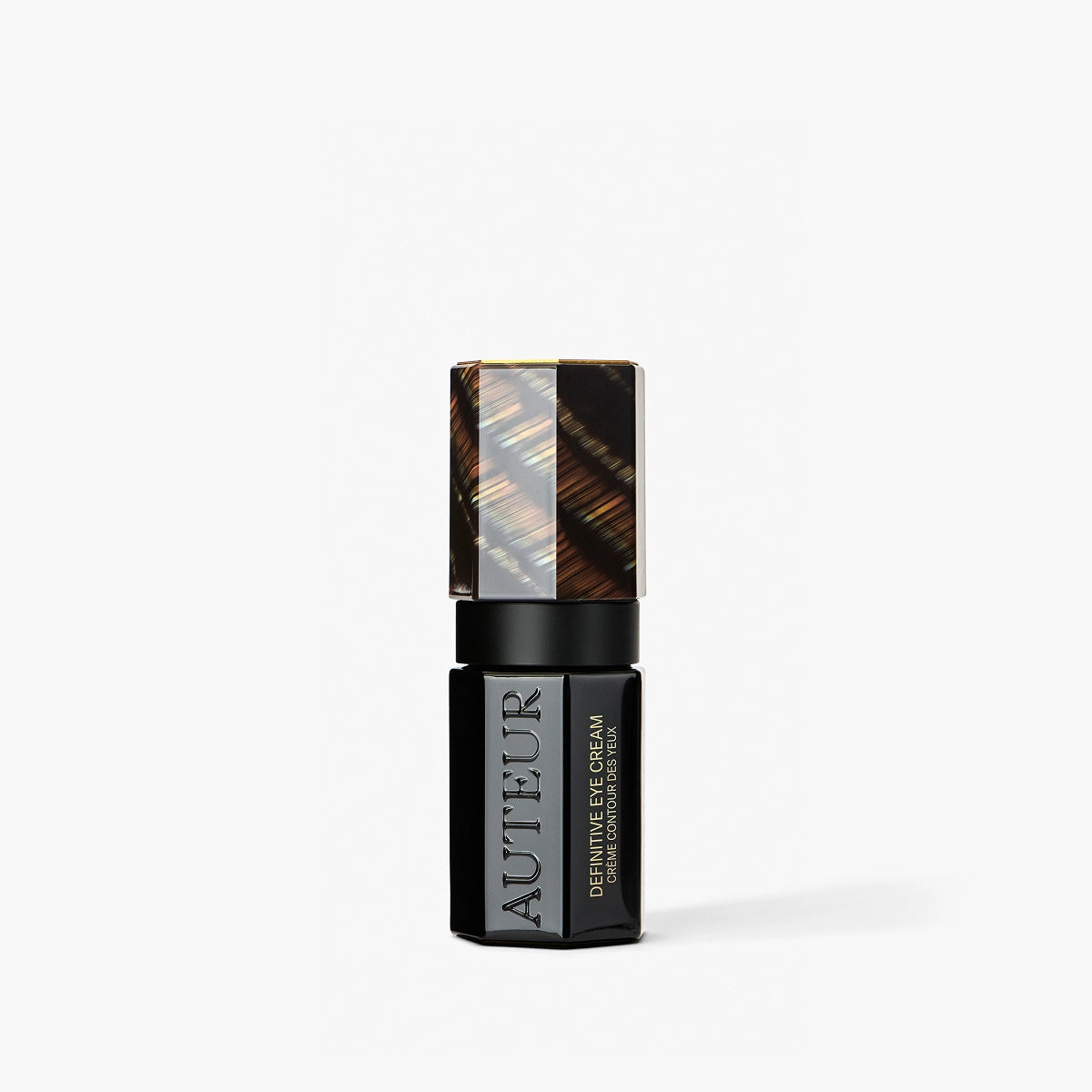
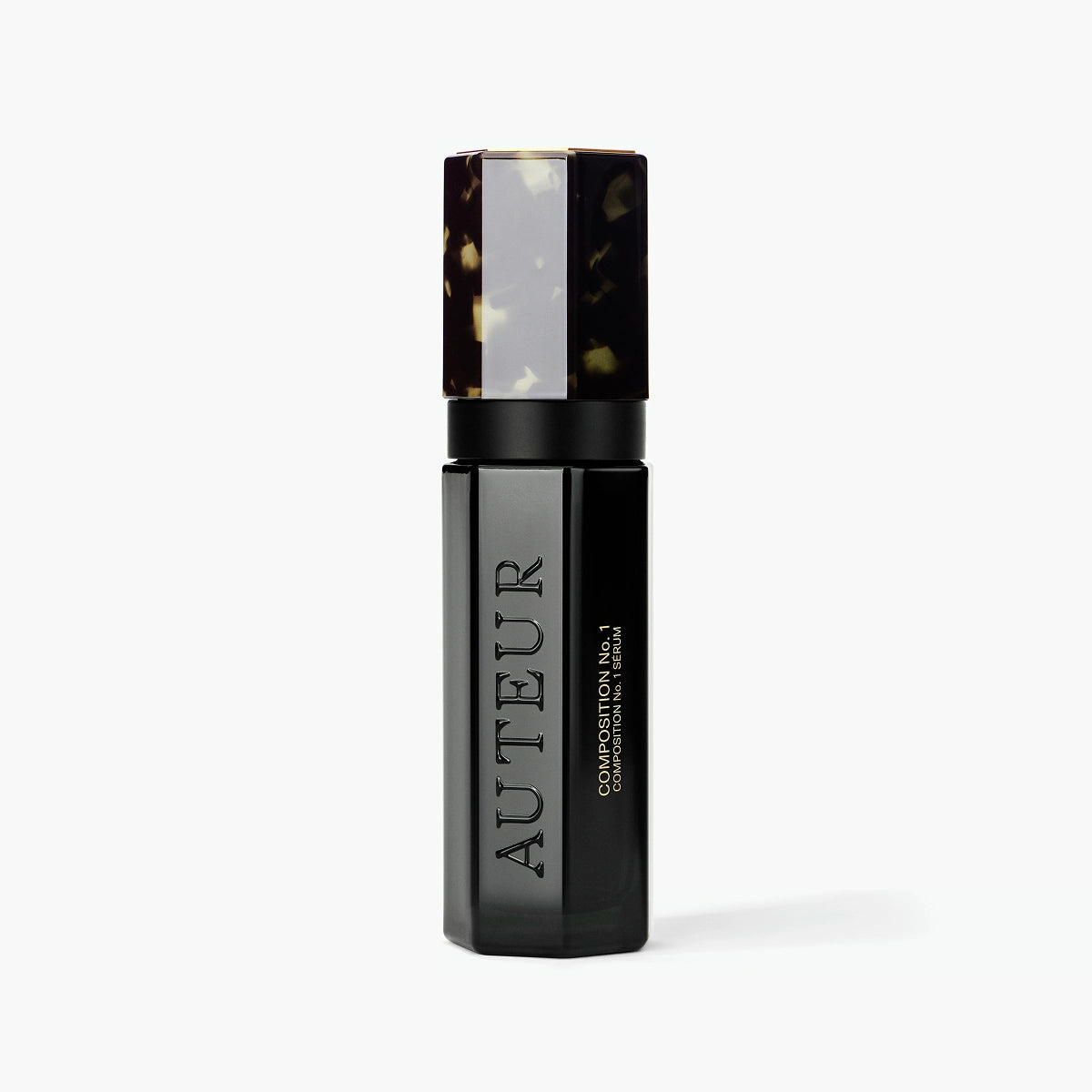
AUTEUR Definitive Eye Cream
Built around the clinical principle of multi-pathway periorbital care: SYN-AKE neuropeptide addresses expression lines at the muscular level, Gold Pro-Collagen Peptide drives structural collagen synthesis, caffeine manages vascular congestion and puffiness, while ceramides and hyaluronic acid reinforce the barrier that this thin skin cannot maintain on its own. Gatuline Expression and Lift Oléoactif complete the formulation with targeted firming and brightening action around the eye contour.
Explore the FormulationHow to Apply Eye Cream Correctly
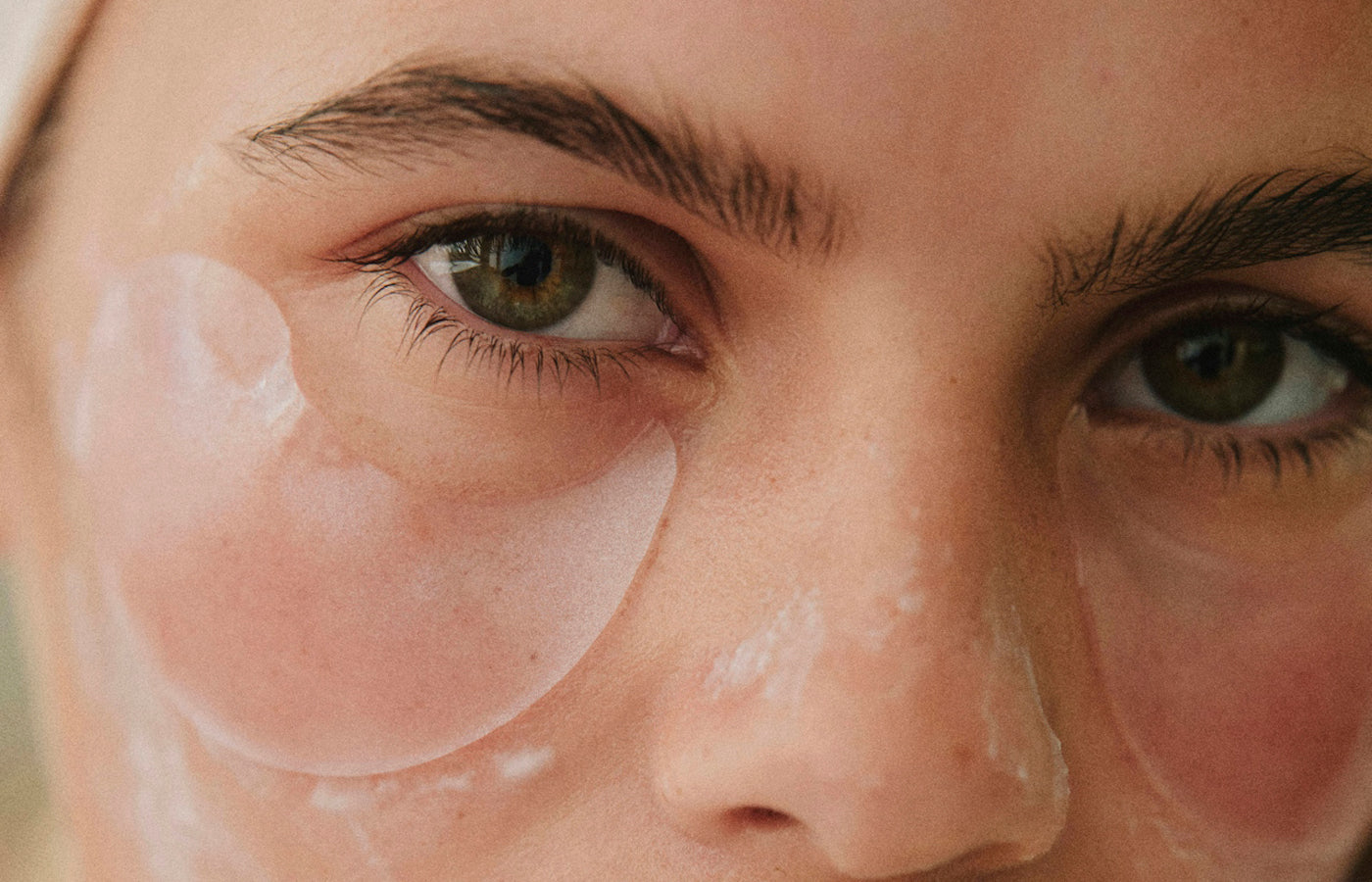
Application technique matters as much as formulation in the periorbital area. The skin is so thin that mechanical force from your fingers can cause micro-trauma, stretch the tissue, and worsen the very lines and puffiness you are trying to treat.
The Ring Finger Rule
Your ring finger exerts the least pressure of any finger. Use it exclusively for eye cream application. Place a small amount (the size of a grain of rice per eye) on the pad of the ring finger. Do not rub the product between your fingers; this warms it but also deposits half of it on the wrong hand.
Application Pattern
Tap gently along the orbital bone, starting from the inner corner beneath the eye, moving outward toward the temple, then continuing along the brow bone back toward the inner corner. Follow the bone, not the socket. Applying product directly on the mobile eyelid or too close to the lash line causes migration into the eye, which triggers irritation and the watering that washes your product away.
Timing
Apply eye cream before your facial moisturiser but after any water-based serums. The periorbital skin's lower oil production means it absorbs lighter formulations more effectively when applied to slightly damp skin. If you use a retinoid on your face at night, apply the eye cream first to create a buffer zone that prevents your facial retinoid from migrating into the more sensitive eye area.
When to Start and What to Expect
The periorbital area begins losing collagen in the mid-twenties, the same timeline as the rest of the face. The difference is visibility. Because the eye area starts with so much less collagen, the loss crosses the threshold of visibility sooner. A 10% collagen decline on the cheeks is imperceptible. A 10% decline on 0.5mm periorbital skin produces measurable changes in texture and elasticity.
Dermatologists recommend starting a dedicated eye treatment between the ages of 25 and 30, before fine lines become established. At this stage, the goal is preservation: maintaining the collagen matrix, supporting the barrier, and protecting against the UV exposure and mechanical stress that accelerate periorbital ageing. The clinical studies suggest that peptide-based formulations are the optimal starting point, as they provide collagen support without the irritation risk that makes retinoids challenging on young, undamaged periorbital skin (5).
For those starting later, the timeline shifts but the principle holds. Hydration improvements from ceramides and hyaluronic acid become visible within days. Fine line reduction from peptides and retinoids requires 8 to 12 weeks of consistent application, aligning with the skin's collagen remodelling cycle. Vascular dark circles respond to caffeine within minutes, though sustained improvement requires daily use over several weeks.
The honest constraint: no topical product can rebuild lost orbital volume or reverse deep structural shadowing. Those changes require injectable or surgical intervention. What a well-formulated eye cream can do is address every modifiable factor (collagen density, hydration, melanin regulation, vascular congestion, barrier integrity) that determines how gracefully the periorbital area ages. Given the area's unique vulnerabilities, that is not a small thing.
References
1. Goldberg, R.A. et al. (2005). The Periorbital Region: Anatomy, Physiology, and Cosmetic Treatment. Dermatologic Surgery, 31(11 Pt 2), 1490-1499.
2. Freitag, F.M. & Cestari, T.F. (2007). What causes dark circles under the eyes? Journal of Cosmetic Dermatology, 6(3), 211-215.
3. Kim, M.J. & Tran, P.T. (2024). A review of the efficacy of popular eye cream ingredients. International Journal of Women's Dermatology, 10(2), e182.
4. Sorg, O. et al. (2020). Proposed Mechanisms of Action for Retinoid Derivatives in the Treatment of Skin Aging. Journal of Cosmetic Dermatology, 19(12), 3218-3225.
5. Schagen, S.K. (2017). Topical Peptide Treatments with Effective Anti-Aging Results. Cosmetics, 4(2), 16.
6. Zonari, A. et al. (2025). Clinical efficacy of OS-01 peptide formulation in reducing the signs of periorbital skin aging. International Journal of Cosmetic Science, 47(1), e13042.