
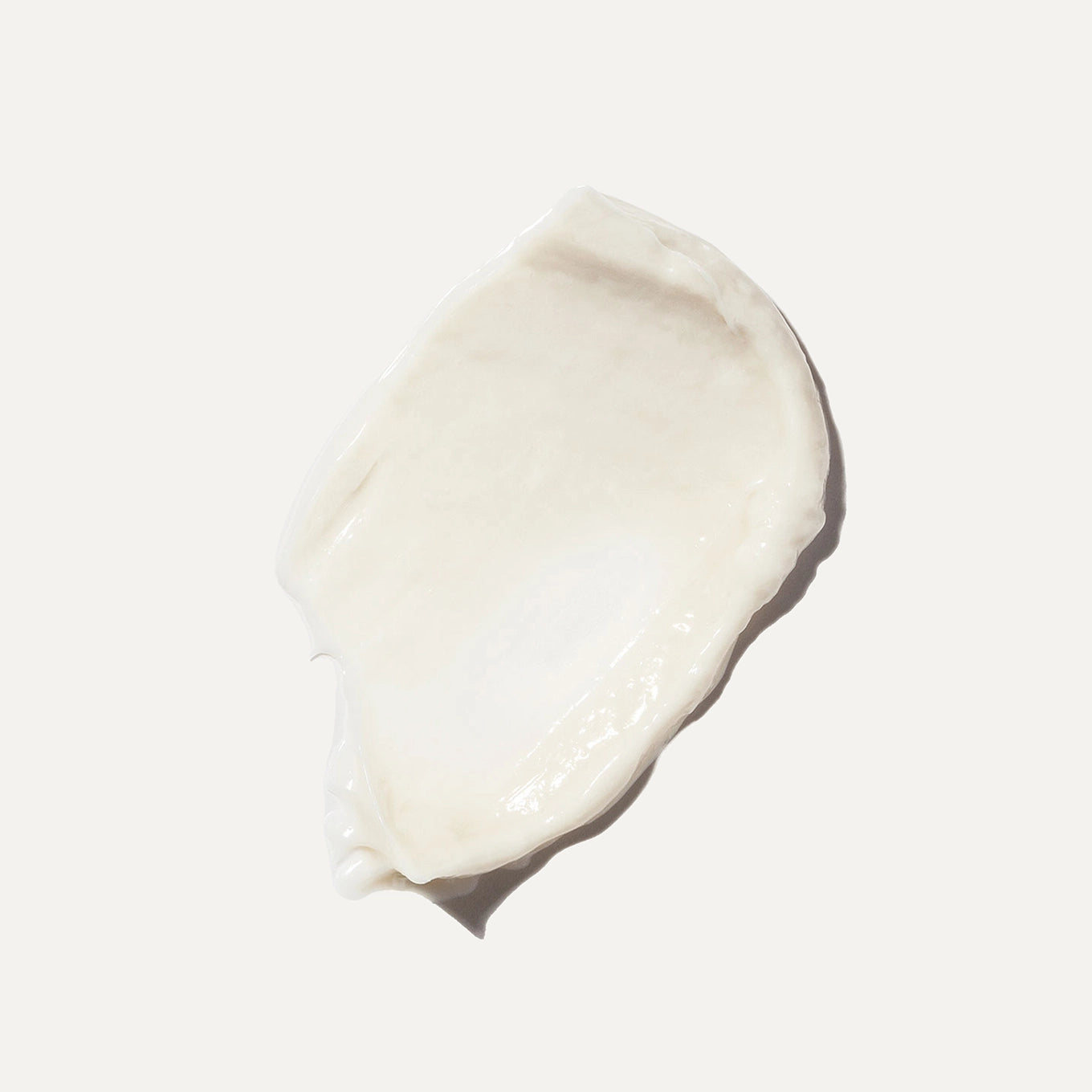
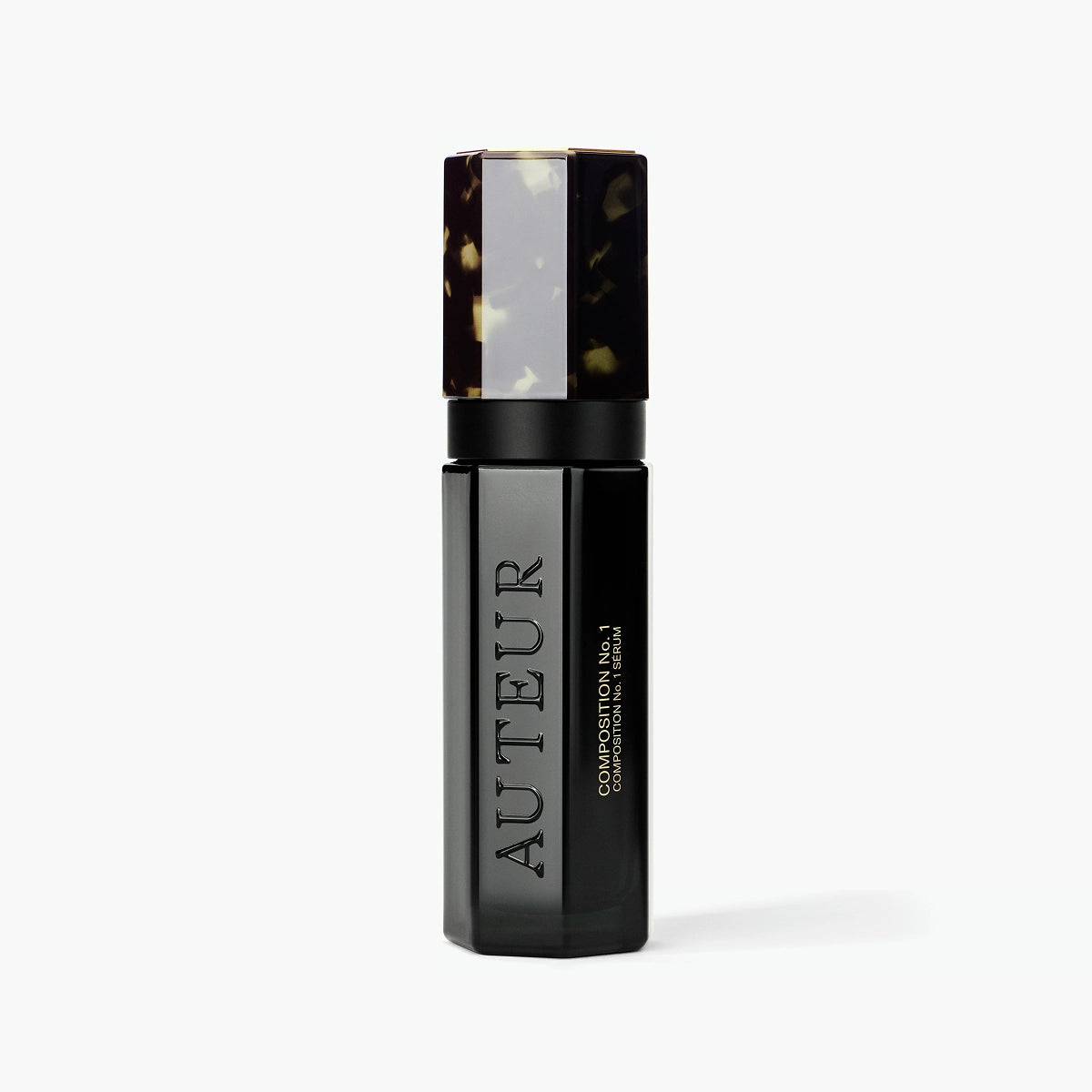
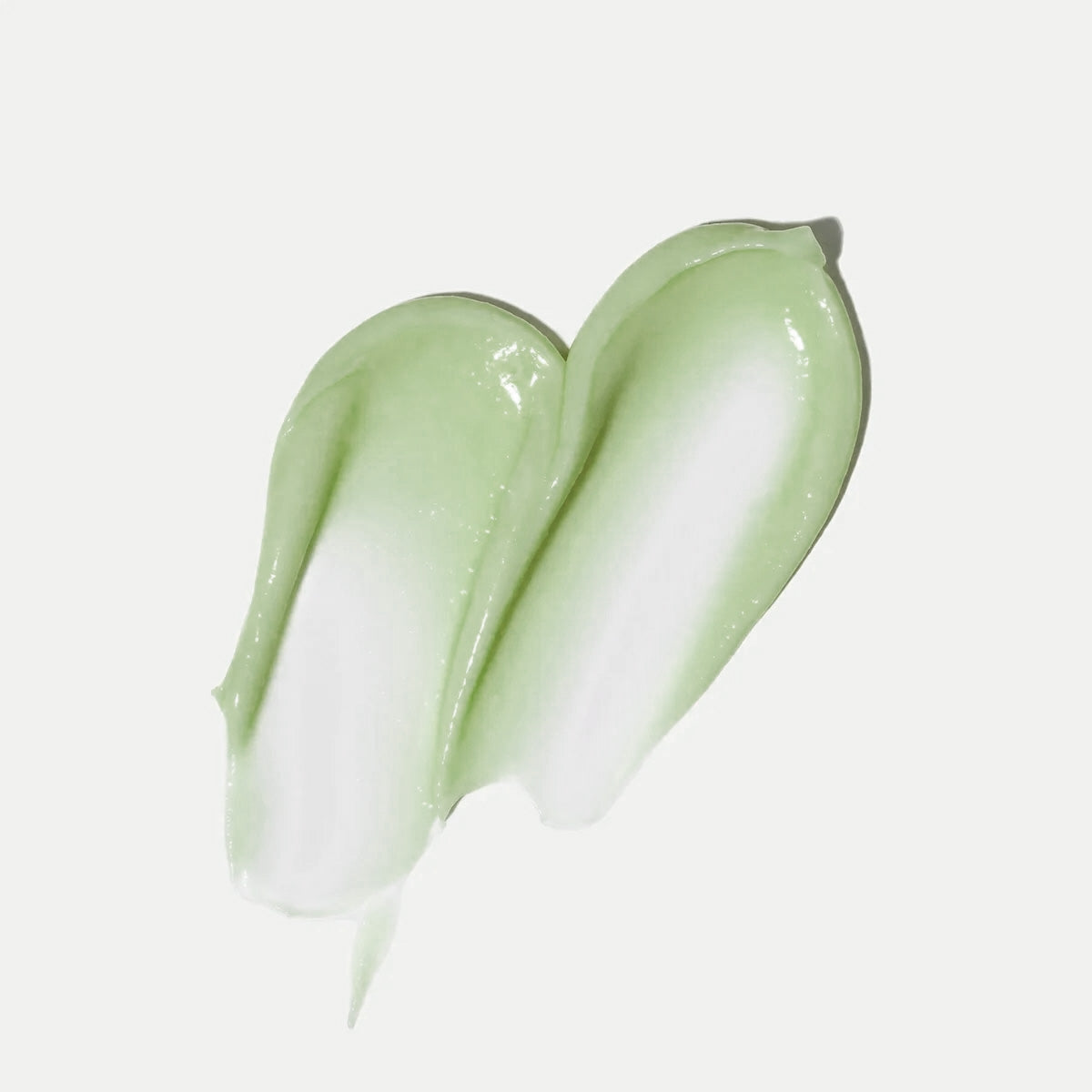
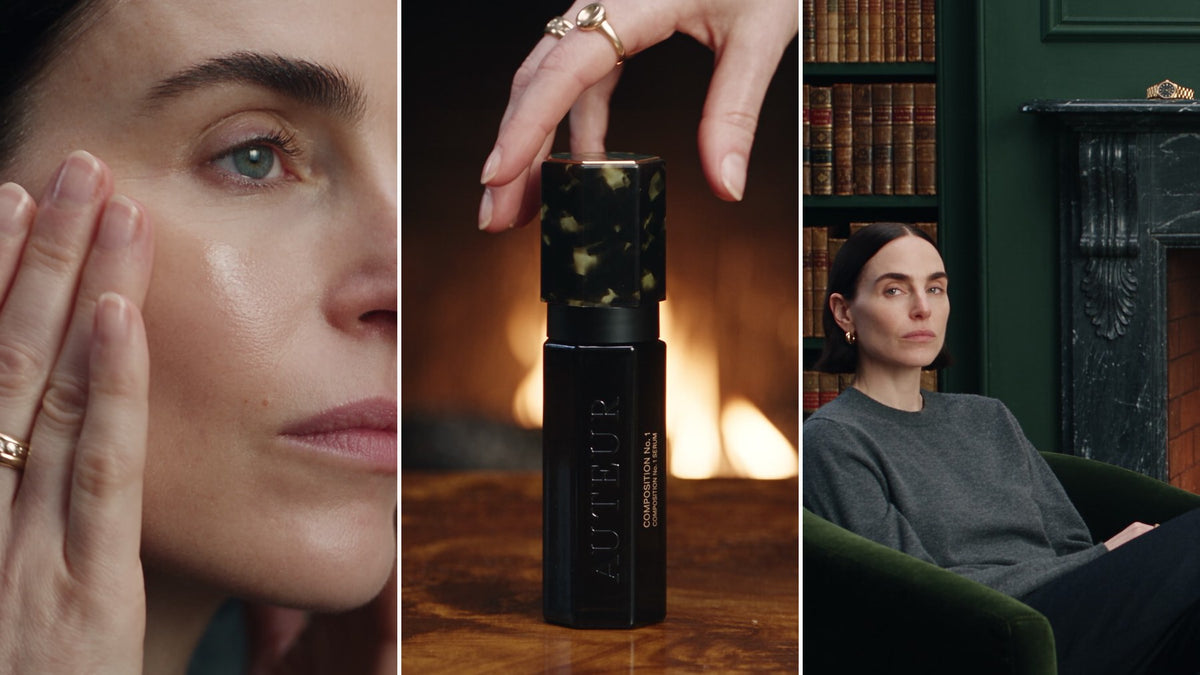
Composition No. 1 serum was reformulated in September 2026, and the version now sold is the 1.1 formulation. A multi-active serum formulation of this size, with an ingredient list running between 53 and 75 entries, is not revised casually, because every change in one ingredient family alters the conditions for the others. This article sets out what changed, what stayed, and the published literature that informed each decision.
Three principles governed the rework: protect the unstable actives, complete the lipid set rather than extend it, and remove anything with no function in a treatment serum. No in-vivo trial has been run on the finished product, and nothing below should be read as a result claim. What follows is formulation reasoning, with the ingredient class evidence cited where it exists.
Retinol, ceramides and peptides are hard to keep stable in one bottle, so most routines split them across four or five products.
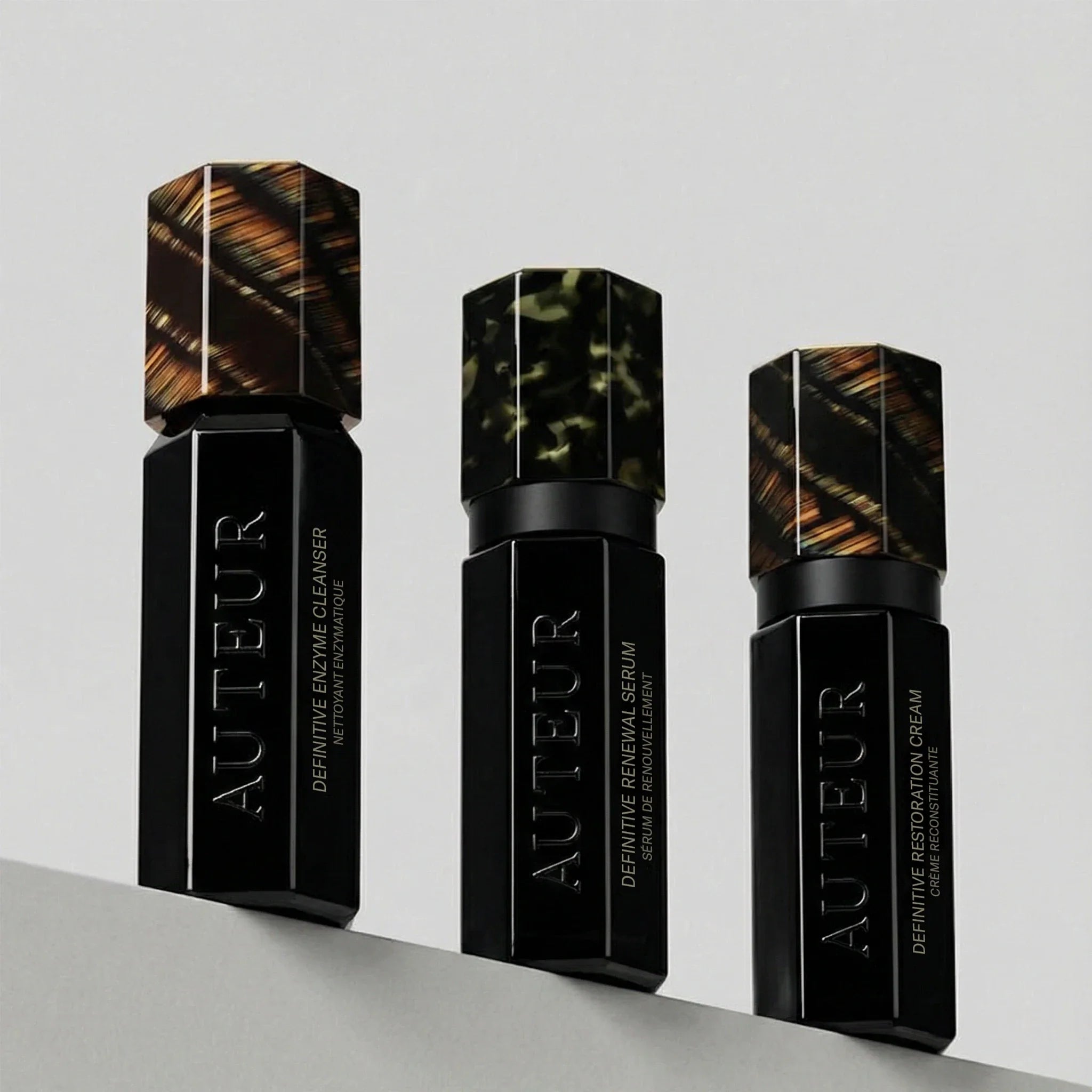
Composition No. 1 carries encapsulated retinol, four ceramides and six peptides in a single evening step. The 1.1 formulation has no fragrance.
Why a high-active serum is hard to formulate
A serum with one active has one stability problem. A serum with retinol, peptides, ceramides and antioxidants has four, and they conflict. Retinol prefers an anhydrous or oil-phase environment away from light and oxygen. Peptides are water-soluble and sit in the aqueous phase, where they are vulnerable to hydrolysis at the wrong pH. Ceramides are waxy solids that crystallise out of a formulation unless they are held in a specific ratio with cholesterol and fatty acids. Antioxidants spend themselves protecting everything else and need to be replenished in the formula at a level that lasts the shelf life.
The honest measure of how hard this is comes from a 2021 study at the University of Ljubljana that tested retinoid content in twelve commercial cosmetics over six months. Retinoid degradation followed first-order kinetics in almost every product, with a 0 to 80% decline after six months at 25°C and a 40 to 100% decline at 40°C. Light degradation was more pronounced than heat. The authors found some products contained less retinoid than their labels declared, and concluded that stability is formulation-dependent and must be tested in real time, not by accelerated studies alone (Temova Rakuša et al., 2021).
Therefore the first rule of the rework was to stop treating stability as a packaging question and treat it as a formulation question. Every active was either moved into a protected phase or paired with the components it needs to stay in solution.
Retinol: the oxidation problem and the encapsulation answer
Retinol has a conjugated chain of double bonds that reacts with oxygen and breaks under ultraviolet light. In an ordinary emulsion it is exposed to both, which is why the Ljubljana data look the way they do. The formulation answer is to enclose the retinol in a lipid particle so the molecule sits inside a solid matrix rather than at an oil-water interface.
The clearest published demonstration comes from the Müller group in Berlin, who loaded retinol into solid lipid nanoparticles at 5%, 15% and 20% and measured what remained after 60 days of storage. The retained fraction was 37%, 59% and 75% respectively, with the authors proposing a core-shell model in which retinol precipitates first and is then surrounded by a protective eutectic lipid shell. Particle size held at about 200nm and no polymorphic transitions were seen, which matters because a lipid crystal that changes form can expel its cargo (Ding et al., 2017). The same principle, lipid encapsulation of a labile active, is what the 1.1 formulation applies, and it is the reason the retinol in Composition No. 1 can share a bottle with an aqueous peptide phase.
Encapsulation has a second effect that is not about shelf life. A retinol held in a lipid particle releases more slowly on the skin than an unencapsulated retinol, which moderates the irritation curve of the first weeks. The encapsulated retinol delivery article covers that mechanism in detail. But the slower release is a consequence of the stability decision, not the reason for it.

Four ceramides and the ratio question
Ceramides are around half the mass of the stratum corneum lipid lamellae and the family is large: Coderch and colleagues' review lists the ceramide classes by their sphingoid base and fatty acid chemistry and sets out their role in holding the lamellar structure that controls water loss (Coderch et al., 2003). A formulation does not need every class. It needs the ones that form lamellae with cholesterol and fatty acids, in a ratio that lets the skin use them.
The ratio question was answered in the 1990s by the Elias laboratory in San Francisco. Man and colleagues applied ceramides, cholesterol and fatty acids to damaged skin in different proportions and measured barrier recovery by transepidermal water loss. One or two of the three applied alone delayed recovery. An equimolar mixture of all three allowed normal recovery, and increasing any one component up to three fold accelerated it further, with preliminary confirmation in damaged human skin (Man et al., 1996). The lesson for a formulator is simple: a ceramide added without its partners is at best inert and at worst counterproductive.
Therefore the 1.1 ceramide set is four ceramides carried with cholesterol and a fatty acid fraction. Four is the number the lamellar chemistry requires; it is not a marketing count. The barrier repair article explains why the three-component rule applies to any cream, not only this serum.
Six peptides, six jobs
Six peptides are in the formulation because they do six different things, and a peptide that duplicates another is cost without function. They divide into three classes. Signal peptides are short sequences that mimic fragments of extracellular matrix proteins and prompt fibroblasts to produce more matrix. Carrier peptides deliver a trace metal; the copper tripeptide GHK-Cu is the documented example, with Pickart and Margolina's 2018 review summarising its actions on collagen and glycosaminoglycan synthesis, wound remodelling and, in gene expression data, on the reset of a large number of genes toward a younger profile (Pickart and Margolina, 2018). Neuropeptides act at the junction between nerve and muscle to reduce the contraction that sets expression lines.
Composition No. 1.1 carries at least one peptide from each class, including a copper tripeptide and a dipeptide neuropeptide, plus collagen-fragment and matrix-signal peptides. The published evidence for each class is covered in the signal peptides versus neuropeptides guide and the copper peptide article. Supplier in vitro data exist for several of these sequences; they are not repeated here because an in vitro figure on a single peptide says nothing about a finished serum on skin.
The oxygen complex, stated plainly
The perfluorocarbon oxygen complex carries over from the original formulation and deserves a plain description because the category attracts overstatement. Perfluorocarbons are fluorinated hydrocarbons that are chemically inert and dissolve large volumes of gases; Riess's review of their use in oxygen delivery sets out the physics and the clinical history as injectable oxygen carriers (Riess, 2005). In a serum, the complex is an inert carrier phase with a distinctive slip and a high gas capacity. Whether a topical perfluorocarbon raises oxygen tension in living epidermis to a degree that matters has not been shown in published controlled trials, and AUTEUR does not claim it. It stays in the formula because it is a stable, non-irritating oil-phase component that the retinol particles and ceramides disperse in well.
Fragrance removed, and the data behind it
The previous Composition No. 1 was lightly scented. The 1.1 formulation is not. The reasoning rests on two reviews. Johansen's 2003 review reports that the fragrance mix gives a positive patch test in about 10% of tested patients with eczema, that 1.7 to 4.1% of the general population are sensitised to its ingredients, that around 2,500 fragrance ingredients are in use and at least 100 are known contact allergens, and that well-known allergens from the mix are present in 15 to 100% of cosmetic products examined (Johansen, 2003). De Groot and Frosch's earlier review in Contact Dermatitis reached the same conclusion from a broader clinical base: fragrance is among the most frequent causes of cosmetic contact allergy (de Groot and Frosch, 1997).
But the relevant question for a treatment serum is not whether fragrance is risky in general. It is whether fragrance earns its place in a product applied nightly for years to skin that is also receiving a retinoid. It does not. A retinoid thins the stratum corneum in the first weeks and raises the penetration of everything applied with it, including allergens. Removing fragrance costs nothing in function and removes a sensitisation route that compounds over time. The same logic applies across the line, and the article on formulating without fragrance sets out the full dataset, including the 26 allergens the European Union requires on labels.
Every change in Composition No. 1.1 is a stability or safety decision rather than an addition: retinol moved into a lipid particle, ceramides completed with their lipid partners, fragrance removed. A multi-active serum is judged by what it keeps intact in the bottle, not by the length of its list.
How to use Composition No. 1.1
Composition No. 1 is the single treatment step in an evening routine. Cleanse, apply the essence or a hydrating serum if you use one, then one to two pumps of Composition No. 1 on dry skin, then cream. In the first two weeks use it three nights a week; the encapsulated retinol releases slowly but it is still a retinoid, and the retinol tolerance article explains why a slow build beats an early high dose. From week three, move to nightly as tolerated.
Do not layer it with the Definitive Retinol Serum on the same night; alternate instead. Do not apply an AHA mask on a Composition No. 1 night. In the morning it can be used under SPF, but evening is the slot where the retinoid does its work and the peptides are not competing with sunscreen for the surface. Sun Drops SPF 50 are not optional while using any retinoid.
Therefore the refill is the sensible second purchase. At one pump nightly the 50ml bottle lasts around four months, and the refill carries the identical 1.1 formulation into the original airless bottle, which is the packaging the antioxidant system was dosed for.
AUTEUR Composition No. 1 Serum
$1,190 · 50ml · Refill $1,150
The 1.1 formulation: encapsulated retinol in a lipid particle, four ceramides carried with cholesterol and fatty acids, six peptides across signal, carrier and neuropeptide classes, a perfluorocarbon carrier phase, humectants and an antioxidant system, with no fragrance. Applied in the evening as the single treatment step, one to two pumps on dry skin before cream. Made in Germany.
Explore the FormulationFrequently Asked Questions
What is Composition No. 1 serum?
Composition No. 1 is AUTEUR's multi-active treatment serum, made in Germany. The 1.1 formulation released in September 2026 carries an ingredient list of between 53 and 75 entries, including encapsulated retinol, four ceramides, six peptides, a perfluorocarbon oxygen complex, humectants and antioxidants. It is formulated without fragrance. It is sold in a 50ml bottle at $1,190 with a refill at $1,150.
What changed in the Composition No. 1.1 reformulation?
Three changes matter most. Retinol is now encapsulated, which the published literature on lipid nanoparticles shows protects the molecule from oxidation. The ceramide set was rebuilt around four ceramides with cholesterol and fatty acids, following the physiological lipid ratio work from the Elias group. Fragrance was removed entirely, because fragrance ingredients are among the most frequent causes of contact allergy, affecting an estimated 1.7 to 4.1% of the general population.
Can I use Composition No. 1 with a separate retinol serum?
Not on the same night. Composition No. 1.1 already carries encapsulated retinol, so adding the Definitive Retinol Serum doubles the retinoid dose without a documented benefit. Use Composition No. 1 as the single treatment step in the evening. If you want a higher retinoid load, alternate nights between the two rather than layering.
How do I use Composition No. 1 serum?
Apply one to two pumps to clean, dry skin in the evening, before cream. Start three nights a week for two weeks, then move to nightly as tolerated. In the morning it can be used under SPF, but the retinoid component makes evening the primary slot. The 50ml bottle at one pump nightly lasts around four months.
Why is Composition No. 1 fragrance-free?
Fragrance has no function in a treatment serum beyond scent. Patch-test data show the fragrance mix is positive in about 10% of tested eczema patients and 1.7 to 4.1% of the general population, and the European Union requires 26 fragrance allergens to be declared on labels. Removing fragrance from a serum designed for nightly use over years removes that risk at no cost to the formulation.
References
1. Temova Rakuša, Ž., Škufca, P., Kristl, A., Roškar, R. (2021). Retinoid stability and degradation kinetics in commercial cosmetic products. Journal of Cosmetic Dermatology, 20(7), 2350 to 2358.
2. Ding, Y., Pyo, S.M., Müller, R.H. (2017). smartLipids as third solid lipid nanoparticle generation: stabilization of retinol for dermal application. Pharmazie, 72(12), 728 to 735.
3. Coderch, L., López, O., de la Maza, A., Parra, J.L. (2003). Ceramides and skin function. American Journal of Clinical Dermatology, 4(2), 107 to 129.
4. Man, M.Q., Feingold, K.R., Thornfeldt, C.R., Elias, P.M. (1996). Optimization of physiological lipid mixtures for barrier repair. Journal of Investigative Dermatology, 106(5), 1096 to 1101.
5. Pickart, L., Margolina, A. (2018). Regenerative and protective actions of the GHK-Cu peptide in the light of the new gene data. International Journal of Molecular Sciences, 19(7), 1987.
6. Riess, J.G. (2005). Understanding the fundamentals of perfluorocarbons and perfluorocarbon emulsions relevant to in vivo oxygen delivery. Artificial Cells, Blood Substitutes, and Biotechnology, 33(1), 47 to 63.
7. Johansen, J.D. (2003). Fragrance contact allergy: a clinical review. American Journal of Clinical Dermatology, 4(11), 789 to 798.
8. de Groot, A.C., Frosch, P.J. (1997). Adverse reactions to fragrances. A clinical review. Contact Dermatitis, 36(2), 57 to 86.