

Germany is the largest pharmaceutical market in Europe and home to the continent's most stringent cosmetics manufacturing infrastructure. These facts are not abstractions. They translate into concrete differences in how skincare products are developed, tested, and produced, and those differences affect the performance of sensitive actives like peptides and retinoids in ways that are rarely explained to consumers.
The argument for German formulation is not a nationality argument. It is a standards argument. This article explains what those standards are, why they matter, and how pharmaceutical-grade manufacturing infrastructure changes the formulation calculus for clinical-grade skincare.
EU Cosmetics Regulation Versus Other Markets
The European Union Cosmetics Regulation (EC No 1223/2009) is the most comprehensive cosmetics safety framework in the world. It bans or restricts over 1,300 substances for use in cosmetics. The US Food and Drug Administration, by comparison, maintains a prohibited list of fewer than 30 ingredients under the Federal Food, Drug, and Cosmetic Act. The UK post-Brexit has broadly maintained EU standards, but regulatory divergence is ongoing.
The implications of this difference extend beyond simply avoiding certain ingredients. The EU framework requires that every cosmetic product placed on the EU market have a completed safety assessment signed by a qualified safety assessor, a product information file, and a responsible person who can be held liable for compliance. These requirements create a documentation discipline that is not universally required elsewhere, and that documentation culture shapes how formulations are built from the ground up.
Number of banned or restricted substances in cosmetic products. Sources: European Commission; FDA.
Germany's Pharmaceutical Manufacturing Infrastructure
Germany accounts for approximately 30% of European pharmaceutical production by value, and the country's manufacturing infrastructure reflects this position. Pharmaceutical-grade facilities are built to Good Manufacturing Practice (GMP) standards, which mandate controls for contamination, cross-contamination, batch-to-batch consistency, equipment qualification, and personnel training that go well beyond what consumer cosmetics facilities are required to maintain.
When skincare is formulated and produced in pharmaceutical-grade facilities, these standards apply to the cosmetic as well as to any pharmaceutical products made in the same environment. The benefit to skincare performance is most pronounced for sensitive actives: peptides, retinoids, and growth factors that degrade under conditions of oxidative stress, temperature variation, or microbial contamination. A peptide formulated under pharmaceutical manufacturing controls contains the concentration of active stated on the label, in a stable form, with a measurably lower burden of contaminants than one produced in a facility without equivalent process controls.
Stability and Active Concentration Standards
EU regulations require stability testing as part of the product information file for any cosmetic placed on the EU market. Stability testing assesses how a product's physical and chemical properties change over time and under various storage conditions. For active-heavy formulations, this includes confirming that ingredient concentrations remain within specification across the product's shelf life.
This requirement has direct consequences for clinical claims. A serum labelled as containing a certain concentration of a peptide complex must maintain that concentration through its shelf life under the storage conditions specified on the label. Formulations that fail this test cannot legally be marketed in the EU. The discipline of stability testing therefore creates a feedback loop that improves formulation quality: brands that cannot stabilise their actives cannot substantiate their claims in regulated markets, and so are pushed toward better formulation chemistry.
Preservative efficacy testing is a related requirement. All cosmetics must be preserved against microbial contamination, but the choice of preservative system affects the performance of certain actives. Some preservative compounds interact with peptide stability; pharmaceutical-grade formulators have the equipment and expertise to identify and resolve these interactions in a way that general cosmetics manufacturers may not.
What the Formulation Philosophy Actually Means
German skincare at its most serious borrows a formulation philosophy from pharmaceutical development: start with the desired clinical outcome, identify the actives that the clinical literature shows can produce that outcome at a given concentration, and build the formulation around delivering those actives to the target tissue in a stable, efficacious form. Everything else, from texture to fragrance, is secondary to that primary objective.
This contrasts with the approach common in trend-driven cosmetics development, which begins with a consumer insight or marketing brief and works backward to find ingredients that can be associated with the desired claim. The resulting products often contain the right ingredients at the wrong concentrations, in formulation bases that do not support their activity, with insufficient stability to maintain their claimed potency through the product's shelf life.
Multi-active formulations are where this philosophy shows its greatest advantage. Combining 30 to 40 active ingredients in a single stable serum at clinically relevant concentrations requires the kind of formulation science that draws on pharmaceutical chemistry. Managing pH requirements that differ between actives, preventing ingredient interactions that could degrade performance, and maintaining the stability of each component across the combined system requires a level of technical precision that consumer cosmetics manufacturing does not typically prioritise.
What This Means for Results
The practical consequence of all of the above is that clinical-grade skincare formulated and manufactured in pharmaceutical-grade German facilities is more likely to contain what it says at the concentration it says, in a form that remains stable and deliverable through the product's shelf life, than an equivalent product formulated and manufactured without these standards.
This does not mean that every German skincare brand is superior, or that excellent clinical skincare cannot be produced elsewhere. It means that when a brand chooses to formulate in Germany under EU regulation and pharmaceutical manufacturing standards, those choices eliminate several of the most common failure modes between a clinically validated ingredient and a product that actually produces a clinical result.

The Definitive Collection
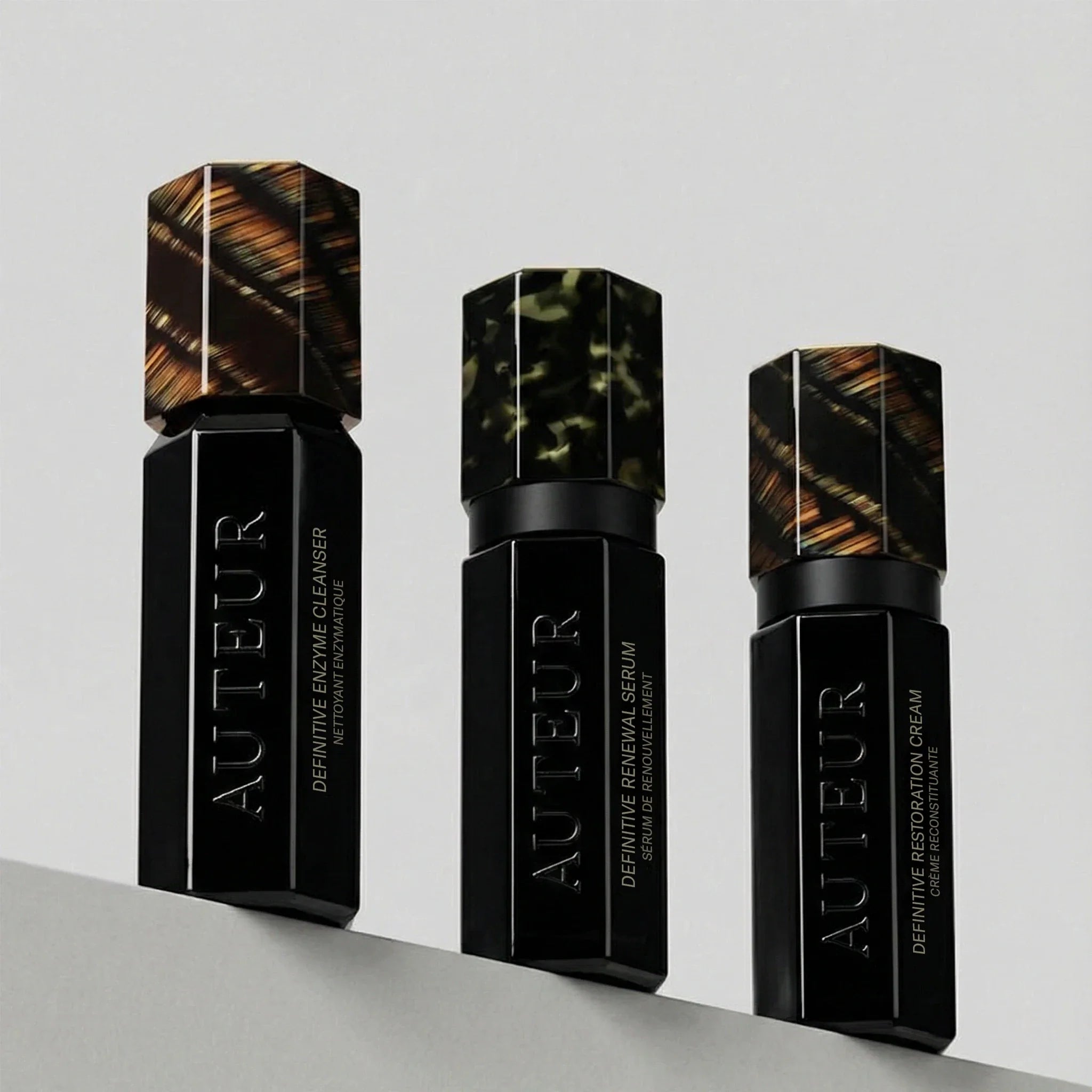
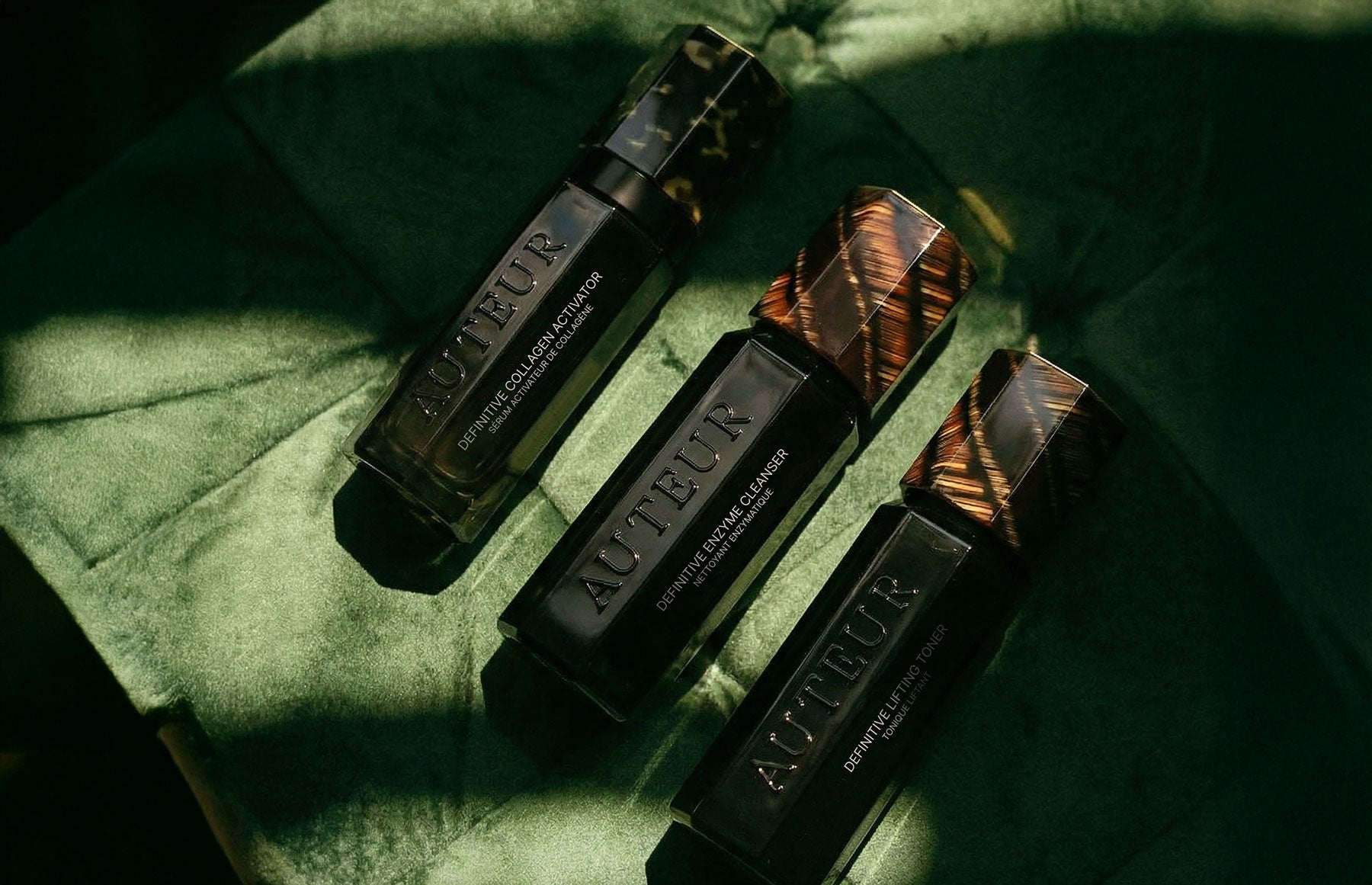
AUTEUR formulates and manufactures in Germany under EU cosmetics regulation, with pharmaceutical-grade production controls that validate active concentration, stability, and preservative efficacy across each product's shelf life. The Definitive Collection represents the application of this formulation philosophy to a complete daily skincare system.
Explore the CollectionReferences
1. European Commission. (2009). Regulation (EC) No 1223/2009 of the European Parliament and of the Council on cosmetic products. Official Journal of the European Union, L 342, 59-209.
2. Nohynek, G. J., & Schaefer, H. (2001). Benefit and risk of organic ultraviolet filters. Regulatory Toxicology and Pharmacology, 33(3), 285-299.
3. Steinberg, D. C. (2006). Regulations of cosmetics in various countries. Preservatives for Cosmetics, 3rd edition, Allured Publishing.
4. Wiechers, J. W. (2008). The skin penetration debate. Cosmetics and Toiletries, 123(9), 44-54.
The Definitive Protocol: AM and PM
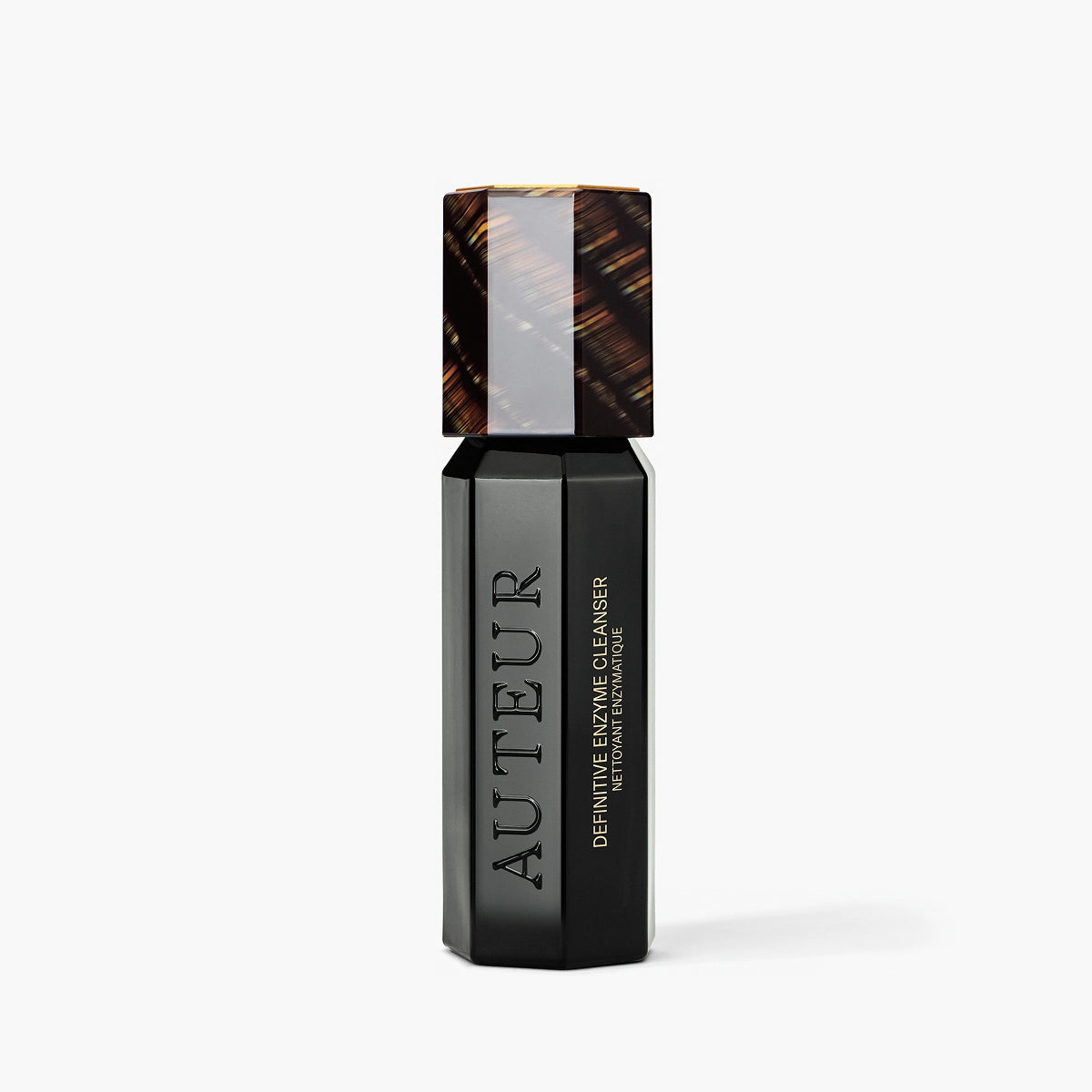
Definitive Enzyme Cleanser
Enzyme exfoliation primes the skin surface for active absorption without pH disruption.
Definitive Hyaluron Activator Serum
Apply to slightly damp skin. Three molecular weights of hyaluronic acid deliver surface and deeper dermal hydration simultaneously.
Definitive Line Serum
Signal peptides stimulate collagen synthesis. Apply before moisturiser.
Definitive Sun Drops SPF 50
The final morning step. Lightweight drops integrate cleanly over the line serum.
Definitive Enzyme Cleanser
Double-pass if wearing SPF or coverage. The enzyme formula handles both without disrupting the barrier.
Definitive Lifting Toner
Reset surface pH and deliver tightening actives that complement the overnight repair cycle.
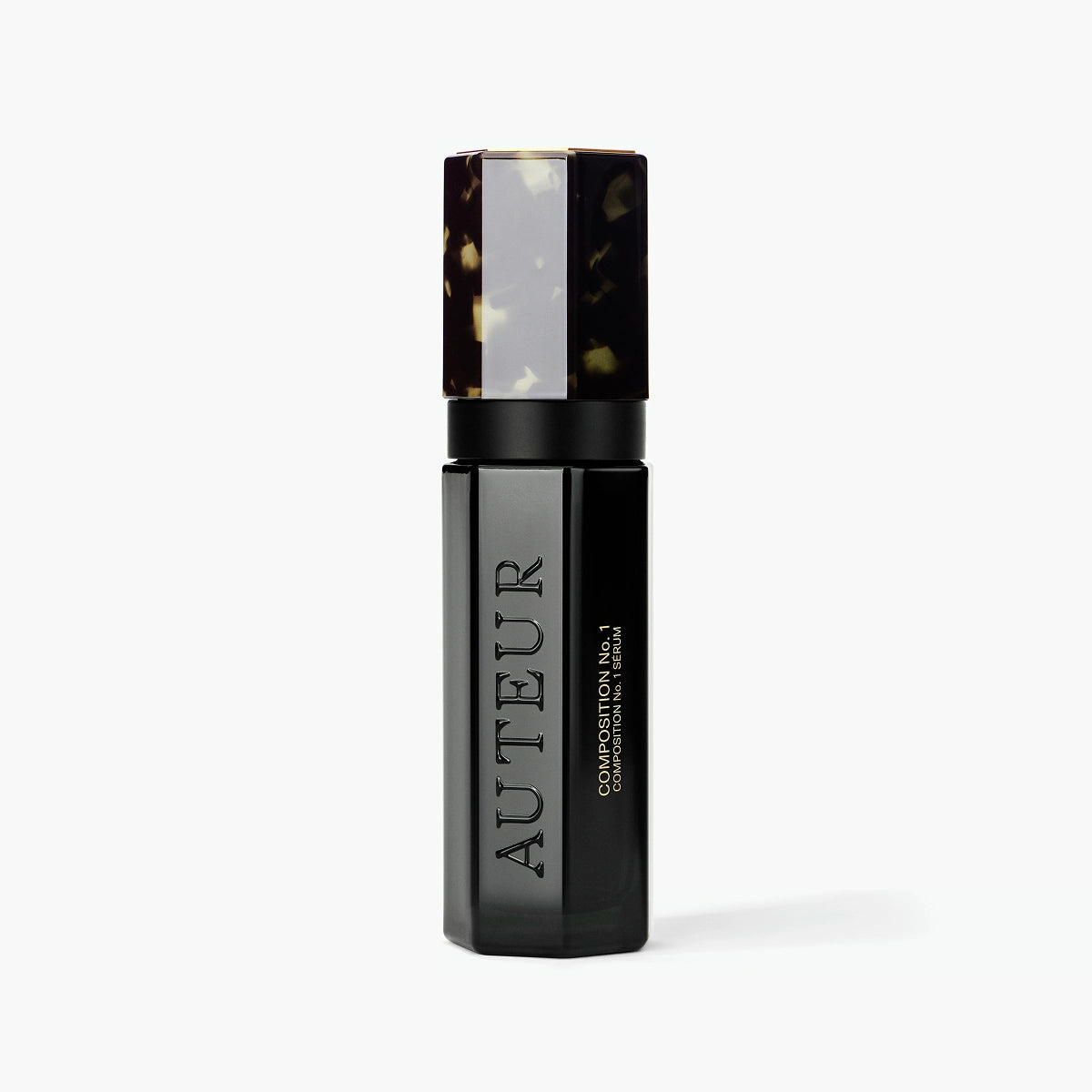
Composition No. 1 Serum
Over 30 actives including encapsulated retinoids, GHK-Cu, and multiple peptide complexes. The centre of the evening protocol.
Definitive Density or Restoration Cream
Both are compatible with Composition No. 1. Density Cream for firming support; Restoration Cream for richer overnight recovery.