

Sun-damaged skin is not simply skin that has tanned or burned. It is skin whose deeper architecture has been rearranged, and repairing sun damage means addressing that architecture rather than the surface alone. Ultraviolet radiation is responsible for the majority of the lines, uneven tone and loss of firmness most people attribute to age. The encouraging part is that photodamage responds to intervention. Skin holds a considerable capacity to repair itself when it is protected from further insult and supplied with actives that direct the process.
This guide follows the sun from cause to correction. It begins with what ultraviolet light does at the cellular level, then moves to protection as the non-negotiable first step, and finally to the repair actives, and the AUTEUR formulations built around them, that bring compromised skin back.
What the Sun Actually Does to Skin
The visible signs of ageing are, for most people, largely a record of sun exposure. Research comparing sun-exposed and sun-protected skin attributes up to 80 per cent of visible facial ageing to ultraviolet radiation rather than the passage of time itself. This distinction matters, because it means the greater share of what looks like ageing is environmental, and environmental damage can be prevented and, in part, corrected.
The mechanism is well characterised. Ultraviolet light penetrates the skin and generates reactive oxygen species, the unstable molecules commonly called free radicals. These trigger a signalling cascade that activates matrix metalloproteinases, a family of enzymes that degrade collagen and elastin. Collagen is the scaffold that holds skin firm and smooth. Each unprotected exposure tips the balance towards breakdown and away from synthesis, and the deficit compounds over years.
The Photoageing Cascade
Two conclusions follow directly from this cascade. The first is that damage begins before any redness is visible, at the moment free radicals form, which is why protection cannot wait for a sunburn to justify it. The second is that because the injury runs through a chain of steps, it can be interrupted at more than one point: filters at the surface, antioxidants at the level of oxidative stress, and repair actives further downstream where collagen is lost.
Why Protection Has to Come First
Repair and protection are often treated as separate projects. They are not. Every unprotected exposure reactivates the cascade above and competes directly with whatever repair actives you apply that evening. Attempting to reverse sun damage without daily broad-spectrum protection is like bailing a boat without patching the hull. Protection is therefore the precondition for repair, not an optional companion to it.
The most effective daily protection does two things at once. It filters ultraviolet A and B before they penetrate, and it neutralises the free radicals that any filter inevitably lets through. No sunscreen blocks 100 per cent of ultraviolet light, so the antioxidant layer is what addresses the remainder. Clinical work on topical vitamin C combined with vitamin E has shown that antioxidants applied beneath or alongside sun protection can raise the effective protection factor several-fold and reduce the formation of the DNA lesions linked to photodamage.
Three Figures Worth Holding On To
This is the logic behind Definitive Sun Drops. It is a SPF 50 face oil rather than a conventional cream, formulated so that daily protection also functions as skincare. The SPF 50 filters provide full-spectrum defence against the ultraviolet A and B responsible for collagen breakdown and sun spots, while a Pink Algae Extract and a Vitamin E-rich Tocopherol Complex sit beneath them, intercepting oxidative stress and holding moisture through the day. Four drops replace a morning facial oil, so the step that most people skip becomes the step they look forward to.

AUTEUR Definitive Sun Drops SPF 50
Full-spectrum SPF 50 defence carried in a weightless face oil. Marine Pink Algae Extract and a Vitamin E Tocopherol Complex neutralise the free radicals that filters alone leave behind, protecting existing collagen while delivering a hydrated, luminous finish. Four drops, fifteen minutes before exposure, as the final step of the morning.
Explore the FormulationThe Actives That Reverse the Damage
Once protection is consistent, the skin's own repair systems are free to work, and targeted actives can accelerate and direct them. Three categories carry the strongest clinical evidence for reversing established photodamage. Each intervenes at a different point in the cascade, which is why they are most effective in combination rather than isolation.
Retinoids, for the collagen itself
Retinoids are the most rigorously studied repair actives in dermatology. They bind receptors in the skin that switch on collagen synthesis and, at the same time, suppress the matrix metalloproteinases that break collagen down. In a landmark controlled trial, topical retinoic acid restored collagen formation in photodamaged skin, with new collagen laid down in the papillary dermis over months of use. This is structural repair, not surface polish. The AUTEUR Definitive Retinol Serum is built on this mechanism, formulated to deliver retinol's remodelling benefit while respecting the barrier that sun exposure has already stressed.
Antioxidants, for the oxidative burden
Antioxidants address the second step of the cascade, oxidative stress, and vitamin C is the most studied among them. Beyond its protective role, topical ascorbic acid has been shown in double-blind work to improve the clinical and structural signs of photoaged skin, supporting collagen production and helping to even tone. Vitamin C protects during the day and remodels over time, which is why an antioxidant regimen sits at the centre of any credible sun-recovery plan.
Niacinamide and peptides, for repair and signalling
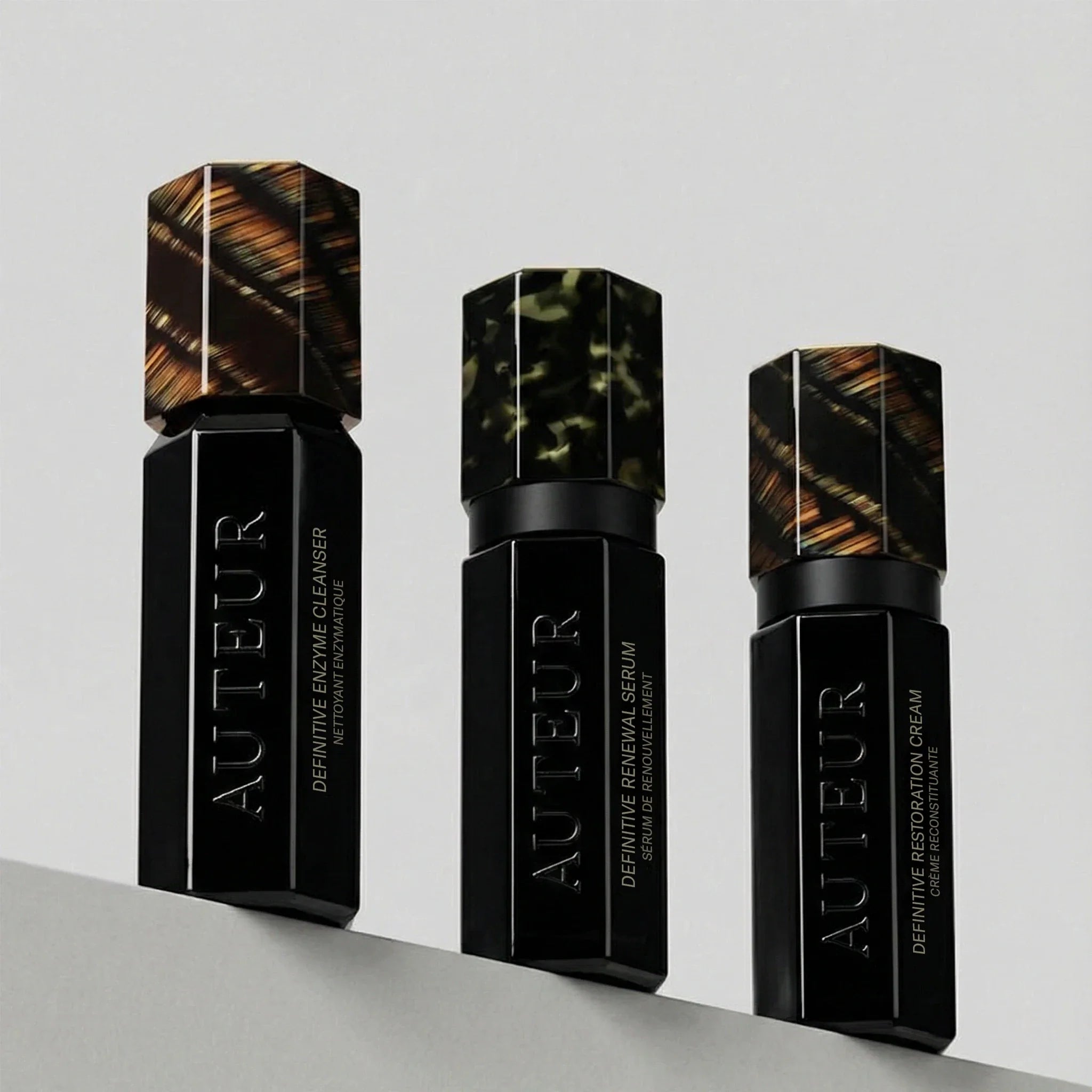
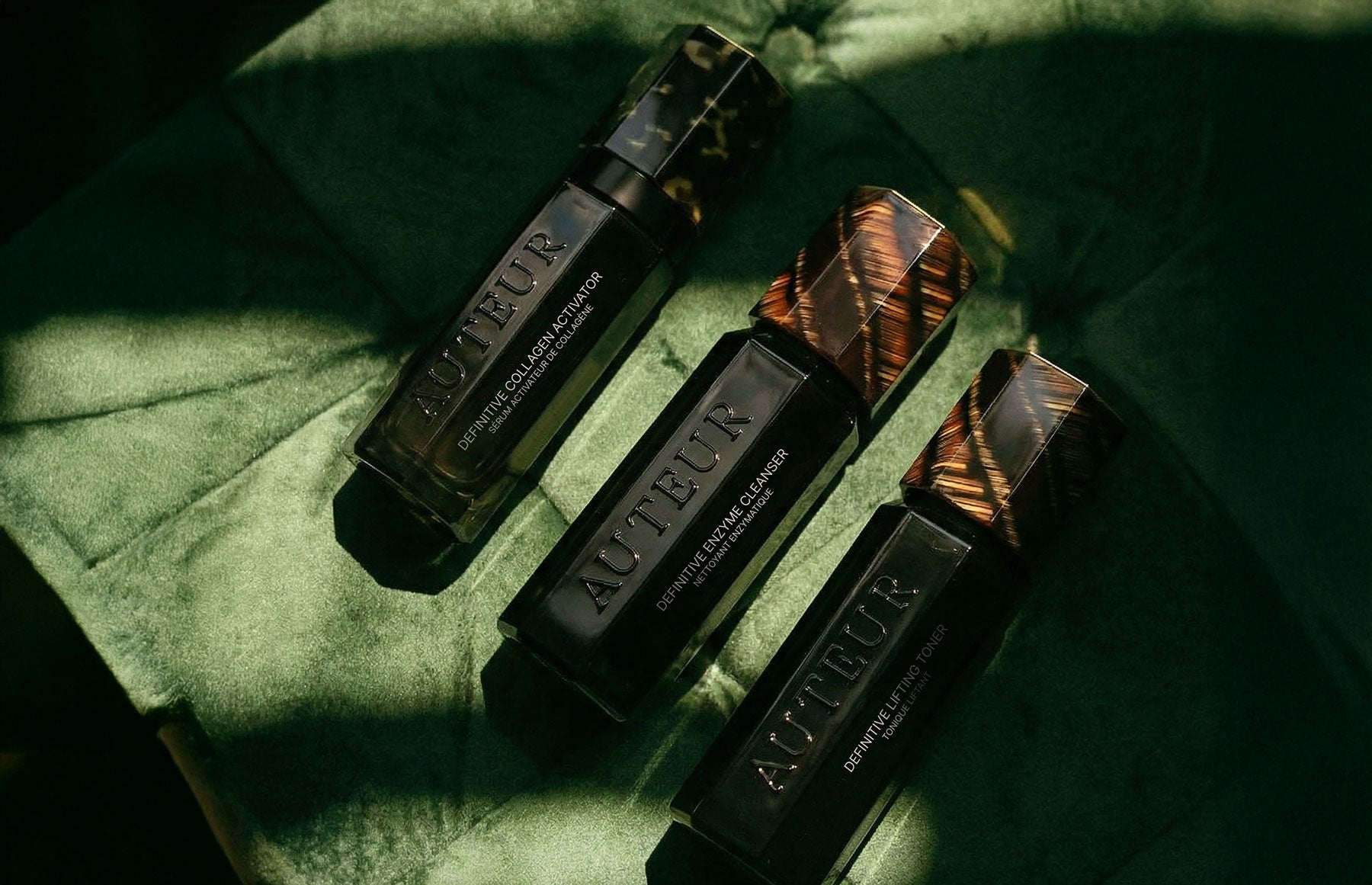
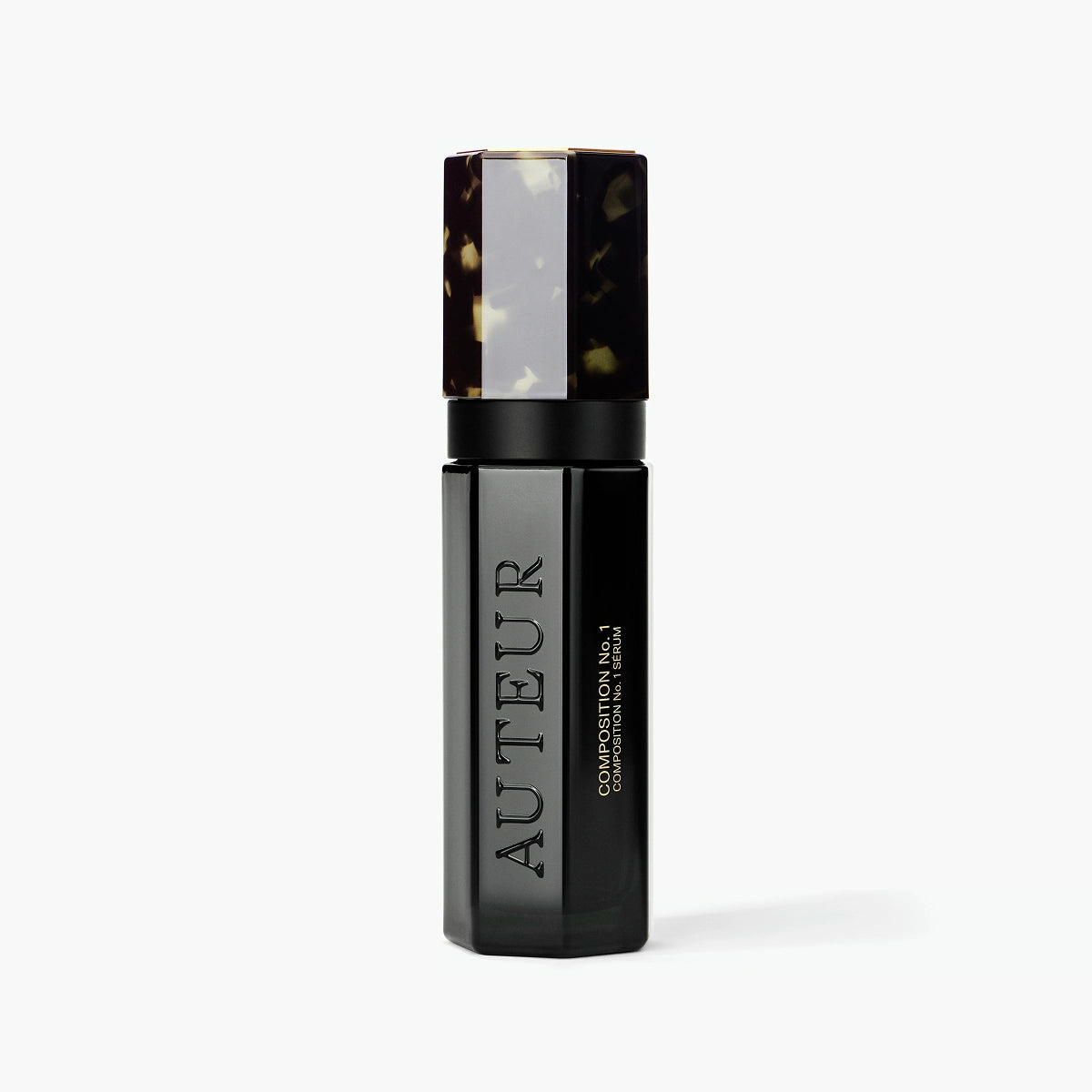
Niacinamide, a form of vitamin B3, supports the skin's own repair of ultraviolet-induced DNA damage and reduces the immune suppression that follows sun exposure. In a phase three trial it reduced the rate of new actinic skin lesions in high-risk patients, evidence of a genuine effect on sun-damaged tissue. Signalling peptides work by a different route again, instructing the skin to rebuild its matrix. AUTEUR's Collagen Activator Serum uses a growth-factor tripeptide complex to prompt Transforming Growth Factor Beta, the messenger that tells skin to produce fresh collagen.

AUTEUR Definitive Retinol Serum
Retinol remains the reference standard for reversing photodamage, stimulating collagen synthesis while calming the enzymes that degrade it. This serum is formulated to deliver that remodelling benefit at a tolerable pace, refining tone, texture and the fine lines that unprotected sun exposure leaves behind. Introduced in the evening, when repair is at its most active.
Explore the FormulationThe AUTEUR Sun-Recovery Protocol
The actives above are most effective when sequenced with intent: protect and neutralise by day, repair and rebuild by night, and support the barrier throughout so the skin can tolerate the work. The protocol below arranges the AUTEUR range around that principle. It is a structure to build towards rather than to adopt all at once; retinol in particular should be introduced gradually.


Hydration underpins all of it. Sun exposure compromises the barrier, and a compromised barrier cannot hold the actives it is given. A five-weight Hyaluron Activator Serum keeps the skin resilient enough to accept retinol and antioxidants without the flaking or sensitivity that derails so many recovery routines before they show results.
What Recovery Looks Like Over Time
Photodamage accumulates across decades, so its reversal is measured in months. Setting expectations correctly is itself part of the method, because the most common reason people abandon a repair routine is that they judge it against a timeline the biology cannot meet. The sequence below reflects how repair typically unfolds when protection is consistent and actives are used as directed.
The Repair Timeline
The pattern is consistent: quick surface wins, followed by the slower structural repair that actually reverses photoageing. Retinoid trials confirm this, with the deepest changes, new collagen in the dermis, emerging only after six to twelve months of sustained use. The skin that protects itself daily and repairs itself nightly does not merely stop ageing prematurely. Over time, it recovers ground that once seemed permanently lost.
References
1. Flament F, Bazin R, Laquieze S, et al. (2013). Effect of the sun on visible clinical signs of aging in Caucasian skin. Clinical, Cosmetic and Investigational Dermatology, 6, 221-232.
2. Fisher GJ, Kang S, Varani J, et al. (2002). Mechanisms of photoaging and chronological skin aging. Archives of Dermatology, 138(11), 1462-1470.
3. Griffiths CEM, Russman AN, Majmudar G, et al. (1993). Restoration of collagen formation in photodamaged human skin by tretinoin (retinoic acid). New England Journal of Medicine, 329(8), 530-535.
4. Lin JY, Selim MA, Shea CR, et al. (2003). UV photoprotection by combination topical antioxidants vitamin C and vitamin E. Journal of the American Academy of Dermatology, 48(6), 866-874.
5. Humbert PG, Haftek M, Creidi P, et al. (2003). Topical ascorbic acid on photoaged skin. Clinical, topographical and ultrastructural evaluation: double-blind study versus placebo. Experimental Dermatology, 12(3), 237-244.
6. Surjana D, Halliday GM, Damian DL. (2013). Nicotinamide enhances repair of ultraviolet radiation-induced DNA damage in human keratinocytes and ex vivo skin. Carcinogenesis, 34(5), 1144-1149.
7. Chen AC, Martin AJ, Choy B, et al. (2015). A phase 3 randomized trial of nicotinamide for skin-cancer chemoprevention. New England Journal of Medicine, 373(17), 1618-1626.