
The peptide category in skincare has expanded rapidly. Hundreds of products now carry the word "peptide" on their packaging, but the clinical evidence behind each peptide type varies enormously. Some have been validated in double-blind, placebo-controlled trials. Others rely on manufacturer claims with no published peer review. For anyone making decisions about which peptides to invest in for anti-aging, the distinction matters.
This guide examines the four peptide categories with the strongest clinical evidence for measurable anti-aging results: signal peptides, neuropeptides, carrier peptides, and a neuromuscular inhibitor that bridges peptide science with biomimetic technology. Each is evaluated by its mechanism, the published trial data, and where it fits in an effective anti-aging routine.
How Anti-Aging Peptides Work
Peptides are short chains of amino acids, typically between 2 and 50 residues in length. In skin biology, they function as signalling molecules. When the skin's structural proteins (collagen, elastin, fibronectin) degrade with age, the resulting peptide fragments act as messengers that tell the body repair is needed. Topical peptides exploit this mechanism by delivering specific amino acid sequences that trigger targeted biological responses.
The critical distinction between peptide types lies in which biological pathway each one activates. Signal peptides stimulate fibroblasts to produce collagen. Neuropeptides modulate neurotransmitter release to reduce muscle micro-contractions. Carrier peptides deliver trace minerals essential for enzymatic repair. Each mechanism addresses a different dimension of skin ageing, which is why the most effective anti-aging formulations combine multiple peptide types rather than relying on one.
Matrixyl: The Signal Peptide Gold Standard
Mechanism
Matrixyl (palmitoyl pentapeptide-4, also known as pal-KTTKS) is a signal peptide that directly stimulates fibroblast activity. It mimics the collagen fragment sequences that the body produces during natural tissue remodelling, signalling skin cells to increase production of collagen types I and III, fibronectin, and glycosaminoglycans. The palmitoyl chain attached to the pentapeptide improves lipophilicity, allowing the molecule to penetrate the stratum corneum more effectively.1
Clinical Evidence
Robinson et al. conducted a 12-week, double-blind, placebo-controlled, split-face trial with 93 women aged 35 to 55. The treatment group applied a moisturiser containing pal-KTTKS at 3 ppm twice daily. Quantitative image analysis and expert grading both demonstrated statistically significant reductions in wrinkles and fine lines compared to placebo.1
A separate controlled study measured the effect of 0.005% palmitoyl pentapeptide-4 cream applied twice daily for 28 days. The results showed an 18% decrease in fold depth, a 37% decrease in fold thickness, and a 21% improvement in skin firmness.2
These numbers matter because they come from measurement instruments, not subjective self-assessment. When a clinical trial reports that fold thickness decreased by 37%, that figure was captured by profilometry or optical imaging, not by asking participants how they felt about their skin.
Where It Fits
Matrixyl is the foundational anti-aging peptide. It addresses the root cause of visible ageing (collagen loss) rather than masking its symptoms. Its strength is cumulative: consistent application over 8 to 12 weeks produces the most significant structural changes. It pairs well with neuropeptides, which work faster on surface expression lines while Matrixyl rebuilds collagen architecture underneath.
Argireline: The Neuropeptide for Expression Lines
Mechanism
Argireline (acetyl hexapeptide-8) is a neuropeptide that inhibits SNARE complex formation, the protein machinery responsible for neurotransmitter release at the neuromuscular junction. By partially reducing the signal that tells facial muscles to contract, Argireline softens the repetitive micro-movements that create expression lines around the eyes and forehead. The mechanism is analogous to botulinum toxin but operates at a topical level with a subtler, gradual effect.3
Clinical Evidence
A randomised, placebo-controlled trial in Chinese subjects demonstrated significant anti-wrinkle efficacy: the Argireline group achieved total anti-wrinkle efficacy of 48.9% compared to 0% in the placebo group.3 A separate study using 10% acetyl hexapeptide-8 showed a 20% decrease in wrinkle depth by day 15 and a 30% decrease by day 30 of twice-daily application.4
A Visia Complexion Analysis study confirmed measurable reductions in periorbital wrinkles when Argireline was formulated alongside hyaluronic acid, suggesting synergistic benefits with hydrating actives.5
Where It Fits
Argireline produces the fastest visible results of the four peptides covered here. Within 14 to 28 days, expression lines soften measurably. This makes it particularly effective for crow's feet, forehead lines, and frown lines. It is best used in targeted serums applied to specific areas of dynamic movement, combined with signal peptides that address the deeper structural loss underneath.
GHK-Cu: The Copper Carrier Peptide for Collagen Density
Mechanism
GHK-Cu (copper tripeptide-1) is a naturally occurring carrier peptide that binds copper ions and delivers them to skin cells. Copper is essential for lysyl oxidase, the enzyme responsible for cross-linking collagen and elastin fibres. Beyond mineral delivery, GHK-Cu has been shown to influence over 4,000 genes involved in tissue remodelling, switching on pathways associated with collagen synthesis while suppressing genes linked to inflammation and tissue degradation.6
Clinical Evidence
A facial cream study involving 71 women with mild to advanced signs of photoaging found that GHK-Cu application over 12 weeks improved skin laxity, clarity, reduced fine lines, and increased skin density and thickness.7 Subdermal echogenicity measurements (a proxy for collagen and elastin density) showed an average 28% increase, with the top quartile of participants demonstrating a 51% improvement.6
Pilot data from Krüger et al. confirmed increases in both epidermal and dermal thickness, measurably improved skin hydration, significant surface smoothing, increased elasticity, and elevated production of collagen type I.8
Where It Fits
GHK-Cu is the peptide for people concerned with loss of skin density, thinning, and reduced resilience. It works at the structural and genetic level rather than on surface symptoms. The 12-week timeline for maximum results means it requires patience, but the breadth of its biological impact (collagen, elastin, inflammation, gene expression) makes it one of the most versatile anti-aging molecules in the clinical literature.
SYN-AKE: The Neuromuscular Peptide for Deep Wrinkles
Mechanism
SYN-AKE (dipeptide diaminobutyroyl benzylamide diacetate) is a synthetic tripeptide that mimics the amino acid sequence of Waglerin-1, a component of temple viper venom. Waglerin-1 causes localised muscle relaxation by antagonising nicotinic acetylcholine receptors. SYN-AKE replicates this effect topically: it reduces the frequency and intensity of muscle contractions that create and deepen expression lines, while simultaneously activating collagen production pathways.9
Clinical Evidence
A controlled study comparing 4% SYN-AKE cream to placebo, applied twice daily for 28 days across 100 volunteers, showed striking results. The smoothing effect was measurable in 80% of volunteers, and wrinkle reduction was evident in 73%. Maximum wrinkle depth reduction reached 52%, with average improvements of 15 to 20% across the full study population.9
Where It Fits
SYN-AKE is the most potent topical alternative to injectable muscle relaxants. Its dual action (neuromuscular inhibition plus collagen stimulation) makes it uniquely positioned for deeper expression lines that signal peptides alone cannot fully address. It is most effective on crow's feet, glabellar lines, and forehead furrows where repetitive muscle movement drives wrinkle formation.
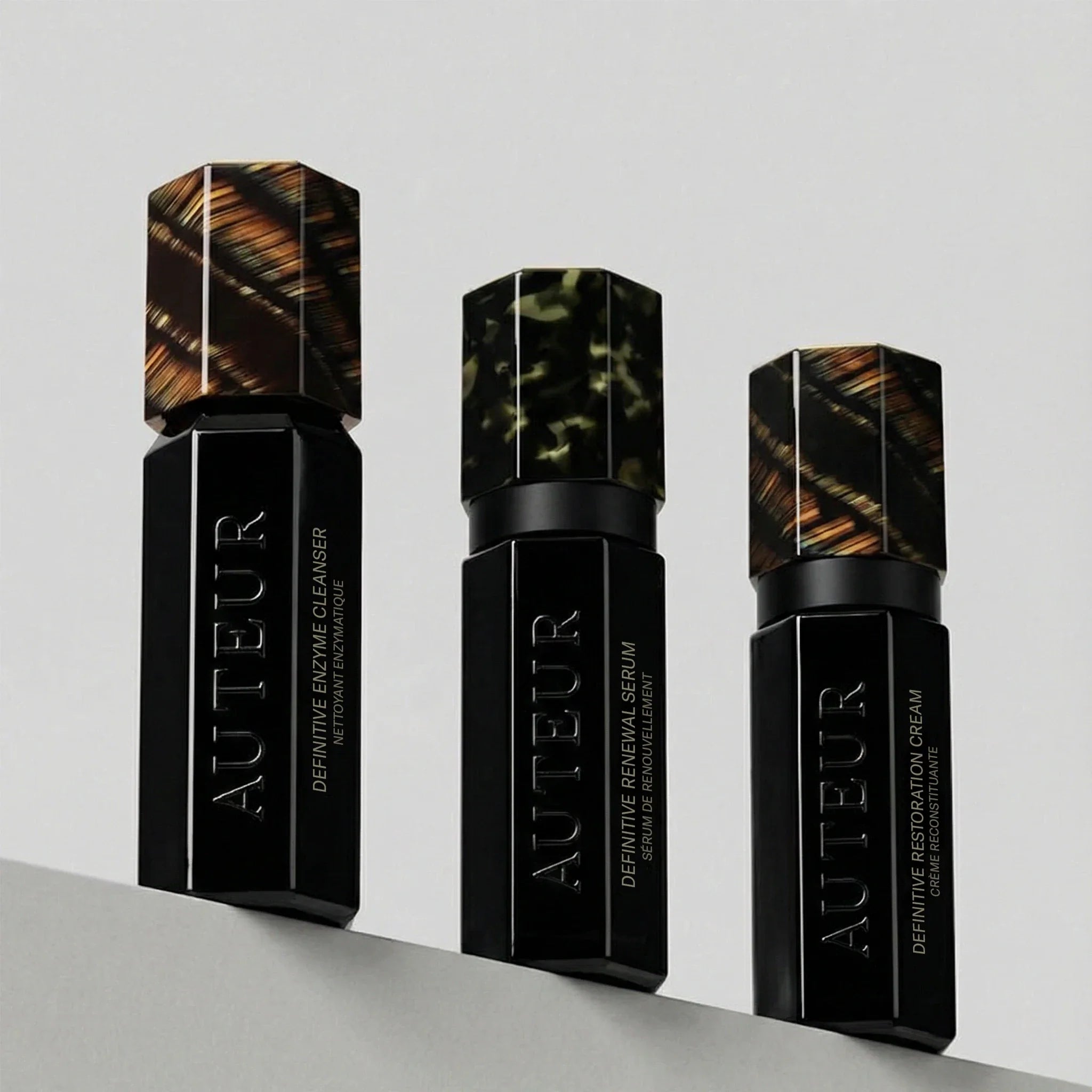
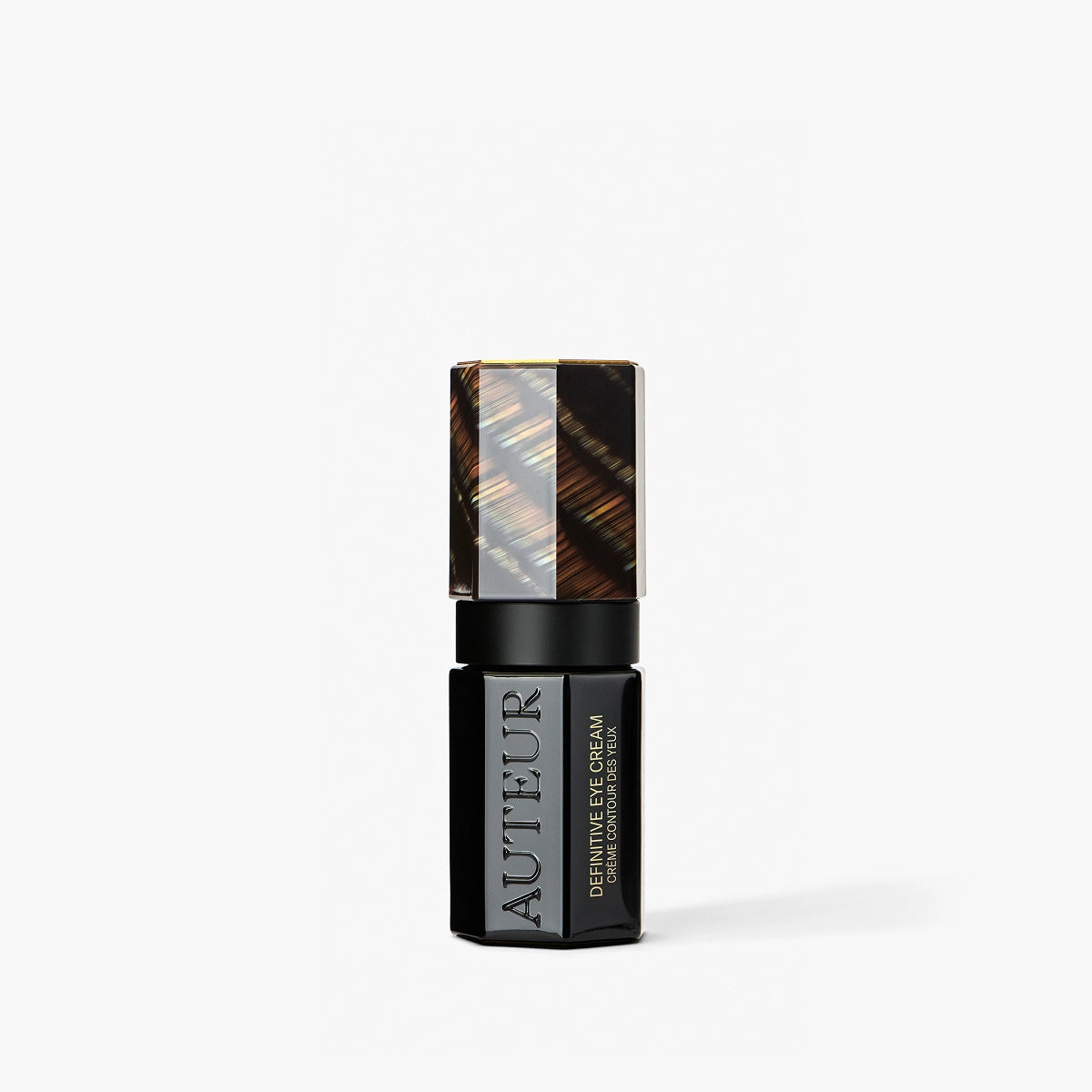
AUTEUR Definitive Line Serum
The Definitive Line Serum centres on SYN-AKE alongside Cyclopeptide-5 for immediate surface smoothing and a multi-molecular hyaluronic acid complex for hydration at every skin depth. The formulation delivers both instant visible line reduction and sustained collagen production improvement with consistent use. A dual antioxidant system of Vitamin E and Resveratrol protects existing collagen from oxidative breakdown.
Explore the FormulationClinical Results Compared
Each of these four peptides has been tested in controlled human studies. The chart below compiles the primary efficacy metrics from published trials, normalised to comparable timeframes where possible.
*GHK-Cu figure represents collagen density increase (subdermal echogenicity), not surface wrinkle depth. Mechanisms differ; direct comparison should be interpreted with caution. Data sourced from published peer-reviewed trials.1,2,3,6,9
The numbers tell a clear story, but with an important caveat. SYN-AKE's 52% figure represents the maximum reduction observed across the study population; the average was 15 to 20%. Matrixyl's 37% figure measures fold thickness reduction specifically. Argireline's 30% is a mean wrinkle depth reduction at 30 days. And GHK-Cu's 28% measures a fundamentally different parameter: collagen density rather than surface wrinkle depth. These peptides work through different biological pathways, which means they complement rather than compete with each other.
Combining Peptides: Why Multi-Peptide Formulations Work
Skin ageing is not a single-mechanism problem. Collagen loss, repeated muscle contraction, oxidative damage, reduced mineral delivery, and declining gene expression for repair proteins all contribute simultaneously. A single peptide type, no matter how well validated, addresses only one of these pathways.
The clinical logic for multi-peptide formulations is straightforward: signal peptides rebuild collagen architecture while neuropeptides reduce the mechanical stress that breaks it down. Carrier peptides deliver the minerals that enzymes need for cross-linking. Each peptide type amplifies the conditions under which the others can produce results.
This is not marketing theory. It is the reason that the most sophisticated formulations in clinical dermatology combine three or more peptide types in a single product, calibrated for complementary mechanisms and compatible delivery systems.
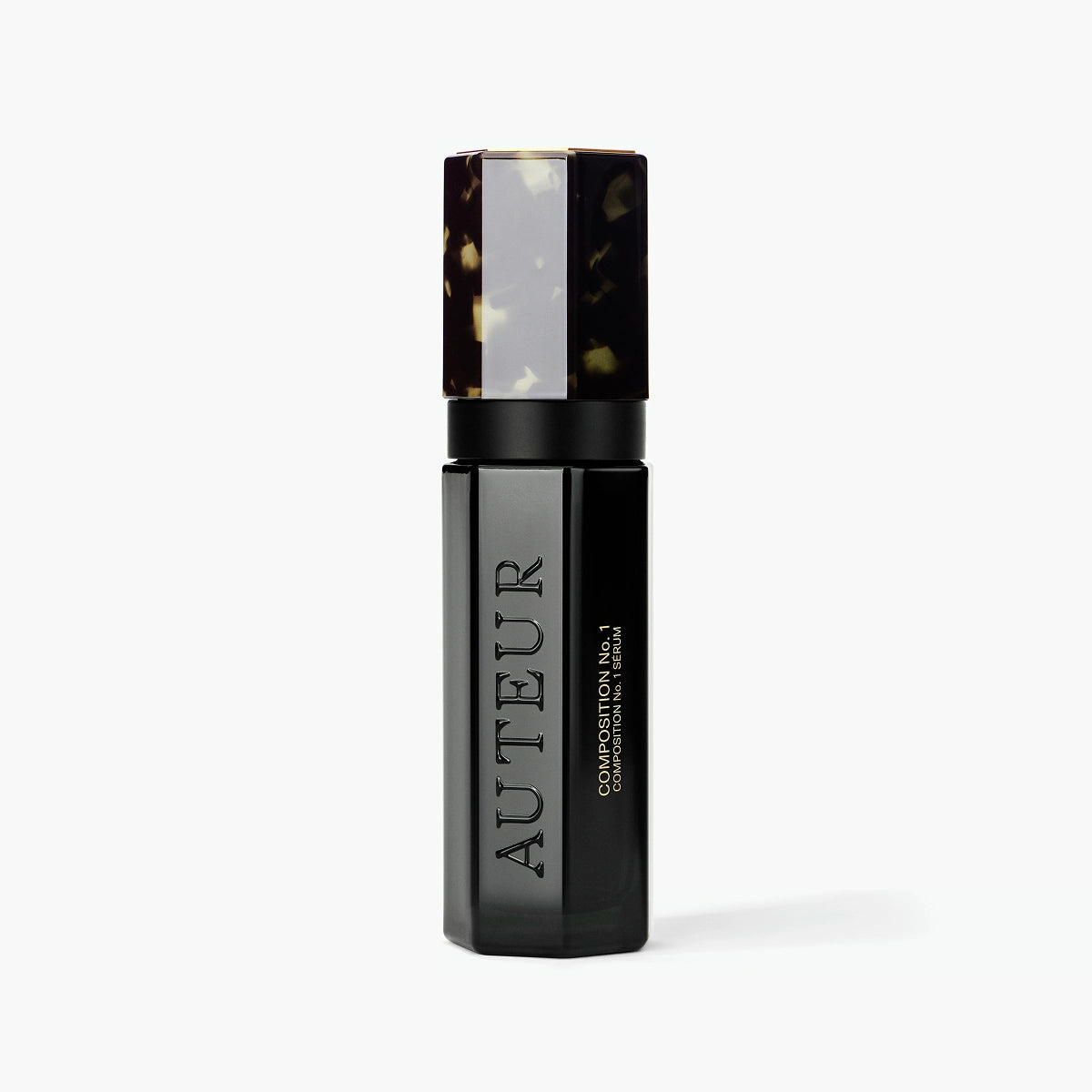
AUTEUR Composition No. 1 Serum
Composition No. 1 is the most comprehensive expression of multi-peptide formulation in the AUTEUR line. It combines SYN-AKE (neuromuscular relaxation and collagen activation), SYN-HYCAN (simultaneous hyaluronic acid and collagen synthesis), and Gold Pro-Collagen Peptide (amplified peptide performance), alongside over 40 supporting actives including encapsulated retinol and liquid oxygen. The result is a single formulation addressing every peptide pathway discussed in this guide.
Explore the FormulationBuilding a Peptide Anti-Aging Routine
Peptides are most effective when layered in a deliberate sequence that respects product weight and active compatibility. The general principle: apply thinnest to thickest, with water-based peptide serums before oil-based or heavier formulations.
In the morning, a peptide serum with neuropeptide activity (targeting expression lines throughout the day) followed by a hydrating layer and broad-spectrum sun protection creates the foundation. Sun protection is non-negotiable: UV exposure degrades collagen faster than any peptide can rebuild it.
In the evening, the routine can accommodate more potent actives. A multi-peptide serum paired with retinol (which works through complementary retinoic acid receptor pathways) allows both collagen-stimulating systems to operate during the skin's overnight repair cycle. Signal peptides and retinol are not redundant; they trigger collagen synthesis through entirely different biological mechanisms and produce compounding results when used together.
Consistency matters more than concentration. The clinical trials cited in this guide all used twice-daily application over periods of 4 to 12 weeks. A well-formulated peptide product used consistently will outperform a higher-concentration product used sporadically.
References
1. Robinson, L.R. et al. (2005). Topical palmitoyl pentapeptide provides improvement in photoaged human facial skin. International Journal of Cosmetic Science, 27(3), 155-160.
2. Lintner, K. (2002). Evaluation of the activity of pal-KTTKS (palmitoyl pentapeptide-4) on the extracellular matrix. International Journal of Cosmetic Science, 24(4), 234-243.
3. Wang, Y. et al. (2013). The anti-wrinkle efficacy of argireline, a synthetic hexapeptide, in Chinese subjects: a randomized, placebo-controlled study. American Journal of Clinical Dermatology, 14(2), 147-153.
4. Blanes-Mira, C. et al. (2002). A synthetic hexapeptide (Argireline) with antiwrinkle activity. International Journal of Cosmetic Science, 24(5), 303-310.
5. Kestemont, J. et al. (2023). Investigating the effects of Argireline in a skin serum containing hyaluronic acids on skin surface wrinkles using the Visia Complexion Analysis camera system. Journal of Cosmetic Dermatology, 22(12), 3351-3358.
6. Pickart, L., Vasquez-Soltero, J.M. and Margolina, A. (2018). Regenerative and protective actions of the GHK-Cu peptide in the light of the new gene data. International Journal of Molecular Sciences, 19(7), 1987.
7. Leyden, J. et al. (2002). Effects of GHK-Cu on MMP and TIMP expression, collagen and elastin production, and facial wrinkle parameters. Journal of Aging Science, 1(1), 1-7.
8. Krüger, N. et al. (2007). Evaluation of GHK-Cu on skin thickness and elasticity. Skin Pharmacology and Physiology, 20(5), 267-274.
9. Pentapharm Ltd. (2009). SYN-AKE: a novel active ingredient for topical anti-aging skincare. DSM Nutritional Products Clinical Dossier. Clinical study, n=100, 28-day, double-blind, placebo-controlled.