
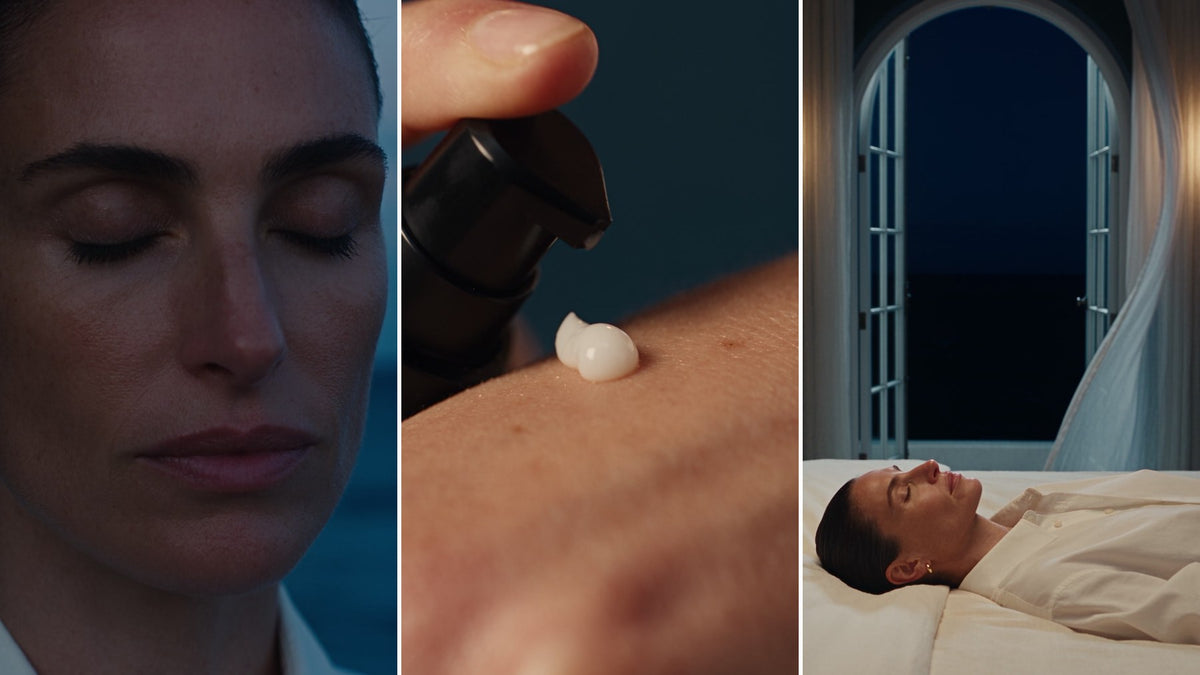
Retinol alternatives for sensitive skin are usually sold as a consolation, something to use because the real thing is out of reach. That framing is wrong. Retinoids are the most studied topical class for photoageing, but the receptor signalling behind their effect also drives the erythema, scaling and stinging that stop many people using them. A programme that never gets applied has an efficacy of zero.
Therefore the correct question is not whether an alternative matches retinoic acid in a trial, but which alternatives have evidence of their own, how large it is, and how to combine them into a routine that renews the skin without a retinoid. This article ranks the options and ends with a working programme.
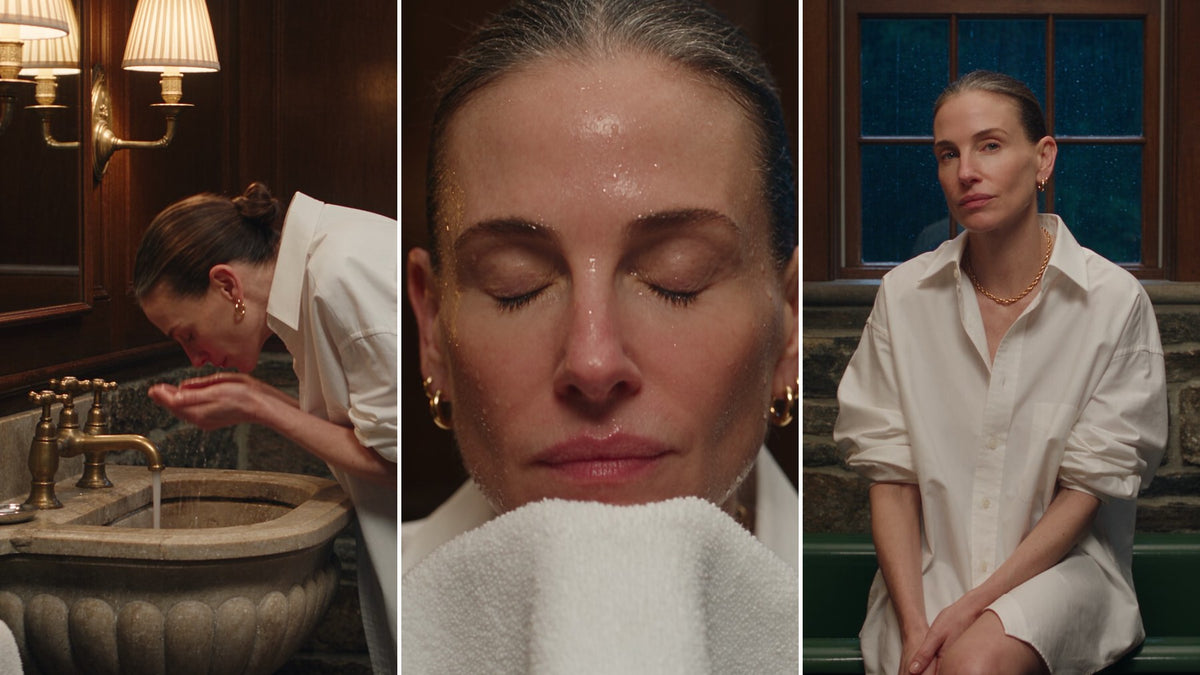
Retinol irritates some skin, and some people cannot use it at all.
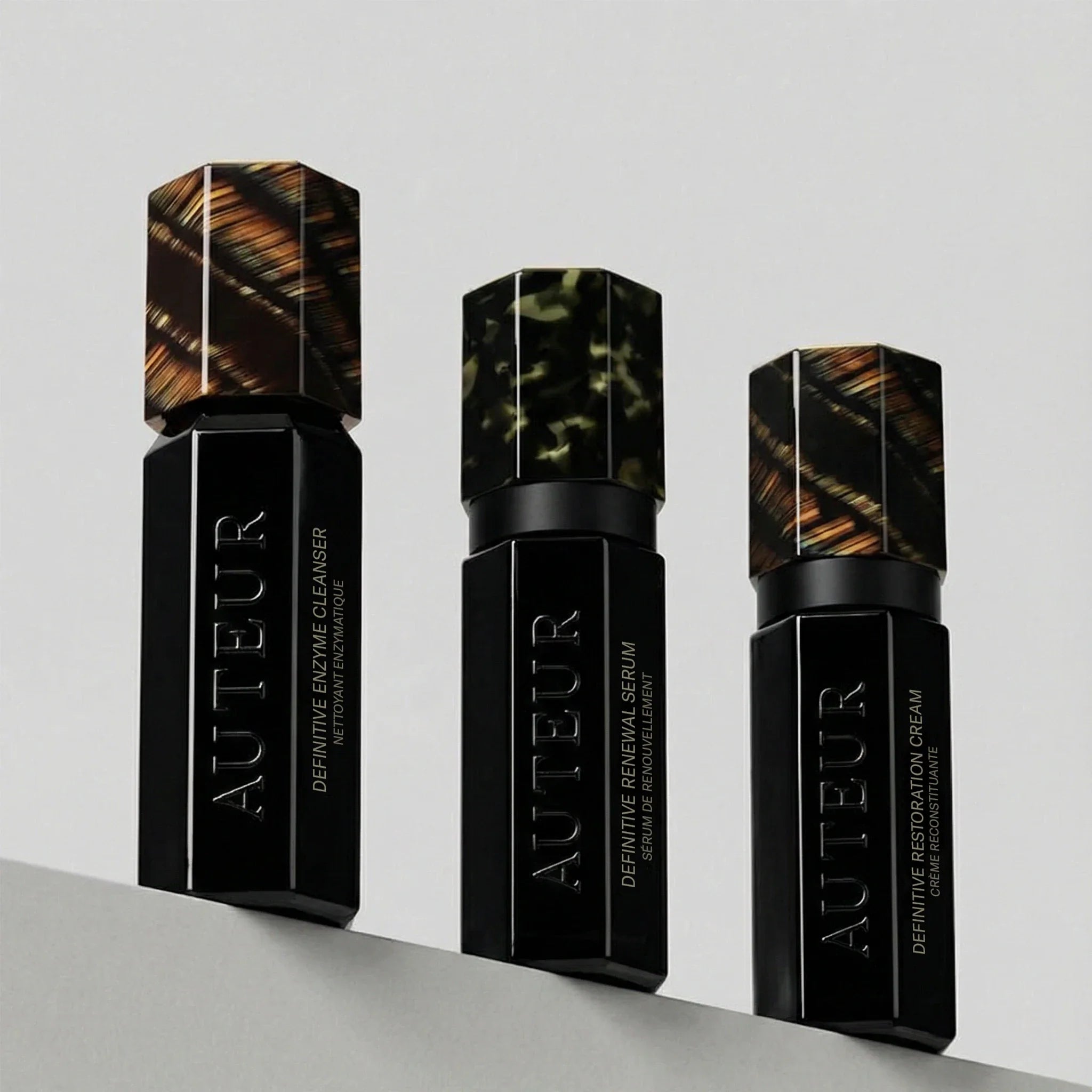
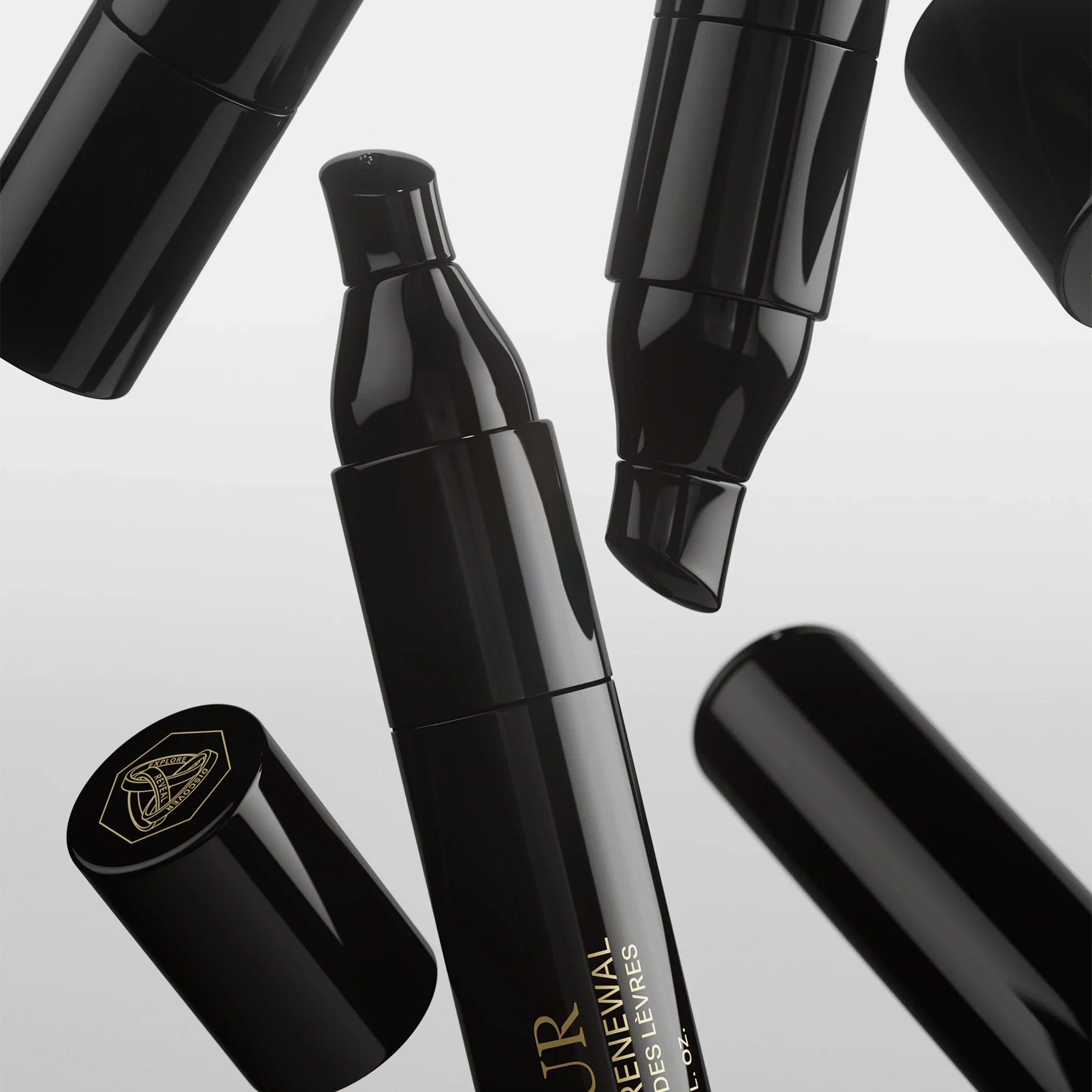
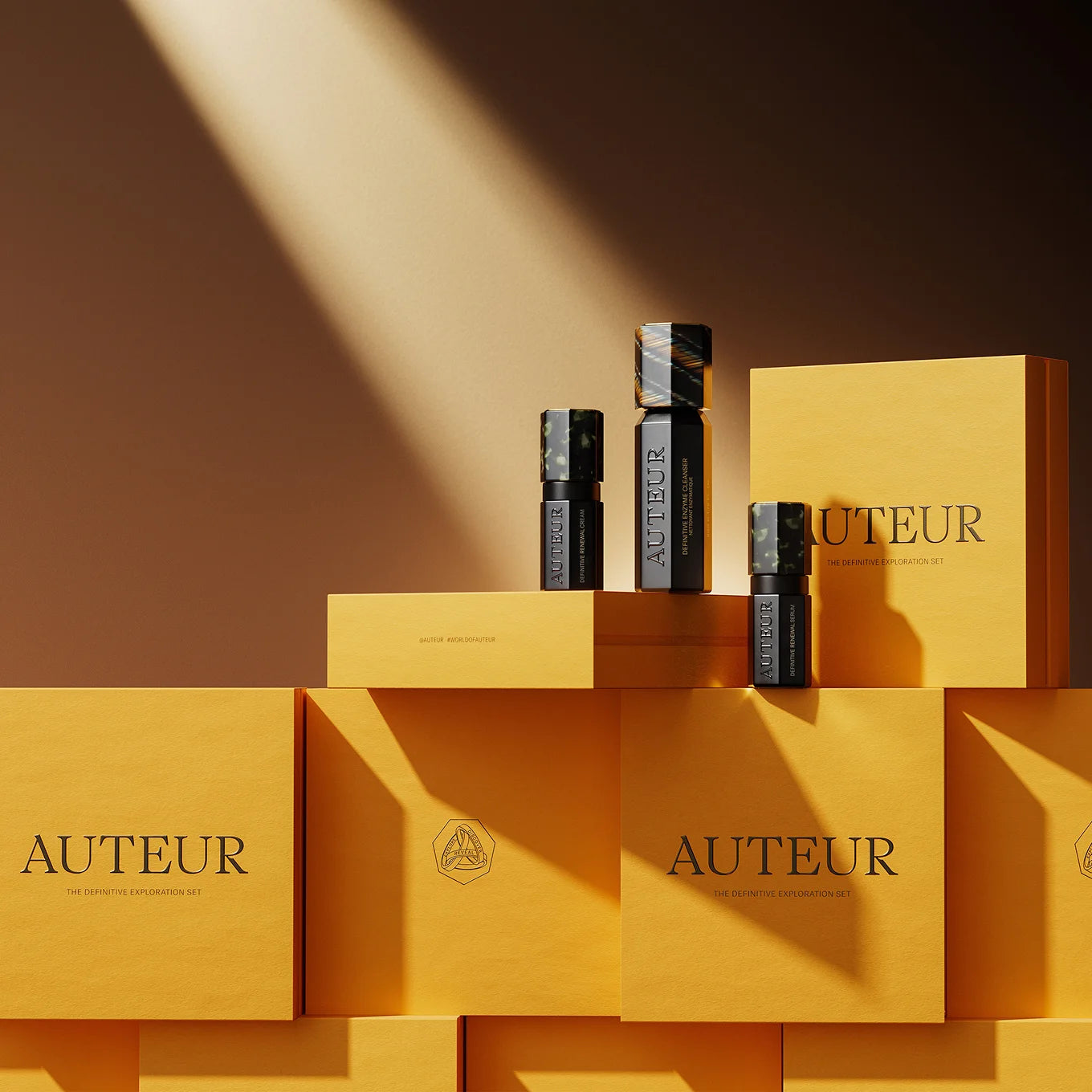
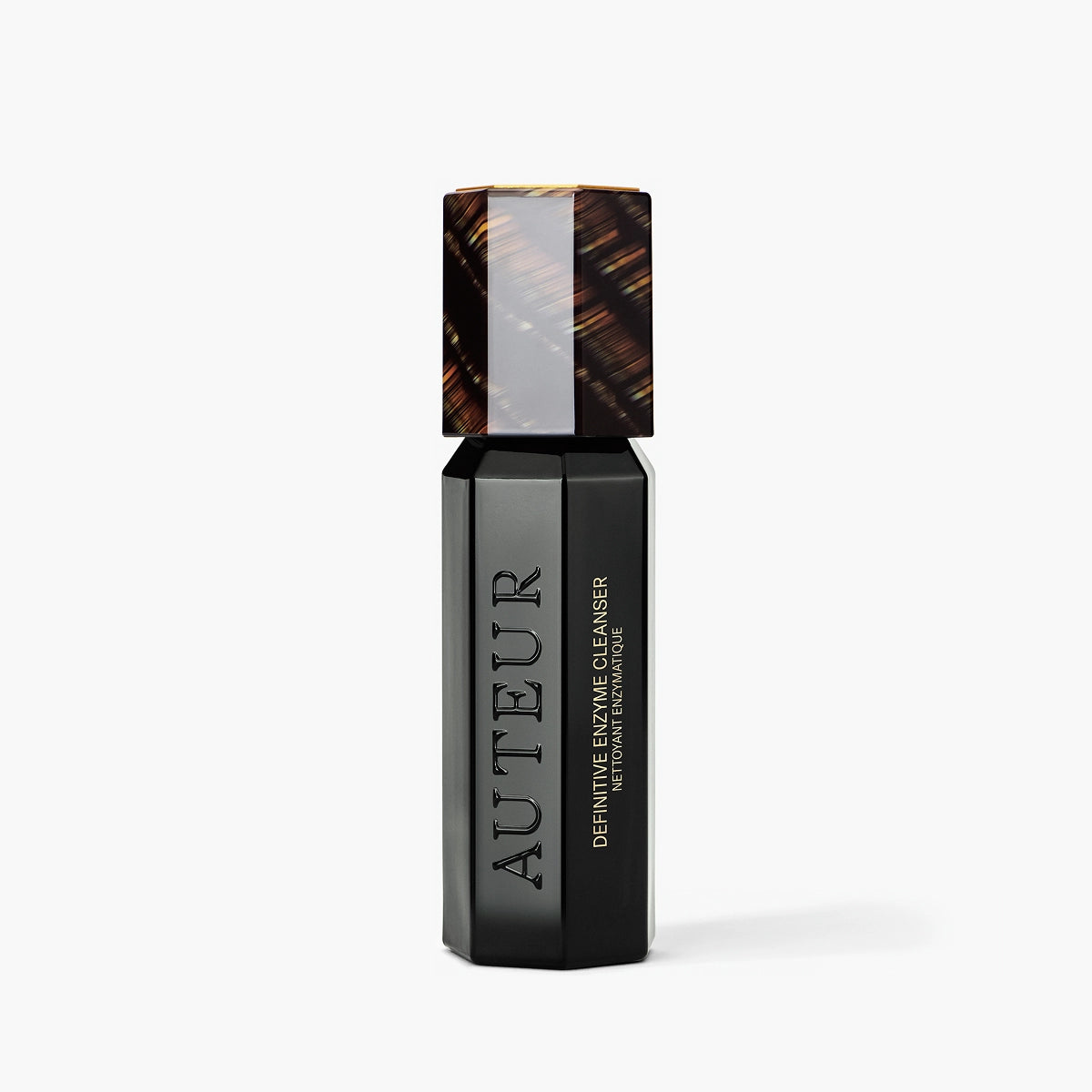
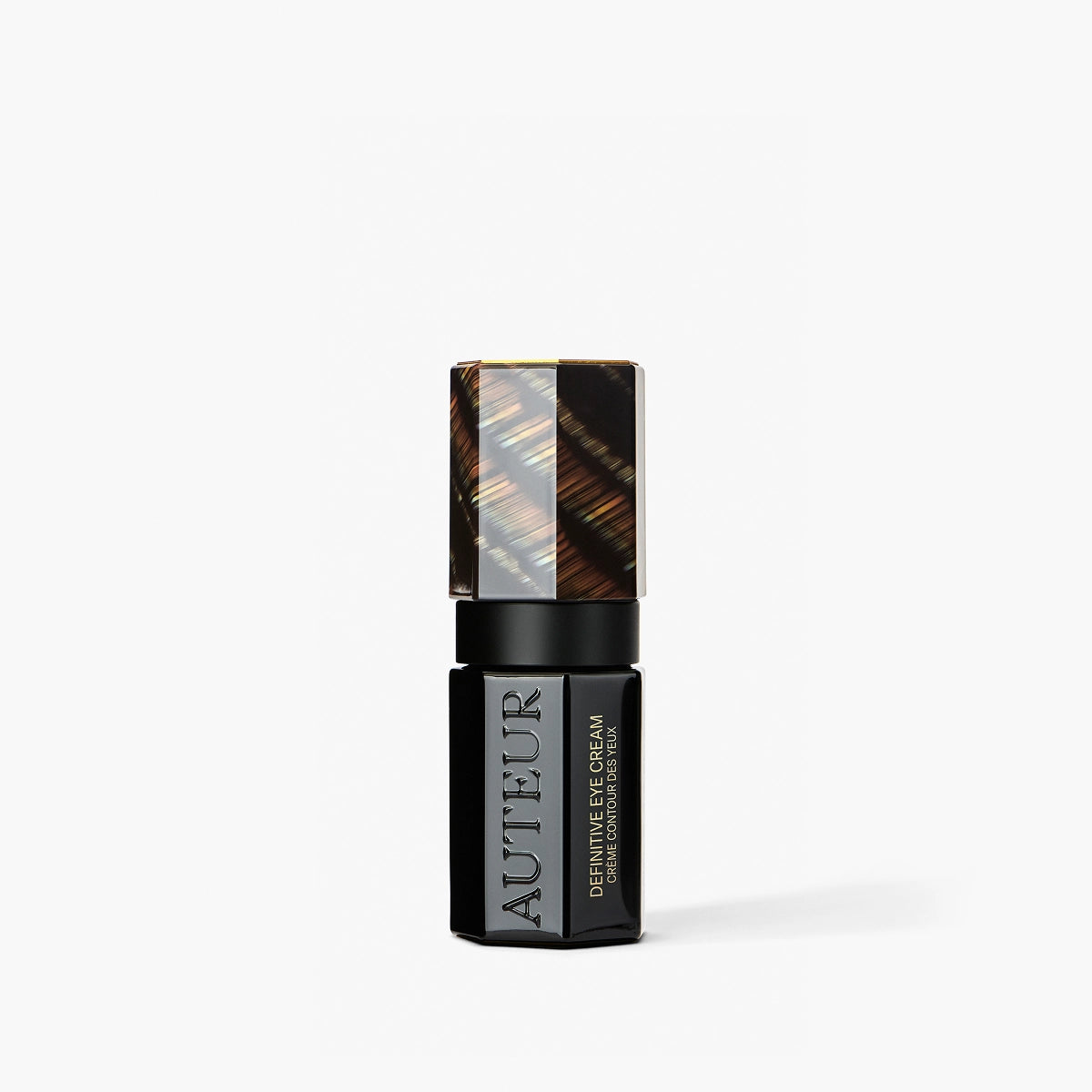
Definitive Renewal Cream supports skin turnover with a Biomimetic Renewal Peptide. No retinol, no acids. It can be used nightly from the first week.
Why retinoids irritate
Every topical retinoid ends up as retinoic acid inside the keratinocyte, where it binds nuclear retinoic acid receptors and changes the transcription of several hundred genes. The useful outputs are faster turnover, more procollagen and less matrix metalloproteinase activity. The unwanted output is turnover running ahead of the barrier's ability to rebuild its lipid layers, plus receptor-mediated inflammation. Mukherjee and colleagues (2006) reviewed the clinical record and concluded that burning, scaling and dermatitis limit patient acceptance, most of all with tretinoin and tazarotene, and that retinaldehyde and retinol are considerably less irritating.
Fluhr and colleagues (1999) followed 355 people for 44 weeks in Dermatology. In the first four weeks on retinoic acid, 44% developed erythema, 35% scaling and 29% burning or itching. Retinaldehyde produced each significantly less often. In a separate 14 day maximised patch test, retinoic acid was the most irritating and retinol produced the least scaling and the lowest transepidermal water loss.
Retinol is the mildest because two enzymatic steps stand between it and the receptor, and encapsulation lowers the peak further, as covered in the encapsulated retinol guide. But a lower dose of the same mechanism is still the same mechanism. For some skin, any dose is too much.
Who should not use a retinoid
Four groups. Pregnancy and breastfeeding, where topical retinoids are avoided as a precaution. Active rosacea, eczema or any barrier condition, which the turnover push aggravates. Post-procedure skin in the weeks after a peel, laser or microneedling. And the fourth group, larger than the first three: people who have tried a low-strength encapsulated retinol on alternate nights with a buffering cream and still get stinging, flaking and redness every time.
The usual advice to the fourth group is to persist, because retinoid dermatitis often settles after six to eight weeks. But persistence has a cost: a damaged barrier admits more of every other irritant, and a routine that hurts gets skipped. Therefore the honest alternative is a programme without retinoids, built on ingredients with their own trial data and judged at twelve weeks.

The alternatives, ranked by evidence
Not every retinol alternative has evidence of the same kind. The grid gives the strongest study behind each, so the ranking is visible rather than asserted. Three bands: a randomised comparison against retinol itself, placebo-controlled human trials, and mechanism or in vitro data only.
The three ingredients with the strongest data were each tested for 12 weeks, which sets the minimum fair trial of any programme built on them. None produced the erythema and scaling of a retinoid, which is the point.
Bakuchiol: the direct comparison
Bakuchiol is a meroterpene from the seeds of Psoralea corylifolia. It shares no structure with retinol but modulates several of the same gene expression pathways, hence the head-to-head trial. Dhaliwal and colleagues (2019) randomised 44 people in British Journal of Dermatology to 0.5% bakuchiol cream twice daily or 0.5% retinol cream nightly for 12 weeks, double-blind. Wrinkle surface area fell 19.0% with bakuchiol and 23.2% with retinol, no statistically significant difference. Hyperpigmentation improved on clinical grading in 59% of the bakuchiol group and 44% of the retinol group, again not a significant difference.
Tolerability separated them. The retinol group reported significantly more scaling at every follow-up and significantly more stinging; itching and burning were higher but not significantly. Bakuchiol showed a trend to more redness at week 4, gone by week 8. The trial was small and does not prove equivalence. But it is the only randomised double-blind comparison of a retinol alternative against retinol, and the alternative held its ground.
In the only randomised double-blind trial against retinol, 0.5% bakuchiol reduced wrinkle surface area by 19% over 12 weeks against 23.2% for retinol, not a significant difference, with significantly less scaling and stinging. A programme that is tolerated and applied outperforms one that is stronger and abandoned.
Peptides, growth factors and niacinamide
Signal peptides are short amino acid sequences that mimic fragments of degraded collagen; fibroblasts read them as a repair signal and raise matrix synthesis. The best-studied is palmitoyl pentapeptide-4, the lipidated collagen fragment KTTKS. Robinson and colleagues (2005) ran a 12 week double-blind split-face trial in 93 women in International Journal of Cosmetic Science; the peptide side improved in wrinkles and fine lines against the moisturiser-only side, with no increase in redness or barrier damage. The effect is more modest than prescription retinoids and the sponsor was a manufacturer. The mechanism is explained in the signal peptide guide.
Growth factors act one step upstream, as the proteins that instruct fibroblasts and keratinocytes during wound healing. Fitzpatrick and Rostan (2003) applied a gel of eight human growth factors twice daily for 60 days in 14 patients with photodamage. Biopsies showed a 37% increase in Grenz zone collagen thickness and 27% epidermal thickening. There was no placebo arm, which is why it ranks below the peptide and niacinamide trials despite the histology.
Niacinamide is the quiet one. Bissett and colleagues (2005) tested 5% niacinamide against vehicle in 50 women for 12 weeks, split-face and double-blind, in Dermatologic Surgery, and recorded reductions in fine lines, hyperpigmented spots, red blotchiness and sallowness, with improved elasticity. It also supports ceramide synthesis, which makes it a barrier ingredient as much as an anti-ageing one; see the niacinamide guide. For reactive skin that combination is worth more than any single wrinkle metric.
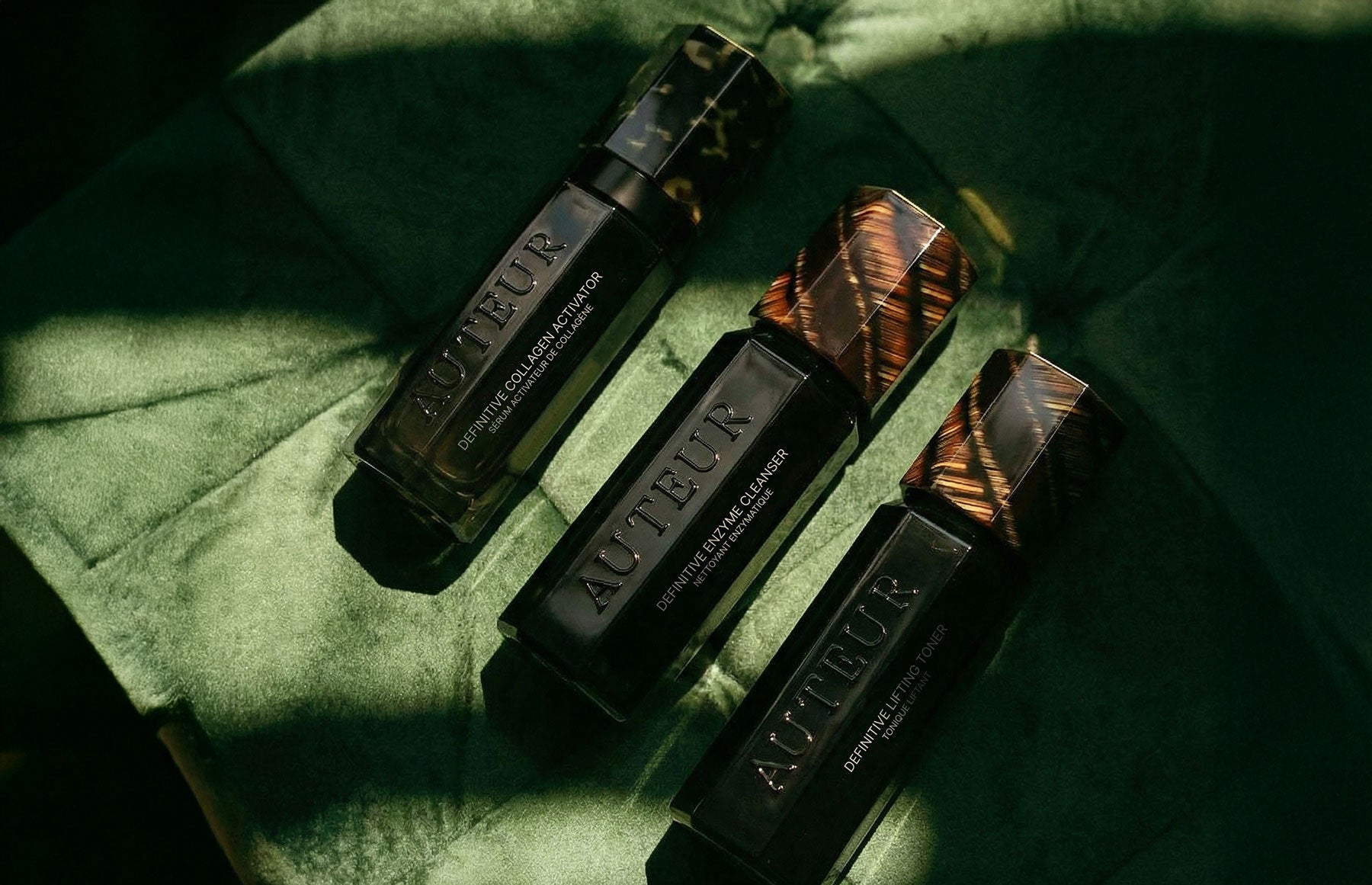
Enzyme exfoliation completes the set. Retinoids speed turnover from inside the keratinocyte; a papain and bromelain cleanser removes the dead layer from outside, by hydrolysing the corneodesmosome proteins that hold corneocytes. It is a surface effect, two or three evenings a week, with no wrinkle trial behind it, and the enzyme cleanser guide sets out the method.
Building a retinoid-free programme
A retinoid does three jobs: it speeds turnover, signals collagen and protects existing collagen by lowering matrix metalloproteinase activity. A programme without one has to cover each job with a different ingredient, so it runs on three or four actives. Turnover: enzymes at the surface two or three evenings a week, and a biomimetic renewal peptide in the cream. Collagen signalling: signal peptides and growth factors in the serum step. Protection: daily SPF and niacinamide, with morning antioxidants. Bakuchiol layers in as the closest functional stand-in.
AUTEUR Definitive Renewal Cream
$285 · 30ml
A cream built around a Biomimetic Renewal Peptide, formulated to support epidermal turnover without retinol or acids, for skin that reacts to either. It is the evening cream in this programme, over a peptide or growth factor serum, and can be used nightly from the first week. Also available in 50ml at $425. For a full regenerative line that is non-retinoid by design, the Superlative line pairs a growth factor essence with Serum Phi and Cream Voyage.
Explore the FormulationMorning: amino acid cleanse, essence, a niacinamide or antioxidant serum, cream, SPF 50. Evening: cleanse, essence, signal peptide or growth factor serum, Renewal Cream. Two or three evenings a week, replace the cleanse with the enzyme cleanser. Judge the result at week 12 on the measures the trials used: fine line depth, tone, and whether the skin is calmer. The reasoning behind the sequence is in peptides versus retinol. It will not match the histology of a 24 week retinoid trial in people who tolerate retinoids. For skin that cannot, it is the regeneration that actually happens.
Frequently Asked Questions
What is the best retinol alternative for sensitive skin?
Bakuchiol has the strongest direct comparison. In a 12 week randomised double-blind trial of 44 people, 0.5% bakuchiol reduced wrinkle surface area by 19% against 23.2% for 0.5% retinol, no significant difference, with significantly less scaling and stinging. Signal peptides and niacinamide have their own placebo-controlled data and are the usual partners.
Why does retinol irritate the skin?
Retinoids bind nuclear retinoic acid receptors and change keratinocyte gene expression, pushing turnover faster than the barrier can rebuild. In a 44 week study of 355 people, retinoic acid produced erythema in 44%, scaling in 35% and burning or itching in 29% during the first four weeks. Retinol is weaker and irritates less, but the mechanism is the same.
Who should avoid retinol?
Anyone pregnant or breastfeeding, as a precaution; anyone with active rosacea, eczema or a compromised barrier; skin recovering from a peel or laser; and anyone who has tried a low-strength encapsulated retinol with buffering and still cannot tolerate it. For those groups a programme without retinoids is the correct choice, not a compromise.
Do peptides work as well as retinol?
Not at the same magnitude, but they work. A 12 week split-face trial of 93 women found palmitoyl pentapeptide-4 improved wrinkles and fine lines against vehicle with no increase in redness or barrier damage. The effect is smaller than prescription retinoids but comes with almost no irritation, which is why peptides are the base of the programme.
How long does a retinoid-free routine take to show results?
Eight to twelve weeks for texture and fine lines, matching the trials behind peptides, bakuchiol and niacinamide. Hydration and barrier comfort improve within days. Judge the routine at week 12, not week 3.
References
1. Mukherjee, S., Date, A., Patravale, V., Korting, H.C., Roeder, A., Weindl, G. (2006). Retinoids in the treatment of skin aging: an overview of clinical efficacy and safety. Clinical Interventions in Aging, 1(4), 327 to 348.
2. Fluhr, J.W., Vienne, M.P., Lauze, C., Dupuy, P., Gehring, W., Gloor, M. (1999). Tolerance profile of retinol, retinaldehyde and retinoic acid under maximized and long-term clinical conditions. Dermatology, 199(Suppl 1), 57 to 60.
3. Dhaliwal, S., Rybak, I., Ellis, S.R., et al. (2019). Prospective, randomized, double-blind assessment of topical bakuchiol and retinol for facial photoageing. British Journal of Dermatology, 180(2), 289 to 296.
4. Robinson, L.R., Fitzgerald, N.C., Doughty, D.G., et al. (2005). Topical palmitoyl pentapeptide provides improvement in photoaged human facial skin. International Journal of Cosmetic Science, 27(3), 155 to 160.
5. Fitzpatrick, R.E., Rostan, E.F. (2003). Reversal of photodamage with topical growth factors: a pilot study. Journal of Cosmetic and Laser Therapy, 5(1), 25 to 34.
6. Bissett, D.L., Oblong, J.E., Berge, C.A. (2005). Niacinamide: A B vitamin that improves aging facial skin appearance. Dermatologic Surgery, 31(7 Pt 2), 860 to 865.