



What is Antioxidants?
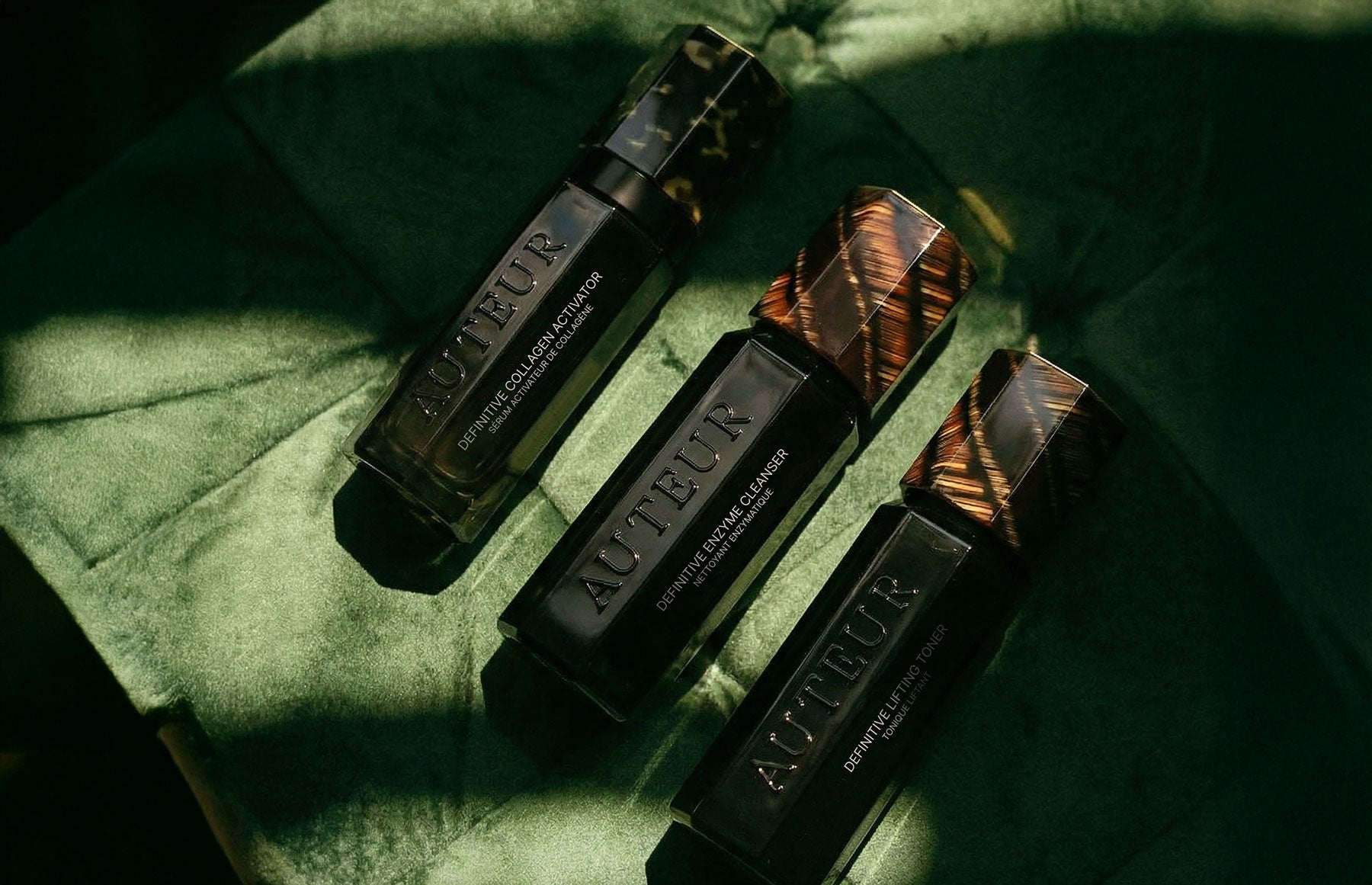
Antioxidants are a diverse group of bioactive molecules that serve as the skin's primary defense system against oxidative stress and environmental aggression. While the body naturally produces antioxidants to maintain cellular equilibrium, these internal reserves are rapidly depleted by exposure to UV radiation, pollution, and blue light. AUTEUR formulations utilize a synergistic complex of high-potency antioxidants to neutralize reactive oxygen species (ROS) before they can damage DNA and degrade structural proteins. By interrupting the cascade of oxidative damage, antioxidants work to prevent premature aging and preserve the skin’s natural vitality, resulting in a protected, resilient, and consistently healthy complexion.
Learn More About Antioxidants
Antioxidants are essential for maintaining the skin’s "redox balance," which prevents the chronic inflammation and structural breakdown known as inflammaging. They function by donating electrons to unstable free radicals, effectively rendering them harmless and preventing them from attacking healthy skin cells. Incorporating a broad spectrum of antioxidants helps to stabilize the skin barrier and enhance the efficacy of other active ingredients.
Antioxidants neutralize free radicals generated by external stressors like sun and pollution, which otherwise cause "oxidative stress." This process prevents the breakdown of collagen and elastin, reduces the triggers for hyperpigmentation, and calms the skin's inflammatory response.
Yes, antioxidants are beneficial and necessary for every skin type. They are particularly vital for urban dwellers exposed to high pollution levels and individuals concerned with preventing or correcting the visible signs of photoaging.
Antioxidants are highly versatile and work best when used in "cocktails." They pair perfectly with sunscreens to provide a secondary line of defense against UV rays and work in synergy with Peptides and Retinol to support comprehensive skin repair.
Yes, by preventing the enzymatic degradation of collagen fibers, antioxidants help maintain skin firmness and prevent the formation of new wrinkles. Some specific antioxidants also assist in cellular repair processes that help soften the appearance of existing fine lines.
Antioxidants are most effective when applied in the morning to provide a protective shield against daytime environmental stressors. However, they are also beneficial in nighttime routines to support the skin’s natural recovery and repair cycle after a day of exposure.
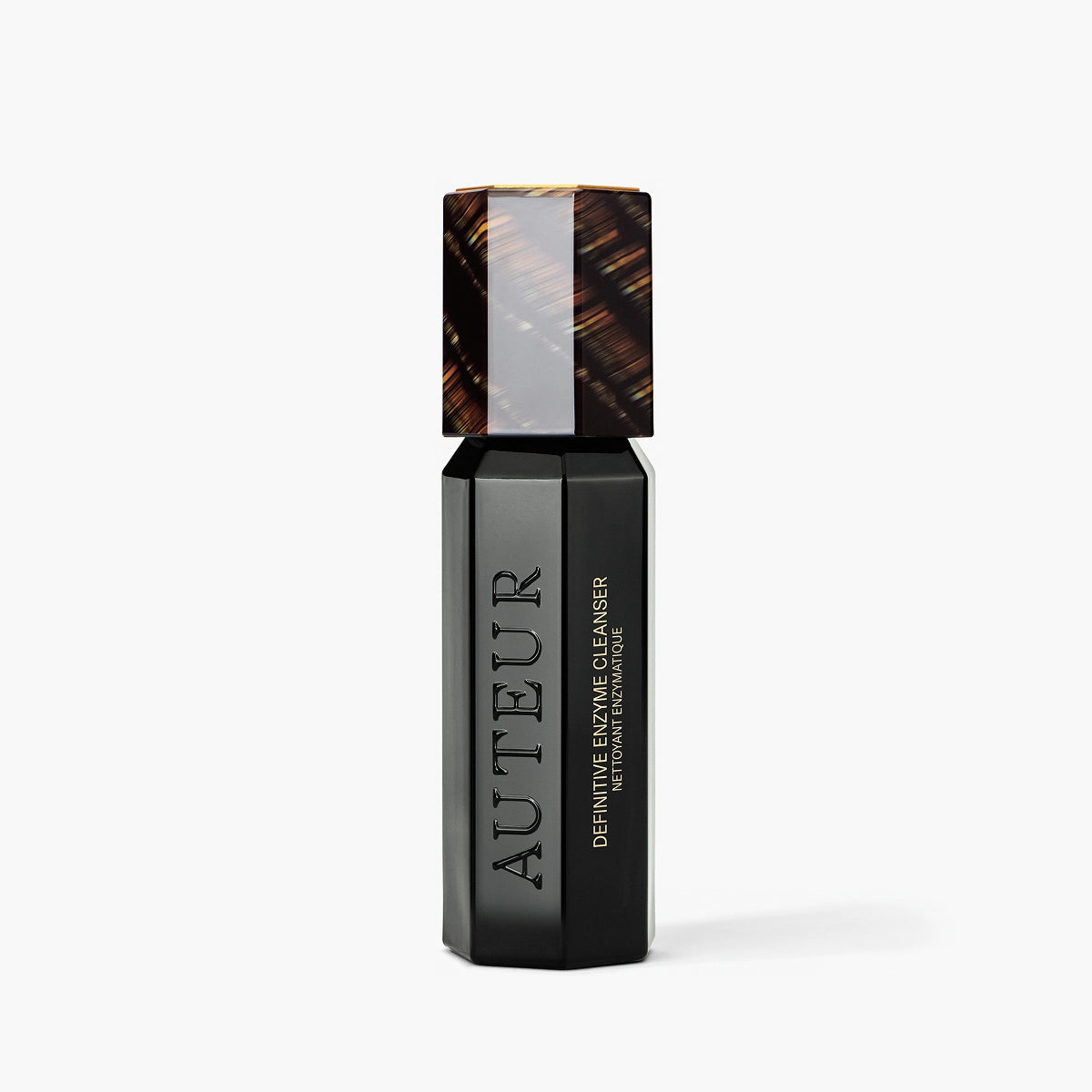
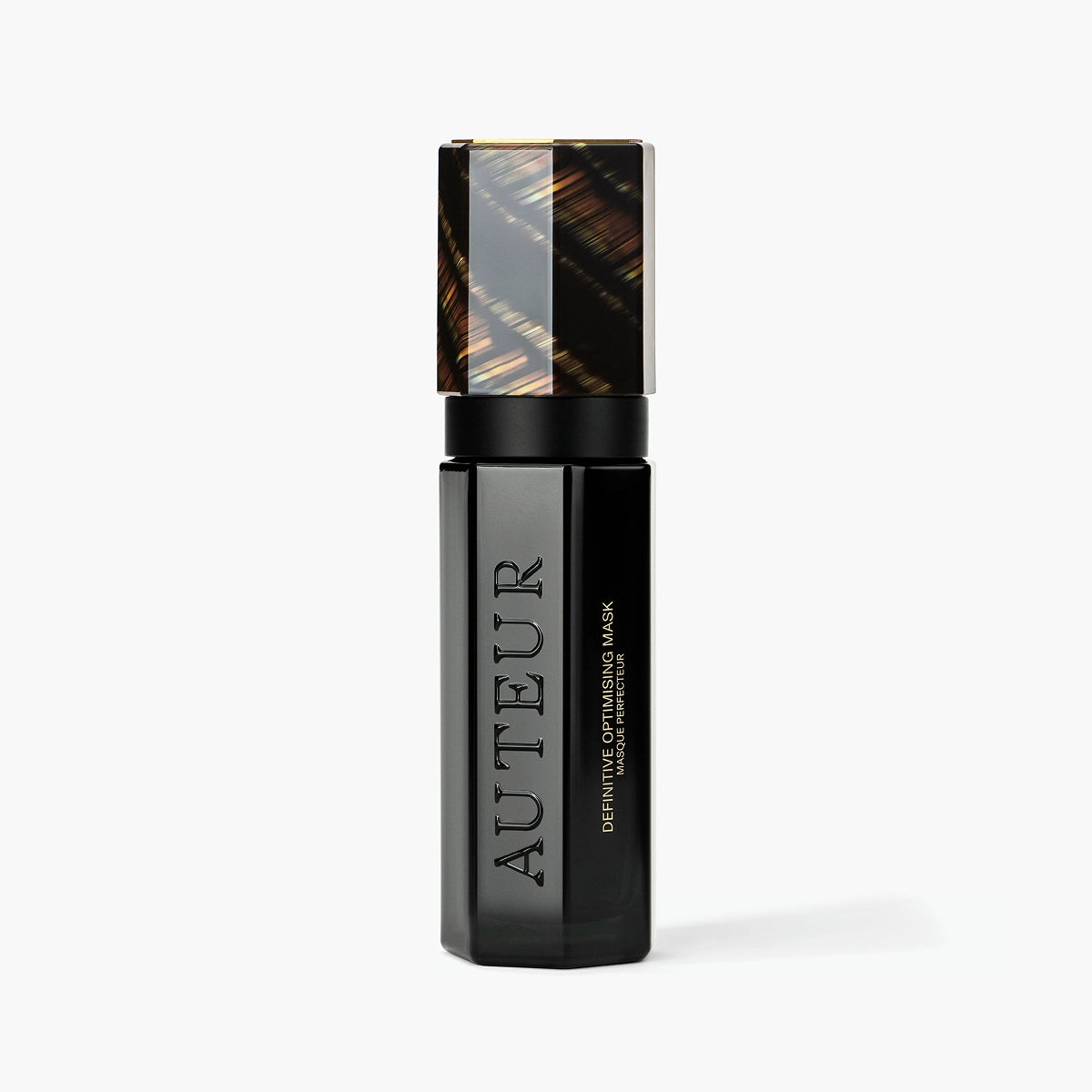
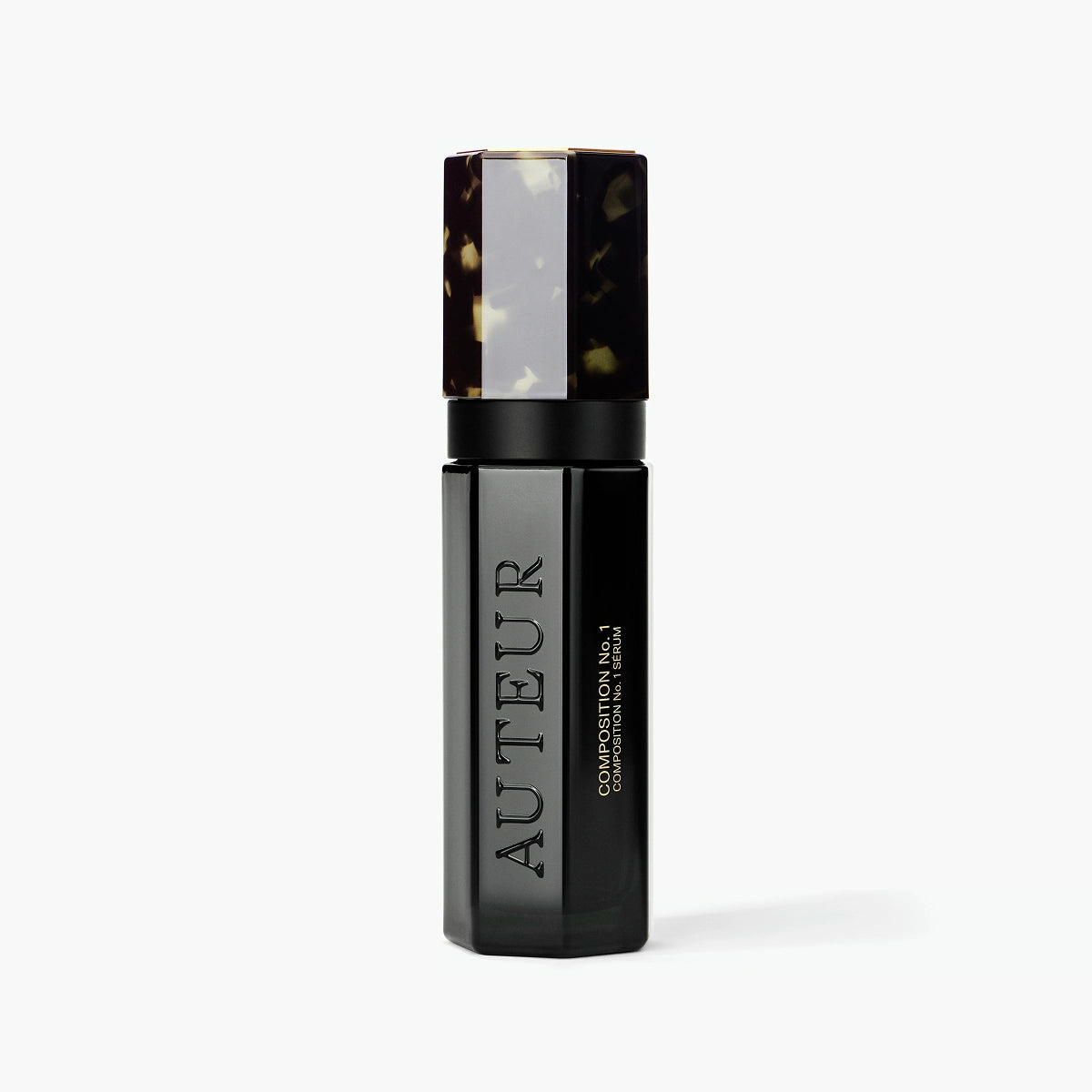
A high-quality formula focuses on stability and synergy, as many antioxidants can become unstable when exposed to light and air. Advanced formulations, like those from AUTEUR, combine multiple types of antioxidants to target different types of free radicals, ensuring comprehensive protection throughout all layers of the skin.
Explore Other Ingredients
Niacinamide
Learn how niacinamide helps improve the look of uneven tone, pores, and overall skin texture.
Retinol
Discover how retinol supports skin renewal and helps smooth the appearance of fine lines.
Glycolic Acid (AHA)
Explore how glycolic acid gently exfoliates to reveal brighter, smoother looking skin.

Vitamin C
Understand how vitamin C helps brighten the complexion and support a more radiant appearance.
Hyaluronic Acid
Learn how hyaluronic acid helps deeply hydrate the skin, improving elasticity and leaving the complexion looking plump, smooth, and refreshed.
Ceramides
Learn how ceramides help strengthen the skin barrier and lock in essential moisture.
Collagen
Discover how collagen supports firmness and helps maintain a youthful looking complexion.
Citations
Addor, F. A. S. (2017). Antioxidants in dermatology. Anais Brasileiros de Dermatologia, 92(3), 356–362. https://doi.org/10.1590/abd1806-4841.20175697
Bickers, D. R., & Athar, M. (2006). Oxidative Stress in the Pathogenesis of Skin Disease. Journal of Investigative Dermatology, 126(12), 2565–2575. https://doi.org/10.1038/sj.jid.5700340
Chen, L., et al. (2012). The role of antioxidants in photoprotection: A critical review. Journal of the American Academy of Dermatology, 67(5), 1013–1024. https://doi.org/10.1016/j.jaad.2012.02.009
Dreher, F., & Maibach, H. (2001). Protective Effects of Topical Antioxidants in Humans. Current Problems in Dermatology, 29, 157–164. https://doi.org/10.1159/000060662
Flament, F., et al. (2013). Effect of the sun on visible clinical signs of aging in Caucasian skin. Clinical, Cosmetic and Investigational Dermatology, 6, 221–232. https://doi.org/10.2147/CCID.S44686
Krutmann, J., et al. (2017). The skin aging exposome. Journal of Dermatological Science, 85(3), 152–161. https://doi.org/10.1016/j.jdermsci.2016.09.015
Masaki, H. (2010). Role of antioxidants in the skin: Anti-aging effects. Journal of Dermatological Science, 58(2), 85–90. https://doi.org/10.1016/j.jdermsci.2010.03.003
Pillai, S., et al. (2005). Ultraviolet radiation and skin aging: roles of reactive oxygen species, inflammation and protease activation, and strategies for prevention of inflammation-induced matrix degradation - a review. International Journal of Cosmetic Science, 27(1), 17–34. https://doi.org/10.1111/j.1467-2494.2004.00241.x
Poljšak, B., & Dahmane, R. (2012). Free Radicals and Extrinsic Skin Aging. Dermatology Research and Practice, 2012, 1–4. https://doi.org/10.1155/2012/135206
Zhai, H., et al. (2005). Effects of topical antioxidants in protection against UVB-induced erythema. Skin Pharmacology and Physiology, 18(6), 261–266. https://doi.org/10.1159/000087343