


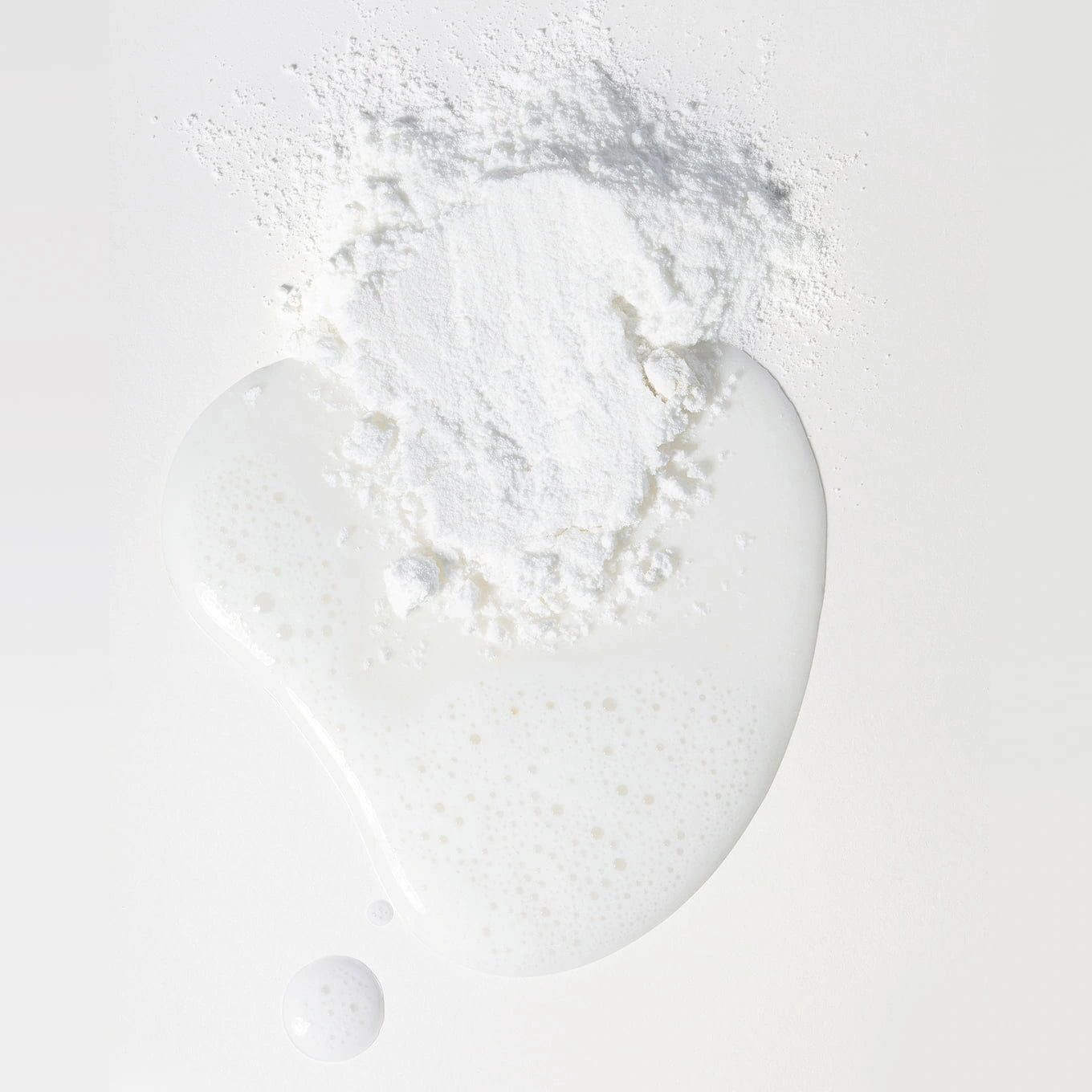

What is Collagen?
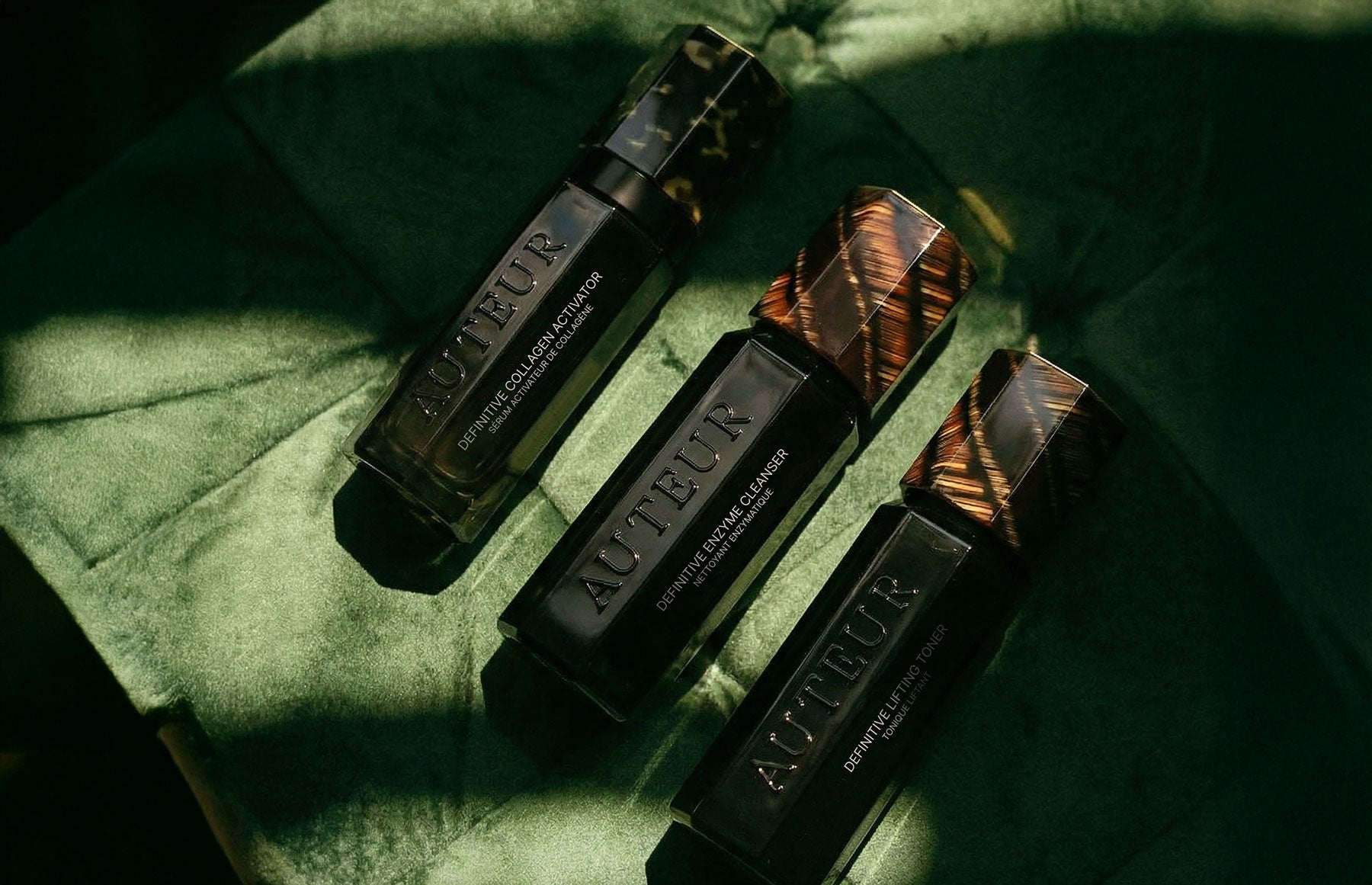
Collagen is the primary structural protein in the human body, acting as the fundamental scaffold that provides skin with its strength, durability, and youthful density. While it is naturally synthesized by fibroblasts in the dermis to maintain a firm and smooth appearance, internal production begins to decline significantly starting in our mid-twenties. AUTEUR formulations integrate advanced collagen-boosting technologies and bioactive peptides to support the skin’s underlying architecture and counteract the visible signs of degradation. By reinforcing these essential protein fibers, it works to lift the complexion and restore a resilient, "bouncy" quality to the skin, resulting in a remarkably firm and revitalized appearance.
Learn More About Collagen
Collagen is a multifaceted molecule that represents approximately 75% of the skin's dry weight, primarily in the form of Type I and Type III fibers. It functions as a crucial component of the extracellular matrix, where it interlocks with elastin and hyaluronic acid to maintain skin elasticity and hydration. Incorporating bioactive ingredients that target collagen synthesis helps to repair the dermal matrix and protect against future structural collapse.
Collagen provides the essential tension and framework required to keep skin firm and prevent sagging. It acts as a structural anchor that supports the epidermis and helps the skin retain its shape after stretching or contracting.
Yes, collagen-supporting products are suitable for all skin types, especially those showing signs of loss of firmness, fine lines, or thinning skin. They are particularly beneficial for mature skin or those looking to proactively manage the visible effects of aging.
Collagen-supporting actives work synergistically with Vitamin C, which is a required cofactor for collagen production, and Retinol, which stimulates fresh synthesis. It also pairs perfectly with Hyaluronic Acid to provide a dual approach of structural support and deep moisture.
While large collagen molecules primarily act as film-formers for hydration on the surface, bioactive peptides and low-molecular-weight fragments can signal the skin to produce its own fresh collagen. These advanced "messengers" help rebuild the dermal matrix from within.
These products are most effective when used consistently in both morning and evening routines. Applying collagen-focused serums or creams after exfoliation ensures that the active peptides can effectively penetrate and communicate with the deeper layers of the skin.
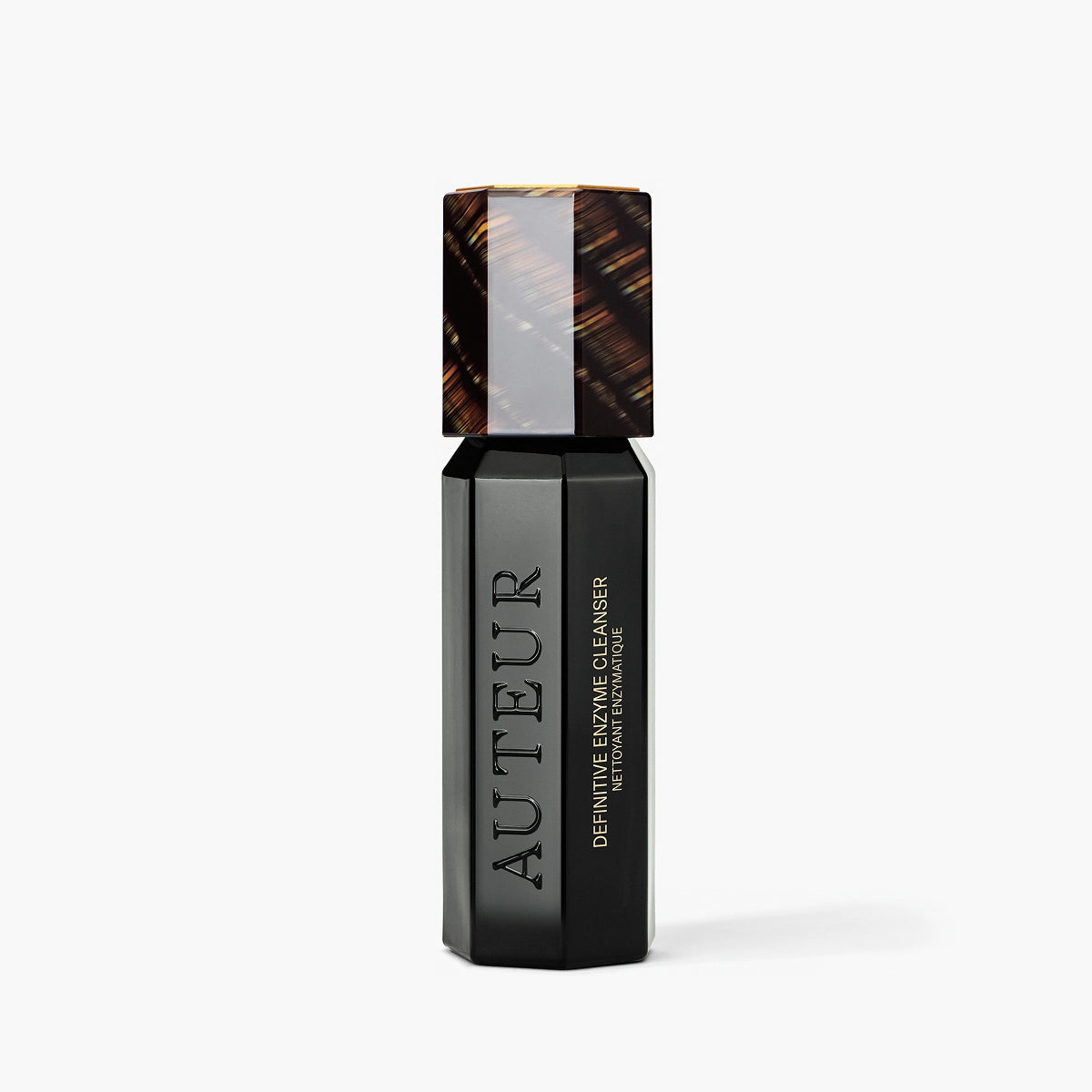
A high-quality formula goes beyond just adding surface-level collagen; it uses stabilized signal peptides and growth factors that stimulate the skin's natural production. Advanced formulations, like those from AUTEUR, focus on the bio-availability of ingredients to ensure they actually reach the fibroblasts responsible for structural repair.
Explore Other Ingredients
Niacinamide
Learn how niacinamide helps improve the look of uneven tone, pores, and overall skin texture.
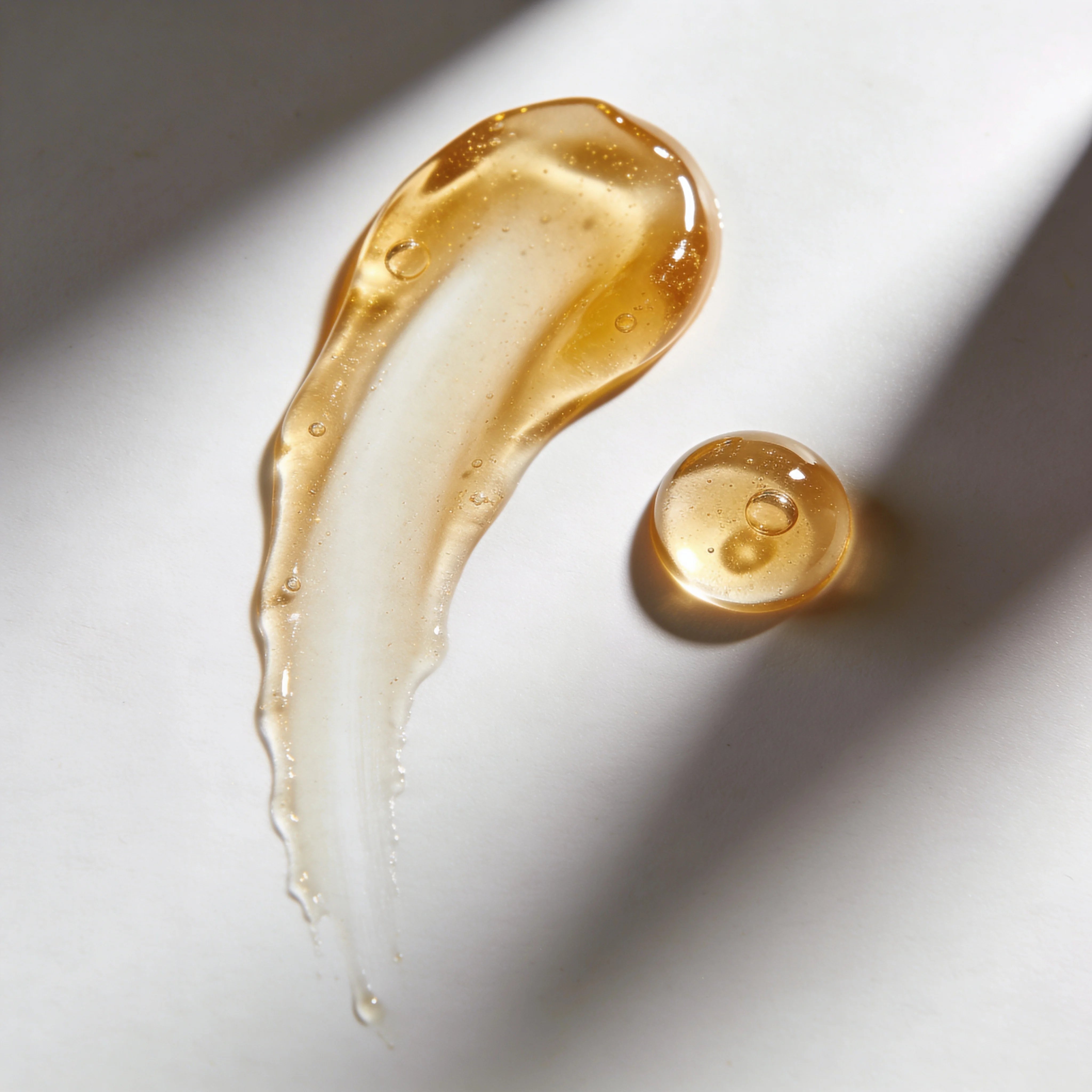
Retinol
Discover how retinol supports skin renewal and helps smooth the appearance of fine lines.
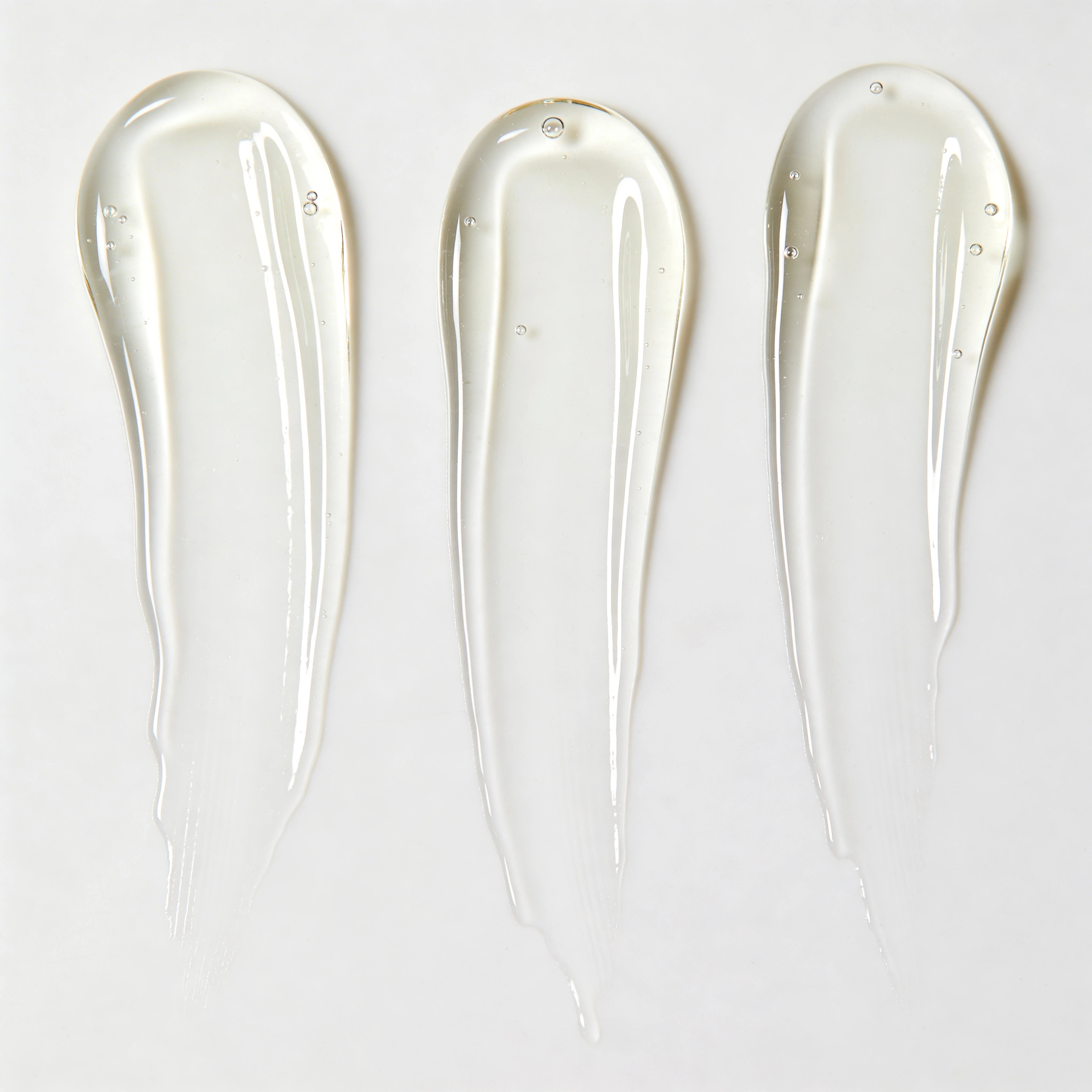
Glycolic Acid (AHA)
Explore how glycolic acid gently exfoliates to reveal brighter, smoother looking skin.

Vitamin C
Understand how vitamin C helps brighten the complexion and support a more radiant appearance.
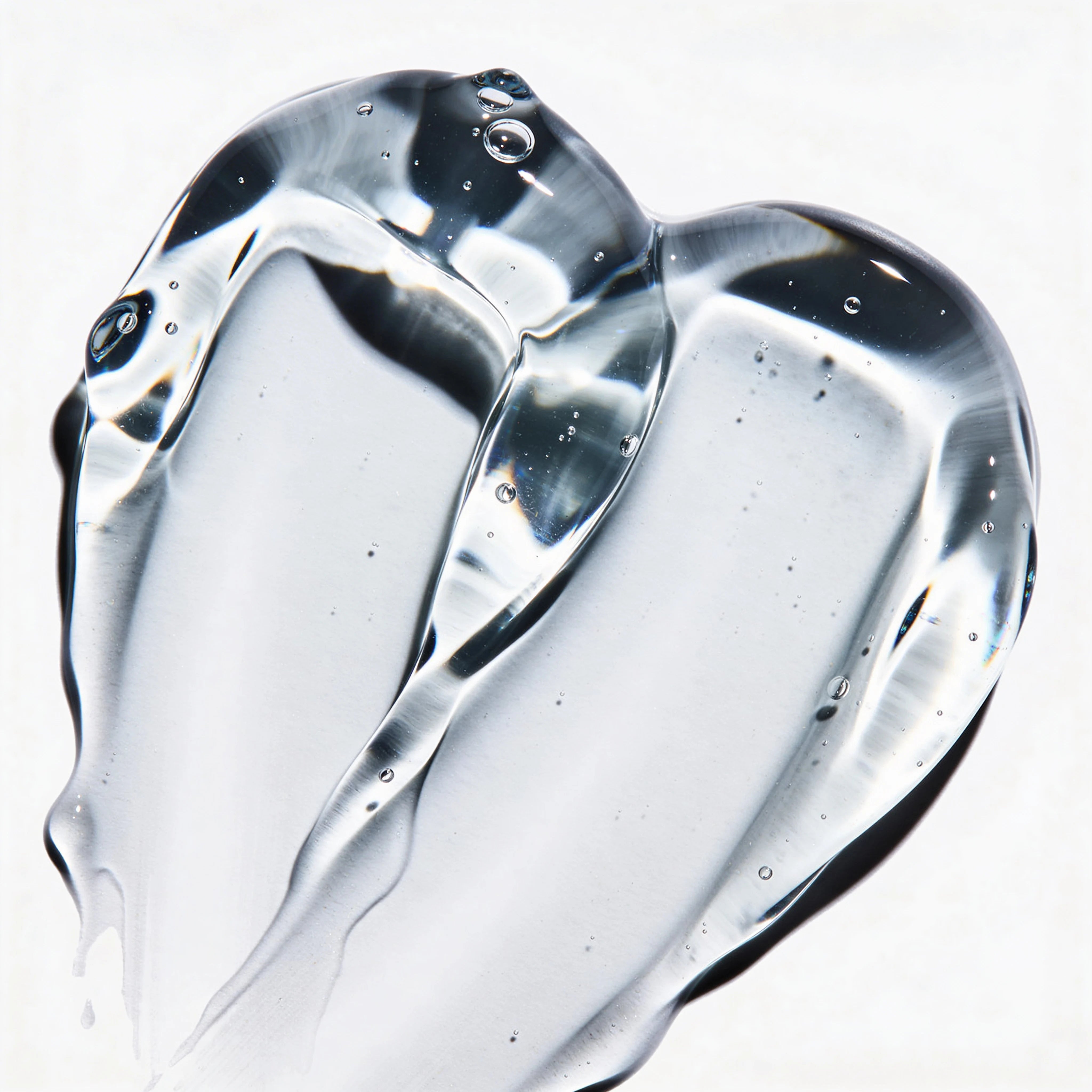
Antioxidants
See how antioxidants help defend skin against environmental stressors and visible aging.
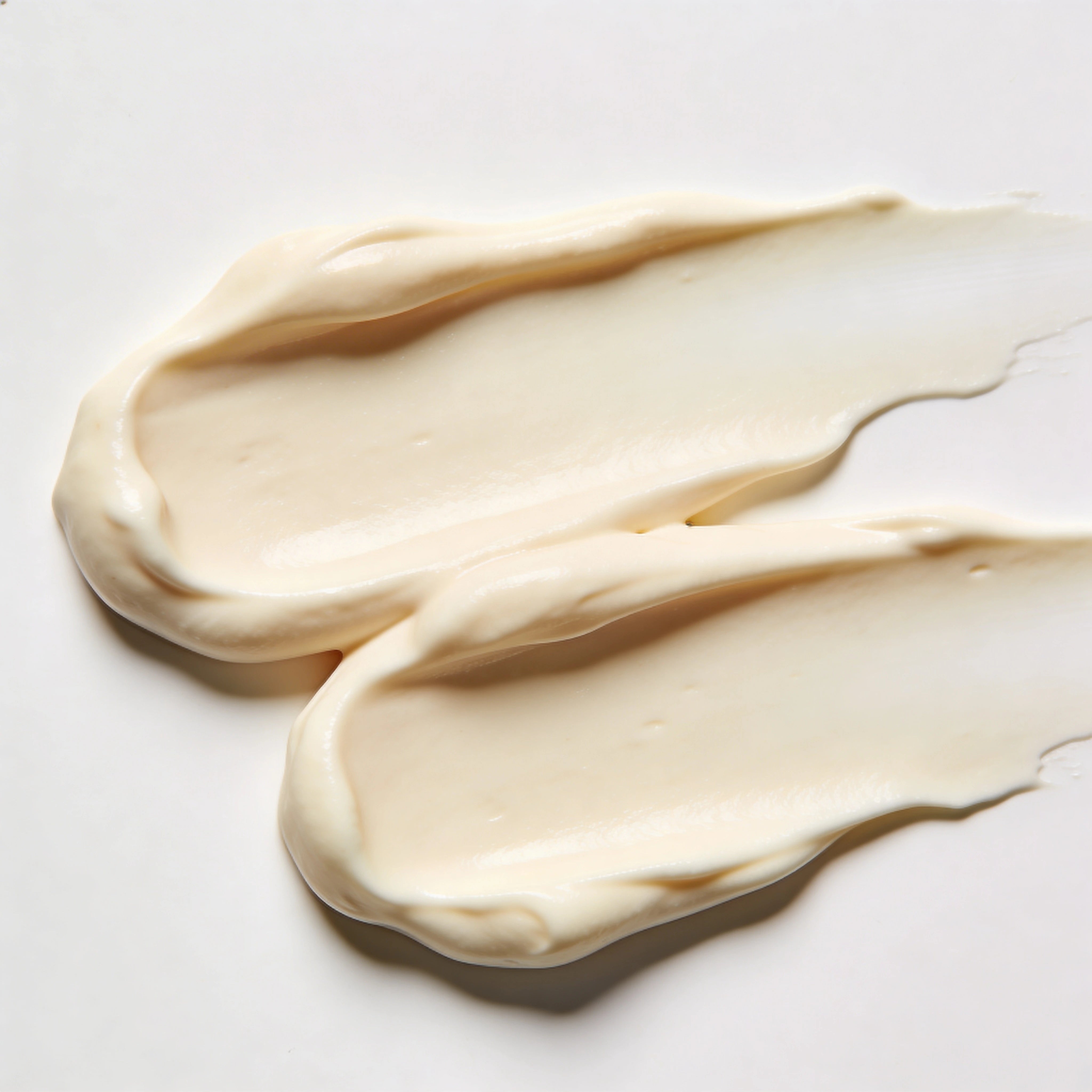
Ceramides
Learn how ceramides help strengthen the skin barrier and lock in essential moisture.
Hyaluronic Acid
Learn how hyaluronic acid helps deeply hydrate the skin, improving elasticity and leaving the complexion looking plump, smooth, and refreshed.
Citations
Ganceviciene, R., et al. (2012). Skin anti-aging strategies. Dermato-Endocrinology, 4(3), 308–319. https://doi.org/10.4161/derm.22804
Varani, J., et al. (2006). Decreased collagen production in chronologically aged skin: roles of age-dependent alteration in fibroblast function and defective mechanical stimulation. The American Journal of Pathology, 168(6), 1861–1868. https://doi.org/10.2353/ajpath.2006.051302
Reilly, D. M., & Lozano, J. (2021). Skin collagen through the lifestages: importance for skin health and beauty. Plastic and Aesthetic Research, 2021(8), 2. https://doi.org/10.20517/2347-9264.2020.153
Choi, F. D., et al. (2019). Oral Collagen Supplementation: A Systematic Review of Dermatological Applications. Journal of Drugs in Dermatology, 18(1), 9–16. https://pubmed.ncbi.nlm.nih.gov/30681787/
Asserin, J., et al. (2015). The effect of oral collagen peptide supplementation on skin moisture and the dermal collagen network: evidence from an ex vivo model and randomized, placebo-controlled clinical trials. Journal of Cosmetic Dermatology, 14(4), 291–301. https://doi.org/10.1111/jocd.12174
Borumand, M., & Sibilla, S. (2015). Effects of a nutritional supplement containing collagen peptides on skin elasticity, hydration and wrinkles. Journal of Medical Nutrition and Nutraceuticals, 4(1), 47. https://doi.org/10.4103/2278-019X.146154
Shoulders, M. D., & Raines, R. T. (2009). Collagen structure and stability. Annual Review of Biochemistry, 78, 929–958. https://doi.org/10.1146/annurev.biochem.77.032207.120833
Sibilla, S., et al. (2015). An Overview of the Beneficial Effects of Hydrolysed Collagen as a Nutraceutical on Skin Properties: Scientific Background and Clinical Studies. The Open Nutraceuticals Journal, 8, 29–42. https://doi.org/10.2174/1876396001508010029
Al-Atif, H. (2022). Collagen Supplements for Aging and Wrinkles: A Paradigm Shift in the Fields of Dermatology and Cosmetics. Dermatology Practical & Conceptual, 12(1), e2022018. https://doi.org/10.5826/dpc.1201a18
Proksch, E., et al. (2014). Oral intake of specific bioactive collagen peptides reduces skin wrinkles and increases dermal matrix synthesis. Skin Pharmacology and Physiology, 27(3), 113–119. https://doi.org/10.1159/000355523