


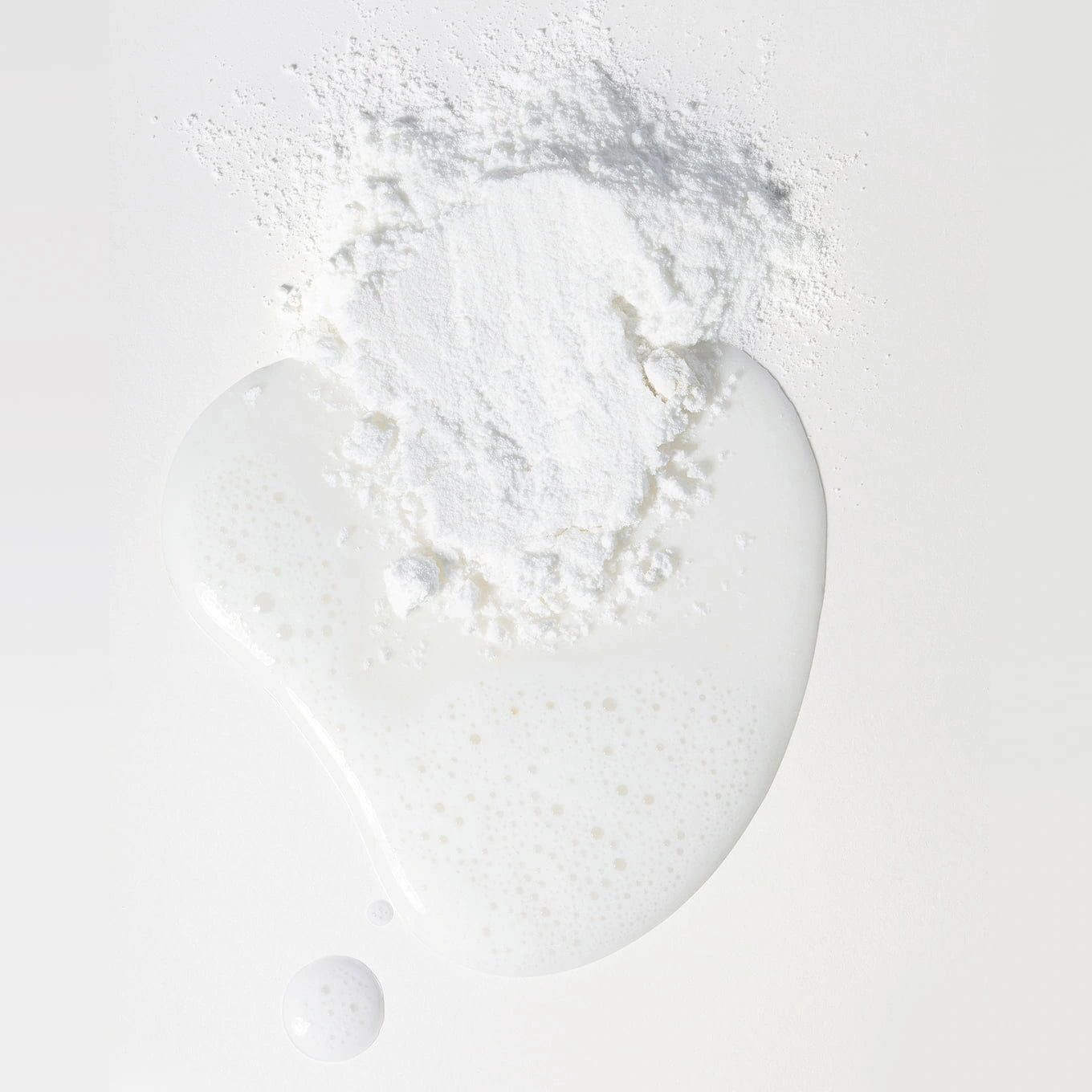

What is Vitamin C?
Vitamin C, specifically L-ascorbic acid, is the primary antioxidant naturally present in human skin, where it plays a critical role in cellular defense and structural maintenance. While it is a vital molecule for overall health, humans lack the enzyme required to synthesize it internally, making external supplementation essential. AUTEUR formulations utilize stabilized Vitamin C to neutralize reactive oxygen species (ROS) and provide robust photoprotection against UV-induced damage. By serving as an indispensable cofactor for collagen synthesis, it works to reinforce the skin’s architecture, effectively smoothing fine lines and restoring a firm, luminous quality to the complexion.
Learn More About Vitamin C
Vitamin C is a multifaceted cosmeceutical recognized for its triple-action benefit: it is a potent antioxidant, a stimulator of neocollagenesis, and an effective skin-lightening agent. It acts by donating electrons to neutralize free radicals generated by environmental pollutants and solar radiation. Incorporating bioactive Vitamin C helps to stabilize the skin’s structural proteins and reverse visible signs of photoaging.
Vitamin C neutralizes oxidative stress and protects against UV-induced immunosuppression and photocarcinogenesis. It inhibits the enzyme tyrosinase to reduce melanin production and acts as a cofactor for enzymes that cross-link and stabilize collagen fibers.
Yes, Vitamin C is generally safe for all skin types, though highly concentrated formulas (above 20%) may cause irritation in sensitive individuals. Modern formulations often use derivatives or adjusted pH levels to ensure efficacy while maintaining an excellent safety profile.
Vitamin C works synergistically with Vitamin E, as it serves as the primary replenisher for Vitamin E after it is depleted by oxidative stress. It also pairs effectively with Ferulic Acid, which has been shown to double the photoprotective effect and improve the stability of the formulation.
Yes, clinical studies have demonstrated that daily application of topical Vitamin C leads to a statistically significant reduction in wrinkling and an increase in dermal density over a 3 to 4-month period. It achieves this by directly activating transcription factors involved in collagen synthesis and preventing collagen degradation by inhibiting matrix metalloproteinases.
Vitamin C is most advantageous when applied in the morning prior to sunscreen to maximize its photoprotective and antioxidant properties against daytime environmental stressors. Because its half-life in the skin is approximately four days, regular application ensures a persistent reservoir of protection.
A high-quality formula focuses on stability and penetration, as pure L-ascorbic acid is notoriously unstable and easily oxidized. Advanced formulations, like those from AUTEUR, utilize optimized pH levels below 3.5 or innovative encapsulation methods to ensure the active molecule successfully bypasses the skin barrier to reach deeper layers.
Explore Other Ingredients
Niacinamide
Learn how niacinamide helps improve the look of uneven tone, pores, and overall skin texture.
Retinol
Discover how retinol supports skin renewal and helps smooth the appearance of fine lines.
Glycolic Acid (AHA)
Explore how glycolic acid gently exfoliates to reveal brighter, smoother looking skin.
Hyaluronic Acid
Learn how hyaluronic acid helps deeply hydrate the skin, improving elasticity and leaving the complexion looking plump, smooth, and refreshed.
Antioxidants
See how antioxidants help defend skin against environmental stressors and visible aging.
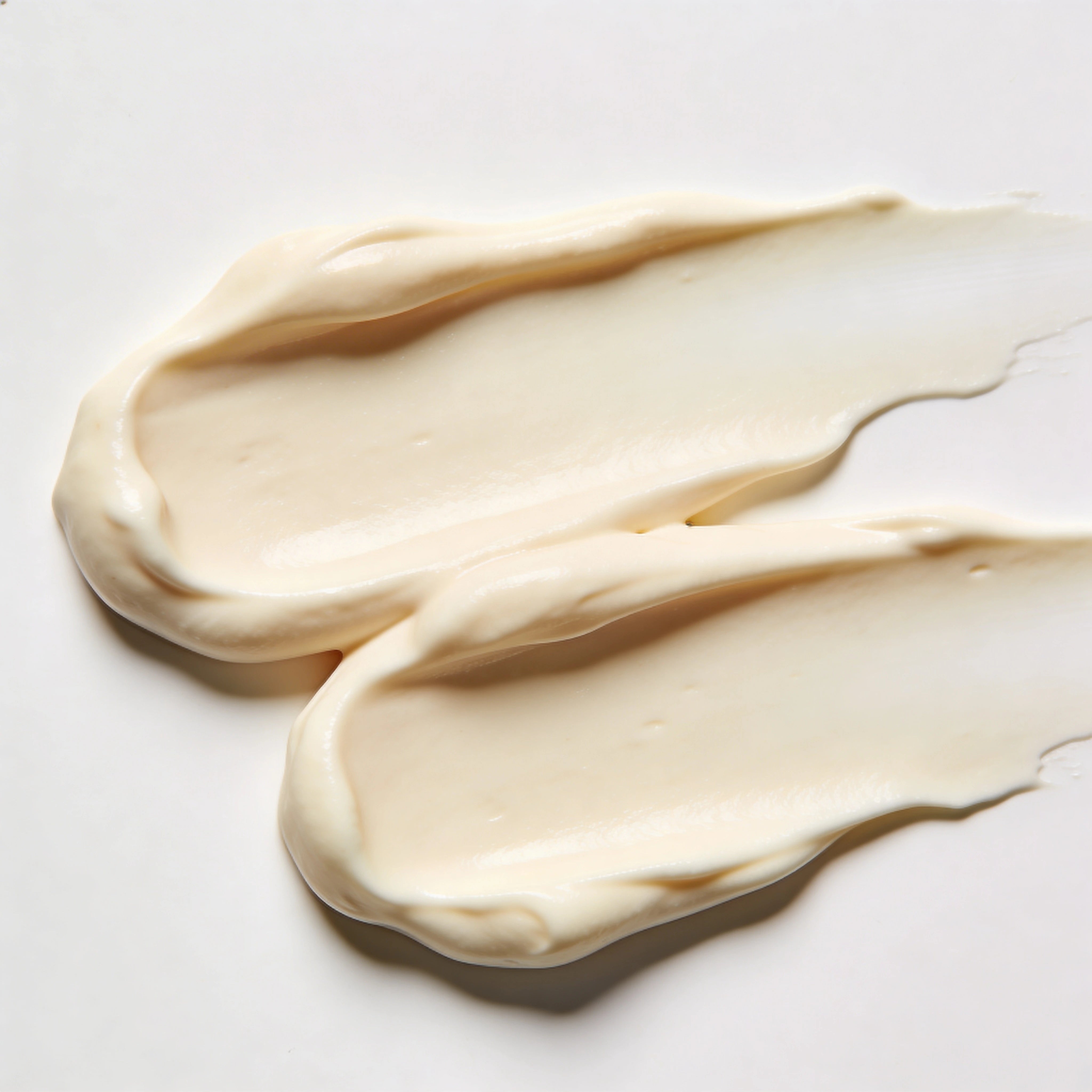
Ceramides
Learn how ceramides help strengthen the skin barrier and lock in essential moisture.
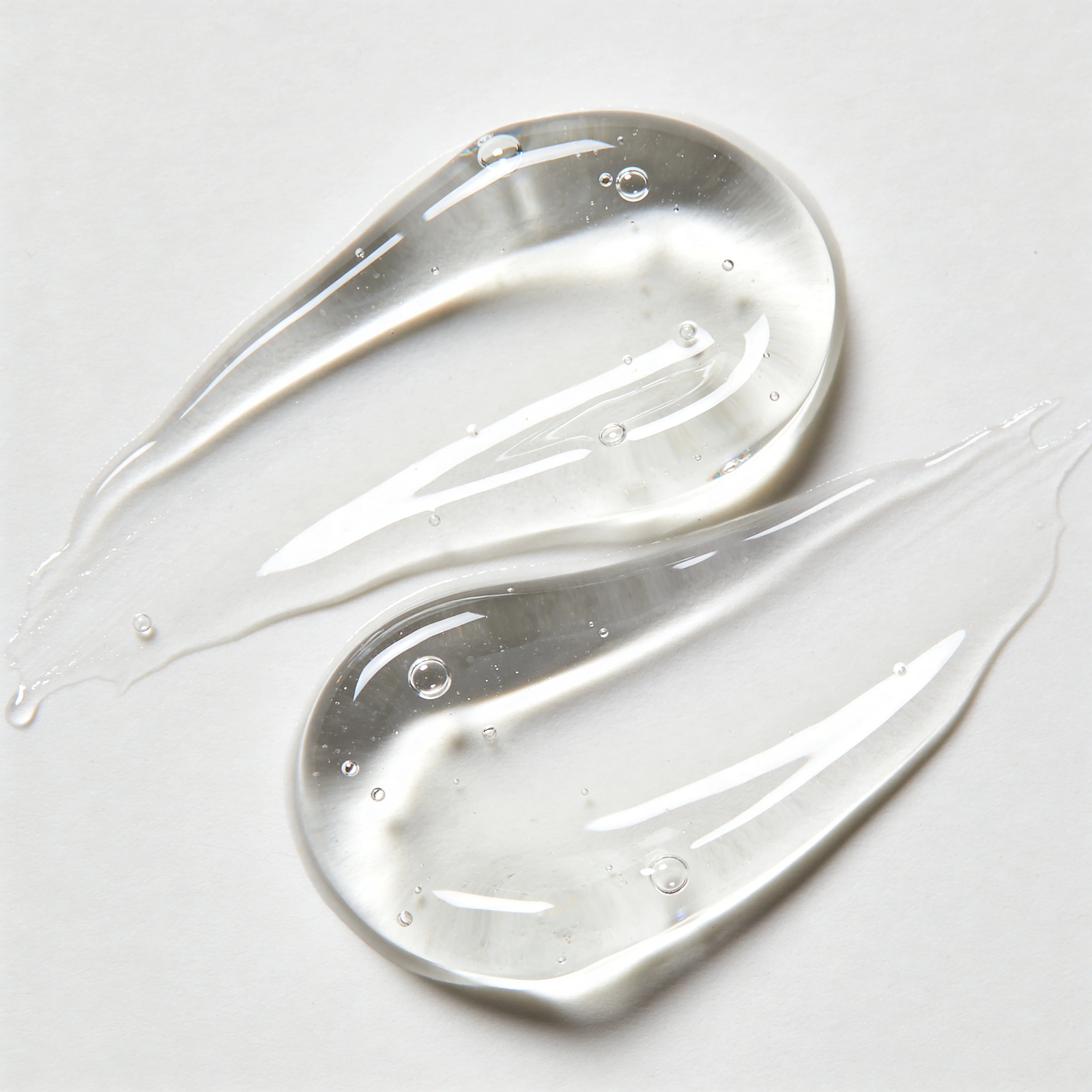
Collagen
Discover how collagen supports firmness and helps maintain a youthful looking complexion.
Citations
Al-Niaimi, F., & Chiang, N. Y. Z. (2017). Topical Vitamin C and the Skin: Mechanisms of Action and Clinical Applications. The Journal of Clinical and Aesthetic Dermatology, 10(7), 14–17. https://www.ncbi.nlm.nih.gov/pmc/articles/PMC5605218/
Boo, Y. C. (2022). Ascorbic Acid (Vitamin C) as a Cosmeceutical to Increase Dermal Collagen for Skin Antiaging Purposes: Emerging Combination Therapies. Antioxidants, 11(9), 1663. https://doi.org/10.3390/antiox11091663
Khalid, A., et al. (2024). Role of Vitamin C in Skin Aging Mechanism-A Narrative Review. Journal of Health and Rehabilitation Research, 4(2), 1489–1494. https://doi.org/10.61919/jhrr.v4i2.1078
Oliveira, A. C., et al. (2025). New discoveries of the action of L-ascorbic acid (vitamin C) - Enhanced efficacy in formulations. Brazilian Journal of Pharmaceutical Sciences, 61. https://doi.org/10.1590/s2175-97902025e24274
Ravetti, S., et al. (2019). Ascorbic Acid in Skin Health. Cosmetics, 6(4), 58. https://doi.org/10.3390/cosmetics6040058
Telang, P. S. (2013). Vitamin C in dermatology. Indian Dermatology Online Journal, 4(2), 143–146. https://doi.org/10.4103/2229-5178.110593
Vasques, L. I., et al. (2023). Topical Application of Ascorbic Acid and its Derivatives: A Review Considering Clinical Trials. Current Medicinal Chemistry, 30(29), 3272–3286. https://doi.org/10.2174/0929867329666221003102238
Wang, K., et al. (2018). Role of Vitamin C in Skin Diseases. Frontiers in Physiology, 9, 819. https://doi.org/10.3389/fphys.2018.00819
Traikovich, S. S. (1999). Use of Topical Ascorbic acid and its effects on Photo damaged skin topography. Archives of Otolaryngology—Head & Neck Surgery, 125(10), 1091–1098. https://doi.org/10.1001/archotol.125.10.1091
Pinnell, S. R., et al. (2001). Topical L-ascorbic acid percutaneous absorption studies. Dermatologic Surgery, 27(2), 137–142. https://doi.org/10.1046/j.1524-4725.2001.00264.x