




What is Hyaluronic Acid?
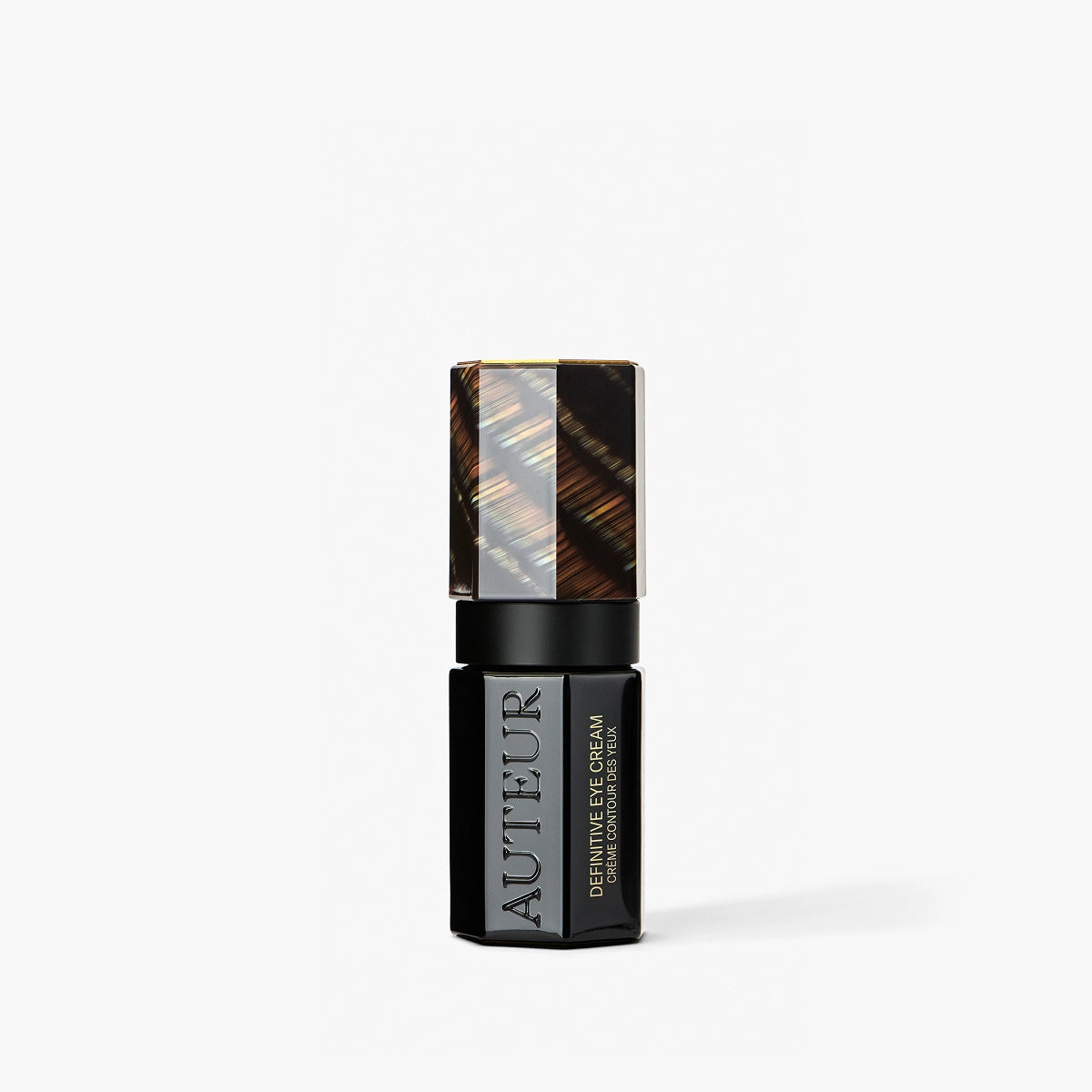
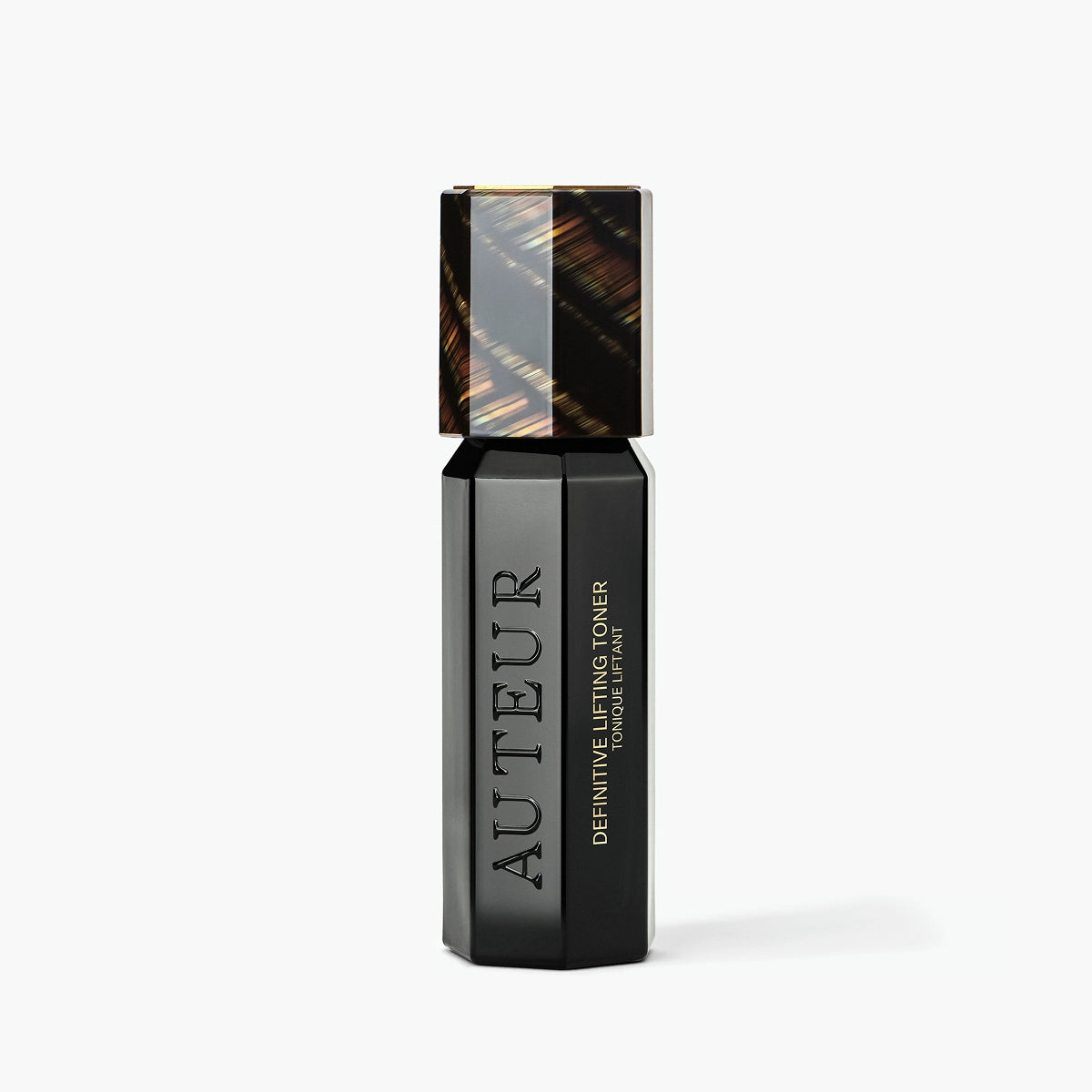
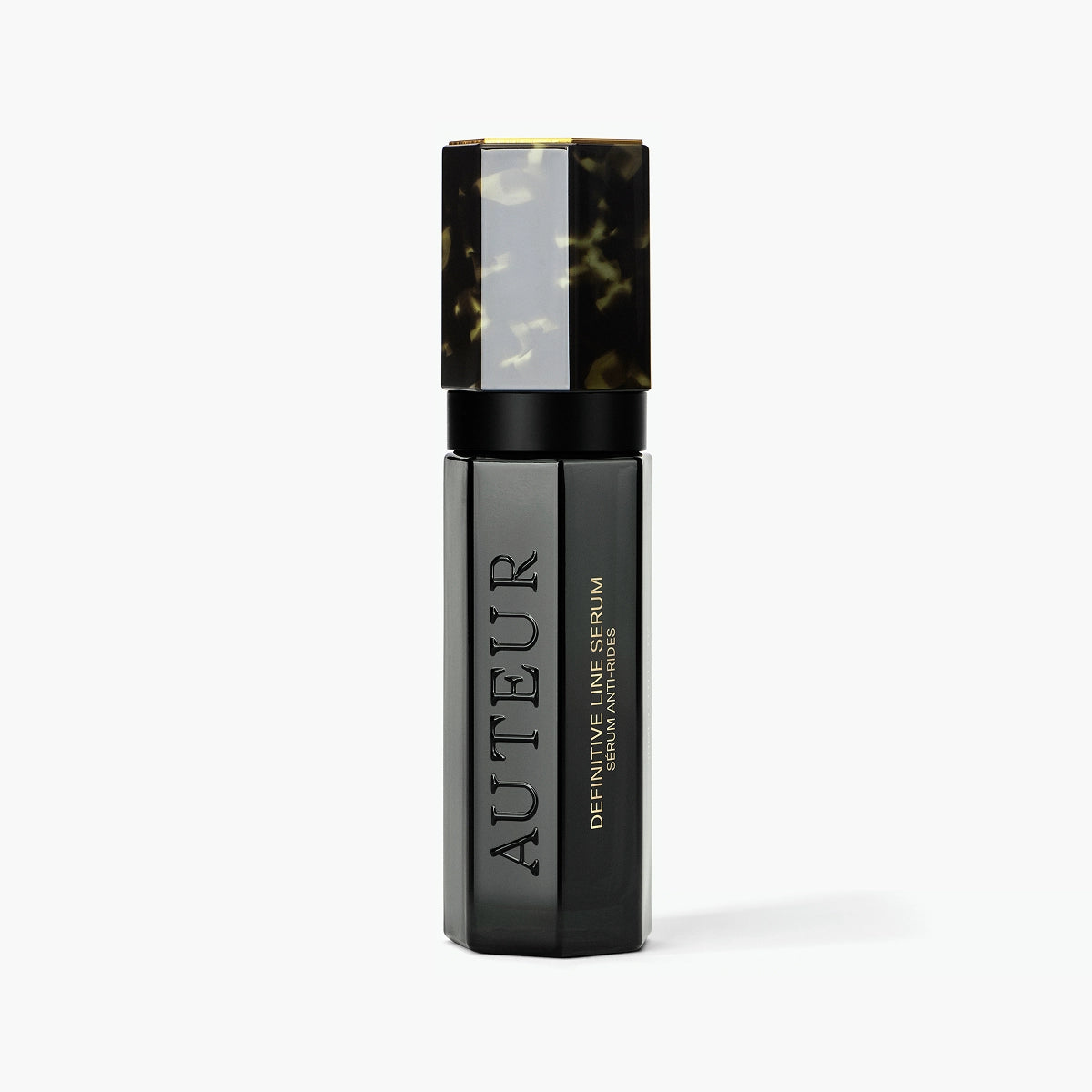
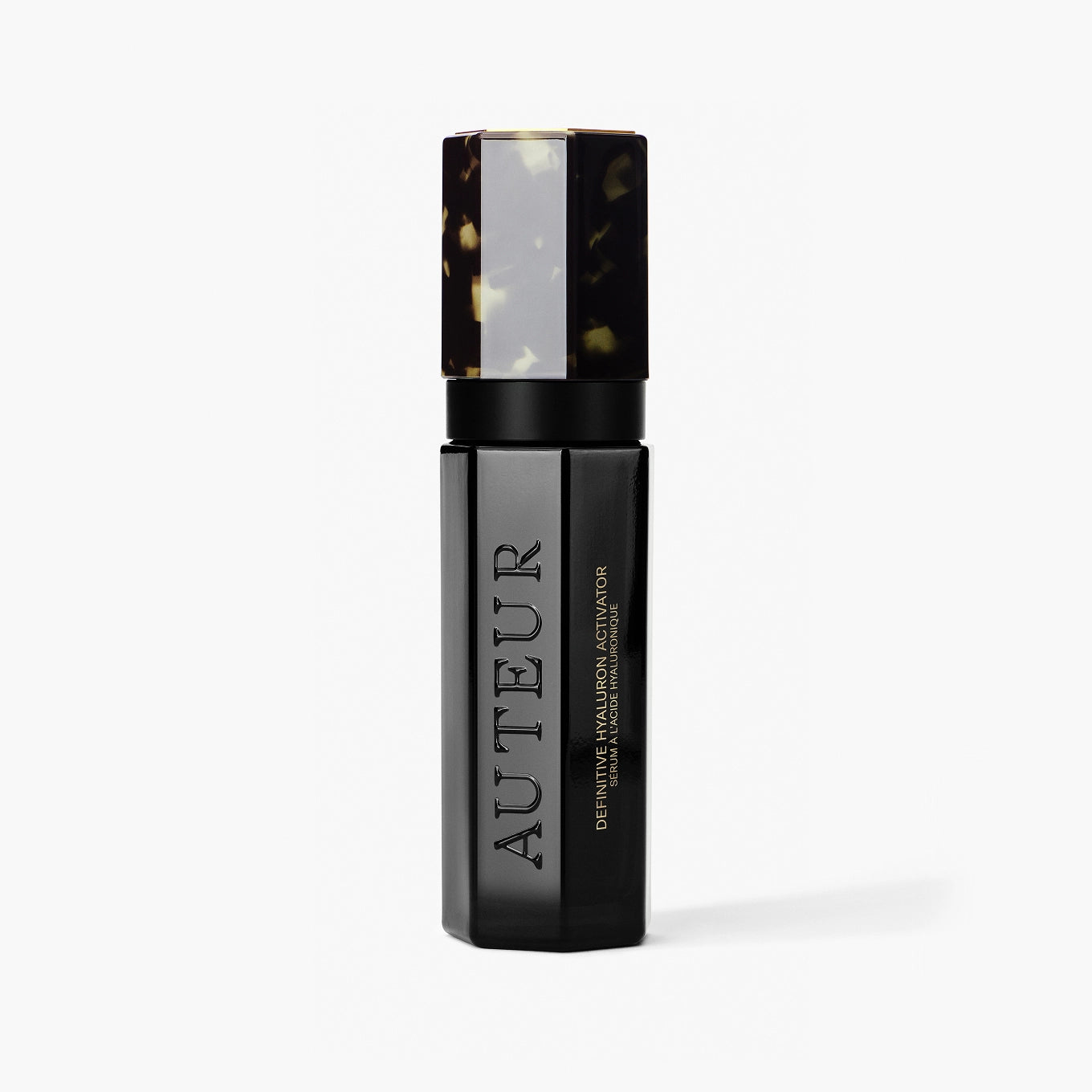
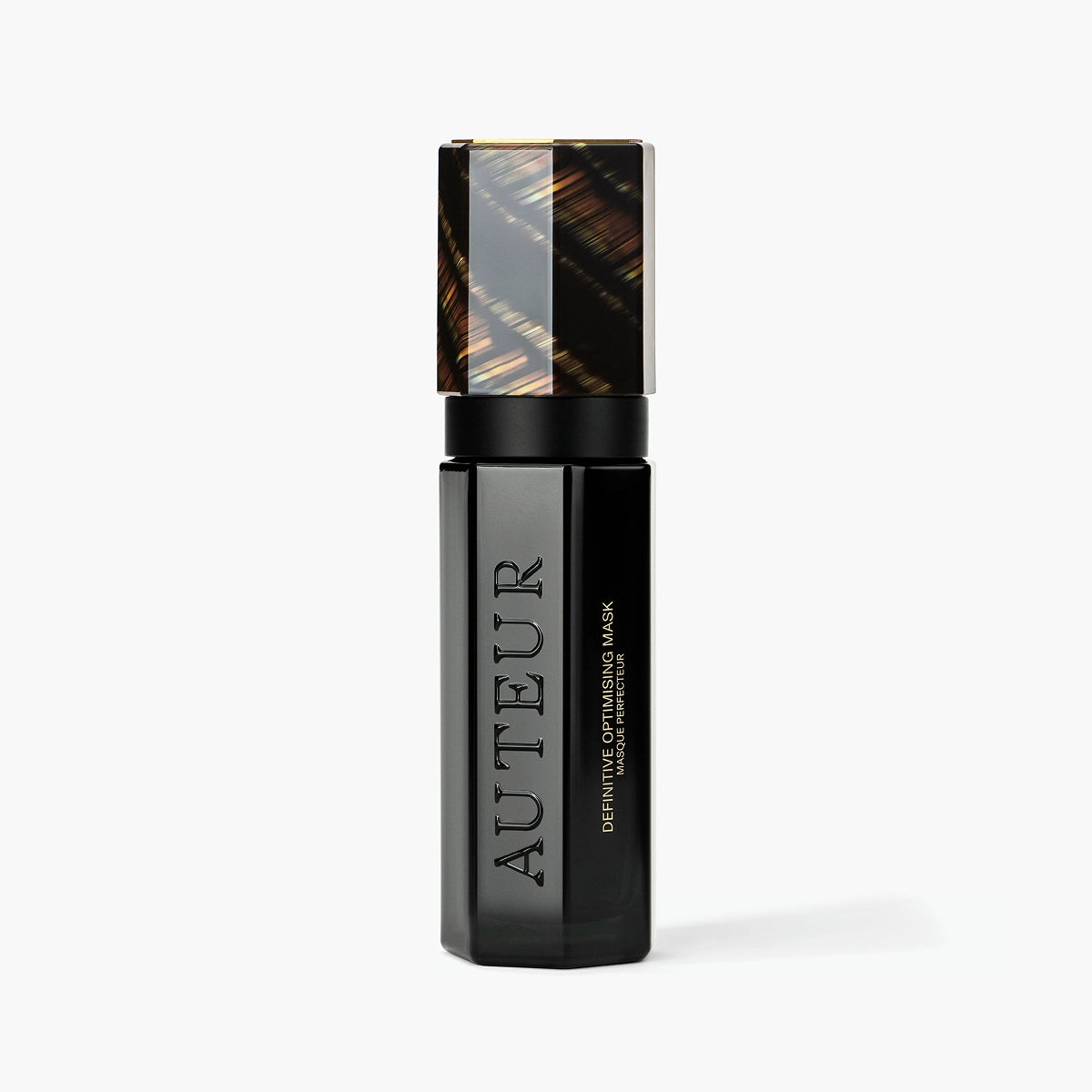
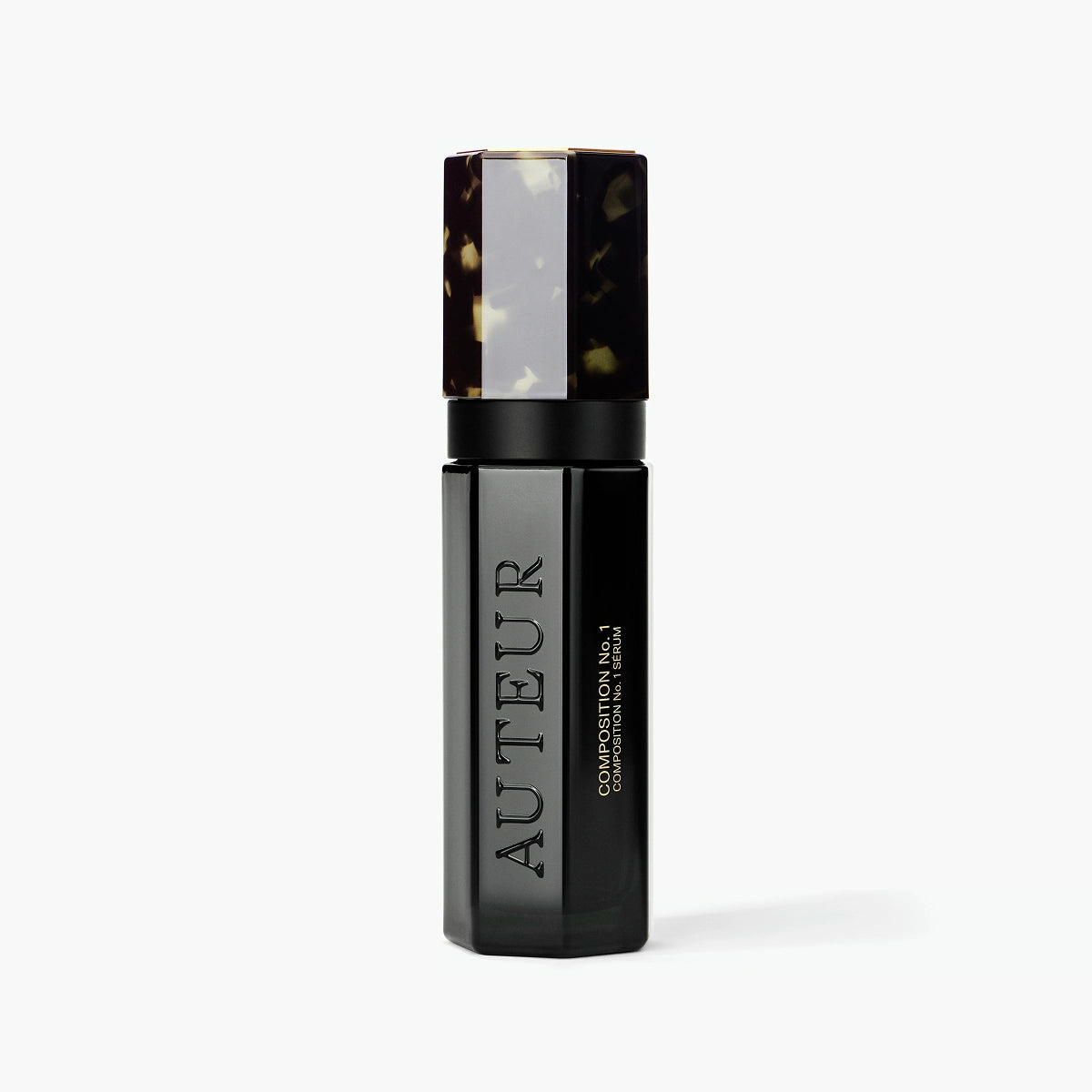
Hyaluronic Acid is the skin’s primary reservoir for essential moisture, acting as a structural anchor for a plump, smooth, and resilient appearance. While naturally present in a youthful complexion, these vital reserves deplete over time due to age and environmental stressors. AUTEUR formulations replenish these levels, utilizing advanced delivery systems to restore hydration, target deep-seated dryness, and visibly soften the appearance of fine lines.
Learn More About Hyaluronic Acid
Hyaluronic Acid is a naturally occurring molecule that supports the skin’s structure and hydration. High-molecular forms hydrate the surface and reduce water loss, while low-molecular forms penetrate deeper to visibly plump fine lines. Replenishing declining HA levels helps strengthen the skin barrier and improve firmness and radiance.
Hyaluronic acid attracts and holds water within the skin, helping it appear smoother, fresher, and more hydrated. By improving surface hydration, it can visibly soften the appearance of fine lines caused by dryness and support a more resilient skin barrier. Advanced formulations that combine multiple molecular weights of hyaluronic acid can deliver hydration at different layers of the skin for more comprehensive results.
Yes, hyaluronic acid is generally well tolerated and suitable for dry, oily, combination, and sensitive skin. Because it is naturally found in the body, it works in harmony with the skin’s own moisture system. Lightweight, well balanced formulas are especially beneficial for those who want deep hydration without heaviness or congestion.
Hyaluronic acid performs best as part of a complete routine. Advanced treatments often use multiple molecular weights to hydrate both the surface and deeper layers of the skin. It pairs especially well with signaling peptides and growth factors, which help support collagen and maintain firmness. Antioxidants defend against environmental stress, while barrier-supporting lipids strengthen the skin’s protective layer and help lock in moisture. Together, these ingredients ensure hydration is not just immediate, but supported at a structural level.
Hyaluronic acid primarily improves the appearance of fine lines related to dehydration. By restoring moisture and supporting skin elasticity, it helps create a plumper, smoother surface. While it does not replace structural proteins like collagen, high performance formulations can enhance overall skin quality and amplify the visible effects of other regenerative ingredients.
Hyaluronic acid is typically applied after cleansing and before creams or oils. It works best when layered under a moisturizer to help seal hydration into the skin. In advanced skincare systems, hyaluronic acid is often combined with peptides, antioxidants, or barrier supporting ingredients to maximize both immediate hydration and long term skin health.
Not all hyaluronic acid formulas are created equally. The effectiveness depends on molecular weight, concentration, and the overall formulation system. High quality skincare integrates hyaluronic acid within a broader treatment strategy, combining it with clinically studied actives that support collagen, barrier strength, and cellular renewal. This ensures hydration is not only immediate, but also part of a comprehensive approach to long term skin performance.
Explore Other Ingredients
Niacinamide
Learn how niacinamide helps improve the look of uneven tone, pores, and overall skin texture.
Retinol
Discover how retinol supports skin renewal and helps smooth the appearance of fine lines.
Glycolic Acid (AHA)
Explore how glycolic acid gently exfoliates to reveal brighter, smoother looking skin.

Vitamin C
Understand how vitamin C helps brighten the complexion and support a more radiant appearance.
Antioxidants
See how antioxidants help defend skin against environmental stressors and visible aging.
Ceramides
Learn how ceramides help strengthen the skin barrier and lock in essential moisture.
Collagen
Discover how collagen supports firmness and helps maintain a youthful looking complexion.
Citations
Papakonstantinou, E., Roth, M., & Karakiulakis, G. (2012). Hyaluronic acid: A key molecule in skin aging. Dermato-Endocrinology, 4(3), 253–258. https://doi.org/10.4161/derm.21923
Bukhari, S. N. A., et al. (2018). Hyaluronic acid, a promising skin rejuvenating biomedicine: A review of recent updates and pre-clinical and clinical investigations. International Journal of Biological Macromolecules, 120(Pt B), 1682–1695. https://doi.org/10.1016/j.ijbiomac.2018.09.188
Pavicic, T., et al. (2011). Efficacy of cream-based novel formulations of hyaluronic acid of different molecular weights in anti-wrinkle treatment. Journal of Drugs in Dermatology, 10(9), 990-1000. https://pubmed.ncbi.nlm.nih.gov/22052267/
Jegasothy, S. M., Zabolotniaia, V., & Bielfeldt, S. (2014). Efficacy of a New Topical Nano-hyaluronic Acid in Humans. The Journal of Clinical and Aesthetic Dermatology, 7(3), 27–29. https://www.ncbi.nlm.nih.gov/pmc/articles/PMC3970829/
Fallacara, A., et al. (2018). Hyaluronic Acid in the Skin: Injections, Serums, Creams and Supplements. Cosmetics, 5(2), 34. https://doi.org/10.3390/cosmetics5020034
Sze, J. H., Brownlie, J. C., & Love, C. A. (2016). Fabricating vitamins, cofactors and hyaluronic acid using cosmetic-grade microorganisms. Applied Microbiology and Biotechnology, 100(13), 5641–5652. https://doi.org/10.1007/s00253-016-7584-0
Kawada, C., et al. (2014). Ingested hyaluronan moisturizes dry skin. Nutrition Journal, 13, 70. https://doi.org/10.1186/1475-2891-13-70
Keen, M. A. (2017). Hyaluronic Acid in Dermatology. Skinmed, 15(6), 441–448. https://pubmed.ncbi.nlm.nih.gov/29282181/
Essendoubi, M., et al. (2016). Human skin penetration of hyaluronic acid of different molecular weights as probed by Raman spectroscopy. Skin Research and Technology, 22(1), 55-62. https://doi.org/10.1111/srt.12228
Garre, A., et al. (2021). Anti-aging effects of a novel facial serum containing L-ascorbic acid, proteoglycans, and hyaluronic acid. Journal of Cosmetic Dermatology, 20(2), 524-531. https://doi.org/10.1111/jocd.13533
D'Agostino, A., et al. (2015). In vitro analysis of the effects on cell barrier function of Hyaluronan. Journal of Biological Regulators and Homeostatic Agents, 29(4), 813-822. https://pubmed.ncbi.nlm.nih.gov/26753641/
Ganceviciene, R., et al. (2012). Skin anti-aging strategies. Dermato-Endocrinology, 4(3), 308–319. https://doi.org/10.4161/derm.22804