




What is Niacinamide?
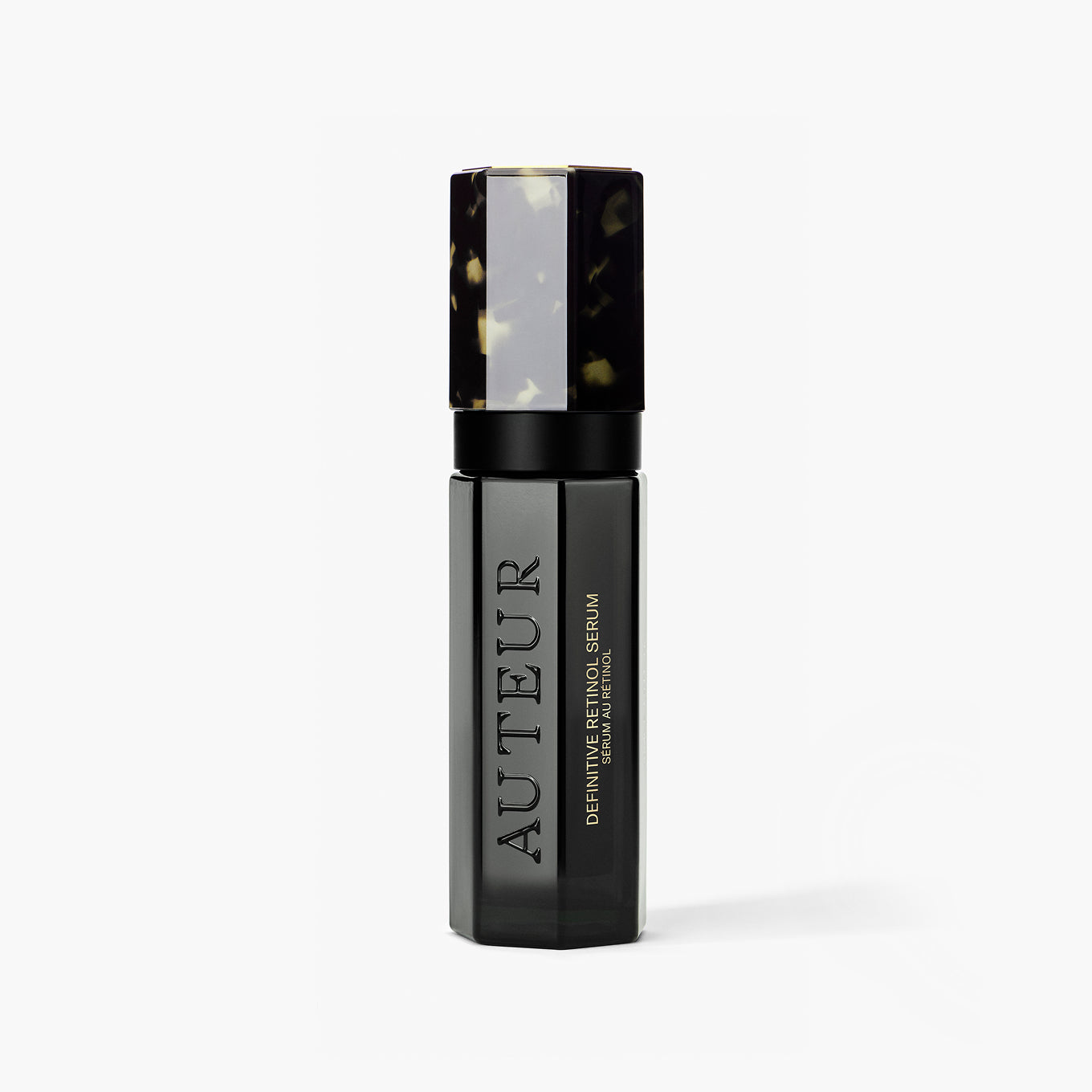
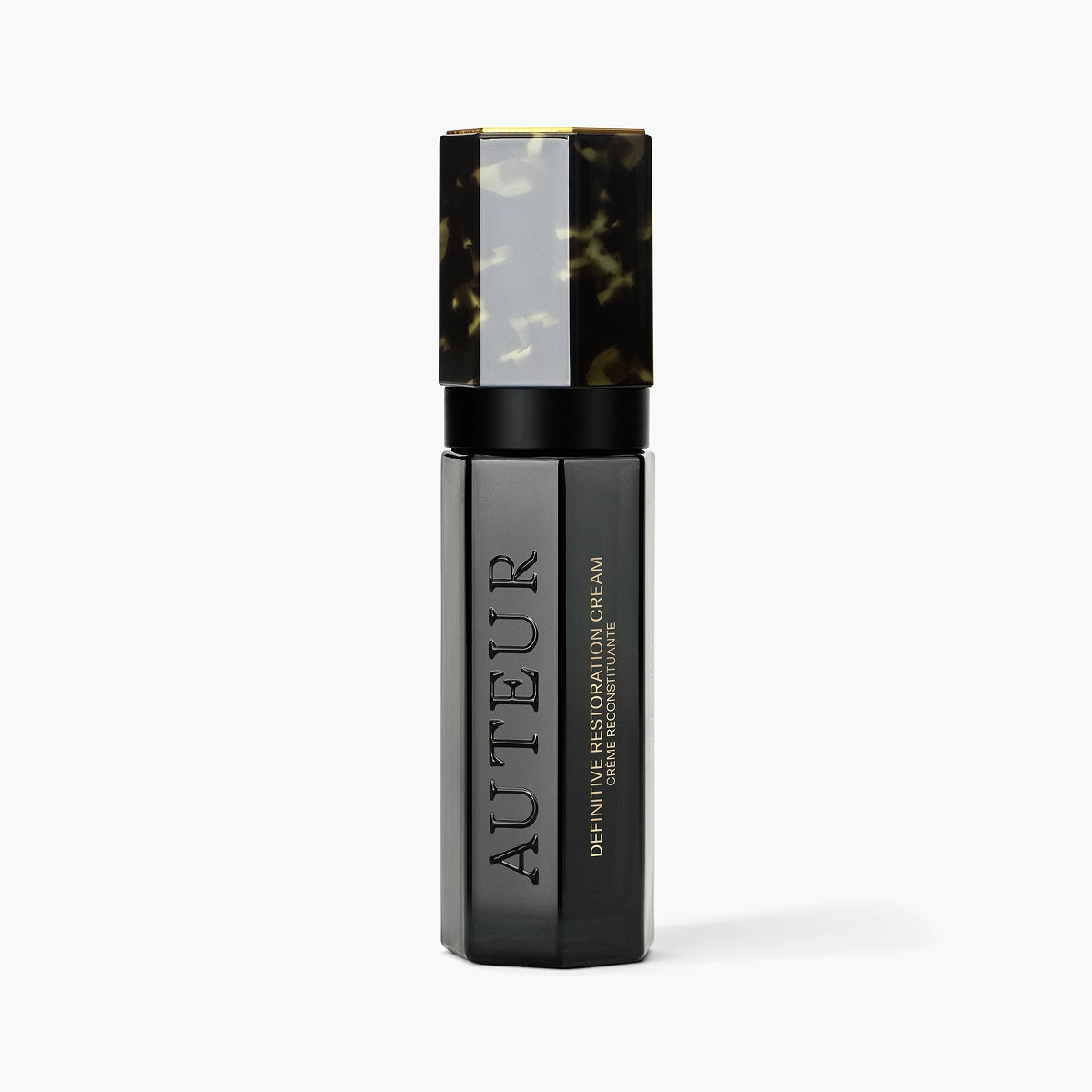
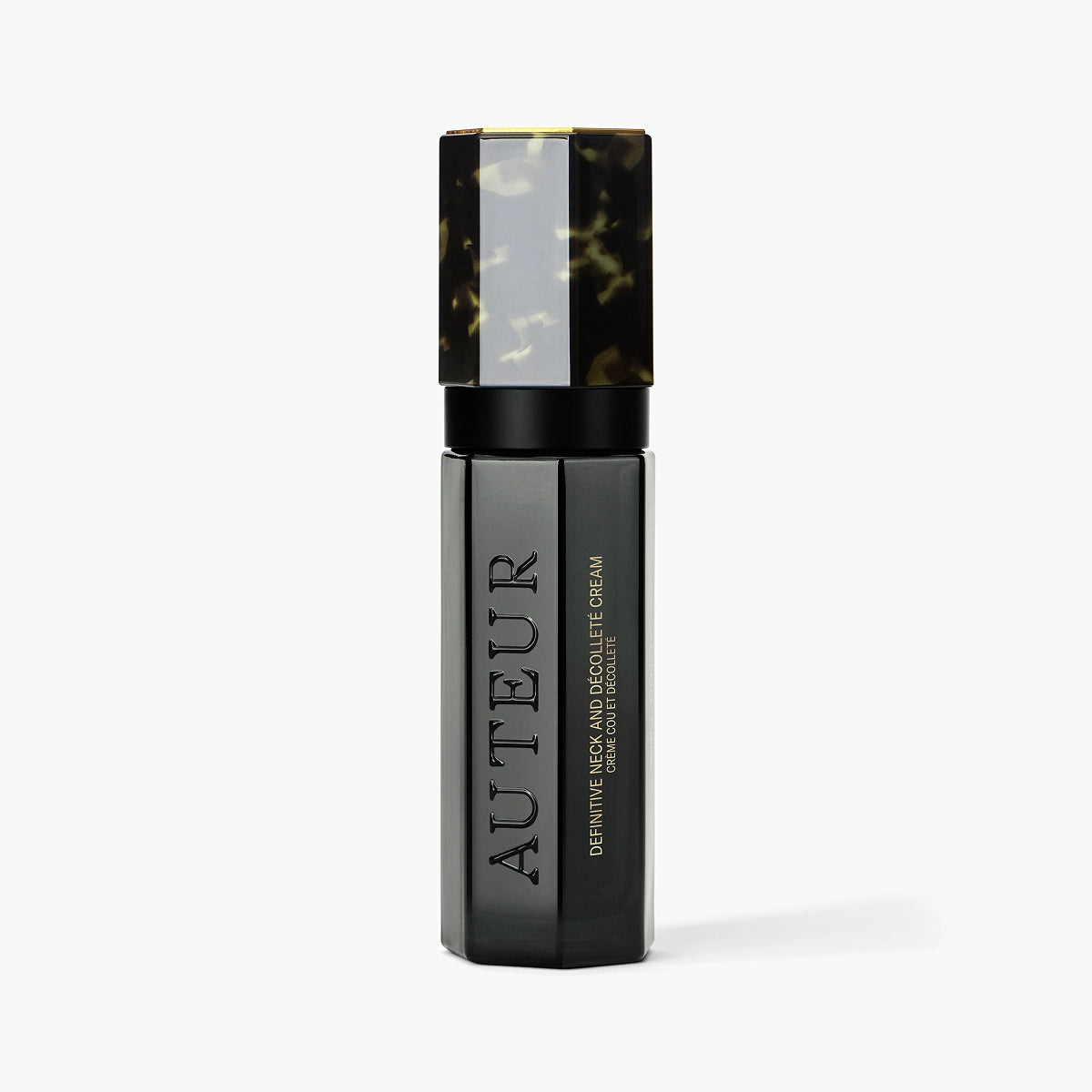
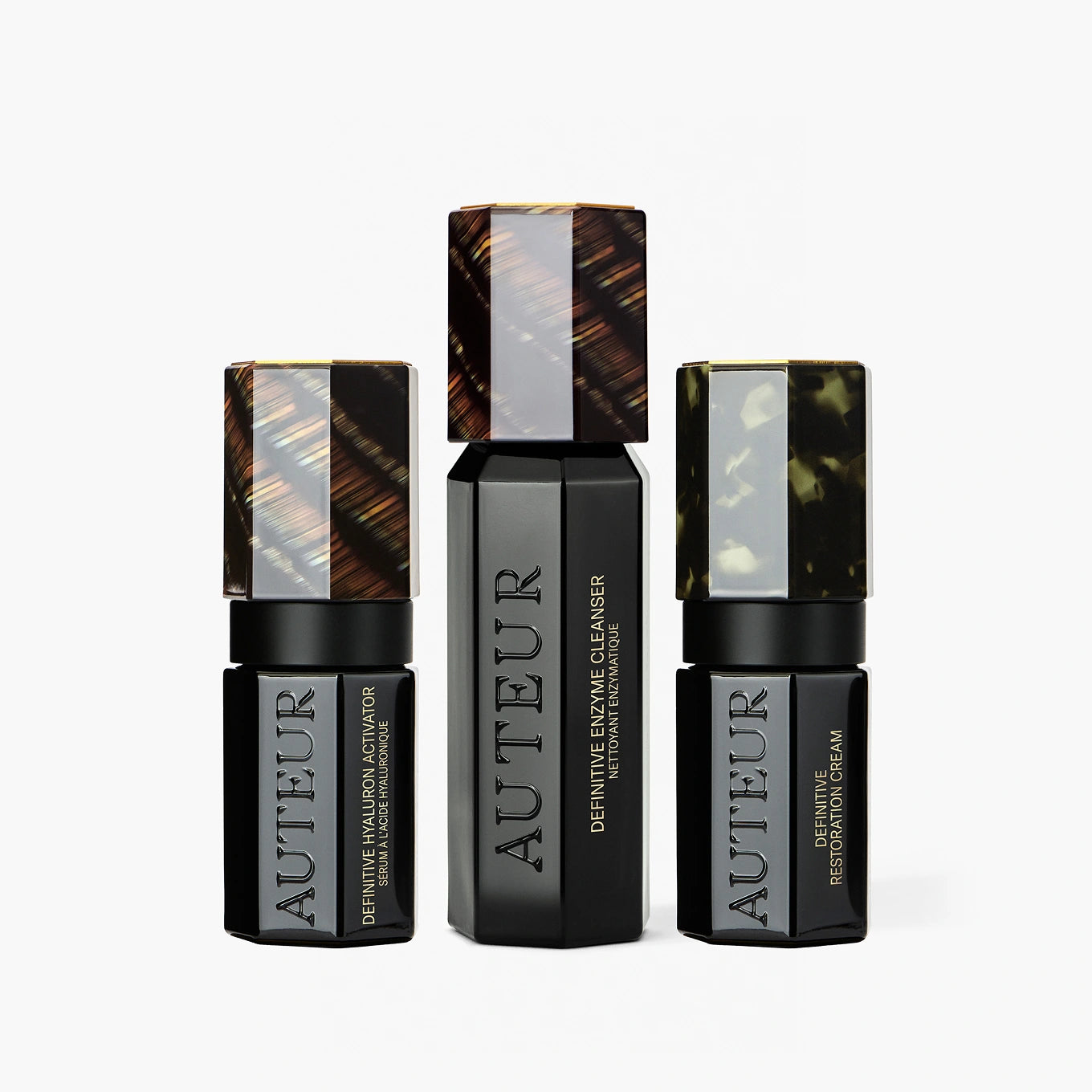
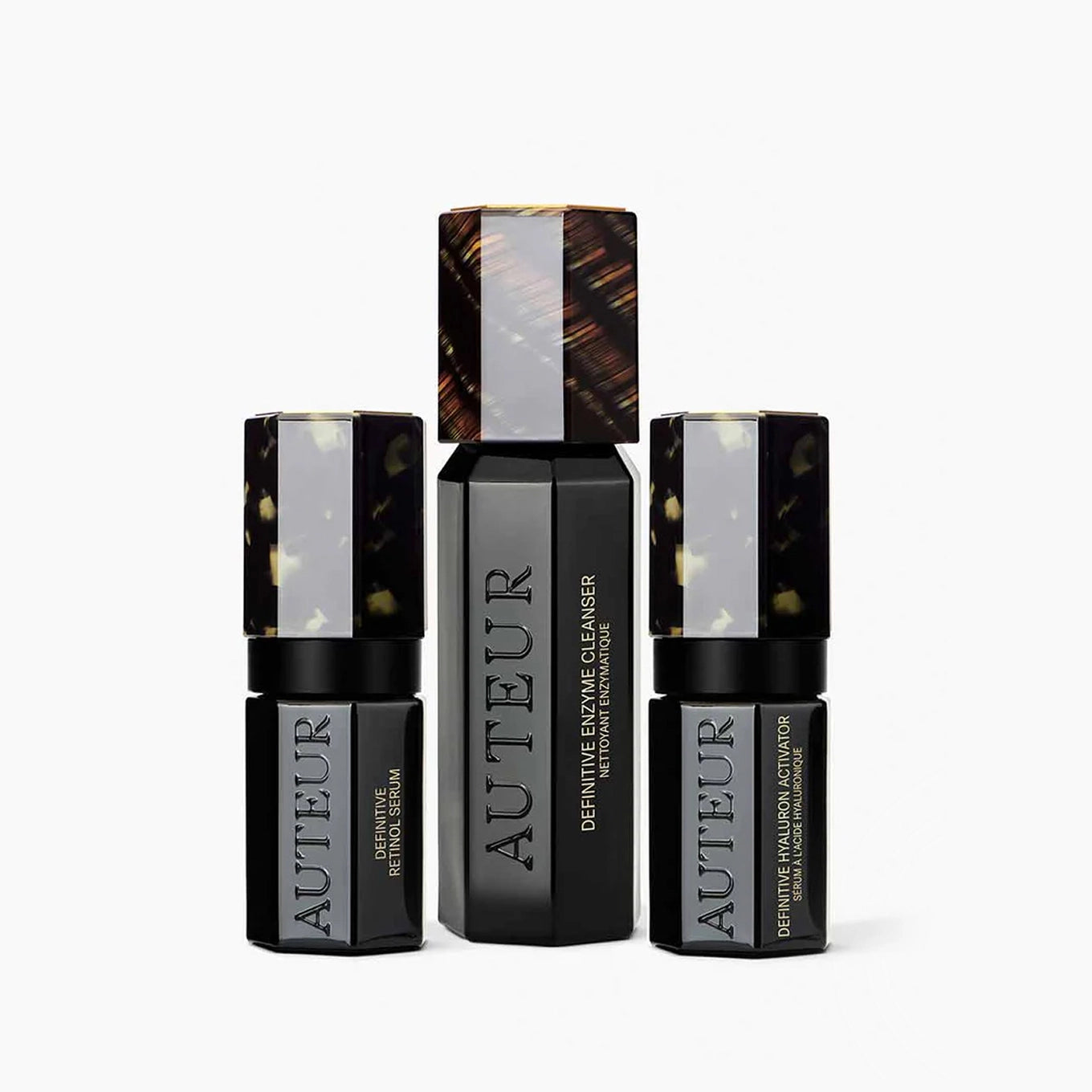
Niacinamide serves as a versatile powerhouse for skin health, functioning as a vital precursor to coenzymes that fuel cellular repair and energy production. While it is a form of Vitamin B3 that the body uses to maintain a resilient surface, natural levels can be compromised by UV exposure and oxidative stress. AUTEUR formulations integrate high-potency niacinamide to reinforce the epidermal barrier, effectively narrowing the appearance of enlarged pores and evening out skin tone. By stimulating ceramide synthesis, it works to lock in moisture and calm visible redness, resulting in a refined, balanced, and remarkably luminous complexion.
Learn More About Niacinamide
Niacinamide is a versatile, multi-tasking molecule that supports the skin’s structural integrity and tone. It works to stabilize the skin barrier and regulate oil production, while its antioxidant properties protect against oxidative damage to visibly brighten the skin. Incorporating stabilized Niacinamide helps strengthen the skin's defense mechanisms and improve overall texture and clarity.
Niacinamide improves the skin barrier by increasing ceramide production, which helps retain moisture and protect against irritants. It also regulates sebum (oil) production, minimizes the appearance of pores, and fades hyperpigmentation by inhibiting the transfer of pigment to skin cells.
Yes, niacinamide is one of the best-tolerated active ingredients in dermatology. It is suitable for oily and acne-prone skin due to its sebum-regulating properties, yet gentle enough for sensitive or dry skin because of its anti-inflammatory and barrier-strengthening benefits.
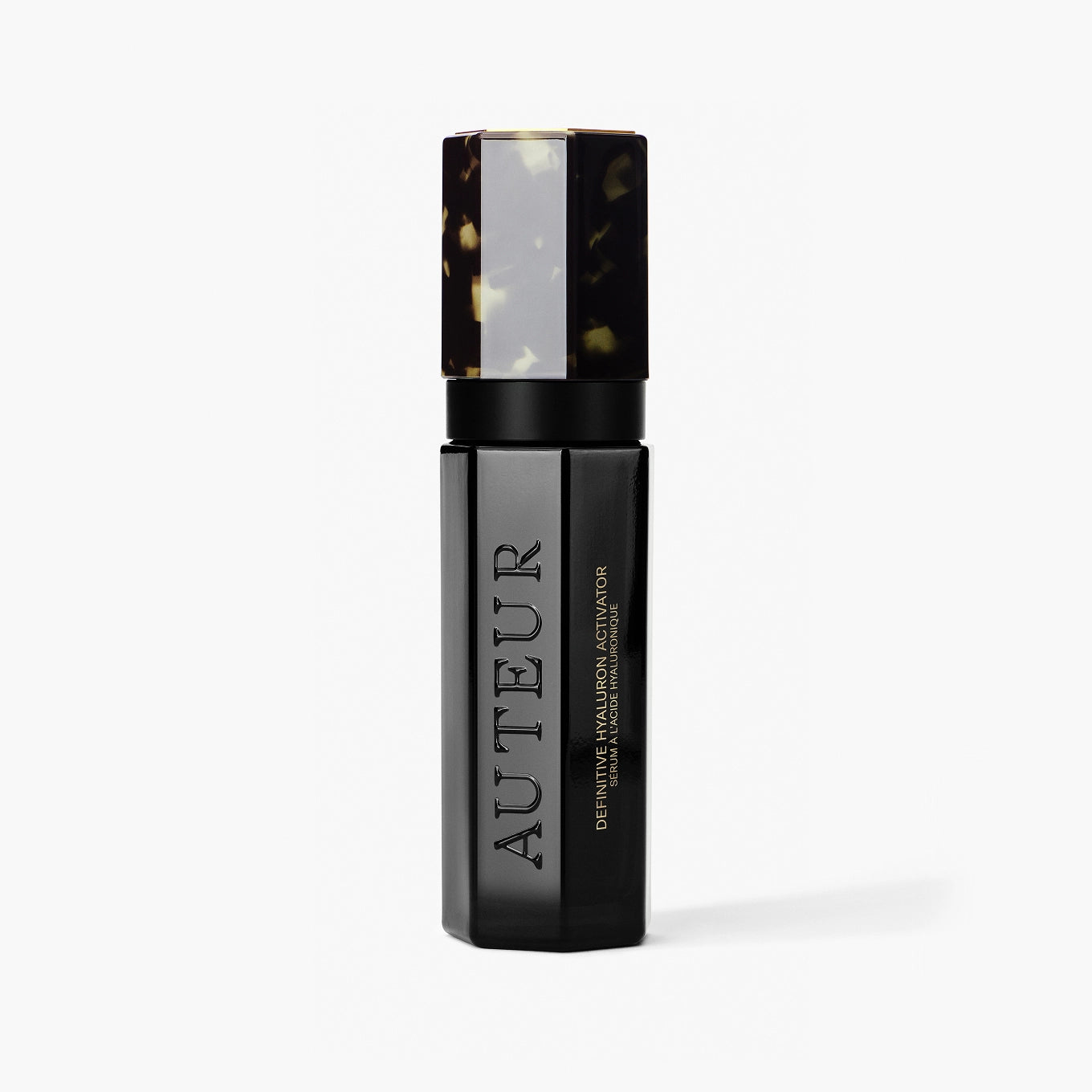
Niacinamide is highly stable and pairs well with almost any ingredient. It is particularly effective when used with Hyaluronic Acid for hydration, Retinol to help buffer potential irritation, and Vitamin C for enhanced brightening and antioxidant protection.
Yes. By boosting collagen production and strengthening the skin barrier, niacinamide helps to improve skin elasticity. Over time, this leads to a visible reduction in the depth of fine lines and a smoother, more youthful skin texture.
It can be used both morning and night. Because it is non-sensitizing to sunlight, it is an excellent daytime antioxidant. Simply apply your niacinamide-based serum or cream after cleansing and before heavier oils or sunscreens.
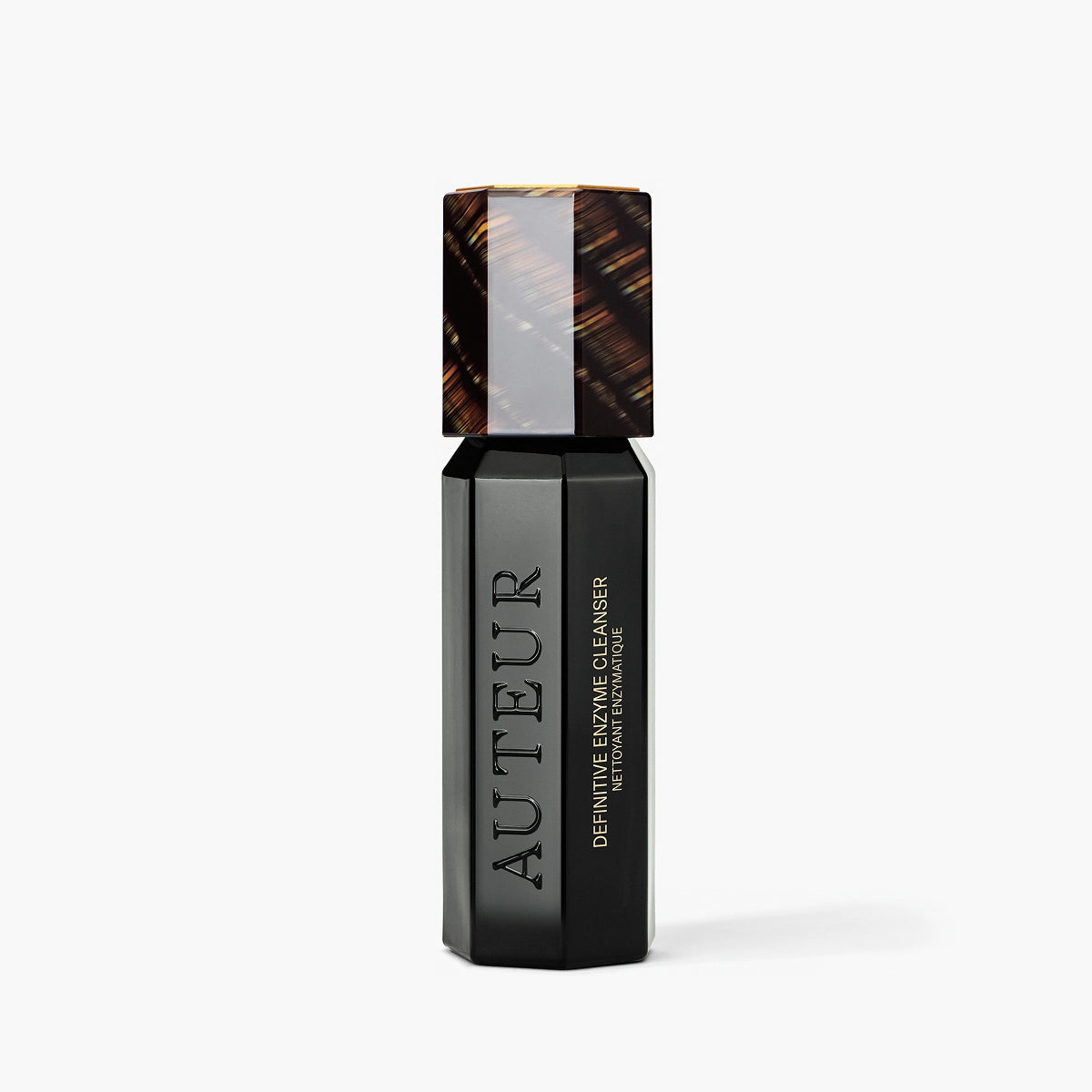
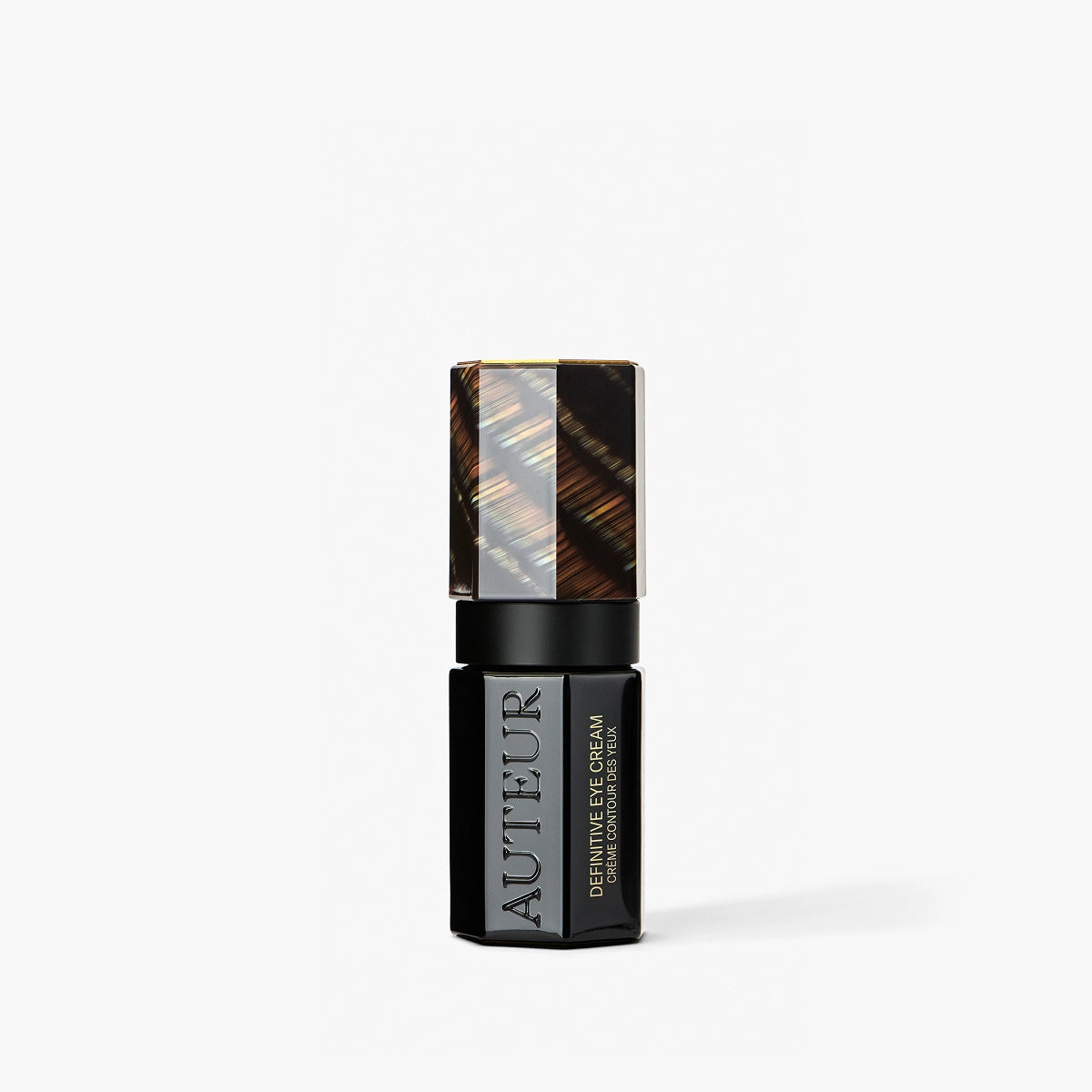
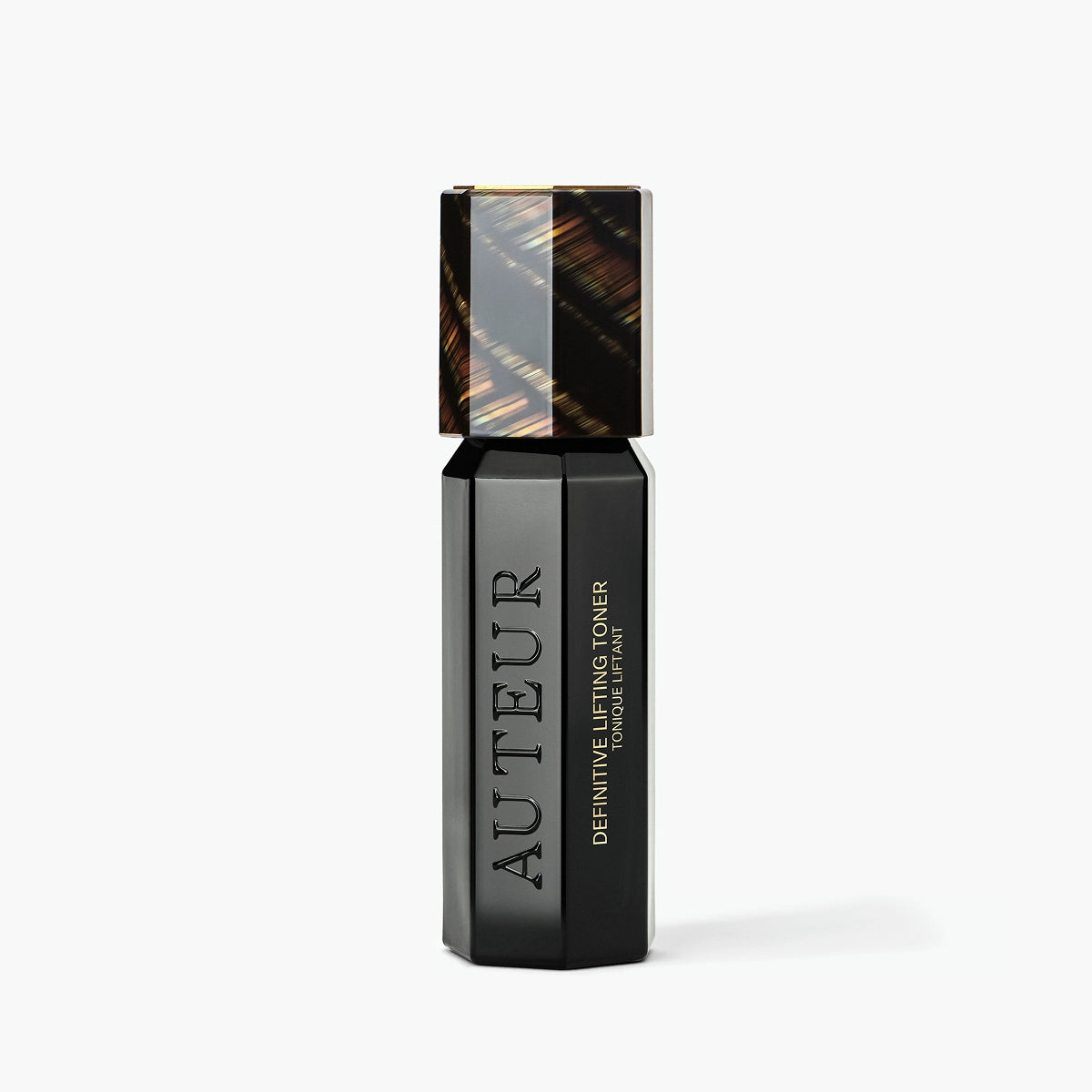
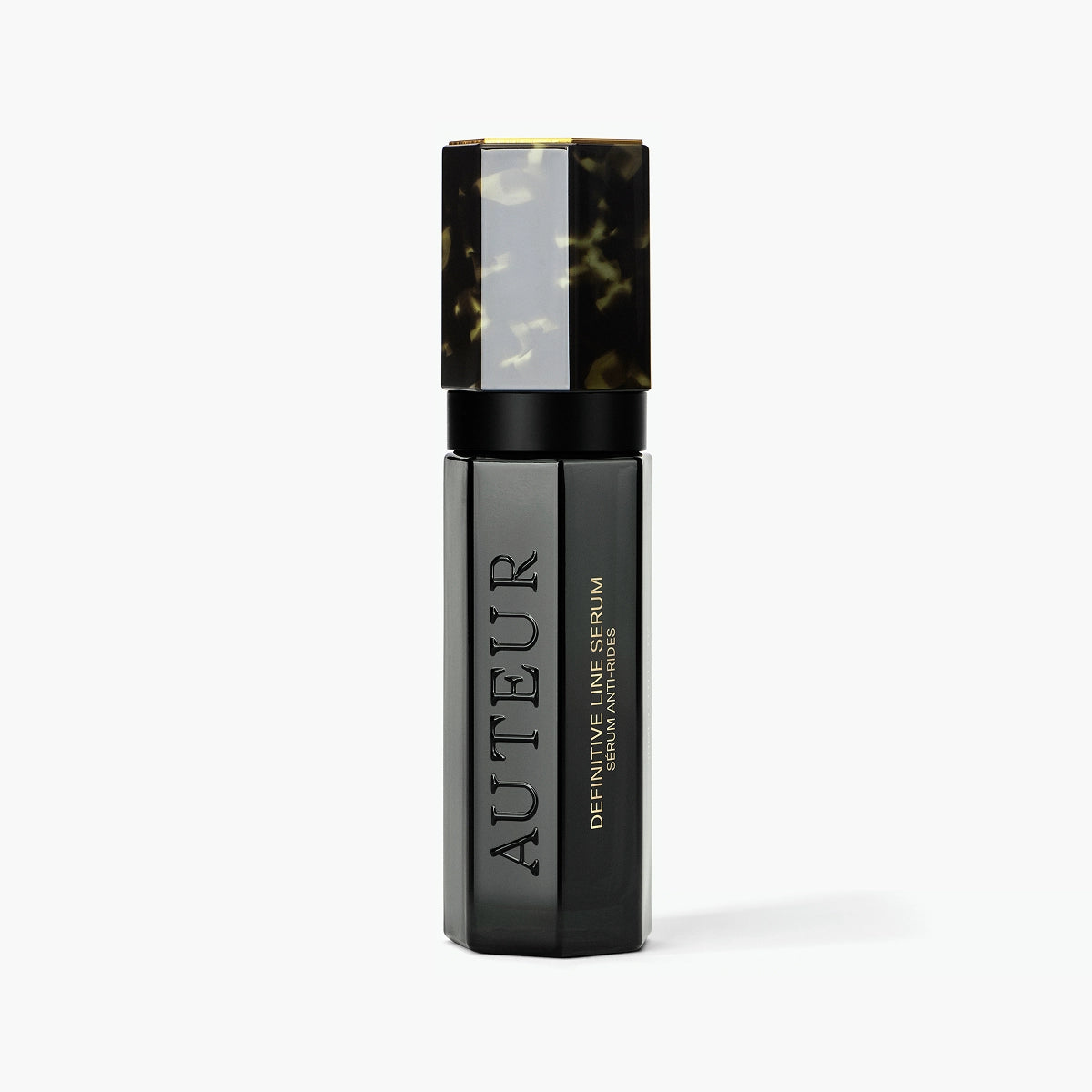
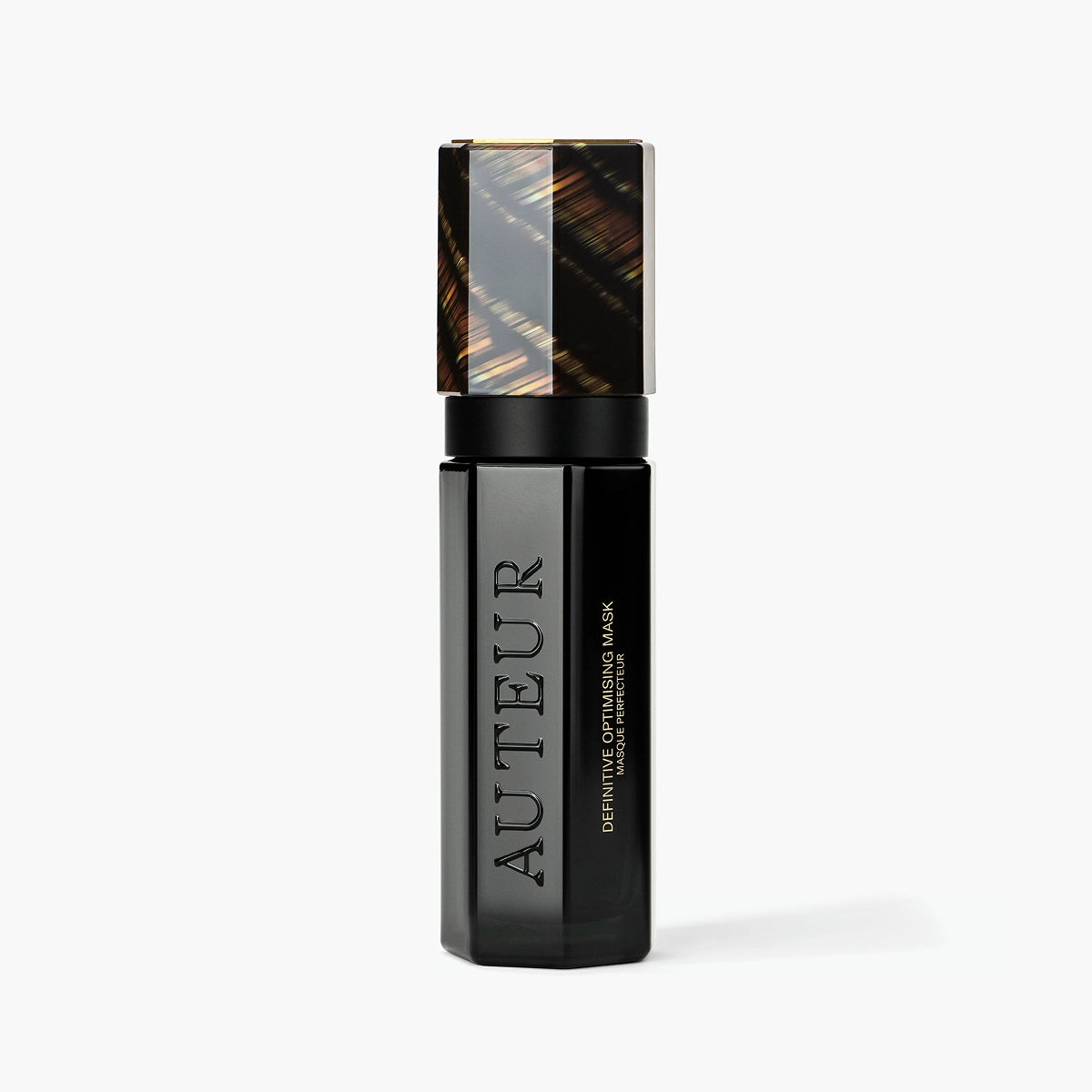
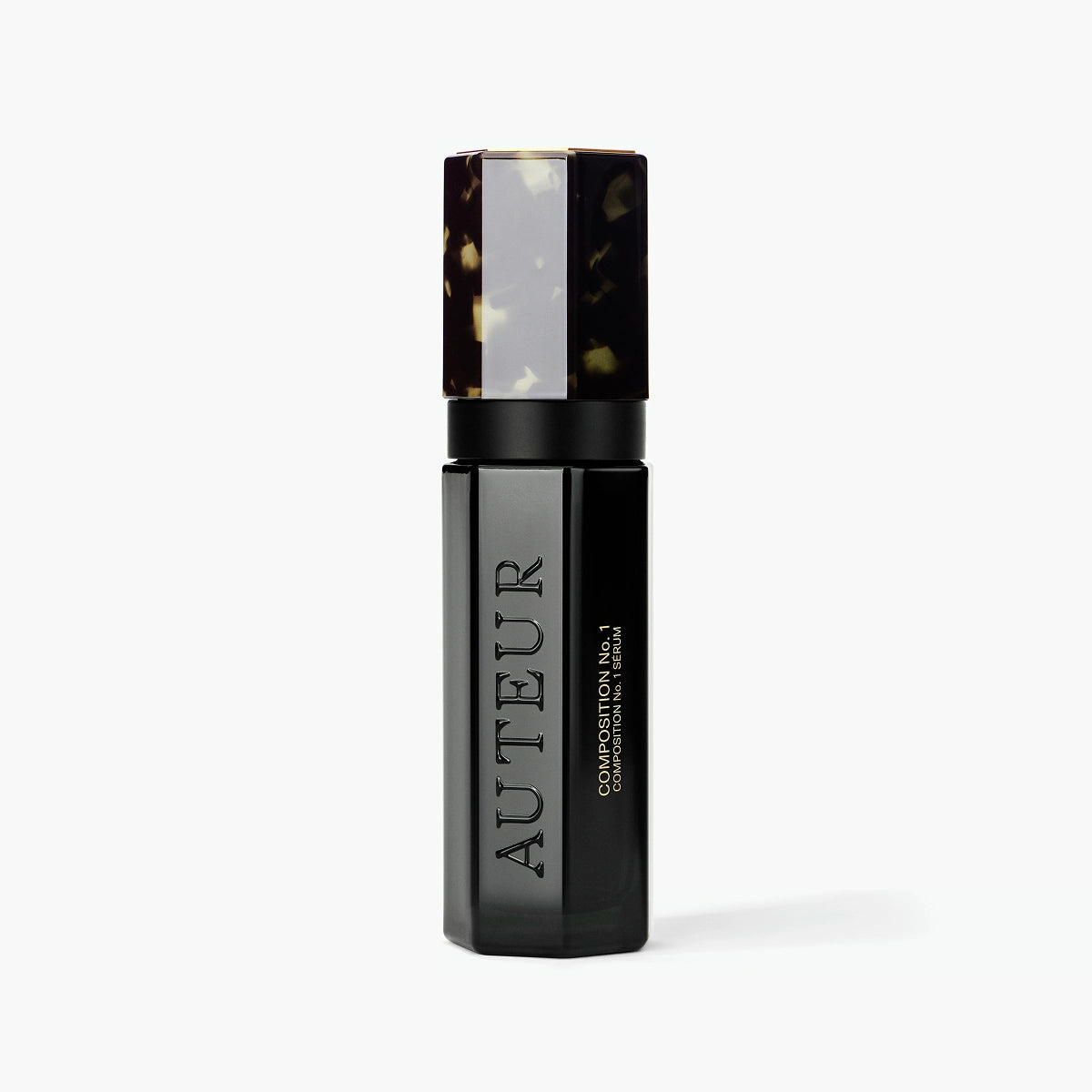
A high-quality formula focuses on the concentration and purity of the Niacinamide to ensure it doesn't cause flushing. Advanced delivery systems, such as those used by AUTEUR, ensure the ingredient penetrates effectively to target deeper layers of the skin rather than just sitting on the surface.
Explore Other Ingredients
Hyaluronic Acid
Learn how hyaluronic acid helps deeply hydrate the skin, improving elasticity and leaving the complexion looking plump, smooth, and refreshed.
Retinol
Discover how retinol supports skin renewal and helps smooth the appearance of fine lines.
Glycolic Acid (AHA)
Explore how glycolic acid gently exfoliates to reveal brighter, smoother looking skin.

Vitamin C
Understand how vitamin C helps brighten the complexion and support a more radiant appearance.
Antioxidants
See how antioxidants help defend skin against environmental stressors and visible aging.
Ceramides
Learn how ceramides help strengthen the skin barrier and lock in essential moisture.
Collagen
Discover how collagen supports firmness and helps maintain a youthful looking complexion.
Citations
Bissett, D. L., Miyamoto, K., Sun, P., Li, J., & Berge, C. A. (2004). Topical niacinamide reduces yellowing, wrinkling, red blotchiness, and hyperpigmented spots in aging facial skin. International Journal of Cosmetic Science, 26(5), 231–238. https://doi.org/10.1111/j.1467-2494.2004.00228.x
Bissett, D. L., Oblong, J. E., & Berge, C. A. (2005). Niacinamide: A B vitamin that improves aging facial skin appearance. Dermatologic Surgery, 31(7 Pt 2), 860–865. https://doi.org/10.1111/j.1524-4725.2005.31732
Hakozaki, T., et al. (2002). The effect of niacinamide on reducing cutaneous pigmentation and suppression of melanosome transfer. British Journal of Dermatology, 147(1), 20–31. https://doi.org/10.1046/j.1365-2133.2002.04834.x
Wohlrab, J., & Kreft, D. (2014). Niacinamide - Mechanisms of Action and Its Topical Use in Dermatology. Skin Pharmacology and Physiology, 27(6), 311–315. https://doi.org/10.1159/000359974
Navarrete-Solís, J., et al. (2011). A Double-Blind, Randomized Clinical Trial of Niacinamide 4% versus Hydroquinone 4% in the Treatment of Melasma. Dermatology Research and Practice, 2011, 1–5. https://doi.org/10.1155/2011/379173
Draelos, Z. D., Ertel, K., & Berge, C. (2005). Niacinamide-containing facial moisturizer improves skin barrier and benefits subjects with rosacea. Cutis, 76(2), 135-141. https://pubmed.ncbi.nlm.nih.gov/16209155/
Gehring, W. (2004). Nicotinic acid/niacinamide and the skin. Journal of Cosmetic Dermatology, 3(2), 88-93. https://doi.org/10.1111/j.1473-2130.2004.00115.x
Tanno, O., et al. (2000). Nicotinamide increases biosynthesis of ceramides as well as other stratum corneum lipids to improve the epidermal permeability barrier. British Journal of Dermatology, 143(3), 524-531. https://doi.org/10.1046/j.1365-2133.2000.03705.x
Soma, Y., et al. (2005). Moisturizing effects of topical nicotinamide on atopic dry skin. International Journal of Dermatology, 44(3), 197-202. https://doi.org/10.1111/j.1365-4632.2004.02332.x
Levin, J., & Momin, S. B. (2010). How much do we really know about our favorite cosmeceutical ingredients? The Journal of Clinical and Aesthetic Dermatology, 3(2), 22–41. https://www.ncbi.nlm.nih.gov/pmc/articles/PMC2921764/
Finlay, A. S., et al. (2023). Niacinamide: A review of its role in the management of dermatological disorders. Journal of Cosmetic Dermatology, 22(12), 3210-3218. https://doi.org/10.1111/jocd.15802
Chen, A. C., & Damian, D. L. (2014). Nicotinamide and the skin. Australasian Journal of Dermatology, 55(3), 169-175. https://doi.org/10.1111/ajd.12163