




What is Glycolic Acid (AHA)?
Glycolic Acid (AHA) is a powerful exfoliating ingredient derived from sugar cane, known for its ability to resurface and refine the skin. As the smallest alpha hydroxy acid, it penetrates effectively to dissolve dead skin cells, helping to smooth texture, brighten dullness, and visibly reduce the appearance of fine lines and uneven tone. With consistent use, glycolic acid supports a clearer, more radiant complexion by accelerating cellular turnover and enhancing overall skin clarity.
Learn More About Glycolic Acid (AHA)
Glycolic Acid is a multifaceted resurfacing agent widely recognized for its ability to treat photoaging, hyperpigmentation, and uneven texture. By thinning the stratum corneum—the outermost layer of skin—it clears away dull, damaged cells to reveal a brighter and more luminous appearance. Consistent use helps to remodel the skin’s extracellular matrix, improving overall structural integrity.
Glycolic Acid functions as a chemical exfoliant that dissolves the bonds between dead skin cells, promoting desquamation and fresh cell growth. It also acts as a humectant by increasing the skin's levels of water-binding glycosaminoglycans and stimulates fibroblasts to produce higher levels of type I collagen.
While highly effective for oily, combination, and mature skin, its deep penetration can be aggressive for those with sensitive or reactive skin types. Beginners should start with a lower concentration and gradually increase frequency to build tolerance while monitoring for irritation.
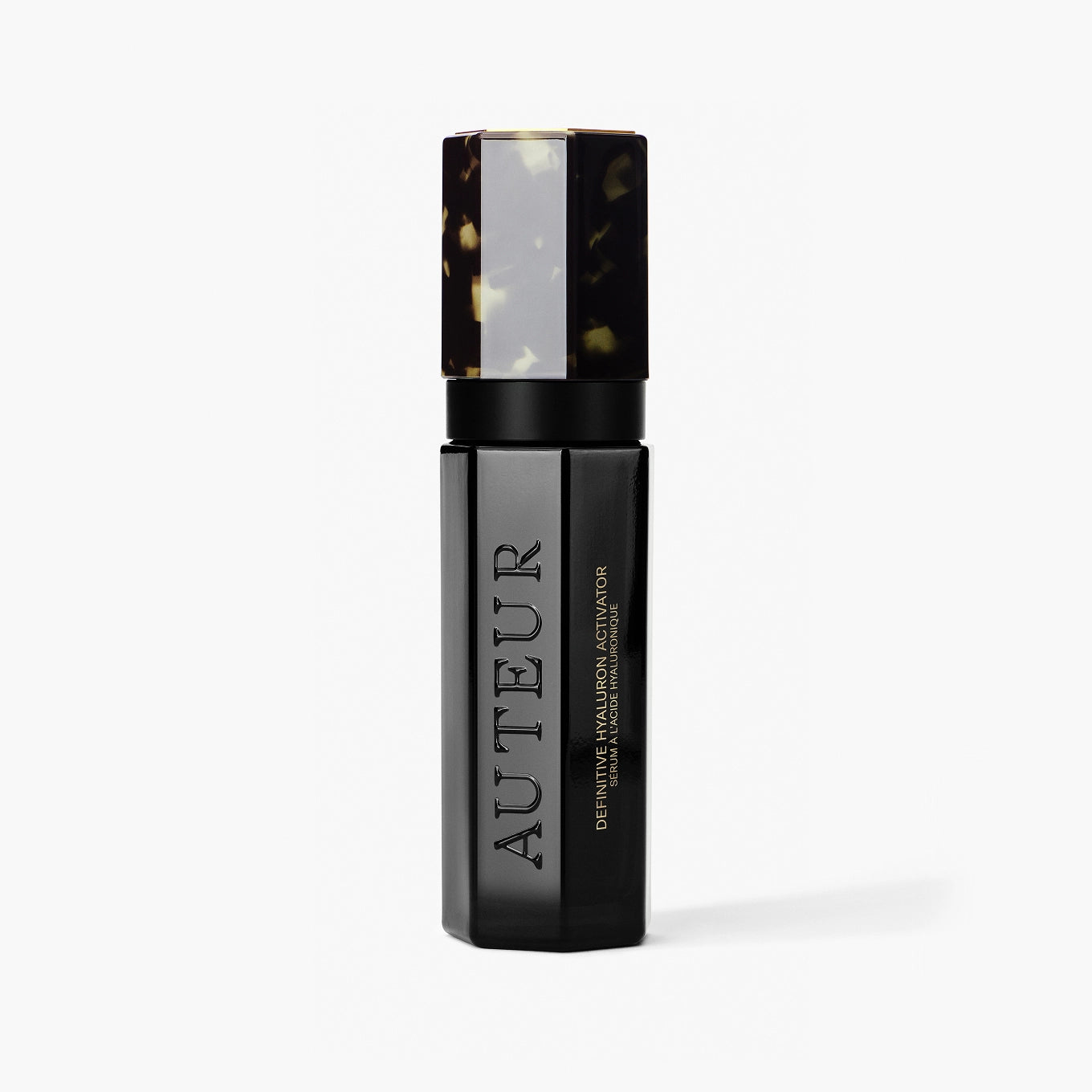
Glycolic Acid works in synergy with Hyaluronic Acid to balance exfoliation with deep hydration. It also pairs well with Vitamin C for enhanced brightening and can be used in alternating routines with Retinoids to maximize anti-aging results.
Yes, clinical studies demonstrate that regular application of Glycolic Acid significantly reduces wrinkle depth by increasing epidermal thickness and stimulating new collagen production. It is highly effective at reversing visible signs of photoaging and improving overall skin elasticity.
It is best used as a treatment step after cleansing and before moisturizing to ensure maximum absorption. Because Glycolic Acid can increase the skin’s sensitivity to UV radiation, it is essential to apply a high-SPF broad-spectrum sunscreen daily during use.
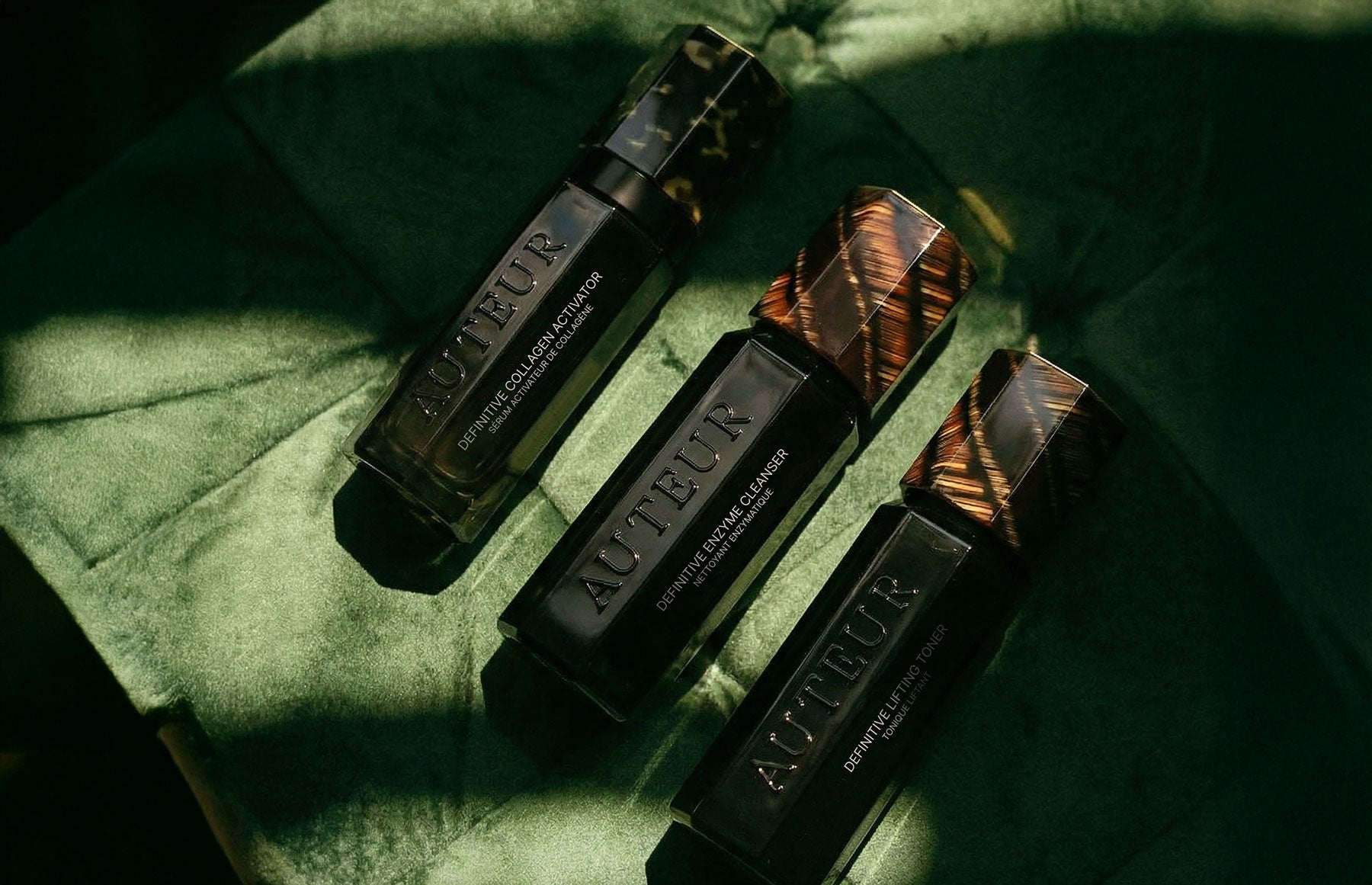
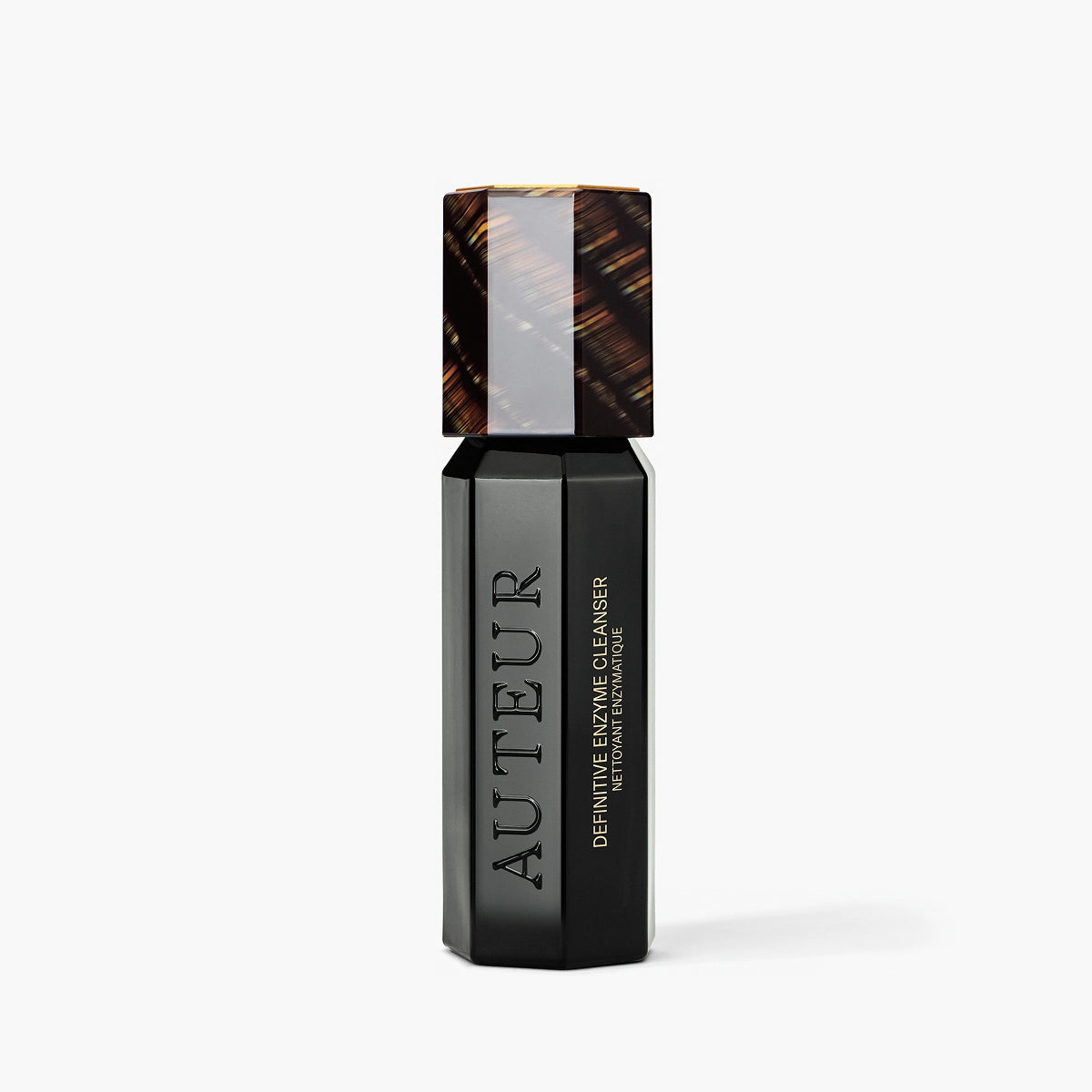
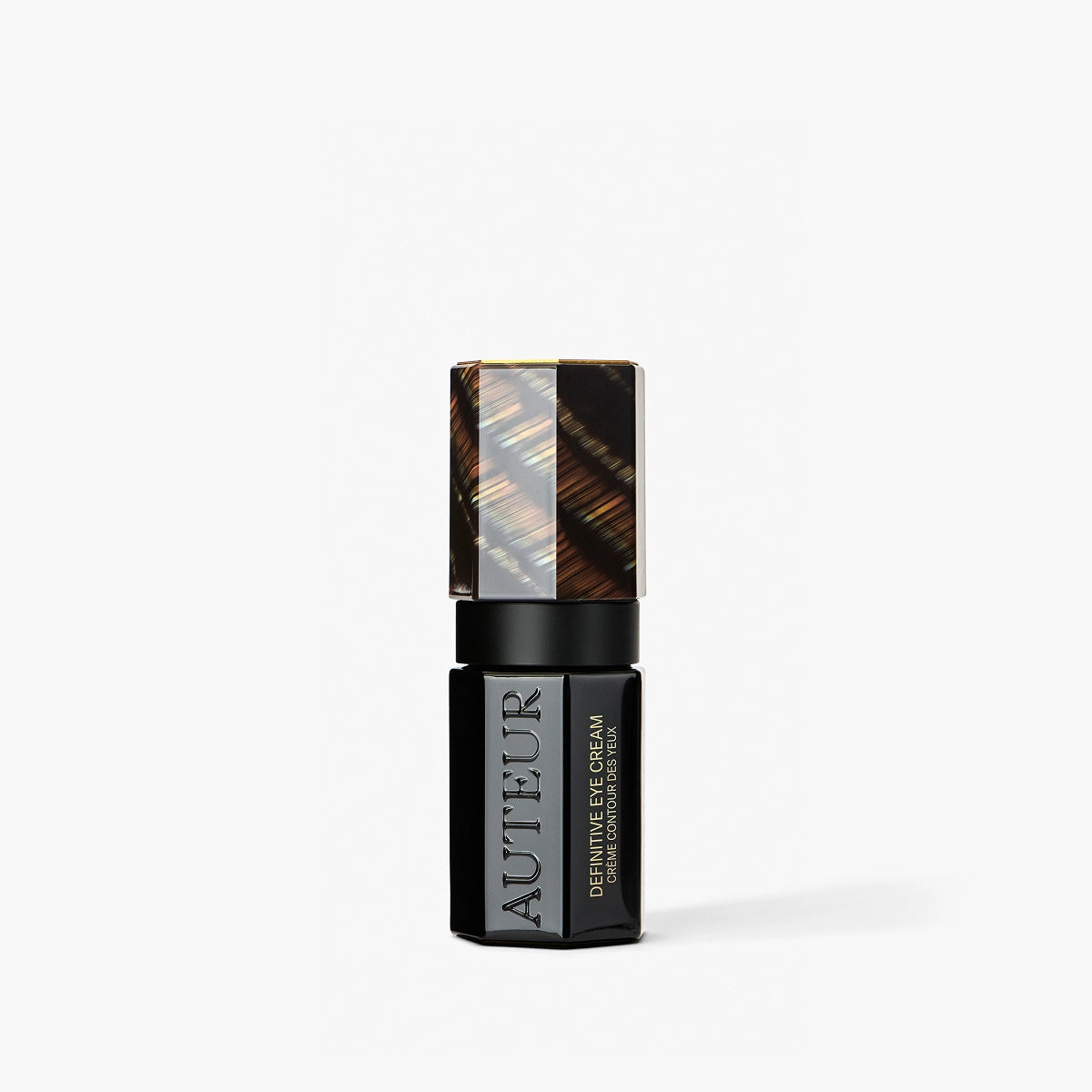
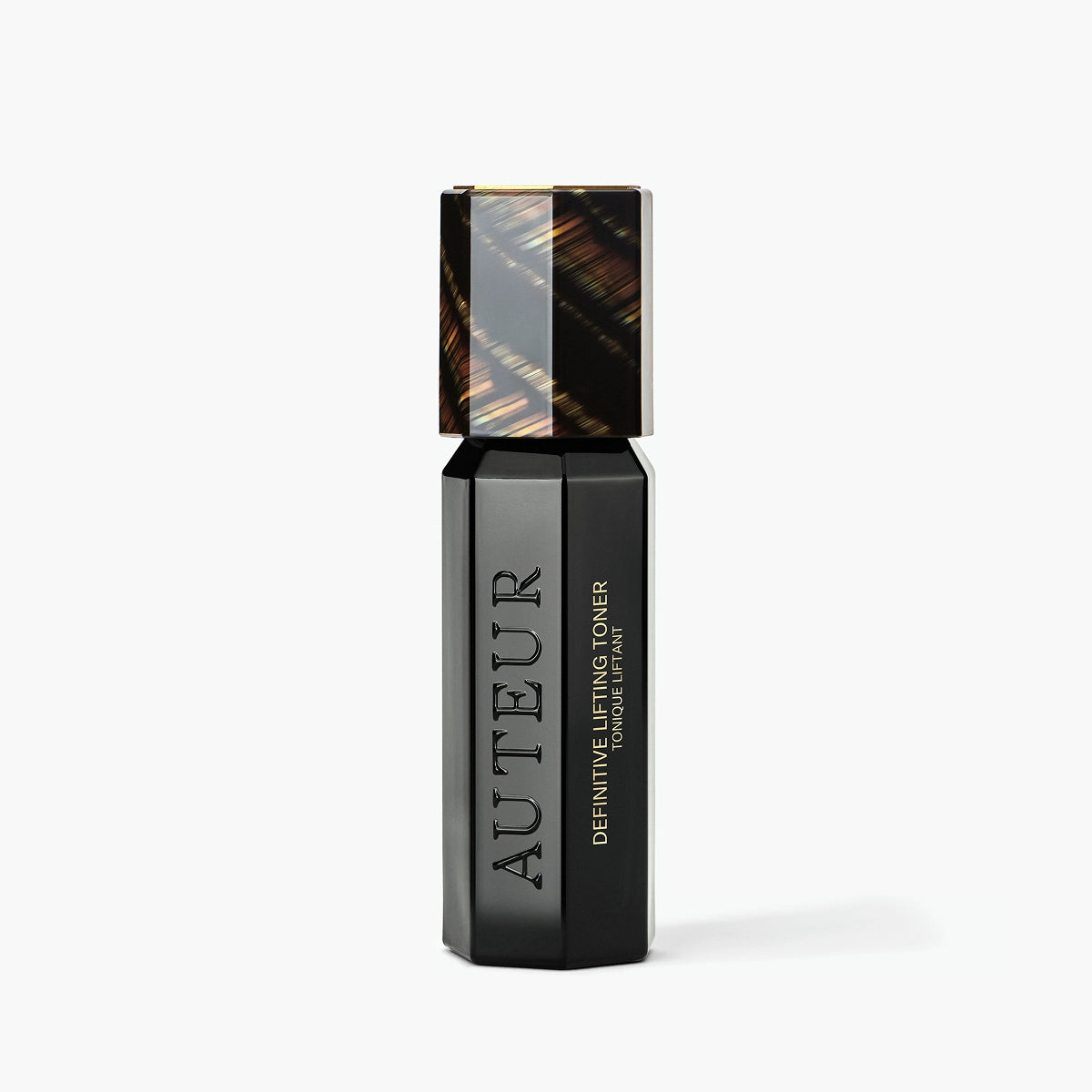
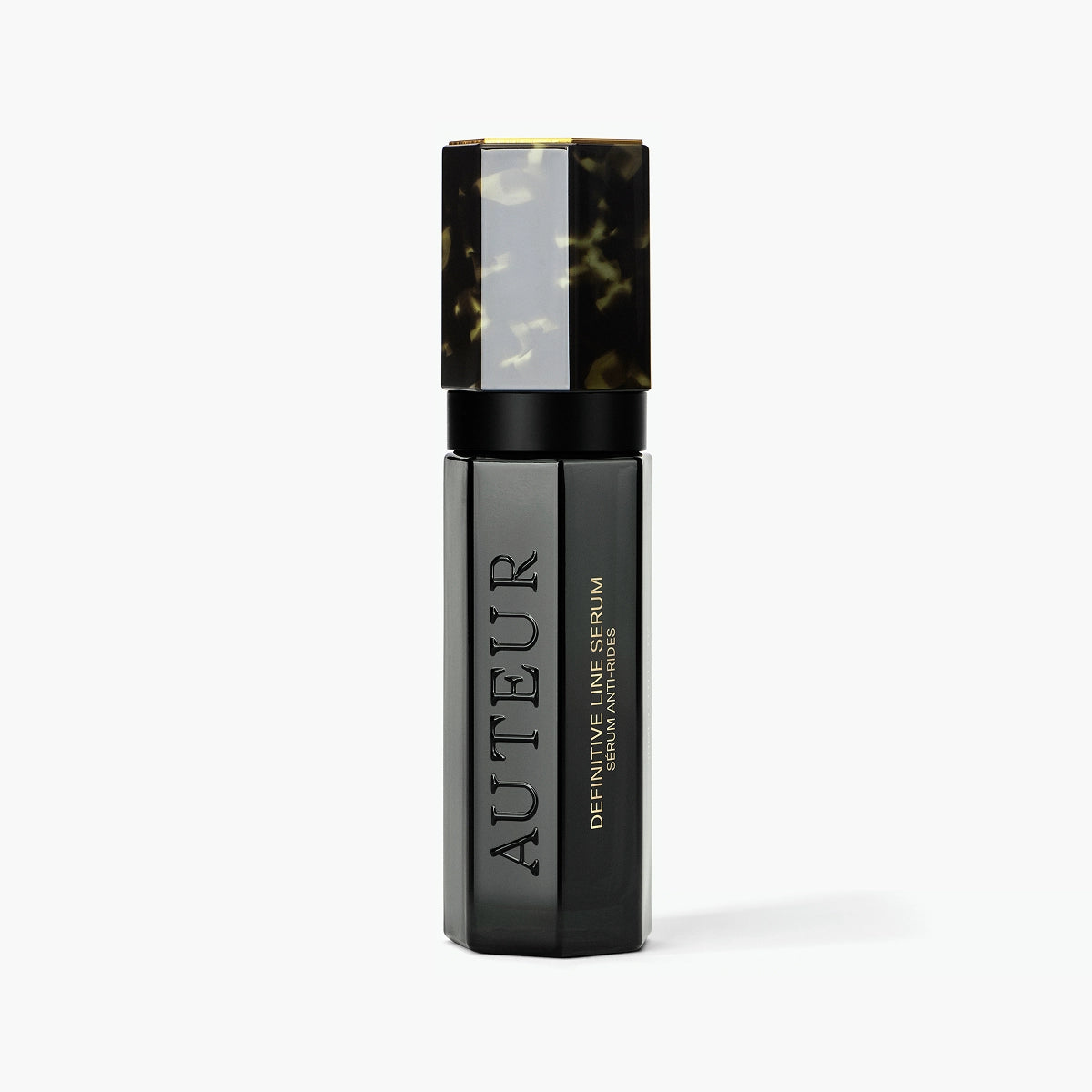
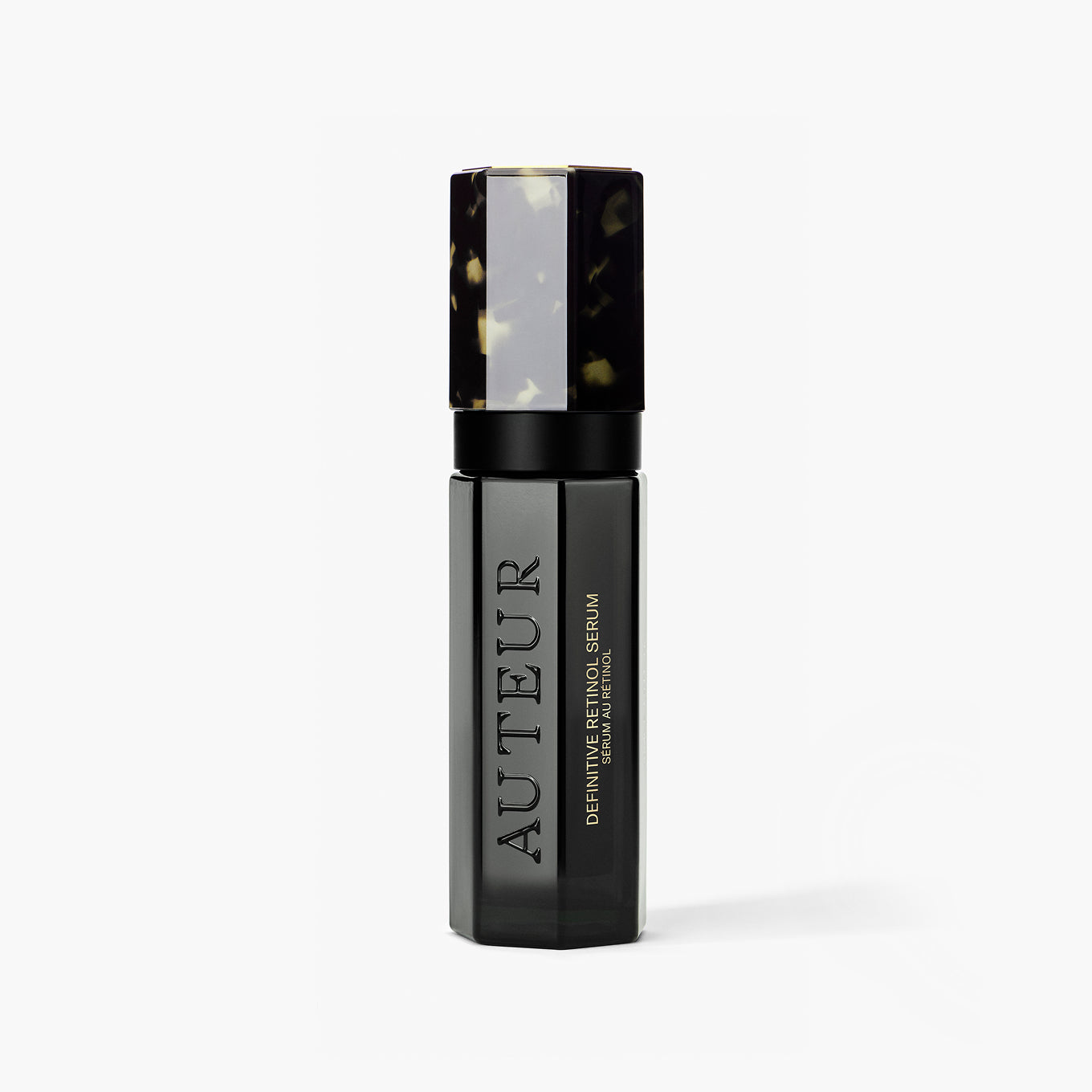
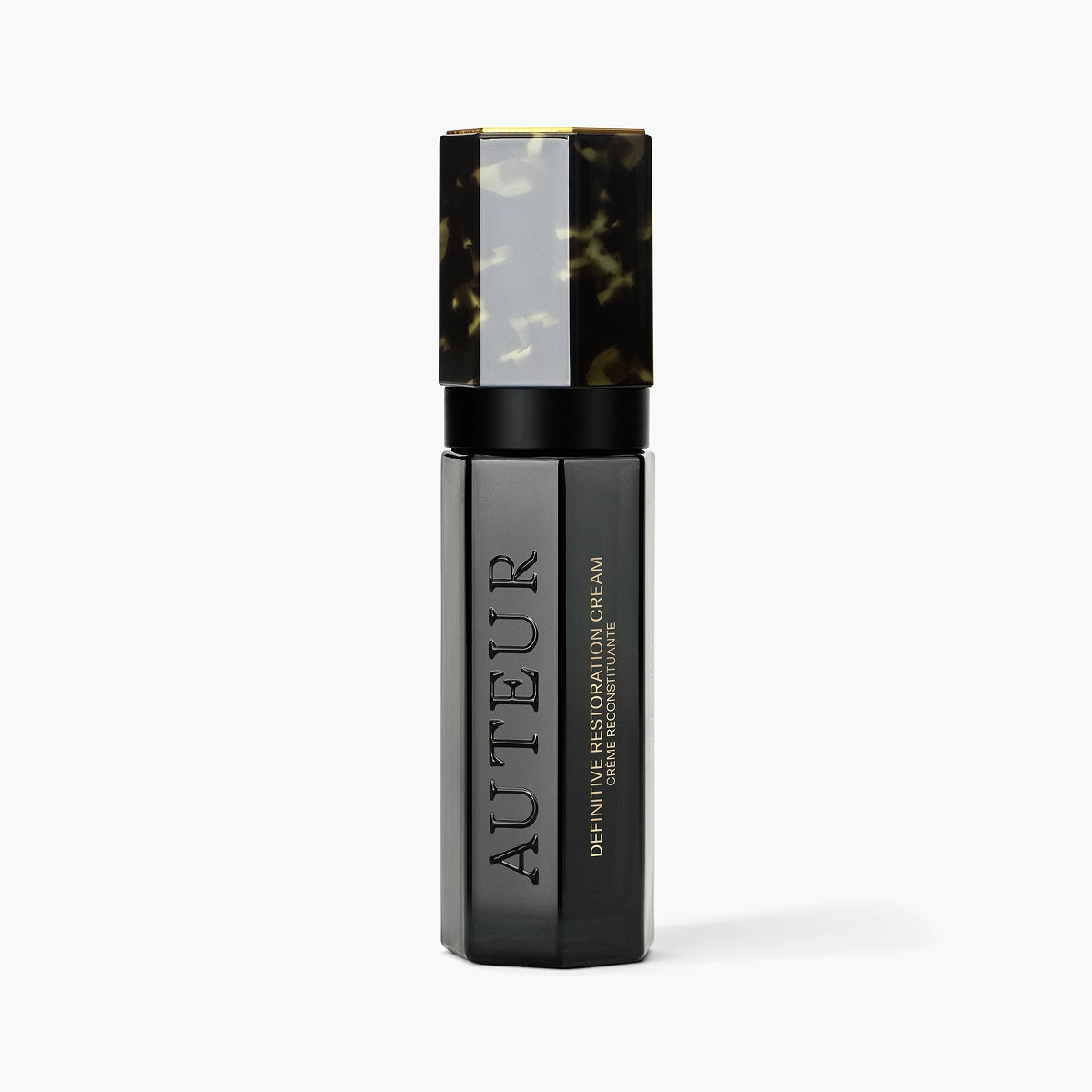
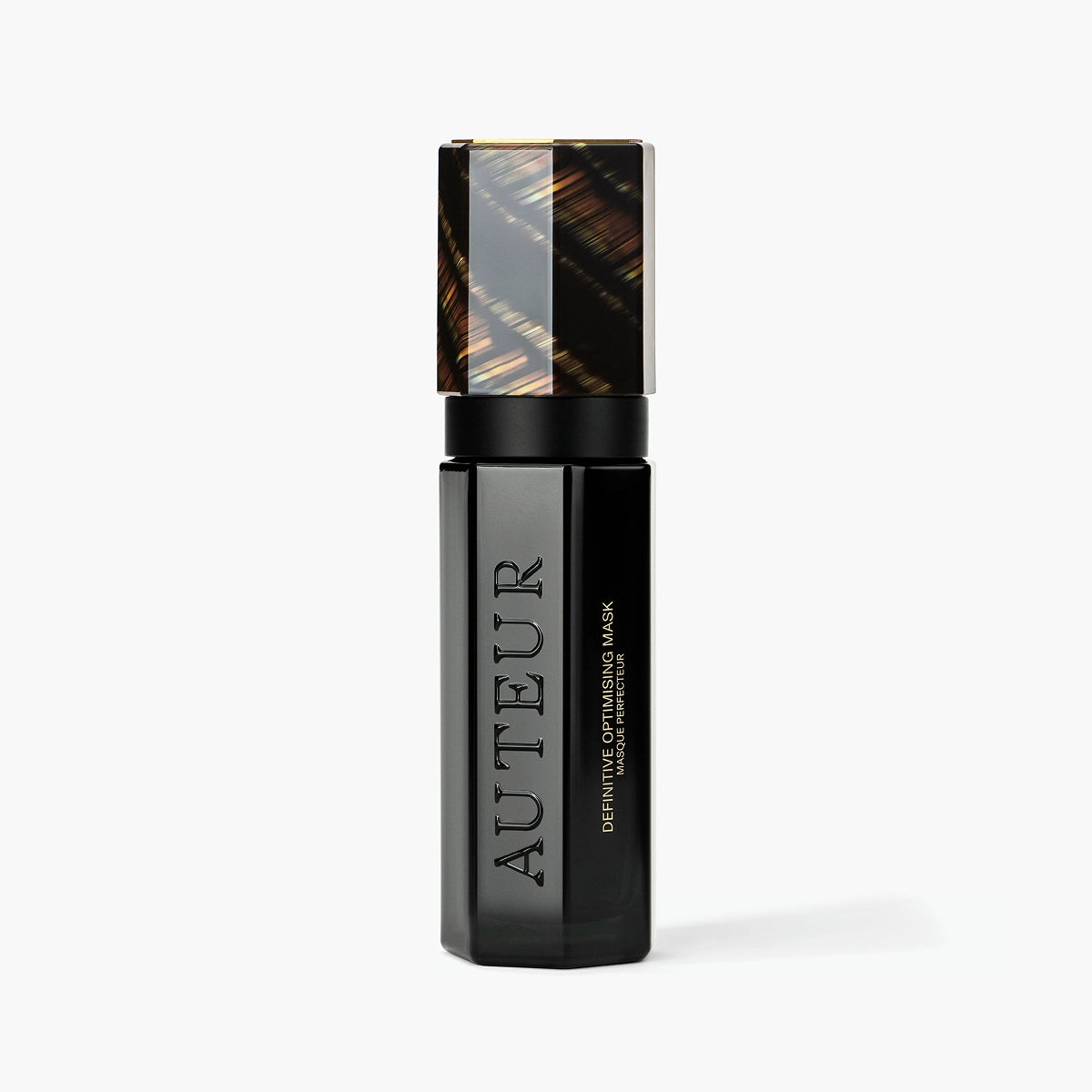
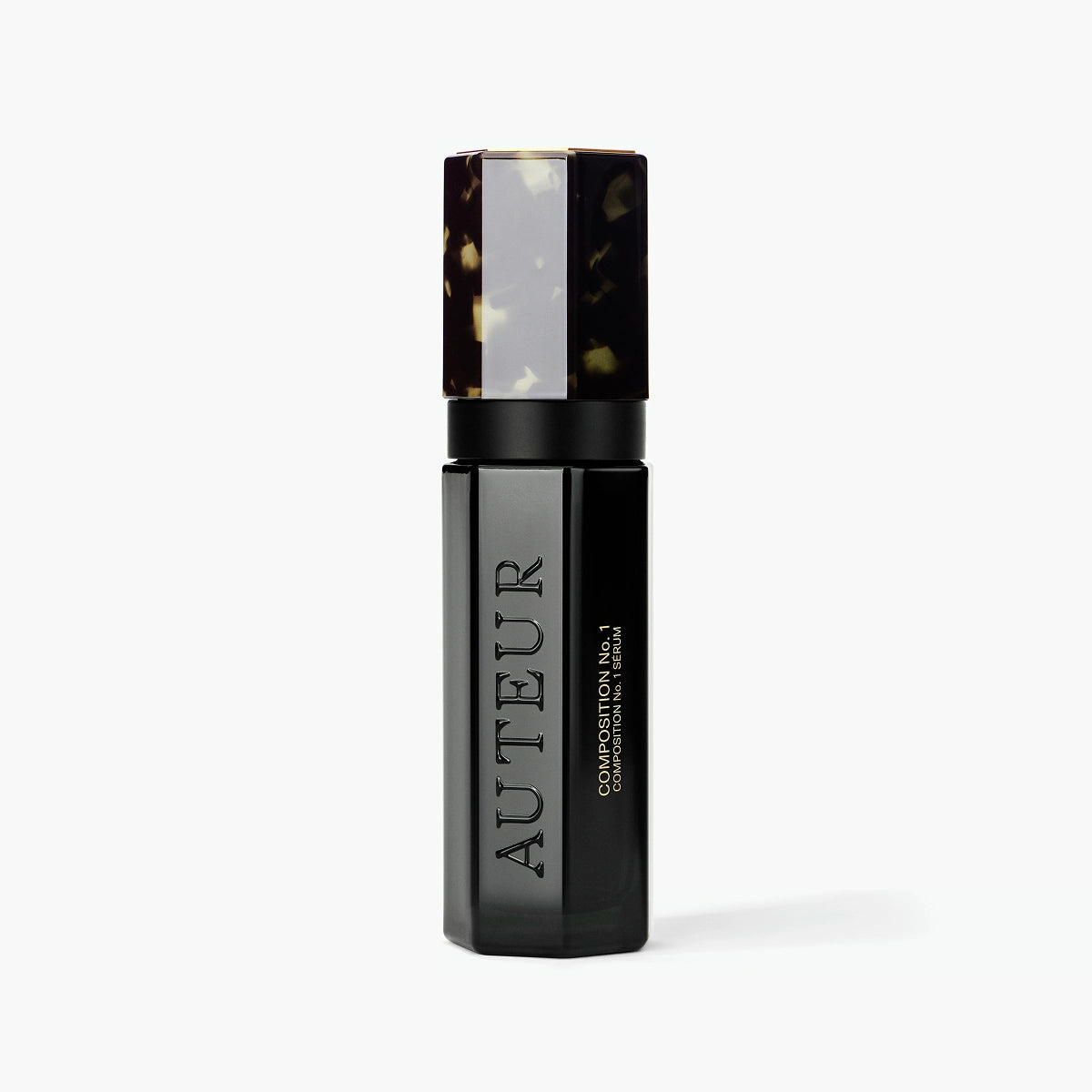
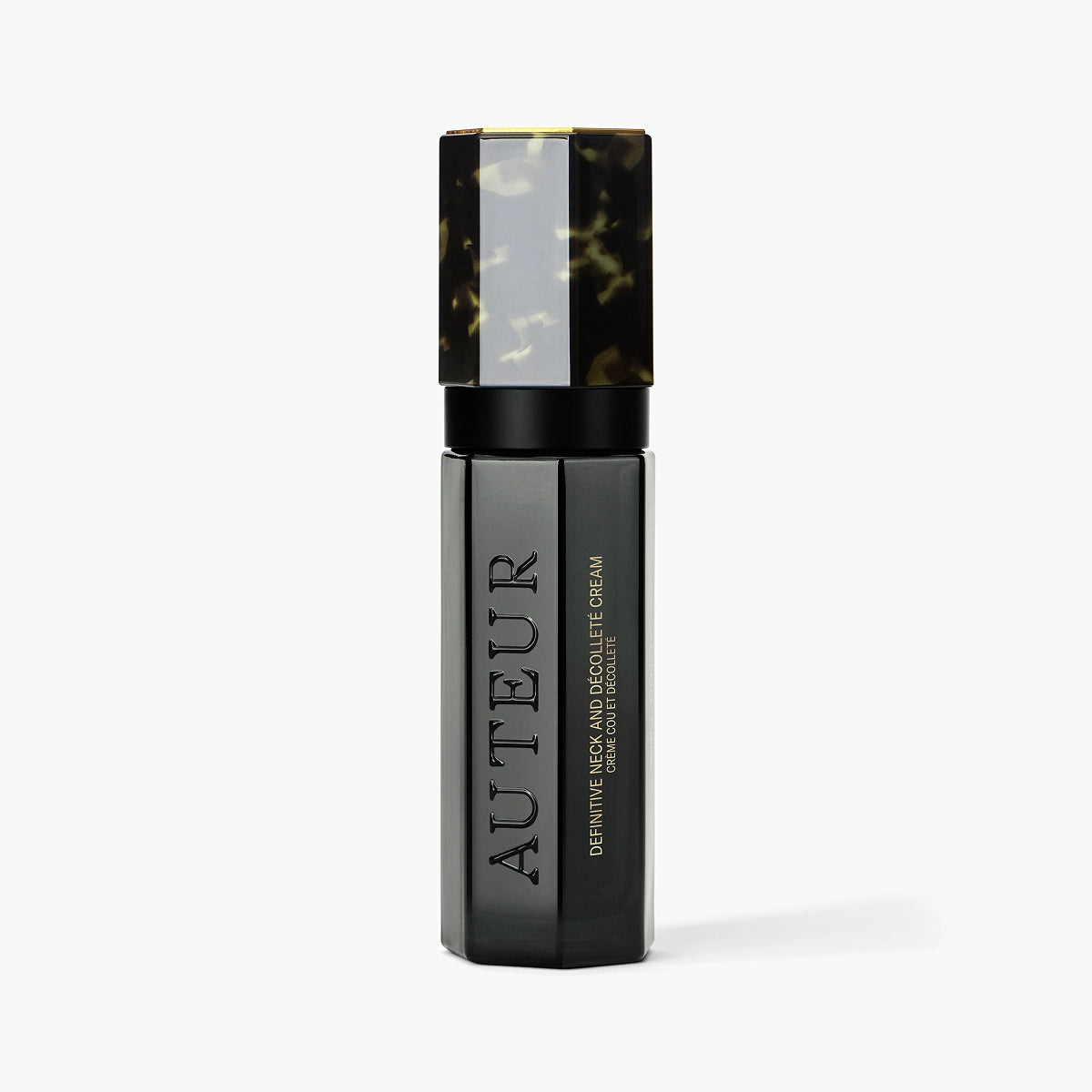
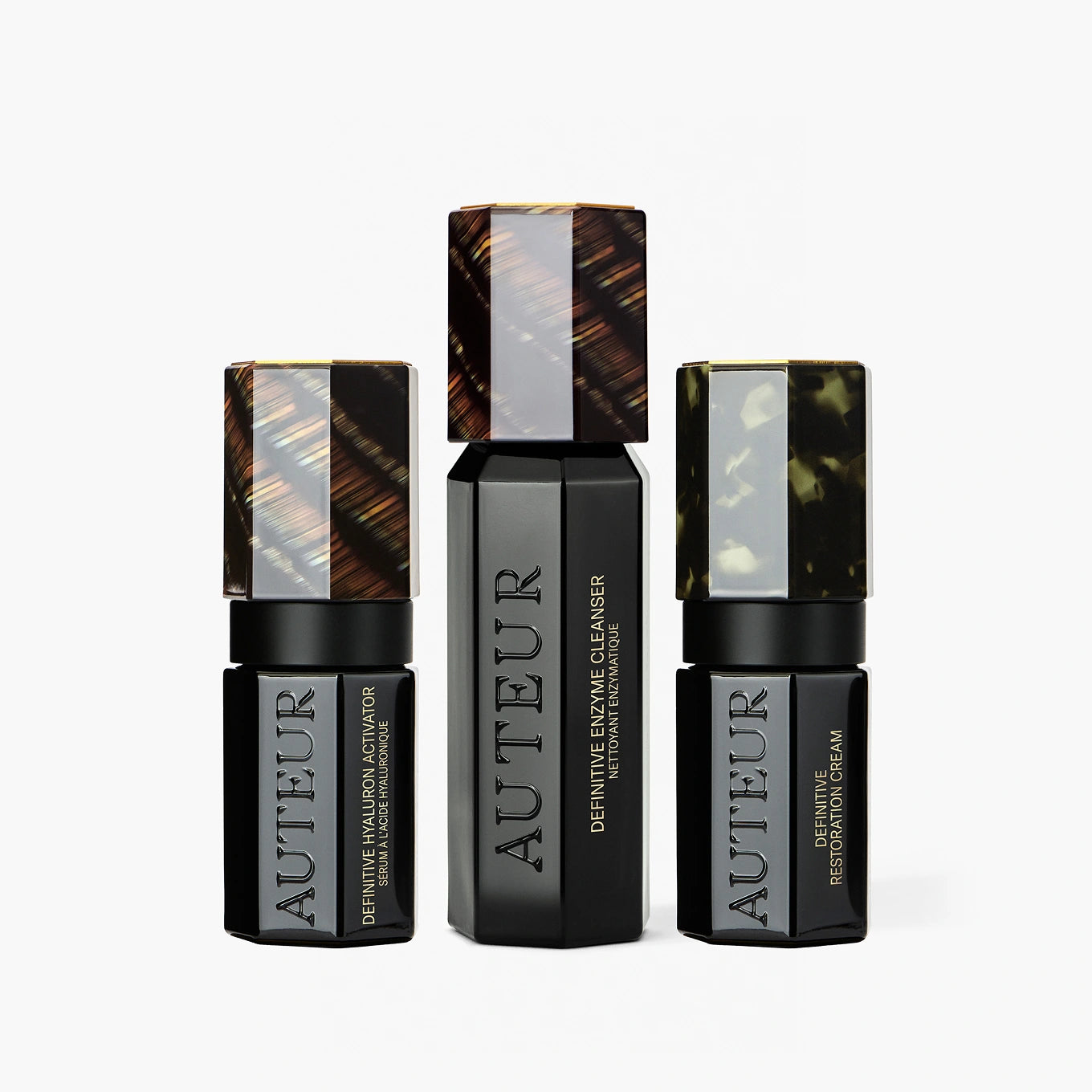
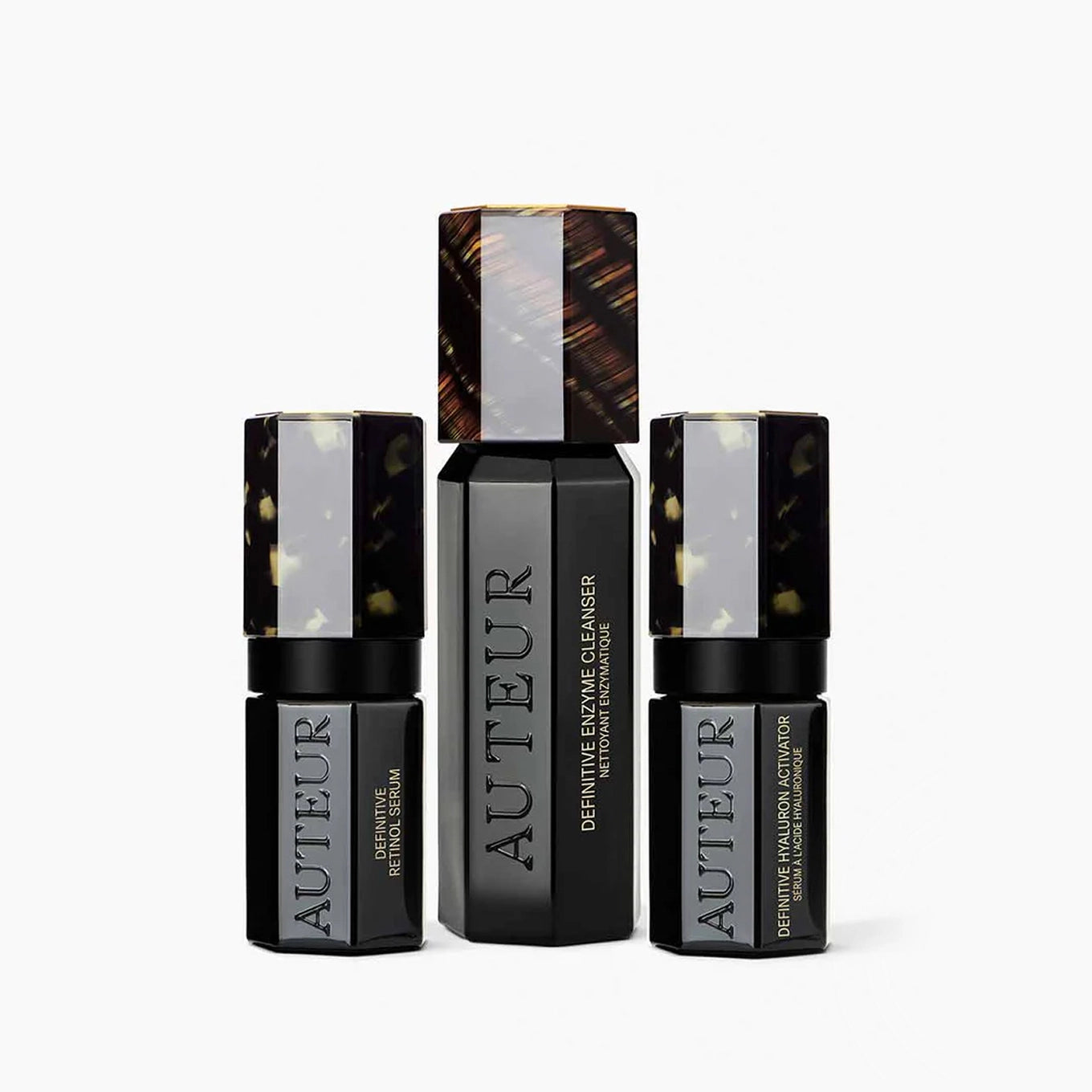
A high-quality formula balances the acid's concentration with the correct pH level to ensure efficacy without causing excessive irritation. Advanced formulations, like those from AUTEUR, often combine Glycolic Acid with soothing agents and antioxidants to provide intense resurfacing with a superior safety profile.
Explore Other Ingredients
Niacinamide
Learn how niacinamide helps improve the look of uneven tone, pores, and overall skin texture.
Retinol
Discover how retinol supports skin renewal and helps smooth the appearance of fine lines.
Hyaluronic Acid
Learn how hyaluronic acid helps deeply hydrate the skin, improving elasticity and leaving the complexion looking plump, smooth, and refreshed.

Vitamin C
Understand how vitamin C helps brighten the complexion and support a more radiant appearance.
Antioxidants
See how antioxidants help defend skin against environmental stressors and visible aging.
Ceramides
Learn how ceramides help strengthen the skin barrier and lock in essential moisture.
Collagen
Discover how collagen supports firmness and helps maintain a youthful looking complexion.
Citations
Bissett, D. L. (2009). Common cosmeceuticals. Clinics in Dermatology, 27(5), 435–445. https://doi.org/10.1016/j.clindermatol.2009.05.006
Fabbrocini, G., et al. (2009). Glycolic acid peels in acne management. Journal of Cosmetic Dermatology, 8(3), 164–171. https://doi.org/10.1111/j.1473-2130.2009.00394.x
Kim, S. J., et al. (2001). Glycolic acid treatment increases type I collagen mRNA and hyaluronic acid content of human skin. Dermatologic Surgery, 27(5), 429–433. https://doi.org/10.1046/j.1524-4725.2001.00234.x
Narda, M., et al. (2020). Glycolic acid adjusted to pH 4 stimulates collagen production and epidermal renewal without affecting levels of proinflammatory TNF-alpha in human skin explants. Journal of Cosmetic Dermatology, 20(2), 513–521. https://doi.org/10.1111/jocd.13533
Perricone, N. V. (1996). Topical 5% glycolic acid reduces ultraviolet-induced skin damage. The Journal of Geriatric Dermatology, 4, 153–157.
Sharad, J. (2013). Glycolic acid peel therapy – a current review. Clinical, Cosmetic and Investigational Dermatology, 6, 281–288. https://doi.org/10.2147/CCID.S34029
Bernstein, E. F., et al. (1997). Citric acid increases viable epidermal thickness and glycosaminoglycan content of sun-damaged skin. Dermatologic Surgery, 23(8), 689-694. https://doi.org/10.1111/j.1524-4725.1997.tb00391.x
Zasada, M., & Budzisz, E. (2019). Retinoids: active molecules influencing skin structure formation in cosmetic and dermatological treatments. Advances in Dermatology and Allergology, 36(4), 392–397. https://doi.org/10.5114/ada.2019.87443
Kastuar, S., et al. (2022). A comprehensive review on the potential of Alpha Hydroxy Acids (AHAs) in cosmetics. Journal of Cosmetic Dermatology, 21(11), 5413–5425. https://doi.org/10.1111/jocd.15197
Tung, R. C., et al. (2000). Alpha-hydroxy acid-based cosmetic procedures. Guidelines of care for chemical peeling. Journal of the American Academy of Dermatology, 43(6), 1083–1085. https://doi.org/10.1067/mjd.2000.108422