




What is Retinol?
Retinol is a vitamin A derivative widely recognized for its ability to accelerate skin renewal and visibly improve the appearance of aging and uneven texture. By supporting collagen production and encouraging cellular turnover, it helps refine pores, smooth fine lines, and enhance overall radiance. Over time, consistent use of retinol can improve firmness and clarity, revealing a more refined, even-toned complexion. Advanced formulations often combine retinol with soothing and hydrating ingredients to maximize results while minimizing potential irritation.
Learn More About Retinol
Retinol is a multifaceted molecule widely recognized for its ability to correct signs of photodamage and enhance skin structural integrity. It acts by binding to specific nuclear receptors in the skin, initiating a cascade of molecular changes that increase epidermal thickness and improve overall radiance. Incorporating bioactive Retinol helps to reverse structural alterations and prevent further environmental aging.
Retinol promotes faster exfoliation by accelerating cell turnover, which leads to smoother and clearer skin. It stimulates fibroblasts to produce new collagen and protects existing collagen from degradation by inhibiting the enzymes that cause structural breakdown.
Retinol is suitable for most skin types, particularly those concerned with aging or texture, but it can cause initial sensitivity such as redness or peeling. For sensitive skin, it is recommended to start with lower concentrations or gradual application to build a "retinoid tolerance."
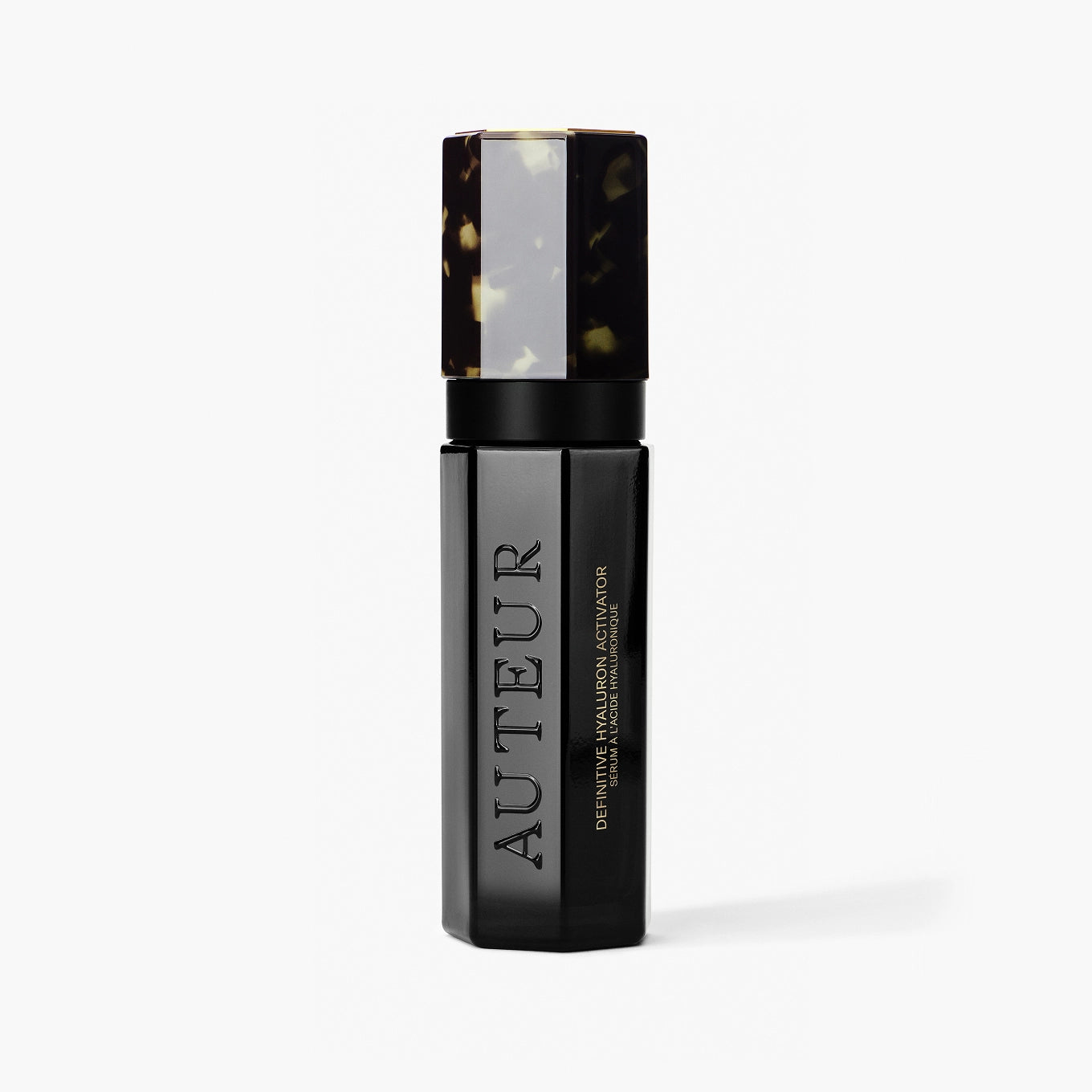
Retinol pairs effectively with Hyaluronic Acid and Niacinamide to buffer potential dryness and support the skin barrier. It should always be used in conjunction with a high-SPF broad-spectrum sunscreen during the day to protect the newly revealed skin.
Yes. Clinical studies consistently show that Retinol significantly reduces the depth of fine lines and wrinkles by thickening the deeper layers of the skin and boosting elasticity, reversing many visible signs of photoaging over time.
It is typically applied at night to clean, dry skin. Because Retinol can be sensitive to light and air, it is best used in a stable nighttime formula. Always follow with a moisturizer to maintain hydration and ensure you apply sun protection the following morning.
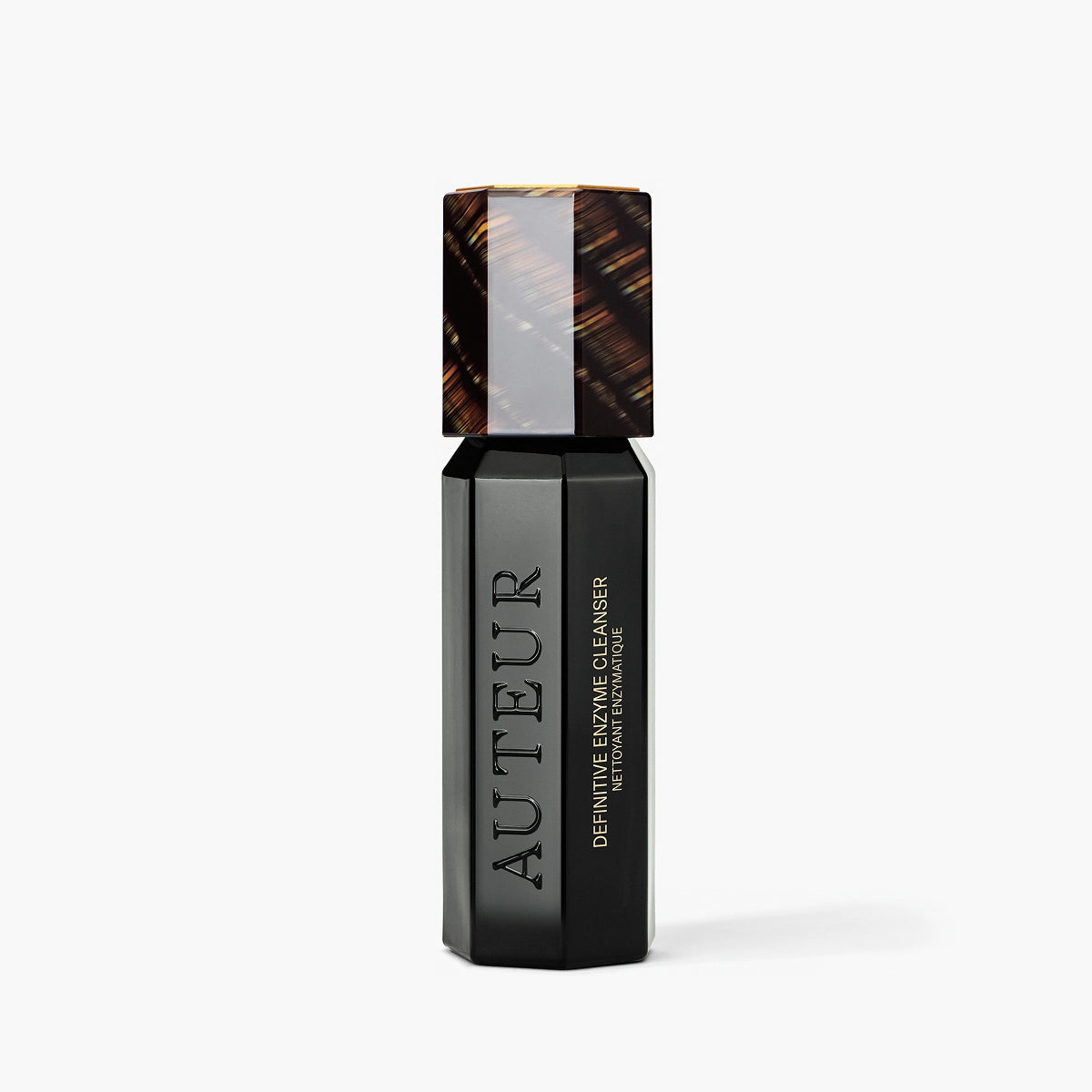
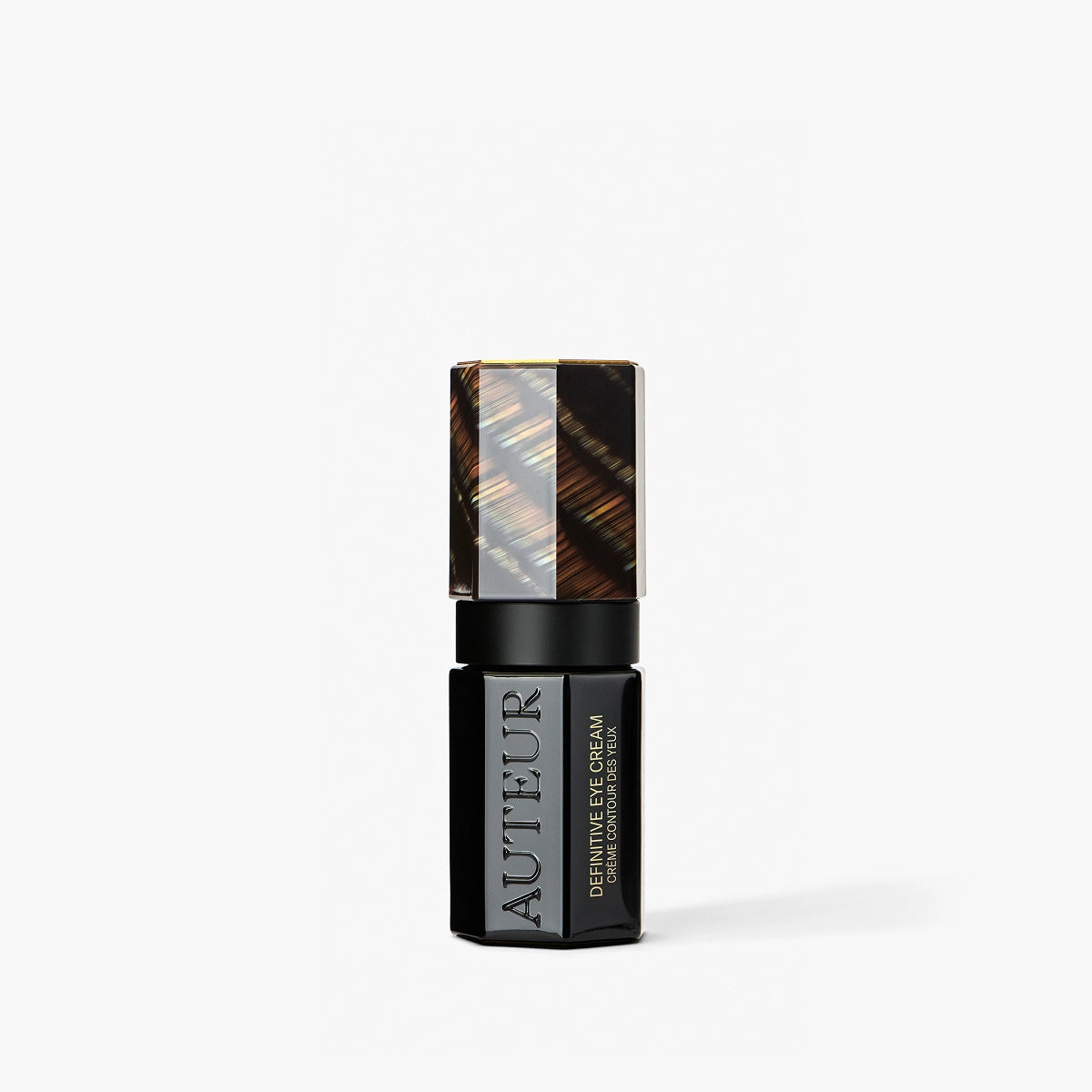
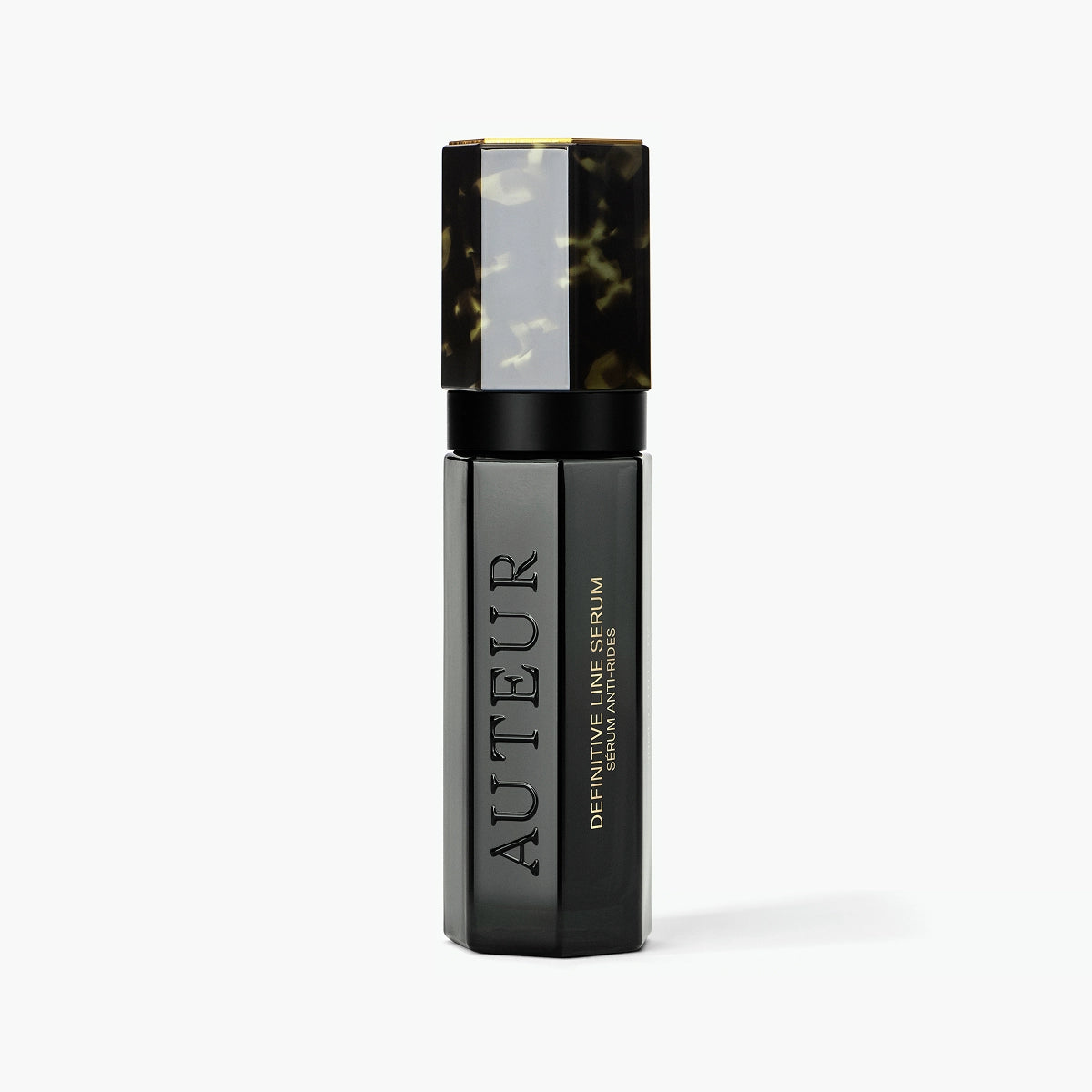
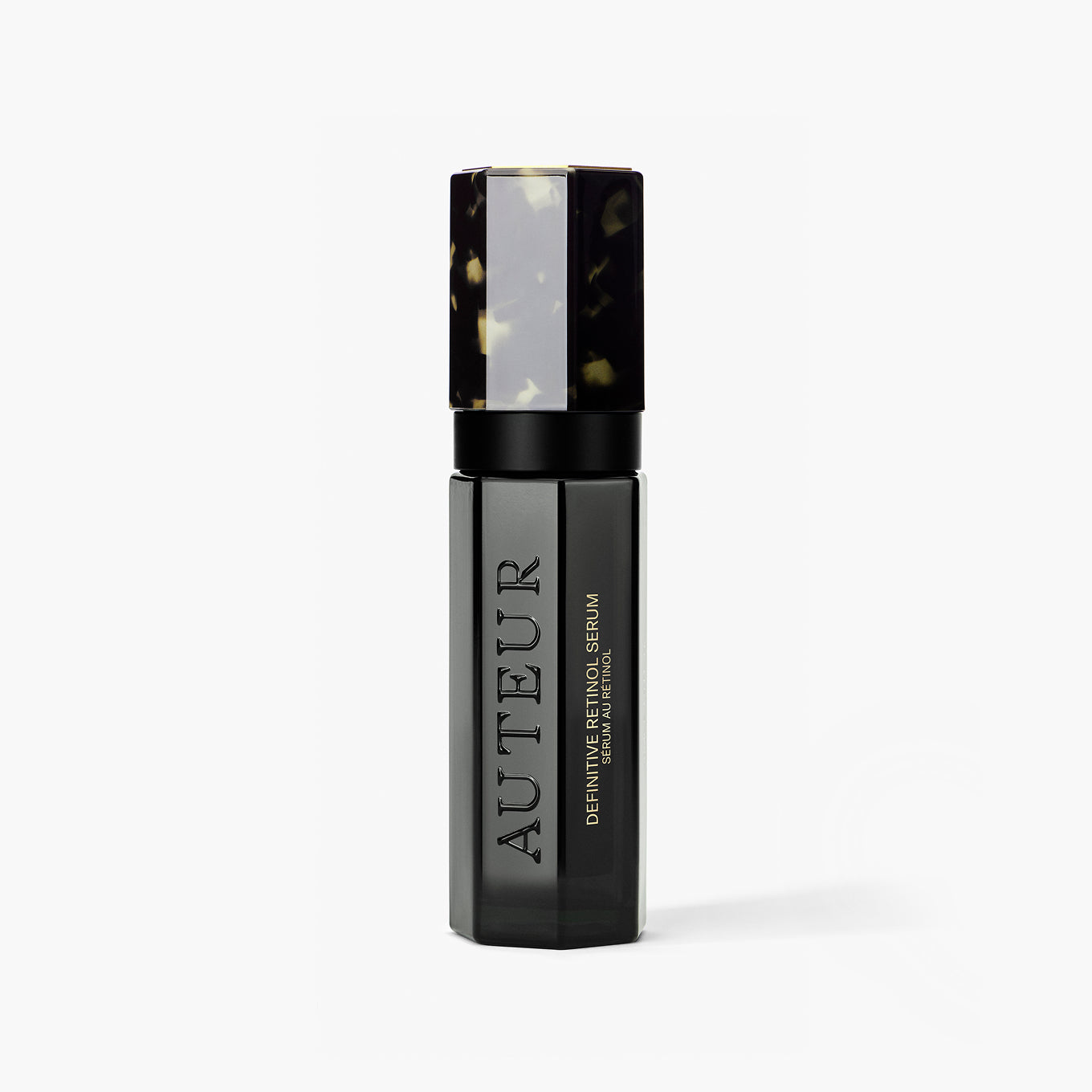
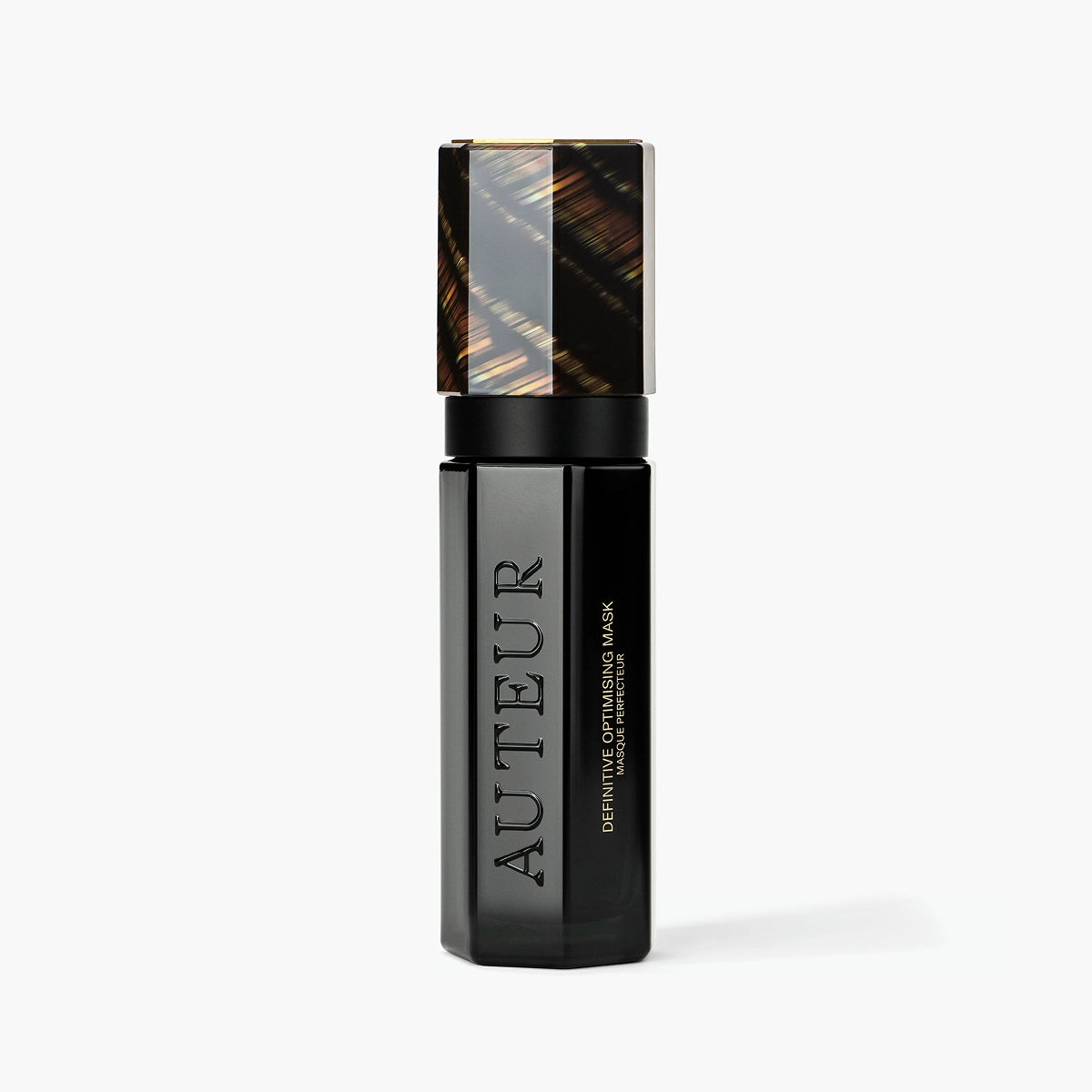
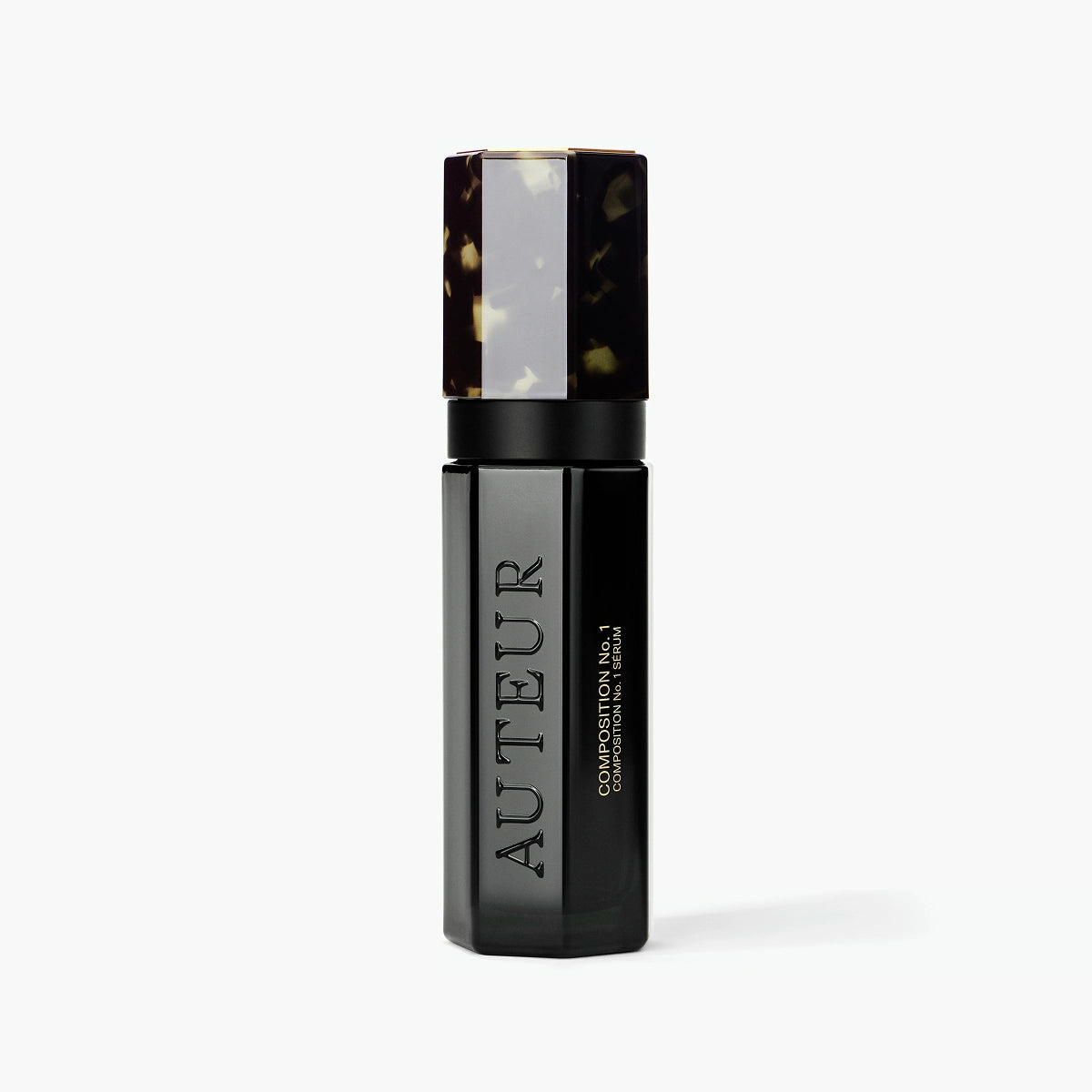
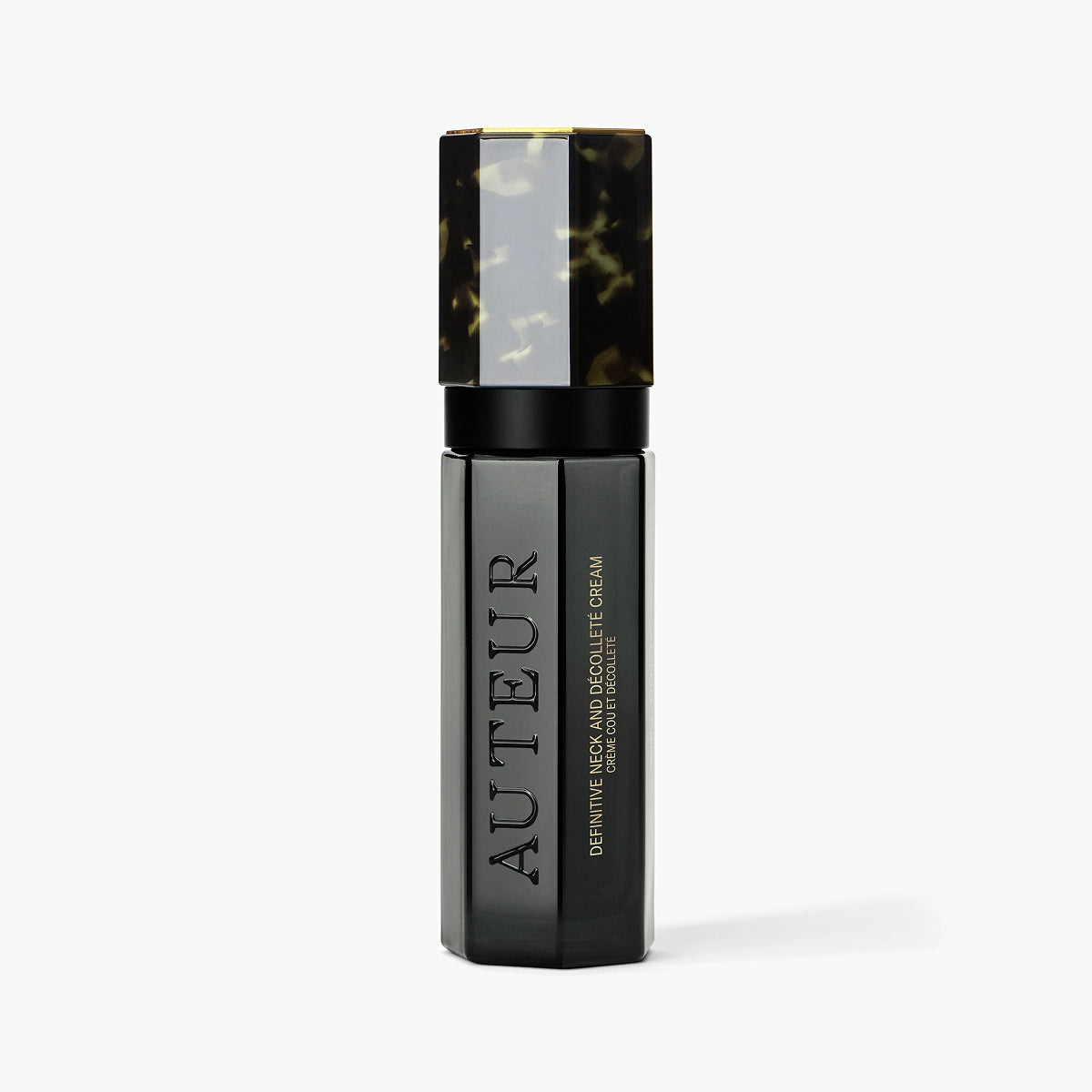
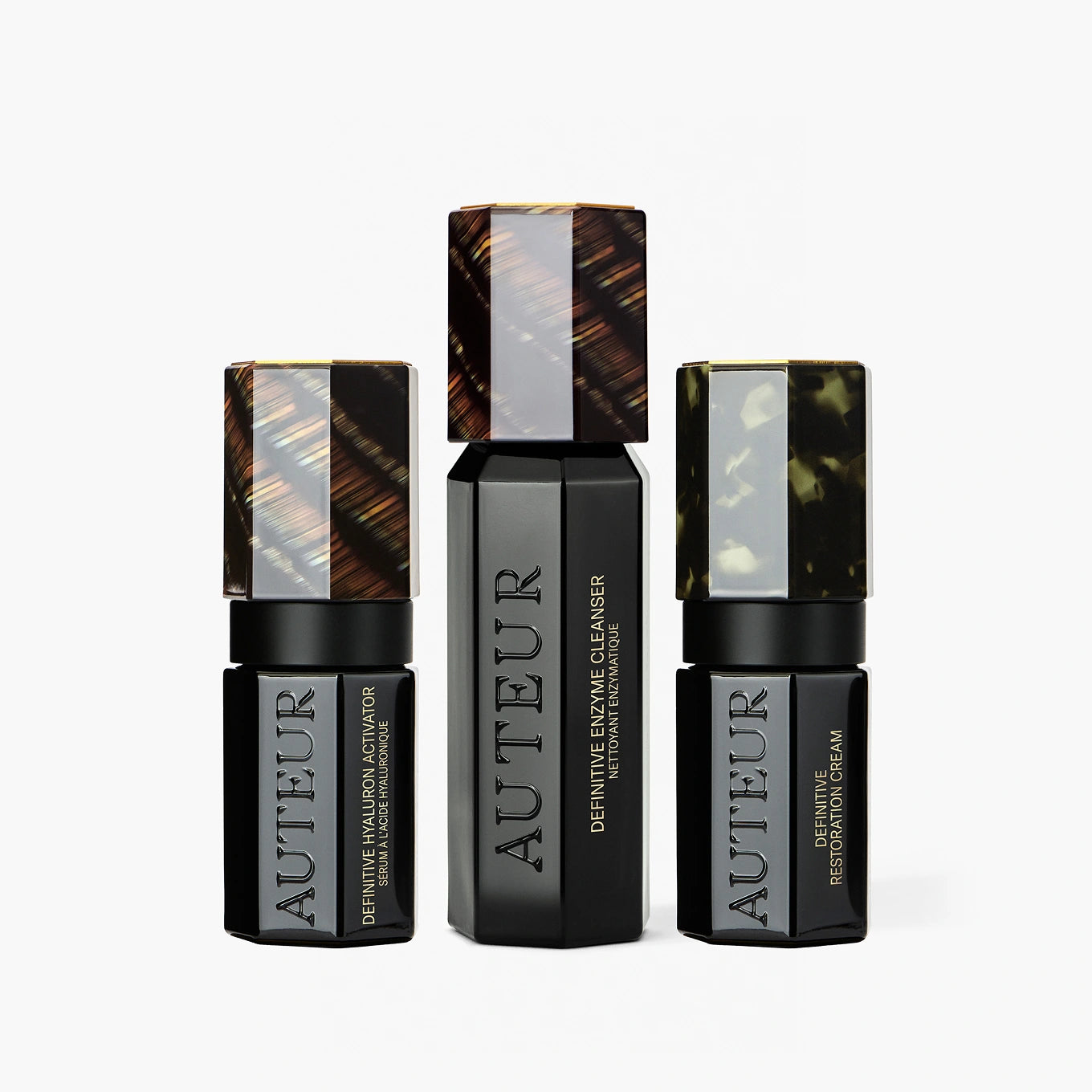
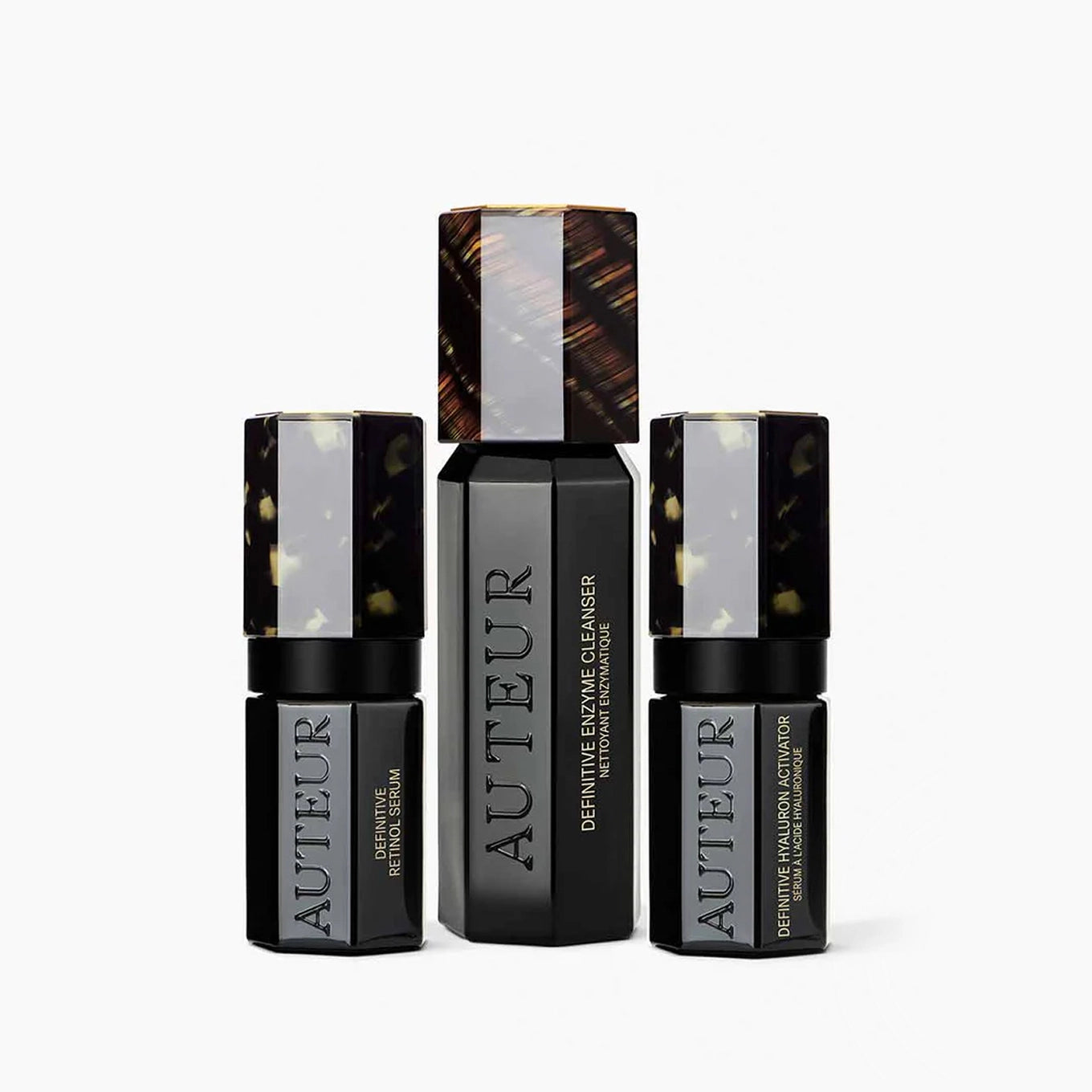
A high-quality formula uses stabilized, bioactive Retinol to ensure the ingredient remains potent and does not degrade. Advanced delivery systems, such as those used by AUTEUR, ensure the active molecules penetrate effectively into the skin while minimizing the irritation often associated with traditional Vitamin A.
Explore Other Ingredients
Niacinamide
Learn how niacinamide helps improve the look of uneven tone, pores, and overall skin texture.
Hyaluronic Acid
Learn how hyaluronic acid helps deeply hydrate the skin, improving elasticity and leaving the complexion looking plump, smooth, and refreshed.
Glycolic Acid (AHA)
Explore how glycolic acid gently exfoliates to reveal brighter, smoother looking skin.

Vitamin C
Understand how vitamin C helps brighten the complexion and support a more radiant appearance.
Antioxidants
See how antioxidants help defend skin against environmental stressors and visible aging.
Ceramides
Learn how ceramides help strengthen the skin barrier and lock in essential moisture.
Collagen
Discover how collagen supports firmness and helps maintain a youthful looking complexion.
Citations
Farris, P., Berson, D., Bhatia, N., et al. (2024). Efficacy and tolerability of a topical 0.1% stabilized bioactive retinol for photoaging: a vehicle-controlled integrated analysis. Journal of Drugs in Dermatology, 23(4). https://doi.org/10.36849/JDD.8124
Fisher, G. J., et al. (1996). Topical Retinol in the Treatment of Photodamage. Archives of Dermatology, 132(2), 190–196. https://doi.org/10.1001/archderm.1996.03890260108011
Kafi, R., Kwak, H. S., Schumacher, W. E., et al. (2007). Improvement of naturally aged skin with vitamin A (retinol). Archives of Dermatology, 143(5), 606–612. https://doi.org/10.1001/archderm.143.5.606
Kang, S., et al. (1995). Application of Retinol to Human Skin In Vivo Induces Epidermal Hyperplasia and Cellular Retinoid Binding Proteins Characteristic of Retinoic Acid. Journal of Investigative Dermatology, 105(4), 549–556. https://doi.org/10.1111/1523-1747.ep12323445
Kong, R., Cui, Y., Fisher, G. J., et al. (2016). A comparative study of the effects of retinol and retinoic acid on histological, molecular, and clinical properties of human skin. Journal of Cosmetic Dermatology, 15(1), 49–57. https://doi.org/10.1111/jocd.12193
Mukherjee, S., et al. (2006). Retinoids in the treatment of skin aging: an overview of clinical efficacy and safety. Clinical Interventions in Aging, 1(4), 327–348. https://doi.org/10.2147/ciia.2006.1.4.327
Sorg, O., & Saurat, J. H. (2014). Topical retinoids in skin ageing: a focused update with reference to sun-induced epidermal vitamin A deficiency. Dermatology, 228(4), 314–325. https://doi.org/10.1159/000360354
Tucker-Samaras, S., et al. (2009). A stabilized 0.1% retinol facial moisturizer improves the appearance of photodamaged skin in an eight-week, double-blind, vehicle-controlled study. Journal of Drugs in Dermatology, 8(10), 932–936. https://pubmed.ncbi.nlm.nih.gov/19852122/
Weiss, J. S., et al. (1988). Topical tretinoin improves photoaged skin: a double-blind vehicle-controlled study. JAMA, 259(4), 527–532. https://doi.org/10.1001/jama.1988.03400040083025
Zasada, M., & Budzisz, E. (2019). Retinoids: active molecules influencing skin structure formation in cosmetic and dermatological treatments. Advances in Dermatology and Allergology, 36(4), 392–397. https://doi.org/10.5114/ada.2019.87443