




What are Ceramides?
Ceramides are essential lipids that serve as the foundational building blocks for maintaining skin barrier integrity and overall wellness.Naturally produced by keratinocytes in the epidermis, they constitute approximately 50% of the stratum corneum's lipid matrix, where they form an organized "mortar" between skin cells.While these lipids are vital for creating an impermeable defense against pathogens and environmental stressors, natural ceramide levels are dynamic and can be depleted by aging, UV exposure, and harsh pollutants. AUTEUR formulations utilize bioidentical ceramides to restore this lipid bilayer, effectively locking in moisture and reinforcing the skin’s first line of defense to reveal a remarkably smooth, resilient, and hydrated complexion.
Learn More About Ceramides
Ceramides are multifaceted molecules that go beyond simple hydration; they act as signaling messengers that regulate cellular processes like differentiation and apoptosis.A healthy skin barrier, rich in ceramides, is defined by its ability to prevent excessive transepidermal water loss (TEWL) and resist external aggressors.Incorporating topical ceramides helps to stabilize the skin’s structural integrity and reverse the visible signs of barrier compromise.
Ceramides maintain the lamellar organization of the lipid matrix, which is essential for skin barrier integrity.They significantly reduce transepidermal water loss (TEWL) by limiting water escape from deeper layers and guard against the penetration of pathogens, allergens, and toxins.
Yes, ceramides are suitable for all skin types and are particularly vital for those with sensitive, dry, or aging skin.They are often used medically to repair barrier defects in inflammatory conditions such as atopic dermatitis and psoriasis.
Ceramides work synergistically with other physiological lipids like cholesterol and free fatty acids to accelerate barrier repair. They also pair effectively with humectants like Hyaluronic Acid to balance surface hydration with deep barrier reinforcement.
Yes, by improving skin elasticity and maintaining optimal hydration levels, ceramides help to soften the appearance of fine lines and prevent new wrinkles caused by dryness.Restoring the lipid barrier leads to a visibly smoother texture and a more youthful skin "plumpness".
Ceramides can be used both morning and night as part of a daily moisturizing step to provide targeted reinforcement of the skin's protective layer.They are especially effective when applied after active treatments, such as Retinol or Glycolic Acid, to help buffer potential irritation and support the recovery process.
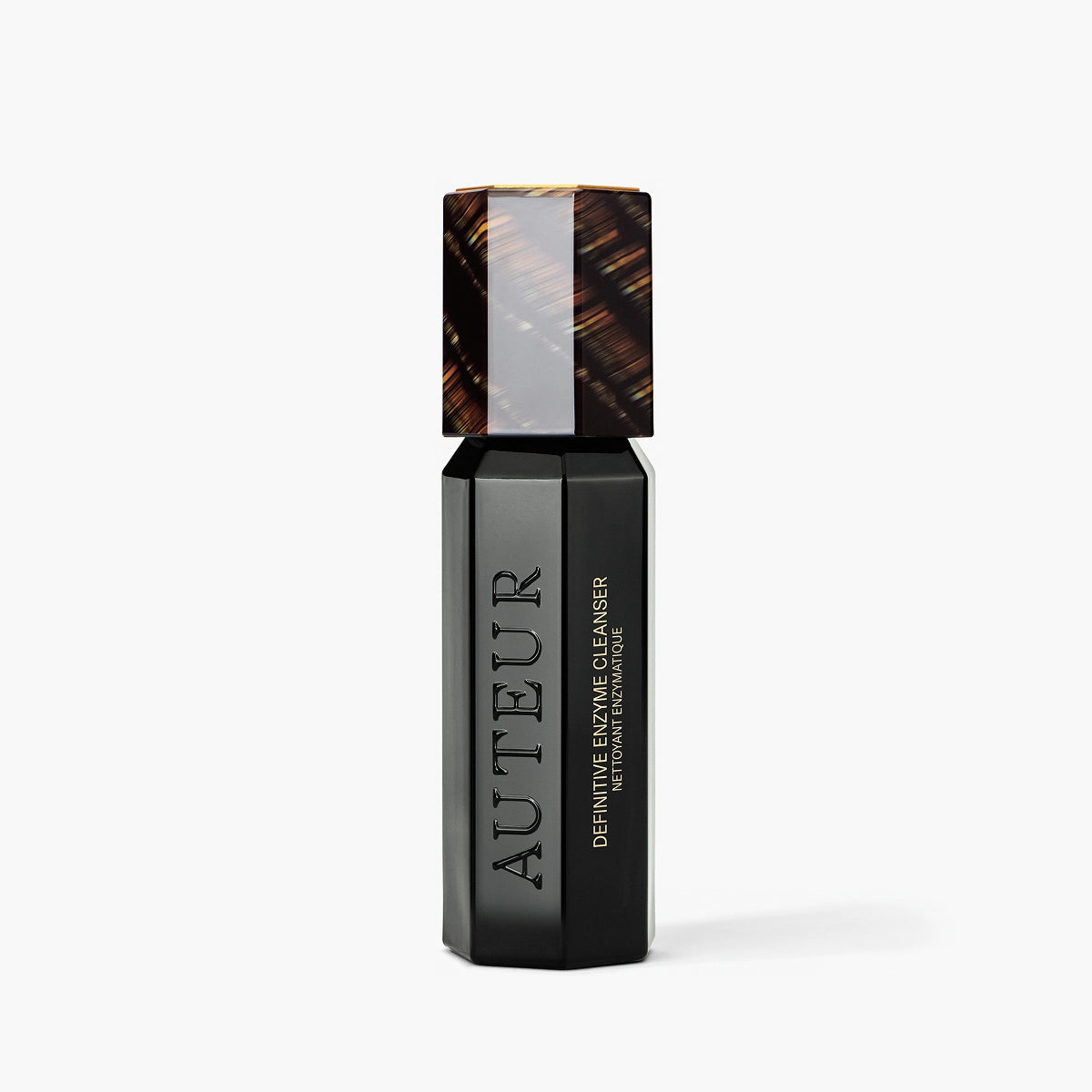
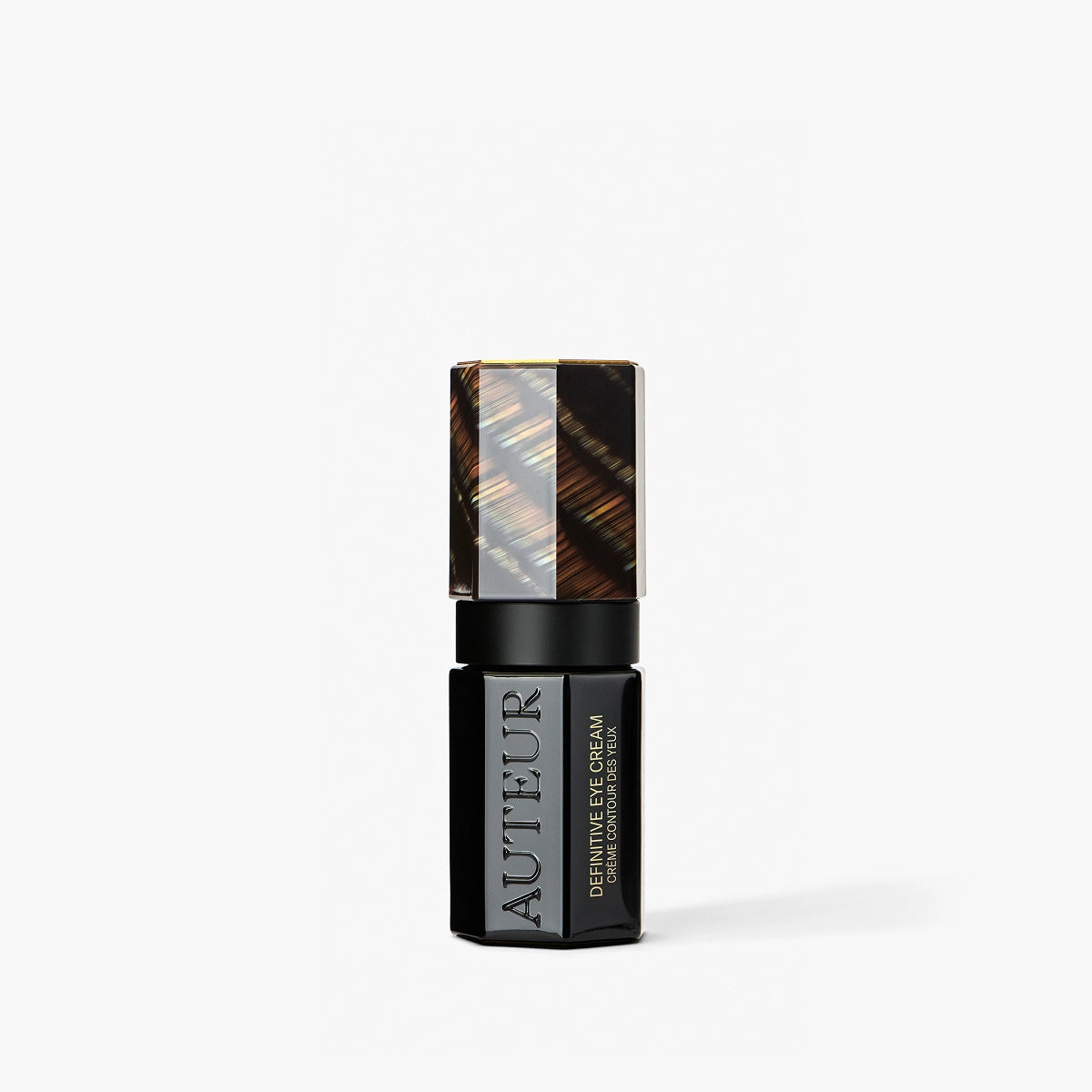
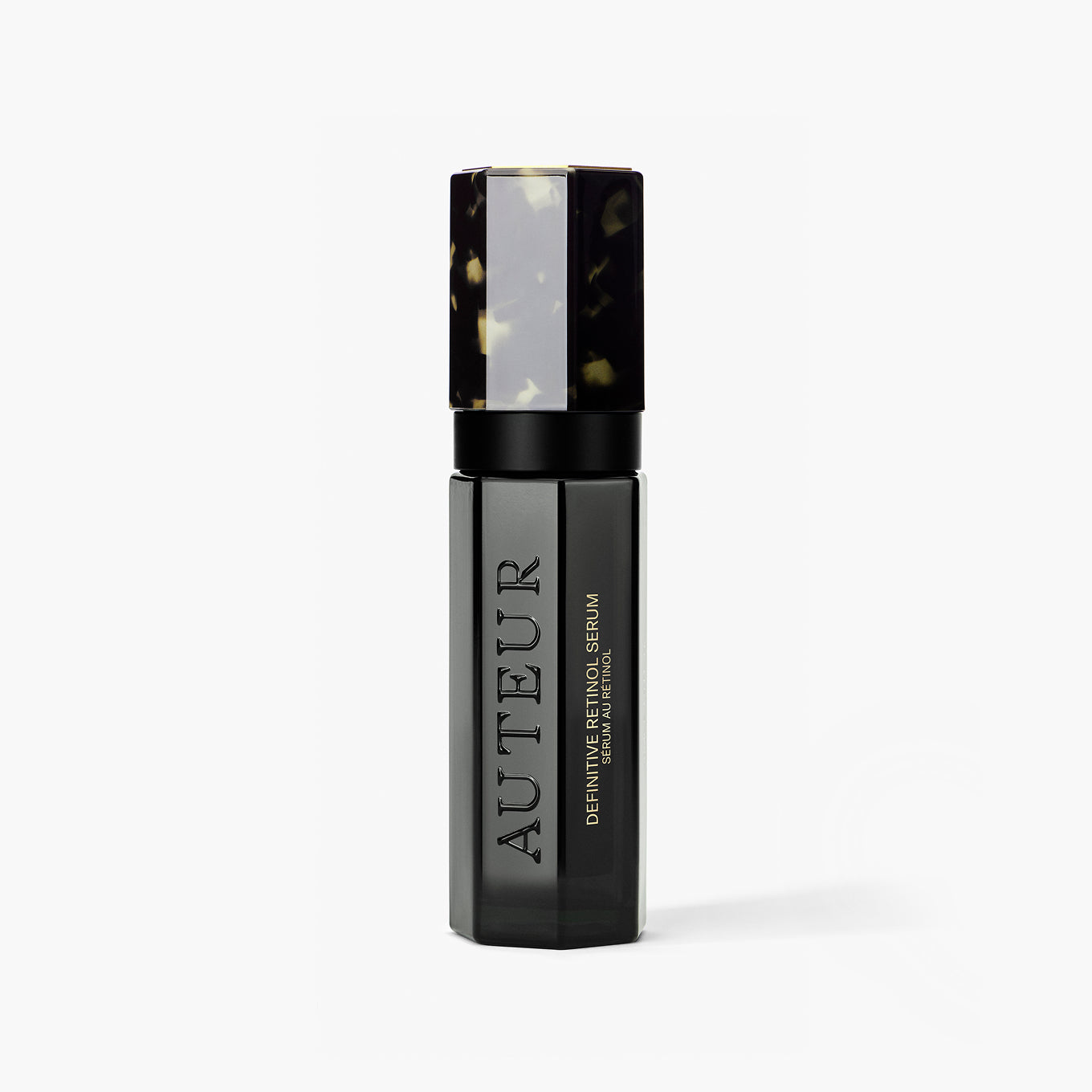
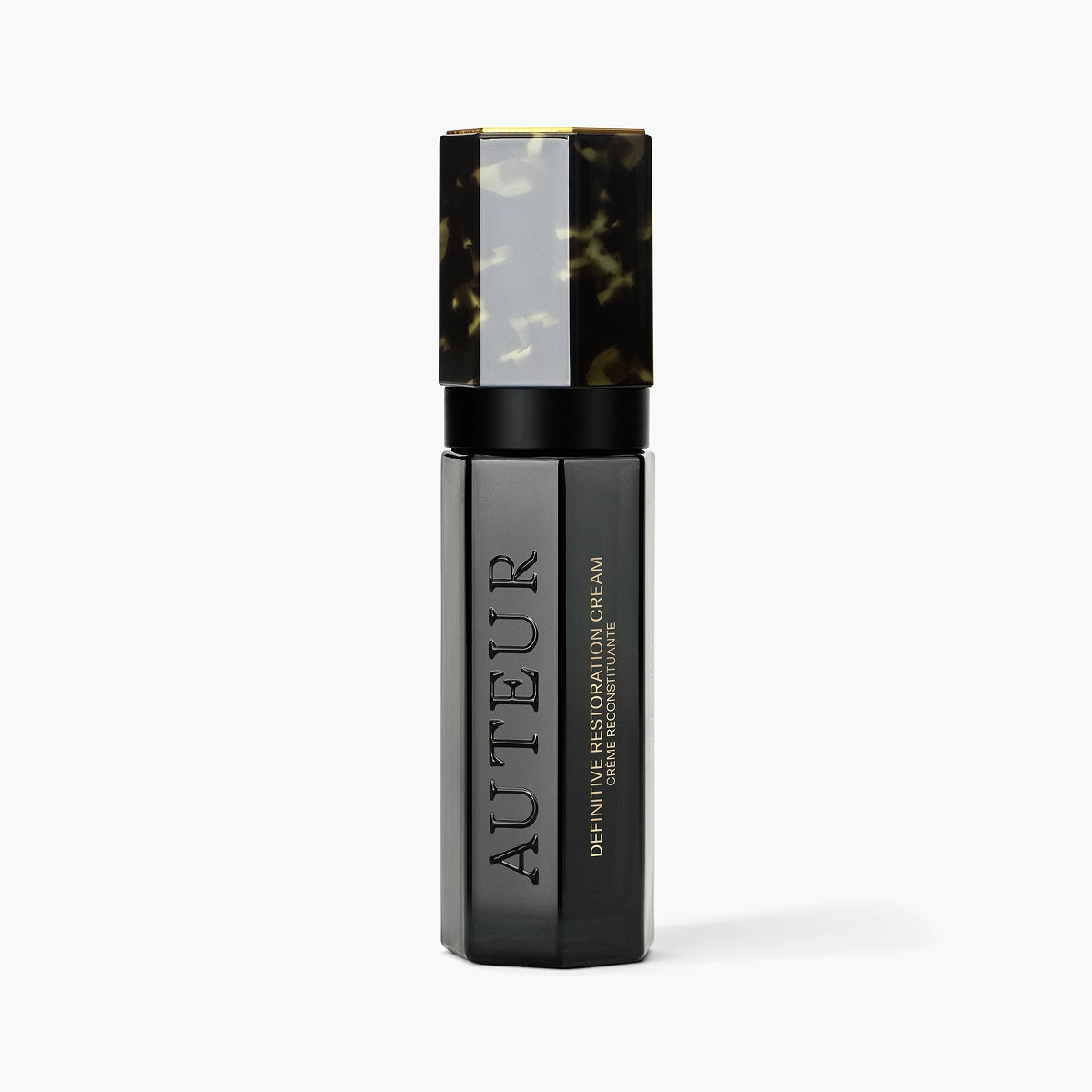
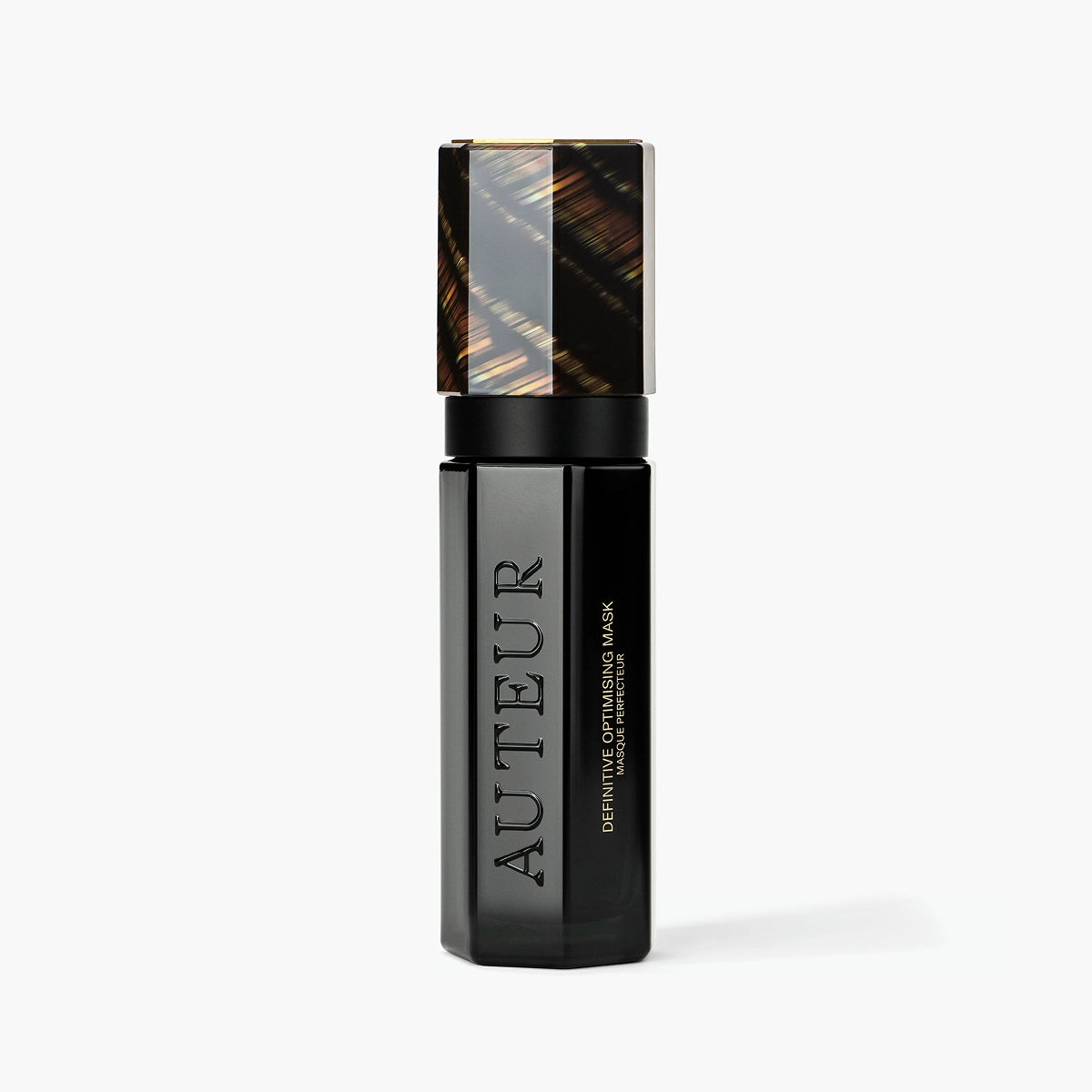
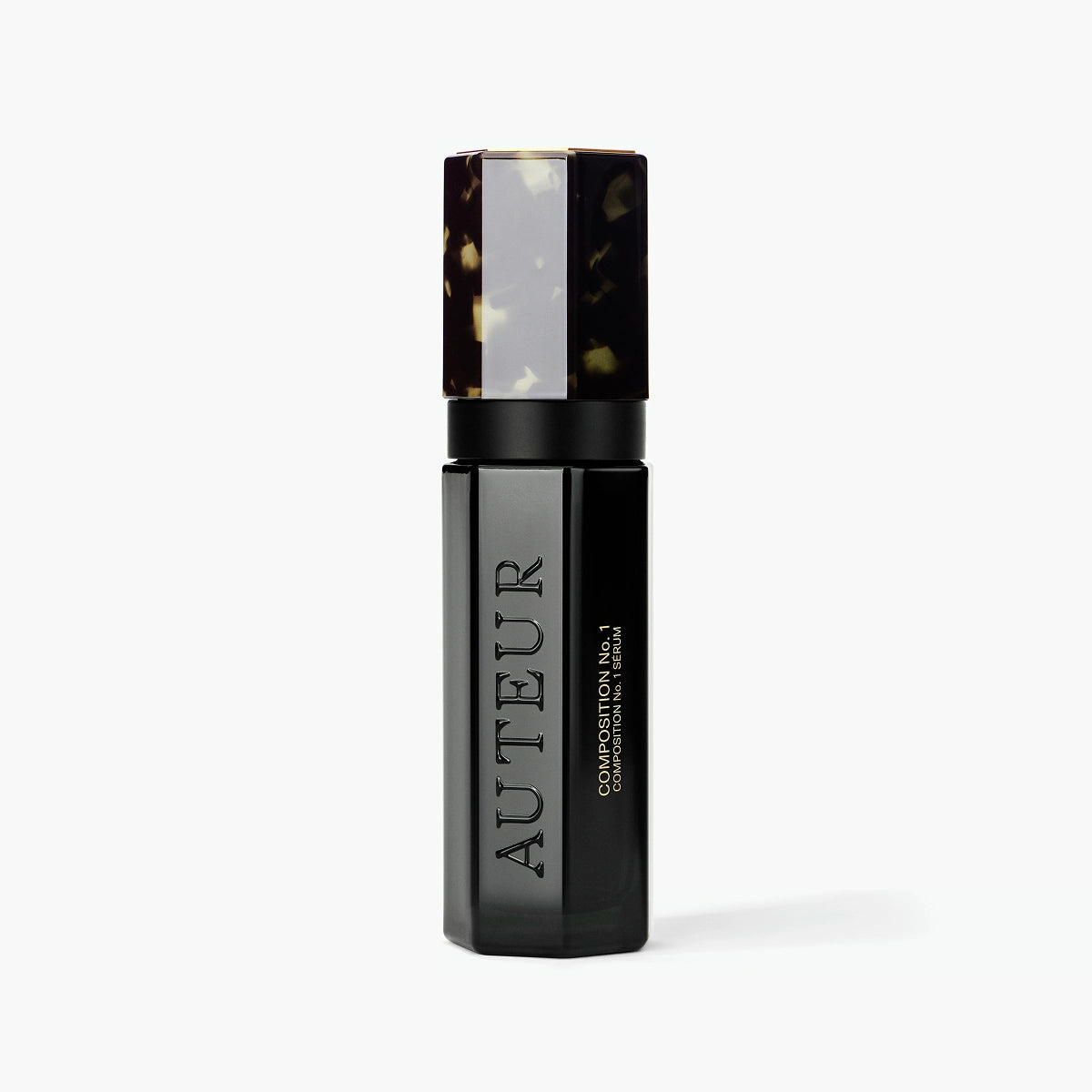
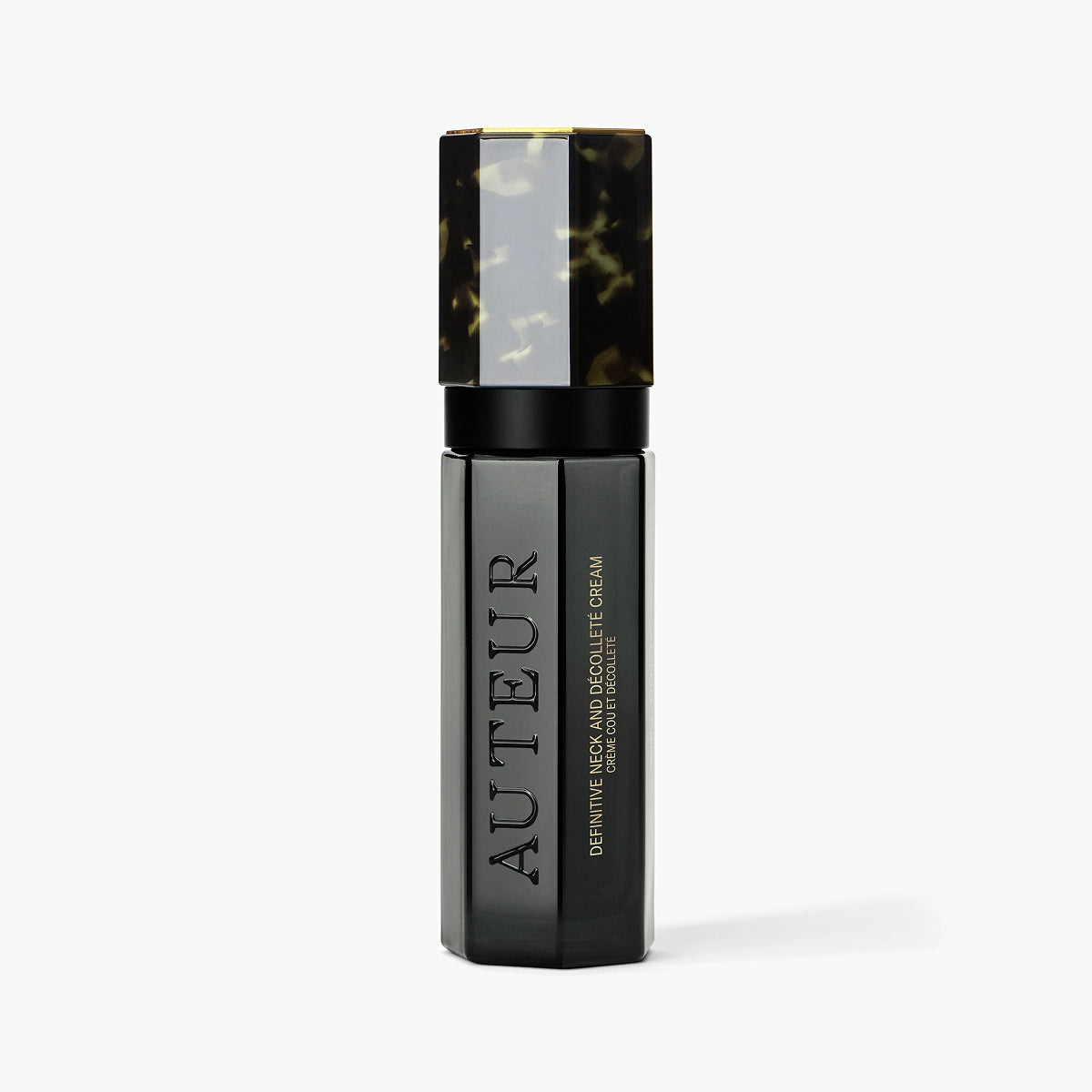
A high-quality formula utilizes a "multi-vesicular emulsion" or similar advanced delivery system to ensure a sustained release of lipids for long-lasting hydration.Advanced formulations, like those from AUTEUR, focus on delivering a precise ratio of bioidentical ceramides (such as Ceramide NP, AP, and EOP) to ensure they integrate seamlessly into the skin's natural architecture.
Explore Other Ingredients
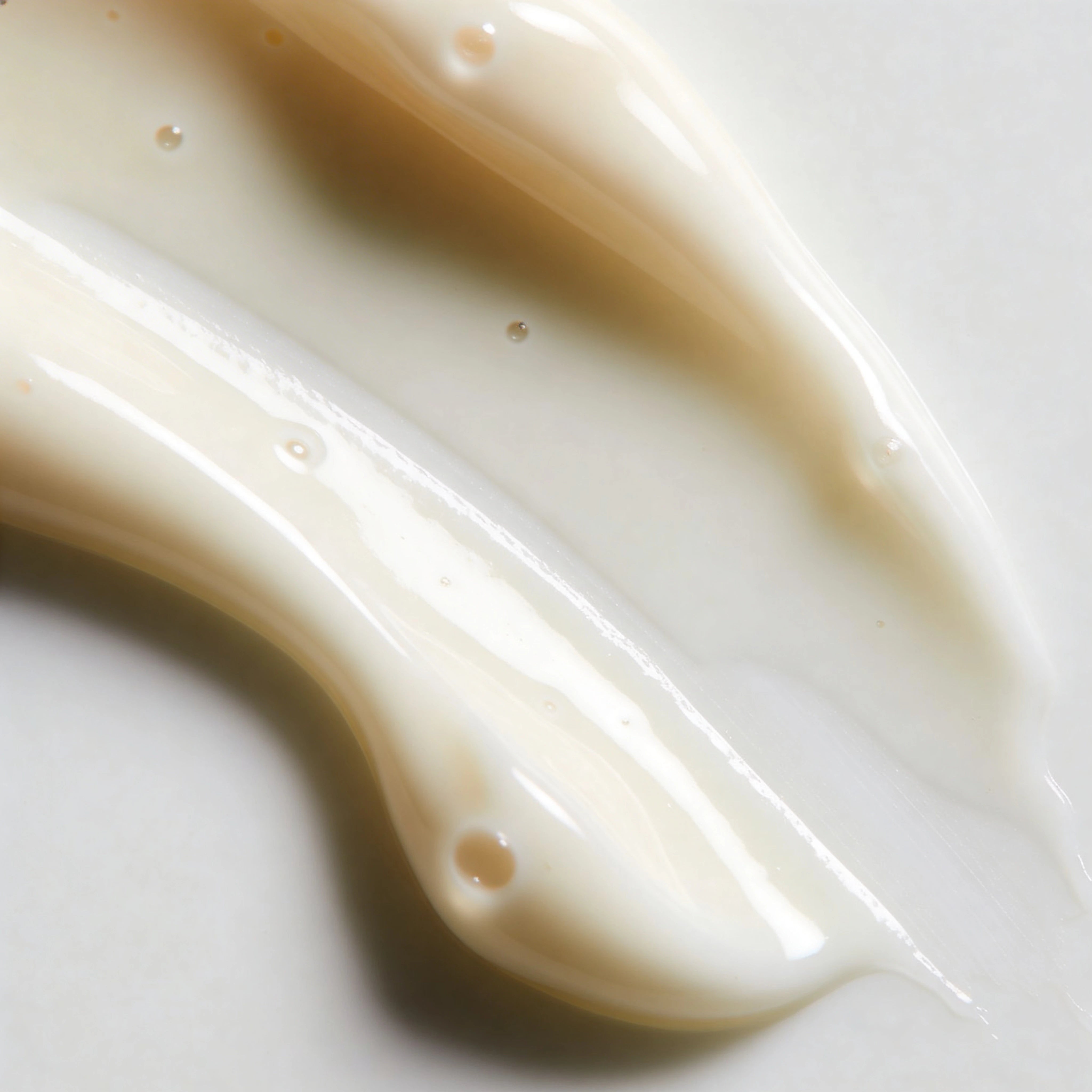
Niacinamide
Learn how niacinamide helps improve the look of uneven tone, pores, and overall skin texture.
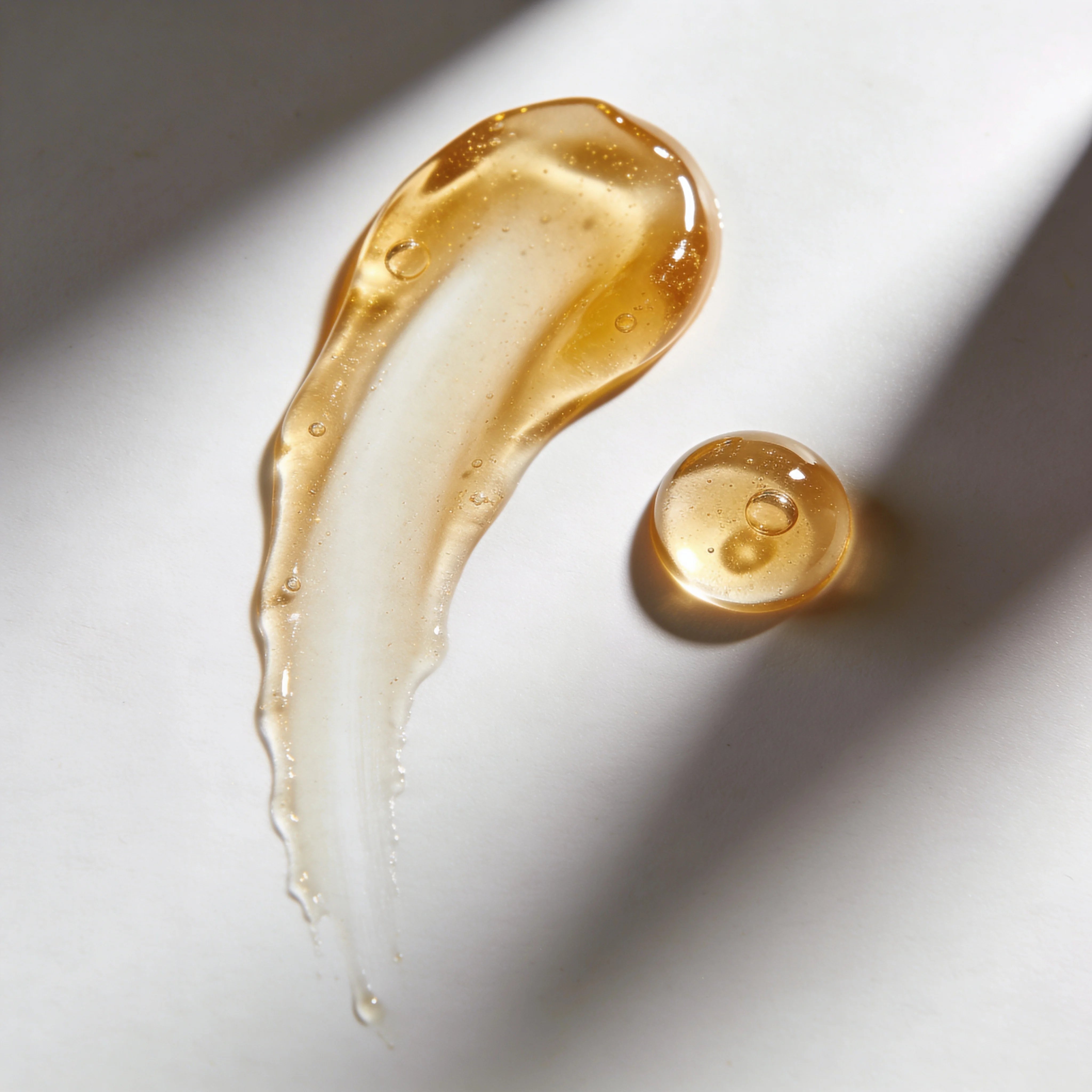
Retinol
Discover how retinol supports skin renewal and helps smooth the appearance of fine lines.
Glycolic Acid (AHA)
Explore how glycolic acid gently exfoliates to reveal brighter, smoother looking skin.

Vitamin C
Understand how vitamin C helps brighten the complexion and support a more radiant appearance.
Antioxidants
See how antioxidants help defend skin against environmental stressors and visible aging.
Hyaluronic Acid
Learn how hyaluronic acid helps deeply hydrate the skin, improving elasticity and leaving the complexion looking plump, smooth, and refreshed.
Collagen
Discover how collagen supports firmness and helps maintain a youthful looking complexion.
Citations
Aich, B., et al. (2024). Clinical evaluation of a topical ceramide lotion on skin hydration and skin barrier in healthy volunteers with dry skin. Cosmoderma, 4, 34. https://doi.org/10.25259/csdm_175_2024
Bikowski, J., & Shroot, B. (2006). Multivesicular emulsion: a novel, controlled-release delivery system for topical dermatological agents. Journal of Drugs in Dermatology, 5(10), 942–946. https://pubmed.ncbi.nlm.nih.gov/17094411/
Draelos, Z. D. (2008). The effect of ceramide-containing skin care products on eczema resolution duration. Cutis, 81(1), 87–91. https://pubmed.ncbi.nlm.nih.gov/18306857/
Feingold, K. R., & Elias, P. M. (2024). The role of ceramides in the disruption of the cutaneous permeability barrier, a common manifestation of skin disorders. Journal of Lipid Research, 65(8), 100593. https://doi.org/10.1016/j.jlr.2024.100593
Huang, H. C., & Chang, T. M. (2008). Ceramide 1 and ceramide 3 act synergistically on skin hydration and the transepidermal water loss of sodium lauryl sulfate-irritated skin. International Journal of Dermatology, 47(8), 812–819. https://doi.org/10.1111/j.1365-4632.2008.03687.x
Ishikawa, J., et al. (2021). Efficacy of Ceramide-Containing Formulations on UV-Induced Skin Surface Barrier Alterations. Journal of Drugs in Dermatology, 20(4), 300-306. https://jddonline.com/articles/efficacy-of-ceramide-containing-formulations-on-uv-induced-skin-surface-barrier-alterations-S1545961621S0s29X/
Spada, F., et al. (2018). Skin hydration is significantly increased by a cream formulated to mimic the skin's own natural moisturizing systems. Clinical, Cosmetic and Investigational Dermatology, 11, 491–497. https://doi.org/10.2147/CCID.S177697
Takagi, Y. (2021). The Pathogenic and Therapeutic Implications of Ceramide Abnormalities in Atopic Dermatitis. Journal of Clinical Medicine, 10(18), 4160. https://doi.org/10.3390/jcm10184160
Yong, T. L., et al. (2025). Ceramides and Skin Health: New Insights. Experimental Dermatology, 34(2), e70042.https://doi.org/10.1111/exd.70042
Zeichner, J. A., & Del Rosso, J. Q. (2016). Multivesicular emulsion ceramide-containing moisturizers: an evaluation of their role in the management of common skin disorders. The Journal of Clinical and Aesthetic Dermatology, 9(12), 26–32. https://www.ncbi.nlm.nih.gov/pmc/articles/PMC5300732/